
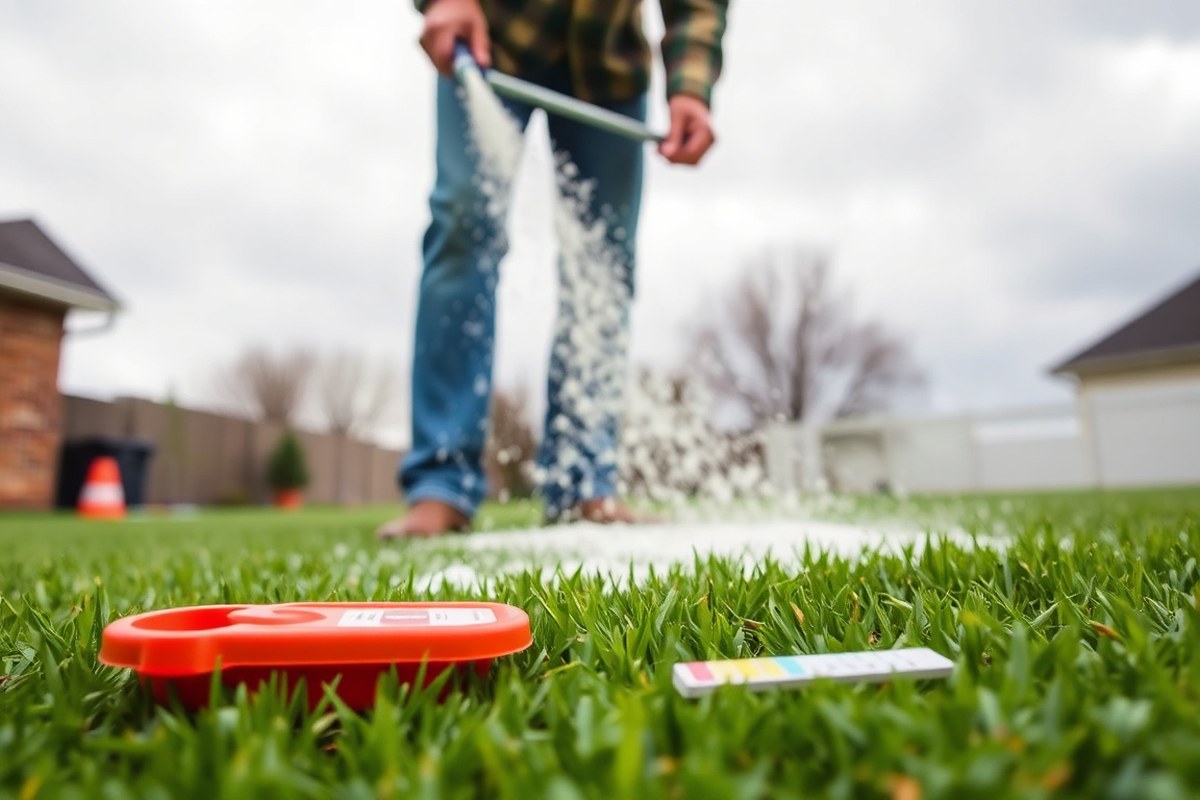
When to Lime Yard: A Complete Guide for Healthy Lawn pH and Growth
Wondering when to lime yard to keep your grass healthy? The best time to lime is during fall or early spring. These seasons let lime work for up to six months.
This changes soil pH before hot or cold weather arrives. It helps your lawn avoid stress from temperature extremes.
Start by testing your soil pH to know if liming is necessary. Lime needs time to work.
So apply it a few weeks before you seed or fertilize. This way, the soil can adjust, helping your grass take up nutrients better.
Watch weather forecasts and choose a calm day with gentle rain shortly after applying lime. This moisture helps the lime soak into soil and begin neutralizing acidity most effectively.
Key Takeaways
- Test soil pH before liming to avoid unnecessary treatments.
- Apply lime 2, 4 weeks before overseeding for better seedling growth.
- Fall or early spring timing lets lime fully react with the soil.
- Wait 2, 4 weeks after fertilizing before spreading lime.
- Use gentle rain or light irrigation after liming to wash it in.
- Apply lime at about 40 pounds per 1,000 square feet for best results.
When Is the Best Time to Lime Your Yard?

Applying lime in fall or early spring works best for most lawns. These seasons offer cool, moist soil conditions that help lime dissolve and move into the ground. Fall lets lime work for months to raise soil pH.
The lawn is dormant then. This preps soil for spring growth.
Spring works well too, especially in March just before grass starts growing actively. Lime applied then can help correct soil acidity as the lawn comes out of dormancy.
Avoid liming in hot summer or frozen winter. Too dry or frozen soil blocks lime’s effectiveness.
- Apply lime in early fall (September) or early spring (March).
- Wait for cool, moist soil; avoid dry, hot, or frozen ground.
- Do not apply lime after ground freezes in late fall or winter.
- For warm-season grasses, late winter to early spring works best.
- For new lawns, apply lime early before seeding if soil test shows need.
Lime takes time to adjust soil pH. So applying it well before peak growth helps. Moisture from rain or light watering aids lime’s movement into the soil.
Applying lime late in the season leaves it on the surface. It won’t help much before winter starts.
How to Test Your Soil pH and Lime Needs Accurately

Testing your soil pH accurately tells you if your lawn needs lime. You can do this yourself with a test kit or use a professional service. Both give you a pH value and lime recommendation to adjust soil acidity properly.
Using Home Soil Test Kits
Home test kits are affordable and easy to use. They usually cost $10 to $30 and give quick pH readings.
Some kits include color charts or test strips. Others have liquid or powder reagents.
Before testing, avoid watering your lawn for 24 hours. Collect samples from several spots about 3 to 4 inches deep. Mix these samples in a clean container for accuracy.
- Use a clean trowel to dig soil from 4 to 6 spots. Make sure to pick samples from different areas in your yard. This helps get a good overall soil test.
- Remove debris like grass or stones from those samples.
- Combine the soil in a clean container and mix evenly.
- Fill the test kit’s container with soil as instructed.
- Add water or reagents according to the kit directions.
- Wait the specified time, usually a few minutes, for color development.
- Compare the color result to the kit’s chart to find your pH level.
Use samples from various spots to get a true average pH of your yard.
Getting Professional Soil Tests
Send soil samples to your state extension service or a certified lab for detailed analysis. This usually costs $10 to $30 and takes 1 to 2 weeks for results. The lab report includes pH, nutrients, and lime needs in pounds per 1,000 square feet.
Collect soil like you do for home tests. Put the soil in a clean paper bag. This keeps it ready to send or test.
Label each bag with your name and address. Check your state’s extension website for submission instructions and forms.
Labs test soil more carefully than home kits do. They tell you the best lime type if your soil needs it.
This makes sure you get the right fix for your soil. They may also note magnesium levels, which affect lime choice.
Interpreting Soil pH and Lime Requirement Data
The ideal lawn soil pH is around 6.0 to 7.0. Your soil needs help if the test shows pH under 6.0, lime is usually needed. The lower the pH, the more lime you will need to apply.
The lab report or kit shows how many pounds of lime to use. This is usually for every 1,000 square feet of yard.
Follow that advice for best results. Follow these guidelines closely to avoid over-liming, which can harm your lawn.
Check your soil’s magnesium saturation if reported. Levels below 10% mean dolomitic lime, which adds magnesium as well as calcium, is necessary.
What Lime Does for Your Lawn and Soil Health
Lime adjusts your soil’s pH by reducing acidity. It raises the pH level toward a neutral range between 6.0 and 7.0. This change helps grass absorb nutrients more effectively.
When your soil is too acidic, key nutrients like nitrogen, phosphorus, and potassium become locked up. Applying lime unlocks these nutrients, making them easier for grass roots to take in. This boost supports stronger, healthier growth.
Good nutrient uptake is why grass grows better after you lime. Lime also activates soil microbes that support root health. Strong roots absorb water and nutrients well, making your lawn more resilient.
Too acidic soil slows nutrient uptake, leading to thin and stressed grass. Lime helps correct this by creating conditions where nutrients are more available. You might notice greener turf after several weeks once lime starts working.
However, lime can encourage some weeds as it improves soil health. You’ll need to control weeds alongside liming, or they could outcompete your grass. And avoid adding lime to already alkaline soils to prevent nutrient imbalance.
Applying lime in late fall lets it work slowly over winter. By spring and summer, your lawn can use nutrients fully and grow thicker. Testing your soil before liming ensures you use the right amount.
Applying too much lime can hurt grass roots. Soil tests help avoid overliming problems.
Understanding Different Types of Lawn Lime and When to Use Them
Lawn lime comes in several types: pelletized, pulverized, calcitic, and dolomitic. Pelletized lime is easy to spread and less dusty. It costs more but works well for homeowners with standard spreaders.
Pulverized lime is finely crushed limestone and works fastest because it reacts quickly with soil. This type is dusty and harder to spread evenly without specialized equipment.
But its cost is lower. Large yards benefit from this option if you don’t mind the dust.
Calcitic lime mainly adds calcium to soil and suits most lawns that don’t lack magnesium. Dolomitic lime, containing calcium and magnesium carbonate, is necessary when your soil test shows low magnesium. Magnesium helps grass grow strong, so use dolomitic lime when your soil needs it.
| Lime Type | Pros | Cons |
|---|---|---|
| Pelletized Limestone (Granular) |
Easy to spread with a standard spreader, low dust | Slightly slower reaction, costs 10, 20% more |
| Pulverized/Ground Limestone | Works fastest, lowest cost | Dusty, hard to spread evenly with home spreader |
| Dolomitic Limestone | Adds calcium and magnesium, good for low Mg soils | Reacts slower, only needed if magnesium is low |
| Calcitic Limestone | Most common type, good for normal magnesium soils | Doesn’t supply magnesium |
| Liquid Lime | Reacts in 2, 4 weeks, good for quick pH boost | Temporary effect, no deep long-term correction |
Choose pelletized lime for easy application without dust. It takes about 6 months to fully react but saves time. Use pulverized if you want quick soil changes and don’t mind dust.
Both types cost around $4 to $6 per 40-pound bag for pulverized. $12 to $18 for pelletized lime.
Apply dolomitic lime only if your soil test shows magnesium below the needed level. Too much magnesium can harm your lawn, so avoid dolomitic lime unless necessary. Liquid lime works well for small patches or quick fixes.
It does not last as long as granular lime. Granular lime is best for steady soil health.
How Much Lime to Apply and How to Calculate It Properly
Use your soil test to find the recommended lime amount per 1,000 sq ft. Adjust that amount for the lime product’s calcium carbonate equivalent (CCE). Split large applications to avoid overliming your yard at once.
Determining Pounds per 1000 Sq Ft
Your soil test shows how many pounds of lime you need. It measures per 1,000 square feet. Follow this number for proper application.
This number depends on your soil’s current pH and the target pH for your grass type. For example, a 50-pound test means spread 50 pounds evenly. Do this over 1,000 square feet.
Adjusting for Calcium Carbonate Equivalent
CCE measures how much lime equals pure calcium carbonate (CCE of 100). Say your lime has 85 percent CCE. You must use more of it than pure lime to get the same effect.
Use this formula: Recommended pounds ÷ (CCE ÷ 100) = Actual pounds to apply.
Check your lime bag for the CCE number before calculating application rates.
Splitting Large Lime Applications Safely
When soil test suggests over 50 pounds per 1,000 square feet, split it into two or more applications. Apply half the lime in fall, then the rest four to six months later in spring. This avoids stressing your lawn or causing nutrient imbalances.
Follow these steps to calculate and apply lime correctly:
- Get your soil test recommendation in pounds per 1,000 sq ft.
- Note the CCE percentage of your chosen lime product.
- Divide the recommended pounds by (CCE ÷ 100) to find the actual amount needed.
- Measure your lawn area to determine how many 1,000 sq ft units it contains.
- Multiply the actual pounds by the number of units for total lime needed.
- Decide if your total lime per 1,000 sq ft exceeds 50 pounds. Yes means you should split your application into parts.
- Spread lime evenly using a broadcast spreader according to the schedule you choose.
How to Time Liming Relative to Fertilizing and Overseeding
Lime should generally be applied at the same time as overseeding and before fertilizing. Applying lime and seed together helps adjust soil pH without interrupting seed germination. Wait 2 to 4 weeks after fertilizing to put down lime.
This helps protect your lawn from damage. Be patient before applying lime again.
Applying Lime Before Overseeding
Spread lime and seed during the same visit for best results. This approach lets the lime begin changing soil pH right as seeds start to grow. Watering right after applying both helps the lime reach the soil and improves seed germination.
Don’t lime a day or two before overseeding without watering. Lime dust can dry out the new seeds. Make sure to water seeds after overseeding.
Mixing lime with seed in the same step ensures the soil gets treated evenly. This method works well for established lawns ready for overseeding to fill thin spots.
Waiting Between Lime and Fertilizer Applications
You should wait 2 to 4 weeks after fertilizing before applying lime. Fertilizer chemicals can react with lime if applied together and reduce their effectiveness. Check product labels as some pelletized lime brands say they can mix with fertilizers safely.
Applying lime too soon after fertilizer can also burn grass or stunt growth. Waiting a few weeks prevents this risk and lets fertilizer nutrients work first. After liming, watering your lawn helps dissolve the lime so it further supports nutrient absorption.
Lime Timing for Fall and Spring Lawn Care
Apply lime primarily in fall or early spring based on grass type and climate. For cool-season grasses like Kentucky bluegrass, fall liming improves soil ahead of spring growth. Warm-season grasses such as bermudagrass are best limed in late spring or fall.
Lime in fall gives the soil time to balance its pH over winter. Early spring lime helps jumpstart growth but avoid applying it during active growth to prevent burning. In drier areas, water your lawn after applying lime or before a rainstorm to aid absorption.
Best Practices for Applying Lime and Watering Afterward
Spreading lime evenly prevents clumps and makes sure your lawn benefits fully. Use the right spreader type based on your lime form. Watering right after spreads lime into the soil without letting it wash away.
Using a drop spreader with powdered lime stops clogging and gives more control over spread. Pelletized lime works well with standard broadcast spreaders and creates less dust. Avoid spreading on wet or soggy soil to keep lime from clumping unevenly.
Watering immediately after spreading is key but must be gentle. Too much water at once causes runoff and loses lime. About 0.25 inches of water helps start dissolving lime without washing it away.
- Set your spreader to the rate on the lime bag’s instructions.
- Walk the lawn steadily to lay lime evenly, overlapping slightly at passes.
- If using powdered lime, choose a drop spreader to avoid clogs and dust.
- With pelletized lime, a broadcast spreader will give even coverage and less mess.
- Check soil moisture; avoid applying lime when the ground is wet or soggy.
- Turn on sprinklers or irrigation for 15 to 20 minutes right after spreading.
- Apply about 0.25 inches of gentle water to help lime start dissolving.
- Avoid heavy watering to stop lime from running off into gutters or street.
Wear gloves and long sleeves while spreading lime to avoid skin irritation. Dust masks help too since lime dust may irritate your nose and lungs. Keep pets and children off the lawn until watering finishes to limit contact with lime.
Don’t apply lime the same day as fertilizer with urea nitrogen. Water any fertilizer in before liming or wait a couple of weeks after fertilizing. This prevents nitrogen loss caused by lime staying on the soil surface.
How Soil Type Affects Liming Frequency and Amount
Clay soil holds nutrients tightly because it has high cation exchange capacity. This means it needs more lime each time you apply. This means it resists changes in pH.
You only need to lime clay soil every 3 to 5 years. The effects last longer in this soil type.
Sandy soil’s big particles let lime wash out faster, losing nutrients. Adding lime in smaller doses every 1 to 2 years works best. Use 25 to 50 pounds per 1,000 square feet to avoid wasting lime.
Organic-rich soils contain a lot of decomposing material that helps buffer pH changes naturally. Lime supports beneficial microbes by balancing soil pH, which helps these microbes break down organic matter. This process slowly releases nutrients for your lawn.
Sandy soils may need lime every year or every other year. Rain can wash lime below the root zone.
Use moderate amounts each time, split into two smaller applications if needed, to reduce leaching. Applying lime before heavier rains in fall or early spring helps it soak in.
Clay soils require heavier doses of lime, like 50 pounds per 1,000 square feet. You can apply it less often. Tilling or core aeration before liming improves the lime’s ability to slowly raise pH.
Don’t give clay soil small doses of lime too often. Clay holds lime longer and excess can build up.
Organic matter slows pH shifts and cushions against acid rain or fertilizer swings. Soils with more organic matter usually need less lime.
Balance lime amount with organic content to keep soil stable. Remember, lime mainly unlocks nutrients already in the soil rather than adding nutrients directly.
Check your soil pH and type before liming. This helps match the lime amount to your soil.
Signs Lime Is Working and When to Retest Your Soil pH
You might see your grass getting greener after liming. It usually happens between 4 and 8 weeks. The grass also tends to grow more evenly during this time.
Lime changes soil pH gradually; it doesn’t work overnight. Watch for fewer yellow or brown spots on the grass.
Stronger grass blades also tell you lime is working. These signs show the acidity is getting balanced.
Another sign lime is working is when the soil feels less compact. Lime encourages beneficial microbes that break down organic matter. Testing your soil pH is the most reliable way to confirm lime’s effect.
Test your soil with a kit or send samples to a lab. Do this 3 to 6 months after adding lime. This timing lets you see how the pH changes.
Repeat soil testing every year until you hit the ideal pH. Most turf grasses thrive with a soil pH between 5.8 and 7.0. Once your pH is stable in this range, test every 3 to 4 years.
Ohio State warns against adding lime yearly without testing. Overliming can raise pH too high, harming your lawn.
Apply lime only when the soil is actively warming, usually in spring. Adding lime during grass dormancy slows lime’s breakdown and limits pH adjustments. Keep a record of your soil test results each time.
Plan to add lime again if the pH stays below 5. This helps maintain healthy soil acidity levels.8 after a year.
For clay soils, expect slower lime reaction times due to less drainage. Sandy soils adjust faster, so test accordingly.
Always retest before the next lime application. Good test timing means you won’t waste lime or hurt your lawn’s health.
Step-by-Step Action Plan to Lime Your Yard
Follow these clear steps to lime your yard properly and watch your lawn thrive.
- Week 1: Test your soil pH using a reliable kit or lab test. This tells you if you really need lime.
- Week 2: Pick the right lime type based on your soil test. Use calcitic lime or dolomitic lime depending on soil type.
- Week 3: Figure out how much lime you need for 1,000 square feet. Base it on your soil’s pH and texture.
- Week 4 (cool weather): Apply lime evenly to your lawn using a spreader. Avoid hot, dry days to prevent dust.
- After application: Water your lawn lightly but thoroughly to help lime start working into the soil.
- 3 months later: Check for improvement signs like greener grass and less moss. Retest soil pH to see if levels improved.
- 6 to 12 months later: Test your soil again after 6 to 12 months. Add lime only if pH is still below the ideal range (6).0 to 7.0 for most grasses).
Frequently Asked Questions
Can I Lime My Lawn in Summer?
Summer is not ideal for liming due to heat and dryness. Cooler, moist weather in fall or spring helps lime absorb better into soil.
How Soon Can I Plant Grass After Liming?
Plant grass seeds 2 to 4 weeks after applying lime. This wait lets soil pH stabilize for healthy seedling growth.
Is Lime Harmful to Pets or Kids?
Lime can irritate skin or eyes on contact. Keep pets and kids off the lawn until lime has settled and been watered in.
Can I Apply Lime and Fertilizer at the Same Time?
It’s better to apply lime a few weeks before fertilizer. Lime needs 2 to 3 weeks to start working in the soil properly.
Does Liming Help with Weed Control?
Lime doesn’t kill weeds directly but improves soil health. Healthier grass can better compete against weeds in balanced soil pH.
What Happens If I Lime Too Often?
Over-liming can raise soil pH too much, harming grass. Test soil regularly and only lime when pH is below 6.2.
Final Thoughts
Adding the right amount of lime at the right time helps your soil. This keeps grass healthy and growing well.
Start with a soil test this week to see what your lawn really needs. Taking this first step sets you up for a lush, green lawn in months to come.


