Do Fleas Like Hot or Cold? What Temperatures Actually Kill Fleas and How to Manage Them
Do fleas like hot or cold? They prefer warm temperatures around 75°F. At this warmth, fleas thrive and breed faster, making infestations worse. Cold weather usually slows or kills adult fleas if it’s cold enough long enough.
Adults die when temperatures drop below 46.4°F and freeze within days near 30.2°F. But flea eggs and pupae can survive colder weather, especially inside your home. That’s why fleas often stick around even in winter.
To stop fleas, focus on keeping your house cool and washing pet bedding in hot water. Hot water above 140°F kills fleas at every stage.
So regular washing helps a lot. It’s easier to fight fleas indoors than outside during winter.
Key Takeaways
- Adult fleas don’t survive long below 46.4°F (8°C).
- Flea eggs and pupae can survive cold better than adults.
- Washing pet bedding in water over 140°F kills all flea stages.
- Fleas breed and grow fastest near 75°F (24°C).
- Cold outdoor temps often reduce flea survival if below freezing long.
- Indoor heat can protect fleas through winter inside your home.
Do Fleas Prefer Hot or Cold Temperatures?
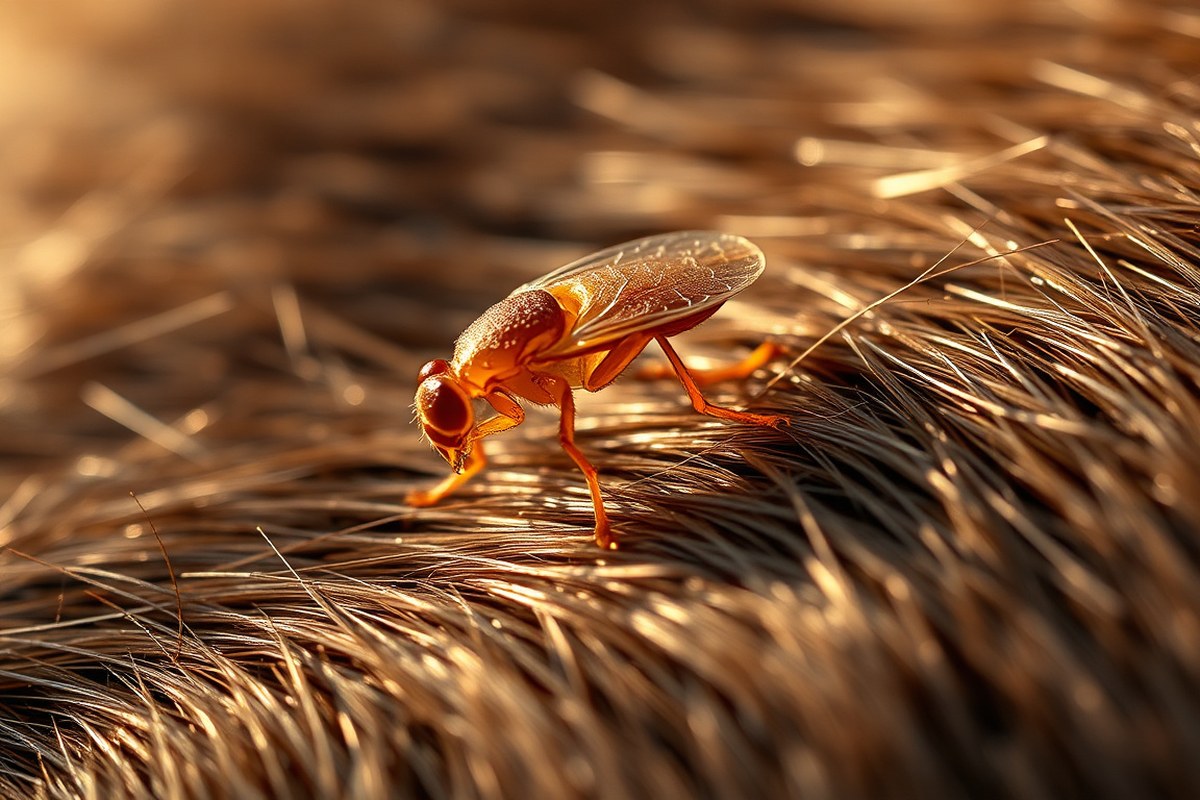
Fleas prefer warm temperatures around 70 to 85°F (21 to 29°C), where they reproduce fastest. At about 75°F (24°C), they complete their life cycle quickly, increasing infestation risks. Cooler temperatures slow their growth, but fleas don’t vanish immediately in cold weather.
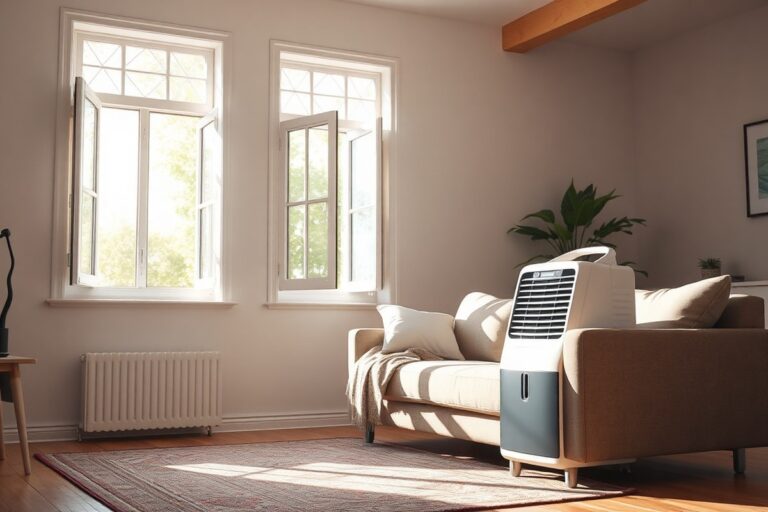
Indoor temperatures usually range from 68 to 77°F (20 to 25°C). This keeps fleas active throughout the year inside your home. Fleas don’t stop working when it’s always warm indoors.
These steady warm conditions give fleas a perfect home, especially in pet bedding, carpets, and upholstery. Even during freezing outdoor days, fleas survive indoors because your heating keeps the house warm.
Cooler and drier rooms slow fleas but won’t fully stop them. Fleas struggle to survive in dry air. Washing your pet’s bedding in hot water and drying it hot kills all flea stages.
How Does Cold Weather Affect Flea Survival Indoors and Outdoors?

Fleas rarely live long outside when it freezes for days. Freezing conditions destroy many adult fleas and flea eggs.
Long cold periods are tough on fleas outdoors. But indoor heating keeps rooms warm and damp, allowing fleas to live and breed all year.
Outdoor Freezing Temperatures and Flea Survival
Fleas living outside struggle once temperatures fall below 32°F (0°C) for multiple days. Most adult fleas and many eggs die in these freezing conditions.
However, flea eggs are hardier. They can remain dormant through the cold and hatch when temperatures rise again.
Ground cover, shaded areas, and leaf litter can offer fleas some shelter from cold air. Still, extended freezing weather usually disrupts their life cycle outdoors. You’ll notice fewer fleas around the yard during a harsh winter.
How Indoor Warmth Supports Flea Survival
Homes heated to 65-80°F (18-27°C) create cozy conditions for fleas. Warmth and humidity inside allow flea eggs, larvae, and adults to thrive all winter long. Heating systems keep humidity levels high enough for the flea life cycle to continue.
This indoor climate stops freezing from killing fleas on your pets or in carpet and bedding. Even if outdoors gets cold, flea populations inside remain active. They can keep reproducing without breaks.
Flea Dormancy and Survival Tactics in Cold
Flea pupae enter a type of dormancy inside their cocoons when it’s cold. They can stay inactive for up to 30 weeks until warmth returns. This delayed hatching lets fleas survive long cold spells.
Flea eggs also survive cold better than adult fleas. They lie dormant, waiting for favorable indoor conditions. Knowing this helps explain why fleas come back even after a cold snap.
Influence of Central Heating on Flea Populations
Central heating maintains stable temperatures indoors, helping fleas keep reproducing year-round. It also encourages flea eggs to hatch faster and larvae to develop quickly. This continuous warmth turns your home into an ideal flea shelter.
Because of this, controlling fleas inside means treating pets and cleaning indoors often. Heating systems unintentionally protect fleas from natural cold controls outdoors. So you can’t rely on cold weather to solve infestations.
How Long Fleas Live in Cold Conditions
Outside in freezing weather, adult fleas usually die within days without a warm host. Eggs and larvae left in the cold rarely survive more than a few weeks unless protected. Indoors, fleas can live through winter indefinitely if temperature and humidity stay steady.
Their lifespan depends largely on the surrounding temperature, with higher warmth speeding up development. Pets bring fleas inside after outdoor contact, restarting infestations inside heated homes. Vigilant cleaning and pet treatments stop fleas from building up indoors.
Regular indoor cleaning is important to control fleas. Year-round pet flea treatments help keep fleas away. Heating in homes allows fleas to live through winter.
Flea Life Stages and Their Temperature Tolerance
Fleas survive in all life stages by adjusting to temperature changes. Their sensitivity to cold varies, which affects their development and survival. Understanding this helps you target fleas more effectively in your home.
Eggs and Larvae Sensitivity to Cold
Flea eggs and larvae need temperatures above 55.4°F (13°C) to grow well. Cold or dry conditions often kill them before they can hatch or mature. Washing pet bedding in hot water helps remove these vulnerable stages.
Eggs can die quickly if exposed to freezing temperatures. Larvae hidden in carpets or upholstery also struggle when the air is too dry or cold. Regular vacuuming helps pull out these stages before they develop further.
- Eggs fail to hatch under 55.4°F (13°C)
- Larvae die at low humidity or below 55.4°F (13°C)
- Hot water washing kills eggs and larvae in pet bedding
- Vacuuming removes eggs and larvae from floors and furniture
- Cold air exposure before hatching reduces flea population
Since eggs and larvae can hide in soft materials, cleaning often is key. Their high sensitivity means cold weather can slow their growth.
It can even stop their growth entirely. You can help by removing their shelters.
Pupae Dormancy and Protection in Cocoons
Pupae live in protective cocoons that shield them from cold and drying. They can enter a dormant state when temperatures drop. This dormancy lets pupae wait until conditions improve before emerging as adults.
This stage is the hardest to kill with cold weather alone. Flea pupae hide deep in carpets or pet bedding, making them hard to reach. Vacuuming and washing bedding disrupt their development before they hatch.
Because pupae remain inactive during cold spells, flea control needs to continue regularly. This helps stop new adults from emerging unexpectedly. Cleaning and heat treatment of bedding are effective methods.
Adult Flea Survival at Low Temperatures
Adult fleas die faster in cold weather than other stages. They struggle below 46.4°F (8°C) and usually die within a week of constant cold. At freezing temperatures near 30.2°F (-1°C), adults can die in five days or less.
Adults survive best indoors, where warm temperatures help them breed year-round. Outdoors, cold spells reduce their numbers quickly. Using vacuums regularly helps remove adults hiding in carpets and on furniture.
Keeping pets treated with flea preventatives also helps reduce adult survival. Combining temperature effects with cleaning breaks the flea life cycle successfully.
What Temperatures Kill Fleas and Stop Their Life Cycle?
Fleas die when exposed to temperatures above 95°F or below 32°F for certain periods. Freezing temperatures slow their growth but usually don’t kill all eggs or larvae right away. Prolonged exposure to freezing is needed to break their life cycle reliably.
Temperature Thresholds for Killing Adult Fleas
Adult fleas die quickly at temperatures over 95°F (35°C). Heat above this level disrupts their body functions. Temperatures below 32°F (0°C) can kill adult fleas.
The cold has to last for several days. Only the adults are affected by this cold.
Short cold spells don’t kill all adult fleas. They can hide in warm places like pet fur. This helps them survive the cold weather.
Inside homes, fleas survive colder weather by feeding regularly. That’s why you need additional control methods indoors, even in winter.
Cold Tolerance of Flea Eggs and Larvae
Flea eggs and larvae survive brief cold spells but stop developing below 46°F (8°C). This pause slows infestations but doesn’t kill all young fleas. Eggs are tougher than adults and hatch only when temperatures rise again.
Larvae live in protected spots like pet bedding and carpet fibers. These areas often stay above freezing even in cold seasons. Eggs and larvae can survive there for weeks, making treatment timing important.
Effects of Prolonged Freezing on Pupae
Flea pupae need temperatures below 32°F (0°C) for multiple days to die effectively. Exposing pupae to freezing for 3 to 5 days usually kills them. Shorter freezes often only delay adult emergence without stopping it.
Hard freezes outdoors reduce flea populations slowly. Inside houses, stable temperatures keep pupae alive. That’s why vacuuming and insect growth regulators help stop fleas in their tracks indoors.
Here’s a breakdown of temperature impacts on flea life stages and required exposure times:
| Life Stage | Temperature | Exposure Time | Effect |
|---|---|---|---|
| Adult fleas | Above 95°F (35°C) | Minutes to hours | Death due to heat stress |
| Adult fleas | Below 32°F (0°C) | Several days | Death from prolonged cold |
| Eggs and larvae | Below 46°F (8°C) | Immediate | Development stops but survive |
| Pupae | Below 32°F (0°C) | 3 to 5 days | Death with prolonged freezing |
These details show why cold kills fleas slowly and why heat kills them faster. Treat your home according to these temperature thresholds to reduce flea populations effectively. You can combine freezing outdoor items with indoor treatments for best results.
Why Fleas Survive Winter Inside Homes Despite Cold Outdoor Weather
Indoor temperatures usually stay between 68°F and 75°F during winter. This warmth helps fleas stay active and breed. Fleas find these indoor spaces perfect because they avoid freezing outdoor air.
Humidity inside homes also helps fleas survive winter. Dry air can kill flea eggs and larvae. Running humidifiers can raise indoor humidity to about 40% to 60%.
This level helps fleas survive better. Using houseplants indoors also increases humidity.
Fleas hide close to their hosts during cold months. They often live in carpets, pet bedding, and upholstered furniture. These spots offer stable warmth and easy access to pets for feeding and laying eggs.
Even though fleas slow down as temperatures drop, they rarely stop breeding inside homes. This means fleas can reproduce all year. That’s why checking your pet regularly and restarting flea treatments in winter matters.
Your home creates a refuge where fleas avoid outdoor winter perils. Pets bring fleas into warm spots, letting them hunt and multiply out of sight. The constant supply of blood keeps fleas active despite cold weather outside.
Check pet bedding and carpet edges monthly to catch fleas hiding indoors during winter. Early removal stops fleas from spreading unnoticed.
Year-Round Flea Control Tactics Considering Temperature Effects
Fleas need careful control year-round to stop them from coming back. Washing pet bedding every week in hot water above 120°F kills flea eggs and larvae. Vacuum carpets and floors two to three times weekly.
This helps remove flea eggs. It stops them from hatching inside your home.
Seasonal flea treatments matter because fleas stay active indoors even in cold months. Use a veterinarian-recommended flea treatment monthly to protect your pets in winter and summer. These treatments kill adult fleas and prevent reproduction, which breaks the flea life cycle.
Indoor temperature also affects flea activity. Keep your home temperature near 70°F. This slows flea growth inside your house.
However, it won’t fully stop fleas from breeding. Cleaning combined with pest control treatments is the best way to manage fleas long term.
- Vacuum floors, furniture, and pet areas 2, 3 times a week
- Wash pet bedding weekly in hot water (120°F or hotter)
- Apply vet-approved flea treatments monthly to all pets
- Use flea sprays or powders in hotspots if infestation is visible
- Maintain indoor temperatures near 70°F for less flea activity
- Consider professional pest control if fleas persist despite home efforts
Ignoring flea control in any season risks a bigger infestation later. Fleas can survive indoors on your pets or in carpets and reactivate when the weather warms. Washing, vacuuming, and using treatments consistently stops this cycle.
Expect effort and some cost, like buying flea shampoo or monthly treatments. Empty vacuum bags or containers outside after each use. This prevents fleas from spreading back inside.
Do it every time you clean. Proper cleaning and treatment keep pets comfortable and your home flea-free.
Comparing Flea Survival: Outdoor Winter Versus Indoor Environments
Fleas survive much better indoors during winter than outdoors. Inside homes, warmth and humidity create stable conditions where fleas keep living and breeding. Outdoors, cold air, frost, and low humidity slow flea activity and kill many fleas.
Mild winters with temperatures hovering around 40°F to 50°F allow more outdoor fleas to survive. Fleas can survive if the ground stays unfrozen and moist. Dry, freezing, or windy conditions outdoors reduce flea populations by killing eggs and larvae.
The table below compares flea survival factors between outdoor winter and indoor heated spaces. Use it to see why fleas stay inside during cold months.
Outdoors, flea numbers drop as temperatures fall. This explains why fleas remain a problem indoors.
| Condition | Outdoor Winter Flea Survival | Indoor Heated Environment Survival |
|---|---|---|
| Typical Temperature Range | 20°F to 40°F (cold months) | 65°F to 75°F year-round |
| Humidity Level | Low to moderate, often below 50% | Moderate to high (40% – 60%) |
| Flea Activity | Greatly reduced or paused | Continuous activity and reproduction |
| Egg and Larvae Survival | Below 32°F kills most eggs and larvae | Eggs and larvae survive and develop |
| Adult Flea Presence | Adults scarce or dormant | Adults present and feeding year-round |
Cold outdoor conditions reduce flea numbers by freezing eggs and larvae. Snow cover adds insulation but still lowers survival.
Inside, heating systems maintain temperatures where fleas thrive. Heating keeps flea eggs hatching and adults active.
To manage fleas in winter, focus on indoor control. Treat pets and clean floors regularly.
For outdoor areas, a cold snap lasting several days can naturally drop flea numbers. Mild winters may require extra outdoor flea treatments like yard sprays.
When and Why to Seek Professional Flea Treatment in Cold Seasons
You can tell fleas survived winter if pets keep scratching or biting. Check pet bedding and carpets for flea dirt or live fleas.
You spot fleas after a month of home cleaning and treatments. This likely means fleas have settled inside your home.
A common mistake is to stop flea control when it gets cold outside. Fleas seek warmth indoors and keep breeding if you relax efforts. Keeping your house clean helps slow flea growth.
A temperature near 70°F is better. Flea eggs or larvae hiding in cracks still cause problems.
Call a pest pro if your home still has fleas after 30 days of regular treatment. A good rule is to act when fleas come back. Washing and vacuuming might not be enough.
Monthly pet medicine also sometimes fails. Professionals use stronger insecticides to break the flea cycle.
They vacuum more powerfully than typical home vacuums. They can reach places you often miss.
Professional treatment typically costs between $150 and $300, depending on home size and infestation level. You usually see fewer fleas within one day of treatment. Near-full control happens in about two weeks.
Flea activity drops steadily during this time. Poor results usually come from treating only pets or only floors but not both at once.
For multi-pet homes or those with allergies, professional help can prevent repeated flea exposure. Sometimes fleas hide in places you rarely clean, like under baseboards or in floor crevices. A pro can target these spots better, reducing the chance fleas survive cold months inside.
Keep treating pets with vet-approved flea meds month-to-month during winter unless a pro tells you otherwise.
Step-by-Step Action Plan for Controlling Fleas Year-Round
Follow these clear steps to reduce flea risks inside your home and protect your pets. Each step helps you see progress fast.
- Before winter starts: Treat your pets with a vet-recommended flea preventative. Check for fewer fleas after a week.
- Week 1: Vacuum all carpets, rugs, and pet areas thoroughly. Look for less flea dirt or eggs in a few days.
- Week 2: Wash pet bedding and blankets in hot water (130°F or higher). Make sure fleas don’t return on these items.
- Week 3: Use a household flea spray safe for indoor use on carpets and furniture. Watch for fewer fleas in the following week.
- Month 2: Keep doors and windows sealed to stop outside fleas from coming in. Check for fleas indoors regularly.
- Month 3 and ongoing: Continue monthly pet flea treatments during cold months. Inspect your pets for fleas at least once a week.
- Any sign of return: Contact a professional pest control service. Ensure they use treatments safe for pets and homes.
Frequently Asked Questions
Do Fleas Survive Freezing Temperatures Outdoors?
Adult fleas usually die after 5 to 10 days of freezing. Flea eggs and larvae also struggle to survive extended outdoor freezes.
Can Fleas Lay Eggs During Cold Weather Inside Homes?
Yes, fleas keep laying eggs indoors where it stays warm year-round. This means you should treat your pets all year, not just in summer.
How Does Humidity Affect Flea Survival in Cold Conditions?
Fleas need humidity above 50% to survive well, even in cold. Dry cold air can kill flea eggs and larvae faster than moist cold.
How Long Can Fleas Live Without a Host in Cold Weather?
Fleas survive only a few days without a host, shorter in cold. The longer they go without feeding, the weaker and less active they become.
Does Snow Kill Fleas on Pets?
Snow won’t kill fleas on pets right away because pets stay warm. Fleas hide in pet fur and continue feeding even in winter weather.
Why Does Flea Infestation Worsen in Heated Homes During Winter?
Warm indoor air helps fleas reproduce nonstop despite cold outdoor weather. Flea eggs hatch quicker and larvae develop fast when home heating is on.
Wrapping Up
Fleas favor warm places but survive cold by hiding inside homes. Keeping your indoor spaces clean and pets treated stops fleas year-round. Begin your flea control routine today to keep your home comfortable and pest-free.