
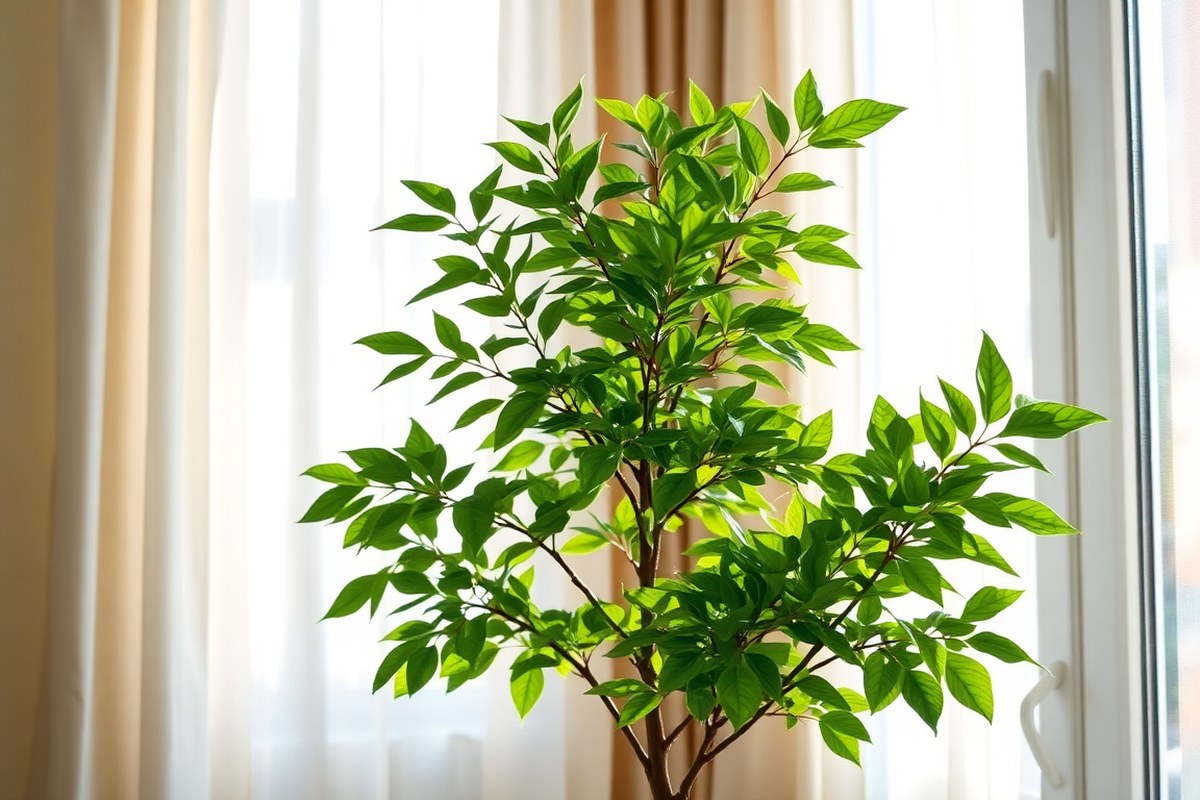
Do Money Trees Need a Lot of Light? Essential Tips for Healthy Growth
Money trees need bright, indirect light for 6 to 8 hours each day. Direct sunlight can damage their leaves and slow their growth.
Place yours near a window with filtered light or soft, reflected sunlight. Avoid strong direct sun that can scorch the leaves.
Too little light leads to slow growth and yellow, dull leaves. Watch for signs like drooping or yellowing to spot light issues.
Move your tree to a brighter spot if you notice these problems. Rotate the plant every week or two to evenly expose all sides to light.
Young money trees do best with steady, gentle light without harsh rays. Adjust watering by checking if the top soil is dry before watering. Keeping a good balance of light and water helps your tree stay healthy indoors.
Key Takeaways
- Place money trees in bright, indirect light for 6 to 8 hours daily.
- Avoid direct sunlight; it can scorch the plant’s leaves easily.
- Turn your money tree 90 degrees every 1 to 2 weeks for even growth.
- Check soil moisture before watering; water when the top layer feels dry.
- Watch for slow growth or yellowing leaves as signs of low light.
- Use a sheer curtain to filter window light if sunlight is too strong.
Do Money Trees Need a Lot of Light to Thrive?

Money trees do not need a lot of direct sunlight. They thrive best in bright, indirect light for about 6 to 8 hours each day. This mimics the natural light under forest canopies where they originally grew.
Direct sunlight can stress money trees. Harsh sun may cause leaf scorch and brown spots, especially in afternoon light. Place your plant a few feet from a sunny window.
This way it gets enough indirect light. It won’t get damaged by direct sun.
Money trees do well in light between 1,000 and 2,000 lumens. This means they need a bright spot indoors. The light should be filtered, not harsh.
East-facing windows let in gentle morning sun. After morning, the light is mostly indirect. This setup suits money trees well.
Money trees can tolerate some low light. But they won’t grow well without enough brightness. In rooms that are dim, use a grow light.
Run it for 8 to 12 hours every day. This helps make up for weak natural light. This supports healthy leaves and steady growth.
For best results, keep your money tree out of direct south or west sun during summer. Those windows can deliver intense afternoon rays that are too strong. Place the tree a few feet away from south or west glass.
You can also put sheer curtains on windows. This softens strong sunlight that might harm the plant.
Best Natural Light Placement for Money Trees Indoors
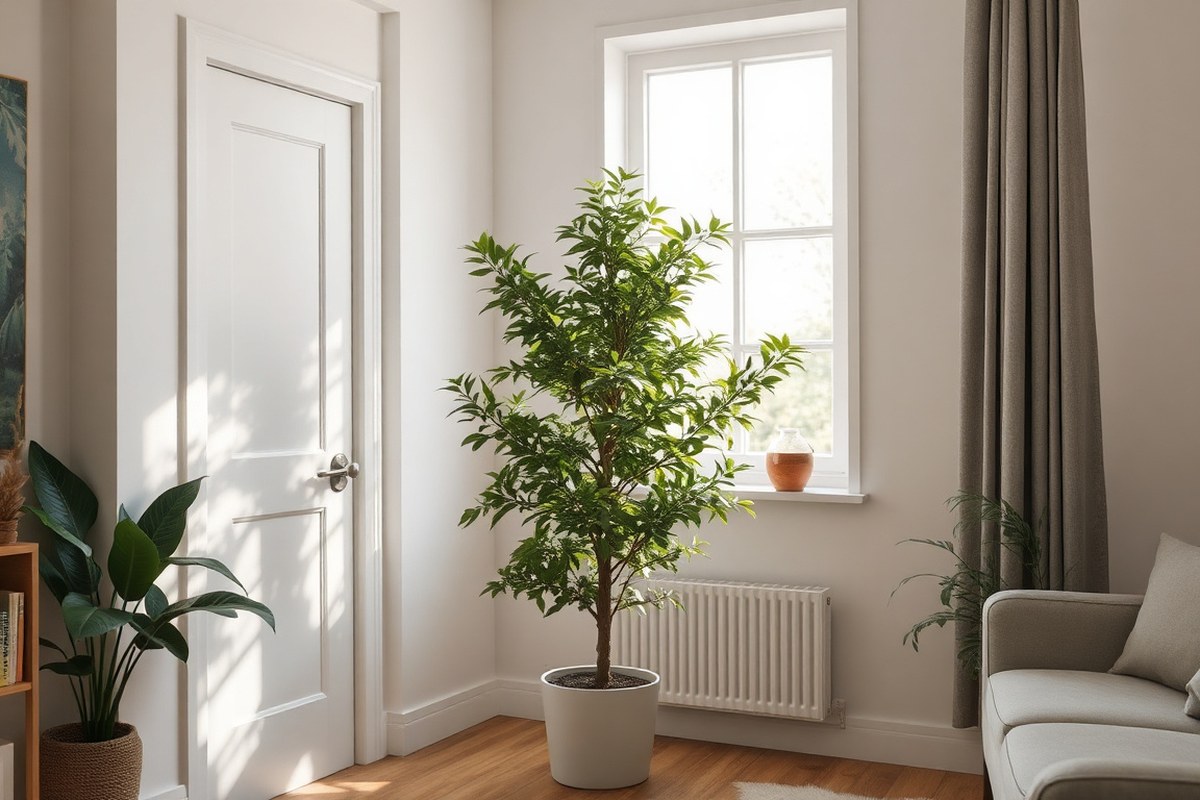
Place your money tree near an east-facing window for the best natural light. Keep it a few feet away to avoid direct harsh sunlight. Use sheer curtains or blinds to reduce bright light.
South or west windows can burn the leaves. Protect your plant this way.
East-Facing Windows Advantages
East-facing windows deliver gentle morning sun. This light is cool and bright enough for money trees. Morning sunlight avoids the intense heat that can scorch leaves later in the day.
Position the money tree about 2 to 3 feet from the window. This lets it absorb indirect light without direct glare. You won’t need curtains unless sunlight is unusually strong in spring or summer.
South and West-Facing Windows Considerations
South and west windows offer the brightest light but can be too intense. Without protection, direct afternoon sun may cause leaf burn. Sheer curtains or blinds soften this strong light.
Place the money tree 3 to 5 feet back from these windows to reduce intensity. Don’t use curtains? Watch for leaf scorch signs after days.
Check your money tree carefully. Adjust its placement if you notice browning or crisping edges.
North-Facing and Low Light Spots
North-facing windows provide very low light, usually not enough for money trees. The plant may survive but grow slowly and weak. Avoid placing your money tree solely in this spot unless supplementing with grow lights.
Choose brighter spaces or add artificial light to keep your money tree healthy. Use a north window? Keep the plant near the glass.
Expect slower growth there. Rotate it occasionally to keep all sides healthy.
Use this table to compare window directions and light tips for your money tree:
| Window Direction | Light Intensity | Distance from Window | Use Curtains/Blinds? |
|---|---|---|---|
| East | Moderate, cool morning sun | 2 to 3 feet | Usually no |
| South | High, strong afternoon sun | 3 to 5 feet | Yes, sheer curtains recommended |
| West | High, warm late afternoon sun | 3 to 5 feet | Yes, shear curtains recommended |
| North | Low, indirect light | Close to window if necessary | No, but low light limits growth |
Proper window choice and placement help your money tree thrive naturally. Using curtains in bright spots protects the leaves and keeps growth steady.
Keep your money tree away from direct sun in south or west windows. Direct sun can burn the leaves. Move it to a safer spot.
Signs Your Money Tree Is Not Getting Enough or Too Much Light
Yellowing leaves often mean your money tree is getting too much light. The leaves may dry out or develop brown spots. On the other hand, scrawny, long stems with fewer leaves are signs of too little light.
Leaf drop can happen when your money tree gets the wrong amount of light. Leaves might fall off if the plant faces sudden changes or stress from light levels. Catching these signs early helps you adjust lighting to avoid bigger problems.
| Symptom | Description |
|---|---|
| Yellowing Leaves | Can mean too much light or overwatering |
| Leggy Growth | Long, thin stems with sparse leaves show not enough light |
| Leaf Drop | Stress from improper light causes leaves to fall off |
Look over your plant weekly for signs of trouble. Turn your money tree 90 degrees every one to two weeks. Doing this lets all parts receive enough light and stops lopsided growth.
Spot yellow or dry leaves? Move your money tree out of direct sunlight.
Choose a spot with bright, indirect light instead. For leggy growth, place the plant closer to a window or add artificial light.
How to Adjust Your Money Tree Care Based on Light Conditions
Light has a big impact on how you care for your money tree. Your money tree uses water faster with bright indirect light.
You’ll need to water more often than if it sits in lower light. Fertilizing should also match light levels since growth speeds up with more light.
Humidity helps money trees thrive, especially with strong light. Higher light dries the leaves quicker. So raising humidity prevents leaf drop and browning edges.
Aim for 50% humidity if the money tree is in bright light. Lower humidity a bit if the light is dimmer.
Follow these steps to adjust watering, fertilizing, and humidity based on your money tree’s light exposure:
- Check light intensity daily. Hold your hand 12 inches over the leaves. Bright indirect light casts a moderate shadow.
- Water when the top 50-75% of soil is dry. In bright light, check soil every 5-7 days. In low light, water less, about every 10-14 days.
- Increase humidity near bright light areas. Use a humidifier, mist leaves twice a week, or place a water tray beneath the pot.
- Fertilize monthly during the growing season. Use a balanced liquid fertilizer diluted to half strength. Skip or reduce feeding in low light.
- Adjust watering as seasons change. During winter, light lessens. Water less often to avoid root rot.
- Choose the right pot and soil. Use pots with drainage holes and well-draining soil to avoid soggy roots under bright light.
- Watch for signs of stress. Wilting or yellow leaves suggest wrong watering or humidity adjustments.
More light means faster soil drying, so check moisture often. Less light slows growth and evaporation, so be careful not to overwater. Fertilizing when the plant isn’t growing much can cause salt buildup in soil, harming roots.
Keep humidity around 50% near your money tree. This matches its tropical roots. It also helps keep leaves healthy.
Using Grow Lights for Money Trees: When and How to Use Them
Use grow lights when your home’s natural light is too dim or inconsistent. Money trees need bright indirect light. So in rooms with low sunlight, a grow light can fill the gap.
The money tree looks leggy with long stems and fewer leaves. This usually means it needs more light.
LED grow lights work best since they emit the right light spectrum and use less energy. Fluorescent lights also suit money trees but watch for heat buildup. Keep the grow light 12 to 18 inches above the leaves.
This stops leaf burn. It also gives the tree enough light.
How long to run grow lights depends on your natural light hours. Aim for 10 to 12 hours daily to mimic daylight length.
Use a timer to keep light periods steady. This helps the money tree keep a natural rhythm.
| Grow Light Aspect | Recommendation |
|---|---|
| Types of Light | LED (best), Fluorescent |
| Distance from Plant | 12 to 18 inches |
| Duration per Day | 10 to 12 hours |
| Temperature Range for Growth | 60º to 75º Fahrenheit |
| Light Intensity | Bright indirect light simulating partial shade |
Place your grow light close enough so the money tree receives bright, indirect illumination. Don’t put the light too near the leaves or scorch marks can appear. Also, keep the room temperature steady between 60º and 75º for best results.
Matching natural light cycles helps your money tree grow well. Use a timer to turn lights on and off consistently, closely imitating day and night. This routine supports healthy photosynthesis and overall plant balance.
Keep grow lights clean and dust-free to ensure maximum light reaches your money tree’s leaves.
How to Safely Acclimate a Money Tree to Higher Light Levels
Slowly increasing your money tree’s light exposure helps avoid leaf burn and shock. Gradual steps let the plant adjust and keep growing green and strong. Watching leaves closely shows when your money tree is happy or stressed.
Start with Filtered Light
Put your money tree in a spot that gets filtered or indirect sunlight at first. Avoid direct sun through hot glass, which can burn its large leaves quickly. Good spots include near an east window or behind sheer curtains at a south-facing window.
This gentle light gives the plant a chance to absorb more without damage. Also, keep the room temperature steady, away from drafts or vents. Sudden temperature swings can add stress during this phase.
Monitor Leaves for Stress Signs
Check your money tree’s leaves daily during light changes to catch problems early. Look for yellowing, browning, or crispy edges, signs of too much light. Dropping leaves can mean stress but also normal energy saving while adjusting.
Healthy new growth and firm, green leaves show that your money tree is adapting well. Use a simple light meter or compare the plant’s overall look to past weeks. When leaves look dull or start wrinkling, lower light a bit.
Gradually Increase Exposure Time
Increase light exposure in small steps to help your money tree build tolerance. Add 30 minutes to 1 hour of direct or stronger indirect sunlight every few days. Avoid jumping to full sun too fast, which can cause shock or burned spots.
This process usually takes 2 to 4 weeks depending on your home’s light intensity. Cooler seasons may slow adjustment, so be patient and keep the environment steady. Moving the plant closer by inches each week also works well for gentle acclimation.
Follow these steps to safely raise your money tree’s light without harm:
- Place your money tree near filtered light, not direct sun.
- Check leaves twice daily for signs of stress or leaf drop.
- Move the plant 2 to 3 inches closer to stronger light. Do this every 3 to 4 days to avoid shock.
- Extend bright light exposure by about 30 minutes every few days.
- Keep the room temperature steady and away from drafts or vents.
- Watch for new leaf growth and firm leaves as positive signals.
- Spot brown or crispy edges? Cut the light exposure right away.
- Continue this routine for 2 to 4 weeks until the plant adjusts well.
How Seasonal Changes Affect Money Tree Lighting Needs
Money trees do need more light in winter because sunlight gets weaker and days get shorter. Move your plant closer to a window with indirect light. Adding grow lights also helps during low-light times.
Both improve light exposure for your plant. Adjusting your money tree’s spot each season keeps it healthy and growing at the right pace.
Winter Light Challenges
Winter sunlight is weaker, and days are shorter. So your money tree gets less natural light. This reduces its growth because the plant uses light to make food and stay vibrant.
Moving your money tree closer to a bright window helps. But make sure the light stays indirect to avoid leaf burn.
The plant also slows down or goes dormant in winter. So it needs less water. Watch leaves for yellowing or stretching signs.
These might show the plant needs more light. Adjust light if you see these changes. Place your plant within one foot of a south-facing window.
An east-facing window works well too. This gives better light during winter.
Summer Light Intensity and Heat Management
Summer brings stronger light and longer days. So your money tree might get more sun than it needs. Too much direct sun can burn the leaves or cause scorch marks on their edges.
Keep your plant in bright, filtered light. A spot near a window with a sheer curtain is good. This protects from direct harsh sunlight.
High summer temperatures and intense sunlight might dry out the soil faster, so water more often. Watch the leaves for signs of stress like wilting or brown patches.
Slightly move the plant away from the window if problems start. Cut back on watering until the plant feels stable again.
Using Supplemental Light in Seasonal Low-Light Periods
Add grow lights when natural light is weak in winter. This keeps your money tree healthy on rainy days too. Use full-spectrum LED grow lights 12 to 18 inches above your plant.
Run them for 10 to 12 hours each day. This setup mimics sunlight and supports steady growth.
Use grow lights if you cannot move your plant near windows. They help especially when windows face north and give little light. Use a timer to avoid overlighting.
Too much light can confuse the plant and waste energy. Supplemental lighting for plants often costs between $20 and $50. This small cost can boost your plant’s health noticeably.
Keep your grow light on the plant during winter months only. Take it down in spring when daylight increases.
Combining natural and artificial light prevents legginess and yellow leaves during dark periods. This way, your money tree stays vibrant all year long.
Common Mistakes with Lighting and How to Fix Them
Putting money trees in strong sunlight causes leaf burn. The leaves get brown and crispy. That’s a sign of too much light.
Move your money tree 2 to 3 feet away from south windows. You can also hang sheer curtains. They soften the light on your plant.
Increase your plant’s sunlight slowly over 1 or 2 weeks. This helps avoid shocking the money tree. Take your time anywhere the light gets stronger.
Rotating your money tree too often or irregularly can cause uneven growth. Turn your money tree a quarter turn each week. This gives all sides equal light.
It stops the plant from leaning or growing uneven. Skip rotating more than this, which may stress the plant and slow its growth.
Ignoring seasonal light changes can confuse your money tree. It needs a consistent photoperiod around 12 to 14 hours of light daily.
Use a timer for grow lights if natural light drops below this. This routine keeps growth steady and leaves healthy.
- Avoid placing money trees in direct midday sun; morning sun is safer
- Set a weekly rotation schedule; don’t rotate more than every 7 days
- Measure light intensity; use a light meter if unsure about brightness
- Watch for leaf color changes as early signals of light problems
- Apply sheer curtains or move plants 2, 3 feet from intense windows
- Supplement with grow lights during winter or dark indoor spots
- Maintain about 12 hours of light by combining natural and artificial sources
Never expose your money tree to sudden, strong direct sun without a slow adjustment period.
Leaf burn recovery takes about 2 to 3 weeks once you reduce light intensity. Trim severely damaged leaves to encourage new growth. Leggy stems improve slowly after consistent balanced light is restored, but patience is key.
Setting a light routine for your plant usually costs little. You might buy sheer curtains or a small grow light.
Most cost between $15 and $50. This investment supports stable growth and keeps your money tree vibrant year-round.
Step-by-Step Action Plan for Perfect Money Tree Lighting
Use this plan to give your money tree the right light and watch it grow well. Follow each step and check your tree’s response.
- Day 1: Place your money tree near a bright window with indirect light. Look for healthy green leaves and no sunburn spots after a few days.
- Week 1: Move your tree away from direct sunlight by a few feet. This helps prevent leaf burn and stress. Check its spot to pick indirect light instead. Watch for any leaf bleaching or brown patches as a sign.
- Week 2: Use a grow light if the room is too dark. Set a timer for 10 to 12 hours each day. This makes sure your tree gets enough light. Check that the leaves stay bright and firm.
- After 3 weeks: Slowly move the tree closer to light if it looks leggy or pale. Adjust so new growth is full and vibrant.
- Monthly: Turn your money tree to help it grow straight. This stops it from leaning toward the light. Changing its angle keeps growth balanced.
- Seasonal Check: As daylight shortens, increase grow light hours or relocate near the brightest window available.
- Ongoing: Check your tree for light problems like yellowing or dropping leaves. Adjust its place if leaves look unhealthy. Keep it in proper light to stay healthy.
Frequently Asked Questions
Can Money Trees Survive in Low Light Environments?
Yes, money trees can survive in low light but growth slows significantly. They adapt but won’t thrive without proper light.
How Much Direct Sunlight Can a Money Tree Handle Daily?
Money trees need to avoid direct sunlight because it can cause leaf scorch. Bright, indirect light for 6-8 hours daily is best.
Can Artificial Grow Lights Replace Sunlight for Money Trees?
Yes, grow lights work well when natural light is lacking. Use LED or fluorescent lights for healthy growth indoors.
What Are the Signs of Leaf Burn on a Money Tree?
Leaves turn brown or crispy when exposed to too much direct sun. Watch for these signs if you place it near a south or west window.
How Many Hours of Light Does a Money Tree Need Each Day?
Money trees need about 6 to 8 hours of bright, indirect light daily. This mimics their natural tropical understory environment.
Can Money Trees Adjust to Changes in Lighting over Time?
Yes, money trees can slowly adjust to changes in light levels. Gradually move them to brighter spots to avoid shock.
Wrapping Up
Money trees need bright, indirect light to thrive. Start by placing your tree where it gets gentle morning or filtered light. Adjust based on how the leaves look and feel for best results.


