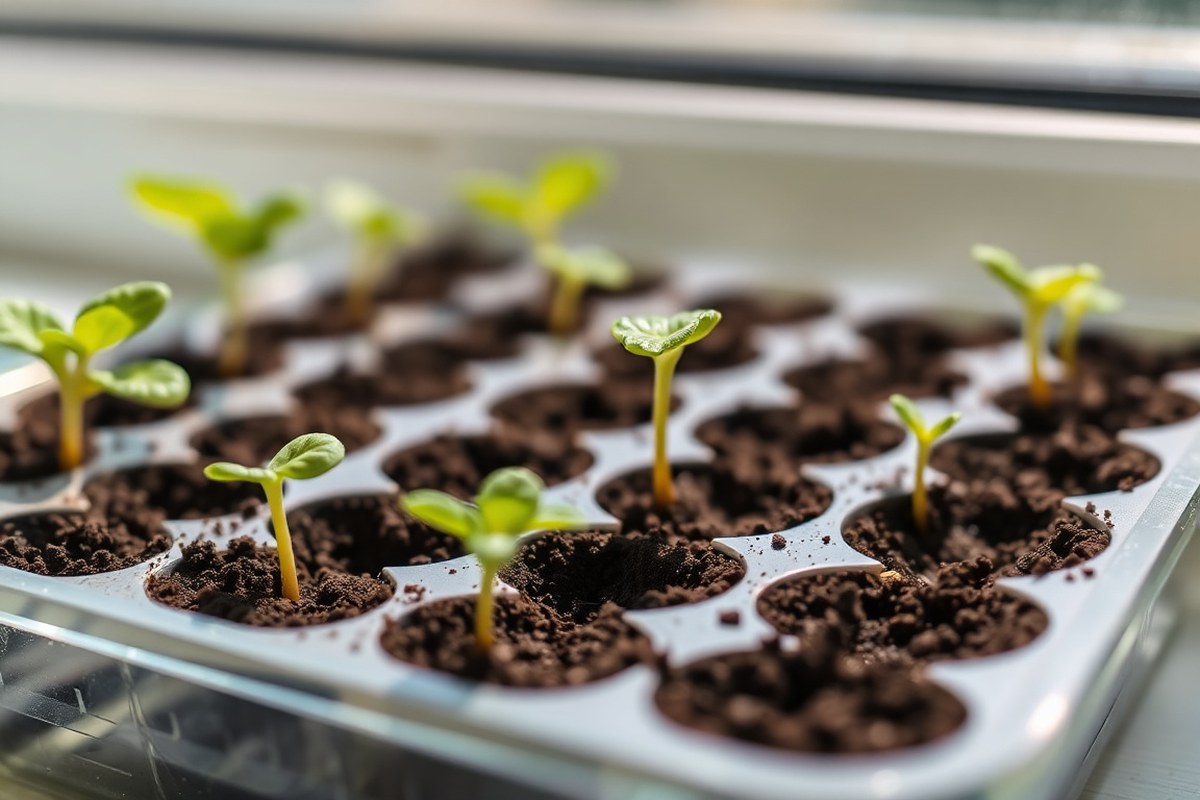
How to Germinate Strawberry Seeds: A Complete Guide for Beginners
Knowing how to germinate strawberry seeds means starting your plants right. You begin by chilling the seeds in your fridge for at least 30 days. This cold treatment mimics winter and wakes up the seeds for spring growth.
After chilling, sow the seeds on moist soil or a paper towel to keep them damp. They need a steady temperature between 65 and 75 degrees Fahrenheit to sprout well. Make sure they get 12 to 14 hours of light every day.
Use sunlight or a grow light to provide the light. Check that the plants are bright enough.
Young seedlings can be crowded. Thin them when they reach 1 to 2 inches tall to keep the strongest plants. Proper spacing and light help your berries grow healthy and ready to transplant outside.
Key Takeaways
- Chill strawberry seeds in the fridge for 30 days before planting.
- Keep seeds moist on paper towels or planting mix during cold stratification.
- Maintain 65, 75°F temperature for best germination after chilling.
- Provide 12, 14 hours of light daily to support seedling growth.
- Thin seedlings when they reach 1 to 2 inches to prevent overcrowding.
- Use sandpaper or soak seeds in warm water to help sprouting.
How to Germinate Strawberry Seeds Step-by-Step
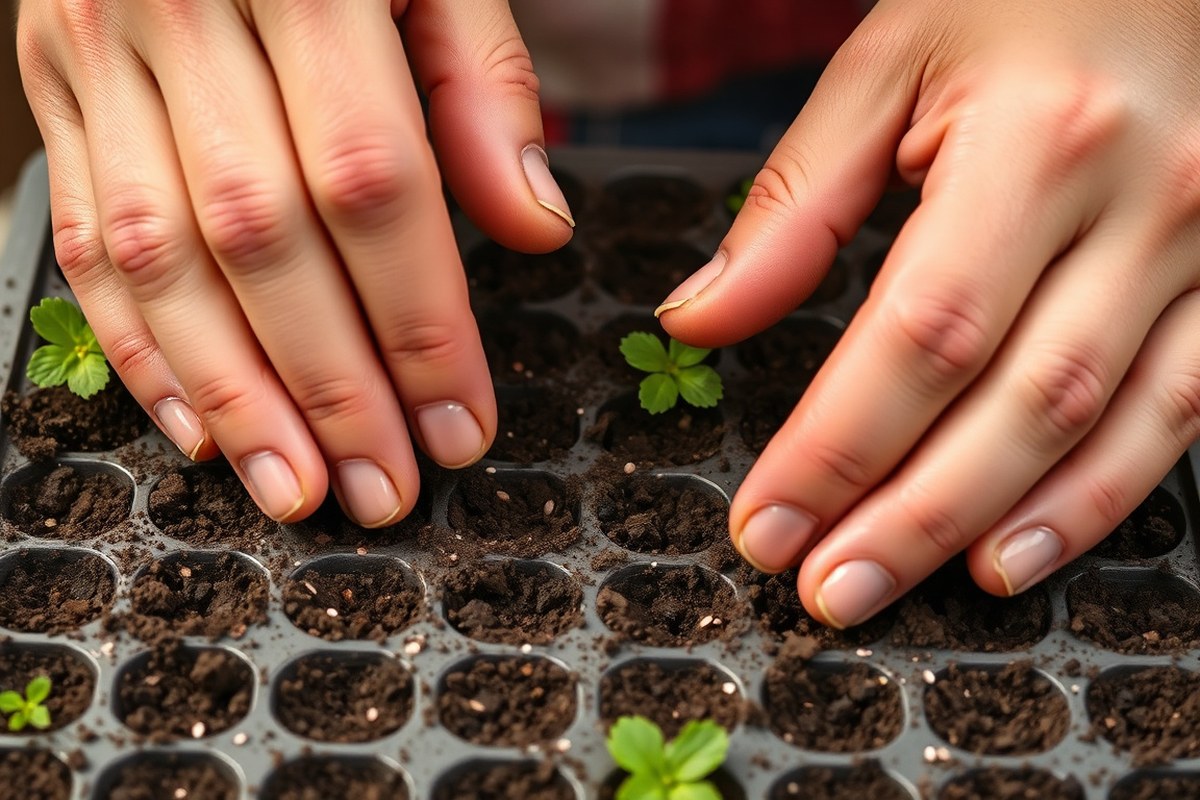
Starting strawberry seeds takes patience and care but is simple once you know the steps. Seeds need a clean, light seed-starting mix and warm, moist conditions to sprout. Keep the seeds on the surface because they need light to germinate.
Avoid overwatering since strawberry seeds rot easily if the soil stays too wet. Use a heat source or warm spot to keep soil warm. Maintain soil temperatures between 65 and 75°F (18-24°C).
This helps the seeds sprout well. Your home might be dry. Cover the seeds loosely with clear cling wrap to keep humidity up.
- Prepare the seeds: Rub seeds gently with fine sandpaper. Or soak them in warm water for 1-2 days. This helps the seed coat soften and improves germination.
- Fill a container: Use a shallow seed tray or small pots filled with moist seed-starting mix. Avoid soil with large particles or garden dirt.
- Scatter the seeds: Sprinkle seeds evenly on the surface of the moist mix. Do not cover them with soil since they need light.
- Maintain moisture: Mist the surface lightly when it feels dry. Overwatering will cause seeds to rot. So only moisten the soil if it’s nearly dry.
- Provide warmth: Keep the container in a location that stays between 65 and 75°F. Use a heat mat if needed to speed up germination.
- Cover lightly: Place clear cling wrap loosely over the container. Do this if humidity is below 40%. This traps moisture without suffocating the seeds.
- Wait for sprouting: Expect seedlings to appear between one and six weeks. Light exposure and warmth are key for successful sprouting.
- Remove cover and thin seedlings: Once seeds sprout, remove the cling wrap if used. Thin seedlings to avoid overcrowding when they develop their second set of leaves.
Why Cold Stratification Is Essential for Strawberry Seeds
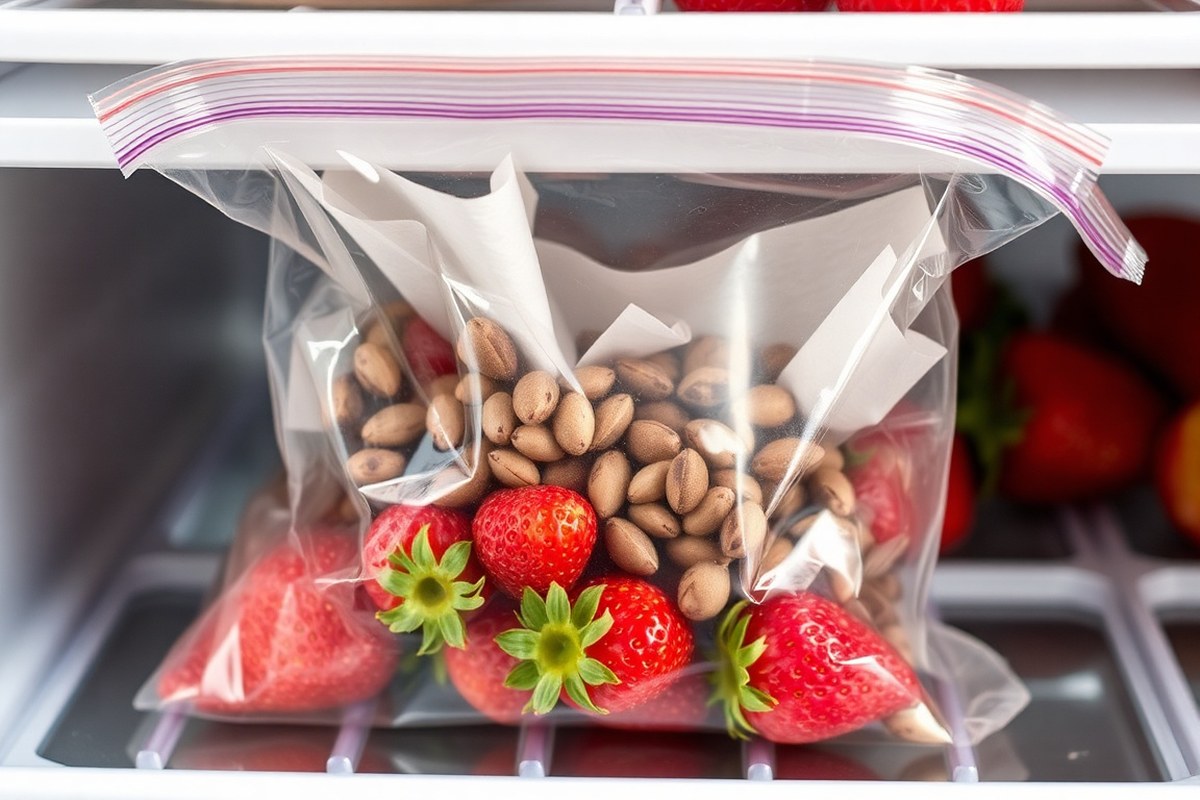
Cold stratification wakes up strawberry seeds by mimicking winter’s chill. The seeds need this cold stage to break dormancy and prepare for sprouting. Without it, strawberry seeds may not germinate at all.
Cold Stratification Defined
Strawberry seeds have a natural hold that keeps them from sprouting right away. This slows them down until they pass through a cold, damp period like winter outdoors. This process is called cold stratification, which tricks seeds into thinking winter has ended.
The seeds need 30 days in cold conditions near 34°F to 41°F. They can stay moist or dry. This cold period helps the seeds start to grow.
This triggers chemical changes inside the seed to break dormancy. After this, the seeds get ready to grow when warmth and light arrive.
Wet Stratification Method and Steps
Wet stratification means chilling seeds in a damp place. Start by spreading strawberry seeds on a moist paper towel, sand, or potting mix. Avoid soaking; just keep it damp.
Put the moist towels or mix with seeds into a sealed plastic bag to hold moisture. Place the bag in your fridge around 35°F (2°C). Leave the seeds there for 30 days without moving them.
Check that the towel stays moist. Avoid soaking the towel too much during this time.
After 30 days, take seeds out to plant immediately. This moist cold environment prompts the seeds to break dormancy. So they sprout soon after planting.
Dry Stratification Method and Steps
Dry stratification means keeping the seeds dry but cold. Place strawberry seeds inside a sealed bag or container without any moisture inside. Store this container in the fridge between 34°F and 41°F (1°C to 5°C).
Keep the seeds cold for at least 30 days. This dry cold also signals the seeds that winter has passed. After 30 days, plant the seeds in moist soil or seed mix.
Doing this helps the seeds sprout. Plant them right away for best results.
How to Choose Between Wet and Dry Methods
Wet stratification often results in faster, more consistent germination because seeds stay moist during chilling. Use this method if you want quicker sprouting and have easy fridge access.
Dry stratification lets you store seeds longer before planting. It also lowers the risk of mold growth on seeds.
This method keeps seeds dry and cool. This method also suits gardeners who may forget to check moisture levels regularly.
Either way, keep the seeds in your fridge for 30 days at around 35°F (2°C). After stratifying, seeds need warmth and light to start growing.
Either cold method prepares seeds for these conditions. Then they will break dormancy and sprout.
Keep paper towels moist during wet stratification to succeed. If they dry out, seeds won’t wake up from dormancy. Stay sure the towel stays damp all along.
Light, Temperature, and Moisture Requirements for Germination
Light Requirements and Indoor Grow Light Setup
Strawberry seeds need light to start growing. Place the seed container where it gets bright, indirect sunlight.
If natural light is weak or limited, use a grow light. LED grow lights work well and cost around $20 to $40 for a small panel.
Position the grow light 2 to 3 inches above the seeds. Keep it on for 12 to 16 hours daily to mimic daylight well.
Optimal Temperature Ranges and Use of Heat Mats
Keep the seeds between 65°F and 75°F for the best growth start. This range speeds up germination and prevents weak sprouts.
A seedling heat mat can help maintain steady warmth. These mats plug into a standard outlet and cost $15 to $30.
Place the mat under the seed tray, not on top. Use a thermostat to avoid overheating, since temperatures above 80°F can harm seeds.
Maintaining Proper Moisture and Humidity Levels
Strawberry seeds need moist but not soggy soil. Mist lightly to keep soil damp, avoiding water sitting on the surface.
Cover the seed tray loosely with clear plastic or a humidity dome. This traps moisture and keeps humidity around 70%.
Open the cover for 10 minutes once a day to allow fresh air in. This helps fight mold and keeps seeds healthy.
- Use a spray bottle for gentle, even watering
- Check soil daily, especially with warmed environments
- Avoid watering from the top; water from below if possible
- Keep soil consistently moist for 3 to 6 weeks during germination
- Use a seed-starting mix with good drainage to prevent waterlogging
Signs of Overwatering or Underwatering Seeds
Overwatered seeds look moldy, turn black, or fail to sprout. The soil will feel soggy and wet to the touch.
Underwatered seeds may dry out, crack, or fail to show growth. The soil will feel dry and pull away from the container edges.
Adjust watering by feeling the soil daily. It should stay damp like a wrung-out sponge but never drip water.
When and How to Plant Strawberry Seeds for Best Results
Start strawberry seeds indoors about 8 to 10 weeks before your area’s last frost date. Many gardeners in USDA zones 5 to 7 start seeds indoors. This is done in late January or February.
It helps them prepare for spring planting. In warmer zones, like 8 and above, seed starting happens earlier.
You can start seeds in December or January. This gives you a head start on spring.
Move seedlings outside once they have three true leaves. Also wait until outdoor nights stay above 50°F. This helps the plants grow stronger. This usually happens in late March to May for colder zones.
In warmer climates, seedlings can go outdoors as early as February or March. Transplant seedlings to your garden or bigger pots with good soil.
Space them at least 18 inches apart. This gives each plant enough room to grow.
Harden off your seedlings by exposing them gradually to outdoor conditions. Take seedlings outside for a few hours each day for about a week. Increase the time outdoors daily.
This helps the plants adjust gradually. Doing this helps plants get used to sunlight, wind, and cooler temps.
It stops them from getting shocked when planted outside. This step is important for healthy growth.
Choose strawberry varieties suited to your climate for better results. In colder zones, look for June-bearing or everbearing types like ‘Earliglow’ or ‘Allstar’. In warmer regions, try day-neutral strawberry varieties like ‘Albion’ or ‘Tribute’.
These types handle heat well. They also produce fruit for a longer time. Heirloom or open-pollinated seeds offer genetic diversity but may vary in fruit quality.
Preparing the planting site is important. Pick a sunny spot with well-draining soil. Avoid spots where strawberries or related plants recently grew to reduce disease risks.
Mix compost into the soil for nutrients before planting seedlings. Space rows about 3 feet apart to give plants room for runners in the following seasons.
For seed starting, use moist, sterile seed-starting mix to prevent fungal problems. Sow seeds lightly on the surface; they need light to germinate. After sowing, keep the soil evenly moist and place pots in a warm spot.
You might see sprouts as soon as 10 days or wait a few months. So be patient with strawberry seeds.
How to Harvest and Prepare Strawberry Seeds from Fresh Fruit
Seeds from store-bought strawberries can be used. But the plants may not match the fruit’s quality.
Most commercial strawberries are hybrids, so their seeds often don’t produce true-to-parent plants. You can harvest seeds anytime the strawberry is fully ripe and juicy for better viability.
Removing the pulp carefully is important. The pulp can cause mold or fungal growth if left on the seeds.
Drying the seeds in fresh air for about three days helps preserve them. Proper cleaning and drying increase the chances of successful germination later.
- Pick ripe strawberries with fully red, soft flesh.
- Gently scrape the seeds off the surface using a fingernail or a small knife.
- Place seeds and pulp into a bowl of water and stir gently.
- Pour the mixture into a wire sieve and rub lightly to separate seeds from pulp.
- Rinse seeds under running water to remove any remaining pulp.
- Spread clean seeds on a paper towel or screen in a dry, airy spot.
- Let seeds dry fully for about three days to prevent mold.
- Store dried seeds in a cool, dark place inside an airtight container.
Keep seeds dry and cool in storage to maintain their viability for up to a year.
Storing seeds in a sealed glass jar works well. Using a plastic bag is also good. Adding a silica gel packet helps keep them dry.
Avoid leaving seeds in direct sunlight or warm places. Good storage conditions keep seeds alive without sprouting early or rotting.
Harvesting seeds this way costs no money but needs patience and care. Wet or improperly cleaned seeds can rot or lose their ability to sprout. Clean, dry seeds feel small, hard, and separate easily from pulp once ready.
How to Care for Strawberry Seedlings After Germination
After your strawberry seeds germinate, you’ll need to care for the seedlings carefully. You need to thin seedlings, water them properly, and feed them.
Prevent diseases while they grow strong. Keep doing this until they’re ready to transplant.
Thinning and Spacing Seedlings
Thin seedlings once they have two sets of true leaves. Leave the strongest seedling in each cluster by snipping others at the soil line. Avoid pulling seedlings to prevent root damage to the survivors.
Thinning keeps seedlings from crowding, which lowers disease risk and boosts growth. Proper spacing means about 2 inches apart in trays or pots. This gives each seedling enough air and room for roots.
Watering and Nutrition Needs
Keep the soil moist but not soaked. Water seedlings when the top 1/4 inch of soil feels dry. Use a spray bottle or watering can with a fine nozzle.
This helps avoid washing away seedlings. Water gently to protect young plants.
Feed seedlings with a diluted, balanced liquid fertilizer every two weeks. Mix the fertilizer at half the recommended strength on the label. Avoid overfeeding, which can burn roots or cause leggy growth.
- Water gently and consistently to avoid dry or soggy soil.
- Provide indirect light with regular watering; avoid hot sun at noon.
- Choose a fertilizer with equal NPK, such as 10-10-10 or 20-20-20.
- Keep the room temperature between 60 and 75 °F (15, 24 °C).
- Use filtered water or let tap water sit overnight to dissipate chlorine.
Balanced moisture and feeding help seedlings develop strong stems, firm leaves, and healthy roots. Yellowing leaves or thin stems often mean watering or nutrition issues.
Repotting and Preparing for Transplant
Move seedlings to new pots when they have at least three true leaves. Make sure their stems are strong too. This helps them grow well.
Choose pots at least 3 to 4 inches wide with drainage holes. Use a light, well-draining potting soil mix.
Handle seedlings by their leaves, not stems, to avoid injury. After repotting, water lightly and keep pots in bright, indirect light for a few days. This helps reduce transplant shock.
Preventing Mold and Damping Off
Good airflow is key to prevent fungal diseases that cause damping off. Place seedlings where air circulates well but avoid cold drafts. Remove any dead or yellowing leaves promptly.
Avoid overwatering since too much moisture encourages mold growth. Spot white mold or shrinking stems? Cut back on watering.
Improve airflow around your plants by opening windows or using a fan. You can dust soil with cinnamon powder, a natural anti-fungal, to help control mold.
Troubleshooting Strawberry Seed Germination Problems
Seeds might not sprout if they sit too deep in the soil. Strawberry seeds need light to start growing. So plant them just under the surface, about 1/8 inch deep.
Your seeds won’t sprout well if buried too deep. They need some light. After three weeks, you may see very little or no growth.
Mold or fungus on the soil surface is common when the growing medium stays too wet. Overwatering blocks airflow and creates a soggy environment, perfect for mold spores. To fix this, water only when the top inch of soil feels dry to the touch.
Use a spray bottle to mist the seeds gently. Mist just enough moisture to keep them damp. Avoid soaking the seeds too much.
Seed age affects how well strawberries sprout. Fresh seeds tend to germinate quickly, usually within 7 to 14 days. Older seeds lose their viability, and germination rates can drop significantly after a year.
Using fresher seeds saves time and improves results. So aim to plant seeds harvested within the past 12 months.
Poor light causes slow or weak germination. So place seeds where they get bright, indirect sunlight. A south-facing window works well.
Natural light might not be strong enough sometimes. Place a grow light 6 inches above seedlings.
This helps them grow better. Keep the light on for 12 to 16 hours daily to mimic spring conditions.
Temperature plays a big role, too. Strawberries germinate well between 60°F and 75°F. Cold temperatures slow down sprouting. Seeds take longer to germinate when it’s chilly.
Keep them warm for faster growth. Too hot, and it may stop completely. If your room is cool, use a heat mat for seedlings.
This keeps the soil warm and steady. It helps seeds sprout faster. Avoid placing seeds near heaters or in direct sunlight that might get too hot.
To prevent common problems, use a clean, well-draining seed-starting mix to stop fungus. Sterilize containers before planting and keep the environment clean. Good airflow helps, so avoid piling seed trays together.
Turn on a small fan near seedlings on low speed. Let it run a few hours daily. This stops air from getting stale and damp.
Best Practices for Transplanting Seedlings Outdoors
Start by hardening off your strawberry seedlings to avoid shock from outdoor conditions. Move them outside for a few hours each day, increasing time over 7 to 10 days. Keep them in shade at first and protect them from strong wind or direct sun.
Good soil and proper spacing affect fruit size and yield. Strawberries prefer loose, well-drained soil rich in organic matter.
Space seedlings about 12 inches apart in rows 2 to 3 feet apart. This spacing lets air flow well and helps prevent disease.
You can expect runners first in late spring or early summer. Fruits usually appear after 4 to 6 weeks once bloom starts. Feed plants a balanced organic fertilizer every 4 to 6 weeks.
This helps them grow steadily. It also improves the harvest.
- Choose a cool, dry day for transplanting your seedlings outdoors.
- Prepare the garden bed by mixing in compost or organic matter to improve drainage and fertility.
- Dig holes spaced 12 inches apart, about 6 inches deep, loosening soil around each hole.
- Carefully remove seedlings from containers, keeping soil around roots intact.
- Place seedlings in holes, then cover roots completely with soil, pressing gently to remove air pockets.
- Water each plant thoroughly right after planting to settle the soil.
- Apply a thin layer of mulch around the plants to keep soil moist and suppress weeds.
| Spacing | Soil | Fertilizer |
|---|---|---|
| 12 inches between plants | Well-drained, rich in organic matter | Balanced organic fertilizer every 4, 6 weeks |
| 2, 3 feet between rows | PH 5.5 to 6.5 preferred | Avoid fertilizer directly on crowns |
During the first outdoor season, watch for runners and remove most to focus energy on fruit. Let just a few runners root if you want to expand your patch next year. Keep watering steadily; strawberries dislike dry roots or soggy soil.
Avoid exposing seedlings to full sun or wind immediately. Sudden changes can stop growth or kill them.
Step-by-Step Action Plan for Germinating Strawberry Seeds
Follow these steps to get your strawberry seeds sprouting and growing strong. Each step helps you check if you’re on the right track.
- Before you start: Harvest ripe strawberries and remove seeds carefully. Dry seeds on paper towel for two days until fully dry.
- Day 1: Place seeds in a moist paper towel and refrigerate for four to six weeks. Look for tiny root tips after stratification.
- After stratification: Sow seeds on moist seed-starting mix, pressing lightly into the soil surface. Keep soil damp but not soaked.
- Week 1: Provide bright, indirect light and maintain temperatures around 65°F to 75°F. Seeds should start to sprout within one to three weeks.
- Weeks 2, 4: Keep soil moist and provide good airflow. Thin seedlings to avoid crowding once true leaves appear.
- After 4 weeks: Start hardening off seedlings outdoors. Put them outside a few hours daily. Slowly increase time over one week.
- Two months in: Transplant seedlings outdoors into well-drained soil that gets six hours of sun. Water regularly but avoid waterlogging.
- Ongoing: Mulch around plants to keep moisture steady and protect roots. Watch for pests and signs of disease.
Frequently Asked Questions
How to Germinate Strawberry Seeds?
Sow seeds on moist soil and keep them warm and light. Cold stratify seeds first for at least a month to help sprouting.
Can Strawberry Seeds Be Germinated in Paper Towels?
Yes, you can place seeds on a moist paper towel inside a plastic bag. Keep it in the fridge for a month, then move to warmth to sprout.
What Month Should You Plant Strawberry Seeds?
Start seeds indoors in late winter or early spring before frost ends. This timing helps seedlings grow strong before outdoor transplanting.
How Much Time Does It Take for a Strawberry Seed to Sprout?
Strawberry seeds typically sprout between one and six weeks after planting. Temperature and moisture levels can speed or slow this process.
Do Strawberry Seeds Need Direct Sunlight to Germinate?
Seeds need light but not strong direct sunlight during germination. Place them near a bright window or under grow lights for best results.
Can Old Strawberry Seeds Still Germinate?
Yes, seeds can remain viable up to 5 years but germination drops after 2 years. Using fresher seeds improves your chances of success.
Before You Go
Growing strawberries from seeds takes patience but gives great satisfaction. Start by collecting and stratifying your seeds this week. Enjoy watching your tiny plants grow into fruitful bushes soon.