Is Coconut Considered a Nut or Fruit? A Complete Guide with Key Differences
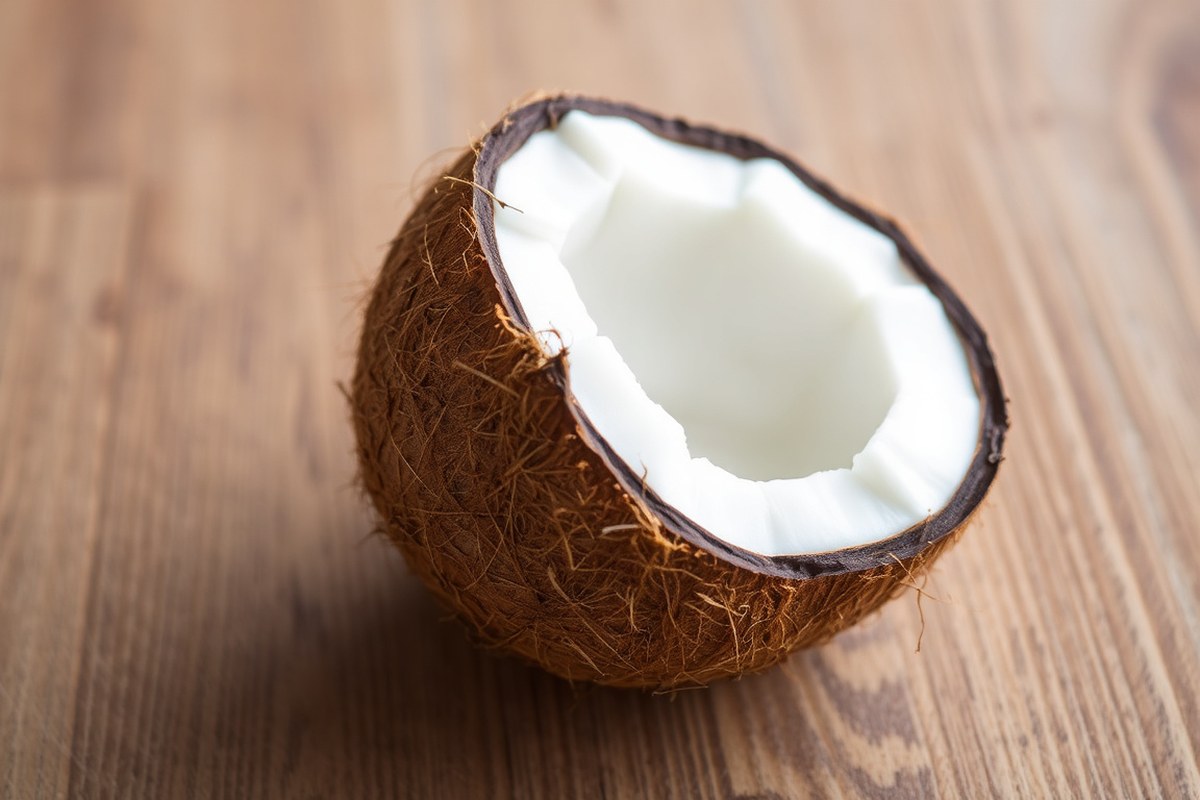
Is coconut a nut or a fruit? A coconut is actually a fruit, specifically a drupe. It develops from the flower’s ovary and has a tough outer shell, a fibrous husk, and a single seed inside.
A coconut isn’t a true nut like almonds or walnuts. But the USDA classifies it as a tree nut.
This classification is because coconuts grow on palm trees and contain one seed, similar to other tree nuts. Because of this, coconuts can cause allergic reactions in people with tree nut allergies.
This distinction matters for food labeling and allergy warnings. Products must list coconut when labeling tree nuts.
So people with allergies can avoid it. Even though it’s botanically a fruit, taking care around coconut is important if you have nut allergies.
Key Takeaways
- A coconut is a fibrous drupe, not a true botanical nut.
- The USDA classifies coconut as a tree nut for allergen labeling.
- Coconut allergy risks exist but are rare compared to other tree nuts.
- Coconut’s hard shell contains a seed inside, typical of drupes.
- Coconut fat is mostly saturated, unlike the unsaturated fats in true nuts.
- People with macadamia nut allergies may rarely react to coconut.
Is Coconut a Nut or a Fruit According to Botany?

The coconut is not a nut botanically but a fruit called a drupe. A drupe is a fruit with soft flesh and a hard shell. The hard shell protects one seed inside.
The coconut comes from a flower’s ripened ovary. That makes it a true fruit.
True nuts are dry, hard fruits. They don’t open on their own to release seeds. For example, acorns and chestnuts are true nuts.
But their shells are actually the ovary wall thickened and hardened. The coconut’s hard shell is part of its fruit. It surrounds the seed and outer layers.
You can think of a coconut as both a seed and a fruit. It acts like a seed because it grows into a new coconut palm. At the same time, it’s a fruit because it develops from the flower’s ovary.
The word “nut” in coconut comes from everyday language. It does not come from botany.
The U.S. The Food and Drug Administration calls coconut a tree nut. It’s because of its seed and tree origin. Knowing the botanical difference helps avoid confusion, especially for those with allergies or studying plant biology.
So, a coconut is a fruit by strict botanical rules. Coconut fits the culinary idea of a nut. This is due to its look and fat content.
What Botanical Features Define True Nuts and Drupes?
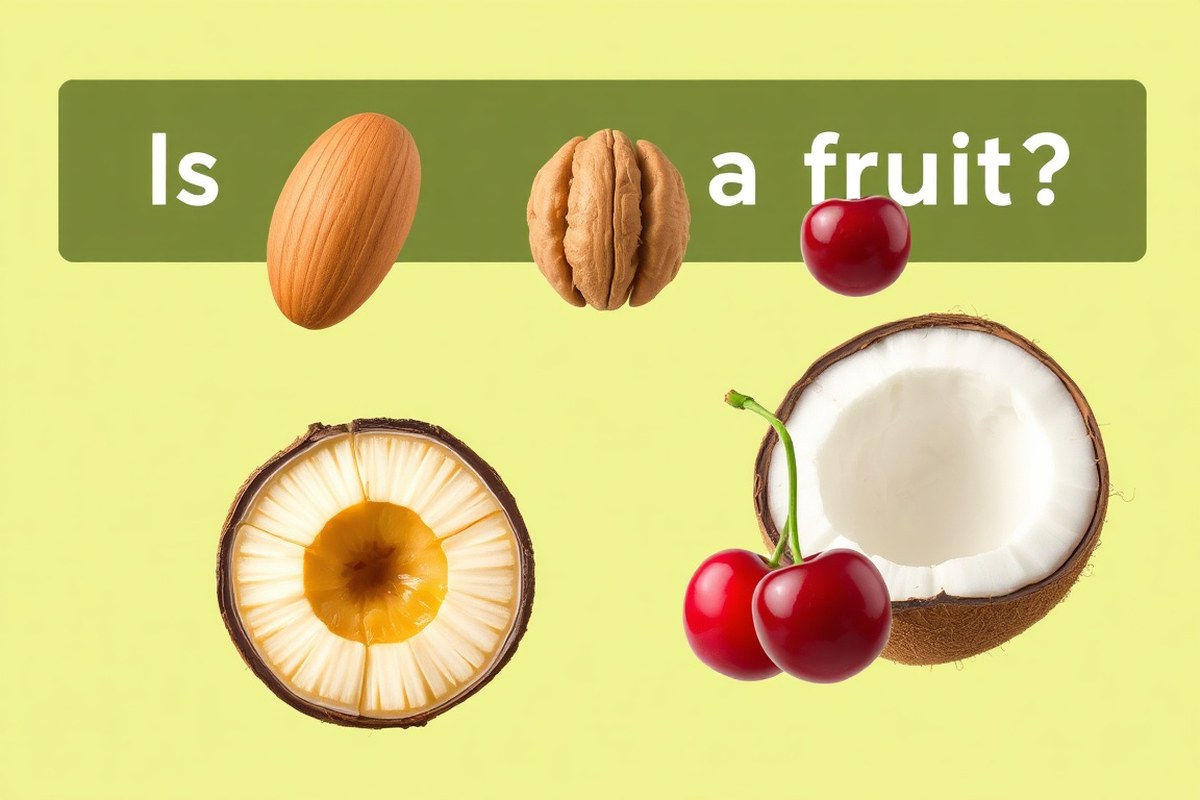
A true nut and a drupe both have hard shells and seeds. But they differ in structure.
True nuts have a single hard shell made from the ovary wall. Drupes, like coconuts, have three distinct layers surrounding the seed.
True Nuts Defined by Shell and Seed
True nuts develop from one ovary wall that hardens into the shell. This shell does not split when the nut matures. The seed inside stays enclosed until cracked open or rotten.
This happens with acorns or hazelnuts. The seed only comes out when you break or wait for decay.
This single-layer shell is the main feature that sets true nuts apart. They do not have layers of fruit tissue surrounding the seed. The seed and shell form one solid unit, which protects it without any fleshy parts outside.
Drupe Structure and Key Layers
Drupes have three layers. They include an outer skin, a middle fleshy or fibrous part, and a hard shell inside. Each layer has a different texture.
The outer skin is thin, like the green husk on a peach. The middle layer is often soft or fibrous, seen in the coconut husk.
The innermost layer, called the endocarp, is hard and surrounds the seed tightly. This layer protects the seed like a shell.
But it’s just one part of the whole fruit. Removing the outer and middle layers reveals this hard shell inside.
Examples of Drupes and Nuts
True nuts include acorns, hazelnuts, and chestnuts, where the shell and ovary wall are the same. These nuts don’t have a fleshy fruit covering. They rely on animals or decay to release the seed inside.
Drupes cover fruits like peaches, cherries, mangoes, olives, and coconuts. Almonds and pistachios, often called nuts in cooking, are also drupes. The fibrous middle layer may change texture, but the three-layer structure stays consistent.
Look at the fruit’s outer layers for classification. Notice if it has flesh or only a hard shell. This helps classify the fruit botanically.
How Is the Coconut Structured as a Drupe Fruit?
The coconut is a drupe fruit with three distinct layers surrounding its single seed. These layers are called the exocarp, mesocarp, and endocarp. Understanding these parts explains why the coconut fits into the drupe category.
Exocarp: The Outer Skin
The exocarp is the outermost layer of the coconut. When the coconut is young, this layer is smooth and green. As the coconut matures, the exocarp turns brown and hardens.
This thin outer skin protects the fruit during growth. You can see the exocarp clearly on fresh coconuts from the grocery store or the market.
Mesocarp: Fibrous Husk for Buoyancy
The mesocarp is the thick, fibrous layer beneath the exocarp. It is the husk traditionally used to make coir ropes and mats. This layer helps the coconut float on ocean water to spread to new locations.
Most coconuts in stores don’t have the mesocarp because it is removed during processing. Without this fibrous husk, a coconut looks only like a hard brown shell.
Endocarp and Seed Inside the Shell
The endocarp is the hard, woody shell you crack open to reach the seed. This layer protects the single seed inside. The white coconut meat and water you eat are parts of the seed.
The seed’s structure confirms the coconut’s classification as a drupe. It is enclosed in a hard endocarp, surrounded by the fibrous mesocarp and thin exocarp outside.
| Fruit Layer | Description | Role |
|---|---|---|
| Exocarp | Thin outer skin, green to brown | Protects fruit, visible outer layer |
| Mesocarp | Thick fibrous husk beneath exocarp | Provides buoyancy, used for coir products |
| Endocarp | Hard, woody shell inside mesocarp | Protects seed, the brown shell you crack |
| Seed | Inside endocarp, includes the edible coconut meat and water | Reproductive part of the fruit |
Why Is Coconut Considered a Tree Nut Allergen and What Risks Exist?
Coconut can trigger allergic reactions. But it is not a tree nut allergen in the strict sense.
Allergies to coconut are very rare compared to common tree nuts. The FDA’s allergen labeling rules recently changed to reflect this difference.
FDA’s Classification History for Coconut Allergen
Until January 6, 2025, the FDA classified coconut as a major tree nut allergen. The agency required food products with coconut to carry tree nut warnings. This classification grouped coconut with almonds, walnuts, and other nuts despite botanical differences.
The change removes coconut from the tree nut allergen list. This fits the plant’s true nature. Coconut is actually a fruit.
The FDA’s earlier labeling was based on allergic reaction risk, not botanical classification. They still recognize that coconut can cause allergies, but the risk is low.
Difference Between Tree Nut Allergy and Coconut Allergy
Tree nut allergies affect a significant portion of the population. In contrast, coconut allergies are uncommon and don’t usually overlap with tree nut allergies. People with allergies to cashews, pecans, or walnuts often tolerate coconut without problems.
Some rare cases show cross-reactions, especially with macadamia nuts, but these are exceptions. Allergic reactions to coconut involve specific immune responses called IgE-mediated reactions. Such reactions are not common enough to justify tree nut classification anymore.
Recommendations for Allergy-Sensitive Individuals
People with tree nut allergies can generally eat coconut safely. People with severe allergies should talk to a doctor first.
They need to be careful before trying coconut products. This step helps reduce the risk of unexpected allergic reactions.
Food labels must still show coconut clearly. This is required by the Food Allergen Labeling and Consumer Protection Act.
Consumers should read labels closely and avoid coconut if they suspect sensitivity. Talking to an allergist can clarify individual risks and testing options.
How Does Coconut Compare Nutritionally to True Nuts and Fruits?
Coconut meat is high in saturated fat. About 82 percent comes from medium-chain fatty acids. These include lauric acid.
Coconut oil has about 120 calories per tablespoon. Its fats act like other saturated fats. Examples are butter and beef fat.
Typical tree nuts have mostly unsaturated fats. These fats can lower LDL cholesterol by 3 to 19 percent. This is in comparison to Western diets.
Coconuts have much less protein than true nuts. For example, almonds contain roughly 21 grams of protein per 100 grams. Coconut meat contains around 3 grams.
Coconuts have more carbohydrates than many nuts. Most carbs come from fiber and natural sugars. Nuts usually have fewer carbs.
| Nutrient (per 100 g) | Coconut Meat | Typical Tree Nuts | Fruit (Example: Apple) |
|---|---|---|---|
| Fat | 33 g (mostly saturated) | 50, 70 g (mostly unsaturated) | 0.2 g |
| Protein | 3 g | 15-21 g | 0.3 g |
| Carbohydrates | 15 g | 10-30 g | 14 g |
Coconut offers some health benefits despite its fat composition. The medium-chain fats may provide quick energy and support skin health when using coconut oil topically.
However, these saturated fats can raise cholesterol like butter, unlike tree nuts, which help lower it. Depending on your diet, choosing between coconut and tree nuts means balancing these health effects.
Fruits like apples are low in fat and protein. They are rich in carbs from sugars and fiber. This shows how coconut falls between fruit and nut categories in nutrition.
Coconuts have fibrous carbs and seed traits like fruit. Their fat content is closer to nuts.
Beware that coconut’s high saturated fat can raise cholesterol. So use coconut oil in moderation.
What Culinary Uses Highlight Coconut as Both a Fruit and a Nut?
Fresh coconut meat is often eaten raw or used in cooking. You can grate or slice it to add texture and flavor to dishes. Grated coconut meat mixed with hot water makes coconut milk.
It is a creamy substitute for dairy. People use it in smoothies and soups.
Coconut oil, extracted from the meat, cooks food and adds a mild, nutty flavor. It melts at about 76°F and solidifies below that.
So store it at room temperature. Coconut oil is popular for frying or baking, though it can burn faster than vegetable oils.
Coconut water, the clear liquid inside, hydrates and refreshes. It isn’t the fruit flesh but comes from the seed’s interior. Many people drink it after workouts to replenish electrolytes.
In recipes, coconut often acts like a nut. You see it shredded in baked goods or ground into coconut flour for gluten-free cooking. People allergic to tree nuts may need to avoid shredded coconut.
It is classified as a tree nut allergen. Caution helps prevent allergic reactions.
Using dried or fresh coconut depends on your recipe. Dried coconut stores longer and has a chewier bite. Fresh coconut tastes sweeter and softer.
Fresh may cost more, especially out of tropical regions. But adds bright flavor to tropical dishes or curries.
Coconut milk is made by grating fresh coconut and cooking it with water. This combo releases fats and flavors that enrich sauces and desserts. You can control thickness by adjusting how much water you add before straining.
Cooking with coconut oil is straightforward but watch your temperature. It works well around 350°F but overheats easily. Using it raw in dressings or dips keeps its flavor sharp and fragrant.
How Does Coconut Behave as a Seed and Reproductive Fruit?
Coconut contains a seed inside its hard shell that can grow into a new tree. This seed is surrounded by coconut water and white meat. These parts provide nutrients and moisture to support germination.
The coconut seed starts to germinate by sprouting a shoot. It pushes through three small holes in the shell. Those holes are called “eyes.””
This shoot grows upward to become the new stem. Meanwhile, a root grows downward to anchor the seedling.
Unlike many seeds, the coconut remains inside a large, protective fruit as it germinates. The fibrous husk around the shell helps the fruit float in water. This design lets coconuts spread across oceans to find new places to grow.
Inside the seed, coconut water acts like stored food for the plant. It nourishes the seedling as it grows.
Over time, the water is replaced by thicker, solid meat. This meat offers energy for the seedling’s early growth.
The coconut’s fruit structure works by protecting the seed and aiding in seed dispersal. The hard shell shields the seed from damage and drying out. The husk floats, letting the seed travel far before settling on land.
Common Myths and Confusion About Coconut’s Classification
Many people call the coconut a nut because of its hard shell. The outer husk looks like a tough nut shell, which causes confusion. Actually, a coconut is a drupe.
It’s a fruit with a hard seed inside. The seed is covered by a fleshy outer layer.
The difference between culinary and botanical terms adds to this mix-up. In cooking, the coconut is treated like a nut due to its texture and fat content. The common use of coconut doesn’t match the botanical view.
Botanists focus on seed structure. They don’t focus on taste or cooking.
People often ask if almonds are true nuts like coconuts. Almonds are seeds inside drupes, similar to coconuts in structure.
Even though both are seeds in fruits, coconuts are classified as drupes. Almonds are simply seeds within drupes.
Culinary terms often call many seeds “nuts,” even if they don’t fit the botanical definition. Peanuts, for example, are legumes but often grouped with nuts in food. This causes confusion on food labels and allergies.
Coconuts are tree nut allergens. But they aren’t true nuts.
Understanding these terms helps avoid common mistakes in cooking and diet. Check the botanical classification for accuracy when eating or serving. Knowing the right class helps.
It clears up confusion. You can see coconut is a fruit, not a nut.
This matters even if recipes call it a nut. You then know what’s really in your food.
Remember, always check if “nut” means culinary or botanical, especially if allergies are a concern.
Quick-Start Action Plan for Understanding Coconut Classification
Follow these steps to quickly grasp if coconut is a nut or fruit. What that means for you.
- Before you start: Learn the botanical terms “nut,” “drupe,” and “fruit” to spot the differences.
- Day 1: Look at a coconut’s hard shell and tough husk. Notice the thick fiber covering it. Check the inner seed layers to find drupe traits.
- Day 2: Review allergy info. Check if you or others have reaction risks linked to tree nut allergens.
- Week 1: Compare nutrition labels of coconut and common nuts to understand their dietary roles.
- Week 2: Cook using coconut in nut and fruit forms. Use meat, oil, or flakes for different flavors. Write down the taste and how you use it.
- After 2 weeks: Reflect on coconut’s seed role by planting or observing its germination if possible.
- Ongoing: Separate facts from myths by referencing botanical and allergy sources regularly.
Frequently Asked Questions
Is a Coconut Safe for People with Tree Nut Allergies?
It depends on your allergy’s severity. The USDA classifies coconut as a tree nut, so some people may react. Always check with your doctor before trying coconut if you have a nut allergy.
Can Coconut Water Be Considered Part of the Fruit?
Yes, coconut water is inside the coconut fruit. It’s the clear liquid found in young coconuts and complements the fruit’s structure and nutrition.
Why Do Some Recipes Call Coconut Milk a Nut Milk?
Coconut milk is called a nut milk for culinary reasons. It has a texture like other nut milks.
It comes from a fruit. It is not a true nut.
Does the FDA Require Labeling Coconut as a Nut Allergen?
Yes, the FDA labels coconut as a tree nut allergen. This helps people with allergies identify potential risks in food products.
Can the Fibrous Husk Around a Coconut Be Eaten?
No, the fibrous husk is usually inedible. You remove it before eating the inner fruit or using coconut products.
Is the Brown Shell of a Coconut Considered the “Nut”?
The hard brown shell is the seed coat, not the nut itself. It protects the coconut’s edible parts inside.
Final Thoughts
Coconut is botanically a drupe fruit, not a true nut. But it can trigger nut allergies. Using coconut in cooking shows its versatile nature as both fruit and nut.
Start by tasting coconut in simple recipes. Observe how you react or enjoy it.