Can Azaleas Grow in Pots: A Complete Guide for Healthy Container Plants
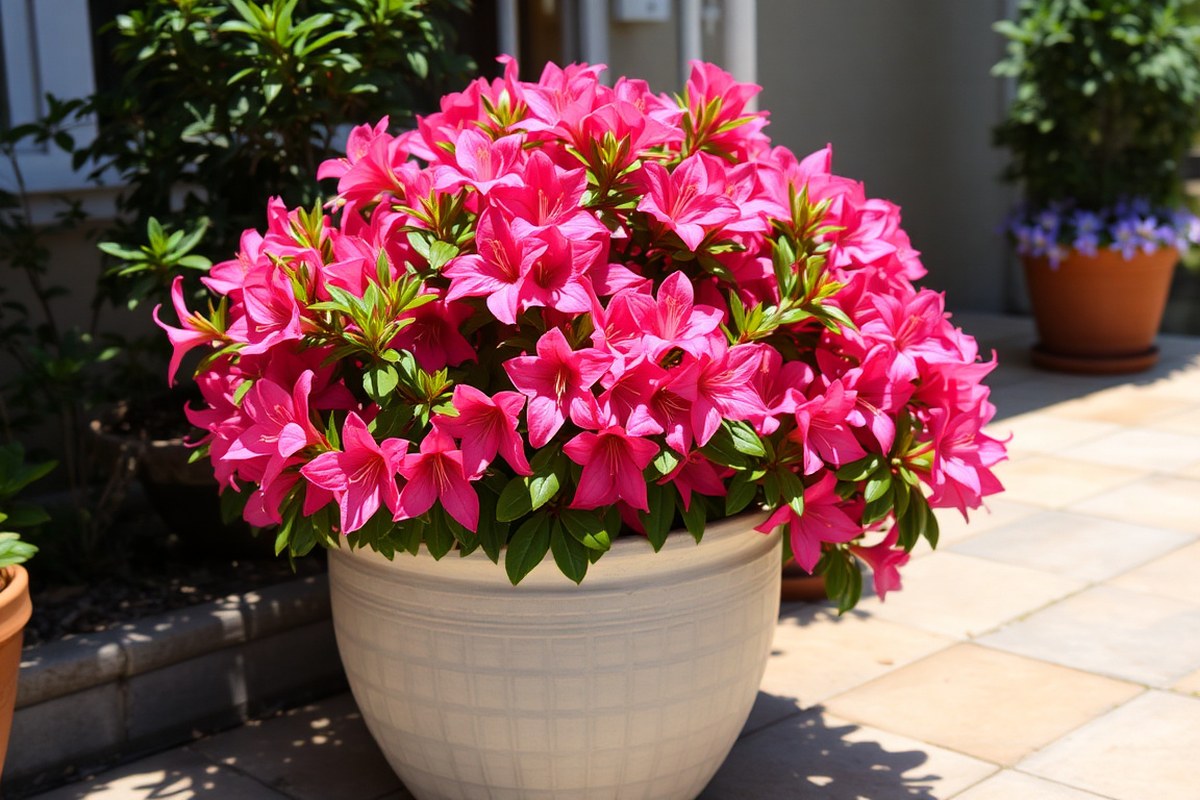
Can azaleas grow in pots? Yes, they do well when grown in containers. Their roots stay near the soil surface, so shallow pots are a good fit.
You’ll want a pot a bit bigger than the root ball. Choose one 1 to 2 inches wider and deeper than the roots. This size gives the roots room to grow without too much soil.
Azaleas usually grow 3 to 4 feet tall. They don’t get very tall, so they fit well in pots. This size makes them great for patios or balconies.
They need morning sun and afternoon shade to thrive. Too much direct sun can dry them out fast.
Keep an eye on the soil moisture. Containers dry more quickly than garden beds.
So watering every 1 to 2 days in summer heat may be necessary. Picking the right pot size and sunlight spot sets you up for healthy azaleas in pots.
Key Takeaways
- Use wide, shallow pots to fit azaleas’ shallow root systems.
- Choose pots just 1 to 2 inches larger than the current root ball.
- Azaleas in pots usually grow 3 to 4 feet tall at most.
- Place potted azaleas where they get morning sun and afternoon shade.
- Water every 1 to 2 days during hot summer spells.
- Keep the plant crown 2 inches above the soil line in pots.
Can Azaleas Successfully Grow in Pots?
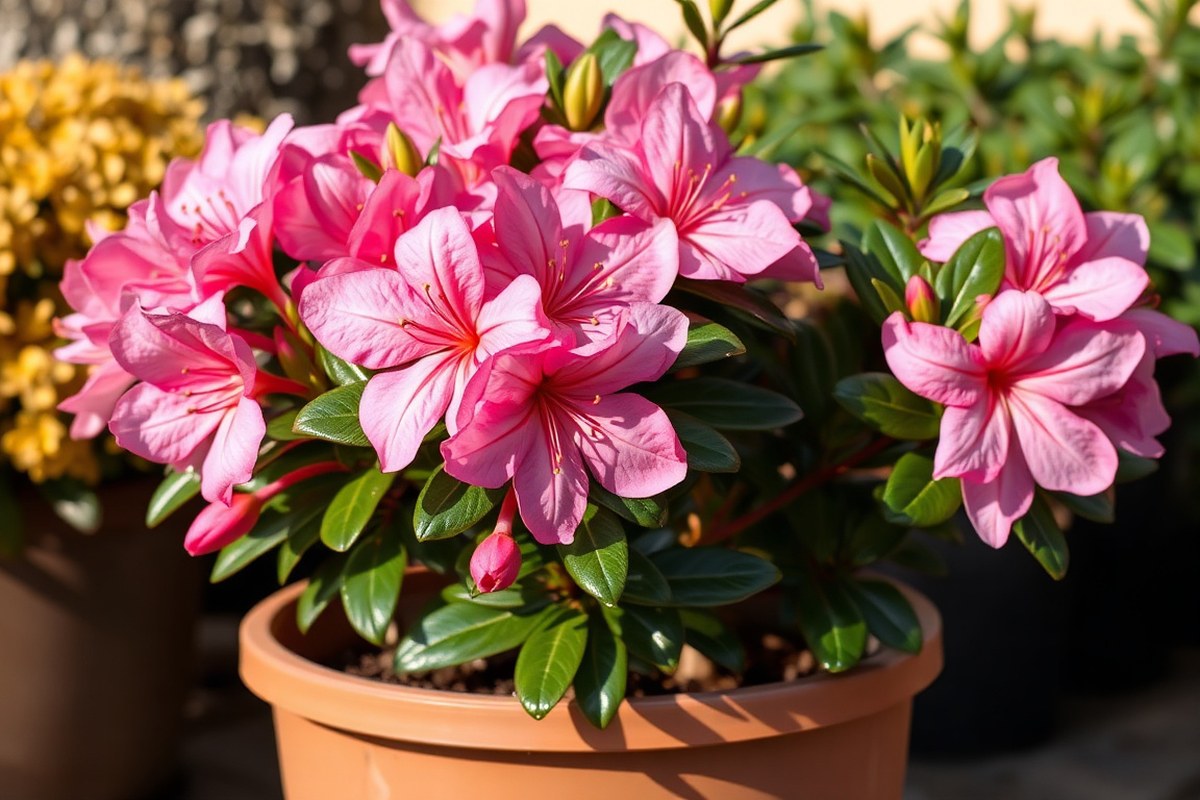
Azaleas can grow well in containers if you provide the right conditions. Azaleas need acidic soil with pH between 5 and 6. It’s easier to control soil acidity in pots.
This helps the plants grow better. Containers also help if your garden soil is alkaline or if you have limited garden space.
Growing azaleas in pots lets you move them indoors during cold months. This is especially useful in zones 5 and colder.
Azaleas rarely grow taller than 3 to 4 feet. So they suit container life well without outgrowing the pot quickly.
Choosing the right pot size matters a lot. Azalea roots tend to stay near the surface, around 4 to 8 inches deep. A wide and shallow pot supports the roots better than deep ones.
This helps keep your azaleas healthy. Choose pots with enough room at the top.
There can be challenges with container azaleas, like keeping soil moisture just right. Pots dry out faster than garden beds.
So you’ll likely need to water more often. Also, pots can warm up or cool down quicker, so watch for temperature stress.
Smaller containers like an 8-inch pot might work for a young or small azalea. But a larger pot suits most types better. A pot that’s too small can restrict root growth and cause poor plant development.
Pick a pot size that suits your azalea’s full grown size. Expect to move the plant to a bigger pot later. This lets the roots have enough space.
Growing azaleas in pots lowers the chance of pests and diseases. The plants aren’t crowded near others like in the garden. This means fewer problems for your azaleas.
This gives you a cleaner, easier setup that fits small patios or balconies well. You can move pots to change the plant’s sunlight exposure.
This helps your azalea get just the right light. Moving pots makes it easier to keep plants healthy.
Which Azalea Types Are Best for Container Growing?
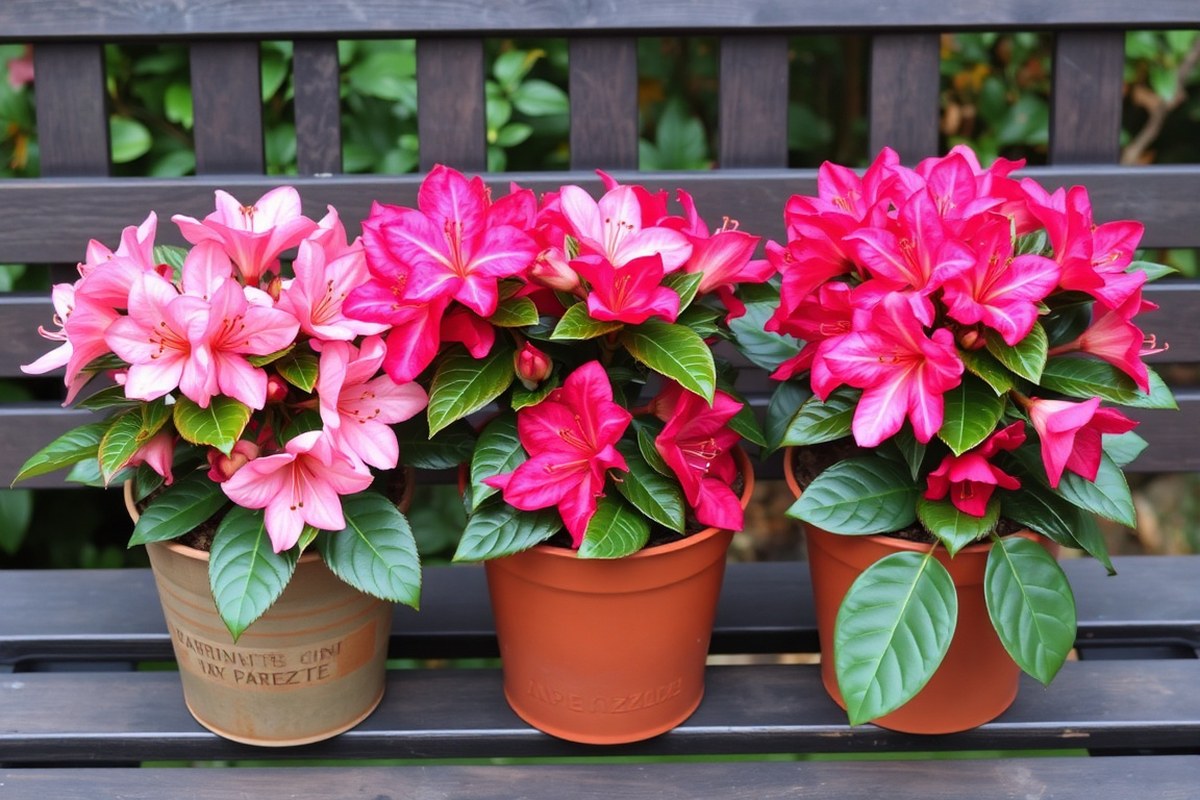
You’ll want to pick azaleas that naturally stay small for containers. Dwarf or patio azaleas work best.
These come as both evergreen and deciduous types. So you can choose based on your climate and appearance goals.
Deciduous azaleas lose their leaves in winter, which can create seasonal interest. Evergreen azaleas keep their leaves year-round, giving constant greenery.
Both types can thrive in pots. But your choice depends on whether you want year-round leaves or seasonal blooms.
| Azalea Type | Best Pot Size | Growth Habit | Bloom Timing | Use Case |
|---|---|---|---|---|
| Dwarf Evergreen | 12, 14 inch pot | Compact, under 4 ft | Spring to summer | Indoor or small patio |
| Dwarf Deciduous | 10, 12 inch pot (3 gallons) | Compact, under 4 ft | Late spring (until May/June) | Outdoor pots in cooler zones |
| Encore Azaleas (Evergreen) | 14 inch or larger | 4, 6 ft tall | Multiple bloom cycles | Lush color with cold tolerance |
| Standard Evergreen | 16 inch+ pot | 4, 6 ft tall | Spring | Outdoor pots in Zones 6-9 |
You can grow evergreen azaleas indoors, especially dwarfs in smaller pots around 12 inches. These need space to avoid root-bound conditions, so don’t pick too small a pot. Outdoor evergreen azaleas grow best in Zones 6 through 9.
They need bigger pots to handle their size. Using a larger pot helps their roots grow well.
Deciduous azaleas suit cooler climates like Zones 5 and 6. These lose leaves in winter but may bloom late through May. Pick a pot that holds at least 3 gallons.
It should be 10 to 12 inches wide. This size gives young plants room for root growth. This helps keep them healthy over time.
Don’t use tiny pots. Azaleas dry out quickly and may need daily watering in summer heat.
For small spaces, go with dwarf varieties sold as patio azaleas. They fit nicely on decks or balconies and need less pruning. These types give you great color without taking over your area or needing huge containers.
Choosing the Right Container Size and Material
Pick a pot about 1 to 2 inches bigger than the root ball. It should be wider and deeper to fit the roots well. This size leaves some room for roots to grow without holding too much extra soil.
Azaleas have shallow roots. So pick pots that are wider than tall, roughly two-thirds height compared to the diameter.
The pot’s shape matters because azalea roots spread sideways. A classic azalea pot has a wide rim with shallow depth.
This shape lets roots fit nicely in the soil. A deeper pot can drown roots or cause water buildup, which leads to rot.
The container material affects moisture and temperature control. Terracotta pots are porous and allow air and moisture to move through the walls.
This ventilation cools roots and helps excess water evaporate, preventing soggy soil. However, terracotta pots are heavier and can crack in hard freezes if left outdoors wet.
| Pot Type | Best For | Approx. Price | Key Pro | Key Con |
|---|---|---|---|---|
| Terracotta azalea pot | Outdoor patios, mild climates | $18, 35 | Porous walls, evaporative root cooling | Heavy; cracks in hard freeze if left wet |
| Glazed ceramic (16, 18″) | Hot/dry climates, decorative use | $30, 65 | Retains moisture well, decorative finishes | Clay pots are heavy and can crack in freezing weather. They might not be great below zone 6. |
| Light-colored poly/resin (16, 20″) | Zones 5, 6, moving indoors for winter | $12, 25 | Lightweight, durable, affordable | Dark colors absorb heat, can stress roots |
Glazed ceramic pots keep soil moist longer but may overheat roots in strong sun. Use glazed pots in drier, hot areas with some shade. Poly or resin pots suit colder zones with indoor winter moves.
They are light to move and resist cracking but don’t breathe like clay. The color matters, light colors reflect heat, keeping roots cooler.
To pick the right pot, check your azalea’s root size and climate zone. In warm areas, terracotta works best to keep roots cool. In colder zones, lightweight poly pots allow easy winter moves inside.
Use a pot slightly bigger than the root ball size. This stops water from pooling or roots from squeezing.
Preparing the Perfect Soil Mix for Potted Azaleas
Azaleas in pots need well-draining soil with a pH around 4.5 to 5.5. Use a potting mix designed for acid-loving plants or make your own to keep roots healthy. The soil should stay moist but never soggy, allowing air to reach the roots.
Ingredients for Acidic, Well-Draining Soil
Azaleas thrive in soil that mimics forest floors with decomposed leaves. Peat moss or coco coir helps acidify the soil while adding moisture retention. Add pine bark or perlite to improve drainage and keep roots from sitting in water.
Store-bought potting soils for azaleas typically combine these ingredients. Regular potting soil often holds too much water and lacks acidity.
So avoid it unless amended correctly. You can buy mixes labeled for rhododendrons, camellias, or acid-loving plants at garden centers.
Adjusting pH for Azaleas
A soil pH between 4.5 and 5.5 is best for azaleas. You can test this with a basic soil test kit.
When the soil is alkaline, add elemental sulfur or peat moss. These acidic amendments help lower the soil pH for your azaleas.
Avoid lime or fertilizers with limestone for azaleas. They raise soil pH. High pH can harm your azaleas’ growth and health.
Change soil pH slowly and test it every few weeks. This is important for potted azaleas. Soil conditions shift faster in containers.
Mixing and Testing Soil
Making your own soil mix lets you control drainage and acidity. Combine your ingredients and test the moisture retention by squeezing a handful. It should feel damp but not wet or crusty.
Here’s a simple recipe to make your own azalea potting mix at home. Use this to refresh your potted plants yearly and keep them growing strong.
- Measure 4 parts peat moss or coco coir for acidity and moisture retention.
- Add 2 parts pine bark fines or small chips to provide air spaces and good drainage.
- Mix in 1 part perlite or coarse sand to keep soil from compacting.
- Combine all ingredients thoroughly in a large container or wheelbarrow.
- Check soil moisture by squeezing a handful. It should hold shape but not drip water.
- Test pH using a soil test kit and adjust with elemental sulfur if needed.
- Fill your container but leave 2 inches from soil to rim. This space helps with watering your azaleas correctly.
Watering and Sunlight Needs for Healthy Container Azaleas
Container azaleas need careful watering and light to stay healthy. Water them consistently but avoid sitting water. They do best with morning sun and afternoon shade to protect leaves and flowers.
Watering Schedule for Different Seasons
Azaleas in pots dry out faster than ground plants. Water them about twice a week in spring and fall. During hot summer days, increase watering to every other day.
Winter watering depends on your climate and indoor or outdoor placement. Azaleas need less water when dormant but never let the soil dry out completely. Check moisture weekly in cool months.
- Spring/fall: water 2 times per week
- Summer: water every 1, 2 days, depending on heat
- Winter: water once a week or as soil dries
- Always water deeply to soak the soil
- Avoid standing water in saucers under pots
Be sure to adjust if rain wets the soil. Containers lose moisture quickly, so feel soil before skipping watering.
Best Light Conditions: Morning Sun, Afternoon Shade
Azaleas prefer about 4 to 6 hours of gentle morning sun daily. After noon, they need shade to avoid harsh light and leaf burn. This mimics their natural woodland habitat.
Too much direct afternoon sun stresses azaleas. Too little sunlight slows growth and reduces flowers. A spot with filtered or dappled afternoon shade is ideal to balance light and protection.
Place potted azaleas in spots with morning sun and afternoon shade for best results.
If your patio or balcony faces west, try moving pots to a side with east or north exposure. You can also use a lightweight shade cloth in hot afternoons.
Signs of Water Stress and Correction
Wilting or droopy leaves can mean underwatering or overwatering. Check soil moisture before watering again. Dry soil needs more water, but soggy soil needs better drainage.
Yellowing leaves often show waterlogged roots. Always empty saucers to stop standing water. Repotting with fresh soil may help root health if problems continue.
Leaf edges turning brown signals dryness or too much sun. Increase watering frequency and move the azalea to more shaded light. These quick changes can revive stressed plants.
Fertilizing and Pruning Potted Azaleas for Optimal Growth
Azaleas in pots thrive with the right acid-loving fertilizer and regular pruning. Use fertilizer designed for acid-loving plants to provide nutrients they absorb best. Prune at the right time and trim carefully to boost blooming and keep shapes neat.
Choosing Acid-Loving Fertilizers
Azaleas prefer fertilizers made for acid-loving plants. Look for products with formulations that lower soil pH or maintain its acidity. Avoid standard 10-10-10 all-purpose fertilizers because they won’t release nutrients properly.
These special fertilizers include ingredients like sulfur or ammonium sulfate to keep soil acidic. You can find them labeled for azaleas, rhododendrons, or camellias. They supply the nutrients azaleas need for strong roots and vibrant flowers.
Fertilizing Frequency and Amounts
Feed container azaleas twice a year for best growth, once in early spring and once mid-season. Too much fertilizer can harm roots, so follow the package instructions carefully. Usually, apply about half the amount recommended for garden beds.
Apply fertilizer after watering to avoid burning roots. Avoid feeding azaleas in late fall or winter. Tender new shoots may appear that frost can harm.
Pruning Timing and Techniques
Prune potted azaleas just after their main bloom finishes in spring. This timing helps keep the shape and encourages new growth for next year’s flowers. Pruning too late can remove flower buds and reduce blooming.
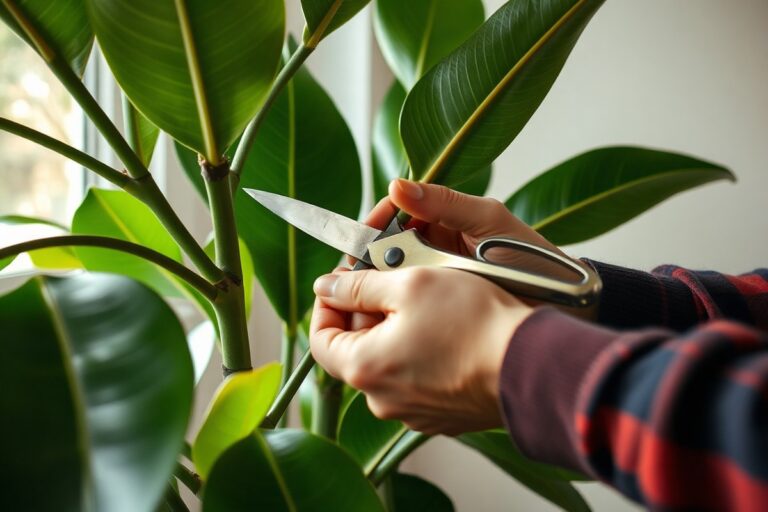
To prune properly, remove dead or weak branches first. Then cut back long shoots by about one-third. Light trimming keeps the plant tidy without stressing it.
Follow these steps to prune your container azalea:
- Wait until flowers fade completely in spring.
- Use clean, sharp scissors or pruning shears.
- Cut away any dead, damaged, or diseased branches.
- Trim back long, straggly shoots by about one-third.
- Thin crowded branches to allow light and air inside.
- Avoid heavy cuts that remove more than a third of the plant.
- Dispose of trimmed material to prevent pests or disease.
- Monitor new growth and prune lightly again if needed by mid-summer.
Protecting Potted Azaleas Through Winter and Extreme Weather
Azaleas can survive winter outdoors in pots if you take extra steps. Evergreen types are more sensitive to freezing. Move them indoors if temperatures fall below 0°F to avoid frost damage and pest issues.
For colder zones, protecting the root ball is key. Wrap pots in bubble wrap, burlap, or heavy blankets. This helps stop cold from penetrating the soil and harming roots during hard freezes.
Deciduous azaleas lose leaves, making them somewhat hardier in cold. Still, they benefit from being sheltered or moved inside if freezes last long. Indoor spots should stay between 45°F and 85°F for azaleas.
- Use insecticidal soap on evergreen azaleas before indoor moves.
- Choose light-colored or white plastic pots to help heat indoors.
- Wrap pots in insulation layers if left outside in cold spells.
- Bring plants indoors before the first hard freeze arrives.
- Place indoor azaleas near bright windows but away from drafts.
Deciding when to move azaleas indoors depends on your local climate. Zones 5 and 6 usually need pots brought inside by late fall. In milder zones, outdoor pots need only light insulation.
Water potted azaleas less in winter, about every 1, 2 weeks, since growth slows. Avoid soggy soil that promotes root rot.
Watch your plants’ leaves. If they shrink or brown outdoors, move the pot sooner.
Common Problems with Azaleas in Containers and How to Fix Them
Azaleas in pots often face pests such as lace bugs, caterpillars, and whiteflies. These insects suck sap and damage leaves, causing yellow or spotted foliage. Checking your plant every few days helps catch infestations early before damage spreads.
Fungal diseases like powdery mildew or root rot frequently affect container azaleas. They appear as white film on leaves or soggy, foul-smelling soil. Avoid overwatering and keep good air circulation around your plant to reduce these problems.
Yellow leaves or poor growth usually stem from cultural issues. Common mistakes include watering too much or too little.
Planting azaleas in soil with wrong pH. Azaleas need acidic soil with pH between 4.5 and 6.0 to take up nutrients properly.
- Inspect leaves for lace bugs, tiny insects on leaf undersides causing speckled damage.
- Handpick caterpillars or spray with insecticidal soap for quick removal.
- Repot using fresh acidic potting mix if roots look rotten or crowded.
- Water only when top inch of soil feels dry, not on a fixed schedule.
- Remove dead or diseased leaves promptly to keep fungal spores down.
- Apply a slow-release azalea fertilizer once a month during growing season.
- Use neem oil spray to control whiteflies and reduce fungal spore spread.
Treat fungal spots with fungicides labeled for azaleas, following package directions. Avoid overhead watering by watering the soil, not leaves, and water early in the day. Good drainage is essential; waterlogged soil invites root rot quickly.
Azaleas showing yellow leaves need a soil acid test kit. These kits cost about $10 to $15 and work in minutes. Adjust pH by using sulfur or azalea soil acidifiers.
Apply these every three to four months according to the label. Follow directions carefully to avoid overuse.
Check your pot’s drainage holes regularly to stop standing water and root rot risks.
Step-by-Step Action Plan for Growing Azaleas in Pots
Follow these steps to start growing azaleas in pots successfully. Each step guides you to check if your plant stays healthy and blooms well.
- Before you start: Choose a container with drainage holes that is at least 12 inches wide. It should hold enough soil and let water flow out easily.
- Day 1: Mix equal parts peat moss, pine bark, and perlite to make soil. It should stay moist but drain well for your azalea’s roots.
- Week 1: Plant your azalea in the pot and water thoroughly until water drains out. The soil surface should stay evenly moist, not soggy.
- Week 2: Place the pot where your azalea gets morning sun and afternoon shade. Check that leaves don’t scorch or wilt.
- Month 1: Feed the plant with a slow-release fertilizer for acid-loving plants once. Leaves should look green and healthy.
- Month 2: Prune any dead or weak branches and faded flowers. Pruning helps new growth and fuller blooms.
- After 3 months: Monitor for pests like lace bugs or spider mites. Look for spots or yellowing leaves and treat promptly.
- Fall: Move your plant to a protected spot if freezing temps come. Check soil moisture and water less to avoid root rot.
Frequently Asked Questions
Can You Grow Azaleas in Pots Indoors Year-Round?
Yes, azaleas can grow indoors if they get enough bright, indirect light. Keep them away from drafts and maintain high humidity to prevent leaf drop.
Do Azaleas in Pots Need Repotting Every Year?
Azaleas in pots typically need repotting every 2 to 3 years. This prevents root crowding and refreshes the soil nutrients.
Can You Root Azaleas from Cuttings in Pots?
Yes, azaleas can root from cuttings placed in pots. Use a rooting hormone and keep the soil moist for best success.
How Does Pot Location Affect Azalea Growth?
Pot location affects light exposure and temperature, key for azaleas. Choose a spot with morning sun and afternoon shade.
Are Azaleas in Pots More Prone to Pests Than in the Ground?
Potted azaleas can get pests more easily because pots dry out faster. Regular checks and good airflow help prevent issues.
Can You Grow Azaleas on a Balcony or Patio?
Yes, balconies and patios are great for potted azaleas. Just ensure they get the right light and watering conditions.
The Bottom Line
You can grow azaleas in pots and enjoy their beautiful blooms. Start with the right soil and container. Check your plant often and adjust care based on what you see.