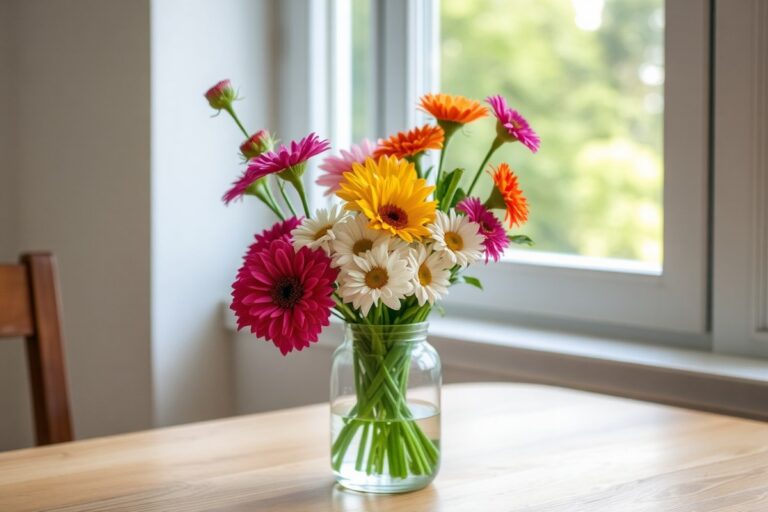
Does Perennial Come Back? A Complete Guide to Yearly Regrowth & Care
Does perennial come back every year? Yes, most perennials do return yearly.
They grow from the same root system rather than seeds, saving energy for new shoots. This lets them sprout fresh stems and leaves each spring, making them reliable in your garden.
Perennials survive winter by entering dormancy. Their tops may die back, but their roots stay alive underground. This below-ground growth helps them come back strong once conditions improve, even after harsh cold or dry spells.
Some perennials need care to keep coming back bright and healthy. Proper watering, sunlight, and dividing crowded plants prevent stress and disease. These steps help you enjoy their vibrant blooms for many seasons without replanting.
Not all perennials behave the same. Some die back completely, while others keep some green leaves. Knowing your plant’s type helps you give the right care and know when to expect new growth.
Key Takeaways
- Perennials regrow from roots, not seeds, each spring.
- Winter dormancy protects perennials by saving energy below ground.
- Provide correct sun exposure and water to support return growth.
- Divide your perennials every 3 to 5 years for better health.
- Crowded plants can fail to bloom; spacing helps them thrive.
- Mulch after the first frost to protect roots without waking plants.
Do Perennials Come Back Every Year and Why?

Perennial plants do come back every year, but not always without fail. They survive winter by entering a state called dormancy, where above-ground parts die back. The roots or crowns stay alive underground to send new growth during the next season.
What makes a plant perennial is its ability to live for more than two years. Unlike annuals, perennials don’t die after one season. They regrow year after year from their roots.
This lets them come back without needing replanting. Biennials live for two years, growing leaves the first year and flowers the second, before dying.
Perennials differ from annuals and biennials by how they manage energy and growth. They store food in their roots or crowns to survive cold or dry seasons.
When favorable conditions return, these stored nutrients help produce new shoots and flowers. This cycle lets your garden come alive again without needing replanting every year.
How Perennials Survive Winter: Dormancy and Root Systems

Perennials survive winter through dormancy, a state where growth stops. This keeps them safe from cold damage by slowing water and nutrient use. The above-ground parts may die back, but the roots and crown stay alive underground.
Roots, bulbs, and tubers store food made during the growing season. They act like batteries, holding energy as starches and sugars. The stored food helps new shoots and leaves grow in spring.
It lets the plant regrow fast when the season arrives. This stored food fuels new growth quickly.
Different types of storage help perennials last winter. Bulbs have fleshy layers filled with nutrients, seen in tulips.
Rhizomes and tubers spread horizontally and swell with energy, common in plants like iris and dahlias. Taproots, such as in peonies, dig deep and keep the plant anchored while storing food.
When daylight shortens and temperatures drop, plants naturally enter dormancy. Your garden perennial’s leaves turn yellow and soft above ground, a normal sign.
The underground parts remain healthy if soil doesn’t stay too wet. Too much water can cause root rot, killing roots and stopping regrowth.
Proper planting depth can protect roots during harsh winters. For fragile bulbs, plant them 4 to 6 inches deep.
This provides insulation from freezing temperatures. In colder zones, extra mulch can help keep soil temperatures steady and prevent roots from freezing.
Make sure soil drains well to avoid winter root rot, which kills perennials underground.
How Hardiness Zones and Climate Affect Perennial Return
USDA hardiness zones affect whether a perennial comes back after winter. Each zone shows the average winter low temperature, which influences a plant’s survival. Choosing perennials rated for your zone helps ensure they return reliably each year.
Cold winters in zones 3 to 5 challenge perennials with freezing conditions. These plants survive harsh snow and ice with deep roots. They depend on heavy dormancy underground.
This helps protect them in winter. Zones 9 to 11 have mild winter climates.
Perennials stay active longer here. They need less dormancy than in colder zones.
Some perennials can live outside their zone ratings. Survival depends on many factors though. It is not always certain.
A plant near its zone edge may return after a mild winter. It can struggle during unexpected freezes. This makes its survival less sure.
Tender perennials often last only one season in cold zones. They can live many years in warm zones. This depends on the climate.
Here’s a simple table showing climate zones and how perennials adapt to survive in them. This helps you pick types suited to your area’s challenges and growth patterns.
| Zone Range | General Climate Description | Survival Strategy |
|---|---|---|
| 3 – 5 | Harsh, freezing winters | Deep root systems, heavy dormancy |
| 6 – 8 | Moderate winters | Adaptive foliage, varying dormancy |
| 9 – 11 | Mild to warm winters | Minimal dormancy, moisture focus |
For cold climates, plant perennials with root systems that reach below the frost line. Choose varieties rated at least one zone colder than your location for added safety. In warmer climates, focus on moisture needs since winter cold is less an issue.
Perennials that survive tough winters store energy in roots or tubers underground. Tropical perennials in zones 9 to 11 may not go dormant. They usually need more water during winter.
This is because they stay active year-round. For borderline zones, consider mulching and winter protection to boost comeback chances.
Common Reasons Why Perennials Don’t Come Back
When a perennial doesn’t return, the cause usually ties to its growing conditions or care. Sudden cold snaps after an early warm spell can kill new shoots. This false spring tricks plants into waking up too soon, then freezes damage the soft growth.
Soil quality plays a big role in whether perennials bounce back. Poor soil loses moisture or drains too fast, stressing roots.
Over time, roots may weaken or rot if soil stays too wet. Both dry, compacted soil and soggy ground hurt root health.
Plants also suffer if pruned at the wrong time or too aggressively. Cutting back too much living growth can leave the plant with little energy. This slows recovery and may stop the plant from growing back altogether.
- Look for signs of root rot: mushy, dark roots and bad smell
- Check soil moisture levels; keep soil evenly moist, not soggy
- Notice if recent pruning removed new shoots or too many leaves
- Assess if a late frost followed an unusually warm period
- Inspect for pest damage that kills shoots or tunnels in stems
- Verify if soil pH and nutrients fit the plant’s needs
To diagnose why your perennial failed, start by digging up a small bit near the base. Healthy roots should be firm and white or light-colored. Roots that are brown, mushy, or smell rotten usually mean root rot.
Next, check soil moisture by sticking a finger two inches deep. Dry soil means the plant lacks water.
Wet, sticky soil hints at poor drainage and possible root rot. Use a soil test kit to learn soil pH and nutrient levels when unsure.
Review recent weather records or local garden reports. Temperatures below 28°F after late winter warmth over 50°F probably caused frost damage to your plant.
Finally, review your pruning routine. Cut back perennials only after dormancy ends and avoid removing more than one-third of the plant.
When and How to Divide Perennials for Stronger Regrowth
Dividing perennials helps them grow healthier and bloom longer. It stops overcrowding and refreshes the roots. You usually divide them every few years depending on the species and their growth habits.
Ideal Times for Dividing Different Perennials
Most perennials are best divided in early spring or early fall. Spring division allows plants to settle before hot weather arrives. Fall division works well for species that spread aggressively or bloom in summer.
Some slower-to-grow perennials, like peonies, rarely need dividing and can suffer if disturbed. Others, like coreopsis, benefit from frequent dividing to prevent overcrowding and poor flowering. Signs you need to divide include shrinking blooms, crowded stems, or bare spots in the center.
Tools and Techniques for Dividing Plants Safely
Use clean, sharp tools such as a garden fork, spade, or knife to divide perennials. Dull tools crush roots and stress the plant more. Dig gently 6 to 12 inches around the clump.
Avoid hurting the roots. Then lift the clump out carefully.
Carefully tease or cut the root ball apart, making sure each division has roots and shoots. Harder clumps might need slicing with a sharp knife. The divisions should be roughly the size of a baseball or larger to encourage strong regrowth.
- Water the perennial deeply a day before dividing to ease root digging.
- Dig around the plant, loosening soil at least 6 inches from stems.
- Lift the entire clump gently using a garden fork or spade.
- Shake or wash soil off roots if needed to see root structure clearly.
- Use hands or a knife to separate the clump into smaller sections with roots and shoots.
- Trim any dead or damaged roots to encourage healthy growth.
- Plant each division promptly in prepared soil at the same depth as before.
- Water well after planting to settle soil and start root growth.
Avoid dividing during extreme heat or drought. The plant can stress and fail to regrow well.
Aftercare Steps Post-Division
After dividing, water new plants thoroughly and mulch around basins. Mulch like composted leaves or shredded bark holds moisture and protects roots. It also supplies slow-release nutrients to support recovery.
Keep the soil moist but not soggy for several weeks. Avoid heavy fertilizing right away, as roots need time to establish. Watch for sudden wilting or yellowing leaves, signs the plant needs more water or shade.
Best Perennials Known to Come Back Reliably Each Year
Perennials are prized because they return year after year with little replanting effort. Some types come back reliably even in tough climates. Their ability to thrive depends on the species, soil, and weather.
Many perennials are known for growing back reliably every season. They often return year after year with little extra care.
Long-Lived Perennials and Their Lifespans
Bearded iris is a classic example of a long-lived perennial. It often lives for decades, making it a great long-term investment. These irises produce fragrant spring flowers in colors like pink and white.
Another hardy perennial can thrive across zones 3 to 9. This plant resists drought and heat, and tends to come back stronger every year. Its lifespan easily surpasses a decade under good conditions.
Short to Medium-Lived Perennials to Expect Replacement For
Some perennials return year after year but have shorter lifespans around three to five years. These plants often need dividing or replacement to keep beds full and healthy. In some cases, crowded roots slow growth and bloom size over time.
These shorter-life types usually tolerate poor soil but prefer occasional feeding. Pushing their lifespan means following proper care like dividing and avoiding frost heaving. Replace them on a regular schedule for best garden appearance.
Growing Requirements for Top Perennials
Most reliable perennials prefer well-drained soil but tolerate various conditions including poor mixes. They need full sun to part shade to bloom well. Watering can be moderate since many handle drought once established.
Soil preparation before planting boosts longevity. Adding organic matter or compost improves structure and drainage. Mulching helps preserve moisture and prevent weeds, which compete with perennials.
Here’s a quick comparison between annuals and perennials to clarify their value:
| Annuals | Perennials |
|---|---|
| Live one season | Return for multiple years |
| Replanted yearly | Planted once |
| Fast color | Long-term value |
| Higher replacement cost | Lower long-term cost |
Perennials save you time and money over several seasons. Annuals offer quick shows but require yearly purchase and planting. Picking the right perennial plant matching your climate and soil limits frustration and loss.
How to Care for Perennials to Ensure They Come Back Strong
Perennials come back strong when you water, mulch, and prune them right. Preparing the soil well sets the stage for healthy roots and better growth. Planning care by the seasons helps your plants survive and thrive.
Watering Guidelines by Season
Perennials need more water when they are establishing roots or growing fast. In spring, keep the soil moist but not soggy to help new shoots grow. As summer heats up, water deeply once or twice a week, depending on rainfall.
During fall, reduce watering to encourage roots to harden off before winter. Avoid watering in late fall once growth stops and plants enter dormancy. Staying consistent helps your plants avoid stress and recover better next season.
- Water spring bloomers weekly until established
- Apply deep watering in early summer during heat waves
- Cut back watering in fall as plants slow down
- Use morning watering to reduce leaf moisture and fungus
- Check soil moisture by feeling 2 inches deep
Overwatering can drown roots, while underwatering stresses plants. Aim for moist soil, not puddles, for steady growth.
Mulching Best Practices
Adding mulch helps keep soil cool, moist, and weed-free around perennials. Wait to mulch until after the first few hard frosts pass. So plants won’t start too soon.
Apply 2 to 4 inches of mulch in a thick layer. But keep it away from plant crowns.
Mulch protects roots from temperature swings in fall and winter. Organic mulches like shredded leaves or bark break down over time, adding nutrients to the soil. Removing or refreshing mulch in early spring lets new shoots grow easily.
- Layer mulches after hard frost in late fall
- Use 2 to 4 inches depth of organic mulch
- Keep mulch 1 inch away from stems to prevent rot
- Remove or thin mulch in early spring
- Check mulch yearly to avoid compaction
Mulching saves water and helps perennials survive colder months better. Avoid piling mulch tightly against stems to stop rot or pests.
Pruning Tips Without Hindering Regrowth
Cutting back perennials helps them focus energy on new growth. For spring bloomers, prune dead stems after they finish flowering. Summer and fall bloomers grow better with light pruning.
Pruning tidies plants and helps them bloom again. Do this to get a second bloom.
Avoid heavy pruning before fall. Plants need leaves to build root reserves for winter survival. In late fall, remove dead or diseased leaves only.
Wait until early spring to cut old stems. Cut these stems back down to the ground.
- Trim spring bloomers after flowering stops
- Lightly prune summer bloomers to extend flowering
- Leave healthy foliage until late fall to feed roots
- Cut back dead stems in early spring before growth
- Use clean, sharp tools to avoid spreading disease
Pruning too early or too hard disrupts root development and slows regrowth. Timing and gentleness keep your perennials healthy year after year.
Do Perennials Always Return in the Same Spot?
Many perennials grow back in the same spot each year. But not all stay put forever.
Some spread gradually through underground roots called rhizomes or stolons. Over time, this can make them cover more ground than where you first planted them.
Some perennials spread by dropping seeds. These seeds grow several feet from the parent plant. This causes new plants to appear some distance away.
This makes the new plants pop up in different spots, sometimes far from the original spot. Self-seeding depends on the species and conditions like wind and animals carrying the seeds.
Plants that spread through roots usually take slower steps each year. Their growth forms a bigger patch but stays connected, helping the plant share nutrients underground. You can control their size by digging them up.
Divide the root ball every few years. This helps keep the plants from spreading too much.
Self-seeding perennials behave differently. These may appear as new seedlings around the garden in odd spots.
You can thin out unwanted seedlings or transplant them to control where they grow. This helps keep your garden tidy without stopping natural spreading.
Watch for seedlings appearing suddenly; removing or moving them helps keep your garden organized.
Some perennials stick firmly to the place where you first set them. Others act like natural wanderers, moving slowly through roots or seeds. Knowing your plant’s growth habit helps you plan space and keep it where you want.
Step-by-Step Action Plan to Help Your Perennials Come Back Strong
Follow these simple steps to set your perennials up for a healthy return each year. Check for signs of growth to see your success.
- Before planting: Choose perennials suited to your hardiness zone. This helps plants survive winter and come back.
- Spring: Remove old mulch and dead stems carefully. Look for new shoots or green leaves starting to show.
- Early summer: Water your perennials deeply once a week during dry spells. Watch for healthy, firm leaves as a good sign.
- Mid-summer: Fertilize with a balanced, slow-release fertilizer. Check that new growth looks green and strong one week later.
- Late summer: Plan to divide crowded perennials every 3 to 4 years. Choose plants with multiple strong shoots for best results.
- Fall: Cut back perennial stems after the first frost. Leave about 2 to 3 inches above soil. Healthy roots will keep working underground.
- Winter: Apply a light mulch layer to protect roots from freezing. Remove it in early spring to encourage early growth.
- Next spring: Monitor your plants for any signs of disease or pests. Healthy new leaves and shoots mean your care is working.
Frequently Asked Questions
How Can I Identify If a Plant Is a Perennial?
The best way is to watch if it comes back yearly. Perennials regrow from roots or crowns, not from new seedlings.
Can Perennials Grow Taller Each Year?
Yes, some perennials can grow taller over time. For instance, these often reach up to 3 feet high.
Do Perennials Need Special Soil to Come Back?
No specific soil is needed, but well-drained soil helps. Healthy soil supports stronger root systems for regrowth.
Can Perennials Survive Harsh Winters Without Mulch?
Many can, but mulch provides extra protection during very cold spells. Mulching helps maintain soil temperature and moisture.
Will Cutting Perennials Back in the Fall Help Them Return?
It depends on the plant and climate. Some prefer leaving foliage for winter protection, while others benefit from fall cutting.
Are There Perennials That Flower Every Year Without Replanting?
Yes, many flowering perennials come back with bright blooms annually. Examples include daylilies and peonies.
Final Thoughts
Perennials usually come back if you give them the right care and conditions. Start by picking the right plants for your zone. Check your garden soon for new growth to catch problems early.