Do Gladiolus Need Full Sun? Clear Answers for Vibrant Flowers
Gladiolus grow well only with 6 to 8 hours of strong sunlight. They need this much sun for their tall stems and bright flowers. Without enough light, their colors and height stay weak.
Sunlight helps gladiolus grow strong stems and produce vibrant blooms. Too little sun can delay flowering and weaken the plant. Choose a spot that gets sun in the morning.
Make sure it also gets sun in the afternoon. This gives your gladiolus the best lighting all day.
In hotter climates, some afternoon shade can protect petals from scorching. Also, potted gladiolus need extra care since pots heat up faster. Watch soil moisture closely and adjust watering to keep them healthy.
Keep soil well-drained to avoid root problems in full sun areas. Mulching around the plants helps retain moisture during hot days. Regular feeding with a balanced fertilizer supports strong growth and flower production.
Key Takeaways
- Plant gladiolus where they get at least 6 hours of direct sunlight daily.
- Use north-south orientation to help all leaves receive sunlight evenly.
- In hot areas, provide light afternoon shade to prevent flower scorch.
- Water gladiolus growing in full sun once the top two inches dry out. The soil should feel dry there before watering again.
- Potted gladiolus require more frequent watering than those planted in the ground.
- Late or weak blooms may mean your gladiolus don’t get enough sunlight. Check how much light hits the plants each day. Adjust their spot if needed.
Do Gladiolus Need Full Sun to Thrive?

Gladiolus need full sun to grow well. Full sun means they get at least six hours of direct, unfiltered sunlight daily. This amount of sun helps gladiolus build strong stems and produce vibrant flower spikes.
Gladiolus can handle some light afternoon shade in very hot climates. This partial shade helps protect them from extreme heat but should not replace full sun. Without enough direct sunlight, gladiolus will bloom less and appear pale or washed out.
Full sun boosts energy production in gladiolus, powering healthy growth and abundant blooms. To give gladiolus full sun, choose a bright, open spot. This spot should stay sunny most of the day.
Plant gladiolus where it gets plenty of light. Avoid areas shaded by tall trees or buildings that block sunlight during growing hours.
How Sunlight Impacts Gladiolus Stem Strength and Bloom Quality

Gladiolus plants grown in full sun develop stronger, thicker stems. Sunlight fuels photosynthesis, which produces the energy the plant needs for solid stem growth. Without enough sun, stems become thin and weak, struggling to hold up large flower spikes.
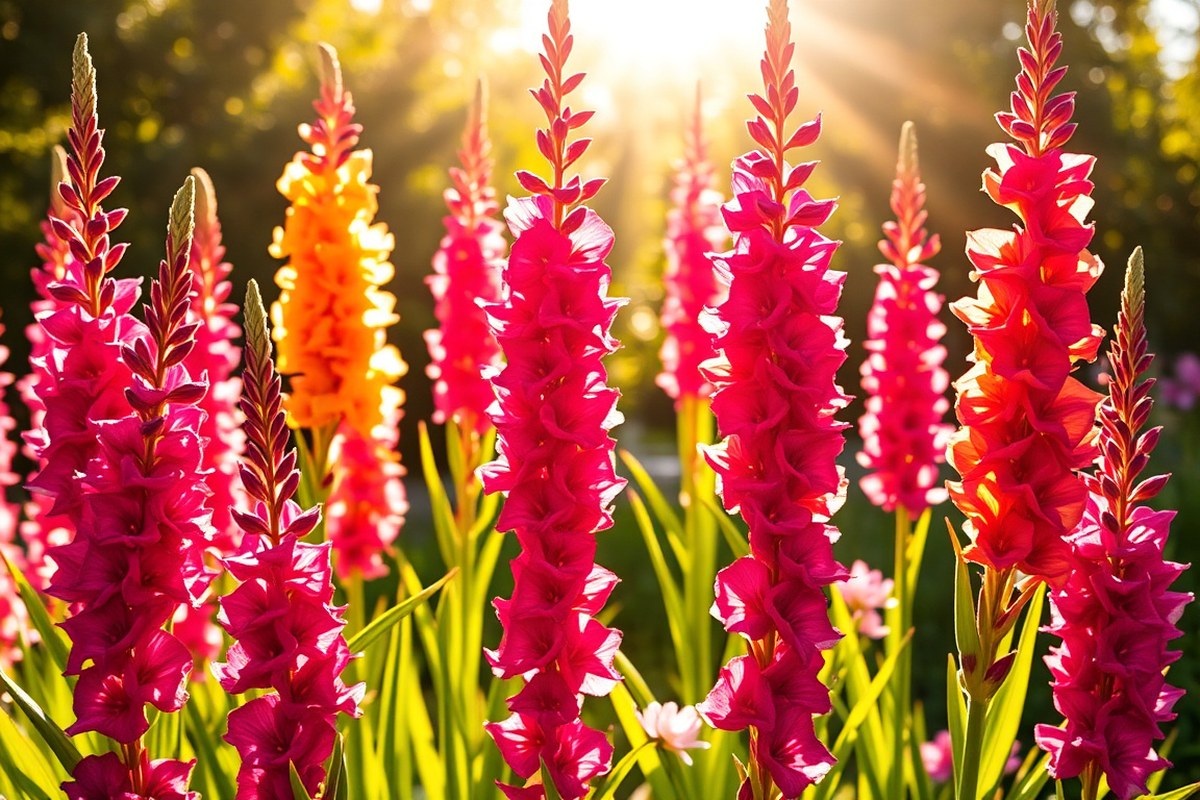
Sun exposure also affects flower size and color intensity. Gladiolus in full sun typically produce larger blooms with richer, more vibrant colors. Pigments in petals develop better under direct light.
This shows off deeper reds, purples, and yellows. That’s why you see richer colors in sunlight.
The sun’s energy speeds up bud development, so full-sun gladiolus usually bloom faster. With less than six hours of direct sunlight, flowers appear smaller and paler. These plants may also have delayed bloom times, sometimes taking well over 90 days to flower.
Fungal diseases are less common with good sunlight. Higher light exposure dries the leaves and soil surface faster, preventing the damp conditions fungi need. In shaded or damp spots, flowers often stay pale and smaller while disease spreads.
Sunlight can be too intense in hot climates. Afternoon shade or shade cloth helps prevent flower petal scorch without cutting too much light. You can move potted gladiolus to get morning sun.
Afternoon shade helps balance their growth. This keeps the plant healthy and strong.
Gladiolus needs at least six hours of direct sunlight daily. This keeps stems strong and colors bright. Make sure to place them where they get enough sun.
How Regional Climate Influences Gladiolus Sun Needs
Sun needs for gladiolus vary with the climate. Cooler northern areas allow full sun all day, helping blooms develop better. Hot southern zones need some midday shade to avoid heat stress.
Northern Climate Sun Exposure Strategies
In cooler northern states, gladiolus enjoy at least six hours of full sun daily. South-facing spots work best because they catch the most light and warmth. This steady sunlight helps stems stay strong and flowers fully open.
Since intense heat is rare, you don’t usually need to worry about afternoon shade here. Morning and afternoon sun keeps the soil warm enough for quick bulb growth. You can plant gladiolus close to each other.
This makes a bright and colorful display. There’s little risk of scorching this way.
Southern Climate Sun Management Tips
The hot sun in southern states can burn gladiolus leaves and flowers. To prevent this, allow 2, 3 hours of filtered or light afternoon shade daily. This shade reduces leaf scorch and lowers water stress during peak heat.
Provide morning sun and keep plants out of direct afternoon sunlight after noon. You can use a deciduous tree to block intense rays. Shade cloth works too.
Both block strong light but still allow sunshine. Mulching around your gladiolus bulbs helps keep soil cool and moist despite the heat.
Using Shade and Orientation by Region
Pick your planting spot based on your local climate to balance light and heat. Northern gardeners should find south- or west-facing beds that get sun all day. Southern gardeners should choose east-facing or partly shaded areas after midday.
Adjust shade and sunlight with these steps:
- Place pots in spots with at least six hours of sunlight daily
- Leave morning sun but add afternoon shade for hot climates
- Use light mulch to control soil temperature and retain moisture
- Position gladiolus near deciduous trees for afternoon relief
- Shift pots to sunnier locations if leaves start yellowing or drooping
- Check airflow around plants to avoid humidity buildup under shade
These tactics help gladiolus in any region grow tall and bloom fully. Matching sun exposure with your climate keeps foliage healthy and flowers colorful.
Signs Your Gladiolus Aren’t Getting Enough Sunlight
Gladiolus plants need enough sunlight to grow strong stems and bloom well. Without enough light, their leaves turn pale and stems stretch thin. These signs show the plant doesn’t have the energy to produce many flowers.
You can spot poor sunlight by watching how the leaves and stems behave. Healthy gladiolus have deep green leaves and stand upright. Signs like long, thin leaves or soft, bending stems suggest too much shade or low light.
- Leaves that look pale, yellowish, or lighter than usual
- Stems growing tall but weak, often bending or falling over
- Fewer flower spikes appearing or no flowers at all
- Flower buds that start developing but fail to open
- Plants leaning toward any available light source
- Slow growth compared to other sun-exposed gladiolus nearby
To check sunlight levels, try a simple test with a light meter or smartphone app. Measure light in the planting area mid-morning and early afternoon. Gladiolus need at least six hours of direct sun for good blooms.
If your gladiolus look weak or don’t flower well, try moving them to a sunnier spot. In containers, this might mean moving pots daily to catch more sun. For garden beds, trim back nearby shrubs or trees that block the light.
Choosing the Best Garden Spot and Orientation for Gladiolus
Choose a garden spot that receives at least six hours of direct sunlight daily. Pick a place with morning and midday sun, then some light shade in the afternoon. Position gladiolus away from trees and buildings to avoid shade on the flowers.
Assessing Daily Sunlight Hours
Check how much sun your garden spot gets from morning to afternoon. Gladiolus need six to eight hours of direct sun for strong stems and bright blooms. You can use a smartphone app or watch the sun’s path over a few days.
Look for spots that get morning sun and some dappled shade after 3 PM. This prevents heat stress while still providing good light for growth.
Avoid spots that stay in deep shade all day. These include areas near tall fences or dense tree canopies.
Planning North-South Orientation
Plant gladiolus so the rows run north to south whenever possible. This way, each side of the plant gets balanced sunlight throughout the day. It helps the flowers grow evenly and prevents one side from being shaded.
Orienting plants this way also improves airflow around them, reducing disease risks. When planting in containers, rotate pots every few days for equal sun exposure. This keeps the gladiolus growing straight and healthy.
Avoiding Shade from Trees and Buildings
Plant gladiolus at least 5 feet away from trees, tall shrubs, fences, or buildings. This distance avoids prolonged shadows during peak sun hours. Watch how shadows move to identify spots that stay sunny all day.
Choose a spot with filtered light when many structures block sunlight. Deep shade won’t work well.
Light filtered through high tree branches aids growth better than dark shade near walls. Reflective surfaces nearby can also add gentle extra light.
Don’t plant gladiolus right next to trees, they shade too much and compete for water.
Spacing Gladiolus for Even Sun Exposure
Give each gladiolus plant about 6 to 8 inches of space in the row. Space rows 12 to 18 inches apart to allow air and sun between plants. Crowded plants shade each other and grow weak stems.
Space helps each plant get sun on all sides, which boosts flowering. Plant fewer bulbs in small gardens.
This helps keep the spacing right. Use a tape measure and mark spots before digging holes for even spacing.
Follow these steps to select and prepare the best planting site for gladiolus:
- Observe your garden spot at different times for at least three days.
- Measure sunlight hours using a light meter app or watch shadows.
- Choose a site with at least six hours of direct morning and midday sun.
- Check for nearby trees, buildings, or fences that cause late afternoon shade.
- Mark rows running north to south for balanced sunlight exposure.
- Space planting holes 6 to 8 inches apart, rows 12 to 18 inches apart.
- Prepare soil with good drainage and remove nearby shade-casting plants.
Managing Sun Exposure for Potted Gladiolus Versus In-Ground Plants
Potted gladiolus often need a bit less direct sun than those growing in the ground. The soil in containers heats up faster. It holds less moisture.
This can stress bulbs in full afternoon sun. Placing pots where they get morning sun and afternoon shade helps avoid overheated roots.
In-ground gladiolus benefit from full sun all day. This keeps their leaves dry due to good airflow and reduces fungal risk. Tall plants spaced with full sun do best.
A windbreak like a hedge or fence helps. It protects from strong winds.
The table compares care for potted and in-ground gladiolus. It focuses on sun exposure and protection needs.
| Care Aspect | Potted Gladiolus | In-Ground Gladiolus |
|---|---|---|
| Sunlight Exposure | Partial sun, morning sun preferred | Full sun 6+ hours daily |
| Soil Temperature | Warms quickly, risk of overheating | More stable, cooler with ground insulation |
| Water Needs | More frequent watering due to drying | Moderate watering, less frequent |
| Sun Protection | Move pots to shade in afternoon heat | Rely on airflow and windbreaks |
| Fungal Disease Risk | Higher if soil dries unevenly | Lower with full sun and airflow |
| Placement | Sunny balcony with afternoon shade | East-west rows spaced for light |
Keep containers out of intense afternoon sun if temperatures rise above 85°F. Using light-colored pots helps reflect heat. Raising pots on feet or stands improves airflow under the container too.
In-ground plants don’t need these precautions but need space to avoid shading each other. Space bulbs at least 6 inches apart to let the sun reach every leaf. Adding a distant hedge can block wind without cutting sun exposure, which protects tall stems.
Adjusting Watering and Shade to Protect Gladiolus in Full Sun
Gladiolus grow best with plenty of sun but need steady watering and occasional shade on very hot days. Give them a good soak when the soil feels dry at about 2 inches deep. Use a shade cloth or plant where they get part shade to avoid burnt petals and brown leaves in strong heat.
Monitoring Soil Moisture Levels
Check soil moisture every day during hot weather. Sun dries soil quickly, so don’t wait too long between watering. The top 2 inches of soil should feel just moist, not soggy or dry.
Watering every two to three days often works well in full sun. But adjust for your soil and weather.
Applying Shade During Hottest Hours
Give gladiolus some shade during the hottest time, from about noon to 4 p.m. A bit of dappled shade reduces leaf and flower damage. It slows water loss without blocking the sunlight the plants need for strong corms.
Shade helps prevent petal scorch, leaf browning, and faded flower colors in extreme heat. Don’t cover plants all day, or they won’t bloom well.
Choosing Shade Material and Placement
Use a shade cloth that blocks 30 to 50 percent of sunlight for best results. Position it above the plants to allow air to flow around the leaves. Avoid heavy tarps or sheets that trap heat and moisture.
Place the shade to cover plants midday but leave mornings and late afternoons fully sunny. This balance protects gladiolus and supports healthy blooming and strong stems. Follow these steps to balance watering and shade:
- Check soil moisture every morning by feeling the top 2 inches.
- Water deeply if soil feels dry, soaking roots but avoiding puddles.
- Set up a shade cloth that blocks about 40 percent sunlight.
- Place shade cloth 2 to 3 feet above plants to allow airflow.
- Provide shade only from 12 p.m. To 4 p.m., then remove or roll it up.
- Watch leaves and petals daily for signs of scorching or drying.
- Adjust watering frequency if soil dries out faster on very hot days.
- Remove shade when temperatures cool so plants get full sun again.
When and How to Stake Gladiolus for Stable Growth
Stake gladiolus when plants reach about 12 inches tall to prevent wind damage. This height ensures the developing flower spikes get support before they grow too heavy. Early staking helps keep stems upright in sunny, windy spots where stems might otherwise break.
Using sturdy stakes and soft ties works best to avoid damaging the plants. Bamboo or wooden stakes about 3 feet tall work well. They support tall gladiolus spikes.
These stakes keep your plants upright and safe. Position stakes near the plant stems but not too close to crowd the roots.
Follow these simple steps for staking gladiolus:
- Place a 3-foot stake about 2 inches away from the gladiolus stem to avoid root damage.
- Use soft garden ties or strips of cloth to loosely tie the stem to the stake.
- Tie about every 8 to 12 inches along the stem to provide steady support.
- Adjust ties as the stem grows to prevent constriction and allow room for movement.
- Check stakes and ties regularly, especially after strong winds or rainstorms.
- Remove stakes once the flowers fade and the stems begin to brown.
Use soft ties to avoid bruising the stems. Check ties often for tightness. Replace ties when the plant grows bigger.
Staking early keeps gladiolus stems straight and sturdy under strong sun and wind. Without support, stems may bend or snap, especially when flower spikes get heavy. You can protect your blooms with simple materials and just a few minutes of work.
Step-by-Step Action Plan for Sunlight and Gladiolus Care
Follow these clear steps to give your gladiolus the right sun and support for healthy blooms.
- Before planting: Pick a garden spot with 6-8 hours of direct sunlight to ensure strong stems.
- Day 1-3 after planting: Check the soil moisture every day. Water the soil if it feels dry. Avoid overwatering to keep bulbs safe from soggy soil.
- Week 1: Monitor sunlight exposure. Pale leaves or leaning plants mean they need more sun. Move them to a brighter spot.
- Week 2: Begin staking tall gladiolus stems once they reach 12 inches. Stakes keep flowers upright in wind.
- Week 3-4: Check plants for sun damage daily. Bleached or crispy leaves show sun scorch. Give temporary shade during the hottest midday hours.
- After blooms appear: Deadhead spent flowers to encourage longer blooming and sturdier growth.
- Ongoing care: Adjust watering during hot weather. Gladiolus in full sun need more water but avoid puddles.
- For potted plants: Turn pots once each week for equal sun. Move pots to shade when the temperature is above 85°F.
Frequently Asked Questions
Can Gladiolus Grow in Partial Shade?
Gladiolus can grow in partial shade, but they bloom less. They need at least six hours of direct sun for best flowers.
How Does Soil Quality Affect Gladiolus Growth in Full Sun?
Good soil drainage boosts gladiolus growth in full sun. Rich, well-drained soil stops waterlogging and lets roots breathe.
Do Different Gladiolus Colors Need Different Sun Levels?
Gladiolus color does not change sun needs. All colors prefer the same six to eight hours of bright sun.
Can Gladiolus Bulbs Rot If Exposed to Too Much Sun?
Too much sun alone rarely causes bulb rot. Rot mostly comes from soggy soil, so manage water and drainage carefully.
How Long Do Gladiolus Blooms Last in Full Sun?
Gladiolus flowers typically last about a week in full sun. Proper watering can help extend their blooming period slightly.
Do Gladiolus Leaves Scorch in Extreme Sun?
Gladiolus leaves may scorch in very hot sun. Giving light afternoon shade in extreme heat helps protect the plant.
Before You Go
Gladiolus do best with full sun, giving strong stems and bright blooms. Watch your plants daily to catch light or water needs early. Now, choose your garden spot and get planting for great gladiolus flowers.