What Humidity Should House Be in Winter: A Complete Guide with Proven Tips
What humidity should house be in winter? Aim for 30% to 50% relative humidity indoors.
This range keeps the air comfortable and helps prevent common winter problems. Most people find that indoor humidity stays around 35% to 40% during cold months.
Start by measuring your home’s humidity with a simple hygrometer. These devices cost about $10 to $20 and give quick, reliable readings. Watch for big humidity differences between rooms in your home.
Keeping humidity between 30% and 50% protects your skin and respiratory system. It also prevents damage to wood, paint, and furnishings caused by too much dryness or moisture. Balancing humidity is better than letting it drop too low or rise too high.
Key Takeaways
- Maintain indoor humidity between 30% and 50% during winter.
- Use a hygrometer to check humidity levels accurately in different rooms.
- Basements often have higher humidity, which can affect the whole house.
- Indoor humidity near 35% to 40% is common in most homes during winter.
- Balanced humidity helps prevent dry skin and irritated nasal passages.
- Too low humidity can damage wood, and too high can cause mold problems.
What Is the Ideal Indoor Humidity Range in Winter?
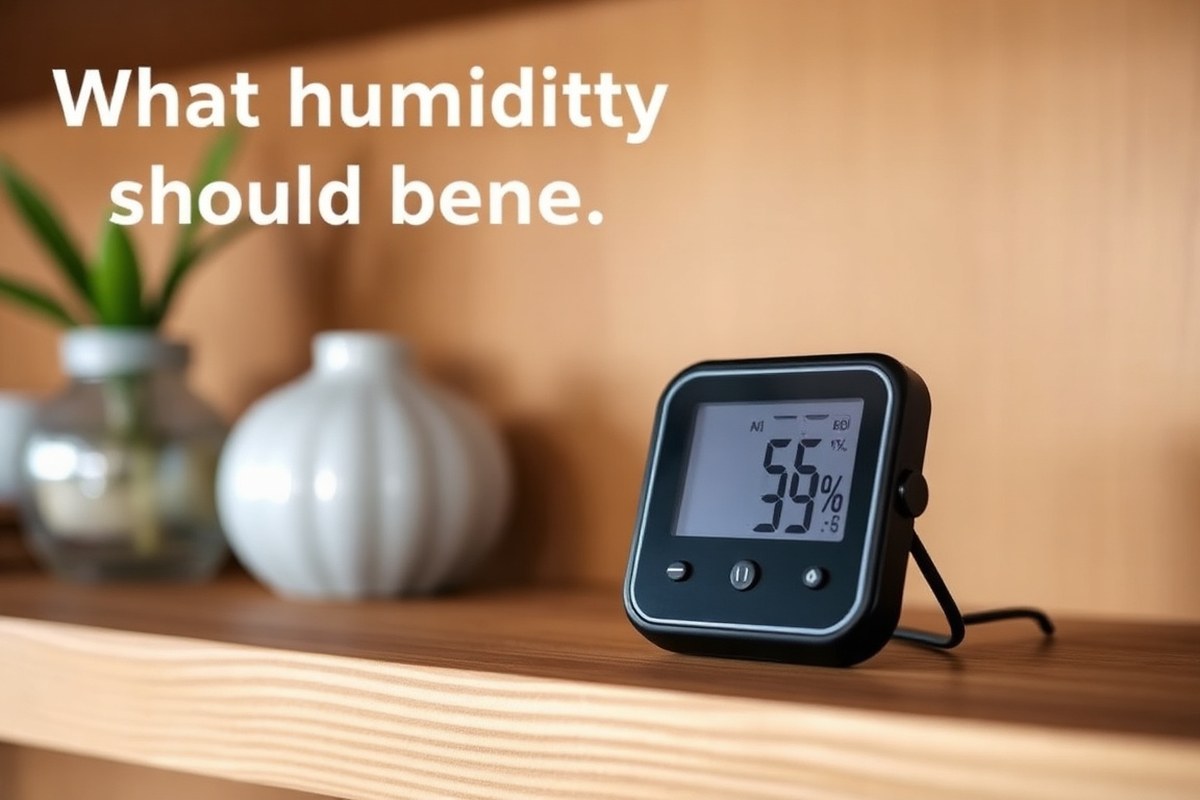
The ideal indoor humidity for winter usually falls between 30% and 50%. This range helps keep your skin comfortable and reduces the risk of condensation indoors. You want to stay near 40% if outdoor temperatures hover above 10°F.
When the temperature drops to 20°F or lower, lower humidity. Keep indoor humidity around 30% to 35%. This helps prevent moisture issues inside your home.
This prevents moisture from building up on cold surfaces like windows or inside walls. Too much humidity inside during very cold weather can cause condensation, leading to mold or damage.
Indoor humidity should adjust as outdoor temperatures drop. A 40% humidifier setting works on warm winter days. But it can be too high on very cold nights.
Adjust based on how cold it is outside. Older windows need extra care during winter.
They collect condensation easily if humidity is high. Lower humidity helps prevent damage and mold on these panes.
The American Society of Heating, Refrigerating and Air-Conditioning Engineers recommends keeping humidity between 30% and 60%. During cold weather, humidity close to 30% helps avoid moisture issues. The Environmental Protection Agency suggests staying under 60% humidity all year to lower mold growth risk.
Controlling indoor moisture takes some effort. Use a hygrometer to track your home’s humidity daily.
When temps fall below freezing, dial back your humidifier to 30% or less. Running it too high in cold weather risks water damage and wasted energy.
Winter humidity usually averages between 35% and 40%. It won’t stay very low or very high all the time. Expect some changes depending on weather and heating.
Finding this balance keeps your air comfy without causing moisture issues. Change your humidity settings based on the outside temperature.
Notice how your home feels and adjust as needed. This keeps your indoor air comfortable all winter long.
Why Does Indoor Humidity Drop Significantly in Winter?

Cold outdoor air holds much less moisture than warm air. When you heat that cold air indoors, its relative humidity drops sharply. Outside air at 20°F with 60% humidity can drop to 6% indoors.
Heating it to 70°F lowers humidity that much inside. The dry heat reduces moisture in the air a lot.
Heating systems play a big part in drying indoor air during winter. Furnaces use forced hot air that heats rooms fast. This air feels dry because it has very little moisture.
The quick heat comes with a drop in indoor humidity. Warm air inside draws moisture from your skin and surfaces.
This lowers the indoor humidity level even more. The air pulls water out as it heats up rooms.
Homes without tight seals or modern insulation lose humid air through leaks. This dry outside air keeps coming in and lowers your indoor moisture levels. Unless your house is very airtight, maintaining humidity above 40% can be difficult in winter.
Leaving a window slightly open during dry spells can help balance indoor humidity. But be careful not to waste heat and raise your energy bills.
Heating type influences humidity differently. Steam and radiant heaters don’t push air around very hard. They don’t remove as much moisture from the air.
So, the air stays more humid with these heating types. Central furnaces send dry, warm air fast through ducts in homes.
This quick airflow spreads dry air everywhere inside your house. It makes the air feel much drier throughout.
People use humidifiers in winter to add moisture inside their homes. Indoor humidity should stay between 30% and 50% during cold months. This helps keep skin, sinuses, and wood from drying out.
What Are the Risks of Low Humidity in Winter?
Low indoor humidity in winter causes dry skin, itchy eyes, and irritated sinuses. You might notice your nosebleeds become more frequent or your throat feels scratchy. These symptoms happen because dry air pulls moisture from your body and nasal passages.
Wood furniture and musical instruments can crack or warp when humidity drops below 30%. Paint may chip and wallpaper peel, especially in colder rooms. When your home feels chilly and static shocks rise, low humidity is often the cause.
Health benefits come with keeping your humidity between 30% and 50%. It helps your respiratory tract stay moist, reducing the chance of colds or flu. With a solid humidifier and a hygrometer, you can keep these issues from starting.
To spot low humidity, check your home’s hygrometer regularly. Watch for fogged or cracked windows that stay dry on the glass. If you use an AcuRite monitor, look for the low humidity icon, it makes it quick to know when levels dip too low.
Add moisture to your air by running a humidifier sized for your home’s square footage. Smaller units work for one room but won’t fix whole-house dryness. Turn the humidifier off if you see window condensation, it means humidity is too high.
Using houseplants or drying clothes indoors adds humidity gently but less predictably. Humidifiers cost around $30 to $200 depending on size and features. You’ll want to clean them weekly to keep mold or bacteria from growing in the water.
Low humidity is common in winter and expected to some degree. But keeping it above 30% helps avoid the worst discomfort and protects your home’s materials. A decent hygrometer plus a routine check and humidifier use help keep everything balanced.
What Problems Does High Indoor Humidity Cause in Winter?
Excessive humidity inside your home during winter causes several problems. Condensation forms on cold surfaces like windows and exterior walls.
Moisture can damage paint, wood, and wallpaper. It also causes mold behind furniture pushed against walls.
High humidity also makes your house feel clammy and uncomfortable. It increases dust mite and mold growth risk, which affects your health. You might notice musty smells or damp spots on walls and ceilings as early signs.
Window condensation is often the first sign your humidity level is too high. It happens when indoor moisture meets cold window glass and turns into water droplets. Keeping indoor relative humidity (RH) around 30 to 40% during winter usually prevents this.
- Watch for water droplets or fogged windows in the morning.
- Look for damp spots behind furniture on exterior walls.
- Check for musty or moldy smells around the house.
- Monitor peeling paint, warped wood, or bubbling wallpaper.
- Use a hygrometer to track indoor humidity levels regularly.
To prevent window condensation, keep humidity under 40% in winter. Use exhaust fans in bathrooms and kitchens to vent moist air outside. Avoid drying clothes indoors, as this adds a lot of moisture to the air.
Improving ventilation also helps control humidity. Run a humidifier with care.
Check its setting and use a hygrometer to stay below 40%. Double-glazed windows handle a bit more humidity but still need attention in very cold weather.
How to Measure Indoor Humidity Accurately and Interpret Results
Use a reliable hygrometer to measure your home’s humidity. Place it where air moves naturally. This helps you get an accurate reading.
Check humidity levels regularly, especially in different rooms, to spot trouble spots early. Reading these results helps you keep humidity between 30% and 50% for comfort and safety.
Choosing the Best Hygrometer Model
Choose a digital hygrometer with good reviews. Look for accuracy within ±2% to ±5% RH. This range gives reliable humidity results.
These usually cost between $10 and $25 at hardware stores or online. Some models also show temperature, which can help understand humidity changes better.
A more advanced option is a combined thermometer/hygrometer with data logging, costing $30 or more. You only need that if you want detailed tracking over days or weeks. For most homes, a simple digital model works well.
Ideal Locations for Measuring Humidity
Place hygrometers in commonly used living areas like the living room or bedroom. Avoid putting them near heat sources, windows, or vents that may give false readings. For example, hanging one on an interior wall about 5 feet high usually works well.
Measure humidity in places like basements and bathrooms. These spots often have different moisture levels. Checking them helps spot issues.
One $12 hygrometer in the basement might show 65% RH. The living room stays lower. This helps target fixes effectively.
Multiple sensors in different rooms provide a better picture than one device in a single spot.
Interpreting Readings and Tracking Changes
Look for humidity between 30% and 50% RH as the ideal winter range. Readings below 30% mean dry air, while above 50% suggest too much moisture. Consistent measurements over several days are better than one-off checks.
Check your devices daily or every few days during winter. Daily tracking helps catch sudden shifts caused by weather, heating, or activities like cooking. Adjusting humidifiers or ventilation depends on these trends.
Write down your humidity readings regularly. Note how your home feels at the same time. This helps you adjust humidity control well.
Follow these steps to measure your home’s humidity well:
- Buy a digital hygrometer with ±2% to ±5% accuracy.
- Place it on an interior wall, 5 feet up, away from windows and heat sources.
- Put additional units in areas like basements or bathrooms.
- Check readings once a day or every few days in winter.
- Write down humidity percentages and note any dry or damp feelings.
- Compare room-to-room results to find trouble spots.
- Adjust humidifiers, dehumidifiers, or ventilation based on data.
Avoid placing hygrometers near kitchen steam or bathroom showers. Steam can cause falsely high humidity readings. Check humidity in dry areas instead.
Effective Ways to Increase Humidity Safely in Winter
Raising indoor humidity safely in winter means using the right humidifier type and placement. Avoid high humidity over 50, 55% to prevent condensation and mold. Regular cleaning and careful monitoring keep moisture levels in check.
Types of Humidifiers Suitable for Winter
Whole-house humidifiers connect to your HVAC system and humidify all rooms evenly. They cost $200 to $500 installed but need professional setup and regular filter changes.
Portable humidifiers are cheaper, $30 to $150, and work well for single rooms. You can move them where you spend the most time. But you’ll need more than one for larger spaces.
Ultrasonic models use vibrations to create a fine mist and are quiet. Evaporative humidifiers release moisture by blowing air through a wet wick, self-regulating the humidity better.
Humidifier Placement and Safe Operation Tips
Place humidifiers on flat surfaces, about 3 feet from walls and furniture. Keep them away from windows and vents to avoid cold condensation spots. Avoid direct sunlight, which can speed bacterial growth in the water tank.
Never run portable humidifiers all night on full output in small rooms. It can push humidity too high quickly, causing moisture damage or mold. Use a hygrometer to monitor your room’s relative humidity (RH) while the humidifier runs.
Checklist for Raising Humidity Without Risks
Follow these steps to raise humidity effectively and safely:
- Keep indoor RH between 30% and 50%, avoiding levels above 55%
- Use a good-quality hygrometer away from direct moisture or heat sources
- Clean and disinfect humidifiers weekly to stop mold growth inside
- Use distilled or filtered water to reduce mineral buildup and airborne dust
- Monitor surfaces for condensation, especially near windows and corners
- Adjust humidifier output or location if you see dampness or mold signs
- Turn off humidifiers when leaving home for long periods to prevent excess moisture
Check your humidity levels daily or weekly and tweak your humidifier settings. Clean units regularly to avoid bacteria and mold spreading indoors. Using these simple steps helps maintain comfort without moisture problems.
How to Lower Indoor Humidity When It’s Too High in Winter
Excess indoor humidity in winter can lead to mold, condensation, and musty smells. You want to keep humidity under 60%. Aim for 30 to 40% in cold weather.
This helps stop moisture problems. Taking quick action stops damage to walls, furniture, and your health.
Follow these steps to lower humidity indoors when it gets too high. You can also use them as emergency actions if moisture gets out of control.
- Run your mechanical ventilation system: Turn on exhaust fans in bathrooms. Use kitchen fans to pull out moist air. Running them continuously for short periods helps greatly during cooking or showering.
- Open windows briefly for cross ventilation: Crack windows on opposite sides. This lets stale, humid air leave and fresh air in. Just 5 to 10 minutes can make a difference without major heat loss.
- Use a dehumidifier: Place one in problem areas like basements or bedrooms where humidity stays high. A good model costs around $200 to $300 and can remove several pints of water daily.
- Raise indoor temperature slightly: Warm air holds more moisture in vapor form, reducing condensation. Raise your thermostat a couple of degrees. Watch your heating bills closely. Don’t let energy costs get too high.
- Check your home for leaks and fix them: Look for cracks near windows and roofs. These let moisture inside. Sealing these gaps prevents damp air from increasing indoor humidity.
- Use a whole-house fan if possible: Use it when outside is not freezing. It clears moist air quickly. Pair it with open windows for best results.
- Avoid indoor drying of clothes: Wet clothes raise humidity indoors fast. Dry laundry outside or use a vented dryer to keep moisture out of your living space.
Signs humidity is too high include window condensation. Check for peeling paint. A musty smell is also a warning.
Track indoor humidity with a hygrometer placed away from cooking and bathing areas. Keep ventilation and dehumidifier running if humidity stays over 60%. Do this until levels improve.
How to Balance Winter Humidity for Health, Comfort, and Home Care
Balancing humidity in winter protects your health, comfort, and your home. It slows wood cracking, stops mold, and keeps your HVAC running well. The right steps depend on your home’s air, heating, and your furniture’s needs.
Humidity’s Effect on Wood and Furnishings
Wood reacts to air moisture by expanding or shrinking. When winter humidity drops below 30%, wood floors and furniture can crack or warp. A steady 35% to 50% relative humidity keeps wood stable without inviting mold.
Too much moisture causes wood to swell and promotes mold growth on surfaces. That can damage your walls, floors, and fabric coverings. Ventilating with dry outdoor air for a few minutes daily helps avoid excess moisture buildup.
Integrating HVAC and Filter Choices
Your HVAC system controls indoor air quality and humidity together. Using a proper-sized humidifier with a clean, high-MERV filter helps manage moisture and airborne particles. Replace the filter regularly, usually every 90 days, to keep the system efficient.
Running your furnace fan on low speed spreads humidity evenly throughout the house. Consider a dual fuel system if replacing your gas furnace.
It improves humidity control with less energy use. Heat recovery ventilators (HRVs) save money by reusing warmth while exchanging stale indoor air.
Using Houseplants to Improve Humidity Naturally
Houseplants release water vapor, boosting indoor humidity naturally. Certain plants like ferns or spider plants work better because they transpire more moisture. Keep them healthy by watering properly but avoid overwatering to prevent mold growth.
Plants won’t replace a humidifier in very dry homes or during extremely cold spells. Use them as a small, helpful part of your humidity strategy.
They work best in rooms with more sunshine. Combining plants with mechanical solutions gives balanced results.
Maintaining Long-Term Indoor Humidity Balance
Check humidity with a reliable hygrometer to track seasonal changes and adjust your controls. Open windows briefly on dry winter days to lower moisture that can cause mold. Close them when outdoor air is too cold or moist.
Combine methods: humidifiers raise levels when too dry. Ventilation or dehumidifiers lower it when moisture is high.
Balancing this requires monitoring and some trial to fit your home’s specific conditions. Avoid pushing humidity above 50% to stop mold and rust risks.
Keep your HVAC filter fresh and correctly sized to protect both air quality and moisture control.
Step-by-Step Action Plan for Winter Humidity Control
Keep your home’s humidity in the ideal range this winter with these simple steps.
- Before winter starts: Buy a reliable hygrometer to track indoor humidity levels accurately.
- Day 1: Place the hygrometer in your main living area to get a baseline reading.
- Week 1: If humidity is below 30%, set up a humidifier and check more readings daily.
- Week 2: If humidity goes above 50%, reduce humidifier use and open windows briefly to ventilate.
- Week 3: Use exhaust fans in kitchens and bathrooms to control excess moisture.
- Week 4: Monitor for condensation on windows and adjust humidifier accordingly.
- Ongoing: Clean your humidifier every week to avoid mold growth and keep air healthy.
Frequently Asked Questions
What Humidity Should a House Be in Winter for Comfort and Health?
Keep indoor humidity between 30% and 50% relative humidity in winter. This range helps prevent dry skin and respiratory issues while stopping mold growth.
Can Humidity Levels Vary in Different Rooms During Winter?
Yes, humidity can vary a lot room to room, especially in basements or kitchens. Measure each area to manage humidity better throughout your home.
Should I Use a Whole House Steam Humidifier in Winter?
A whole house steam humidifier is the top appliance for increasing humidity. It works well in large or very dry homes for consistent humidity control.
Is It Bad to Run a Humidifier 24/7 in Winter?
Running a humidifier all day can cause high humidity and window condensation. Turn it off if you see fog or damp spots forming inside.
How Does Indoor Humidity Affect Heating Costs in Winter?
Proper humidity can help you feel warmer at lower temperatures. Keeping humidity around 40% lets you lower your heater a bit and save energy.
Does Outside Temperature Change the Ideal Indoor Humidity Target?
Yes, colder outdoor temps mean you should aim for 30%-40% indoor humidity. This helps avoid window condensation and keeps air comfortable.
Key Points to Remember
Keeping your indoor humidity between 30% and 50% during winter protects your health and home. Start by tracking your humidity right now with a digital hygrometer. Adjust your humidifier as needed to stay comfortable and safe this season.