How to Grow a Peach Tree from a Pit: A Complete Guide with Expert Tips
Many ask about growing a peach tree starting with its pit. You can successfully plant a peach pit to grow a tree. Expect to wait 3 to 5 years before it bears fruit.
First, you must prepare the peach pit properly before planting. The pit needs a cold period to break dormancy and encourage sprouting. This process, called stratification, mimics winter conditions to wake up the seed.
Once sprouted, plant the pit carefully and care for the young tree. Watch out for late frosts and diseases, as young trees are more vulnerable. Growing from a pit is rewarding but requires steady attention and time.
Key Takeaways
- Dry your peach pit for at least 12 hours before cold treatment.
- Stratify the seed by keeping it at 34-40°F for 8-12 weeks.
- Check peach pits every 1-2 weeks to keep them moist during stratification.
- Plant your sprouted peach pit 1 to 1.5 inches deep in soil.
- Expect the peach tree to take 3-5 years to produce fruit.
- Prune young seedlings early to keep the tree manageable and sturdy.
Can You Grow a Peach Tree from a Pit?
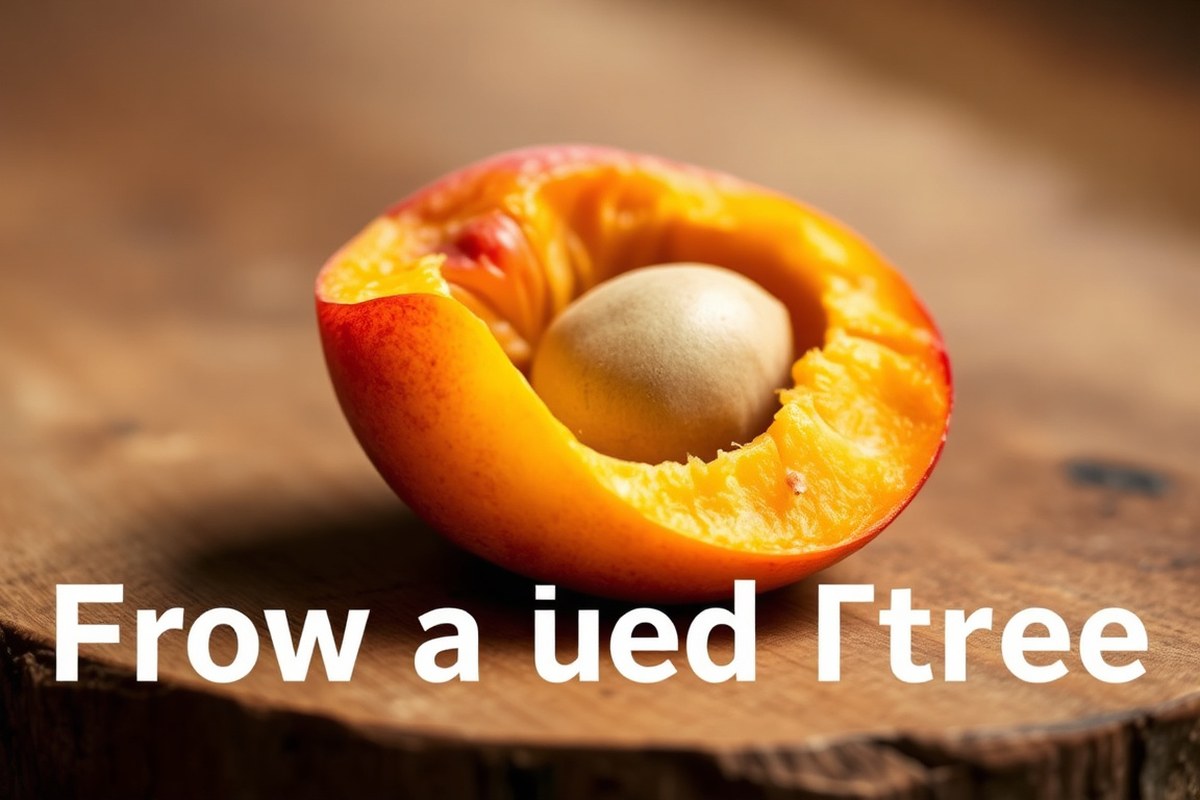
You can grow a peach tree from a pit, but it takes patience. The seed inside the pit can sprout and develop into a young tree. Expect the process to take 3 to 5 years.
Your tree might produce fruit after this time. Growing takes patience.
The fruit your tree produces won’t always match the peach you ate. Peach trees grown from pits often grow different varieties of peaches. Seeds don’t always grow “true to type.”
New peaches may taste different. Their look can also change.
Growing from a pit takes more time and work than buying a sapling. Saplings are already a few years old, so they bear fruit sooner. Growing from a pit is cheaper.
It lets you grow your own variety. You start from scratch.
Choosing a pit from organic, locally grown peaches gives you a better chance at success. These pits tend to germinate better and can handle your climate more easily. Check your soil type and climate first.
Peaches need specific conditions to grow well. Make sure these fit your location.
Your seedling must survive late frosts and diseases common in young trees. They are more vulnerable before becoming established. Extra care in the first years is important.
It helps your young tree survive challenges. Young trees are vulnerable early on.
Peach trees need about 800 chill hours below 45°F during winter to produce fruit. Your tree might not fruit after years without right climate. This happens when conditions are not ideal.
Keep climate in mind. This cold period is important for breaking dormancy so the tree can flower and fruit properly.
Growing a peach tree from a pit is rewarding but takes effort and time. You must be ready to wait multiple years and face some uncertainty in fruit quality. For many, the fun comes from watching the tree grow and eventually harvesting your own peaches.
Selecting and Preparing the Right Peach Pit
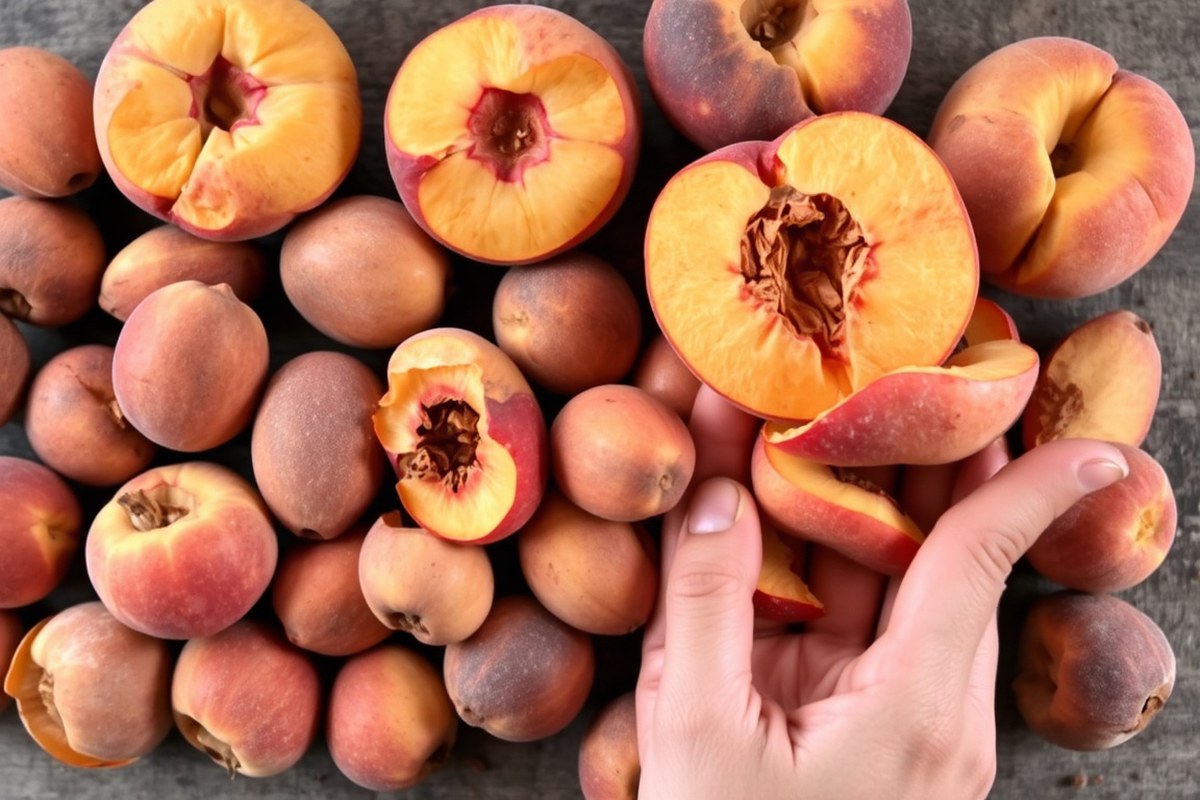
Start by picking a healthy, ripe peach pit from organic fruit. Use local peaches when possible to ensure freshness. This prepares the seed for growing.
Clean the peach pit well under running water. Let it air dry completely.
Decide if you want to crack the shell to help it sprout. These steps boost your chance to sprout a strong peach seedling.
Choosing Quality Pits from Local and Organic Peaches
Look for pits inside fully ripe peaches that grew nearby. Local fruit adjusts better to your climate, helping your seed survive. Organic peaches are less likely to contain chemical residues that hurt the seed.
Avoid store-bought peaches from far away since their pits might not sprout well. The fruit inside the stone is dry or damaged from processing, lowering seed viability. Instead, buy from farmer’s markets or pick from your backyard tree.
Check the pit for cracks or holes that damage the kernel. Healthy pits are firm, intact, and have no mold spots. A good pit usually weighs around 5 to 10 grams, depending on the peach variety.
Cleaning, Drying and Storing Pits Before Stratification
Scrub the pit gently after eating the peach to remove flesh. Use warm water to clean it without damaging the seed. This stops rot during germination.
Don’t use soap or chemicals because they can kill the seed inside. Rinse until all fruit bits are off, then air dry the pit for two weeks.
Let the cleaned pit dry at room temperature near 70°F. Place it on a paper towel or in air where it’s ventilated. Keep it away from direct sun.
Avoid direct sunlight, which can overheat and damage it. After drying, store pits in a cool, dry place if you won’t stratify immediately.
Keeping pits dry prevents mold during storage. Put them in a paper bag or breathable container but never seal in plastic unless refrigerated. Dried and stored this way, pits remain viable for up to six months.
Optional Shell Cracking: When and How to Do It
Cracking the tough outer shell is not mandatory but can speed up germination. You only do it after the pit is clean and fully dry. Be careful, so you don’t damage the seed inside, which is fragile.
Wrap the dry pit in a clean cloth or towel before handling. Tap it gently with a hammer or nutcracker to crack the shell slightly. This helps the seed germinate faster.
Apply slow, light pressure until the shell just cracks. Avoid shattering or breaking the seed kernel inside.
After cracking, soak the pit in water overnight before planting or stratifying. This helps rehydrate the seed and improves sprouting chances. Cracking works best with older pits that have very hard shells.
- Choose a ripe peach from a local, organic source.
- Remove the pit and clean off all fruit residue with warm water.
- Dry the pit away from direct sunlight for 10 to 14 days.
- Check the pit for cracks or mold; discard damaged pits.
- Optionally, wrap the dry pit in a cloth and crack gently with a hammer.
- Soak cracked pits in water overnight before starting stratification.
- Store dry pits in a paper bag at room temperature if not planting soon.
Do not apply too much force when cracking the pit to avoid harming the seed inside.
Why and How to Stratify Peach Seeds Properly
Cold stratification is a period of chilling that wakes up the peach seed. Without it, the seed stays dormant and won’t sprout. You control the temperature and moisture during this process to get the best start.
Ideal Temperature and Duration for Stratification
The pit needs to stay between 34°F and 40°F (1.1°C to 4.4°C) to break dormancy. This chilling period should last about 8 to 12 weeks to work well. Lower or higher temperatures reduce germination chances or slow the process.
Keeping the Pit Moist and Avoiding Mold
Wrap the pit in damp paper towels before placing it in a plastic bag or container. Check the moisture every 1 to 2 weeks. Make sure towels stay damp, not wet.
Too much water leads to rot. Too little dries out the seed and stops germination.
- Use paper towels or peat moss for moisture control.
- Seal the container or bag loosely to allow minimal airflow.
- Keep the pit away from direct winter sunlight or heat sources.
- Remove any moldy or soft pits immediately to protect others.
- Label your container with the start date for easy tracking.
Keeping the balance of moisture is key to healthy seed growth.
Signs of Successful Stratification and Germination
After about 8 weeks, the seed coat may start to crack or swell. Soon after, you might see a small white root poke through the pit.
The seed is likely hard and dry after 12 weeks. That means stratification probably failed.
Planting and Germinating Your Peach Seed Pit
After stratifying your peach pit in the fridge, it’s time to plant it. Use a pot with good drainage, about 10 to 12 inches wide and deep. Loose, well-draining potting mix with organic matter works best for peach seedlings.
Plant the pit 1 to 1½ inches deep in loose soil. In pots or outdoor soil, plant it 3 to 4 inches deep. This helps keep moisture around the seed.
Firm the soil lightly after planting to remove air pockets. Keep the soil moist but not soggy while waiting for germination. Start the seed indoors on a sunny windowsill.
Or plant it outside after the frost risk passes. Pick a spot that’s protected from wind.
Germination usually takes 2 to 6 weeks. It depends on the temperature and conditions. Be patient as the seed begins to sprout.
Peach seedlings need steady moisture and good air flow to avoid rot. A young plant grows a deep taproot. So a deep pot helps it establish strong roots before transplanting.
- Fill a pot at least 10 inches deep with loose, well-draining potting mix.
- Plant the stratified peach pit 1 to 1½ inches deep in potting mix.
- Firm the soil gently to remove air pockets around the seed.
- Water the soil until moist but avoid overwatering to prevent rot.
- Place the pot in a sunny spot indoors or in a warm outdoor location.
- Keep soil lightly moist, checking every few days to maintain dampness.
- Watch for sprouting, which typically takes 2 to 6 weeks after planting.
- Once the seed sprouts, continue caring for it with regular watering and light.
Caring for Your Young Peach Tree Seedling
Young peach tree seedlings need regular watering, enough to keep the soil moist but never soggy. Water them about once or twice a week, depending on your climate and soil type.
Too much water invites root rot. Too little slows growth and weakens the seedling.
Peach seedlings also need plenty of bright light to grow strong. Get at least 6 hours of direct sunlight daily. You can do this outside if the weather is good.
Otherwise, place your plant by a sunny window. Without enough light, the seedling may stretch out thin and become fragile.
Keeping the temperature between 65 and 75°F helps the seedling develop well. You can move the pot indoors if it gets colder than 60°F at night. Avoid hot spots or drafts that cause sudden changes, which stress the plant.
Hold off on fertilizing until your seedling has at least two sets of true leaves. Start with a balanced, diluted fertilizer, one with equal nitrogen, phosphorus, and potassium.
Feed once a month while the plant grows, but don’t overdo it. Too much fertilizer burns roots and stunts growth.
Watch out for pests like aphids, which can suck sap and spread disease. Inspect leaves regularly and remove bugs by hand or spray with water. Watch for mold or wilting from fungus.
Make sure air flows well around your plant. Don’t overwater to avoid these problems.
Water seedlings from the soil surface to avoid wetting leaves and inviting fungal problems.
When and How to Transplant Peach Seedlings Outdoors
Transplant peach seedlings outdoors after the last frost date in your area. Young trees need to harden off first. Put them outside for a few hours daily.
Do this for about a week. This helps them adjust to outdoor wind, sun, and temperature changes without shock.
Preparing the soil right makes a big difference. Choose a spot with full sun and soil that drains well but holds some moisture. Loamy soil with a pH near 6.0 to 7.0 suits peach trees best and helps roots grow strong.
Leave enough room between trees for them to spread. Plant seedlings 12 to 15 feet apart.
So branches don’t crowd each other as they grow. This spacing allows good air movement and sunlight to reach all parts of the tree.
Protect your newly transplanted seedlings from frost and pests. Cover them with frost blankets if temperatures drop below 32°F within a few weeks after planting. For pests, check leaves regularly and use gentle insect controls if needed.
Follow these exact steps to transplant your peach seedlings outdoors successfully:
- Wait until after your area’s last frost date in early spring to ensure safe planting.
- Harden off seedlings by placing them outside a few hours daily for about one week.
- Prepare the planting site by loosening the soil deeply and mixing in compost for nutrients.
- Space seedling holes 12 to 15 feet apart to give trees room to grow fully.
- Plant seedlings at the same soil depth they grew in pots to avoid root stress.
- Water thoroughly after planting to settle soil around roots and reduce air pockets.
- Cover seedlings with frost cloth if temperatures dip near freezing during early spring nights.
- Inspect trees weekly for pests and damage, applying insecticidal soap gently if needed.
Transplanting takes patience and care but helps your peach trees thrive. Start peach seeds in good soil with enough space.
Watch the weather closely. This helps them grow their best.
The Growing Timeline and When to Expect Fruit
A peach tree grown from a pit usually takes three to five years to bear fruit. The timeline varies with seed type and growing conditions. How well you care for the tree also matters.
These factors affect how long it takes to grow. Expect the first fruit to appear around the third or fourth year. But sometimes it takes longer.
Keep in mind the fruit from your tree will probably differ from the parent peach. Seed-grown trees rarely match the original fruit in taste, size, or color. Seed-grown trees are genetically unique.
This happens even if the seed came from a juicy peach you liked. Each seed produces a different tree.
How fast your tree grows and fruits depends mainly on soil, sunlight, and water. Nutrient-rich soil and full sun speed growth.
Too little water or poor soil slows it down. Pruning also helps the tree grow strong and encourages more fruit later on.
Fruit yield varies widely, but young trees generally produce a small amount at first. Most trees yield a few pounds of peaches per year initially. The amount of fruit grows as the tree gets older.
It can reach 10 to 20 pounds or more each year. This happens after several years of growth. Keep the tree healthy to improve fruit weight and quality.
Here is a quick overview of the peach tree’s growing timeline when grown from a pit. It shows the main stages and averages:
| Stage | Time Frame | Notes |
|---|---|---|
| Seed Germination | 2 to 4 weeks | After stratification, pit sprouts indoors |
| Seedling Growth | 1 to 2 years | Seedling grows in pots, moved to larger pots yearly |
| Transplant Outdoors | 1 to 3 years old | Tree planted outdoors once hardy enough |
| First Flowering and Fruiting | 3 to 5 years | First peaches may vary from parent fruit |
| Fruit Yield Increase | 5+ years | More consistent crop, up to 20 lbs yearly |
Yearly repotting during seedling stages helps root growth. Use larger pots up to about 15 inches wide.
This setup encourages a strong root system before planting outside. A strong root system supports better growth and earlier fruiting.
Patience plays a big role when growing from a pit. Your tree won’t match store-bought peaches immediately but will develop with time. Good care and ideal conditions will speed up the process and increase your harvest.
Common Mistakes and Expert Tips for Success
Many peach seed-growing failures come from simple mistakes with seed care or planting depth. Overwatering often rots seeds, and planting too deep hurts young roots. Small pruning steps and watching plants early help your tree thrive long term.
Avoiding Stratification Failures and Seed Rot
The seed needs cold stratification to wake up properly. Skipping this or not keeping the seed cold enough stops sprouting. Keep seeds chilled between 34 and 41°F in moist peat or sand.
Store them this way for 4 to 6 weeks. This helps them stay healthy before planting.
Planting right after stratification is critical. Don’t plant seeds deeper than 1 inch. If too deep, seeds rot or sprouts struggle to get light.
Planting at the right depth improves growth. Use loose, well-draining soil to avoid soggy conditions that invite rot.
- Choose seeds from healthy fruit without cracks or mold.
- Store seeds moist but not wet, using damp paper towels inside bags.
- Keep stratifying seeds in a fridge drawer or cold basement.
- Plant seeds no more than 1 inch deep in soil.
- Water soil just enough to stay damp but never soaked.
Plant peach seeds shallow and keep soil moist but well-drained. Too wet kills roots and seed.
Watering and Light Mistakes to Watch For
Too much or too little water commonly kills peach seedlings. Soil that dries out fully drops leaf growth fast. Overwatering causes root rot, seen as mushy stems and wilting leaves.
Young peach trees need 1 inch of water weekly from rain or irrigation. Use a soil moisture meter or poke fingers into the soil to check.
Place seedlings in full sun for at least 6 hours daily. Too little light causes tall, weak growth and poor leaf color.
Early Pest and Disease Identifiers and Actions
Watch leaves for spots, holes, or sticky residue, signs of pests or diseases. Aphids, mites, and peach leaf curl are common problems for young trees. Early treatment keeps your tree healthy and fruit-ready.
Remove infected leaves or prune out damaged branches. Use insecticidal soap or neem oil on pests at first sight. Check trees weekly in warm, humid areas to stop spread.
- Look for curled, discolored leaves or sticky honeydew.
- Inspect branches for small insects or webbing.
- Prune away dead or diseased wood immediately.
- Apply safe organic sprays as needed following label rules.
In humid climates, stay alert for peach leaf curl and apply fungicide before symptoms appear.
Pruning Young Trees for Strong Structure
Pruning shapes your peach tree and encourages fruit later. Cut back early branches to half their length in the first year. This makes the tree stronger and better at using sunlight.
Keep 6 to 8 main branches around the trunk. Space them 6 to 12 inches apart.
This spacing provides good air flow for the tree. Air movement reduces disease risk and helps fruit size.
Remove suckers or shoots growing from the base to keep energy focused on strong branches.
Step-by-Step Action Plan to Grow Your Peach Tree
Follow these steps to get your peach seed growing strong. Each phase tells you what to do and how to check it’s working.
- Before you start: Choose a ripe peach pit and clean it well. It should be dry and free of fruit bits.
- Weeks 1, 10: Stratify your peach pit by keeping it cold and moist in the fridge. Check for sprouting, which shows the seed is ready.
- Week 11: Plant the seed about 2 inches deep in potting soil indoors. Keep the soil moist but not soggy to encourage germination.
- Weeks 12, 14: Look for green shoots or leaves. This means your seedling is growing well.
- After 4, 6 weeks of growth: Harden off your seedling by slowly exposing it outside. Start with a few hours a day in shady, wind-protected areas.
- After 8 weeks outdoors: Transplant your peach seedling to a sunny garden spot with well-draining soil. Water deeply after planting.
- Months 6, 12: Provide regular water and protect from pests. Look for new branches and healthy leaves as signs of good growth.
- After 3, 4 years: Your peach tree should start to bear fruit then. This happens if you have cared for it well. Keep watering and feeding it regularly until then. Thin fruit early for better size and quality.
Frequently Asked Questions
How Long Does It Take for a Peach Tree Grown from a Pit to Bear Fruit?
A peach tree grown from seed usually takes 3 to 5 years. That is when you can expect fruit to appear. Patience is key, and proper care speeds growth.
Can You Grow a Peach Tree from Any Peach Pit?
Yes, but pits from organic, locally grown peaches have a better chance of thriving. They suit your climate and soil better.
How Do You Tell If a Peach Pit Is Good for Planting?
Look for a clean, undamaged pit that feels heavy and hard inside. Avoid cracked or moldy ones.
Is It Better to Start Peach Pits Indoors or Outdoors?
Starting indoors gives more control over temperature and moisture for germination. Transplant seedlings outside later.
What Soil Type Do Peach Trees Prefer When Planting from Pits?
Peach trees grow best in well-draining, sandy loam soil with a neutral to slightly acidic pH. Poor drainage can hurt roots.
Can Peach Trees Grown from Pits Survive Winter Cold?
Some peach varieties handle cold better than others. Choose a hardy type or protect young trees during freezing weather.
Wrapping Up
Growing a peach tree from a pit takes patience but is rewarding. Start your seed with care and watch it sprout indoors. Plant it outside when ready to enjoy fresh peaches in a few years.