Do Asiatic Lilies Spread? What Actually Happens and How to Manage It
Do Asiatic lilies spread? Yes, they do spread, but usually at a slow, steady pace.
They multiply underground through new bulbs called offsets. These offsets grow around the original bulb and form small clumps over time.
Asiatic lilies won’t quickly take over your garden. Their spreading depends on good soil, proper watering, and enough space to grow. Planting them with at least 6 to 8 inches of space helps keep their growth controlled.
Watch for clumps as they develop. When bulbs get crowded, dividing them every 3 to 4 years keeps the plants healthy. Dividing also encourages better blooming and prevents overcrowding.
Divided bulbs can be replanted or shared with friends. This lets you expand your lily patch or keep other plants from being pushed out. Regular care like this helps maintain a nice garden balance and healthy Asiatic lilies.
Key Takeaways
- Asiatic lilies spread mainly through underground bulb offsets slowly over time.
- Give lilies at least 6 to 8 inches of space for managed growth.
- Water and feed lilies regularly to help offsets develop and spread naturally.
- Check for bulb clumping every 2 to 3 years to prevent overcrowding.
- Divide and transplant crowded lily bulbs in early spring or fall.
- Asiatic lilies spread less aggressively than some other lily types.
Do Asiatic Lilies Naturally Spread and Multiply?
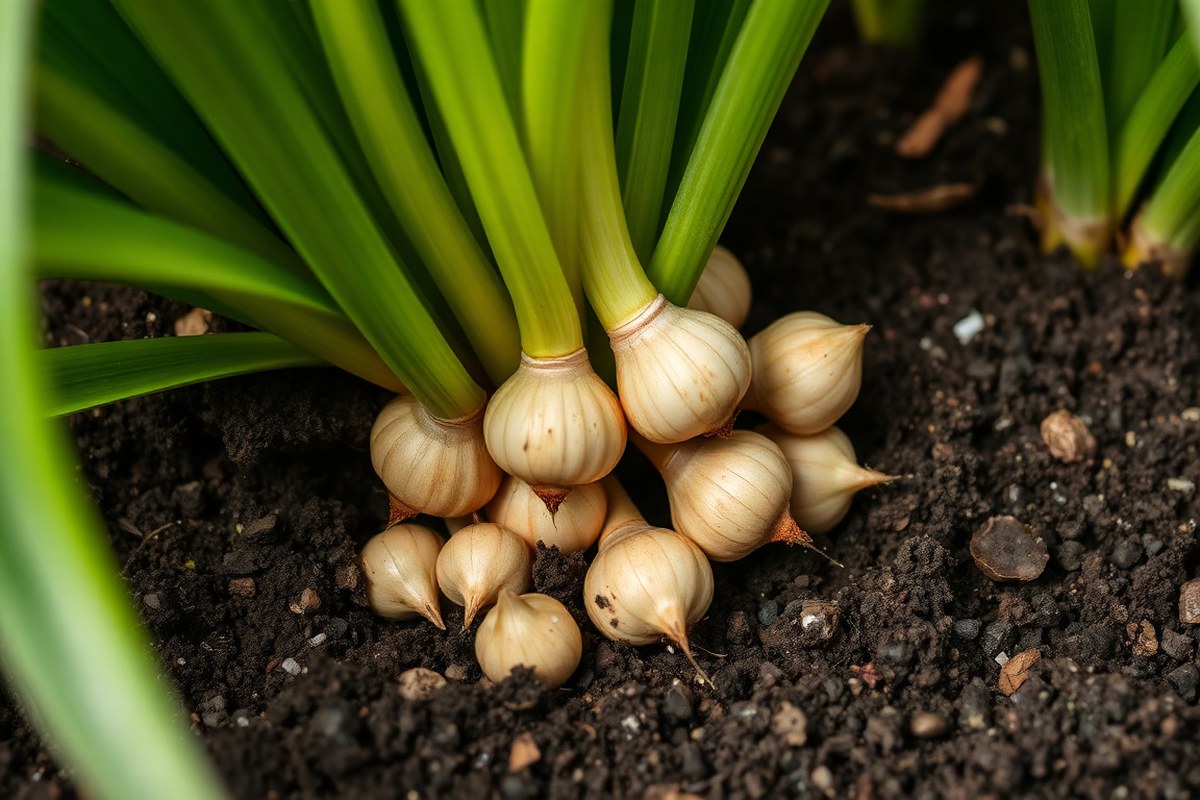
Asiatic lilies naturally spread by producing bulb offsets around the main bulb. These offsets form clumps that grow slowly but steadily over several years.
You may also see some spreading through seeds after flowering. But this happens less often in home gardens.
Bulb offsets grow underground and create new plants identical to the parent. This clumping habit prevents Asiatic lilies from spreading aggressively. They are not invasive and won’t overtake other plants in your garden.
Tiger lilies spread fast by bulblets. Asiatic lilies grow more slowly. They multiply at a much calmer pace than tiger lilies.
Ditch lilies and lily of the valley spread with root runners. These rhizomes can make them invasive plants.
Asiatic lilies do not spread this way. Your Asiatic lily patch will stay neat and contained, not wild or hard to manage.
You can spot clumping Asiatic lilies by looking for groups of closely packed bulbs. Mature lily plants usually show smaller offsets nearby. These baby lilies grow a single leaf before developing buds in future seasons.
This natural clumping makes caring for Asiatic lilies easier. You don’t have to worry about sudden spread. Their slow multiplication fills spaces evenly without choking out other plants.
How Asiatic Lilies Multiply Underground Through Bulb Offsets
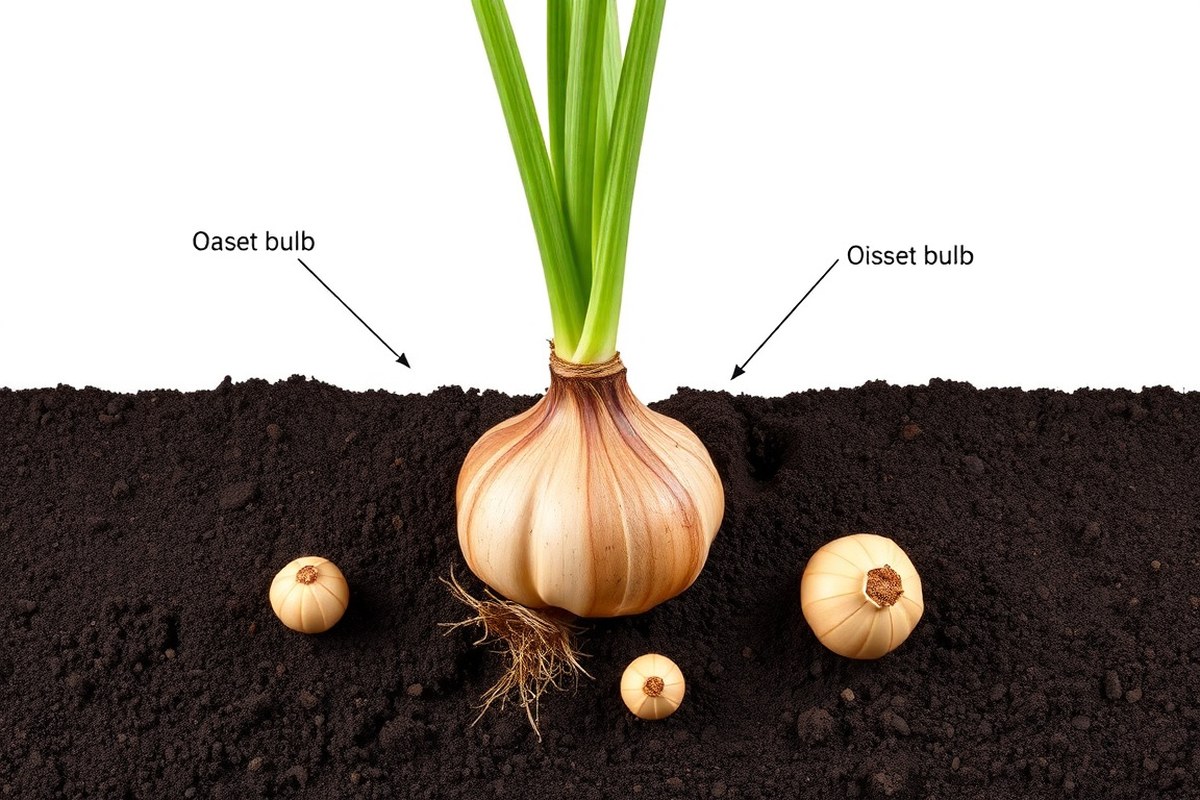
Asiatic lilies multiply underground by producing bulb offsets next to the main bulb. These offsets grow into new plants over time, filling your garden space naturally. This process allows lilies to multiply without needing seeds or replanting.
What Are Bulb Offsets?
Bulb offsets are smaller bulbs that form around the base of the parent bulb. They look like miniature versions of the main bulb and share roots. Offsets begin growing after the lily finishes flowering and starts to die back.
Offsets develop to store energy for new growth and help the plant spread. Their size and number depend on soil quality and growing conditions. Asiatic lilies produce offsets faster than Oriental or Trumpet lilies but still take a few seasons.
How Do Offsets Develop into Full Plants?
Offsets first grow roots and then sprout shoots during the active growing season. They stay attached to the parent bulb for several months as they access nutrients. After a year or two, offsets grow enough to survive on their own as separate plants.
During this time, the offsets grow around the parent plant. They fill in the empty spaces nearby. This creates a big clump of lilies.
Each offset can reach flowering size in about 2 to 3 years under good conditions. The new plants will bloom and eventually produce their own offsets.
When Should Offsets Be Separated?
Offsets should be separated during bulb digging in early fall or after foliage dies back. Look for firm, small bulbs attached to the main bulb’s base with visible roots. Carefully snap or cut offsets away without damaging either bulb.
After separation, let the offsets dry and callous for a day before replanting. Plant offsets 4 to 6 inches deep in well-drained soil with full sun to partial shade. Give them about 2 to 3 years to mature and bloom fully.
Check bulbs carefully when digging. Broken or damaged offsets dry out quickly and may fail to grow.
Factors Affecting the Speed and Extent of Asiatic Lily Spreading
Asiatic lilies can spread quickly under the right conditions. They grow best in well-drained soil with plenty of organic matter. Soil that holds moisture but drains well helps bulbs multiply faster without rotting.
Sunlight plays a big role in their growth. Asiatic lilies need at least six hours of direct sun daily.
Too little light slows their spread because bulbs produce fewer offsets. Full sun encourages strong stems and more flowers too.
Climate affects how fast Asiatic lilies multiply. Asiatic lilies grow well in USDA Zones 3 through 9. These zones provide the chill hours bulbs need.
The cold helps bulbs go dormant properly. Zones 10 and above can be difficult for Asiatic lilies. The bulbs don’t get enough cold there.
Without chill hours, growth may be weak. Cooler zones may see slower spread due to shorter growing seasons.
- Soil: Loose, fertile, and well-draining loam
- Sunlight: Full sun, at least 6 hours per day
- Watering: About 1 inch per week during growing season
- Hardiness Zone: Best spread in zones 3 to 9
- Climate: Avoid very warm zones lacking chill hours
- Spacing: Give bulbs room to expand, 12 to 15 inches apart
Watering about one inch weekly during normal weather keeps bulbs healthy. Overwatering or soggy soil can cause rot and slow spread. You might see more bulb offsets each year in moist but not wet soil.
Asiatic lilies will form clumps faster when conditions are ideal. It can take 2 to 3 years to notice a big patch from one planting.
In harder climates or partial shade, the growth slows. So spread may take longer to see.
Best Practices to Plant and Space Asiatic Lilies for Controlled Spreading
Planting Asiatic lilies with proper spacing and depth helps manage their spread and keeps clumps healthy. Space bulbs about 8 to 12 inches apart to avoid overcrowding. This distance lets each bulb get enough nutrients without fighting its neighbors.
Plant bulbs 4 to 6 inches deep in soil that drains well. A loose, crumbly soil mix with organic matter works best for healthy roots.
Beds need at least six hours of full sun each day. This helps lilies grow strong and bloom well.
Cut back the plants in fall after the first frost. Remove the brown stalks when foliage dies back, which helps the bulbs rest well for winter.
You can transplant lilies safely in the fall after growth ends. The soil should be cool but not frozen then.
Follow these steps to plant Asiatic lilies for good growth and controlled spreading:
- Choose a sunny spot that receives six or more hours of direct sunlight daily.
- Prepare the bed by loosening soil well and mixing in organic compost for nutrients.
- Dig holes 4 to 6 inches deep and space them 8 to 12 inches apart.
- Place each bulb with its pointed end facing up in the hole.
- Cover bulbs with soil and gently firm it down to remove air pockets.
- Water the bed thoroughly after planting to settle the soil around bulbs.
- Apply a slow-release fertilizer and keep the soil moist but not soggy.
- After the first frost in fall, cut back dead stems and leaves to ground level.
How to Divide and Transplant Asiatic Lilies to Manage Clumping
Divide Asiatic lilies every 3 to 5 years to stop overcrowding. Fall is the best time to dig them up after their leaves turn brown. Dividing stops plants from getting weak and keeps your blooms healthy.
When to Divide Asiatic Lilies
Look for fewer blooms or stems crowding together. This crowding shows the bulbs need more space. Usually, doing this work every 3 to 5 years keeps lilies strong.
Plan to dig up bulbs in the fall once leaves die back. The soil is cooler then, and plants rest underground. Dividing bulbs in spring can stress the plant and reduce blooms.
How to Safely Lift and Separate Bulbs
Dig up the lily clump carefully with a garden fork or spade. Loosen soil far enough to avoid cutting bulbs. Check for bulblets around large bulbs that you can separate.
Gently pull apart big bulbs from smaller bulblets with your hands. Avoid breaking bulbs or damaging their roots. Remove damaged or rotten bulbs to keep the patch healthy.
- Choose a dry day in fall after leaves turn brown.
- Loosen soil around the clump carefully with a garden fork.
- Lift the entire bulb cluster from the ground.
- Brush off excess soil so bulbs are clean.
- Separate bulbs and bulblets by hand, avoiding damage.
- Discard any soft or decayed bulbs.
- Prepare planting holes for each bulb with good spacing.
- Replant divided bulbs promptly at the same depth they grew before.
Handle bulbs gently to avoid bruises that invite rot.
Transplanting Bulbs for Best Results
Pick a sunny spot with well-drained soil for replanting. Avoid places where water pools after rain. Lilies need good drainage to prevent bulb rot.
Plant each bulb 4 to 6 inches deep with space between groups. Crowded bulbs bloom less and may develop diseases. Water lightly after planting to settle soil around bulbs.
Mark the spot so you don’t disturb bulbs during spring cleanup. Mulch lightly to protect bulbs in winter, especially in cold areas. Avoid heavy mulch that keeps soil too wet.
Differences in Spreading Between Asiatic and Other Types of Lilies
Asiatic lilies spread differently than Oriental, Tiger, and some other lilies. Asiatic lilies multiply by bulb offsets, making clumps that grow moderately fast but stay tidy. Oriental lilies don’t spread much by bulbs and rely more on seeds for long-distance growth.
Tiger lilies spread faster than Asiatic lilies. They produce underground rhizomes that send up many new shoots.
Some daylilies spread even quicker than Tiger lilies. But they aren’t true lilies and grow differently.
| Lily Type | Growth Habit | Spreading Method | Height Range | Bloom Time | Soil pH Preference |
|---|---|---|---|---|---|
| Asiatic Lilies | Clumping bulbs | Bulb offsets | 1.5, 3 feet | Early summer | Neutral to alkaline |
| Oriental Lilies | Single bulbs, little spread | Seed pods | 2, 5 feet | Mid summer | Ericaceous (acidic) |
| Tiger Lilies | Rhizomes create thick colonies | Rhizomes and seeds | 3, 4 feet | Mid summer | Neutral |
| Daylilies | Rapid spreading via fans | Fans and seeds | 1, 4 feet | Varies by variety | Neutral to slightly acidic |
Some Asiatic lily hybrids spread faster than others. Hybrids bred for vigorous growth produce more offsets each year.
You can usually spot these by their dense clumps in your garden. For pots, the shorter Asiatic lilies work better than tall Oriental ones.
Oriental lilies need acidic soils, unlike Asiatic lilies that tolerate neutral or alkaline soil. The taller height of Oriental and trumpet lilies requires extra space and support. Asiatic lilies suit smaller garden beds or containers, where their spreading stays controlled.
Managing Asiatic Lilies in Containers Versus Garden Beds
Asiatic lilies grow differently in containers than in garden beds. In pots, their spread is limited by space. In open soil, they multiply more freely through bulb offsets.
They bloom once per season regardless of planting style. You should cut them back in fall to prepare for winter.
Container Planting Tips
Growing Asiatic lilies in containers means limiting how much they can spread. The bulbs form offsets but have less room to expand roots and multiply. Plant just a few bulbs in each pot.
Use a deep container that is at least 12 inches tall. This helps the bulbs grow well.
Use well-drained potting mix to avoid soggy soil and bulb rot. Adding some sand or perlite improves drainage. Dig up and divide bulbs every few years.
This keeps the plants healthy. It also stops overcrowding in your garden.
- Choose pots with drainage holes to prevent waterlogging
- Plant bulbs 4 to 6 inches deep in loose, well-drained soil
- Place pots in full sun for best blooming
- Space bulbs 3 to 4 inches apart in the container
- Replace soil or fertilize yearly to replenish nutrients
- Divide bulbs every 3 to 4 years for vigorous growth
- Use a pot size that allows growth without excessive crowding
This setup lets you enjoy blooms without risking bulbs overrunning your space.
Watering and Feeding in Pots
Potted Asiatic lilies need more frequent watering than those in the ground. Containers dry out faster, especially in warm weather. Water until the soil is moist but not soggy.
Feed with a balanced liquid fertilizer every two weeks during the growing season. This supports strong blooms and bulb development in limited soil volume. Avoid overwatering as it causes bulb rot and weak roots.
Overwintering Asiatic Lilies in Containers
Asiatic lilies in pots require special care during winter to prevent freezing damage. You can move containers to a cool but frost-free spot around 35 to 45°F. A garage, basement, or unheated porch works well.
Alternatively, mulch pots heavily or bury them in the ground for insulation. Avoid cutting bulbs back immediately in fall; instead, cut stems once foliage turns yellow. This preserves nutrients for next year’s growth and helps bulbs recover during dormancy.
Common Issues That Affect Asiatic Lily Growth and Spread
Asiatic lilies face several pests that can block their growth. Watch for aphids, lily beetles, and slugs. Aphids cluster on new shoots and cause leaves to curl.
Lily beetles leave bright red spots and chew holes in leaves. Slugs leave wet slime trails and ragged leaf edges. Removing pests early supports lily spread and healthy bulbs.
Diseases also slow Asiatic lilies. Fungal spots on leaves or stems can hint at Botrytis blight. Wilted, discoloured, or soft leaves often show bulb rot or fungal infections.
Remove any fallen leaves or stems near the plants to stop disease spread. Proper spacing helps airflow and reduces fungal growth.
- Use insecticidal soap to control aphids, spray early morning only
- Pick lily beetles off by hand, dispose of them in soapy water
- Set beer traps or use copper barriers around plants to deter slugs
- Apply a fungicide if fungal spots cover 10% or more of foliage
- Plant lilies in well-drained soil to avoid bulb rot
- Clear plant debris regularly to reduce disease risk
- Water at soil level to keep leaves dry, avoiding fungal growth
Staking supports tall Asiatic lilies but doesn’t affect their spread. It prevents stems from falling over, especially with heavy blooms. Use soft ties or garden twine to gently secure stems to stakes.
Avoid tying too tightly; stems need room to grow without damage. Staking helps lilies look neat but won’t increase how quickly they multiply underground.
Remove spent blooms right after flowering to help bulbs store energy for next year’s growth.
Step-by-Step Action Plan for Managing Asiatic Lily Growth
Follow these steps to control Asiatic lilies and encourage healthy spreading. You’ll see progress by watching your plants’ new growth and spread.
- Before planting: Choose a spot with well-drained soil and good sun. Healthy lilies need light and moisture balance.
- Day 1: Plant bulbs 6 to 8 inches apart and 4 to 6 inches deep. Proper spacing limits unwanted crowding and spreading.
- After 4 weeks: Water regularly, keeping soil moist but not soggy. Watch leaves appear and soil stay evenly damp.
- After first blooming season: Dig up and divide clumps every 3 to 4 years. Check for crowded bulbs and separate offsets.
- Monthly during growing season: Remove dead or yellow leaves. Keeps plants healthy and slows disease spread.
- Year 2 onward: Fertilize with balanced bulb fertilizer in early spring. Look for stronger stems and bigger flowers.
- When planting in containers: Use roomy pots with drainage holes and refresh soil yearly. Watch for roots filling the pot.
Frequently Asked Questions
Do Asiatic Lilies Spread?
Yes, Asiatic lilies spread by producing bulb offsets underground. These offsets grow into new bulbs, allowing the plant to fill garden spaces over time. Managing their spread needs dividing bulbs every few years to avoid overcrowding.
Will Asiatic Lilies Multiply?
Asiatic lilies do multiply through bulb offsets that grow near the original bulb. You can encourage multiplication by giving them good soil, water, and light. Regular division every 3-4 years keeps them healthy and prevents crowding.
Do Asiatic Lilies Like Sun or Shade?
Asiatic lilies do best with full sun to part shade. They need plenty of sun for good flower production but can tolerate some shade. Avoid soggy soil, which can cause bulbs to rot, no matter the light.
Should Asiatic Lilies Be Cut Back in the Fall?
Yes, cut back Asiatic lilies in the fall after the first frost. Remove brown stems down to the ground once foliage dies back easily. This helps tidy the garden and prepares the bulbs for winter.
Do Asiatic Lilies Do Better in Pots or Ground?
Asiatic lilies generally thrive better in the ground where bulbs have more space. Pots can work if well-drained and large enough.
But bulbs may need dividing more often. Good airflow and watering are essential in containers.
How Tall Do Asiatic Lilies Grow?
Asiatic lilies grow up to 4 to 5 feet tall depending on the variety. Taller types may need staking to keep stems upright and prevent flowers from drooping. This helps maintain a neat garden appearance.
Wrapping Up
Asiatic lilies can spread but need care to keep that spread controlled. You can multiply them by dividing bulbs every few years. Now, pick a sunny spot and try planting your bulbs the right way today.