What Is a Petunia: A Complete Guide with Expert Growing Tips
What is a petunia? It’s a popular flowering plant known for its bright, trumpet-shaped blooms.
Petunias come from the Solanaceae family and originally grow in South America. They thrive in full sun and offer colorful flowers from spring to fall.
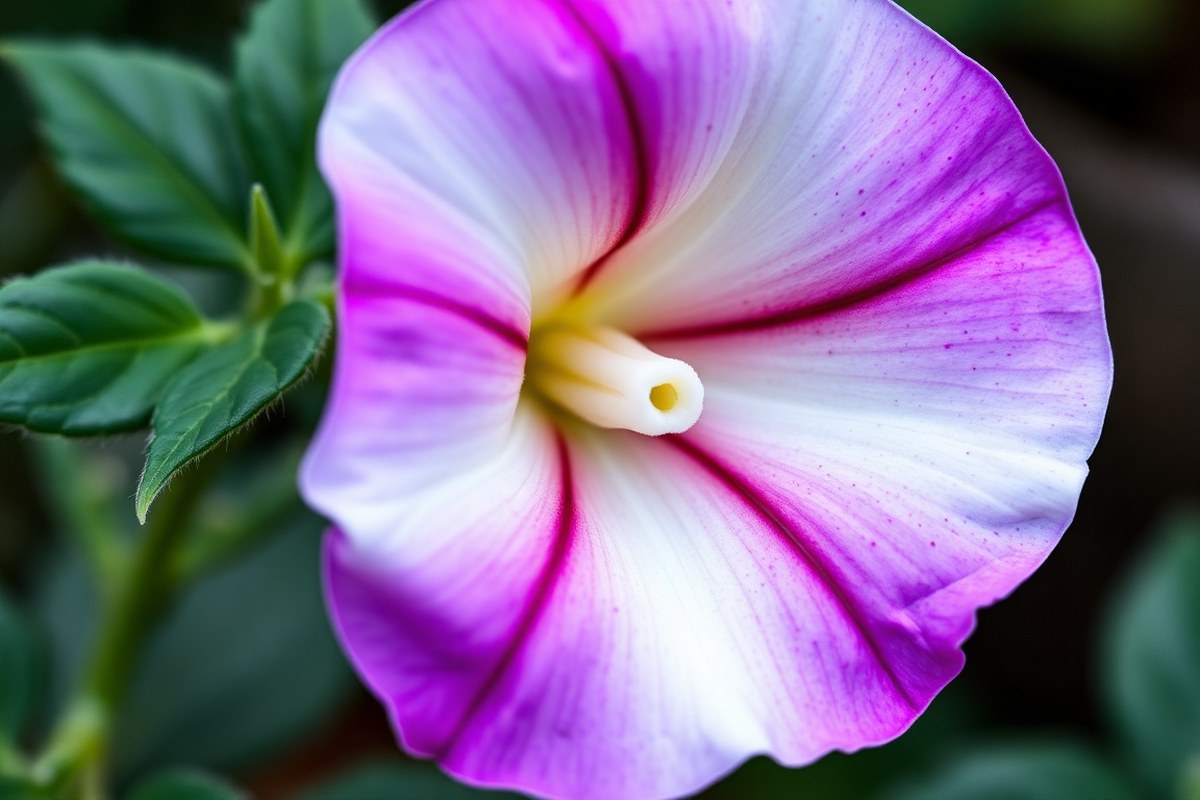
Petunias usually grow 6 to 12 inches tall and spread 18 to 48 inches wide. The flowers have five lobes that are fused together. They form a single trumpet shape.
Each flower measures between 1 and 4 inches across. Different petunia types vary mainly in size, shape, and growth habits.
Growing petunias starts with picking the right variety for your garden or containers. Keep in mind that most petunias like at least six hours of direct sunlight daily. That light helps them bloom their best and stay compact.
Key Takeaways
- Petunias are annual plants with bright, trumpet-shaped flowers.
- They grow best in full sun with at least 6 hours of light daily.
- Expect mature plants to be 6 to 12 inches tall and up to 4 feet wide.
- Petunia flowers have five fused lobes forming a trumpet shape.
- South America is the native origin of petunias.
- Choose your petunia type based on space and bloom size needs.
What Is a Petunia and Where Does It Come From?
Petunias are part of the Petunia genus in the nightshade family. This group also has plants like tomatoes, peppers, and tobacco. The word “petunia” comes from a tobacco-related name in the Tupi-Guarani language.
These flowers are native to South America, primarily from Bolivia to southern regions of the continent. They were introduced to Europe in the 19th century during plant collection expeditions. Botanists confirmed their relation to tobacco and placed them in the Solanaceae family.
Petunias are tender perennials, but often grown as annuals because cold winters kill them. They thrive in full sun, needing at least six hours of direct light daily. Mature petunia plants grow 6 to 12 inches tall.
They spread about 18 to 48 inches wide. These sizes vary depending on the variety.
The flowers show large, trumpet-shaped blooms that range in size by type. Petunia petals usually feel soft and velvety. Some types have flowers that grow up to 4 inches wide.
The flower size can change with each plant. The foliage is sticky to the touch, setting petunias apart from similar plants like calibrachoa.
Petunia leaves are usually oval or lance-shaped and covered in tiny hairs, making them slightly sticky. This texture helps identify petunias and is often noticeable if you touch the leaves. Their flowers bloom from late spring through frost depending on planting time.
What Are the Main Types of Petunias and How Do They Differ?

Petunias mainly fall into grandiflora, multiflora, milliflora, and trailing types. These groups differ in flower size, growth habit, and space needs. Choosing the right type depends on your garden style and planting spot.
Grandiflora Petunias Overview
Grandiflora petunias have the largest flowers, often 3 to 4 inches wide. Their blooms are showy but less hardy in heat and weather. They grow in a mounding habit, reaching about 12 to 18 inches tall.
These petunias need around 12 inches between plants for good airflow. Grandifloras work best in borders or spots where you want big, bright flowers. Their large blooms may need more deadheading to look tidy.
Multiflora Petunias Characteristics
Multiflora petunias produce smaller flowers than grandifloras, about 1.5 to 2.5 inches wide. They make up for size with many blooms and strong weather tolerance. These tend to grow mounded and dense, about 12 to 24 inches tall.
They handle heat better and survive wind or rain without losing petals. Spacing of about 12 inches works well for mass plantings. Multifloras suit open beds where you want tough, continuous color with less fuss.
Milliflora and Trailing Types Explained
Milliflora petunias are compact with tiny flowers around 1 inch wide. They stay low, 6 to 12 inches tall, and grow in tight clusters. Their space needs are tight too, just 4 to 6 inches apart.
Trailing or spreading petunias grow 1 to 2 feet long. They reach 6 to 18 inches tall.
They fill containers, hanging baskets, or cover ground with a flowing habit. These types work as spillers in mixed pots or to hide bare soil.
Best Uses and Spacing Recommendations
For containers, trailing petunias or compact millifloras fit best because they spill over edges. Use grandifloras or multifloras in borders for upright, bold flower displays. Use multiflora or spreading types for ground cover.
They cover 1 to 3 feet. Great for mass plantings.
Plant spacing depends on petunia type. Millifloras need 4 to 6 inches. Grandifloras, multifloras about 12 inches.
Trailing types need 18 inches or more. Give space so air reaches the leaves and flowers to avoid disease.
Trailing petunias can quickly outgrow small pots, so choose larger containers when using them.
How to Plant and Propagate Petunias Successfully
Starting Seeds Indoors: Timing and Conditions
Begin petunia seeds indoors about 10 weeks before you want to plant outside. These seeds are very small and slow to sprout. They need warmth of about 72 to 75 degrees Fahrenheit to germinate well.
Use a seed-starting mix that stays moist but not wet. Press the seeds lightly onto the surface without covering them. Provide strong light from grow lights or a sunny window to keep seedlings healthy.
Preparing Soil and Planting Outdoors
Pick a spot with soil that drains well. Make sure it gets full sun daily. The spot should receive sun for at least six hours.
Petunias need soil that stays moist but won’t stay soggy. Amend heavy soil with compost or sand to improve drainage.
Before planting, loosen the soil and mix in fertilizer with moderate nitrogen to encourage growth. Avoid planting in areas that stay cold and damp. Petunias prefer soil that’s about 60 degrees Fahrenheit or warmer.
Propagation by Cuttings and Care Requirements
Propagating petunias by cuttings is quicker than growing from seed. Select healthy, non-flowering stems and snip 3 to 4 inches of growth. Remove leaves from the bottom half of the cutting before planting.
Dip cut ends in rooting hormone and plant in a moist rooting mix. Keep cuttings in a warm place with indirect light. Roots usually form in 2 to 3 weeks.
Check for root growth before planting. Water carefully to keep soil moist but not soaked.
Ideal Transplant Timing and Hardening Off
Only move seedlings outdoors after the last frost risk ends. Make sure the soil is at least 60 degrees Fahrenheit. This protects young plants from cold.
This usually means late spring in most areas. Harden off seedlings by exposing them outdoors for a few hours daily over one week.
Protect young plants from sudden cold snaps by covering them overnight or moving containers inside. After transplanting, water daily during the first two weeks. This helps the plants settle before summer heat.
- Start seeds 10 weeks before outdoor planting using moist seed-starting mix.
- Press tiny seeds on soil surface; do not cover with soil.
- Keep soil temperature around 72 to 75 degrees Fahrenheit.
- Provide bright light to seedlings to prevent leggy growth.
- Prepare outdoor soil by loosening and mixing in compost or sand.
- Wait until frost danger past and soil warms to at least 60 degrees.
- Harden off seedlings by gradually increasing outdoor exposure over one week.
- Water thoroughly the first two weeks after transplanting for best survival.
What Care Do Petunias Need to Thrive and Bloom Well?
Petunias need at least six hours of direct sunlight daily to thrive and bloom well. With less sun, they stretch out with weak stems and produce fewer flowers. Full sun from morning to evening helps keep stems sturdy and yields the most blossoms.
Water petunias regularly but avoid soggy soil. Let the top inch of soil dry between waterings to prevent root rot.
In containers, check drainage holes to ensure water drains freely. Wilting plants in dry pots need a good soak until water flows out the bottom.
Feed petunias every two weeks with a balanced liquid fertilizer once blooms start appearing. This supports their heavy flowering habit.
Use a fertilizer with equal parts nitrogen, phosphorus, and potassium or one marked for flowering plants. Avoid too much nitrogen; it encourages leaf growth instead of flowers.
Deadheading spent blooms keeps petunias blooming nonstop. Pinch off faded flowers right where the stem meets the main branch. This redirects energy to new flowers rather than seed production.
Some trailing petunias bloom without deadheading. But most upright types need this step for best performance.
Pinching back young growth in early summer helps bush up petunias and avoids legginess. Use your fingers to pinch stems just above a leaf node.
This creates fuller plants with more flowers. Avoid pinching once flowering is heavy to not cut off buds.
For sun-limited spots, expect fewer blooms and leggier plants. Increase fertilizer slightly to support trimmed growth if needed.
In hotter climates, morning sun with afternoon shade can prevent wilting. Check watering more often during heatwaves, especially for container plants.
Common Pests and Diseases Affecting Petunias and Their Control
Petunias often face damage from several common pests that gardeners should watch out for. Aphids appear as small clusters on leaves and stems, sucking plant sap and leaving sticky residue. Slugs and snails chew holes in the leaves, especially in damp conditions, making plants look ragged.
Common petunia diseases include powdery mildew and tobacco mosaic virus. Powdery mildew looks like white powder on leaves. It happens from high humidity.
Poor airflow also causes it. Tobacco mosaic virus creates a mottled color pattern and leaf distortion, stunting growth and reducing blooms.
Keeping petunias healthy means spotting symptoms early and using the right controls. You should regularly check under leaves for aphids and treat them with insecticidal soap.
Handpick slugs and snails or use iron phosphate baits that are safer for pets and wildlife. Avoid overcrowding plants to reduce mildew risk and remove infected leaves promptly.
| Problem | Symptoms | Causes | How to Fix |
|---|---|---|---|
| Aphids | Clusters on stems, sticky leaves | Sap-sucking insects | Spray insecticidal soap weekly |
| Slugs & Snails | Holes in leaves, slime trails | Moist, shaded areas | Handpick or use iron phosphate bait |
| Powdery Mildew | White powdery coating on leaves | High humidity, poor airflow | Remove leaves, space plants, improve airflow |
| Tobacco Mosaic Virus | Mosaic leaf patterns, stunted growth | Virus spread by contact | Remove infected plants, disinfect tools |
Prevention helps keep petunias growing strong and looking their best. Water at the base, not overhead, to lower humidity on leaves.
Make sure pots and beds drain well and don’t crowd plants together. Regularly cleaning fallen debris reduces places pests and diseases hide.
Check plants weekly for pests and disease signs to catch problems early before they spread.
How to Recognize and Fix Growth and Flowering Problems in Petunias
Petunias can grow tall and bare with flowers only at the tips by midsummer. This happens due to heat stress, seed-grown varieties, or their natural growth style. Cut back one-third to one-half, then water and feed well to stimulate fuller growth and more blooms.
Wilting can occur even if you water regularly. Overwatering, poor drainage, or root problems usually cause this. Make sure pots have drainage holes and use well-draining soil.
Only water when the top inch of soil feels dry. Avoid watering too often to keep roots from getting soggy. Let the soil dry before watering again.
Petunias in too much shade grow leggy and look weak, with fewer flowers. Move them to a spot with at least 4 to 6 hours of full sun daily. Sun encourages compact growth and abundant blooming.
Nutrient imbalances cause yellowed, twisted, or curled leaves. Aphids often add to this damage, making leaves sticky or clammy.
Check for tiny insects, especially under leaves. Spray with insecticidal soap or neem oil if aphids are present.
When petunias don’t bloom, check if they get enough fertilizer. Use a balanced fertilizer every two weeks during flowering season.
This supports energy for blooms. Avoid high nitrogen fertilizer as it boosts leaf growth but limits flowers.
Sticky leaves alone usually stem from petunia’s natural glandular hairs. But if you notice poor growth with yellow leaves, aphids could be feeding on the plant. Look for small green or black aphids and hand-pick them at dusk using a flashlight.
For holes in buds and petals, tobacco budworm caterpillars may feed at night. Hand-pick these pests in early evening. Persistent infestations call for Bt or spinosad treatment.
Use these according to the label instructions. Follow safety guidelines while applying. These treatments target caterpillars without harming beneficial insects.
Are Petunias Safe for Pets and How to Handle Toxicity Concerns?
The ASPCA lists petunias as non-toxic to dogs, cats, and horses. This means your pet can nibble a leaf or flower without serious harm. Still, eating a large amount could cause mild stomach upset, like many other plants.
Petunias’ sticky, hairy leaves usually discourage animals from eating much. This makes petunias a safer choice for gardens where pets spend time. Their safety helps if your pet is curious or tends to chew on plants.
Petunias belong to the Solanaceae family, which has some toxic plants. Petunias themselves are not toxic or dangerous. You don’t need to worry about harm from them.
You should still watch pets closely around any plants. Watch your pet closely for vomiting or lethargy after eating petunias.
These signs may need attention. Call your vet if symptoms appear.
Keep petunias in spots pets can reach but watch for unusual chewing behavior. Teach children not to put plants or flowers in their mouths. This reduces any risk, even if petunias are generally safe.
Monitor your pet’s health for a few hours after eating petunias. Look for any unusual symptoms. Contact a vet if symptoms show up.
Mild stomach upset usually clears without treatment. Call your vet if your pet shows ongoing vomiting, diarrhea, or behavior changes.
Having water nearby can help pets rinse their mouths. Avoid forcing your pet to vomit unless a vet advises it. Knowing your vet’s emergency number is useful for quick help.
How to Choose Petunias Versus Similar Plants Like Calibrachoa
Petunias and calibrachoa look alike but are different plants. They differ in flower size, leaf texture, and growth habits. You can spot these differences easily.
Both plants suit sunny spots but require different care levels and garden uses. Knowing these traits helps you pick the right one for your garden.
Flower Size and Shape Differences
Petunia flowers are larger, typically 2 to 4 inches wide, with a trumpet shape. Calibrachoa blooms are smaller, about 1 inch across, and look like tiny petunias. The flower size affects how much space each plant needs to display its blooms.
Flower colors overlap, but calibrachoa often has a more delicate, clustered look. Petunia flowers come in single or ruffled edges, adding variety to garden beds. Smaller calibrachoa flowers create a fuller appearance when mass planted.
Leaf and Stem Characteristics
Petunias have broader, slightly fuzzy leaves. Calibrachoa leaves are smaller, smooth, and more succulent-looking. These differences make petunias feel soft and calibrachoa feel a bit waxy to the touch.
Petunia stems tend to be sturdier and grow upright or slightly spreading. Calibrachoa plants trail or cascade, making them perfect for hanging baskets. Knowing this helps you decide the best pot or garden placement.
Care and Growth Habit Contrasts
Both plants like full sun. But petunias often need more water without letting soil stay soggy. Calibrachoa prefers slightly better-drained soil and can tolerate some dry spells.
Petunias grow in bushes, 12 to 15 inches tall. Calibrachoa trails 8 to 12 inches wide.
Care routines differ mainly in watering frequency and pruning. Deadheading petunias encourages more blooms.
Calibrachoa benefits from light trimming to maintain shape. Avoid overwatering either; it risks root rot.
| Feature | Petunia | Calibrachoa |
|---|---|---|
| Flower size | 2 to 4 inches wide | About 1 inch wide |
| Leaf texture | Broader, fuzzy | Smaller, smooth, waxy |
| Growth habit | Upright or spreading | Trailing/cascading |
| Watering needs | Regular; keep moist | Moderate; well-drained soil |
| Pruning | Deadhead to bloom more | Light trimming for shape |
| Typical height/width | 12, 15 in tall | 8, 12 in wide |
The table shows exact differences you can spot before planting. Choosing the right plant shape fits your garden space better. Petunias fill garden beds while calibrachoa suits pots and hanging baskets.
Recommended Uses for Each Plant
Pick petunias if you want bold flower size and upright shape. They work well in garden beds, borders, or mixed container displays. Their bright, larger blooms give a strong pop of color up close.
Choose calibrachoa for window boxes, hanging baskets, or areas needing trailing plants. Their small flowers and mounding habit spill over edges. Calibrachoa fills small spaces with lots of delicate flowers.
Check plant tags carefully to avoid confusing calibrachoa with petunia-calibrachoa hybrids like ‘Petchoa’.
Step-by-Step Action Plan for Growing Healthy Petunias
Follow these steps to plant and care for petunias properly for bright blooms all season.
- Before planting: Choose a sunny spot with well-draining soil. Petunias need at least 5 hours of sunlight daily to bloom well.
- Day 1: Plant petunia seedlings about 10 inches apart. Check soil moisture; it should feel damp but not soggy.
- Week 1: Water gently every day to keep soil moist. Avoid watering leaves to reduce disease risk.
- After 2 weeks: Feed with a balanced liquid fertilizer every 10 days. Look for new growth as a sign it’s working.
- Month 1: Inspect plants weekly for pests like aphids or caterpillars. Use insecticidal soap if you spot any bugs.
- After 6 weeks: Deadhead spent flowers by pinching off wilted blooms. This encourages more blossoms.
- Mid-season: Watch for signs of fungal diseases like powdery mildew. Treat with a fungicide if needed.
- Ongoing: Keep soil loose and moderately moist. Avoid overwatering to prevent root rot.
Frequently Asked Questions
What Time of Year Do Petunias Bloom Best?
Petunias bloom best from late spring through fall frost. They prefer warm weather and full sun for the longest flowering period.
Can Petunias Grow in Partial Shade?
Petunias can tolerate partial shade but bloom less in low light. Full sun with at least six hours of direct light gives better flowers.
How Often Should You Water Petunias in Hot Weather?
Water petunias deeply every few days in hot weather to keep soil moist. Avoid soggy soil, which can cause root problems.
Do Petunias Need Fertilizer and How Often?
Regular feeding with a balanced fertilizer every two weeks helps petunias bloom well. Choose one with equal nitrogen, phosphorus, and potassium.
Can Petunias Be Grown Indoors Successfully?
Petunias can be grown indoors with bright light but bloom less than outdoors. Use a south-facing window and keep soil moist but not wet.
Why Do Petunias Have Sticky Leaves?
Petunia leaves have tiny glandular hairs that make them feel sticky. This helps protect the plant by trapping insects and reducing water loss.
Wrapping Up
Petunias brighten any space with colorful, easy-to-grow flowers. Start by planting in full sun with good soil drainage. Watch your garden thrive as you care for them through the season.