When to Sow Marigolds: A Complete Guide for Best Timing and Results
When to sow marigolds depends mostly on your climate and soil warmth. Plant them outdoors about one to two weeks after your last frost date. Wait until soil temperatures are between 70 and 80°F for the best results.
Starting marigolds indoors works great for earlier blooms. Sow seeds six to eight weeks before your average last frost at 70 to 75°F. Expect seeds to sprout in about a week.
Marigolds like full sun and warm days around 70°F to 85°F. These conditions help them grow strong and show their brightest colors. Keep soil evenly moist but not soggy as seeds germinate.
Choose loose, well-drained soil to avoid root problems. Avoid heavy shade since marigolds won’t flower well in low light. Thin seedlings once they sprout to prevent crowding and improve air flow.
Key Takeaways
- Direct sow marigold seeds outdoors one to two weeks after last frost.
- Wait for soil temperature to reach 70 to 80°F before sowing.
- Start seeds indoors six to eight weeks before your last frost date.
- Maintain indoor temperatures between 70 and 75°F for best germination.
- Space marigold plants according to their mature size after thinning.
- Provide at least six hours of direct sunlight daily for healthy growth.
When Is the Best Time to Sow Marigolds Outdoors?

Plant marigold seeds outside one to two weeks after your last frost. The soil needs to be warm, around 70 to 80°F for good sprouting. Avoid planting early because frost will kill young marigold shoots.
Check your last frost date using local resources like the Old Farmer’s Almanac. Add an extra 7 to 10 days before planting. This helps protect seedlings from a late cold snap.
Cold nights can damage young marigolds. Test the soil temperature with a probe or by touching it. It needs to feel warm, at least 65°F, before sowing.
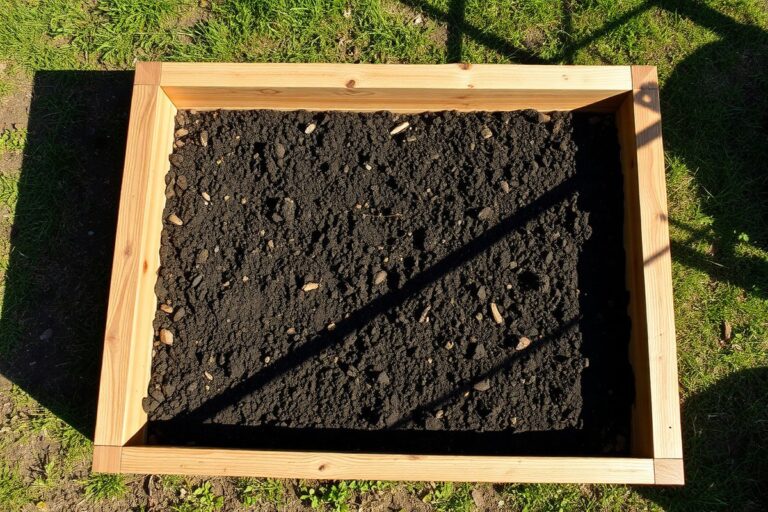
Prepare your bed first by raking the soil smooth and leveling it. Sow seeds shallowly, about 1/8 inch deep, so they get light but stay moist. Pick a spot with full sun for your marigolds.
They need at least six hours of direct sunlight each day. This helps them grow best.
Space your marigolds properly when direct sowing. For tall marigold types, plant seed groups about 18 inches apart. Each group should have three seeds.
This spacing gives them room to grow. Smaller types can be closer. But giving plants room helps air flow and reduces disease risk.
Your area might warm up slowly, like in Seattle. Wait even longer after frost if daytime temperatures stay low. This helps your marigolds thrive.
Cold soil slows germination and can cause seeds to rot. In places with a fast spring warm-up, sow sooner to get an early start.
How to Start Marigold Seeds Indoors for Early Blooms
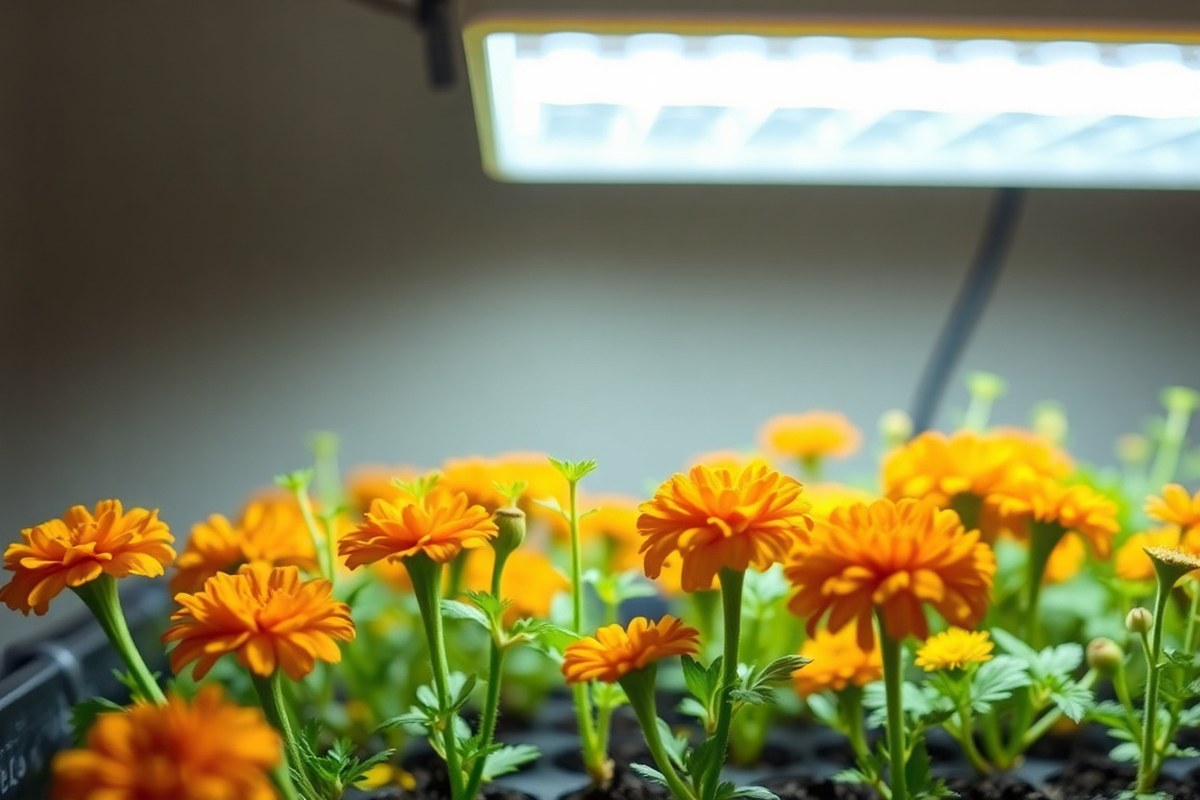
Start marigold seeds indoors about 6 to 8 weeks before your last frost date. This gives seedlings enough time to grow strong before moving outside. You’ll need a warm spot with good light to help seeds sprout and thrive.
Ideal Timing to Sow Seeds Indoors
Count backward 6 to 8 weeks from the average last frost in your area. For tall African marigolds, aim closer to 8 weeks before frost. French or Signet marigolds do well with 4 to 6 weeks lead time.
Starting seeds indoors early allows your plants to be bigger and bloom sooner. It also prevents damage from cold soil and weather. Avoid starting seeds too early to stop weak, leggy plants.
Temperature and Light Requirements
Keep your marigold seeds at about 70 to 75°F to encourage fast, healthy germination. After sprouting, maintain daytime temperatures near 65 to 70°F for the seedlings. Cooler nights help seedlings grow sturdier stems.
Use bright, indirect sunlight or grow lights to keep seedlings from stretching. Place lights 2 to 4 inches above plants for 12 to 16 hours a day. If seedlings get tall and thin, raise light intensity or move lights closer.
Keep soil moist but not soaking wet. Water as needed to keep it evenly damp. Seedlings need airflow but avoid drafty windows or vents that might chill them.
Hardening Off Seedlings Before Planting Outdoors
Harden off seedlings 7 to 10 days before transplanting. Gradually expose them to outdoor light, wind, and temperatures. This helps plants adjust and reduces transplant shock.
Start with an hour outside in a shady spot on day one. Each day, increase time outside and move seedlings to brighter, windier locations. Avoid direct sun until seedlings are toughened up.
Never skip hardening off; sudden outdoor exposure can kill young marigolds.
Follow these steps for best indoor sowing results:
- Check your last frost date and mark your seed start date 6 to 8 weeks before.
- Fill seed trays or pots with seed-starting mix, moisten the soil evenly.
- Plant marigold seeds 1/4 inch deep and cover lightly with soil.
- Keep containers in a warm spot (70, 75°F) until seeds sprout.
- Move seedlings to a bright location or use grow lights daily for 12, 16 hours.
- Maintain soil moisture without overwatering to avoid damping-off disease.
- Begin hardening off seedlings 7 to 10 days before transplanting outdoors.
- Transplant seedlings after the last frost once they are sturdy and hardened off.
How Climate Zones Influence Marigold Sowing Dates
Marigold sowing times depend on your USDA zone and local climate. Frost dates and soil temperature sets your safe planting window. This table helps you see key sowing targets and risks to watch for.
| Metric | Cold Climate Target | Risk of Ignoring |
|---|---|---|
| Air Temperature | Consistently above 50°F (10°C) | Stunted growth or death |
| Soil Temperature | Minimum 50-60°F (10-15°C) | Root rot or failure to germinate |
| Timing | Late Spring / Early Summer | Frost damage |
Start marigolds indoors about 5 to 6 weeks before the last frost date. Or direct sow once soil and air temperatures stay warm enough. Growing in the wrong conditions can kill seeds or delay blooms.
Cold Climates: Zones 3-5
Zone 3 to 5 gardeners should wait until after the last frost to sow marigolds outside. Soil needs to be at least 50°F (10°C) to avoid seed failure. Starting seeds indoors 5 to 6 weeks early is a safer bet here.
Sowing too early outside risks frost damage and stunted plants. Marigold roots may rot in cold, damp soils. Find your average last frost date first.
Add two weeks for soil warming. Then direct sow your marigold seeds.
Indoor starting with grow lights can give seedlings a strong head start. Use pots or trays and transplant after hardening off. Watch for drafts and temperature swings in your home.
Moderate Climates: Zones 6-7
Zones 6 and 7 offer some flexibility. You can start indoors 5 to 6 weeks before the last frost. You can direct sow about two weeks before frost.
Use a heavy row cover on the seeds. This helps get blooms earlier.
This row cover protects against chills and boosts soil warmth. But only about half will survive. Direct sow in the late evening to keep seeds moist and cool overnight before daytime heat.
Sowing too late here shortens bloom season sharply. Early sowing risks frost but may pay off with strong plants. See your likelihood for frost and adjust your timing around it.
Warm Climates: Zones 8-11+
In zones 8 and warmer, marigolds can be sown outdoors as early as very early spring. Soil and air temperatures rise quickly, making indoor starts less necessary. You can also plant a second round in late summer or early fall.
This “early bird” planting avoids the worst midsummer heat and builds strong roots. Late season sowing catches cooler weather and extends blooms. Marigolds will thrive in these heat-loving zones through summer.
Be sure soil temperatures have passed 50°F (10°C) before sowing. Too early means seed rot or poor germination. Even in warm zones, watch for cold snaps and cover young plants if frost threatens.
Soil Preparation and Temperature: Key Steps Before Sowing
Check soil temperature before sowing by using a soil thermometer. Insert it 1 to 2 inches deep early in the morning for the coolest reading. Marigold seeds germinate best when soil stays between 65 and 75°F.
Planting in soil cooler than 60°F often leads to slow or poor germination. Avoid sowing if temperatures stay below 50°F for several days. Warm soil encourages seeds to sprout in about a week.
Prepare the soil by removing weeds and breaking up clumps. Although marigolds are not picky, adding organic matter like compost helps seedling growth. Make sure the soil drains well to prevent seed rot.
- Plant marigold seeds 0.25 inches deep, covering lightly with soil
- Space seeds about 10 inches apart for mature plants
- Water gently right after planting to keep soil moist
- Use a soil thermometer daily if temperatures fluctuate
- For older seeds, sow more to compensate for lower germination
- Choose sunny spots since marigolds need full sun to bloom well
Press the soil surface lightly after sowing to keep seeds in contact with moist soil. Water deeply to encourage strong roots. If areas stay too cool, consider starting seeds indoors until they warm up.
Marigolds tolerate many soil types but avoid soggy spots to reduce rot. Check soil moisture with your fingers 2 to 3 inches deep before watering again. Good soil temperature and careful preparation set seeds up to sprout quickly and grow healthy.
Timing Marigold Growth: From Sowing to Blooming
Marigolds typically bloom about eight weeks after sowing seeds. Seedlings appear in 5 to 7 days under warm 70°F to 75°F conditions. This starts from seed germination to flowering stages.
Warmth speeds up the process. Growth speed depends on temperature, light, and seed type.
French marigolds bloom faster than African ones. These conditions affect how soon flowers appear.
Starting marigold seeds indoors helps you get blooms earlier. Plant French marigolds 4 to 6 weeks before the last frost.
African marigolds take longer and need 2 to 3 more weeks indoors. Move them outside once seedlings reach about 2 inches tall and have first true leaves to prevent stunted growth.
Transplant timing matters. Seedlings get shaky with crowding. So thin them to one plant per 6 to 8 inches before transplanting.
Putting them outside too early can stunt growth. Waiting too long inside can cause them to outgrow small pots. You usually plant marigolds outdoors once soil reaches 60°F or higher.
This is often 1 to 2 weeks after the last frost. Soil warmth helps the plants grow well.
Temperature and daylight affect flowering too. Cooler weather slows growth, pushing blooms back by weeks. Starting seeds indoors on a heat mat helps if your growing season is short.
The mat keeps the soil warm to speed seed germination. This supports faster growth starting indoors. Plant marigold seeds every 2 to 3 weeks to extend blooming past summer.
Stop sowing about 10 weeks before the first fall frost. This succession planting keeps flowers coming longer.
Pinching back early buds encourages your marigold plants to bush out fully. This delay in initial blooming results in a bigger flower show during peak summer months. Direct-sown marigolds usually bloom later but save effort and transplant shock risks.
Remember, African marigolds started from seed can take extra months to show flowers. So buy young plants for faster results if you want quick color.
Thin seedlings as soon as their first true leaves appear. This helps avoid diseases and ensures strong, healthy flowers. Remove the smaller plants carefully to give room to others.
Common Mistakes When Sowing Marigolds and How to Fix Them
Leggy seedlings happen when marigold plants stretch too tall and thin. This usually means they don’t get enough light. Put seedlings in a bright southern window.
Use a grow light for 12 to 16 hours a day. Move lights close but not touching, about 2 to 3 inches above the tops.
Seedlings get leggy? Pinch off the tops to grow bushier plants before moving outside.
Sowing too early or too late can stunt marigold growth or reduce blooms. Seeds sown before soil reaches 60°F often struggle or fail to sprout. Wait until soil is at least 60°F and stay below 85°F daytime temperatures for best results.
Late sowing between May and August may stress plants. Choose heat-tolerant types like ‘Durango’ or ‘Safari’. Provide afternoon shade for better growth.
Overwatering drowns marigold roots and invites disease. Water only when the top 1 to 2 inches of soil dry out. Well-drained, loamy soil lets excess water escape.
So add compost or sand if ground stays soggy. Also, marigolds need full sun to thrive.
Less than 6 hours of sun daily causes weak growth and dull flowers. So plant in a location with direct sunlight for most of the day.
- Start with a few hours of morning sun and slowly increase exposure
- Water seedlings gently from the bottom to avoid damping-off disease
- Space seedlings 8 to 18 inches apart based on marigold variety
- Use pots with drainage holes when starting seeds indoors
- Thin seedlings early to prevent overcrowding and leggy growth
- Hardening-off indoors-started plants before transplanting outdoors prevents shock
Hardening off means exposing seedlings to outdoor conditions gently over 7 to 10 days. Start with a couple of hours of morning sun and protection from wind. Gradually increase time and intensity before moving plants into the garden.
This stops shock and helps marigolds adapt quickly to outside weather. This routine keeps plants safe. It also helps you get bright blooms from June to November with proper succession sowing.
Succession Sowing to Extend Marigold Bloom Season
Succession sowing means planting marigold seeds at regular times for a steady bloom. You sow a new batch every two to three weeks until early July. This method fills the garden with marigold flowers through summer and into fall.
Planning Your Succession Sowing Schedule
Pick the date you want your first marigold flowers to bloom. Sow seeds indoors or outside six to eight weeks before the last frost. Keep planting new seeds every two or three weeks until July 4.
Stopping sowing by early July ensures new plants can mature before the first hard frost. You get flowers well into fall with a steady supply of fresh marigolds ready to bloom. You’ll enjoy color in your garden without gaps from wilting flowers.
Ideal Intervals Between Sowings
You should sow new marigold seeds every 14 to 21 days for best results. This spacing means when one batch finishes blooming, another starts. It’s like setting up marigolds to take turns flowering.
Starting seeds every two weeks works well if you want almost continuous blooms. Three-week intervals reduce the number of plantings but may create short breaks between flowering waves. Choose timing that fits your garden space and time available.
Adjusting Sowing for Your Climate
Warm climates with long growing seasons let you start sowing earlier in spring. In frost-free zones, you can sow marigold seeds outside as soon as soil warms to 60°F. This flexibility allows more sowings over the year.
Cooler climates with late frosts need indoor sowing and more care in timing. Plan to start seeds indoors 6 to 8 weeks before frost-free days arrive. Always stop sowing by early July, so plants mature before the cold comes.
For borderline or variable climates, watch your local frost dates closely. Use them as your guide to time your sowings safely without risking seedling loss. You may adjust intervals by a few days depending on weather changes.
Follow these steps for a simple succession sowing routine:
- Determine your last spring frost date using local gardening resources.
- Plan your first sowing 6 to 8 weeks before that date if starting indoors.
- Set reminders to sow seeds every 14 to 21 days until July 4.
- Sow seeds in seed trays or directly outdoors once soil reaches 60°F.
- Thin seedlings or transplant to larger containers as they grow.
- Move outdoor seedlings into sunny garden spots after frost danger passes.
- Water gently and keep soil moist during germination and growth.
- Stop sowing after July 4 to give plants time to flower before frost.
Choosing the Right Marigold Type for Your Planting Schedule
Choosing marigold types depends on their size and growth habits. French marigolds are compact and bushy, growing quickly and staying shorter. African marigolds grow tall and wide, needing more room and time to reach full size.
Signet marigolds sit between the two in size. Their slender blooms spread nicely but don’t grow as large as African kinds. This affects when you sow and how far apart you plant them in the garden.
| Marigold Type | Botanical Name | Growth Habit | Ideal Sowing Time | Spacing for Outdoor Planting |
|---|---|---|---|---|
| French | Tagetes patula | Compact and bushy, 6-12 inches tall | Spring to midsummer | 8-12 inches apart |
| African | Tagetes erecta | Tall and large, up to 36 inches tall | As soon as frost risk ends in spring | 12-18 inches apart |
| Signet | Tagetes tenuifolia | Smaller, slender blooms, 6-18 inches tall | Spring to midsummer | 8-12 inches apart |
Plant French and signet marigolds directly outdoors in spring or early summer. They grow fast and fit well between other plants. African marigolds grow large and need more time to develop.
Sow them early in spring, just after the frost risk ends. This timing helps them grow well.
Starting French and signet seeds indoors can speed blooming for tight spaces. African marigolds benefit from outdoor sowing as they grow tall and need space. For African types, pinch the growing tips at 12 inches to encourage bushier plants.
Directly sow French or signet seeds outdoors to develop stronger roots and natural spacing.
Marigold choice also depends on garden goals. French marigolds work well in compact beds and help reduce nematodes.
African marigolds suit bigger spaces and produce bigger flowers. Signet marigolds offer delicate blooms that fit small garden spots.
Pay attention to each type’s spacing needs to avoid overcrowding. Overcrowding causes poor air circulation and weaker flowers. Giving African marigolds plenty of space helps them show off their large blooms fully.
Step-by-Step Action Plan for Sowing Marigolds
Follow these steps to time your marigold sowing correctly and see healthy blooms. This simple plan works for both indoor and outdoor planting.
- 2-4 weeks before last frost: Start seeds indoors using seed trays with well-draining soil. Check that seedlings sprout within 7-10 days.
- 1 week before transplanting: Harden off seedlings by placing them outside for a few hours daily. Seedlings should show stronger stems and leaves after this.
- After the last frost date: Transplant seedlings outdoors into soil with full sun and good drainage. Plants should settle quickly without wilting.
- When soil reaches 70°F: Sow marigold seeds directly outdoors if not starting indoors. Seedlings generally appear in one to two weeks.
- Every 3 weeks through summer: Do succession sowing with new seeds to keep blooms going. Look for steady new growth and flowers.
- Mid-summer to early fall: Deadhead spent blooms regularly to encourage more flowers. Watch for continuous flowering until frost.
- End of season: Collect seeds from mature marigold heads for next year. Seeds should be dry and black or brown.
Frequently Asked Questions
Can I Sow Marigolds in the Fall in Mild Climates?
Yes, sow marigold seeds in early fall if frost risk has passed. In mild areas, this can extend bloom into late autumn before cold hits.
How Deep Should I Plant Marigold Seeds for Best Growth?
Plant marigold seeds about 1/4 inch deep in loose soil. This depth keeps seeds moist and warm, boosting germination speed.
What Soil pH Do Marigolds Prefer for Healthy Growth?
Marigolds grow best in soil with pH between 6.0 and 7.0. Slightly acidic to neutral soil helps nutrients absorb properly and supports blooms.
Can I Reuse Marigold Soil for New Seedlings?
It’s best not to reuse soil from marigold plants to avoid disease risks. Use fresh potting mix or compost for healthy seedling starts.
Should Marigolds Be Watered Daily After Sowing?
Water marigold seeds gently but consistently to keep soil moist, not soaked. Daily watering depends on weather and soil; avoid drying out or waterlogging.
Do Marigold Seeds Require Light to Germinate?
Marigold seeds do not need light to germinate. Covering them lightly with soil is better. Keep soil warm and moist for faster sprouting.
Final Thoughts
Timing your sowing to match your climate and soil temperature helps marigolds thrive. Start indoors early or sow directly after frost risk passes. Check soil warmth, and you’ll enjoy bright blooms all season long.