How to Plant in Containers: A Complete Guide for Healthy, Thriving Pots
Learning how to plant in containers means picking the right pot and soil. Start with a container deep enough for your plant’s roots to grow freely. Using fresh potting mix instead of regular garden soil helps plants get the nutrients they need.
Stand your plants in water for 30 minutes before moving them into the new container. This keeps roots moist during the move and cuts transplant shock. Put your container where it gets 6 to 8 hours of sunlight.
This helps the plant grow strong. Sunlight is key for healthy growth.
Watch soil moisture closely. When the top 1 to 2 inches dry out, it’s time to water again. Add compost or fertilizer when seedlings reach about 4 inches tall.
This gives them a good nutrient boost. It helps keep them healthy.
Key Takeaways
- Choose containers at least 6 to 8 inches deep for most plants.
- Use fresh potting mix, not regular garden soil, for growing plants.
- Soak potted plants in water for 30 minutes before planting.
- Position containers where plants get 6 to 8 hours of direct sunlight daily.
- Water when the soil surface feels dry 1 to 2 inches deep.
- Add compost or fertilizer when plants reach about 4 inches tall.
Step-by-Step Process to Plant in Containers

Planting in containers is straightforward once you follow a clear sequence. Start by preparing your containers with the right base for drainage, then handle your plants carefully. Setting each plant at the correct depth keeps them healthy and growing well.
Use fresh potting mix made for containers to give roots a loose, nutritious start. When moving plants from nursery pots, soak them first to ease transplant shock. Watering immediately after planting helps settle the soil and supports early root growth.
- Clean the container. Remove old soil and debris to avoid pests and diseases. Check that drainage holes are clear to prevent waterlogging.
- Add drainage material. Place a layer of small gravel, broken pottery, or stones at the container’s bottom. This helps excess water flow out and keeps roots healthy.
- Fill with potting mix. Leave about 2 inches of space at the top for watering. Use a light, well-draining potting soil suitable for your plant’s needs.
- Soak plants in water.Keep the plants in their nursery pots for watering. Place them in a shallow bowl of water. Let them sit for about 30 minutes. This step hydrates the roots and reduces transplant shock.
- Remove plants from nursery pots. Gently squeeze and tap the sides of the small pot to loosen the root ball. Avoid pulling hard, which can damage roots.
- Place plants in the container. Hold the plant so it’s at the same depth as in its nursery pot. Position it in the center or arrange multiples with enough space for root growth.
- Fill around the plant with potting mix. Press gently to remove air pockets but do not compact the soil too tightly. Stems should not be buried deeper than before.
- Water deeply and evenly. Use a watering can or gentle spray to moisten all the soil. Watering settles the soil and supports good root contact.
How to Choose the Best Container for Your Plants
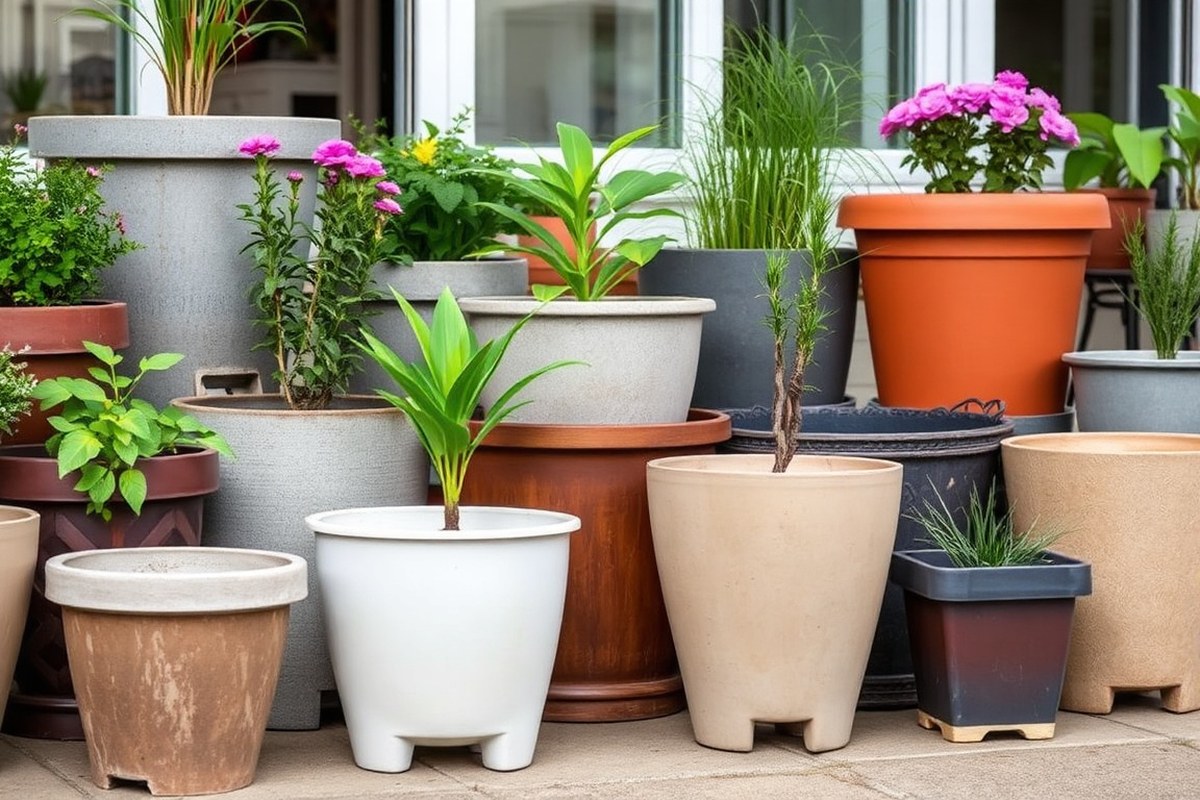
Pick a container size based on the plants’ mature root space. Small herbs need a pot 6 to 8 inches wide. The pot should be at least 6 inches deep.
This size helps them grow well. Larger vegetables like tomatoes need bigger containers.
Use pots at least 12 inches wide and deep. This keeps enough soil and moisture for them.
Deep pots suit plants with long root systems like root vegetables and roses. Shallow containers work fine for succulents and lettuces since their roots stay near the surface. Leave room so roots can grow without crowding.
This is important when planting different species together. Crowding roots harms plant health.
Drainage holes at the bottom are essential. No holes cause water to pool, which leads to root rot and plant stress. Your pot needs holes for drainage.
Drill small holes if it doesn’t have any. Otherwise, choose a different container.
Better water retention happens in bigger pots. But it must drain well to avoid soggy soil.
| Container Feature | Best Uses | Size/Depth Guide |
|---|---|---|
| Small pots (6-8 in wide) | Herbs, small flowers | At least 6 in deep |
| Medium pots (10-12 in wide) | Peppers, bush tomatoes | 12 in deep or more |
| Large pots (18-24 in wide) | Large vegetables, roses | 18 in deep or more |
| Materials: Terracotta | Good moisture control, can dry quickly | Moderate cost, porous |
| Materials: Plastic | Lightweight, retains moisture longer | Inexpensive, less breathable |
| Materials: Metal | Prone to quick drying and heat gain | Use with shade and liners |
Choose container materials that suit your watering habits and climate. Clay pots dry faster but cool roots well. Plastic containers hold moisture.
So you water less but watch for root rot in hot weather. Metals heat quickly and can harm roots unless shaded or lined inside.
Give each plant plenty of soil volume in shared containers. More soil means better moisture balance and less frequent watering. Match plants with similar water needs to avoid drying out or overwatering one group.
Do not add rocks or gravel to the bottom to improve drainage. It can trap water and cause root rot.
Selecting and Preparing the Right Soil and Potting Mix
Use a high-quality potting mix for container plants, not garden soil. Look for mixes that drain well and contain nutrients to support healthy roots. Add compost and fertilizer to keep your plants growing strong.
Why Avoid Garden Soil in Containers
Garden soil packs tightly in containers and drains poorly, causing roots to suffocate. It can also carry pests and diseases that harm your plants. Using garden soil alone often leads to waterlogged roots and poor growth in container gardens.
Containers need a lighter, airier mix that holds moisture without staying soggy. This allows roots to breathe and prevents rot. Garden soil usually fails to provide this balance.
Key Ingredients of Good Potting Mix
Good potting mix typically contains about 60% organic material like compost or coconut coir. These ingredients hold moisture and provide nutrients. The rest usually includes perlite or vermiculite, which improve drainage and airflow around roots.
Potting mixes sold at garden centers often contain slow-release fertilizer enough for 4 to 6 weeks. This helps young plants get started without extra feeding. The mix should feel loose and light, not heavy or clumpy when you touch it.
How to Add Compost, Fertilizer, and Mulch
Mix organic compost into your potting soil at planting to boost nutrition and beneficial microbes. Add slow-release fertilizer before planting your container garden. Use water-soluble fertilizer every 4 to 6 weeks afterward.
This helps your plants get steady nutrients. This keeps plants well-fed throughout the season.
Cover the soil surface with organic mulch like shredded leaves or straw. Mulch helps keep moisture in and protects roots from temperature swings. Keep mulch a little away from stems to prevent mold or rot.
Best Plants and Vegetables Suited for Container Gardens
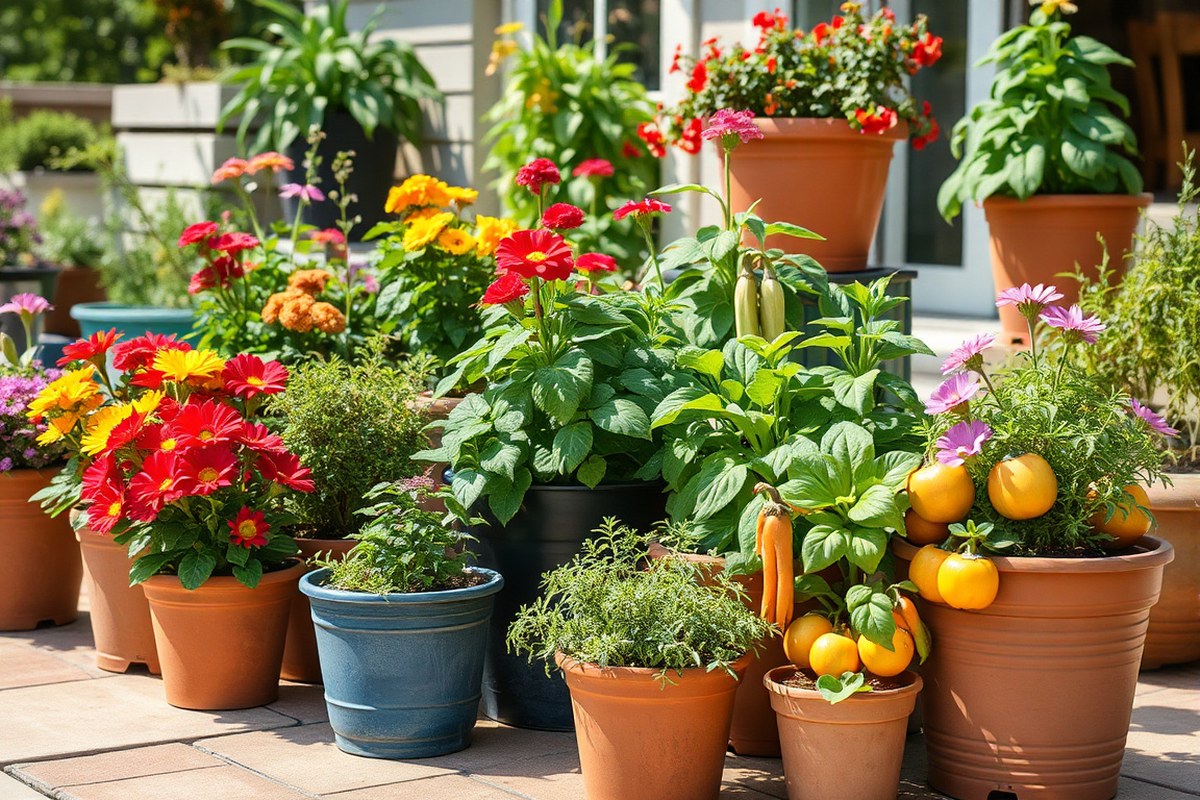
Growing vegetables in containers works well with good soil and regular watering. You can grow tomatoes, peppers, lettuce, cucumbers, beans, and herbs easily this way. Pick smaller or bush types that fit containers holding 5 to 20 gallons.
Herbs like basil, parsley, thyme, and mint thrive in containers. They need less soil depth and grow happily in small pots or mixed planter boxes. Bright herbs with fragrant leaves add flavor and freshness to your kitchen garden without much space.
Flowers can add color and charm to container gardens. Fast-growing, compact flowers fit well and complement edibles.
Feel free to mix vegetables or herbs with flowers in one container. But check their sunlight and spacing needs.
| Plant Variety | Type | Mature Height | Min. Container Size | USDA Zones |
|---|---|---|---|---|
| Sunblaze | Miniature | 18, 24 in | 5 gal | 5, 9 |
| Flower Carpet Amber | Groundcover | 24, 30 in | 10 gal | 4, 11 |
| Knock Out | Shrub | 3, 4 ft | 15 gal | 4, 11 |
| Oso Easy Cherry Pie | Shrub | 2, 3 ft | 10 gal | 4, 9 |
| Cinderella | Miniature | 12, 18 in | 5 gal | 5, 9 |
Choose containers that fit the size and shape your plants need. For example, miniature shrubs like Sunblaze grow well in 5-gallon pots. Larger shrubs like Knock Out need 15 gallons.
Climbing plants need bigger pots and support. But can be harder to care for in winter.
Put plants with similar sunlight and watering needs in the same container. This avoids overcrowding and ensures healthy growth. Mixing herbs, veggies, or flowers that use the same care will save you time and stress.
How to Water and Fertilize Container Plants Properly
Water container plants when the top 1 to 2 inches of soil feel dry. Stick your finger in the soil to check dryness before watering. Overwatering can drown roots, while underwatering causes leaves to wilt and turn brown.
Water deeply until excess drains through the bottom holes. This helps flush salts and prevents root rot. Use a watering can with a narrow spout for more control.
A hose with a gentle spray also works well for watering. These tools help avoid overwatering or splashing. Self-watering containers with reservoirs work well for smaller plants.
Adjust watering frequency with weather and plant size. Hot days and small pots need watering once or twice daily. Bigger containers like 20-gallon pots keep moisture longer.
They need watering less often, about every 3 to 4 days in summer. This saves time and prevents root problems. Always leave soil a couple inches below the pot rim to avoid spillovers.
Fertilize container plants regularly since watering washes nutrients out faster than garden soil. Use a balanced, water-soluble fertilizer every 2 to 4 weeks during the growing season.
Follow label directions carefully to avoid burning the roots. Slow-release fertilizers in the potting mix can reduce feeding frequency.
Some plants need special care in cold zones. Move pots to a garage or basement if winter gets cold. Keep the temperature above 20°F to protect plants.
This helps if you live in USDA zones 5 to 8. For zones 4 and below, wrap pots with insulation material.
You can also sink pots into the ground to protect roots. This lowers watering needs and guards against freezing.
Check soil moisture with your finger each day in hot weather. This stops roots from drying out or sitting in soggy soil. Adjust watering based on what you find.
Arranging and Combining Plants in Containers for Growth and Beauty
Space plants properly for good growth and a nice look. Choose pairs that get along well. Layer them by height and light needs.
Giving roots room and matching plants’ water and light requirements helps them thrive. Picking plants that complement each other creates containers that catch the eye.
Spacing Guidelines for Common Container Plants
Give each plant enough room to grow a healthy root system. Space small herbs like basil 4 to 6 inches apart. Keep thyme about the same distance from other plants.
This helps them grow well. Big plants like squash need containers 12 to 18 inches wide.
This space lets roots spread out. It helps keep the plant healthy.
Keep the soil level about 2 inches below the pot’s rim when planting. This leaves space to water without overflow.
Avoid crowding plants because tight spaces limit growth and invite disease. A good rule is to check mature size and choose a container that matches.
Companion Plants That Thrive Together
Only pot plants with similar light and water needs together. Herbs in the mint family, like lavender and rosemary, get along well. They do fine together in pots.
This mix is easy for container gardens. These plants tolerate similar sun exposure and dry soil. So they share resources without stress.
Combining a thriller, filler, and spiller plant provides balance. A tall plant like basil can be your thriller. Use medium-height flowers or herbs as fillers.
Add trailing plants like creeping thyme or sweet potato vine to spill over the edges. This combo looks full and lively.
Design Tips for Visual Appeal and Health
Plant in odd numbers for a natural, inviting look. Put taller plants in the center or back if the container sits against a wall. Layer shorter and trailing plants toward the edges to create depth and color flow.
Arrange plants so sun-loving species don’t shade those needing less light. Plant peppers in spots that get full sun. Put mint in areas with some shade.
It matches each plant’s light needs best. This layout keeps all plants healthy without fighting for light.
Common Container Planting Mistakes and How to Fix Them
Poor drainage tops the list of container gardening mistakes. Roots drown and rot when water can’t drain from the container. Make sure your pot has holes at the bottom for water to escape easily.
Soil compaction is another common problem that stresses plants. Packed soil blocks air and water from reaching roots.
Using a mix with peat moss or coconut coir helps keep soil light and airy. Add perlite or vermiculite to improve drainage and prevent hard crusts.
Picking the wrong pot size limits your plants. Too small, and roots crowd, stunting growth.
Plants in tight spaces need more frequent watering and nutrients. Use a container size calculator to pick the right pot based on your plant’s adult size.
- Check for drainage holes and clear any blockages.
- Mix potting soil with compost and perlite for better texture.
- Choose pots large enough for your plant’s mature root system.
- Water more often in hot weather, especially for smaller pots.
- Move pots with rootbound plants to bigger containers promptly.
- Lift plants gently to check for root crowding or circling roots.
- Avoid heavy garden soil in containers; it compacts too much.
Fix drainage by poking extra holes if water pools at the pot’s base. Place gravel under the pot for better air circulation when needed. Water your plants deeply.
Let the top soil dry before watering again. This helps prevent soggy roots.
Yellow leaves and slow growth often mean the plant is pot-bound. Repot into larger containers using fresh potting soil. Gently loosen root balls before planting to encourage new root growth.
Choose a pot 2 to 4 inches bigger in diameter. This gives roots more room to grow.
Plants packed too tightly in containers fight for water and nutrients. Remove weaker or extra plants to improve growth. Check watering and fertilizing more often, especially in really hot weather over 90°F. A 15-gallon pot with a rose may require water every day during heat.
Sustainable and Seasonal Care for Container Gardens
Growing plants in containers can be eco-friendly and easier on resources. Use organic soils and mulches to feed plants naturally.
Save water with smart watering and keep pests under control safely. Prepare plants well for cold seasons and reuse pots to reduce waste.
Organic Soil and Mulch Options
Use a loose mix of organic potting soil and compost. Add coconut coir for better drainage and nutrients. This mix helps plants grow well in containers.
Avoid regular garden soil because it compacts and can cause root rot. Check the soil pH yearly. Aim for 6.0 to 6.5 by adding garden lime if it gets too acidic.
Mulch containers with shredded bark or leaf mold to keep soil moist and cool. Organic mulch breaks down slowly, feeding plants as it decomposes. Replace mulch yearly to avoid mold buildup and pests.
Water Conservation Techniques
Water containers deeply but less often to encourage strong roots. Containers dry out fast, so check soil moisture daily during hot weather. Use self-watering containers or add water-retaining crystals to soil to save water.
Place containers where they get morning sun and afternoon shade to reduce water loss. Group pots close together to create a humid microclimate that slows evaporation. Collect rainwater or use greywater safely to lower water use.
Safe Pest Management in Containers
Use organic sprays like neem oil or insecticidal soap to control pests without harmful chemicals. Check plants regularly and remove pests by hand to avoid infestations. Encourage beneficial insects such as ladybugs by growing flowers that attract them.
Keep containers clean and remove dead leaves and debris to reduce hiding places for bugs. Avoid overwatering, which attracts fungus gnats and root rot. Rotate plants seasonally to break pest cycles.
Preparing Containers for Winter
Move frost-sensitive plants indoors or to a protected spot before freezing temperatures hit. For hardy plants, add extra mulch around the roots inside the container to insulate them. Large containers are better outside because they keep roots warmer than small pots.
Drain water from containers that aren’t frost hardy to prevent cracking. Store empty pots upside down to avoid water collecting and freezing inside. Clean and sanitize pots before reuse to stop disease spread.
Don’t reuse garden soil in containers; it compacts and can cause root problems quickly.
Step-by-Step Action Plan for Your Container Garden
Follow these simple steps to start your container garden and keep it thriving. Check each step to see if your plants look happy and healthy.
- Before You Start: Choose containers with drainage holes and fill them with fresh potting mix. Your container should feel light but moist when you press the soil.
- Day 1: Plant your seeds or seedlings at the right depth. The soil should stay moist after watering, not soggy or dry.
- Week 1: Water your plants gently once a day. Check the top inch of soil. Water when it’s dry. Leaves should look firm, not wilted.
- Week 2: Add a balanced, water-soluble fertilizer every two weeks. Your plants should start growing stronger and greener.
- Week 3: Check for pests like aphids or fungus. Treat them promptly with safe methods like insecticidal soap.
- Week 4: Rotate your container a quarter turn weekly to keep plant growth even. Leaves should face the sun with no leaning.
- After 1 Month: Prune dead or yellow leaves and pinch back leggy growth. This helps plants stay full and productive.
Frequently Asked Questions
What Size Container Is Best for Growing Cucurbits Like Squash or Cucumbers?
Pick a container that’s at least 12 inches both deep and wide. This size matches the root spread and supports good plant growth.
Can You Reuse Potting Soil in Containers Safely?
You can reuse soil but refresh it first with compost or fertilizer. Replenishing nutrients helps avoid poor plant growth.
How Often Should You Repot Container Plants into Bigger Pots?
Repot every one to two years or when roots crowd the container. This avoids root stress and improves nutrient access.
What’s a Good Organic Mulch for Container Plants?
Use shredded leaves, straw, or compost as mulch. These keep soil moist and protect plant roots from heat or cold.
How Do You Protect Container Plants from Extreme Temperatures?
Add mulch to insulate soil and move pots to sheltered spots. This helps reduce temperature swings that stress plants.
Can You Grow Multiple Vegetables in One Container?
Yes, if the container is large enough and plants have space. Crowd plants too closely, and growth slows.
Before You Go
Planting in containers can be simple and rewarding when done right. Start the process today by picking your container and soil. You’ll enjoy fresh blooms or veggies even in small spaces.