

Does Peas Need a Trellis? Complete Guide to Support for Healthy Growth
Does peas need a trellis to grow well? Yes, most climbing peas benefit from support.
Using a trellis helps peas grow taller and produces more pods. It also keeps the vines off the ground, reducing rot and pests.
Start by choosing a trellis at least 5 to 6 feet tall. Some varieties, like sugar snap peas, may need even taller trellises, up to 8 feet.
Plant seeds near the trellis base, 1 to 2 inches deep. Space the seeds 2 to 3 inches apart.
Keeping peas supported improves airflow around the plants. Better airflow lowers disease risk and helps the plants dry faster after rain. It also makes harvesting easier since pods hang visibly on the trellis.
Key Takeaways
- Choose a trellis 1-2 feet taller than your pea variety’s mature height.
- Plant pea seeds 1-2 inches deep and 2-3 inches apart near the trellis base.
- Use trellises 5-6 feet tall for most climbing peas, taller for sugar snap types.
- Keep pea vines off the ground to reduce disease and pest problems.
- Space plants and rows well to improve airflow around pea vines.
- Support makes harvesting easier by showing pea pods clearly on the trellis.
Do Peas Need a Trellis to Grow Well?
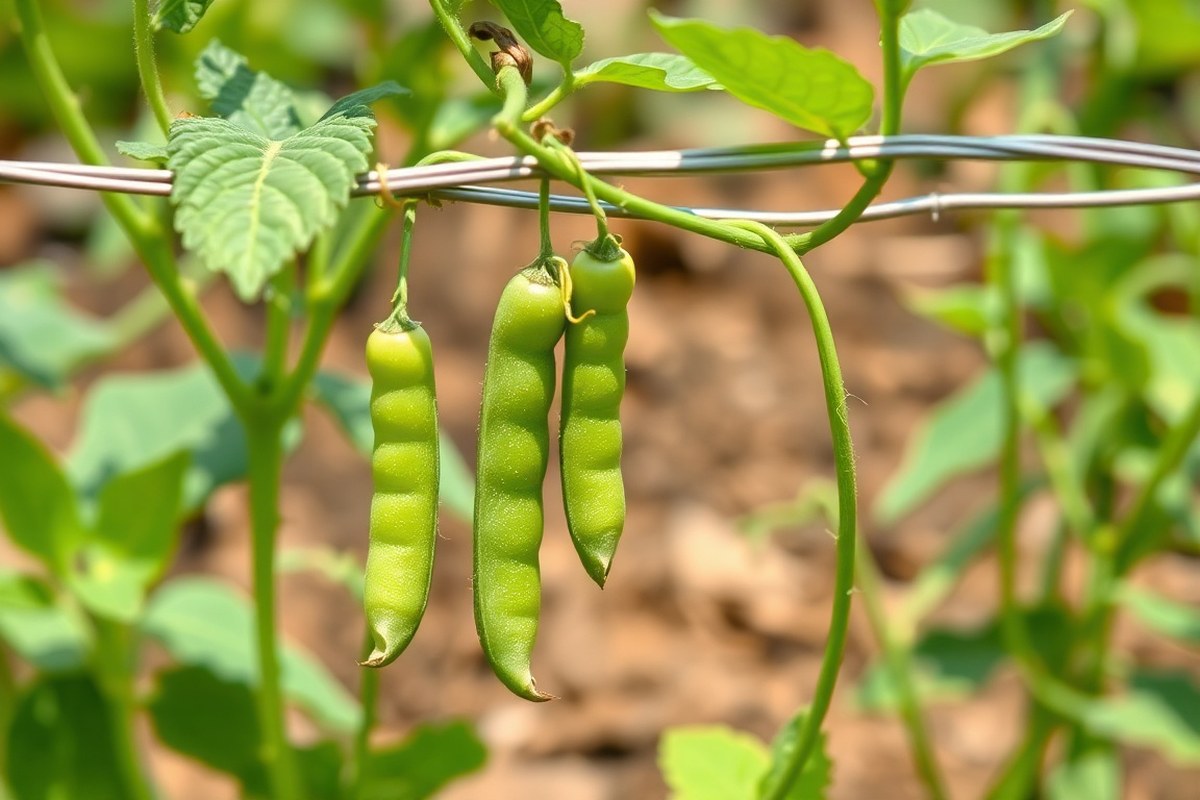
Pea plants do not all require a trellis to grow well. Varieties like bush peas are compact and self-supporting. These types grow low to the ground and usually do fine without any structure to climb.
Climbing or vining pea varieties, however, need support to grow properly. These vines can grow to 5 to 8 feet tall. They produce more peas over a longer season.
That helps you get a bigger yield. A trellis helps keep their stems upright, improves airflow, and makes harvesting easier.
Dwarf pea varieties might need only minimal support like short stakes or small cages. A trellis about 4 to 6 feet tall works well for most vining peas. Without support, peas sprawl on the ground.
This makes them prone to disease. It also makes harvesting harder.
How Trellises Benefit Pea Plants in Your Garden

Using a trellis helps your pea plants grow straight up. It stops them from spreading out on the ground. This keeps your garden neater and plants healthier.
This vertical growth boosts air circulation, which lowers the chance of diseases like powdery mildew. Better airflow means your plants stay healthier and dry faster after watering or rain.
Trellises also improve sunlight exposure. When peas climb a structure, their leaves spread out and catch more light during the day. This extra sunlight can help the plants produce more pods, increasing your overall harvest.
Growing peas vertically saves space in your garden by using height instead of width. This trick is great if your garden space is small. It also helps if you want to grow other crops nearby.
You use the space more efficiently this way. Plant peas on both sides of a trellis to save space.
This lets you grow more peas in a small area. It’s a simple way to get a bigger harvest.
Use a trellis with 1-inch square gaps for climbing peas. These yards let pea tendrils hold on tight. This size works well for most pea plants.
You can use materials like string, twine, trellis netting, or wire mesh. Choose an adjustable trellis about 6 feet tall for peas.
Peas can then reach their full height easily. This fits most pea varieties you grow at home.
Keeping pea pods off the ground cuts pest problems, too. Ground contact often attracts slugs or insects that damage pods. Trellises keep peas clean by lifting them off the ground.
They also make picking peas easier for you. You don’t need to bend or dig through vines.
Make sure your trellis is sturdy and well-anchored. Heavy pea vines can pull down weak supports. It’s worth spending a bit more on durable materials for longer use.
Choosing the Right Trellis Type and Height for Peas
Choosing the right trellis for peas depends on the variety and your garden conditions. A simple vertical trellis works best for most climbing peas. Make sure it’s tall and sturdy enough to support your plants through the growing season.
Types of Pea Trellises
Vertical trellises are the most common and easiest to build. You can build one using bamboo stakes, wooden slats, or PVC pipes. Use string or wire to tie them together.
This creates a strong support for your peas. This design suits climbing peas as it lets their tendrils wrap around supports easily.
For smaller garden spaces or bush peas, a low trellis or simple string support works well. Netting trellises give good vertical and horizontal support to peas. Pea tendrils wrap slowly in a circular motion.
This helps peas climb both ways. Avoid overly complex trellises that add weight or block airflow.
Recommended Trellis Heights by Pea Variety
Climbing peas can grow 4 to 8 feet tall. So you’ll need a trellis at least 5 to 6 feet high. This height lets peas grow fully and keeps their pods off soil.
It also makes harvesting the pods easier for you. The portion of the trellis anchored underground does not count toward the height.
Bush peas grow shorter, about 2 to 3 feet tall. So a trellis of 3 to 4 feet is enough.
Using a full-height trellis for bush peas is usually unnecessary and could take up extra space. Match your trellis size with your pea variety to save room and materials.
Material Options and Durability Considerations
Wood, metal, PVC, and plastic trellises all work fine for peas. Wood is affordable and easy to find but may rot after a few seasons. Metal and PVC last longer but cost more upfront and need secure anchoring.
Choose strong materials like metal or thick wood posts for windy spots. Make sure to anchor them deep into the ground.
In humid climates, avoid untreated wood to reduce rot and disease. Netting or woven wire can add breathability and reduce disease risk compared to solid panels.
Step-by-Step Training Pea Plants to Climb a Trellis
Train your pea plants to climb a trellis by starting early. Plant peas close to the trellis base and guide their tendrils gently onto the support. This helps the vines latch on and grow upward without damage.
Planting Peas Near the Trellis
Place pea seeds about 1 to 2 inches deep and 2 to 3 inches apart. Set them close enough so the seedlings reach the trellis as they grow. Always install the trellis before or right after planting.
Choosing a lightweight trellis with twine or netting works best. These allow pea tendrils to wrap easily and hold firmly. String, wire mesh, or trellis netting all work if the grid supports the tendrils well.
Early Training and Tying Techniques
Start training once vines reach 6 to 8 inches tall. Gently position the growing shoots close to the trellis so tendrils can find support. Avoid forcing or snapping the vines during this process.
Use soft garden twine to loosely tie vines if needed. Make loops that secure the stems without squeezing. Encourage each vine to climb by guiding them upward every few days while they’re young.
Ongoing Support and Adjustments
Check pea plants regularly to keep them climbing correctly. Add loose ties if vines start growing away from the trellis. Removing dead or broken stems also helps keep plants healthy.
Trellis support prevents sprawling, which causes damaged pods and tangled plants. Continue training through the growing season until peas mature. This saves space and improves your harvest quality.
- Choose and install a lightweight trellis before planting peas in early spring.
- Plant pea seeds 1-2 inches deep and 2-3 inches apart, right at the trellis base.
- Water seeds after planting and watch for shoots reaching 6-8 inches tall.
- Gently move vines toward the trellis and help tendrils latch onto support.
- Tie stems loosely with soft twine if vines need extra help climbing.
- Regularly check plants and adjust ties or guide new shoots upward.
- Remove any damaged stems to focus the plant’s energy on healthy growth.
Can You Grow Peas Without a Trellis? Pros and Cons
You can grow peas without a trellis, especially if you choose bush varieties. These types grow compactly to about 12 to 24 inches tall and don’t need much support. A simple stake keeps the pea plants upright.
A small cage is good too. This stops the plants from sprawling on the ground.
More vigorous vines like sugar snap peas or tall telephone varieties thrive better with a trellis. These plants can grow six to eight feet tall and naturally want to climb. Without support, peas spread out on the ground.
This makes harvesting harder. It also raises the risk of disease due to less airflow.
Growing climbing peas without a trellis often means lower yields and more plant stress. Peas on the ground can rot or attract pests more easily. Pods can be hard to find without support.
You might miss picking some. This lowers your total pea crop.
Using a trellis guides vines upward, improving air circulation between plants. Support lets air move well around the plants. This stops moisture from building up.
That helps prevent fungal problems in cool weather. Avoid leaving vining peas to trail on soil if you want healthier plants and better fruit.
For gardeners wanting trellis-free peas, pick bush types labeled “bushy” or “dwarf.” Plant them three to four inches apart to avoid overcrowding and give good air flow.
Mulch lightly to keep soil moist and reduce weeds. But don’t crowd the plants, or disease may rise.
Without proper support, climbing peas often spread out too much, causing damaged stems and poor airflow.
Trellising Tips for Container and Small Space Gardens
Container-grown peas benefit from a trellis because it keeps vines off the soil. This reduces disease risk and makes harvesting easier. It also uses vertical space, which is key in small areas.
For small spaces, trellises need to be compact but sturdy enough to hold pea vines. Peas usually grow 2 to 3 feet high.
So the trellis should match that height. Bamboo poles, wooden stakes, or wire mesh work well in containers.
- Use a tepee or A-frame trellis with bamboo or sticks in a small container.
- Attach strong vertical netting to a fence or wall if near one.
- Choose lightweight yet sturdy materials for easy setup and removal.
- Place the trellis deep into the container to prevent tipping over.
- Space supports 1 to 2 inches apart for pea tendrils to grab easily.
- Position the container where the trellis can get full sun all day.
- Regularly check pest spots, especially aphids, on vertical growth.
Maximizing vertical space means more exposure to sunlight for leaves. More sun equals more pod production through the growing season. Growing vertically also saves horizontal room for other veggies in a small garden or balcony.
In tight spots, bush peas might be an option since they don’t need support. But vine peas with a trellis usually yield more pods in small gardens. Take care to keep trellis materials strong as vines thicken and pods weigh down branches.
Common Mistakes When Using Trellises for Peas and How to Fix Them
Installing a trellis after your peas start sprawling is a common error. Once the vines spread on the ground, they can break. Moving them later may cause tangles or damage.
Set up your trellis early, right after planting or as soon as shoots show. So vines climb naturally without stress.
Using weak or short supports can also cause problems. Pea plants often grow 3 to 6 feet tall. So trellises should be sturdy and at least 5 feet high.
Thin stakes or flimsy netting can’t hold the vine’s weight. This causes vines to collapse. Pods touch the soil, which leads to rot and pests.
- Install trellis before vines exceed 6 inches tall
- Choose strong materials like wood, metal, or heavy plastic
- Space pea plants about 2 inches apart to reduce vine crowding
- Tie vines loosely to supports every 6 to 8 inches with soft twine
- Check ties regularly to avoid cutting into stems
- Remove damaged or yellowing lower leaves to prevent disease
- Plant peas in late summer, aiming for two months before frost
Poor vine training leads to tangled or broken stems. Gently guiding each vine to twine around the trellis early keeps plants organized.
Use soft garden twine or reusable Velcro ties, loosening as vines grow. Avoid tying too tight because it bruises stems and reduces circulation.
Watch your plants for health problems. Change the trellis if vines lean. Move it if pods touch the soil.
That’s a sign the support isn’t enough. Re-tie vines higher or add extra braces to keep plants upright. Timely maintenance helps peas grow stronger with less disease risk.
Adjusting and Maintaining Trellises Throughout the Growing Season
Adjusting and maintaining your pea trellis keeps the plants healthy and productive. You need to watch peas grow, change the trellis as needed, and keep it sturdy. This helps the plants keep climbing and producing pods well into the season.
Monitoring Growth and Plant Health
Check your pea plants twice a week for height and leaf health. Healthy plants have firm green leaves and lots of tendrils reaching toward the trellis. Watch for signs like wilting.
Yellow leaves also show trouble. These mean your plants need more water or nutrients.
Also, note how tall your peas are compared to the trellis height. Peas often grow up to six feet or more, depending on the variety. So tracking growth helps you decide if trellis adjustments are needed.
Raising or Expanding Trellis Height
Start raising your trellis when the plants reach about two-thirds of its current height. Most pea plants need support taller than their height.
Add at least 1 or 2 feet to their mature height. This gives the vines room to climb without falling over.
Here’s how to raise or expand a trellis:
- Assess the current trellis height and plant height.
- Gather extension materials like additional wood stakes, poles, or mesh.
- Securely attach these extensions to the existing trellis using zip ties or strong twine.
- Check that the newly extended trellis stays stable against wind and weather.
- Guide pea shoots gently onto the new trellis sections as they appear.
Repairing and Reinforcing Support
Regularly inspect the trellis for loose joints, broken ties, or leaning spots. Weak points can snap from the weight of vines as the plants mature. Fix or tighten loose parts quickly to avoid collapse.
Adding extra ties or replacing worn strings helps the trellis hold growing peas well. Swap a broken support pole immediately.
Use a stronger one instead. Strong trellises keep pea pods from touching the ground and reduce disease risk.
Secure all trellis additions firmly. Loose supports risk damaging your pea plants in wind or rain.
Your Peas Trellis Quick-Start Action Plan
Use this plan to build and care for a pea plant trellis. It helps grow healthy plants. You get better harvests with it.
- Before planting: Choose a trellis about 5 to 6 feet tall. It should be sturdy enough to hold your pea vines.
- Day 1: Install the trellis in full sun and near your pea seeds. Check it stays firm when pushed gently.
- Week 2: Once seedlings appear, gently guide their tendrils toward the trellis. You should see them start to cling within a few days.
- Week 4: Tie any wayward vines loosely with soft garden ties. They should stay upright without damage.
- Mid-season: Inspect the trellis weekly for loose ties or leaning sections. Fix these so the plants don’t fall.
- Harvest time: Support heavy pea clusters by adjusting ties. The trellis should hold them without bending.
- After harvest: Remove the old vines and clean the trellis. This prevents pests and gets you ready for next time.
Frequently Asked Questions
How Tall Should a Trellis Be for Sugar Snap Peas?
Sugar snap peas often need a trellis 7 to 8 feet tall. Taller supports help peas climb well.
They keep pods off the ground. This improves air flow and makes picking easier.
Can Bush Peas Benefit from Any Support at All?
Bush peas do not need a tall trellis but still benefit from small stakes. This prevents sprawling and improves airflow, reducing disease risk.
Can You Use String or Twine Instead of a Full Trellis?
Yes, string or twine can support climbing peas if set up vertically. Make sure spacing is tight enough for pea tendrils to grip.
Are Wire Mesh Trellises Effective for Peas?
Wire mesh with 1-inch grid works well for peas. It’s sturdy and lets plants climb easily, helping with air flow and harvest access.
Should You Prune Peas When Using a Trellis?
Pruning is usually not needed; peas naturally climb twining around support. Removing any damaged or crowded stems can improve growth.
Can Peas Be Grown on a Horizontal Support System?
Horizontal supports are less effective; peas prefer vertical climbs. Vertical trellises maximize sun exposure and make picking easier.
Final Thoughts
Peas usually grow better with a trellis. Supporting them keeps plants healthy and makes harvesting easier. Start by picking the right trellis and guiding your peas early for a good crop.


