

How Long Is Weed Good in a Plastic Bag: What Actually Works to Keep It Fresh
How long does weed stay fresh in a plastic bag? Usually, it stays good for only 1 to 2 weeks. After that, it loses its freshness and strength because plastic doesn’t keep out air and moisture well.
Air and humidity affect weed fast inside plastic bags. You want to squeeze most of the air out and keep the bag sealed tight.
Store it in a cool place, about 60 to 70°F. This helps slow down the breakdown of cannabinoids and terpenes. Keeping it cool keeps the cannabis fresher longer.
Adding a small humidity pack rated around 58 to 62% can help too. It keeps moisture balanced and stops mold or drying out.
Still, plastic bags don’t hold up well for long-term storage. So plan to move your weed soon for better preservation.
Key Takeaways
- Weed in a plastic bag stays fresh for 1 to 2 weeks max.
- Squeeze air out and seal the bag tightly to slow degradation.
- Store the bag in a cool, stable spot between 60-70°F.
- Add a 58-62% humidity pack sized for your weed weight.
- Double bagging helps protect against extra air and moisture.
- Plastic bags don’t block air well; avoid long-term storage with them.
How Long Does Weed Stay Good in a Plastic Bag?
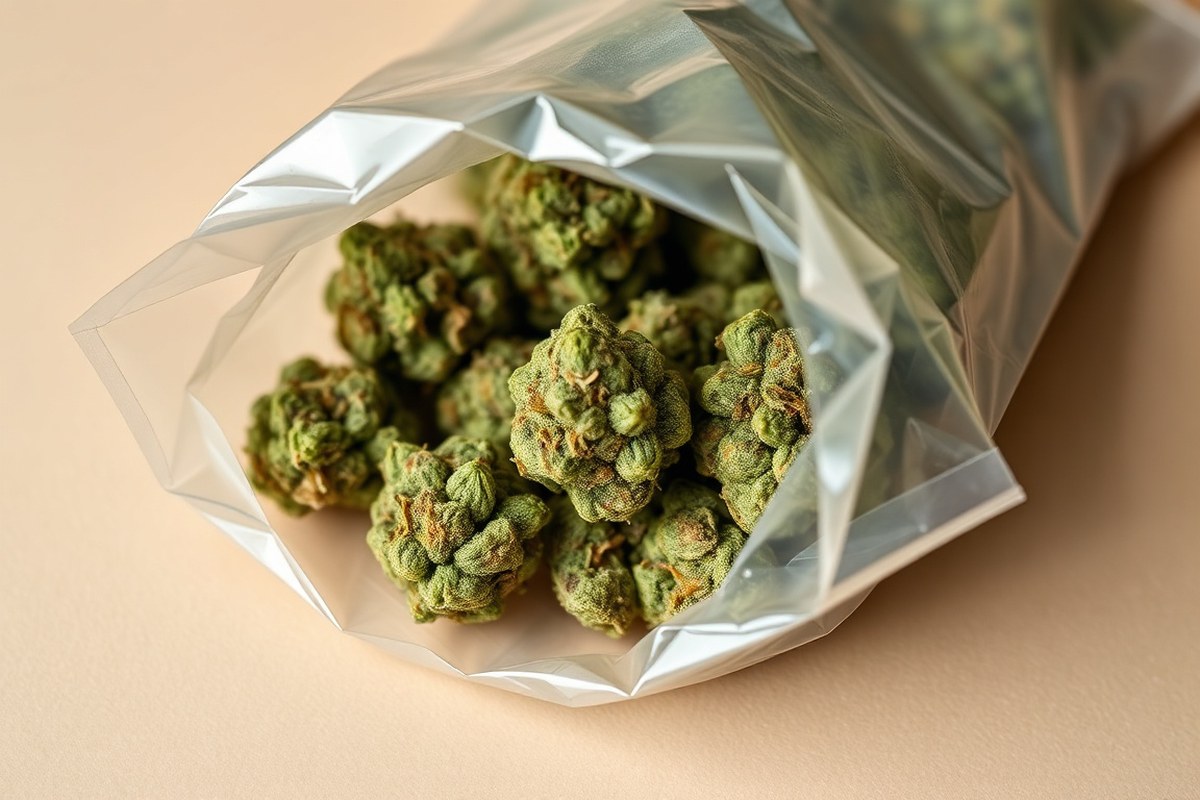
Weed stored in a plastic bag generally stays good for about one to two weeks. During this time, squeeze out as much air as possible. Seal the bag tightly to keep most potency and moisture.
Beyond two weeks, weed starts to dry out. It also loses some aroma and cannabinoid strength.
One to two days in a plastic bag will keep weed fresh. No big changes happen to moisture or taste. After a week, buds feel drier, and the smell becomes less sharp.
Keep it a month or longer, and buds become very dry and harsh. You’ll notice fewer trichomes, which hold cannabinoids and terpenes.
Placing your sealed plastic bag in a cool, dark spot helps extend freshness a bit. Keep temperature steady between 60 and 70°F (15 to 21°C). This reduces potency loss from heat changes.
Add a small humidity pack inside the bag. It stops the weed from drying out or getting too moist.
Plastic bags do let some light through and don’t block air perfectly. So the weed starts to degrade faster than in glass jars. Use thick, airtight plastic bags for the best result.
Double-bag them with humidity control to slow drying and keep smell. Thin bags squish buds, crush trichomes, and let air pass, speeding up freshness loss.
To check how your weed is doing over time, watch for dryness and aroma. Buds that crumble easily and smell bland have lost freshness. Fresh weed will feel sticky with trichome crystals intact and smell strong.
Using plastic bags is fine short-term. But transferring to better storage prevents longer loss of quality.
What Causes Weed to Degrade in Plastic Storage?
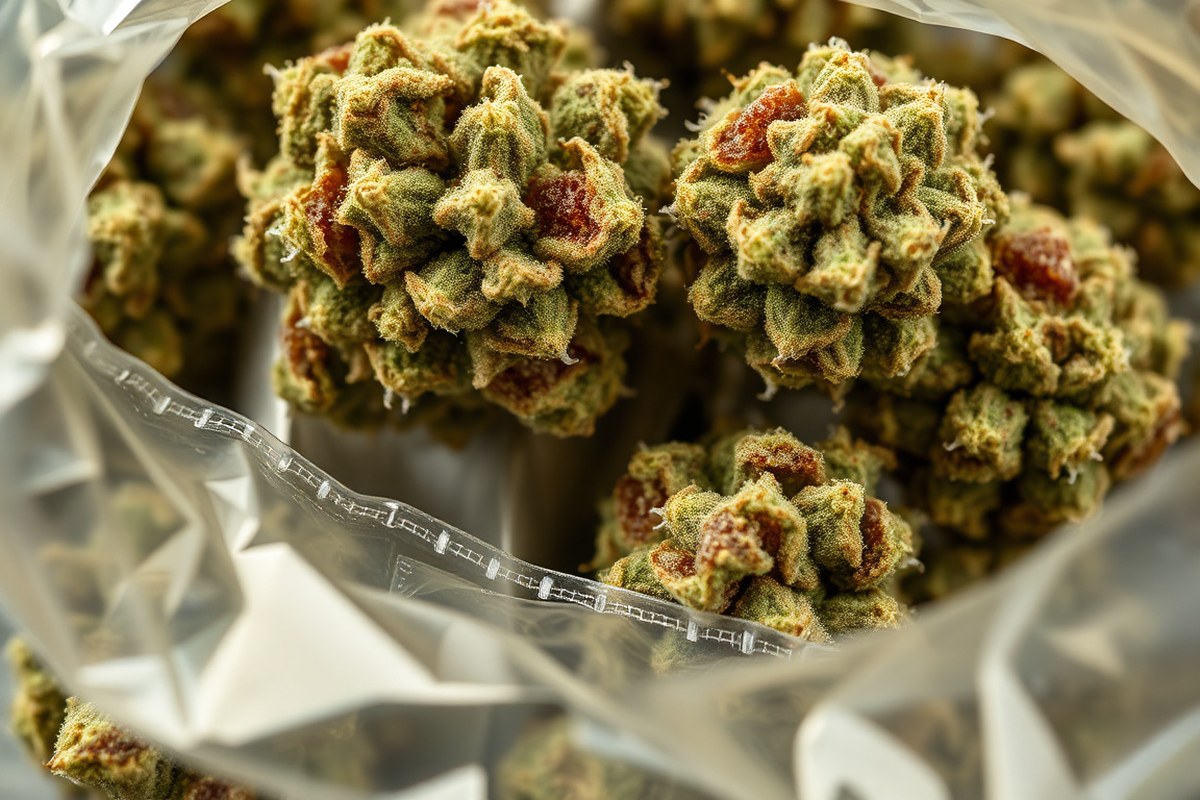
Air exposure causes weed to lose its freshness fast. Oxygen mixes with cannabinoids and terpenes, causing oxidation.
This process breaks down the compounds that give weed its smell and potency. Even when sealed, plastic bags often let in some air over time, speeding up degradation.
Moisture changes inside plastic bags also damage weed quality. Too much moisture encourages mold growth, ruining buds.
Too little moisture dries out the weed, making it harsh to smoke. Because thin plastic lets moisture pass through, the balance is hard to keep.
Light exposure is another major issue. Plastic bags don’t block UV rays well, and light breaks down cannabinoids.
Research from 1976 showed that even indoor light significantly lowers cannabis potency. Keeping your bag in a dark place reduces this damage considerably.
Heat accelerates the breakdown of cannabinoids and terpenes. Temperatures above 70°F (21°C) cause your weed to lose strength faster.
When stored in a warm spot, your buds dry out and lose their aroma. Cooler storage slows this process, preserving quality longer.
Static electricity inside plastic bags can pull trichomes from buds. These tiny, sticky crystals hold most of the plant’s cannabinoids and flavors.
Losing trichomes reduces potency and makes the weed less visually appealing. Bags designed to reduce static help protect these important parts.
Quickly open your bag to limit air exposure and keep weed fresher longer.
Which Type of Plastic Bags Are Best for Storing Cannabis?
Not all plastic bags store weed the same way. The best bags are thick, food-grade plastic, resealable, and block light well. These features keep your cannabis fresher for longer and prevent damage.
Food-Grade vs Non-Food-Grade Plastic
Food-grade plastic is made to hold consumable items safely. It doesn’t contain harmful chemicals that could affect weed’s taste or safety. Non-food-grade plastic may leach substances or odors into your cannabis.
Using food-grade plastic bags ensures your weed stays cleaner and safer. Look for bags labeled “food-safe” or “FDA approved.” These cost a little more but reduce contamination risks and preserve flavor better.
Thickness and Seal Quality
Thicker bags resist tears and punctures, protecting your weed from air and moisture leaks. Thin bags are cheaper but break easier and let in air, drying out your cannabis faster. Choose bags at least 2 mil thickness.
A good seal stops air from entering, which slows weed degradation. Poor seals leak smells and dry your herb. Test seals by pressing on a closed bag, no air should escape or enter.
Resealable vs Non-Resealable Bags
Resealable bags keep your weed airtight after each use. They reduce exposure to oxygen and keep humidity steady. Non-resealable bags expose cannabis every time you open them, drying it quicker.
Ziplock or press-to-seal bags work well and cost around $10 for 50 bags. Avoid single-use bags unless you plan to use all your weed at once. Resealable bags are better for everyday use or longer storage.
Opaque vs Clear Plastic Bags
Opaque or tinted bags block light, which damages cannabinoids over time. Clear bags let in light and speed up potency loss. If you only have clear bags, store them in a dark place.
Black or dark green bags offer the best light protection but cost a bit more. Some plastic bags have built-in UV blockers. These slow freshness loss, especially on shelves or in drawers with some light.
- Use food-grade plastic to avoid harmful chemicals
- Choose thick bags (2 mil or more) to prevent tears
- Pick resealable bags to keep air out after opening
- Store bags in cool, dark places for best results
- Opaque or tinted bags block light damage better than clear ones
- Test bag seals by pressing to check for leaks
How to Properly Seal and Double Bag Cannabis for Longer Freshness
Properly sealing and double bagging weed slows its loss of freshness. Removing air keeps buds from drying out or molding. Double bagging adds extra protection against smells and moisture.
Step 1: Choose the Right Size Bag
Pick a plastic bag that fits your weed without much extra space. A smaller bag means less air inside, which keeps buds fresher. Avoid bags that squeeze buds too tightly and crush them.
You want the contents to fit loosely but not have large air pockets. Choose bags with a zipper seal for an easy and tight close.
Step 2: Gently Loosen Buds Before Sealing
Break up large clumps of weed gently by hand without shredding the buds. Loosening buds lets air escape better while helping keep their shape. Avoid shaking or packing buds tightly in the bag.
Loose buds create less pressure on the bag’s seal and reduce mold risk. Handle the weed carefully, so the trichomes stay intact.
Step 3: Squeeze Out as Much Air as Possible
Press down on the bag slowly and evenly to push air out. Flatten the bag with your hands starting at the bottom and moving up carefully. Be gentle to avoid crushing or breaking the buds.
Pinch the bag’s top to seal it tightly once most air is gone. You can also use a vacuum-sealed bag or a pump lid container for better air removal.
- Remove any excess moisture from buds if damp to avoid mold.
- Put weed inside the bag without overfilling.
- Hold the open end tightly and press the bag against a flat surface.
- Push air out slowly with your hands to avoid crushing buds.
- Seal the zipper firmly with no gaps or leaks.
- Check the seal by squeezing lightly to confirm no air escapes.
Step 4: Place Bag Inside a Second Bag and Seal
Slide your sealed bag into another plastic bag of similar size for added protection. This extra layer guards against air, moisture, and accidental punctures. Seal the second bag just as tightly.
Double bagging reduces the chance of bud damage and smell leakage. You can put a humidity pack between bags.
It helps keep moisture steady. This stops mold growth.
Managing Humidity and Temperature Inside Plastic Bags
Controlling humidity and temperature inside plastic bags keeps your weed fresh longer. Proper moisture stops mold and prevents buds from drying out. Using humidity packs inside the bag helps maintain the right environment.
Ideal Relative Humidity Range
Keep cannabis stored at 55 to 62% relative humidity for the best freshness. This range holds the aroma, flavor, and potency without letting mold grow. Moisture below 55% can dry out your buds, making them harsh to smoke.
Humidity above 62% raises the risk of mold developing inside the plastic bag. The ideal temperature to pair with that humidity is between 60 and 70°F. This balance recreates the natural environment where cannabis stays stable.
Using 58-62% Two-Way Humidity Packs
Two-way humidity packs inside plastic bags release or absorb moisture to keep RH steady. Look for packs rated at 58-62% RH designed for cannabis storage. These cost about $1 to $2 each and last weeks to months.
Put one small humidity pack inside the bag before sealing it. This method works because plastic bags alone don’t control moisture. The packs prevent your weed from getting too dry or too wet inside the sealed bag.
Replace the pack if it feels wet or no longer feels soft. This step helps avoid mold or crumbling, which happen when humidity levels shift.
Recommended Temperature Settings
Store your bagged weed at room temperature, ideally between 60 and 70°F. Cooler conditions slow down terpene and cannabinoid breakdown. Temperatures above 70°F speed up degradation and can cause flavors to fade.
Warm rooms near heaters or sunlight can raise temperatures inside the bag. Check your storage spot with a simple thermometer. A cool, dark closet or drawer works well.
Risks of High Heat and Mold Development
Heat over 70°F encourages mold growth, especially if humidity is above 62%. Mold spores thrive in warm, moist conditions inside sealed bags. Throw away any buds that smell musty or show fuzzy white or gray patches.
Too much dryness causes the buds to become brittle and lose potency. Dry cannabis burns too hot and tastes harsh.
Plastic bags trap moisture. So conditioning the air with humidity packs helps maintain the right balance.
Keep your cannabis away from direct sunlight. Heat sources cause potency loss. It may also cause mold growth.
Signs Your Weed Is Going Bad in a Plastic Bag
You’ll notice mold on weed in a plastic bag as fuzzy white, gray, or green spots. These patches can look powdery or like spider webs. Mold spreads quickly, so toss the weed if you spot this to stay safe.
Dry weed feels crumbly and loses its stickiness. When you squeeze a bud, it should be slightly springy but not dry or brittle. When it crumbles into dust or looks powdery, potency likely dropped.
The smell of bad weed turns sour, musty, or like wet cardboard. Fresh weed gives off a sharp, piney, or citrus scent.
So a stale or ammonia-like odor signals degradation. Moldy weed might smell damp or like mildew inside the bag.
- White, gray, or green fuzzy spots mean mold growth
- Buds crumble to dust and lack stickiness
- Sour, wet, or ammonia-like smells suggest bad weed
- Green or brown discoloration beyond normal shades
- Sticky residue inside the bag turning dark or slimy
- Visible clumps if bud pieces stick and turn mushy
Check your weed under good light to spot mold or discoloration. Squeeze buds gently to test for dryness or softness.
Sniff the bag from a few inches away. This way, you avoid inhaling spores.
Plastic bags trap humidity, encouraging mold unless sealed properly. This means weed can go bad inside a few weeks if moisture is high. Discard weed if you see mold or smell off odors, no matter the storage time.
Keeping a photo on your phone helps you compare current weed to fresh batches. Use your phone camera and steady light for clear shots of colors and textures. This reference shows you normal versus degraded weed at a glance.
Comparing Plastic Bags to Other Cannabis Storage Options
Plastic bags are the easiest and cheapest option for storing weed. They cost just a few cents each and are widely available. Plastic bags aren’t airtight or moisture-proof.
This causes your weed to lose freshness faster. You might notice it dries out or smells less strong.
Glass jars offer a tight seal that keeps air and moisture out. This slows down weed degradation and preserves flavor and potency longer than plastic bags. They usually cost between $5 to $15 depending on size and quality.
Mylar bags are designed for long-term storage. They block light, air, and moisture better than plastic bags.
Most Mylar bags include a zip lock closure, making resealing easy. Prices vary from $0.50 to a few dollars per bag.
Vacuum-sealed containers remove all air from the package. This method extends weed freshness the most and prevents mold. Vacuum sealers and bags cost more at first.
Basic machines range from $40 to $100. Plus, you need to buy the special bags regularly.
| Storage Type | Seal Quality | Light Protection | Humidity Control | Cost Range | Best Use Case |
|---|---|---|---|---|---|
| Plastic Bags | Low; not airtight | None | None; can trap humidity | $0.05 – $0.20 each | Short-term or transport |
| Glass Jars | High; airtight lid | None unless tinted | Good, can add humidity packs | $5 – $15 each | Medium to long-term at home |
| Mylar Bags | High; resealable zip | Excellent | Good; reduces moisture | $0.50 – $3 each | Long-term storage or travel |
| Vacuum-Sealed Bags | Very high; no air inside | Depends on bag type | Excellent; prevents mold | $40 – $100 for sealer, plus bags | Best for extended preservation |
Mylar bags offer better light and air protection than plastic. They keep weed fresher for several months.
Glass jars can also keep weed fresh, especially if you add humidity packs. They last longer than plastic but don’t block light unless tinted.
Vacuum-sealing pulls out oxygen and moisture, which preserves weed much longer than plastic or Mylar. This method works great if you plan not to open your stash for months. You’ll pay more upfront, but the freshness payoff is worth it.
Plastic bags are best when you need quick, easy storage or transport. Don’t expect plastic to keep weed fresh beyond a few days. For storage longer than a week or two, you should change your method.
Glass, Mylar bags, or vacuum sealing work better. They keep weed fresher for longer periods.
When and How to Transition from Plastic Bags to Better Storage
You should take your weed out of plastic bags soon. Avoid keeping it there longer than two weeks. Long storage in plastic can reduce weed quality.
Plastic bags can pull trichomes off buds because of static. They don’t control humidity well. Storing weed beyond this period in plastic risks drying it out or causing mold growth.
Switching to airtight containers like glass jars helps keep buds fresh longer. To protect your buds during transfer and save the trichomes, handle them gently and avoid crushing. A slow, careful move into the jar limits damage and preserves potency and smell.
Follow these steps for a smooth transfer and better long-term storage:
- Clean your glass jar and dry it completely before use.
- Lay out a clean, flat surface to catch any loose trichomes.
- Open the plastic bag slowly to avoid shaking the buds.
- Use your fingers or tweezers to lift buds gently, avoiding squeezing.
- Place the buds lightly into the jar without packing them too tightly.
- Seal the jar firmly to keep air and moisture out.
- Store the jar in a dark, cool place between 60°F and 70°F.
- Check humidity levels inside the jar, aiming for 55% to 62% relative humidity.
Handling buds with care during transfer reduces trichome loss and keeps your weed potent. Placing buds loosely in the jar allows air circulation, which stops moisture buildup. Avoid overfilling; crowded buds risk mold from trapped humidity.
Never shake or squeeze buds when moving them; it pulls off valuable trichomes.
Step-by-Step Action Plan for Storing Weed in Plastic Bags
Keep your cannabis fresh and potent using plastic bags. Follow these steps. They help preserve your weed longer.
- Before you start: Pick a high-quality, resealable mylar or PE plastic bag. These reduce air and moisture exposure.
- Day 1: Dry your weed if it feels too moist. Don’t overpack it inside the bag. This avoids crushing your cannabis.
- Day 1: Add a small humidity pack set to 62% relative humidity. This keeps moisture balanced inside the bag.
- Day 1: Seal the bag tightly. Check carefully for any gaps to keep air out. This helps preserve potency.
- Week 1: Store the bag in a cool, dark spot. A closet or drawer works well. Keep it away from heat and light.
- After 2 weeks: Check the weed for signs of dryness or mold. Switch to glass storage if your weed gets too dry.
- After 1 month: Notice a drop in smell or potency? Move your stash to a better container for longer storage.
Frequently Asked Questions
Will Weed Go Bad in a Plastic Bag?
Yes, weed can go bad in a plastic bag. Air, light, and moisture make it degrade.
These factors harm the weed’s quality. Removing air and keeping it cool slows this. But plastic bags aren’t airtight long-term storage.
Is 2 Year Old Weed Still Good to Smoke?
Two-year-old weed may still be okay, but potency drops about 16% after a year. It also loses flavor and can dry out or grow mold if poorly stored.
How Long Will Weed Stay Good in a Sealed Bag?
Sealed plastic bags keep weed fresher for a few months but not years. Over time, THC declines and buds dry or get squashed.
Is Weed from 4 Years Ago Still Good?
Weed from four years ago probably isn’t fresh or strong. Plastic bags don’t keep it well.
Potency fades over time in these bags. It loses THC and may smell or taste bad.
Can You Store Weed in Plastic Bags Without a Humidity Pack?
You can, but it’s riskier. Without a humidity pack, weed may dry out or mold faster inside plastic bags.
Does Freezing Weed in Plastic Bags Keep It Fresh Longer?
Freezing in plastic bags can preserve weed but may cause moisture buildup and damage trichomes. It’s better to use airtight containers.
The Bottom Line
Weed stays good in plastic bags for about one to two weeks if stored right. Keeping it dry, sealed, and cool helps preserve freshness. Upgrade to glass containers as soon as you see quality drop from the plastic bag.


