Do Carpenter Ants Have Stingers? Clear Answers and Bite Treatment Tips
Do carpenter ants have stingers? The short answer is no, they don’t. Unlike fire ants or velvet ants, carpenter ants lack stingers and can’t inject venom.
Carpenter ants bite instead of sting. Their strong jaws can pinch your skin but don’t release venom like stinging ants. The bite might feel sharp but isn’t dangerous in most cases.
Even without stingers, their bites may cause mild irritation or redness. It helps to clean the area with soap and water and apply a cold compress first. Avoid scratching to prevent infection or worsening irritation.
Carpenter ants are more of a threat to wood structures than people. They tunnel through wood to build nests and damage homes over time. Controlling them is key to protecting your house rather than worrying about stings.
Key Takeaways
- Carpenter ants don’t have stingers, so they cannot sting people.
- They defend themselves by biting with large jaws, causing pinch marks.
- Bites often result in mild swelling or redness but rarely serious reactions.
- Clean bites with soap and water and apply a cold compress for relief.
- Watch the bite site for worsening symptoms beyond 48 hours.
- Reduce wood mulch near foundations to deter carpenter ant nests.
Do Carpenter Ants Have Stingers or Sting People?

Carpenter ants do not have stingers, so they cannot sting humans or animals. These ants don’t have the body part that injects venom. Fire ants and bullet ants do have this part.
This means these ants cannot sting you. The pain you might feel comes from their bite.
They also spray a chemical that hurts. They do not sting like some ants do.
People often confuse carpenter ant bites with stings because these ants spray formic acid. This acid can burn or irritate the skin, causing a sharp, sting-like sensation. You might be surprised by the reaction to their bite.
Many common ants inject venom with true stingers. These ants only bite and spray chemicals.
Another reason for the confusion is how carpenter ants look and act. These ants are some of the largest in North America. People often mistake them for wasps or stinging insects.
Their size and look confuse many homeowners. Their size and aggressive behavior when defending themselves often make people assume they can sting.
How Carpenter Ant Bites Differ from True Ant Stings
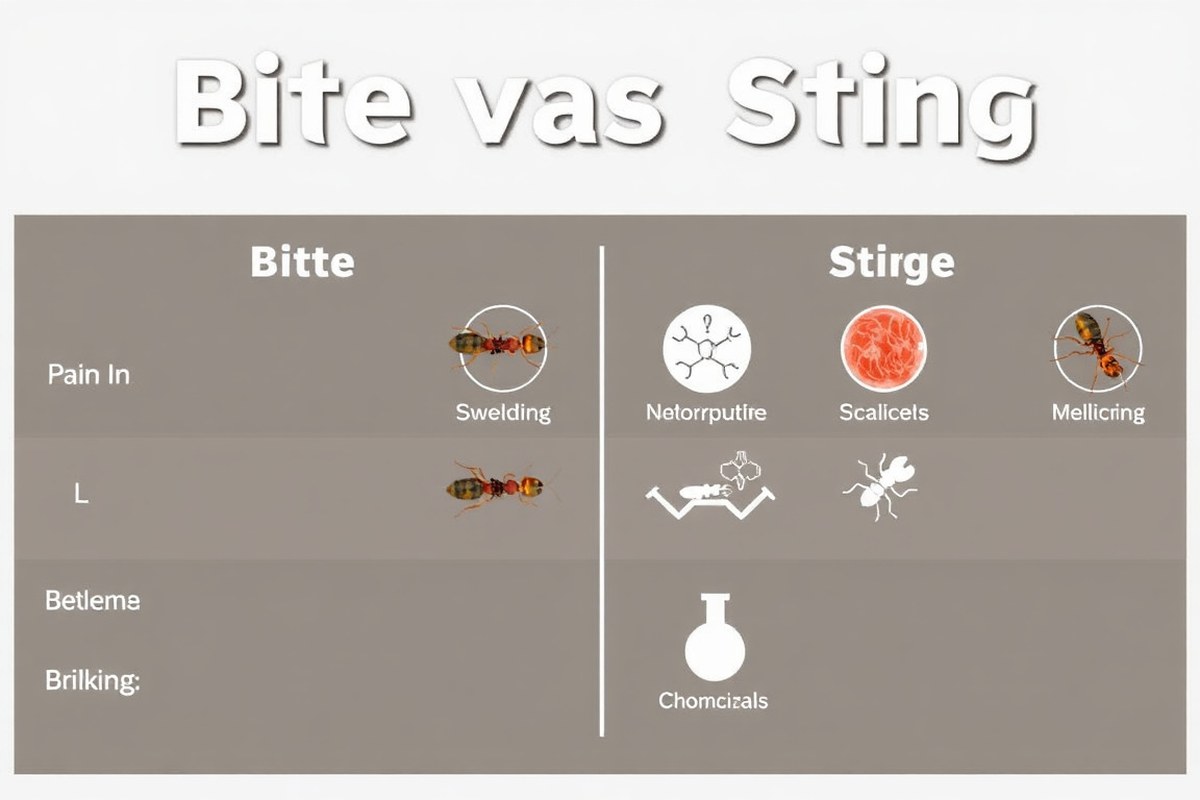
Carpenter ants bite using their strong jaws, but they don’t have stingers. This bite leaves a mild to moderate pinch and sometimes a brief burning sensation. The burning comes from formic acid they spray into the bite, not venom.
Many confuse carpenter ant bites with stings from fire ants or wasps. Those insects use stingers to inject venom, causing more severe pain, swelling, and sometimes allergic reactions. Unlike carpenter ants, fire ants create a painful burning lasting longer and often leave pustules.
Here is a clear comparison to help you spot the difference between bites and stings:
| Feature | Carpenter Ant Bite | Insect Sting (e.g., Fire Ant) |
|---|---|---|
| Main action | Bites with mandibles | Injects venom with a stinger |
| Stinger present | No | Yes, in many species |
| Pain level | Mild to moderate pinch or burn | Mild to severe burning pain |
| Chemical involved | Formic acid may irritate skin | Venom is injected |
| Common reaction | Red bump, itching, slight swelling | Swelling, pain, welts, or allergic reaction |
| Risk level | Usually low | Can be higher depending on insect and allergy |
Carpenter ant bites typically cause a sharp pinch that lasts for hours. The injected formic acid causes a burning feeling but is not venomous. Fire ant stings often cause redness, swelling, and itching.
They also cause painful welts. These welts can last for several days.
This difference matters if you react strongly to bites or stings. Carpenter ant bites rarely need medical attention.
Stings might require treatment, especially for allergic reactions. Always watch for swelling beyond the bite area or breathing trouble after any sting.
Clean a carpenter ant bite right away to avoid infection. Don’t scratch the bite. Usually, bites are minor.
What Carpenter Ant Bites Feel Like and Typical Symptoms
A bite from a carpenter ant feels like a quick, sharp pinch on your skin. This sudden pain lasts just a few seconds. It can leave a mild stinging feeling.
Sometimes, you might feel a slight burning sensation. Carpenter ants bite using strong jaws.
This bite feels more like a pinch than a sting. It can cause a sharp but brief pain.
After the bite, you may notice redness and slight swelling around the spot. The skin might itch a bit, but any irritation generally stays mild. These bite symptoms tend to go away within a day or two without any treatment.
Most people won’t have serious trouble from a carpenter ant bite. Some might feel minor pain or itchiness. However, allergic reactions, while rare, can happen.
Look for swelling in the face or throat. Trouble breathing is a serious sign.
Hives spreading on your body also matter. These need immediate medical help.
The bite area can get infected from too much scratching. Germs can enter the skin this way. Watch for increased redness or pus.
Keep the spot clean by washing it gently with soap and water. Applying a cold compress or over-the-counter hydrocortisone cream may help ease discomfort. Avoid scratching to reduce infection risk.
Bites often happen after you disturb a nest or handle wood infested with these large ants. Carpenter ant workers reach up to half an inch long.
So their bite can feel stronger than a small ant’s. Identifying the source of the bite helps you know what to expect from the symptoms.
Most bite symptoms don’t last more than 48 hours. Pain, swelling, or redness that grows past this time might signal infection.
It could also mean a different insect caused the bite. Getting a doctor’s advice is the safest step if your symptoms worsen or don’t improve quickly.
How Carpenter Ants Defend Themselves Without Stingers
Carpenter ants don’t have stingers, but they protect themselves using their strong mandibles. These jaws can bite hard enough to break human skin. After biting, they spray formic acid into the wound to increase pain and discourage attackers.
Formic acid plays a key role in their defense. It causes a burning sensation that makes the bite feel worse than usual. The ants spray acid from their abdomen tip.
They aim it at the fresh bite wound. This helps them defend against attackers. This chemical defense irritates the skin and acts as a warning to potential threats.
Their mandibles aren’t just for biting. They serve as sharp tools to clamp down and hold onto the target.
This biting action lets them inject formic acid accurately. Because of these features, carpenter ants can defend themselves well even without a stinger.
Identifying Carpenter Ants Compared to Other Ants and Termites
Carpenter ants look different from termites and other ant species. Their size and shape can help you spot them. You also need to watch for certain clues showing they live nearby or inside your home.
Size and Color Characteristics
Carpenter ants vary in size from about a quarter to five-eighths of an inch long. The largest ones in a colony, called major workers, are closer to five-eighths of an inch. Their bodies show size differences among workers.
Other ants often look the same size. This difference helps identify carpenter ants.
Color-wise, carpenter ants tend to be black, red, or a mix of both. This color mix helps tell them apart from others. Some ants have just one color.
The mix makes identification easier. Knowing these details saves time when figuring out what kind of ant you have.
Physical Features Unique to Carpenter Ants
Carpenter ants have a narrow, pinched waist between their thorax and abdomen. Termites, by contrast, have bodies with straight sides that don’t pinch in. Check the waist shape quickly if you see an ant.
Look when it crawls on walls or floors. The shape is a clear sign.
Their bodies also have a rounded thorax without any spines or bumps. Carpenter ants come in the Camponotus genus. It has over 1,000 species.
Their sizes and markings can vary a lot. But you’ll still see this pinched waist. Leg length and antenna shape are other subtle clues to use.
Signs of Carpenter Ant Infestation
Look for small piles of frass, which are wood shavings left near wooden areas. These piles show carpenter ants have tunneled inside. You might see small holes on wood.
These holes are often under window sills. They can also be near door frames.
Regular sightings of large ants indoors, especially winged ones, suggest a colony inside your house. A few colonies may have 50,000 ants or more.
So these sightings are serious signs. Don’t ignore wood damage because slow buildup over years can weaken floors and walls.
- Visible wood shavings or frass near wooden parts of your home
- Small, round holes in wood surfaces
- Large black or red ants inside, often with workers of various sizes
- Winged ants flying indoors, especially in spring or summer
- Rustling noises inside walls or hollow-sounding wood
- Soft or damaged wooden beams, floors, and window frames
Seeing any of these signs means you should check carefully and consider professional help. Leaving an infestation untreated affects your home’s structure in the long run.
Check for different worker sizes within the group to confirm carpenter ants. Most ants in a colony look just alike. So size differences are a big clue.
How to Safely Treat Carpenter Ant Bites at Home
You can treat carpenter ant bites at home by cleaning and soothing the area. Using cold packs and over-the-counter creams helps reduce pain and swelling. Watch for worsening symptoms that need medical care.
Immediate First Aid Steps
Start by washing the bite well with soap and water to cut dirt and germs. This lowers infection chances and calms the skin. Avoid scratching to prevent further irritation or infection.
Follow these steps right after a bite:
- Wash the bite gently using warm water and mild soap.
- Pat the area dry with a clean towel.
- Apply a cold pack wrapped in cloth to the bite site.
- Hold the cold pack on the bite for 10 to 15 minutes.
- Remove and wait at least 1 hour before reapplying if needed.
Recommended Home Treatments
Cold compresses help reduce swelling and numb the area. Use them for 10 to 15 minutes several times a day as needed. Over-the-counter hydrocortisone creams or calamine lotion calm itching and redness.
You can also take an oral antihistamine if the itch is strong. These medicines cost around $10 or less and are available at most pharmacies. Avoid home remedies that are harsh on skin like vinegar or alcohol.
Warning Signs for Medical Evaluation
Watch for spreading redness, pus, or increasing pain after two days. These signs could mean an infection needing antibiotics from a doctor. Also seek help if you have fever or red streaks near the bite.
Call emergency services if the bite causes severe swelling, trouble breathing, or facial swelling. These symptoms suggest a serious allergic reaction needing urgent care. Persistent pain or no improvement after several days also needs medical attention.
How to Prevent Carpenter Ant Bites and Avoid Infestations
Carpenter ants like moist wood and easy paths into your home. Keep trees and plants trimmed so they don’t touch your house. This stops ants from using branches to crawl in.
Moist wood piles near your home also attract them. So store firewood away from your walls.
Mulch close to your foundation gives ants a perfect place to nest. Keep the trench only 2 to 3 inches deep. Pull it back a few inches from the building.
This helps stop ants from reaching your home. This makes your home less inviting for carpenter ants.
Also, watch for small rustling sounds in walls at night. That’s when these ants are most active and looking for food.
- Trim trees and plants so they don’t touch your house
- Reduce mulch depth to 2-3 inches and keep it away from walls
- Store firewood at least 20 feet from your home
- Seal cracks and holes in your home’s foundation and walls
- Remove rotten or damp wood from around your yard
- Keep kitchen counters clean and food sealed to avoid attracting ants
- Check for and repair leaks to reduce moist environments
Sealing gaps around windows, doors, and pipes keeps ants outside. Removing damp or rotten wood lowers chances of nesting near your house. Clean up food crumbs and store food in tight containers to avoid attracting ants indoors.
Avoid areas with ants at night to reduce bites. Wear gloves when you handle wood piles. These steps lower your chance of getting bit.
Carpenter ants can be hard to spot. Pest control pros have tools to find hidden nests. They can help solve your ant problems.
They also use methods that protect your home from long-term damage. In places like Knoxville, a pro can save you time and expense by stopping ants early.
When Carpenter Ant Bites Worsen: Signs to See a Doctor
Watch for worsening symptoms around carpenter ant bites that could signal infection or allergies. Mild irritation is normal, but redness, swelling, or breathing trouble need a doctor’s evaluation. Treat bites early to avoid more serious problems.
Signs of Secondary Infection
An infected bite often grows more red and warm over several days. You might see pus or fluid leaking from the sore. The surrounding skin can feel tender and painful to the touch.
Infections need quick care to prevent spreading. Check for these signs:
- Increasing redness or warmth around the bite
- Swelling that gets worse instead of better
- Yellow or green discharge from the wound
- Pain that grows sharper or throbbing
- Red streaks spreading away from the bite site
- Fever or chills developing after the bite
These symptoms mean bacteria could be causing a secondary infection. A doctor can prescribe antibiotics if necessary.
Severe Allergic Reaction Symptoms
Some people react badly to carpenter ant bites beyond typical itching. Severe allergic reactions can come on fast and become dangerous. Signs include swelling that affects the face or throat.
Watch for these urgent symptoms:
- Difficulty breathing or swallowing
- Swelling of lips, tongue, or throat
- Hives covering large body areas
- Dizziness or fainting
- Rapid heartbeat or chest tightness
These symptoms could mean anaphylaxis. Call emergency services right away if you see them.
Get a clear plan from your doctor if you have severe allergies. Always carry prescribed emergency medication.
Medical Treatment Options
Doctors assess the bite and symptoms to choose proper treatment. Mild cases often only need cleaning and over-the-counter creams. Infection or allergy cases get stronger treatments.
Possible medical care includes:
- Oral antibiotics for infections
- Prescription antihistamines or corticosteroids for allergies
- Emergency epinephrine for anaphylaxis
- Pain relievers to ease discomfort
- Wound care instructions to keep the area clean
Follow your doctor’s advice carefully and watch that symptoms improve within days. Seek another visit if things worsen or new issues appear.
Step-by-Step Action Plan to Manage Carpenter Ant Bites
Follow these easy steps to handle bites and lower your chance of future problems.
- Right after a bite: Clean the area with soap and water to prevent infection.
- Within the first hour: Apply a cold pack to ease pain and reduce swelling.
- Day 1: Use over-the-counter hydrocortisone cream or an antihistamine to control itching.
- Days 2-3: Watch the bite site for signs of worsening, like spreading redness or pus.
- Week 1: Remove habitats around your home, like wood piles or rotting logs.
- Week 2: Seal cracks or holes in your home’s foundation and walls to block ant entry.
- Month 1: Look for new ant activity around your home. Treat early with bait stations or call a pest control pro. This helps stop ants before they spread.
Frequently Asked Questions
Can Carpenter Ants Bite Through Clothes?
Carpenter ants have strong jaws but usually cannot bite through thick clothes. These ants may bite skin when threatened.
Wearing long sleeves can protect you. This is useful near infestations.
Do Carpenter Ant Bites Cause Allergic Reactions?
Some people might react badly to carpenter ant bites. Look out for swelling and redness. Seek medical help for breathing problems.
How Fast Do Carpenter Ants Infest Wood?
Carpenter ants start tunneling wood within days after finding a suitable spot. Their damage builds slowly but steadily, so early detection matters for your home.
Can Carpenter Ants Re-Infest Treated Areas?
Yes, carpenter ants can return if nests or food sources remain nearby. Effective treatment includes removing nests and sealing entry points to keep them out.
Do Carpenter Ants Prefer Certain Wood Types?
Carpenter ants favor damp or decayed wood but can tunnel through many wood types. Keeping wood dry reduces the chances they’ll settle in your home.
Are Carpenter Ants Attracted to Light?
Carpenter ants are not attracted to light; they prefer dark, moist areas. You’re more likely to find them inside walls or near wood damage than around light sources.
Before You Go
Carpenter ants don’t have stingers, but their bites can still hurt. You can ease symptoms at home and stop ants from coming back. Start by cleaning bites and removing wood debris near your house now.