Are Trees Native to Las Vegas? Native Tree Guide with Care and Benefits
Are trees native to Las Vegas? Yes, some trees naturally grow in this desert area.
These natives have adapted to its heat, dry soil, and low rainfall. You can find a few native species that survive with little water and intense sun.
Native trees in Las Vegas survive summer temps over 100°F. They can grow with just 4 inches of rain yearly. These trees are tough and drought-friendly.
They grow in soil with less than 1% organic matter. These tough conditions mean native trees often stay smaller and need careful planting techniques.
Choosing native trees means less watering and maintenance compared to non-natives. Starting with young seedlings helps them establish in tough desert soil. Be ready to provide steady water until they root well.
Key Takeaways
- Native Las Vegas trees thrive despite soil organic matter below 1%.
- Las Vegas falls in USDA hardiness zone 9a, with mild winters.
- Native trees tolerate heat above 100°F and require minimal water once grown.
- Use young seedlings aged 1-3 years to improve planting success.
- Provide regular irrigation during establishment due to only 4 inches of rainfall.
- Native trees tend to stay smaller, matching desert landscape scale.
Are There Native Trees Naturally Found in Las Vegas?
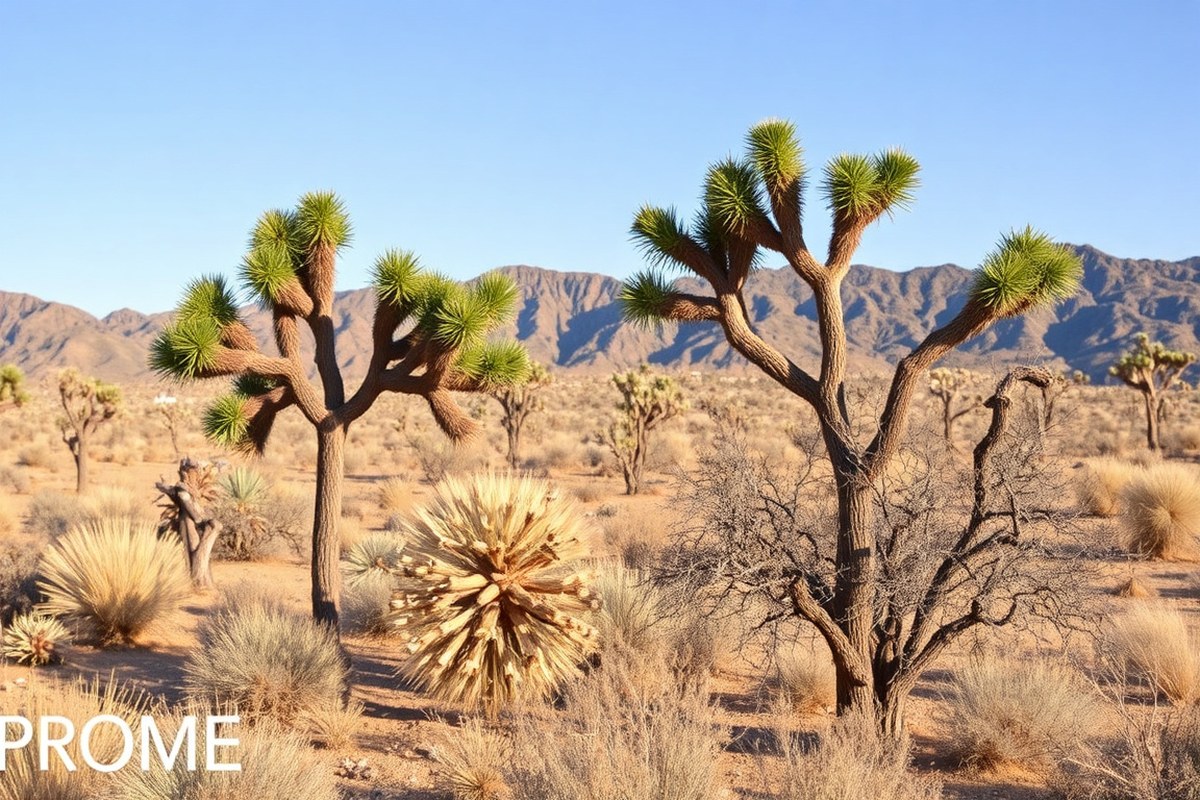
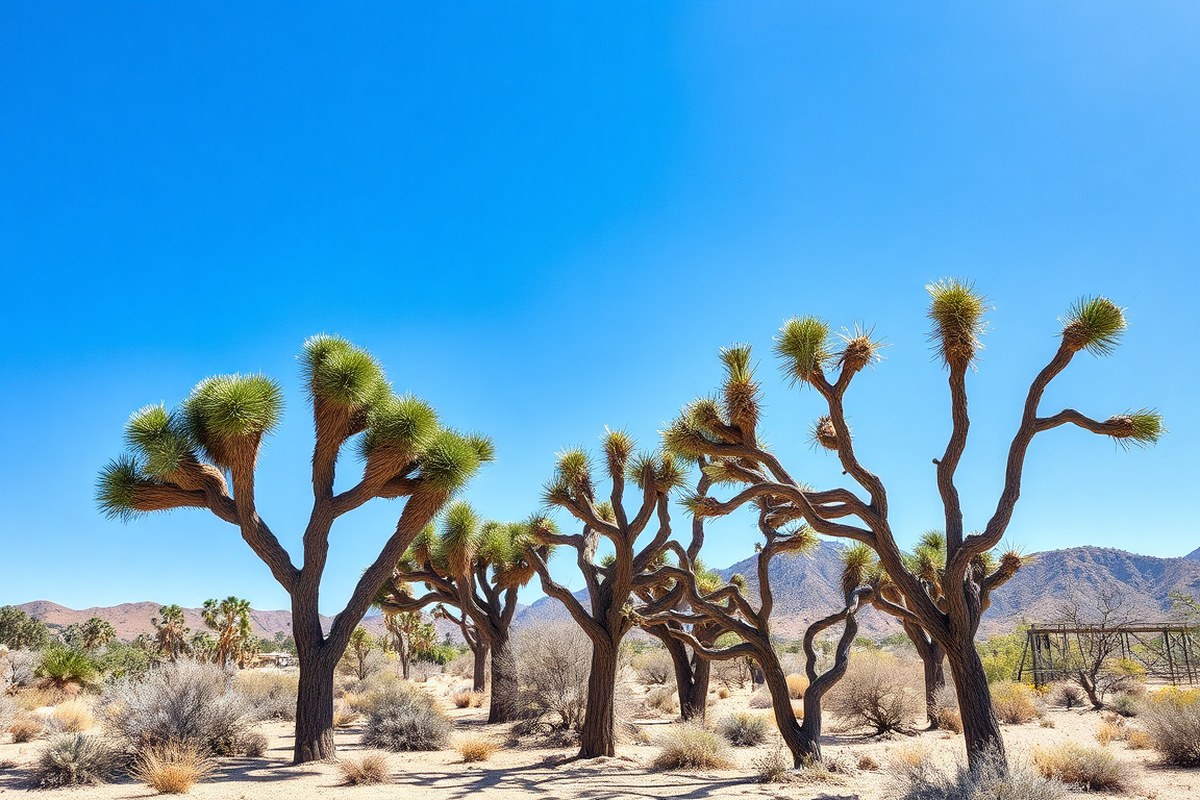
Yes, there are trees native to Las Vegas and the surrounding Mojave Desert. But the list is fairly short. The Joshua tree is one of the most iconic native species, thriving in this harsh environment.
Desert willow and honey mesquite are true natives. They survive with very little water. These trees are well adapted to the desert.
People sometimes mistake other popular trees as native. African sumac and crape myrtle are often confused this way. They are not native to the area.
These trees are common in local yards. They come from other regions.
They need more water than native trees do. To identify native trees, look for ones naturally growing in the Mojave Desert without irrigation.
Native trees tolerate poor soil with less than 1% organic matter. They can handle temperatures over 110°F. These are key signs of native trees. Creosote bush and Mojave yucca have deep roots.
Their tough leaves help lower water loss. These traits help them survive in the desert. Check local native plant nurseries for true native species.
City landscaping guides also help. They show which plants suit your area best.
Key Native Trees in Las Vegas and Their Characteristics

Several native tree species thrive naturally in Las Vegas. They differ in size, water needs, and tolerance for heat and cold. Knowing their traits helps you pick the right tree that fits your yard and local climate.
Desert Willow (Chilopsis Linearis) Traits and Uses
Desert Willow grows 15 to 25 feet tall with a moderate growth rate. It shows excellent drought tolerance and adapts well with minimal water once established. Its orchid-like flowers add color and attract pollinators during the hot summers.
This tree withstands Las Vegas’ extreme heat and occasional cold snaps. It prefers sandy or gravelly soil and provides good shade without demanding much water. Regular pruning helps maintain a healthy shape and encourages more blooms.
Joshua Tree (Yucca Brevifolia) Adaptation Details
Joshua Trees grow slowly but can reach large sizes over decades. They handle extreme drought with minimal water and survive intense heat, typical of the Mojave Desert. The tree’s iconic silhouette makes it a special landscaping choice.
Native to areas including Nevada, this tree thrives in alkaline desert soil and low humidity. It tolerates cold snaps down to 10°F and heat above 100°F. Its deep roots help it survive in poor soil with little water.
Honey Mesquite (Prosopis Glandulosa) Role in Desert Ecology
Honey Mesquite trees grow medium to large, reaching 20 to 30 feet tall. They adapt well to the desert’s heat and cold and are drought tolerant once established. Their dense canopy provides valuable shade and habitat for wildlife.
This species fixes nitrogen in the soil, improving fertility naturally. Honey Mesquite has deep roots that tap underground water efficiently, reducing the need for extra irrigation. It’s a practical choice for creating shade in tough desert yards.
Other Native Species Overview
Besides the key trees, several shrubs and smaller plants support desert landscaping. The Creosote bush uses very little water and has evergreen dense foliage. Desert sage offers silvery leaves and lavender blooms, tolerating moderate drought.
Mojave Yucca stands tall with stiff leaves and thrives on minimal water. Desert marigold brightens gardens with yellow flowers and requires only occasional watering. These species complement native trees for a balanced landscape.
The table below summarizes main native trees and their key traits. These details help you match trees to your yard’s conditions and care capacity.
| Species | Primary Adaptation & Landscape Role | Mature Size (feet) | Water Needs | Heat & Cold Tolerance (°F) | Growth Rate |
|---|---|---|---|---|---|
| Joshua Tree (Yucca brevifolia) | Slow-growing, drought-extreme; iconic silhouette | 15-40 | Very low | 10 to 110+ | Slow |
| Desert Willow (Chilopsis linearis) | Drought tolerant; flowering shade tree | 15-25 | Low | 15 to 110+ | Moderate |
| Honey Mesquite (Prosopis glandulosa) | Medium-large, nitrogen-fixer, shade provider | 20-30 | Low once established | 10 to 110+ | Moderate |
| Creosote Bush (Larrea tridentata) | Very low water use, dense evergreen shrub | 6-10 (shrub) | Very low | 20 to 110+ | Slow |
| Mojave Yucca (Yucca schidigera) | High heat tolerance, minimal irrigation | 8-15 | Very low | 20 to 110+ | Slow |
This summary shows you exactly what to expect from each native species. The right tree grows well with fewer resources, saving time and money on care. Choosing appropriately sized and water-wise trees avoids common problems like poor growth or drought stress.
Water young native trees regularly for the first year, then reduce frequency to match natural rainfall.
How Native Trees Survive Extreme Las Vegas Climate
Native trees survive Las Vegas heat by developing deep root systems. These roots reach far underground to tap scarce water stored deep in desert soil. Their leaves often have a waxy surface.
Some leaves are very small. These changes help reduce water loss during dry spells.
They also tolerate very poor soil with low organic matter. These trees grow in sandy, alkaline soils without needing much extra nutrients.
Adding compost or manure helps new trees. Mature trees do fine using minerals already in the soil.
Low water use is key. These trees open their stomata mostly at night to limit water loss under extreme daytime heat.
They grow slowly, using water only as needed to survive long dry stretches. This adaptation cuts down on extra irrigation in your yard.
Some species like honey mesquite thrive with little water. Aleppo pine also grows well in poor soil. Honey mesquite can withstand temperatures dropping to 17 degrees Fahrenheit and tolerates alkaline water.
Aleppo pine grows well in fast-draining soil. It can handle summer heat above 100 degrees easily.
Plant native trees where sun and shade fit their needs. This matches their natural ways of surviving.
Water them deeply but less often at first to encourage roots to grow deep. This mimics desert rain patterns and helps trees thrive with minimal care.
Benefits of Using Native Trees for Las Vegas Landscaping
Native trees fit naturally into the Las Vegas environment. They use less water than non-native trees because they evolved with the desert’s scarce rainfall. You save money on water bills and help conserve limited water resources.
These trees create homes and food for local animals and insects. Birds can nest safely, while native pollinators get the nectar and pollen they need. This support boosts local biodiversity, keeping ecosystems balanced and healthy.
Because native trees are tough in the desert heat, they need less care. They withstand temperatures above 100°F and poor soil conditions without much fertilizer or watering. That means less work and fewer chemicals in your yard.
- Provide shelter and food for desert birds and pollinators
- Use natural rainfall efficiently, reducing irrigation needs
- Survive hot summers and poor soil with minimal maintenance
- Help prevent soil erosion with deep root systems
- Improve your yard’s natural beauty with native colors and shapes
Planting native trees usually involves less watering during the first two years. After they settle, you can often rely solely on natural rainfall. This saves time and offers a more sustainable approach than exotic trees that need constant watering.
The strong root systems of native trees help hold desert soil in place. They stop wind and water erosion better than many non-native species. That means your landscaping stays healthy and avoids dusty problems.
Planting and Establishing Native Trees in Las Vegas Soil
Planting native trees in Las Vegas needs proper soil prep, careful watering, and mulching. These steps help the trees handle the dry soil and heat. Young trees need extra care until roots grow deep.
Preparing Soil and Planting Hole
Native desert soils hold nutrients but drain fast. Avoid heavy soil amendments that trap water. Loosen the soil well to help roots spread.
Dig a hole about twice as wide as the tree’s root ball but no deeper. This stops the tree from sinking too low and damaging roots.
- Choose a sunny spot with well-draining soil.
- Dig a wide, shallow hole twice the root ball width.
- Loosen the surrounding soil to ease root growth.
- Set the tree at the same depth it grew in its container.
- Backfill gently with native soil; avoid heavy soil mixes.
- Pat the soil firmly to remove air pockets.
- Create a small basin around the tree to catch water.
Don’t add heavy fertilizers or clay soil. These trap water and hurt roots.
Initial Watering and Irrigation Setup
New native trees need regular watering during their first 2, 3 years. Deep soaking helps roots reach moisture far down. It’s better than frequent shallow watering.
Use drip irrigation for targeted watering. This fits water rules in Las Vegas and saves water. Adjust water depending on the season and heat.
- Soak the tree well right after planting.
- Water deeply twice a week during the hot months.
- Reduce watering as roots establish in year 2 and 3.
- Check soil moisture regularly to avoid over- or underwatering.
- Turn off irrigation after the tree is firmly established.
Don’t let water pool for long around the tree base; it can rot roots.
Mulching and Ongoing Care Tips
Spread 3 to 4 inches of organic mulch around the tree base. Mulch keeps soil cool and moist and stops weeds. Keep mulch a few inches from the trunk to avoid rot.
Trim damaged or dead branches yearly. Pruning helps shape the tree and supports healthy growth. Native trees need less fertilizer; avoid using excess nutrients.
- Apply a thick mulch ring about 3 feet wide around the tree.
- Avoid piling mulch against the tree trunk.
- Prune trees lightly during winter or early spring.
- Observe trees for pests but use pesticides only if needed.
- Check irrigation lines seasonally and fix leaks or clogs.
Avoid over-fertilizing; native trees can suffer salt build-up in dry soil.
Recognizing Successful Establishment Signs
Look for new leaf growth and healthy green color by late summer. Leaves that don’t wilt during heat spells show good root health. The tree’s trunk should feel solid without cracks or softness.
Roots may slightly push soil at the base, a sign they spread well. Slow growth the first year is normal. Consistent growth after year two usually means the tree is well established.
Comparing Native Trees to Popular Non-Native Trees in Las Vegas
Native desert trees usually need less water and care. Non-native trees like Italian Cypress or Palo Verde require more. This makes desert natives easier to maintain overall.
These natives are built for the harsh Las Vegas climate, meaning they survive with less care. Non-native trees may grow faster or offer more shade but require more water and attention.
Italian Cypress can survive desert heat. It still needs regular watering in summer’s hottest months. So, plan to irrigate often during heat waves.
Palo Verde trees. Still, non-native, do adjust well here but demand more frequent watering and pruning. Native trees keep your water bills lower and trimming easier.
Non-native trees offer quicker privacy or shade. They need more water and care to thrive. Choose them if you’re okay with those demands.
| Tree Type | Water Needs | Maintenance | Growth Rate | Climate Resilience |
|---|---|---|---|---|
| Native Desert Trees (e.g., Mesquite, Desert Willow) |
Low – Natural rainfall + occasional deep watering | Low – Minimal pruning, drought-tolerant | Slow to Moderate – 1 to 2 feet/year | High – Adapted to 100°F+ temps, low humidity |
| Italian Cypress | Moderate – Weekly watering in summer | Moderate – Pruning to maintain shape | Fast – 2 to 3 feet/year | Moderate – Handles heat but not extreme dryness |
| Palo Verde | Moderate to High – Needs more frequent water | Moderate – Regular trimming for health and shape | Fast – Up to 3 feet/year | Moderate – Prefers desert but needs care in extreme heat |
Choosing native trees means less time and money spent watering. It also lowers trimming hours, since these trees handle drought and heat well. Trees like Italian Cypress or Palo Verde grow shade fast.
They raise water costs and require more pruning. Expect extra work and bills with these choices.
Your decision depends on what you want: easy care or quick coverage. For example, if you want privacy in 3 to 5 years, Palo Verde might work better. But if you want the lowest water use and care, native desert trees are best.
Design your yard to match your trees’ needs. That saves water and cuts down maintenance time. It helps keep your garden healthy in Las Vegas heat.
Common Mistakes and How to Fix Them When Growing Native Trees
Common Mistakes and How to Fix Them When Growing Native Trees
One common mistake is overwatering native trees. These trees are used to dry conditions. So their roots can rot if you water too often.
Check the soil moisture by feeling it an inch below the surface. Water only when it feels dry, usually every 7 to 10 days once established.
Planting native trees in shady or poorly prepared soil is another issue. Most native Las Vegas trees need full sun for at least six hours a day. Clear competing plants first.
Loosen soil to 12 inches deep. This helps roots grow and improves drainage.
Here are some simple fixes you can use to help your native tree survive and thrive:
- Water deeply and less often to encourage root growth
- Plant in a sunny spot with well-drained soil
- Remove non-native plants nearby that use up water and nutrients
- Check for pests or signs like yellowing leaves, which show stress
- Add mulch around the base but keep it a few inches from the trunk
- Plant during spring or fall when temperatures are milder
- Use soil amendments like compost to improve poor soil, if needed
You can spot stress in native trees by brown leaves. Early leaf drop is another sign. Wilting or slowed growth also means the tree might not be getting enough water or sunlight.
Look closer at the soil too. Cut back on watering if soil stays soggy too long.
Fixing these problems starts with adjusting watering routines and checking the planting site. Using mulch holds moisture but also prevents weeds that compete for water. Plant native trees during cooler months.
This avoids heat shock. Roots get time to settle before summer.
Choosing the Right Native Trees for Your Las Vegas Yard
Choosing the right native tree depends on your yard size, goals, and climate. Some trees suit small spaces while others need room to spread. Matching a tree’s features to your yard helps it thrive with less work.
Native Trees Suitable for Small Yards
Small yards benefit from trees like the Desert Museum Palo Verde or Texas olive. Texas olive grows up to 10 feet tall, ideal for patios or tight spaces. These trees need minimal water and do well in dry, rocky soils common in Las Vegas.
They reach between 10 and 15 feet at most. So they won’t overwhelm your yard.
Choose trees that won’t block views or squeeze out other plants. A smaller tree also means lower maintenance and less cleanup of fallen leaves or branches.
Best Native Trees for Privacy and Screening
Taller native trees with dense foliage work well for screening and privacy. Velvet mesquite and catclaw acacia can reach 20 feet or more, creating solid barriers. They also tolerate the heat and dry air in most Las Vegas neighborhoods.
Plant these trees a few feet apart to form a natural wall. Keep in mind that larger trees need stronger roots room.
So give them enough space to grow without crowding. These species drop few leaves and mostly need sunlight and infrequent watering.
Flowering and Ornamental Native Trees
For colorful blooms, look at the desert willow or fairy duster. Both flower from spring through summer, providing visual interest.
Desert willow can reach 20 feet but stays narrower. So it’s manageable for many yards.
Flowering natives attract butterflies and birds, improving your garden’s life. They prefer well-drained soils and full sun.
Expect occasional pruning to keep shape and encourage blooms. But they generally require little extra care.
Trees Adapted to Especially Dry or Cold Spots
Some parts of your yard might get drier or colder than others. Shade or wind can make the dryness or chill worse. Watch for these spots when planning your desert landscaping.
The single-leaf ash and smoketree handle cold snaps down to the mid-20s (°F) with little trouble. Both survive on low water once established.
Select trees that match microclimates within your property. For example, sheltered corners may support less drought-tolerant trees.
Exposed spots need the hardiest natives. Preparing soil well and mulching can improve survival chances in tough locations.
Plan where to plant by matching the tree’s mature size with your yard’s space. Overcrowding reduces growth and increases maintenance needs.
Step-by-Step Action Plan for Planting Native Trees in Las Vegas
Start with choosing the right native tree that fits your yard’s conditions. Follow these steps to plant and help your tree thrive.
- Before You Plant: Research native trees like desert willow or palo verde. Pick the tree suited to your soil and sun exposure.
- Day 1: Prepare the planting hole twice the width of the root ball. Check that draining is good to avoid water pooling.
- Day 2: Plant your tree carefully and backfill the soil gently. Make sure the root flare is just above ground level.
- Week 1: Water your tree deeply right after planting. Soil should be moist but not soggy; adjust watering if soil feels dry.
- Weeks 2, 8: Water twice a week, reducing as roots establish. Watch for signs like droopy leaves to adjust watering.
- Month 3: Mulch around your tree with organic material, leaving space near the trunk. This keeps moisture in and reduces weeds.
- Month 4 and Beyond: Prune dead branches and monitor tree health. Consult local resources if pests or diseases appear.
Frequently Asked Questions
Can I Plant Native Trees Alone Without Extra Soil Amendments in Las Vegas?
You usually need to add compost or mulch to boost poor native soil. It helps improve water retention and nutrients for your trees to thrive.
How Often Should Native Trees Be Watered in the First Year in Las Vegas?
Water native trees deeply once a week during the first year. Afterward, reduce watering as roots establish and can source natural moisture better.
Are Native Trees More Resistant to Local Pests Compared to Non-Native Trees?
Yes, native trees generally resist local pests better because they evolved here. This reduces the need for pesticides and keeps your landscape healthier.
Do Native Trees Help Reduce the Heat Island Effect in Las Vegas Yards?
Native trees can provide shade and lessen surface temperatures in your yard. They help cool the immediate area by blocking harsh afternoon sun.
Can Native Trees Attract Wildlife in Las Vegas Gardens?
Absolutely, native trees support local birds, pollinators, and beneficial insects. Including them invites more natural biodiversity to your outdoor space.
Is It Harder to Find Native Trees at Typical Garden Centers in Las Vegas?
At many centers, native trees may be less common than popular exotics. Specialized nurseries or local plant sales are better spots to find natives.
Before You Go
Native trees are well-suited to Las Vegas’ tough climate and save water. Starting with the right tree and care steps makes all the difference. Begin by selecting a native tree that fits your yard today.