How to Grow Vegetables in Containers: A Complete Guide for Beginners
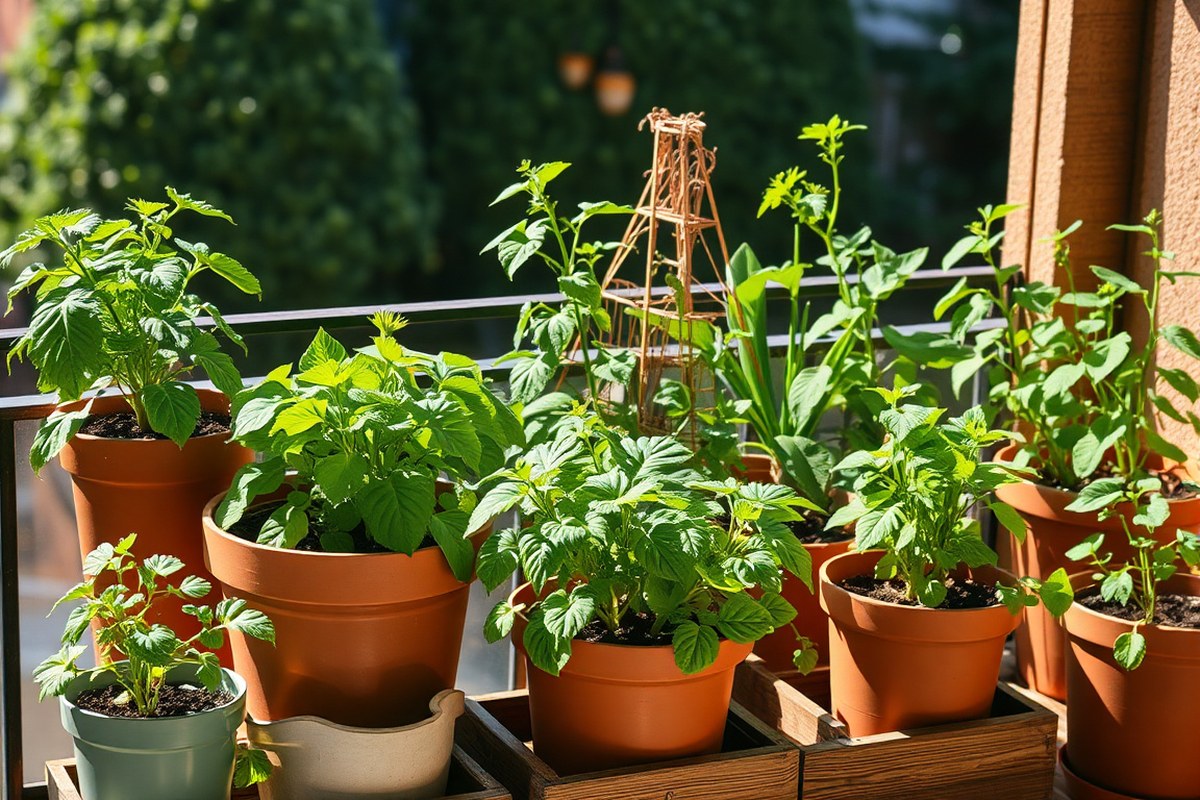
You begin growing vegetables in containers by selecting an appropriate pot. Vegetables generally require soil at least 12 inches deep for healthy root growth.
Picking a container that fits your plant size prevents root crowding and stunted growth. Bigger pots hold more soil and moisture, reducing how often you water.
Next, position your containers where they get enough light. Fruit-bearing plants like tomatoes and peppers need at least six hours of full sun daily.
Leafy greens can tolerate less sun, usually three to five hours, and still grow well. Make sure containers have proper drainage holes to avoid water buildup.
Use high-quality, well-draining soil made for container gardening. Avoid garden dirt, which can compact and hold too much water.
Consistent watering and feeding keep your plants healthy in their limited soil space. Adding organic mulch can help retain moisture and reduce soil temperature.
Key Takeaways
- Choose containers with enough depth for your vegetable’s root system, at least 12 inches for most.
- Place containers where they receive proper sunlight: 6+ hours for fruiting plants, 3-5 for greens.
- Use loose, well-draining potting mix designed for container vegetables, not regular garden soil.
- Ensure containers have several 1/4-inch drainage holes to prevent waterlogging.
- Match container size to the plant’s mature size to avoid stunted growth.
- Avoid placing pots on hot cement surfaces, which can overheat roots.
How to Start Growing Vegetables in Containers Successfully

Vegetables in containers need light, warmth, water, and space to grow well. Find a spot that provides at least 6 hours of sunlight daily. Avoid putting pots directly on hot surfaces like cement.
This is especially bad in warm climates. The heat can hurt plant roots.
Containers must be large enough for each vegetable’s roots. Most veggies need a pot at least 12 inches deep. But bigger plants like cucumbers require wider and deeper pots.
Remember, a big container with soil and plants can weigh a lot. It may weigh up to 100 pounds.
Plan where you put it carefully. So you may need a plant caddy to move them easily.
Good drainage is critical. Make sure containers have holes at the bottom and use saucers to catch excess water. This setup prevents root rot and mess, especially if you’re growing on a balcony or patio.
Start with these setup steps to prepare your container vegetable garden:
- Choose a spot with 6+ hours of sunlight. Vegetables need sun to photosynthesize and grow.
- Select containers sized for your vegetables. Use pots at least 12 inches deep for most plants, larger for big root crops.
- Check for drainage holes. Good drainage keeps roots healthy and prevents waterlogging.
- Add lightweight potting mix. Use a well-draining and nutrient-rich soil designed for containers.
- Set containers on a stable surface. Avoid hot surfaces; use plant stands or caddies for easy movement.
- Fill containers with soil mix, leaving space at the top. This helps with watering and soil expansion.
- Plant your vegetable seeds or seedlings. Follow plant spacing guidelines for container growth.
- Water deeply after planting. Keep soil moist but not soggy. Check daily during hot weather.
Setting up your containers this way helps plants grow strong and healthy. Watch for signs like yellow leaves or wilting.
These usually mean the plant needs more water or nutrients. Taking care with the basics saves time and effort later on.
Choosing the Right Containers for Different Vegetables

Choosing the right container is key for growing healthy vegetables. Size, material, and drainage all affect growth and prevent common issues like root rot. Pick containers that match your vegetable’s needs and your climate to get the best results.
Container Size Requirements by Vegetable Type
Different vegetables need different container sizes mostly based on their root depth. Leafy greens like lettuce and spinach thrive in shallower pots. Root crops and fruiting vegetables require deeper and wider containers for proper growth.
Here’s how deep and wide your containers should be, depending on the vegetable type:
| Vegetable Type | Depth (inches) | Diameter (inches) | Examples |
|---|---|---|---|
| Leafy Greens & Herbs | 6, 12 | 8, 12 | Lettuce, spinach, basil |
| Root Vegetables | 12 or more | 10, 12 | Carrots, beets, radishes |
| Fruiting Vegetables | 12 or more | 18 or more | Tomatoes, peppers, squash |
The depth should be at least one-and-a-half to two times your veggie’s root length. For example, carrots often reach 8 to 10 inches.
So aim for at least a 12-inch pot depth. Larger containers help avoid crowded roots and allow for better airflow.
Material Pros and Cons in Container Gardening
Container materials affect longevity, insulation, and weight. Plastic pots are lightweight, affordable, and retain moisture well. They’re good for warm climates but may not last many seasons.
Ceramic and terra cotta pots breathe well and prevent overwatering. However, they’re heavier and can crack in freezing temperatures. Wood containers offer good insulation and natural looks but need weatherproofing and may rot over time.
Choose plastic if you move pots often or have limited strength. Use ceramic or wood in stable spots with milder climates to protect roots.
The container choice also changes how soon you water. Plastic holds water longer than porous materials.
Drainage Hole Size and Placement Guidelines
Proper drainage stops water from pooling and keeps roots healthy. Small to medium containers are 4 to 6 inches wide. They need 3 to 6 drainage holes.
Each hole should be about 1/4 inch wide. Larger containers require 6 to 8 holes of the same size.
Place holes evenly spaced at the bottom. You can drill extra holes if you notice water draining slowly. Avoid using containers without holes unless you drill your own.
Never plant vegetables in containers without drainage holes; roots need airflow to avoid rot.
Good drainage holes let excess water escape quickly. This reduces soggy soil and protects roots from drowning.
For bigger pots, more holes create even drainage across the container bottom. Check the holes are not clogged by soil or potting mix regularly.
Preparing the Best Soil and Growing Medium for Containers
Use a high-quality potting mix designed for containers. Look for compost, pumice, or perlite in the soil mix. These help water drain well.
They also keep roots healthy. Avoid garden soil, which can compact and hold too much water, leading to root rot.
Add compost or a balanced fertilizer once your plants reach about 4 inches tall. Compost boosts nutrients and improves soil structure. Use a water-soluble fertilizer every 4 to 6 weeks.
It helps vegetables grow strong. It provides steady nutrients.
You can reuse soil from last season. Mix it with fresh compost or new potting mix. This refreshes the soil.
This refreshes nutrients and improves texture. Keep old soil in a compost pile during cooler months.
This breaks down organic matter more. Then you can reuse it.
Good soil drains well but holds enough moisture for roots. It also provides nutrients and trace elements plants need, like calcium and magnesium. Adding a little fish emulsion or compost occasionally helps replace elements that fertilisers may miss.
Watch videos from trusted channels for soil tips. This helps when growing tricky things like potatoes. Learn from experts.
They often suggest starting with a special mix or adding extra drainage materials. Use bigger pots that are at least 18 inches deep.
They should also be 24 inches wide. This gives roots space and prevents water stress.
Mix your own potting soil with two parts peat or coconut coir. Add one part perlite and one part compost. This creates a balanced mix.
This gives good moisture retention balanced with drainage. Add a handful of ground limestone if soil feels acidic.
This is helpful for vegetables like tomatoes that need it. It balances the pH.
Best Vegetables and Varieties to Grow in Containers
Many vegetables fit container gardens. Choose dwarf or bush varieties for best results.
These types have shallower roots, fitting 12-inch deep pots well. Smaller containers suit radishes, mini-beets, and carrots with soil 6 to 10 inches deep.
Root veggies, like carrots and beets, grow well but need a bit more depth. For those, pick containers 12 to 18 inches wide. Use about one gallon per 3 to 4 plants.
This size fits most small vegetable groups well. Tomatoes and beans do best as compact bush types, limiting height and spreading.
| Vegetable | Variety Type | Container Size | Soil Depth |
|---|---|---|---|
| Carrots | ‘Danvers Half Long,’ ‘Short ‘n Sweet,’ ‘Tiny Sweet’ | 1 gallon (6-7 inch diameter) | 12-18 inches |
| Radishes | Standard container suitable | Small pots (6-8 inches deep) | 6 inches |
| Beets | Mini-beets recommended | Medium container | 8-10 inches |
| Tomatoes | Bush or determinate types | At least 12 inches deep | 12 inches |
| Beans | Dwarf or bush varieties | At least 12 inches deep | 12 inches |
| Peas | Bush or dwarf varieties | At least 12 inches deep | 12 inches |
Container depth and pot size matter most. Think about root length when picking veggies.
Shallow containers suit radishes better than deep-rooted potatoes. Bush beans outperform pole beans because they stay compact.
Keep in mind nutrient and water needs rise for deeper containers. In small or crowded pots, plants may wilt or show nutrient stress. Picking compact varieties avoids overcrowding and helps produce better yields.
Watering and Fertilizing Strategies for Container Vegetables
Container vegetables need regular watering because pots dry out fast. Water frequency depends on plant size, weather, and pot depth.
Most containers 18 inches deep or wider hold moisture longer. So water every 2 to 3 days in mild weather.
In hot, dry weather, you may need to water daily. Shallow pots less than 18 inches deep dry out faster. These pots need more frequent watering to stay moist.
Check soil moisture every day for leafy veggies like lettuce. Water when the top inch of soil feels dry.
This keeps the plants healthy and fresh. Tomatoes and peppers may need more water but avoid soggy soil, which causes root problems.
Self-watering containers have a reservoir that feeds water to roots steadily. These work well for smaller plants and reduce daily watering chores. They cost more upfront, but save time and help prevent drying out or overwatering.
- Water deeply until excess drains from the pot’s holes.
- Water in the morning to reduce evaporation and fungal risks.
- Use fertilizer with balanced NPK (e.g., 10-10-10) or liquid feed every 2 weeks.
- Slow-release granules can feed plants for up to 3 months in large pots.
- Flush pots with clear water once a month to avoid salt build-up.
- Adjust feeding for leafy veggies (more nitrogen) versus fruiting plants (more potassium).
- Use mulch on soil surface to retain moisture and reduce watering needs.
Container vegetables need regular feeding because soil nutrients wash away faster. Feed every 10 to 14 days with a water-soluble fertilizer or use slow-release pellets at planting. Too little fertilizer slows growth; too much can burn roots.
Keep a watering schedule but adjust based on weather and plant growth. You’ll notice droopy leaves or dry soil as signs to water. For best growth, balance moisture and feeding carefully.
Check soil moisture each day by touching the top inch. Watering needs change quickly in containers.
Supporting and Managing Container Vegetable Plants
Supporting container vegetables means using structures to keep them upright. Prune your plants to help them grow better. Harvest at the right time to keep plants healthy.
Tomatoes, beans, and peas each need specific support. Pruning and thinning keep plants healthy and productive in limited container space.
Types of Support Structures for Container Plants
Tomatoes need sturdy supports like cages or stakes to hold their heavy stems and fruit. Use a 5-gallon container for one tomato plant, about 12 inches wide and 18 inches deep. Beans and peas climb.
Use trellises or stakes about 3 to 4 feet tall. They help prevent plants from falling over. This support keeps your vegetables growing strong.
Choose supports that fit your container size and space. Lightweight metal or wooden stakes cost just a few dollars and last seasons. For peas, plant mange-tout varieties at 6-inch spacing and place the trellis nearby to encourage climbing.
Pruning and Thinning Container Vegetables
Pruning stops overcrowding and helps air reach plants, reducing disease risk. Thin seedlings or sprouts to the recommended spacing on seed packets. Tomatoes benefit from removing side shoots to focus energy on fruit, especially indeterminate varieties.
Trim dead or yellow leaves promptly to avoid pests. For beans and peas, remove weak or damaged stems early. Thinning lets stronger plants grow better and ensures your container doesn’t get too crowded.
Harvesting Techniques to Protect Plants
Harvest vegetables regularly to encourage continued growth. For peas, pick pods as soon as they swell to keep plants producing through June. Cut tomatoes when fully colored but still firm to avoid overripe fruit spoiling on the vine.
Use scissors or fingers to snap beans cleanly off the vine. Handle plants gently when harvesting, so you don’t break stems or damage nearby fruit. Timely harvest also helps prevent pest buildup and disease spread.
- Place stakes or trellises in containers when planting to avoid root damage later.
- Tie plants loosely with garden tape or soft cloth strips as they grow.
- Thin seedlings by snipping weaker ones to the recommended spacing early on.
- Prune tomato suckers by pinching off small shoots found between the main stem and branches.
- Remove yellow or dead leaves weekly to keep plants healthy.
- Harvest vegetables carefully with clean scissors or fingers when fruits are ripe but firm.
- Regularly check for signs of overcrowding, pests, or disease to adjust care.
Common Problems and Troubleshooting Container Gardens
Overwatering shows as yellowing leaves and soggy soil. The container’s bottom may stay wet for days.
Underwatering causes dry, brittle leaves and soil pulling away from edges. Check soil moisture with a finger; it should feel damp, not wet or dry.
Common pests include aphids, spider mites, and whiteflies. Look for sticky residue, tiny webs, or small bugs on leaves.
Wash plants with a gentle soap solution or spray with insecticidal soap. Catch infestations early by inspecting plants once a week.
Diseases like powdery mildew and root rot attack container vegetables. Powdery mildew appears as white, powdery patches on leaves. Root rot happens from poor drainage and soggy soil, causing wilting.
Remove affected leaves and improve airflow. Use fresh potting mix if root rot starts.
Watch for nutrient deficiencies showing in leaf colour and growth. Yellow leaves with green veins often signal iron deficiency. Pale, stunted growth points to nitrogen shortage.
Add a balanced water-soluble fertilizer every two weeks following label directions. Avoid overfeeding, which can burn roots and leaves.
Keep a weekly checklist for your container garden care. Check soil moisture, leaf color, and pest signs regularly. Note any changes, then adjust watering or feeding.
Rethink crops after one season to avoid nutrient depletion in pots. Rotation helps maintain soil health in containers with fresh soil each year.
Seasonal Tips and Crop Rotation for Containers
Seasonal Planting Calendar for Container Vegetables
Choose cool-season vegetables like lettuce, spinach, and radishes in early spring. Warm-season crops such as tomatoes, peppers, and beans do best after the last frost.
Plant a fresh batch of lettuce every two weeks for a steady harvest. Harvest times vary, so stagger your planting to keep your containers producing continuously.
- Early spring: spinach, radishes, lettuce
- Late spring to summer: tomatoes, peppers, beans, cucumbers
- Fall: kale, carrots, broccoli, garlic
- Plant leaf lettuce every two weeks for freshness
- Use smaller pots for quick-growing herbs year-round
Pay attention to your local frost dates to protect tender plants. Starting seeds indoors helps you get a head start before outdoor planting.
Crop Rotation Principles for Container Gardens
Rotate crops to keep soil nutrients balanced and reduce pests. Avoid planting heavy feeders like tomatoes or peppers in the same soil consecutively.
Plant less nutrient-demanding crops such as onions and herbs after growing nutrient-hungry vegetables. Group vegetables with similar nutrition and water needs in the same container for easier care.
- Year 1: tomatoes, peppers (high nutrient use)
- Year 2: onions, garlic, herbs (low nutrient use)
- Year 3: leafy greens like lettuce or spinach (moderate nutrient use)
- Use fresh potting soil or mix in compost when changing crops
Never reuse potting soil without refreshing it; nutrient depletion and pests build up fast.
Crop rotation in containers also helps prevent diseases from building up in the confined space. Changing the plant family in a pot each season helps fend off common soil pests.
Winter Care and Overwintering Container Plants
Some vegetables like kale and spinach tolerate cold and can grow over winter in containers. Move pots to a sheltered spot protected from frost or use cloches to extend the harvest.
For overwintering, reduce watering and stop fertilizing by late fall. Clear dead leaves and debris to prevent mold and pests over winter.
- Choose cold-hardy crops for winter, like kale and spinach
- Move containers to a frost-free, sheltered area
- Use row covers or plastic cloches to protect plants
- Cut back watering and stop feeding in late fall
- Clear away dead plant material before winter
Overwintering saves money and effort but requires careful attention to light and temperature. Avoid keeping tropical plants outside in cold weather, as they won’t survive freezing temps.
Step-by-Step Action Plan to Start Growing Vegetables in Containers
Follow these steps to set up your container garden and see real growth soon. Check each step to make sure your plants get the best start.
- Before you start: Pick containers that drain well. Choose vegetables for containers, like cherry tomatoes or lettuce. Make sure the pots have holes to avoid water buildup.
- Day 1: Fill your containers with a mix of quality potting soil and compost. The soil should feel light and moist but not soggy.
- Day 2: Plant your seeds or seedlings at the right depth according to seed packets. Press the soil gently around them to hold them firm.
- Week 1: Water lightly every day to keep soil damp but not soaked. Check soil moisture by touching it; it shouldn’t be bone dry or wet.
- Week 2: Start using a balanced liquid fertilizer every two weeks. Look for new leaf growth and healthy stems as signs it works.
- Week 3: Set up support like stakes or cages as needed for tomatoes or beans. This prevents bending or snapping as they grow taller.
- Week 4 and beyond: Watch for pests and diseases. Remove any unhealthy leaves immediately and try natural remedies first.
- After harvest: Remove old plants. Add compost or fresh potting mix to the soil. Prepare for the next planting. Crop rotation avoids soil fatigue.
Frequently Asked Questions
How Deep Should a Container Be for Root Vegetables?
Root vegetables need at least 12 inches of soil depth. This gives them space to grow straight and healthy roots.
Deeper containers improve yield and root shape. So use taller pots for carrots or beets.
Can I Grow Vegetables in Containers Indoors?
Yes, many vegetables grow well inside with enough light. Use south-facing windows or grow lights for at least 6 hours daily. Keep humidity moderate and water carefully to avoid mold or dryness.
How Often Should I Rotate Container Crops?
Rotate crops yearly to reduce soil disease and nutrient loss. Switch plant families so related pests don’t build up. This keeps the plants healthier and the soil more balanced.
What Type of Fertilizer Works Best for Container Vegetables?
Use a balanced, water-soluble fertilizer designed for vegetables. Feed every 2 to 4 weeks during the growing season. This ensures plants get steady nutrients without excess salt buildup.
Is It Okay to Reuse Potting Soil in Containers?
Reusing soil is possible but needs fresh amendments and sterilizing. Old soil may have depleted nutrients or disease infestations. Adding compost and letting soil dry before reuse helps maintain plant health.
How Can I Protect Container Plants from Extreme Heat?
Move containers to shaded areas during hot afternoons. Water more often as containers dry out faster in heat. Using mulch on soil helps keep roots cooler and reduces water loss.
The Bottom Line
Growing vegetables in containers is simple with the right steps and care. Start by choosing your containers and soil carefully. Next, plant your seeds and watch your garden grow one step at a time.