Why Do Cactus Plants Have Spines? 8 Key Roles Explained Simply
Why do cactus plants have spines instead of regular leaves? Cactus spines are modified leaves that save water and keep the plant safe. Unlike normal leaves, spines reduce water loss and shield the cactus from harsh sunlight.
Spines also protect the cactus from animals that might want to eat it. They help catch dew and shade the stem, which lowers the plant’s temperature during hot days. This tough setup lets cacti survive in dry, hot deserts.
When you handle a cactus, watch the spines closely to avoid injury. Slowly moving plants into stronger light helps spines adjust without stress. These simple tips keep your cactus healthy and safe around people and pets.
Key Takeaways
- Cactus spines reduce water loss by minimizing surface area exposed to air.
- Spines shade cactus stems, lowering temperatures by up to 15°C under sun.
- Spines protect cacti from herbivores and other animals trying to eat them.
- They can capture dew when night humidity rises above about 70 percent.
- Cactus spines grow from specialized areas called areoles, not regular leaves.
- Longer spines, like on saguaro cacti, offer stronger protection and shading.
Why Cactus Plants Have Spines Instead of Leaves
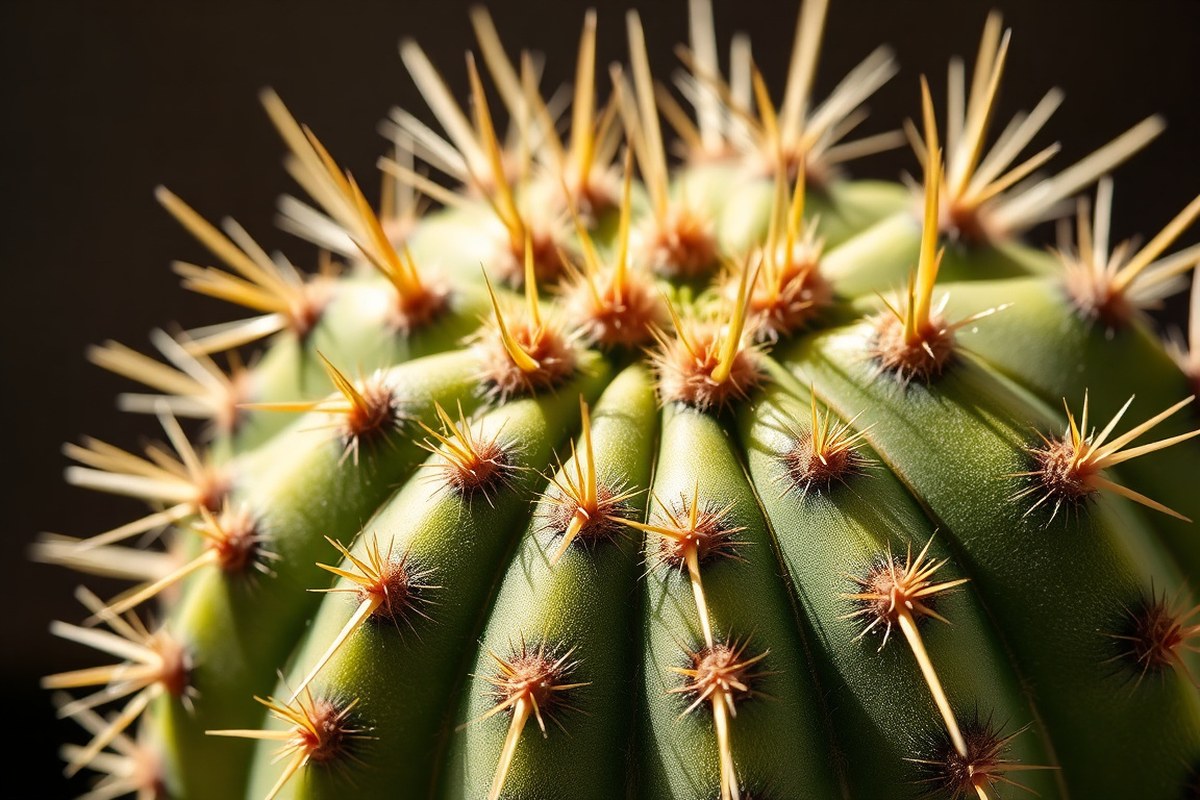
Cacti evolved spines instead of leaves mainly to save water. Leaves lose a lot of moisture through tiny pores, which is risky in dry climates. By turning leaves into spines, cacti cut down surface area and reduce water loss significantly.
Spines form from modified leaf tissue found in small bumps called areoles. These spines don’t perform photosynthesis, so the cactus uses its thick stem instead.
This shift helps the plant survive tough conditions. It takes in less water but still makes food.
Not all cacti have spines, though. Some species, like Epiphyllum, live in humid forests and have lost their spines over time.
These cacti face less threat from drying out or hungry animals. So they keep softer tissues and grow larger leaves.
How Cactus Spines Reduce Water Loss and Airflow
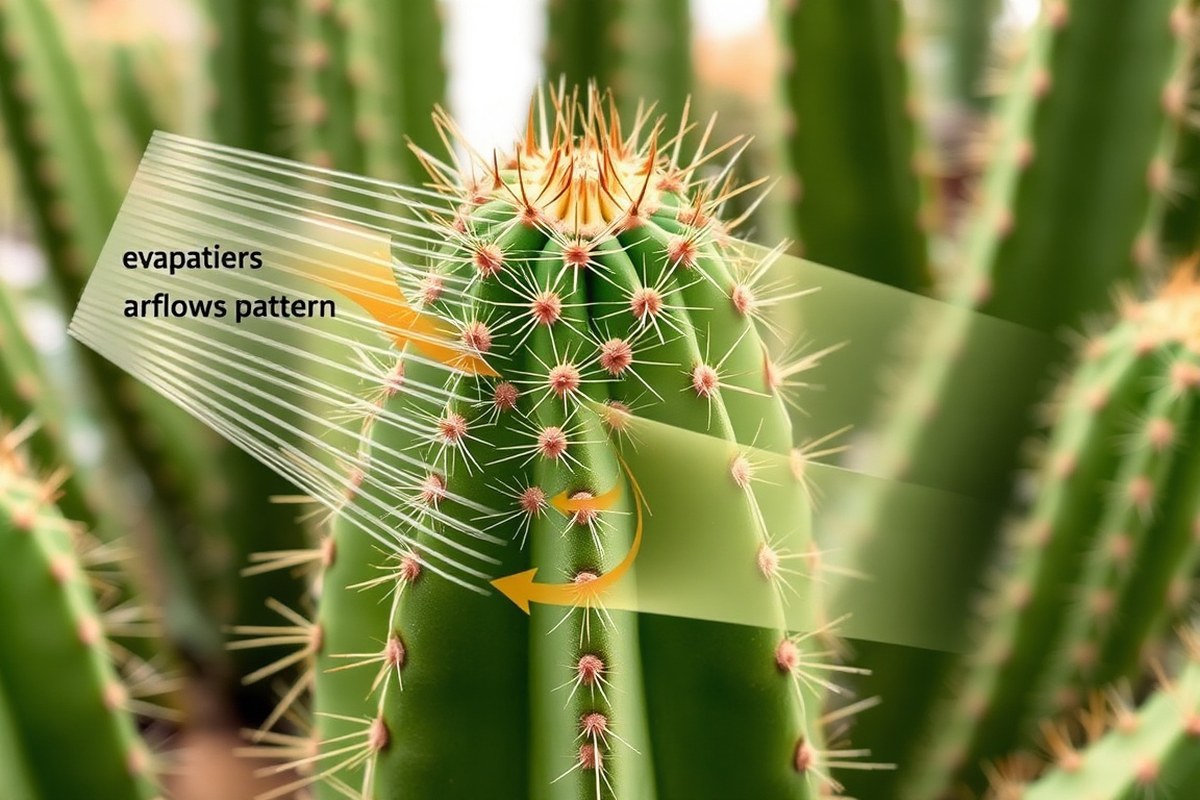
Cactus spines slow down water loss by trapping still air right next to the stem. This layer of air, called a boundary layer, cuts down airflow around the cactus. When the air barely moves, less moisture escapes from the cactus stem by evaporation.
The spines are tightly packed columns that break up the wind and create a humid microenvironment. This less windy zone raises humidity near the surface, which helps water vapor stay close. Spines make a layer of air that keeps the stem warm.
This layer stops drying winds from hurting the plant. It also protects the cactus from sudden temperature changes.
This water-saving effect works best when winds blow at speeds above about 15 miles per hour. At these speeds, spines limit air movement enough to reduce evaporation on hot, dry days. When it is calm or very humid, spines trap moisture.
Airflow is less important for evaporation in this case. Spines work best to hold moisture then.
Keep your cactus away from strong winds or breezes. This helps the spines keep a still air layer around it. A calm spot is best for your cactus.
In What Ways Cactus Spines Provide Shade and Regulate Temperature
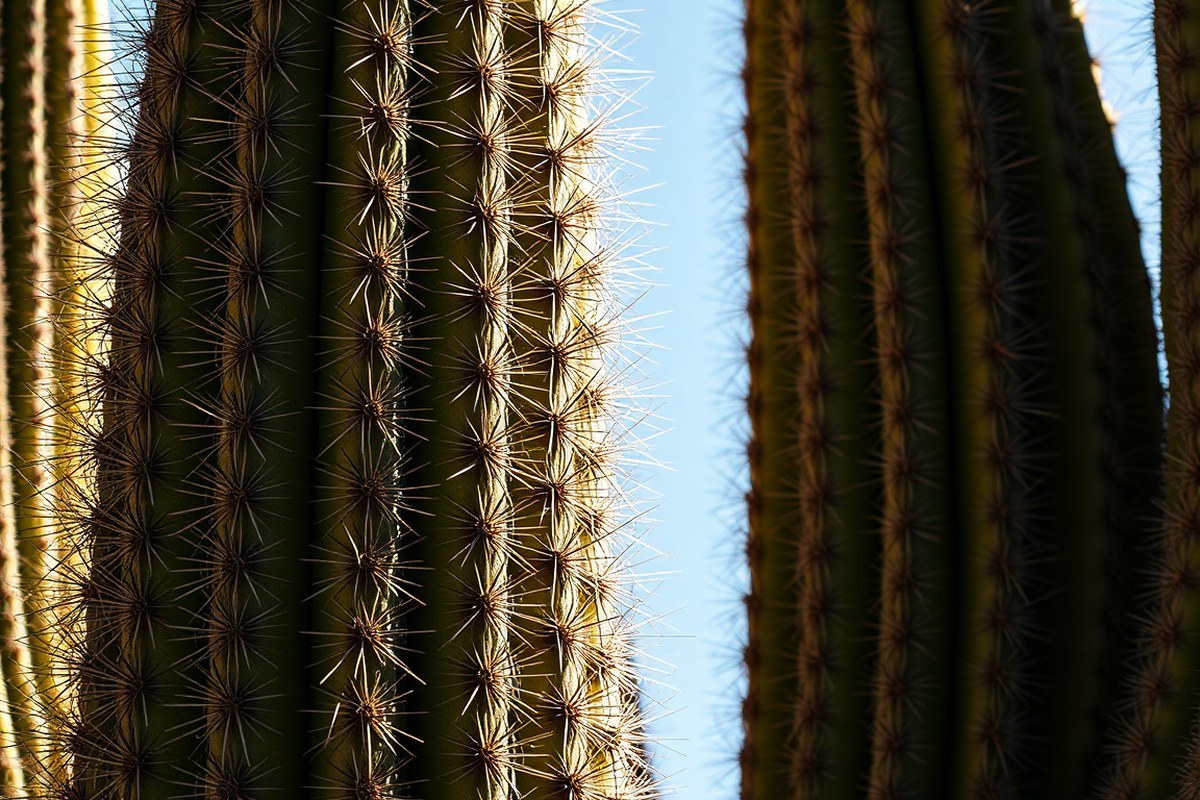
Cactus spines cast tiny shadows all over the stem’s surface. These micro-shadows lower the temperature by several degrees during peak sunlight. In large cacti like saguaros, long spines can reduce stem temperature by up to 15°C (27°F).
The spines create a dense canopy that blocks direct sun rays. This shade prevents the stem from overheating on hot desert days. Even a small drop of a few degrees helps the cactus avoid stress from intense heat.
Spines also reflect sunlight away from the cactus. This cuts down on how much heat the plant absorbs. When the stem stays cooler, the cactus keeps important moisture longer and uses water more efficiently.
Because of the cactus’s round shape, spines cast moving shadows as the sun shifts. This constant shading covers different parts of the stem throughout the day. It stops any single spot from getting too hot for hours in a row.
The thickness and length of spines affect how much shade they provide. Denser and longer spines create a finer shadow net.
Thin or sparse spines give less protection from sunlight. So those cacti might live in less exposed spots.
Shade from spines also keeps soil cool near the cactus base. This limits evaporation and helps the plant keep water in its roots. In dry desert settings, this shading matters as much as dropping the stem’s temperature.
How Cactus Spines Defend Against Animals and Predators
Cactus spines protect plants by deterring many animals from biting or damaging them. Larger herbivores like deer or rabbits avoid the sharp spines, which act like natural barbed wire. The spines make it painful or difficult to reach the fleshy, water-rich stem beneath.
Some desert animals have found ways to bypass or tolerate cactus spines. For example, javelinas and desert tortoises can eat certain cactus types despite the spines. Small rodents like pack rats maneuver between the needles to nibble on cactus pads without injury.
For humans and pets, cactus spines can cause painful injuries. They range from thin, needle-like spikes to thicker, barbed spines that are hard to pull out. The best way to avoid harm is to use thick gloves.
Handle cacti with tools when you can. Keep children and pets away from the plants.
| Animal | Response to Spines |
|---|---|
| Deer, rabbits | Generally deterred by spines |
| Javelina, tortoises | Tolerate and feed despite spines |
| Pack rats | Navigate around spines to feed |
| Humans, pets | Can be injured by spines |
Wear thick gloves when handling spiny cacti to avoid pricks. Use tongs or folded newspaper to move or repot plants safely.
Keep pets and kids away from cactus during gardening or indoor placement. Inspect clothing carefully after working near spiny cacti to remove any stuck needles.
How Cactus Spines Capture Water and Dew in Arid Environments
Cactus spines can collect water and dew in dry environments. Some species have smooth, grooved spines that help condense atmospheric moisture. Droplets gather on these spines and then slide down toward the plant’s stem or base.
Dew forms when cool night air touches cactus spines. The spines cool down faster than the air around them. This helps dew collect on the spines.
This causes water vapor in the air to turn into liquid droplets on the spines. These droplets move along grooves or tapered microstructures toward the plant, helping it absorb extra moisture.
Spines with fine grooves or high density work best for water harvesting. Species like Opuntia microdasys, with short spines 0.2, 0.5 cm long and dense coverage, collect dew efficiently. Mammillaria hahniana also traps moisture well thanks to its high spine density and structure.
The captured dew or fog water doesn’t always soak into the cactus directly. Instead, it often drips down from the spines to the soil around the plant’s base. This creates a small humid zone near the roots.
The cactus uses this moisture during long dry periods. It helps the plant survive droughts.
In foggy deserts, spines can act like tiny water funnels. Some cacti spines have special tapers and grooves. These guide water drops down to unique bumps.
These bumps are called areoles. These structures help direct moisture efficiently to the plant’s roots.
Do not shake a cactus to collect dew water. This can damage delicate spines and reduce their moisture-gathering ability.
Types of Cactus Spines and Their Different Functions
Cactus spines vary widely in length, density, and shape depending on their species and habitat. These differences help cacti survive specific environmental challenges, from intense sun to herbivore threats.
Some have long, rigid spines. Others sport short, flexible ones or even none at all.
Columnar Cacti Spine Types and Roles
Columnar cacti, like those in the Sonoran Desert, usually have long and stiff spines. These spines shield the plant’s stem from strong sunlight and grazing animals. Their length and hardness act as a physical barrier while reducing heat stress.
Because these deserts often reach temperatures above 113°F, spines play a important role in protection. Early evolutionary developments favored longer, rigid spines for survival in these harsh conditions. The spines also help scatter sunlight, lowering surface temperatures.
Opuntia and Prickly Pear Variations
Opuntia species, often known as prickly pears, feature shorter, more flexible spines. This helps balance protection against predators with less wind damage. Prickly pears mostly live in the Chihuahuan Desert.
This desert has less intense sun. It is also windier than the Sonoran Desert.
Many of these cacti bear tiny, barbed spines called glochids that irritate herbivores. They use these to discourage animals but are also less prone to breaking during windstorms. Some Opuntia varieties spread by attaching spines to animals, aiding reproduction.
High-Altitude and Non-Spiny Cacti Differences
Cacti at higher altitudes or in less extreme environments often have fewer or softer spines. For instance, the Christmas cactus, a jungle cactus, has tiny bristles or none. These grow where sunlight and herbivore pressure is less severe.
Some desert species, like certain astrophytums, nearly lack spines. This trait fits places with milder temperatures.
It also suits areas with thicker plants. Too many spines might hold moisture or block sunlight.
Here’s a table comparing spine types and related functions in common cactus groups:
| Spine Feature | Common Species | Length & Density | Function | Habitat |
|---|---|---|---|---|
| Long, rigid spines | Sonoran columnar cacti (e.g., saguaro) | Several cm, dense | Sun shield, defense, heat reduction | Hot, low rainfall desert |
| Short, flexible spines | Opuntia prickly pears | Few mm to 1-2 cm, sparse to moderate | Defense, reduced wind impact, reproduction aid | Moderate deserts, windy areas |
| Tiny barbed glochids | Prickly pear, cholla | Less than 1 mm, dense | Irritate herbivores, attach to animals | Various desert types |
| Tiny bristles or no spines | Christmas cactus, astrophytums | Very small to none | Less sun protection needed, reduce moisture trap | Jungles, high altitude, mild deserts |
Spine length and density reflect how extreme the habitat conditions are. Longer, thicker spines suit hotter, drier places with lots of predators.
Shorter or fewer spines fit milder spots where wind or moisture is a bigger concern. Recognizing these patterns helps you understand cactus adaptations fully.
How Cactus Spines Grow and Can Regrow After Damage
Cactus spines grow from special bumps called areoles. If the areole is healthy, new spines can form even after old ones fall off. However, spines do not regrow in the exact same spot once lost.
Areoles: The Seed Points of Spine Growth
Areoles are small, light-colored bumps found on cactus surfaces. They are unique to cacti and serve as the points where spines emerge.
These structures are highly condensed lateral buds, modified branches that produce spines, flowers, and new shoots. The health of an areole determines if new spines will grow.
Stages of Spine Development
Spine growth starts at the areole with bud formation. Tiny spine buds first appear, then harden and elongate into the sharp needles you see.
During this process, spines develop as modified leaves that protect the cactus. The growth happens mainly at the growing tips or fresh sides of the cactus.
Timeline of Regrowth After Damage
When spines fall off, they usually don’t grow back in the same spot. Instead, new growth areas produce fresh spines over time. This regrowth is slow and depends on the cactus species and growing conditions.
For example, a mature cactus might take years to restore full spine coverage. Patience matters because spines grow with the cactus’s new tissue, not as a quick replacement. To encourage healthy spine growth after damage, follow these steps:
- Check the areoles for any signs of damage or infection.
- Keep the cactus well-watered but avoid overwatering, to support new growth.
- Provide sufficient sunlight to stimulate healthy development at growth points.
- Avoid physical damage near growing tips where new spines form.
- Allow time for the cactus to expand its new tissue with fresh areoles.
- Observe new spines emerging in weeks to months at growing shoots.
- Protect the cactus from extreme cold or stress that can slow spine regrowth.
Safe Handling and Practical Care for Spiny Cacti
Handling cacti with spines needs care to avoid painful injuries. Use the right tools and follow safe steps when repotting or dealing with spines. Removing spines from your skin requires gentle, focused effort to prevent further irritation.
Choosing Protective Gear for Handling
Wear thick leather or gardening gloves to protect your hands from sharp spines. Long sleeves and closed-toe shoes add another safety layer while working around cacti. Protective eyewear helps if you get close to dense spiny bushes or branches.
This gear lowers the chance of spines puncturing your skin or causing scratches. You might also use tongs or folded newspaper to pick up and move the cactus. Avoid bare hands, especially with barbed or dense spines that can easily get stuck in skin.
- Leather or heavy-duty gardening gloves
- Long sleeves and pants
- Closed-toe shoes
- Protective goggles if trimming or pruning
- Tools like tongs or folded paper for grip
Always check gloves for holes before use to avoid surprise injuries.
Step-By-Step Repotting of Spiny Cacti
Choose a pot slightly larger than the current one, with good drainage holes. Lay down newspaper or cardboard to keep your workspace clean of spines and soil. Put on protective gear before touching the cactus or soil.
Use tongs or hold the cactus with folded newspaper to lift it gently. Avoid squeezing the plant, which can break spines or damage tissues. Slowly tap the pot to loosen soil and remove the cactus vertically.
Use fresh cactus soil or mix sand, perlite, and potting soil. Put this mix into the new pot. Gently place the cactus inside the pot.
Fill empty spaces with soil. Press soil lightly, not too hard. Give the plant a few days before watering to allow root adjustment.
Repot during early spring or summer for best plant recovery.
Removing Spines Safely from Skin
Remove visible spines as soon as possible using clean tweezers. Pull out the spines slowly in the direction they entered to avoid breaking them. Use a piece of adhesive tape to lift small or barbed spines carefully.
Wash the area well with soap and water after removal to prevent infection. Apply an antibiotic ointment if the skin looks irritated or pierced deeply.
Monitor the skin for swelling or redness. See a doctor if signs of infection appear.
- Use clean tweezers, pulling slowly and straight
- Try adhesive tape for tiny or barbed spines
- Wash skin with soap and water after removal
- Apply antibiotic ointment to pierced skin
- Watch for redness or swelling; seek medical help
Don’t dig or squeeze the skin too much to remove embedded spines.
Step-by-Step Action Plan to Respect and Care for Cactus Spines
Follow these steps to handle, protect, and enjoy your spiny cactus safely.
- Before you start: Wear thick gloves when touching or repotting your cactus. This prevents painful spine injuries.
- Week 1: Place your cactus where spines get natural light but avoid harsh, direct sun. Check if the soil stays dry on top.
- After 2 weeks: Check your cactus gently for broken spines. Look for spots where spines fell off. Healthy growth means spines start regrowing.
- Month 1: Water your cactus sparingly, only after the soil dries completely. Spines help reduce moisture loss, so too much water harms them.
- Month 2: If your cactus is vulnerable to pets or kids, consider setting a small barrier. The spines work better when they discourage touch.
- Ongoing: Use a soft brush to clean dust off spines. This keeps them sharp and helps them capture dew better.
- Every season change: Check if your cactus needs moving indoors or a shady spot. Spines protect against cold but not frost.
- When damaged: Don’t take off broken spines. Wait and watch new ones grow back naturally over weeks or months.
Frequently Asked Questions
Are Cactus Spines Ever Used by Animals for Shelter?
Yes, some animals hide among spines for protection. Small birds and insects use spines as safe spots from predators.
Can Cactus Spines Affect the Color of the Plant?
Sometimes spines influence light reflection, affecting cactus color. This can contribute to cacti turning red under stress or bright sun.
Do Cactus Spines Help the Plant Survive Wildfires?
Spines might protect the cactus surface during fires. They create a barrier that slows heat from reaching the stem. Still, severe fires can damage the plant.
How Do Cactus Spines Influence Soil Moisture Near the Plant?
Spines can cause shade and trap dew, improving soil moisture slightly. This microenvironment helps seedlings and surrounding plants in dry areas.
Why Do Some Cactus Species Have Fewer or Softer Spines?
Spines vary by habitat and predator threat levels. Cacti in wetter or milder areas often grow fewer spines. These spines are softer since less protection is needed.
Can Cactus Spine Patterns Help in Plant Identification?
Yes, spine arrangement, size, and shape are key ID features. These traits help distinguish species in the wild or among collectors.
Key Points to Remember
Cactus spines serve many purposes, from saving water to defending plants. Taking care around them lets you enjoy cacti longer. Start by choosing the right gloves and spot for your plant today.