

Why Do Worms Come Out When It Rains? 8 Clear Reasons You Should Know
Why do worms come out when it rains? They surface mainly because wet conditions make it easier to move and breathe. Rain wets the soil and the worm’s skin.
This helps worms breathe through their skin. Without moisture, their skin would dry out.
Worms don’t actually drown underground, but very wet soil can slow their movement. Moisture allows worms to explore and find mates or food more easily above ground. You’ll often see them on sidewalks and grass after steady rain.
Look closely after rainstorms, and you’ll notice worms spread out over surfaces. The wetness lowers friction for the worms. It also stops them from drying out.
This is important when they are in open air. It’s a temporary behavior linked to survival and activity outside their tunnels.
Key Takeaways
- Worms come out in rain mainly because moist soil helps them breathe through their skin.
- Wet surfaces make it easier for worms to move and find mates or food.
- Worms rarely drown underground, as many species survive saturated soils for months.
- Watch for worms on sidewalks after rain, they leave tunnels to avoid drying out.
- Only a few worm species come out to mate during rain, not most.
- Moist conditions reduce friction, helping worms crawl above ground safely.
1. Why Do Worms Come Out in the Rain?

Worms come out when it rains mainly because wet conditions make moving on the surface easier. Their skin needs moisture to breathe.
So rain creates an ideal environment for them to explore above ground. This moist surface helps them avoid drying out while they travel.
Another reason worms surface is tied to their oxygen needs. When soil becomes saturated with water, oxygen levels drop, making breathing through their skin harder. Coming to the surface lets them breathe air with more oxygen.
This helps them survive. They stay alive until the soil dries out again.
People often think worms surface to avoid drowning. While heavy rain can flood their tunnels, worms don’t actually drown the way people might imagine. They can sense vibrations from raindrops falling nearby.
These signals warn them of danger. This makes them move upward. This is similar to how they escape predators.
2. How Worms Breathe and How Rain Affects Their Respiration
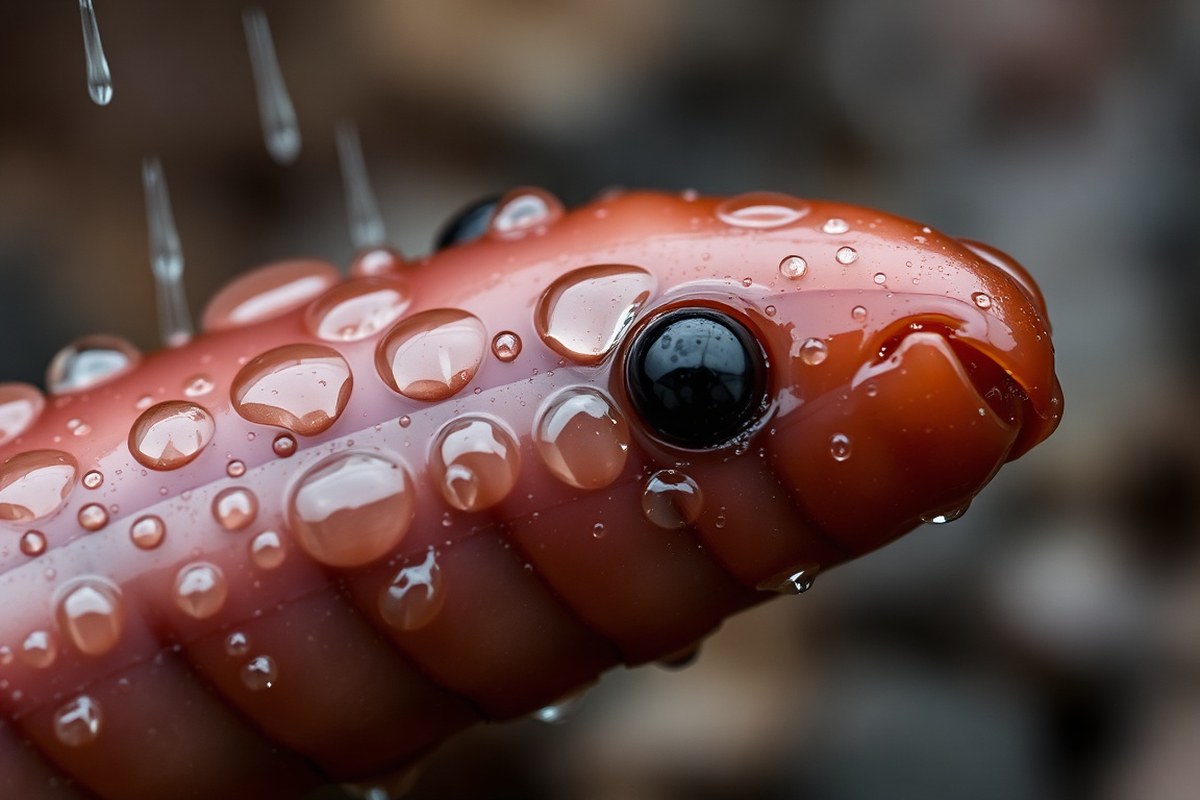
Worms breathe through their skin, which must stay moist to absorb oxygen. Rain saturates the soil, filling air pockets with water, so oxygen drops. This reduction in oxygen pushes worms to the surface, where they can find air more easily.
Skin Respiration Basics
Worms don’t have lungs. Instead, they breathe through their skin. Their skin stays moist with mucus, allowing oxygen to pass directly into their bodies.
Moisture is important for this process. Dry skin blocks oxygen transfer and can suffocate worms. Rainy conditions keep worm skin wet, helping them breathe.
Oxygen Levels in Saturated Soil
When soil is soaked with rain, water fills the spaces normally holding air. This reduces the oxygen available for worms underground. Without enough oxygen, worms risk suffocation.
Lower oxygen triggers worms to leave their burrows. They move toward the surface, where air pockets are larger. This lets them access more oxygen and survive until the soil dries.
Survival Underwater Limits
Worms can survive for days underwater because oxygen still exists in water. They extract oxygen dissolved in water through their moist skin. So, flooding alone doesn’t kill them instantly.
However, if the water lacks oxygen or stays stagnant too long, worms may struggle. Moving up to the surface helps them avoid these dangerous conditions. Some species tolerate low oxygen better and stay underground longer.
Keep soil well-drained to prevent oxygen loss and keep worms healthy in your garden.
3. Do All Worm Species Come Out When It Rains?
Not all earthworm species come out when it rains. Some surfacing happens mainly for mating or escaping predators. Invasive species like jumping worms behave differently from native earthworms.
Common Earthworms and Rain Behavior
Most earthworms don’t all surface after rain. The appearance of worms on wet soil is a response to underground changes.
They might be escaping moles or reacting to oxygen shifts. A 2008 study found oxygen use varies by species and influences surfacing.
Some worms travel when it rains, but they don’t all come up. Birds have learned to mimic raindrops to lure worms out for feeding. The surfacing behavior depends on the species and environmental cues.
Mating Species That Surface
Only a few of the 4,400 earthworm species surface to mate. These are not the majority. So mating isn’t why most worms come out in rain.
Worm surfacing for mating usually happens in specific seasons or temperatures. It’s not common every rain day.
When mating, worms look for mates on the soil surface. They then return underground to reproduce. This behavior is seen mostly in some native species, not invasive ones.
Invasive Worms Like Jumping Worms
Jumping worms are an invasive species different from native earthworms. They come out during rain but act more aggressively on the soil surface. They can spread faster by fragmenting and moving during wet weather.
These worms change soil quality and landscape by their activity. You won’t see jumping worms only when it rains. Their surfacing also depends on temperature and soil moisture beyond just rainfall.
Here’s a table showing how different worm types behave when it rains:
| Worm Type | Surface Behavior After Rain | Reason for Surfacing | Frequency |
|---|---|---|---|
| Common Earthworms (native) | Only some come out | Escape moles, oxygen needs | Varies by species and rain |
| Mating Species | Surface mainly to mate | Reproduction on moist soil | Occasional, during mating season |
| Jumping Worms (invasive) | Active on surface even in rain | Spread and soil feeding | Often, regardless of rain alone |
The variation in rain-surfacing behavior matters for understanding worm roles. It also helps manage invasive worms that can damage soil. Watching which worms come out and why guides gardeners and nature lovers on what to expect.
4. How Vibrations from Rain Influence Worms’ Movement
Worms do feel vibrations from raindrops. These vibrations can make them think a predator is near.
They often come to the surface to escape what they perceive as danger. Fishermen use this idea by creating vibrations to lure worms out of the soil.
How Raindrop Vibrations Mimic Predator Signals
When raindrops hit soil, they cause tiny vibrations. These act like signals from predators such as moles. Worms sense these and come to the surface.
Worms detect these surface vibrations and respond by moving upward quickly. This behavior helps them avoid being eaten underground.
Worms lack eyes but sense ground vibrations through their skin. Vibrations from rain seem similar enough to prompt a safe escape to the surface. Without strong muscles, it’s easier for worms to flee above ground during rain.
Why Worms Mistake Rain for Threats
Soil vibrations warn worms about predators burrowing nearby. When rain hits, the same pattern of pulses occurs, triggering a defensive move. Earthworms respond similarly whether facing a mole or raindrop impacts.
These vibrations are frequent and rhythmic during rain, increasing chances worms will surface. The risk of predators underground may be higher than above ground during rainstorms. Worms choose the lesser danger by leaving their tunnels.
Fishermen’s Use of Vibrations to Attract Worms
Fishermen trick worms by tapping sticks on the ground to create vibrations like raindrops. This makes worms think a predator is coming and they surface. This method costs little but works well.
You only need a stick and a steady rhythm. It helps you get bait easily.
You tap on dry soil for 10 to 15 seconds, then pause and wait a minute. Worms usually show up within seconds or a few minutes, especially after dry spells. This method costs almost nothing and works best in soft soil.
How Soil Conditions Affect Vibration Response
Wet or soft soil transmits vibrations differently than dry, hard soil. Soft soil spreads raindrop vibrations more evenly, making signals clearer for worms. Dry, compact soil can dampen vibrations, which means worms might not react as fast.
After heavy rain, soil softens. So worms move more easily and respond quickly to vibrations.
In compacted soil, worms often stay below ground since movement is tougher. Vibrations in looser dirt are stronger and more noticeable for worms.
What Happens When Vibrations Fail to Trigger Movement
When vibration signals are too weak or irregular, worms might not surface. Worms stay underground during light rain or dry soil. This means worms use vibration cues carefully to avoid needless risks.
Sometimes worms get trapped if they misinterpret signals or conditions change fast. Over time, they learn to balance when to flee and when to stay put. Seeing them on the surface means they reacted to clear and persistent vibrations.
5. What Risk Do Worms Face on the Surface After Rain?
Earthworms face serious risks when they come out after rain. Birds and other animals spot them easily on wet, exposed surfaces. Moles and insects also hunt earthworms during this time, increasing their chance of being eaten.
Sunlight and drying ground harm worms quickly once the rain stops. Worms need moist skin to breathe through their bodies. On dry surfaces, they dry out in 15 to 30 minutes.
Drying out this fast can be deadly. This happens because they lose moisture quickly.
Worms stay vulnerable on the surface for several hours after rain. They usually wait for the soil to remain damp before returning underground. Until then, they remain at risk from predators and drying conditions.
- Birds searching for worms often arrive soon after rain ends.
- Drying sun and wind cause worms’ skin to lose moisture.
- Moles and other small animals find worms easier to catch above ground.
- Worms try to stay in shaded or moist spots to avoid drying out.
- Wet nights and overcast days reduce risk by maintaining surface moisture.
- Worms on hard, sunlit surfaces face faster dehydration than under plants.
Worms have no shell or tough skin to protect them. Their movement on wet soil leaves them exposed visually and physically. This risk forces worms to balance the need for oxygen with survival hazards above ground.
Keep your garden moist and shaded after rain to protect surface worms.
6. What Happens to Worms After Rain Stops?
Worms don’t rush back underground as soon as the rain stops. They wait for surface conditions to become safe again, mainly for soil moisture to stabilize. When the soil begins drying, worms feel the change and prepare to burrow back down.
The drying soil triggers worms to return below ground because it reduces water availability. Their skin needs moisture to absorb oxygen, so drier soil threatens their breathing. Worms feel moisture change in the soil.
They start burrowing deeper quickly. Air pockets form in the remaining soft soil.
This movement back underground is a survival response to the altered environment. Worms react quickly to moisture loss and rising oxygen levels near the surface. Worms sense moisture shifts to avoid drying out.
They also escape predators on the soil surface. This skill helps them survive longer.
After rain, the underground soil is usually moist and soft, which helps worms easily tunnel back. They rely on gentle soil texture caused by recent water to move off the surface. Soil that dries too fast makes their journey harder and reduces their chance of survival.
Not all worms manage to get back quickly. Sometimes they stay out too long or the soil dries unevenly. Surface conditions can quickly harm worms.
They risk drying out or being caught by predators. The surface can’t support them for long.
Their return also depends on nearby soil temperature and oxygen levels. Cooler, moist soil supports worms more than hot, dry soil. Worms balance these environmental cues carefully before burrowing deeply once again.
7. How Worm Surfacing Benefits Gardens and Ecosystems
Worm surfacing after rain helps improve soil health significantly. Their movement creates channels that let air and water reach plant roots. These tunnels help roots grow deeper and stronger.
Stronger roots support better plant health. This happens over time as roots spread.
When worms move through wet soil, they mix organic material and minerals thoroughly. This mixing breaks down dead leaves and plant parts. It makes nutrients easier for plants to use.
Worms do this work in soil. As worms digest soil, they boost microbial activity, which is essential for healthy nutrient cycles.
Earthworms also increase the soil’s ability to hold water and improve drainage by creating these burrows. Gardens benefit because water stays longer in the soil. Plants stay hydrated without drowning their roots.
This keeps the soil healthy. This naturally reduces the need for extra watering and promotes healthier lawns and flower beds.
Worms leave behind castings, which are rich in nutrients like nitrogen, phosphorus, and potassium. These castings act as a natural fertilizer that improves soil fertility. Worms keep soil loose, moist, and full of nutrients.
This makes growing veggies and flowers easier. Regular worm activity keeps soil in good shape.
This kind of worm activity supports ecosystems beyond your garden. Healthy soil with active earthworms sustains beneficial insects and microorganisms, improving overall biodiversity. Worms recycle dead leaves and other organic matter.
This helps plants, animals, and microbes in soil. It supports a balanced garden environment.
Keep in mind, worm surfacing happens mostly when rain moistens the soil enough for easy movement. Too much water or chemicals can harm worms. Worms may get stressed or hide underground.
This affects their ability to help the soil. Worms still come out in light rain or mist.
They help keep soil healthy and working well. This supports gardens and natural ecosystems.
8. Common Myths and Misconceptions About Worms and Rain
Worms do not drown when it rains, though many people think they will. They breathe through their skin, which needs to stay moist to absorb oxygen. Rain makes the soil soggy, reducing the air pockets worms rely on for breathing underground.
Worms come out to avoid suffocating in wet soil. They do not come out because they fear rain. Waterlogged soil forces them to the surface.
Another myth is that worms surface to escape the rain’s touch. Worms don’t dislike the rain. They are just trying to prevent drowning in overly wet soil.
Their surfacing is a normal, natural behavior. It allows them to move safely to drier ground or fresh soil with enough oxygen.
Some people think worm surfacing signals distress, but that’s not true. It’s a survival move, not a sign of harm. Worms stay on the surface briefly after rain.
They wait until the soil dries out. Or they look for better places to live.
- Worms breathe through their moist skin, so soil air matters.
- Waterlogged soil traps worms without enough oxygen.
- Worms come out to avoid suffocation, not because they dislike rain.
- Surface movement of worms during rain is common and expected.
- Worms can safely return underground once soil moisture improves.
- Rain vibrations don’t scare worms; they respond to soil wetness.
- Worm surfacing benefits soil by improving aeration through movement.
Handle worms gently if you collect them after rain. Their skin is delicate and easily damaged.
Worm surfacing doesn’t mean they are in trouble. Instead, it means they’re acting to survive better in wet weather.
Their behavior shows nature’s way of dealing with changes underground. Understanding this helps gardeners and nature lovers respect what worms are doing after rain.
What to Do When You See Worms Surface After Rain
Worms come out mostly to move around and breathe better during rain. Here’s how you can watch and help these little gardeners safely.
- Right after rain ends: Walk softly on grass or soil to avoid crushing worms. You’ll know you’re careful if you see many worms still wriggling on the surface.
- Within a few hours: Collect worms using a small shovel or hands. Check if they feel moist and active, which means they’re healthy and ready for your garden.
- Same day: Move worms to garden beds or compost piles to improve soil health. Look for better soil aeration or richer compost over the next week.
- Next morning: Water garden lightly to keep soil moist but not soggy. Your worm friends work best in damp, cozy soil. So you’ll see plants looking stronger soon.
- Within a week after rain: Inspect soil for worm tunnels or castings (worm poop). This shows worms are settling and doing their job improving your soil.
Frequently Asked Questions
Why Do Worms Come Out When It Rains?
Worms come out because rain makes the soil moist and easier to move through. Wet conditions also help worms breathe better while they’re above ground.
Can Worms Drown Underground During Heavy Rain?
Worms can drown if soil becomes waterlogged, limiting oxygen. That’s why they may surface to avoid drowning in flooded tunnels.
Do Worms Come Out Because They Want to Find Mates When It Rains?
Worms might surface to find mates since rainsoftens soil. Easier movement helps them meet without digging through hard soil.
How Does Rain Sound Make Worms Come to the Surface?
Vibrations from raindrops might mimic predator signals, causing worms to surface. It’s a way to escape what they sense as threats underground.
Are Worms at Risk from Birds and Animals After Rain?
Yes, surface worms become visible prey for birds and other animals. Rain makes them more exposed and vulnerable outside their burrows.
Do Worms Stay Out Long After Rain Stops?
Worms usually return underground once the surface dries. They prefer moist conditions to stay hydrated and protect themselves from predators.
The Bottom Line
Worms come out during rain to breathe and move safely. Watching them surface gives you a chance to protect and use them well. Try moving some worms to your garden after rain to help your plants grow.


