

What Temp Does Weed Decarb: Optimal Temperatures and Times for Perfect Activation
You’re wondering what temp does weed decarb for perfect activation. The best range is between 220°F and 250°F. Times vary from 25 to 50 minutes. They depend on the temperature you choose.
For example, 240°F works well for 30 to 40 minutes. This activates THC without burning your cannabis.
It’s important to use an oven thermometer because regular oven dials aren’t very accurate. Let the oven fully preheat for 15 to 20 minutes.
This helps the temperature stabilize before you start. Overheating past 250°F can burn valuable cannabinoids and terpenes, ruining both potency and flavor.
If your cannabis feels damp, adjust the time by 5 to 10 minutes. Or dry it quickly at 200°F first. This way, you’ll get a consistent decarb and avoid under- or over-activating your weed’s effects.
Key Takeaways
- Decarb cannabis at 115°C (239°F) for 40, 50 minutes to activate THC properly.
- Use a reliable oven thermometer to ensure accurate preheat and temperature.
- Keep oven temps between 220°F and 250°F to preserve cannabinoids and terpenes.
- Add 5, 10 minutes if cannabis is damp, or pre-dry briefly at 200°F.
- Avoid temperatures above 250°F, as they degrade potency and flavor quickly.
- For CBD-rich flower, decarb at 240°F for 50 minutes to preserve both CBD and THC.
What Temperature and Time Does Weed Decarb Best?

The best temperature to decarb weed ranges from 220°F to 250°F. Exact times depend on your oven and what you want. They usually range from 25 to 60 minutes.
Adjust time for desired results. Staying within this range converts THCA to THC efficiently without burning your cannabis.
Standard Temperature-Time Recommendations
Here’s a quick look at common decarb temps with their recommended times. These cover open pan baking and mason jar methods, which are popular at home. Use this as a baseline for your setup.
| Oven Temp (°F) | Oven Temp (°C) | Recommended Time | Notes |
|---|---|---|---|
| 220°F | 104°C | 45-60 minutes (open tray) | Gentler on terpenes; good if your oven runs hot |
| 240°F | 115°C | 35-40 minutes (open tray) | Standard home oven target; solid THCA to THC conversion |
| 250°F | 121°C | 25-30 minutes (open tray) | Faster decarb but watch closely to avoid THC degradation |
Open trays usually need less time than mason jars due to heat exposure. Mason jars add about 10 to 15 minutes to those times. Keep in mind that decarb times can vary slightly with your oven and cannabis form.
Why 220-250°F Is the Sweet Spot
THCA starts converting to THC efficiently between 220°F and 240°F. At these temperatures, chemical bonds break just right without destroying cannabinoids. That means you get psychoactive THC with good flavor and terpene retention.
Temperatures around 240°F (115°C) for 30 to 40 minutes offer a good balance. This range delivers roughly 88% of the theoretical THCA conversion.
Lower temps keep more aroma but take longer. Higher temps speed things up but risk losing potency.
THC begins turning into CBN above 250°F if heated too long. That can dry out cannabis and reduce its psychoactive effects. So 220°F to 250°F gives you control to convert THCA well while preserving terpenes and cannabinoids.
Risks of Too High or Low Temperatures
Going above 250°F leads to THC breaking down into less desirable compounds like CBN. This can cause weaker effects and harsher flavors. Ovens hitting 300°F or more accelerate degradation and can burn your weed quickly.
Temperatures under 220°F require longer times, sometimes up to 2 to 3 hours. You risk incomplete decarb and less potency if the heat is too low or inconsistent. Slow decarb does keep more of your cannabis aroma but needs patience.
Both overheating and underheating have trade-offs. Keep your temperature steady between 220°F and 240°F for best potency and flavor. That avoids the risks of burnt or underactivated cannabis.
How to Know When Your Weed Is Fully Decarbed
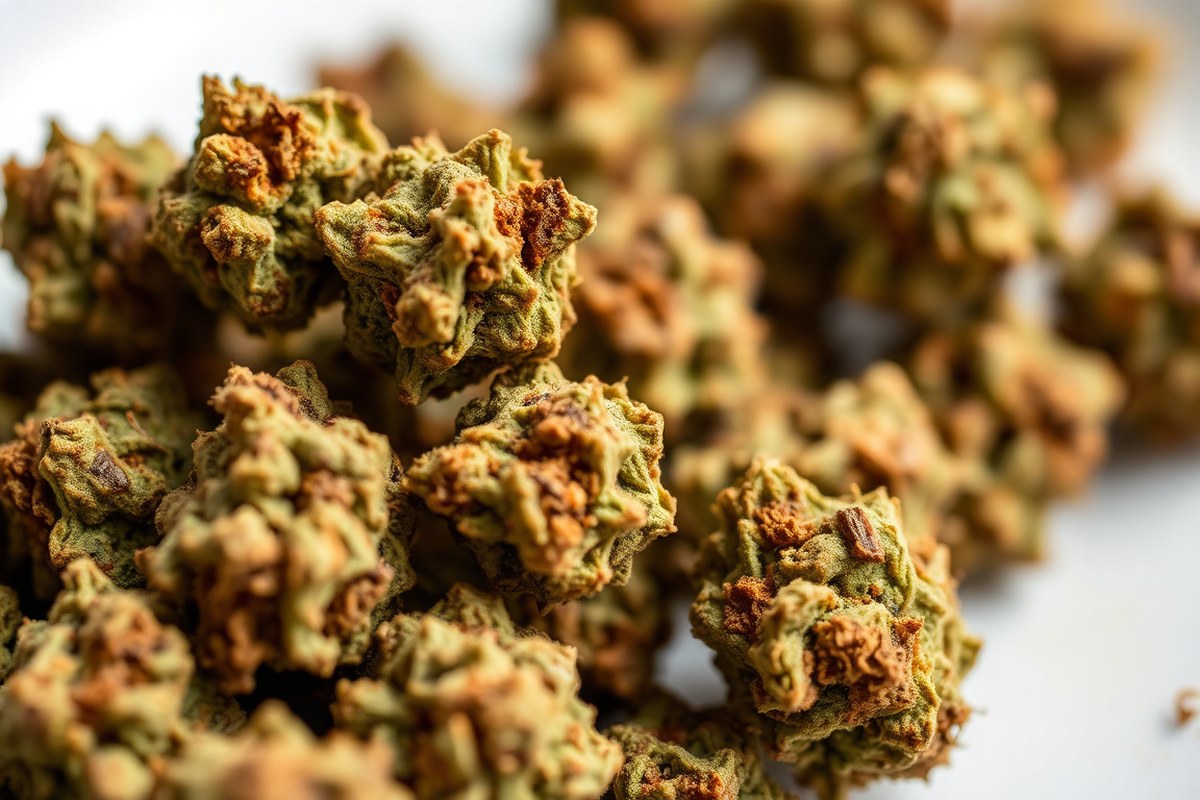
You’ll notice the color of your weed darkening a bit when it decarbs. It shifts from bright green to a light brown or tan shade. This change means heat has started breaking down chlorophyll and THCA into THC.
Smell gives another clue. Fresh weed has a sharp, herbal aroma that gets nuttier and deeper as it heats.
The smell turning burnt or too toasty means you overdid the decarb. Aim for a rich, earthy scent that isn’t smokey.
Decarboxylation works slowly, so timing matters a lot. Most home cooks heat cannabis at 240°F (115-120°C) for 30 to 40 minutes to activate it well. Around 45 minutes, your weed should be ready to use.
- Watch color: green to light brown
- Notice aroma: fresh to deep, nutty
- Check bake time: 30, 40 minutes at 240°F
- Use an oven thermometer for accuracy
- Let cannabis cool fully before handling
- Add 5, 10 minutes if weed feels moist
- Don’t exceed 250°F to keep potency
Oven temperature controls matter most for consistent decarb. Most ovens can swing above or below your set temp.
Using an oven thermometer helps you adjust as needed before putting in your weed. A little patience preheating (15 to 20 minutes) ensures steady heat.
Smell and color aren’t perfect tests, though. For more accuracy, you could test potency with a small infusion sample. Weak effects usually mean your weed needs more time or a bit higher heat next batch.
Let your decarbed weed cool fully before opening the container. This keeps the potency and prevents burns. Handle it only when it feels cool.
Decarbing Different Cannabis Forms: Flower, Kief, and Concentrates
Decarbing flower, kief, and concentrates requires different temperatures and times. Flower takes longer because it’s bulkier and denser. Kief and concentrates like hash or oil need lower heat and shorter times to avoid burning.
Flower Decarb Guidelines
Whole cannabis buds need more time to heat through. Breaking buds into rice-sized pieces speeds decarboxylation and heats more evenly. Finer ground flower decarbs faster at slightly lower temperatures because of greater surface area.
Set your oven around 230°F to 239°F and let flower decarb for 25-70 minutes. Check your progress if it goes past 40 minutes to avoid burning, especially with finer material. Spread flower thinly on parchment paper for even heating.
| Material | Temperature | Starting Time | Notes |
|---|---|---|---|
| Whole buds, unbroken | 115°C (239°F) | 55 to 70 min | Heat slowly reaches core. Break buds for faster decarb. |
| Coarse ground flower | 115°C (239°F) | 40 to 50 min | Standard. Pieces roughly rice-sized for even heat. |
| Fine ground flower | 110°C (230°F) | 25 to 35 min | Heats quickly. Lower temp avoids scorching. |
The longer time with larger pieces lets heat fully activate cannabinoids inside the bud. Finer ground weed needs lower temps or it scorches easily. Stir flower mid-way during decarb for better evenness.
Kief and Hash Decarb Recommendations
Kief decarbs faster because it’s finely powdered and resin-rich. It burns easily. So use 220°F or 105°C. Spread a thin layer between parchment paper.
This stops sticking. Watch it closely for about 20-30 minutes.
Pressed hash requires similar care as kief. Keep temps a bit lower than flower, around 230°F works well. Hash in a thin layer heats faster and needs 20-30 minutes, depending on thickness.
| Material | Temperature | Starting Time | Notes |
|---|---|---|---|
| Kief | 105°C (221°F) | 20 to 30 min | Fine and resinous. Burns quickly. Stir once. |
| Hash, pressed | 110°C (230°F) | 20 to 30 min (approx.) | Similar to kief. Avoid overheating to keep potency. |
Pressing kief or hash thin and checking at 15 minutes helps avoid overcooking. Stir or flip it once to prevent hot spots. The finer and stickier the material, the more careful you need to be.
Decarbing Concentrates and Oils
Concentrates and oils heat faster than flower because of their consistency. Use lower temps around 220°F (105°C) to 230°F (110°C). Decarb times are shorter, usually 20 to 30 minutes.
Sealing concentrates in a glass jar slows evaporation and traps smells. Place the jar in an oven-safe container or water bath for more even, gentle heat. This method keeps terpenes better and stops burning.
| Material | Temperature | Starting Time | Notes |
|---|---|---|---|
| Concentrates (oil, wax) | 110°C (230°F) | 20 to 30 min | Use sealed container. Heat gently for best terp preservation. |
Keep a close watch on concentrate decarbing since too much heat degrades cannabinoids quickly. Lower temperature and slower time balance activation and potency retention. Use an oven thermometer for accuracy since oven temps fluctuate.
Best Home Methods to Decarb Cannabis Without Overheating
You can decarb cannabis using several methods besides an oven. Each offers different levels of temperature control, odor, and ease. Your choice depends on the gear you have and your patience.
It also matters if you want to avoid the usual weed smell. Think about what works best for you.
Oven Decarboxylation Steps and Tips
Ovens are the simplest and most common decarb method. Preheat your oven to about 230°F (110°C). Use an oven thermometer to check the real heat.
Make sure the temperature is right before starting. Most ovens run 10 to 25 degrees off, which can spoil your batch if unchecked.
Place ground cannabis on a parchment-lined baking sheet or loosely in a mason jar. The oven’s dry heat can cause some odor.
But using an oven bag or sealing your herb inside a jar cuts it down. Bake for 40 minutes, then cool before use.
Ovens are cheap and fast but risk uneven heating. High temps over 250°F easily burn cannabinoids and terpenes, ruining flavor and potency. Accuracy matters, so confirm temperature and adjust time based on how fine your cannabis is ground.
Sous-Vide and Instant Pot Methods
Sous-vide is a great odor-free method. Seal your cannabis in a vacuum bag or mason jar. Then, put it in water heated to 203°F (95°C).
Keep it fully submerged for best results. A precision cooker keeps that temperature steady for 60 to 90 minutes.
This fully activates THC without overheating the cannabis. It gives you control over the process.
This method keeps terpenes intact and preserves flavor since the heat is gentle and evenly distributed. These cookers cost more and work slower than ovens. They are worth it if you want precise results with no smell.
The tradeoff is price and time for quality. Instant Pots can mimic sous-vide by using precise temp and steam but require close monitoring.
Instant Pots work at about 248°F (120°C) for 40 minutes and offer good odor control. They are handy if you have one but lack the steady water bath environment sous-vide provides. Both need kitchen space and a bit more setup time than the oven.
Using Decarb Machines and Devices
Dedicated decarb machines like the Ardent Nova or Levo II simplify the process. They maintain perfect temperatures around 240°F (115°C) and typically seal the cannabis to limit odor. They cost $150 to $300 but reduce guesswork and risk of burning.
These devices combine decarb and infusion into one step. This saves time if you make edibles or oils a lot. It can simplify your preparation process.
Their consistent heating ensures even activation and better terpene preservation than open ovens. However, using a machine is less flexible and slower than quick baking.
You want precise, repeatable decarb results and don’t mind paying. These machines fit well for convenience and control in your process. For occasional use, basic oven or sous-vide methods work well.
They cost less upfront and clean up easier. Quality is similar if you don’t need extras.
Common Mistakes and How to Avoid Them During Decarb
Oven temperatures can be tricky when decarbing weed. Most home ovens run unevenly and often hotter than their dial shows.
Your oven may run hot. Lower temperature by 20°F. Add 10 minutes to baking time.
Grinding your cannabis too finely before decarbing causes problems. Fine particles can slip through the parchment paper and heat unevenly. This uneven heating leads to some parts decarbing while others may degrade or burn.
Decarbing too long also damages your cannabis. Leaving it in past 40 minutes breaks down THC. This makes less desirable compounds.
CBN is one of these compounds. Sticking to recommended times around 30 to 40 minutes helps keep potency and flavor.
- Use an oven thermometer to check true temperature.
- Grind cannabis coarsely, not into a powder.
- Set the oven to 220-250°F and adjust for your oven quirks.
- Time your decarb for 30 to 40 minutes at target temperature.
- Start baking in a preheated oven, not a cold one.
- Let cannabis cool fully on the sheet after decarbing.
Double-check your oven’s real temperature with a thermometer every time you decarb.
Starting in a cold oven means your timer counts warming time, not decarboxylation. This confuses the process and risks under-decarbing.
Once the timer’s up, remove the cannabis and let it cool for at least 30 minutes. This stops any further heat exposure and preserves terpenes and cannabinoids.
Following these steps keeps your weed active without burning it. Check your oven’s real temperature. Avoid grinding cannabis too fine.
This stops uneven heating and bad smells. Too high heat or too long baking lowers potency and wastes your stash.
How Temperature Affects Terpenes and Cannabinoid Potency
Terpenes start to evaporate at temperatures around 130°F to 160°F. Many cannabis terpenes like myrcene start fading at low heat. Limonene and others are also volatile. They lose aroma quickly when heated too much.
Heating weed too hot or too fast can ruin its flavors. It quickly loses unique smells. That lowers the quality of your cannabis.
When you heat cannabis above 250°F, the risk of losing terpenes jumps sharply. Overheating changes cannabis taste and smell by burning off these delicate compounds. High heat damages THC and other cannabinoids.
Potency drops if heat stays high over 60 minutes. Heat that long breaks down valuable compounds.
Some growers decarb at 225°F to protect terpenes. This heat activates THC well. It balances activation and terpene preservation.
Slower decarbing keeps the full flavor profile intact. You should gently heat cannabis in an even layer, stirring once to expose all parts. Check the oven temperature closely with a reliable thermometer to stay steady around 225°F to 240°F.
Decarbing faster at higher temperatures, like 300°F, may save time but cuts terpene content drastically. You lose those fresh citrus, pine, or earthy scents that make each strain unique. Higher heat breaks down more cannabinoids like THC.
THC turns into less potent CBN. That changes the strength and feel of the high.
You can trade speed for quality by adjusting decarb temperature. For a richer flavor and balanced effect, take more time near 225°F. You want a quick, sedating product around 250°F and 45 minutes. This speeds THC turning into more CBN.
It makes the buzz more relaxing. Still, you will sacrifice the bright terpene profile.
Using good equipment helps a lot. An oven thermometer with 5°F accuracy avoids sudden temperature spikes that harm terpenes. Advanced techniques use sealed or pressurized containers for decarb.
This traps terpenes inside. That keeps more aroma and potency in your weed.
Equipment and Preparation Checklist for Consistent Decarb Results
An oven thermometer is a smart tool to use. Most ovens are off by 10°F to 25°F from the dial. This helps you know the real temperature inside the oven.
This tool helps keep the temperature steady. Steady heat is key for consistent edible potency. You want your potency to stay the same every time.
Preheat your oven to the right decarb temperature. Let it sit for 15 to 20 minutes to settle.
This wait ensures the oven heat is stable and even. This extra time keeps your cannabis from overheating or underheating.
Break your cannabis into small, even pieces before decarbing. Spread it thinly on a baking sheet with parchment or foil. This helps heat spread evenly and avoids uneven decarbing.
- Oven thermometer to monitor real temperature
- Preheat oven for 15-20 minutes for steady heat
- Lightly break up cannabis and spread thin on tray
- Use parchment paper or foil to line the baking tray
- Set timer strictly based on your chosen temperature and cannabis form
Once decarbed, let your cannabis cool fully before storing it. Store it in an airtight container away from light, heat, and humidity. This keeps potency and flavor intact for weeks or months.
Handle concentrates like kief or hash gently during decarb. Shorten their decarb time to about 10 minutes at 300°F (149°C). This prevents burning and keeps quality intact.
How Moisture and Cannabis Quality Influence Decarb Time
Fresh or damp cannabis needs more time to decarb than dry bud. Moisture uses up heat energy to evaporate water first, slowing the chemical conversion.
Your weed is fresh or kept humid? Add 5 to 10 minutes more.
Drying your cannabis before you decarb usually helps speed the process and improve results. Leave your weed in an open spot with good airflow. Do this for a few days.
It lowers moisture to safer levels. Too much water can cause uneven heating and leave some THC inactive.
Older, properly cured cannabis takes less time since it holds less moisture. As weed ages, cannabinoids might degrade slightly. But drying ensures faster and more consistent decarb.
Use a low temperature like 220 °F (104 °C) for damp weed. Cook it longer to avoid burning. This helps dry and activate it evenly.
Make sure to spread your weed thinly on a baking tray for even drying and decarbing.
Grinding your weed before decarbing exposes more surface area. That lets heat reach all parts faster, especially useful with slightly moist cannabis. Whole flowers take more time.
Add 10 to 15 minutes. Moisture inside the bud evaporates slower.
Dry your cannabis until it feels a bit crisp. This cuts decarb time by about 20%. It works better than using fresh flower.
At 220 °F, dry cannabis usually takes 30 to 40 minutes. So damp weed might need 40 to 50 minutes. Longer heating at lower temps protects terpenes but requires patience.
Step-by-Step Action Plan for Home Cannabis Decarb
Follow these steps to activate your cannabis safely and get the best results. Check each stage to make sure your weed is properly decarbed without losing potency.
- Before You Start: Preheat your oven to 240°F (115°C). This temperature activates THC without burning your weed.
- Preparation: Break your cannabis flower into small pieces. Spread them evenly on a baking sheet. Line the sheet with parchment paper first.
- Baking Time: Place the tray in the oven for 40 minutes. Gently stir the cannabis halfway through to heat evenly.
- Cooling Phase: Remove the cannabis and let it cool for 10 minutes. Fully cooled weed means decarboxylation is complete and ready for use.
- Test Quality: Smell the weed, it should have a toasted aroma without burnt smell. That indicates your terpenes and cannabinoids stayed intact.
- Store Properly: Put decarbed weed in an airtight container. Store your cannabis in a cool, dark spot. This keeps it fresh longer. Use it later for edibles or oils.
- Adjust for Concentrates or Kief: Set your oven to lower temps like 220 or 230°F. Bake for shorter times, around 20 to 30 minutes. This helps avoid overheating your concentrates.
- Repeat When Needed: Check moisture and quality each batch. Adjust time by 5-10 minutes if weed feels too dry or not well toasted.
Frequently Asked Questions
What Temp Does Weed Decarb?
The best temperature to decarb weed is between 230°F and 250°F. This range activates THC without destroying important terpenes and cannabinoids.
Is 30 Minutes Enough to Decarb Weed?
Yes, 30 minutes is usually enough at around 250°F for proper decarboxylation. This time lets most THCA convert to THC without burning your weed.
How Do You Know When Weed Is Fully Decarbed?
Weed is fully decarbed when it has a dry, crumbly texture and a nutty smell. Visual and smell cues help, but timing and temperature matter most.
Is 250 Too Hot to Decarb?
No, 250°F is not too hot. Keep the time short.
Bake for 25 to 30 minutes. Higher temps speed up decarb but risk degrading THC.
Should You Grind Up Weed Before Decarbing?
It’s better to break up buds gently but not grind too fine. Small pieces decarb more evenly and keep moisture balanced.
Can You Decarb Weed Using a Slow Cooker?
Yes, you can decarb using a slow cooker at low heat for several hours. It’s safer but takes longer than an oven method.
Wrapping Up
Decarbing cannabis at 240°F for about 40 minutes works best for most flower. This method activates THC while keeping taste and potency strong. Grab your oven and start your first batch now.
This gives you fresh, effective weed for edibles. Enjoy making oils or treats easily.


