

How to Grow Flowers: A Complete Guide with Proven Tips for Success
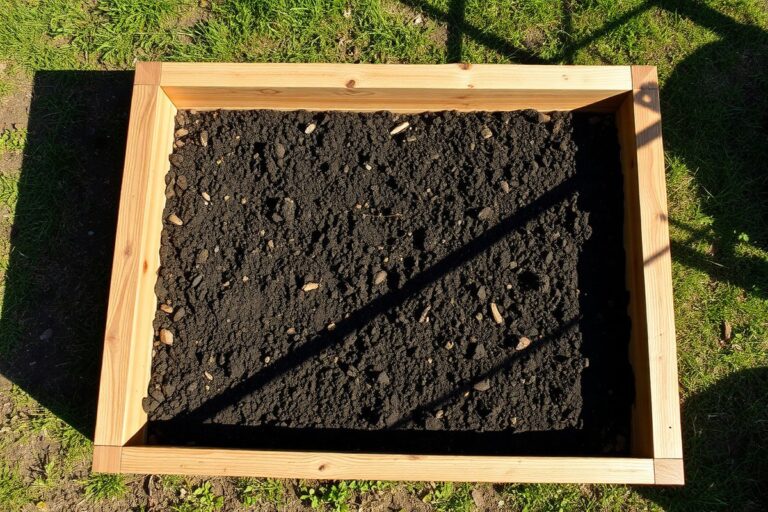
Knowing how to grow flowers well means starting with good seeds and soil. Choose seeds that suit your climate and prepare your garden bed with nutrient-rich soil first. Healthy soil and the right seeds give your flowers a better chance to bloom strong.
Next, find the right spot that fits your flowers’ sunlight needs. Most flowers need around 6 to 8 hours of sun daily to grow well. Check the weather daily.
Water your plants in the morning. Keep roots damp without overwatering.
Plant flowers in grow bags or garden beds that fit their size. Small flowers like pansies do well in smaller bags.
Bigger flowers like lilies need more space. Keeping these details right helps flowers go from seed to blooming beautifully.
Key Takeaways
- Choose flower seeds based on your local climate and sunlight availability.
- Prepare soil by adding compost or organic matter before planting.
- Provide flowers with at least 6 hours of direct sunlight daily for best growth.
- Morning watering every 3 to 5 days helps plants stay healthy without rain.
- Use grow bags sized to flower type: small, medium, or large.
- Mulch around plants with 2, 3 inches of organic material to keep moisture.
How to Grow Flowers Successfully from Seed to Bloom

Growing flowers from seed to bloom takes careful steps and the right conditions. You’ll need good soil, proper light, and the right temperature to start strong. Planning your planting time is key for healthy plants.
Follow these steps to set up and grow your flowers well. Each step helps your seedlings develop into blooming plants. Adjust some details depending on your flower type and growing zone.
- Select seeds suited for your USDA growing zone. Choose seeds that match your climate and the season. This saves you trouble and helps plants thrive.
- Prepare quality soil rich in nutrients. Use soil with balanced nitrogen, phosphorus, and potash to promote roots and flowers. Large grow bags 15 to 18 inches wide and deep work well for bigger flowers.
- Sow seeds at the right time and depth. Plant seeds based on the specific flower’s instructions. Cover them lightly with soil and keep the soil moist until germination.
- Provide consistent water, about 1 inch per week. Water gently to keep soil evenly moist but not soggy. Adjust watering when seedlings appear, avoiding splashing leaves.
- Place flowers in a sunny spot with at least 6 hours daily sunlight. Most flowers need full sun to bloom well. Some tolerate part shade; confirm based on your flower choice.
- Use slow-release fertilizer after seedlings emerge. Feeding every few weeks keeps plants growing fast and healthy. Avoid overfeeding, which can harm plants or reduce blooms.
- Support tall flowers with stakes or trellises. This prevents bending and damage for flowers like sunflowers and dahlias. Check supports as plants grow.
- Remove dead flowers regularly to encourage more blooms. This step focuses plant energy into new buds instead of seed production. Deadheading helps extend flowering periods.
Good results mean healthy stems, vibrant leaves, and regular blooms. If plants look weak or stop blooming, check for watering issues or too much shade. Starting with quality seeds and soil sets the stage for your flower garden’s success.
Best Flowers for Beginners and How to Choose Them

Choosing the right flowers depends on your garden’s sunlight, space, and climate. Most flowers need 6-8 hours of direct sun daily for healthy growth. Start with flowers that suit your skill and local growing conditions for better success.
Annuals live for one season and bloom all summer. You plant new ones every year for fresh color and variety. Perennials come back year after year and form the garden’s backbone.
Beginners often choose annuals because they grow fast. They need extra care, including feeding every 2 to 3 weeks. This makes them easier to manage for new gardeners.
| Flower Type | Ease for Beginners | Sunlight Needs | Growth Habit | Planting Notes |
|---|---|---|---|---|
| Pansies | Easy | Full sun to part shade | Compact, grows in small bags | Space plants 6-10 inches apart |
| Petunias | Easy | Full sun | Trailing or bushy, small bags ok | Keep soil moist, feed every 2-3 weeks |
| Alyssum | Easy | Full sun to part shade | Low-growing, spreads quickly | Plant in well-drained soil |
| Black-eyed Susan | Moderate | Full sun | Perennial, grows 2-3 feet tall | Good for borders and open spaces |
| Daylilies | Moderate | Full sun to part shade | Perennial, clump-forming | Plant in spring with good drainage |
Look around your garden and note how much sun each spot gets. Pick flowers that like the same sunlight to simplify watering and care. Pansies and petunias suit small containers well.
They grow fine in 6-10 inch grow bags. These flowers bloom quickly, perfect for small spaces.
Don’t crowd annuals together; they need room to grow and air to prevent disease.
Think about your climate zone too. Some perennials behave like annuals in cold zones. They don’t return after winter in those areas.
But in warmer Zones 10-11, they come back each year. Desert climates need drought-tolerant plants if watering is limited. Adjust your flower choices based on your environment for healthier growth and less maintenance.
Preparing Soil and Planting Flowers Correctly
Good soil for flowers drains well, holds moisture, and has the right nutrients. Preparing soil means testing pH, adding organic material, and clearing debris. Plant flowers at the depth and spacing suited to their type for best growth.
Testing and Improving Soil pH and Texture
Check your soil’s pH before planting. Most flowers prefer a pH between 6.0 and 7.0. You can buy an inexpensive soil test kit from garden centers or online.
Loosen the soil deeply to improve texture. Remove all weeds, rocks, and large debris. Mix 2-4 inches of compost or organic matter into the top 6-8 inches of soil.
- Buy a soil test kit or send soil sample to local extension service
- Clear all weeds and stones from planting area
- Loosen soil 6 to 8 inches deep using a shovel or tiller
- Mix in 2 to 4 inches of compost or organic matter
- Add sand or peat moss if soil is very sandy or heavy clay
Improving soil pH and texture helps flowers absorb nutrients and prevents root rot. Adjust soil with organic matter and other amendments as needed depending on test results.
Digging, Spacing, and Planting Depth Guidelines
Dig holes three times as deep as the root ball or bulb height. Plant bulbs pointy end up. Plant seeds or seedlings at their original soil depth without burying the stem.
Space flowers according to their adult size. Small bedding flowers can go 6-12 inches apart. Larger types may need 12-18 inches or more between plants.
- Dig holes 3 times bulb height or seedling root ball depth
- Keep flower stems above soil surface; don’t cover with dirt
- Space small flowers 6-12 inches apart and large flowers 12-18 inches apart
- Loosen soil around hole to let tap roots grow deeply
Correct depth and spacing prevent stem rot and crowding. Crowding limits airflow and sunlight, causing weak plants and poor blooms.
Adding Mulch and Organic Material After Planting
After planting, cover the soil with 2 to 4 inches of organic mulch. Use materials like pine needles, wood chips, or straw to retain moisture and control weeds.
Mulching protects roots from temperature changes and keeps soil moist longer. Avoid piling mulch against the flower stems, which can cause rot.
- Apply 2-4 inches of organic mulch around plants
- Keep mulch a few inches away from flower stems
- Mulch helps keep weeds down and reduces watering needs
- Renew mulch layer each spring or fall as needed
Watering Flowers: How Much and When to Water
Most flowers need about 1 to 1.5 inches of water per week once established. This amount replaces natural rainfall and keeps the soil moist without soaking it. Water close to the soil base to avoid wetting leaves, which can cause fungal diseases.
Check soil moisture every day for new plants. Water if the top 2 to 3 inches feel dry. This keeps your plants healthy and well-watered.
Give each plant several cups of water each time. Make sure the water soaks in slowly.
This helps the roots grow deep. Avoid overhead watering since it can disturb delicate flowers and spread disease.
Early morning is the best time to water flowers. The cooler temperatures and sunlight help water evaporate, letting leaves dry faster to reduce fungal risks. Watering late afternoon or evening keeps foliage wet longer, inviting mold or mildew.
You can tell flowers need more water if leaves wilt, droop, or turn dull. Yellowing and leaf drop often signal too much water or poor drainage.
Check soil with a finger or moisture meter: dry soil means time to water. Soggy soil means cut back.
Some flowers tolerate less water, especially drought-loving types like coneflowers or lavender. Others like impatiens or begonias need more frequent moisture. Group flowers with similar watering needs to avoid over- or underwatering parts of your garden.
Use a rain gauge to track natural rainfall and adjust watering days accordingly. For example, if you get half an inch of rain, water enough to make a total of 1 inch.
This replaces the missing moisture your plants need.5 inches total weekly. This keeps you from overwatering during wet weeks and underwatering when it’s dry.
Use a liquid fertilizer like Miracle-Gro once a week during watering. This feeds your flowers and keeps them hydrated. It saves time by doing both at once.
Always water at the plant base to avoid splashing fertilizer on leaves or flowers. This method wastes less water and nourishes roots effectively.
Sunlight Requirements and Choosing the Right Location
Determine how much sunlight your garden spot gets by watching it over one full day. Mark the hours of direct sunlight, using a simple watch or phone timer.
An area with six or more hours of sun is full sun. This suits flowers like sunflowers or marigolds.
You get partial sun when the area sees three to six hours of light. Some flowers bloom well there, but full sun usually brings more blooms.
Partial shade means about three hours of sun or less. This works well for shade plants like hostas or impatiens.
A spot with less than three hours of direct sunlight is full shade. Flowers like astilbe or fuchsia thrive here.
Matching plants to the right sun helps avoid wilting or weak growth. Too much or too little light can harm plants.
Once you pick the spot, loosen the soil with a spade or garden fork. Good soil allows roots to grow well, which helps flowers soak up sunlight efficiently. Also, check flower tags or seed packets for their preferred light levels.
The climate affects sun needs too. In cooler areas, plant sun-loving flowers in full sun for the best blooms. Hot climates work better with flowers that like morning sun or filtered light and afternoon shade.
That means you might choose different plant types based on your local heat and sunlight timing. This approach prevents leaf scorch and helps flowers last longer into the season. Planning this way makes your garden look fuller and healthier.
Spend a day noting direct sun hours in your chosen garden spot before planting anything.
Feeding and Fertilizing Flowers for strong Growth
Feed flowers with a balanced fertilizer when planting, then weekly with a fast-acting one. Use organic matter like compost to boost soil health and improve flower growth. Follow a feeding schedule to keep flowers strong and colorful.
Basic Nutrients Essential for Flower Growth
Flowers mainly need nitrogen (N), phosphorus (P), and potassium (K). Nitrogen helps leaves and stems grow.
Phosphorus builds strong roots and blooms. Potassium keeps the plant healthy overall.
Look for fertilizers with balanced N-P-K ratios like 10-10-10 for most flower types. Sometimes, you may use a bloom booster with higher phosphorus to encourage more flowers.
Fertilizer Application Timing and Methods
Start by mixing a slow-release fertilizer into the planting hole, giving flowers nutrients over time. Feed annuals and perennials every one or two weeks. Use a water-soluble fertilizer while they grow.
Carefully follow the product label to avoid overfeeding, which can burn roots and leaves. Yellowing leaves or weak growth usually means your flowers need feeding.
- Mix slow-release fertilizer when planting
- Feed weekly with water-soluble fertilizer
- Adjust frequency during hot or dry weather
- Use bloom boosters mid-season for more flowers
- Stop feeding 4-6 weeks before the first frost
Always water flowers before applying fertilizer to prevent root burn. Feeding stops when the plant stops actively growing for the season.
Compost and Mulch Benefits for Flowers
Adding 2-3 inches of compost to soil improves nutrients, moisture retention, and soil structure. It also feeds beneficial microbes that help flowers absorb nutrients better.
Layer mulch over the soil to keep moisture in and temperature steady. Mulch also cuts weed growth, letting flowers take up more food and water. Compost and mulch work together to keep your soil rich and your flowers healthy year-round.
Common Flower Growing Mistakes and How to Fix Them
Overwatering is a common issue in flower gardening. Algae can grow on soil when it stays too wet. Poor air circulation also helps algae grow on the surface.
Keep soil drier and improve airflow to prevent this. Water only when the top inch of soil dries.
Water plants early so leaves can dry by evening. This helps stop algae and other problems on plants.
Poor soil preparation also slows flower growth. Soil lacking nutrients or compacted roots limits plant development. Use a soil test kit, which costs around $18, to check pH and nutrient levels.
Add organic compost or balanced fertilizer accordingly. Make sure roots aren’t cramped by loosening soil before planting.
Picking flowers unsuited to your local climate or garden space creates extra problems. Choose native plants for your area to avoid pest and disease struggles. Also, consider mature plant size and space flowers enough apart to help airflow and prevent crowding.
- Water only when the top 1 inch of soil is dry.
- Use early morning watering to reduce leaf wetness duration.
- Test soil with a kit and amend based on results.
- Space plants to promote air circulation and growth.
- Select native flowers to cut disease and pest risks.
- Remove weeds regularly to reduce competition for nutrients.
- Check plants often for signs of pests or disease.
Diseases often show up as spots or wilting leaves. Notice these signs? Remove any affected leaves right away.
Try an organic fungicide to stop the fungus from spreading. For pest damage, use insecticidal soap and keep plants healthy with good soil and watering practices. Prevent weeds by mulching around flowers; this also retains moisture and cools roots.
Extending Flower Blooms and Year-Round Care Tips
Deadheading, pruning, mulching, and seasonal care keep your flowers healthy and blooming longer. These steps remove spent blooms, shape plants, retain moisture, and prepare flowers for changing seasons. Follow these tips to enjoy your garden all year.
When and How to Deadhead Flowers
Deadheading means removing faded or wilted flowers. This encourages new blooms to grow and keeps plants tidy. You should deadhead flowers as soon as the blooms start to look spent or brown.
Use small scissors or pinch off flowers with your fingers. Cut just above the first set of healthy leaves or where new buds form. Avoid cutting into the main stem to prevent damage.
- Look for wilted or fading flowers on your plants.
- Use clean scissors or pinch the flower off by hand.
- Cut or pinch just above a healthy leaf or bud node.
- Dispose of the removed flowers to avoid pests or disease.
- Repeat every 1-2 weeks during bloom season.
Deadheading too late can waste the plant’s energy and stop new blooms.
Pruning Tips for Health and Shape
Pruning cuts back overgrown or dead branches to improve airflow and shape plants. It prevents disease and encourages strong new growth. Prune roughly once or twice a year depending on flower type and growth.
Use sharp pruning shears and remove dead or crossing branches first. Aim to trim about one-third of the plant’s size. For flowering shrubs, prune right after they finish blooming to protect next year’s buds.
- Inspect plants for dead, damaged, or crowded branches.
- Cut these branches back to healthy wood or main stem.
- Thin out dense areas to improve sunlight and air flow.
- Shape the plant evenly while maintaining its natural form.
- Clean tools after pruning to avoid spreading disease.
Pruning too late in the season can remove flower buds for next year.
Seasonal Mulching and Watering Adjustments
Apply 1 to 2 inches of organic mulch like shredded bark or compost around flowers. Mulch retains moisture, controls weeds, and keeps roots cool in summer and warm in winter. Refresh mulch yearly without piling over plant crowns.
Adjust watering as seasons change. Water deeply during dry spells, about once a week for garden beds, less in cooler months. Container plants may need more frequent checks, especially in hot weather.
- Spread a 1-2 inch thick layer of mulch around flower bases.
- Keep mulch a few inches away from stems to prevent rot.
- Water plants deeply but less often in cooler, wetter months.
- Check soil moisture regularly and increase watering in heat.
- Add fresh mulch each spring or fall to maintain depth and benefits.
Using too much mulch can suffocate roots and cause stem rot.
Preparing Flowers for Winter and Dormancy
Trim back perennials after their leaves yellow and die in fall. Remove debris to reduce pests and diseases overwintering near your plants. Some tender flowers can move indoors or get extra mulch for frost protection.
Add a layer of mulch in late fall to insulate roots from freezing. Cut back dead stems in early spring before new growth begins. For container flowers, reduce watering and feed less in dormancy.
- Cut back dead foliage after the first frost or autumn leaf dieback.
- Clear away fallen leaves and plant debris from flower beds.
- Add 2 inches of mulch for insulation over root zones.
- Bring potted flowers indoors if they can’t tolerate frost.
- Reduce watering and fertilizing to prepare for dormancy.
Leaving dead leaves around in winter can invite pests or diseases.
Step-by-Step Action Plan for Growing Flowers
Follow these steps to get your flowers growing strong and blooming beautifully.
- Before you start: Choose beginner-friendly flowers like marigolds or zinnias. You’ll spot good choices by checking seed packages for ‘easy to grow’ labels.
- Day 1: Prepare your soil by loosening it and mixing in compost. The soil should feel crumbly and drain well when you press it.
- Day 2: Plant seeds or seedlings at the depth listed on their packet. Check that seeds aren’t buried too deep or too shallow for good sprouting.
- Week 1: Water gently every day but avoid soaking the soil. The surface should stay moist without puddles or dry spots.
- Week 2: Move flowers to a spot with enough sunlight. Most types need 6 to 8 hours of sun. Leaves should look bright and healthy, not scorched or wilted.
- After 3 weeks: Apply a balanced fertilizer once to feed your plants. Watch for new growth or flower buds within a few days.
- Weekly thereafter: Deadhead spent blooms to keep flowers blooming longer. Cut stems just above the first set of healthy leaves.
Frequently Asked Questions
What Size Grow Bags Should I Use for Different Flowers?
Small grow bags (6-10 inches) suit pansies, petunias, and alyssum. Medium (10-15 inches) hold geraniums, marigolds, snapdragons. Large bags (15-18 inches) fit roses, sunflowers, lilies for healthy growth.
How Do I Choose Flowers Suitable for My USDA Growing Zone?
Only select flowers adapted to your USDA zone for best growth. This prevents plants from failing due to temperature or climate. Check local extension service to find your specific zone.
What’s the Best Way to Control Weeds Around My Flower Beds?
Keep weeds out by pulling them regularly; they steal nutrients and space. Mulching also helps by blocking light that weeds need to grow.
How Do I Support Top-Heavy or Vine-Y Flowers as They Grow?
Use stakes or trellises to hold heavy or climbing flowers upright. This prevents damage and keeps plants healthy for better blooming.
What Fast-Growing Flowers Provide Long-Lasting Color with Minimal Care?
Try zinnias, calendula, cosmos, or black-eyed Susans for easy, colorful blooms. They grow quickly and need little extra care beyond basics.
How Can I Design a Flower Bed After Choosing My Flowers?
Arrange plants by height and sunlight needs, placing taller ones behind. Include climbing supports for vine-y flowers and leave space for growth.
Before You Go
Growing flowers is rewarding and doable with the right steps. Pick a sunny spot and start with easy seeds today. Watch your garden change as blooms begin to appear.



3 Comments