

What Herbs to Plant Together: 8 Best Pairings and How to Grow Them
Wondering what herbs to plant together to make your garden thrive? Some herbs like basil, parsley, and cilantro grow well side by side. These herbs have the same needs for sunlight and water.
You can grow them together in one pot or garden bed. This makes caring for them simple and straightforward.
Start by choosing a container at least 12 inches wide and 10 inches deep. This gives roots room to spread without drying out too fast. Keep at least 6 to 8 inches between each herb to avoid overcrowding and poor growth.
Watch out for herbs that grow aggressively or have different water needs. For example, mint can take over, so plant it separately. Group herbs with similar habits to keep your garden balanced and productive.
Key Takeaways
- Plant basil in the center of the pot with parsley and cilantro around it.
- Pick containers around 12 to 14 inches in diameter and 10 inches deep. This size suits growing multiple herbs together nicely. Ensure your pot has drainage holes to keep roots healthy.
- Space plants 6 to 8 inches apart to prevent crowding and poor airflow.
- Keep aggressive herbs like mint in separate pots to avoid spreading.
- Match herbs by water and sunlight needs for healthier, easier care.
- Parsley takes longer to germinate; consider starting with seedlings for faster growth.
Which Herbs Grow Well Together and Why
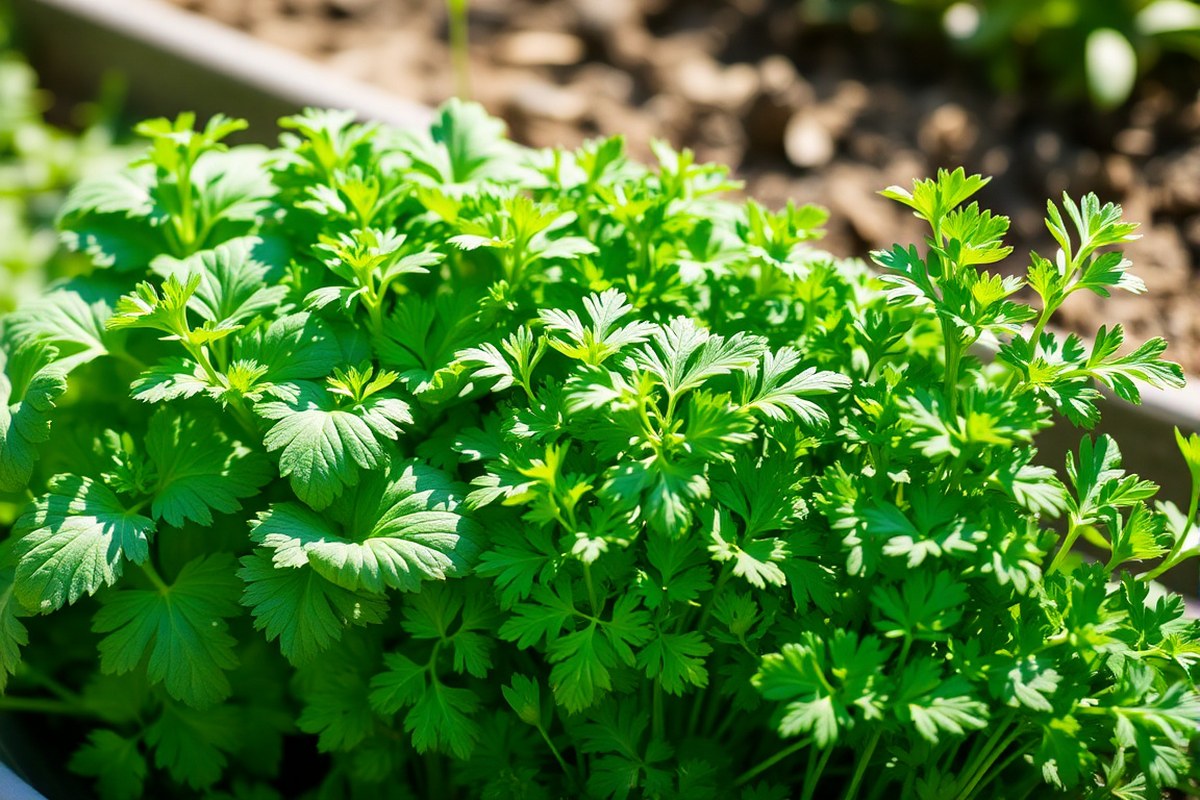
Many herbs grow well next to each other in a garden. They need similar water, sunlight, and soil to thrive. This makes them good companions for planting.
Basil, parsley, and chives like well-drained soil. They all enjoy full sun.
These herbs are great to plant together in one pot or bed. These herbs also benefit each other by attracting helpful insects like pollinators and pest predators.
Compatible herbs often complement each other by repelling pests or boosting growth. Sage and thyme grow well as a pair. Thyme stays low and shades the soil.
This shade helps keep moisture for the sage. Sage’s strong aroma discourages bugs. Group herbs with similar moisture needs and growth rates.
This stops one plant from taking too many nutrients. It helps all plants get enough water and food.
| Herb Combination | Sunlight | Water Needs | Benefit | Best Container Size |
|---|---|---|---|---|
| Basil + Parsley + Chives | Full sun | Moderate | Attract pollinators | 10-12 inch pot |
| Sage + Thyme | Full sun | Low | Pest repellent | 8-10 inch pot |
| Tarragon + Parsley | Partial shade | Moderate | Complement flavors and shade | 10-12 inch pot |
| Rosemary + Oregano | Full sun | Low to moderate | Drought tolerant duo | 12 inch pot or garden bed |
| Dill + Cilantro | Full sun | Moderate | Attract beneficial insects | 10 inch pot |
To pick compatible herbs, first check their sunlight and water needs. Choose herbs that all need full sun or partial shade together to keep them healthy. Next, group herbs by moisture level.
Avoid pairing a thirsty herb with a drought-tolerant one. One plant could get too much water or too little. This mismatch hurts both herbs.
After finding matching growing conditions, consider herbs’ aromas and growth habits. Aromatic herbs like rosemary or sage naturally keep pests away. Herbs that grow tall should not overshadow slower, low-growing herbs in the same container.
Plant herbs together in one pot for shared soil. Or use separate pots close together for different watering. This helps control water for each herb.
Which Herbs Should Never Be Planted Together

Some herbs don’t get along well and should be planted apart. Mint is a major troublemaker because it spreads fast with aggressive roots. It can crowd out herbs like basil, cilantro, parsley, and chives, reducing their growth.
Fennel is another herb to avoid planting near anything else. It releases chemicals that stunt the growth of nearby plants. Herbs like rosemary, lavender, and sage need dry soil.
They don’t do well next to herbs that like moisture. Basil, parsley, or chives prefer wetter soil. Their different water needs cause stress and poor growth.
Planting incompatible herbs close together can lead to weak plants and disease. For example, dill placed near basil or cilantro can stunt their growth. Lavender prefers dry, airy soil.
Cilantro needs soil with more water. These two herbs don’t grow well together. Keeping these herbs apart means each plant gets the right conditions.
- Mint grows invasively, keep it isolated or only with other mints
- Fennel suppresses all herb growth, avoid planting near others
- Rosemary, lavender, sage prefer dry soil, don’t mix with basil or parsley
- Dill hinders basil and cilantro growth, keep separate
- Lavender’s dry needs clash with moisture-loving herbs like parsley and chives
- Plant herbs 6 to 8 inches apart to reduce competition
Use containers at least 12 inches wide and 10 inches deep when planting multiple herbs. This gives each plant space and better air circulation. Overcrowding creates a breeding ground for diseases and reduces airflow, which herbs need to stay healthy.
Isolate mint to prevent it from invading other herbs’ root zones and choking them out.
Growing rosemary or lavender next to moist soil herbs can cause root rot. These herbs don’t like wet roots. They need well-drained soil to stay healthy.
Give dry-loving herbs their own spot with sandy, well-drained soil. It helps them thrive without competing for water with thirsty herbs nearby.
How to Plan Herb Groups by Sunlight and Water Needs
Group herbs that share the same sunlight and water needs for best growth. Full-sun herbs like rosemary prefer dry soil. Moisture-loving herbs such as basil need frequent watering and some shade.
Grouping Full-Sun Mediterranean Herbs
Mediterranean herbs like rosemary, thyme, oregano, and sage thrive in bright sun and dry soil. They do best planted together where drainage is excellent. Avoid mixing them with herbs that demand constant moisture.
Choose a sunny spot for these herbs. The area should get six hours of direct sun. This helps the plants grow strong and healthy.
Raise the soil bed or add sand to improve drainage if needed. Keep watering to a minimum once established to prevent root rot.
- Choose well-draining soil or add sand to your garden bed
- Plant rosemary, thyme, oregano, and sage together
- Provide at least six hours of direct sunlight daily
- Water sparingly after plants mature
- Place taller herbs like rosemary at the back of the bed
- Space plants to allow airflow and reduce disease
Following these steps will help these herbs flourish without competing for water. Grouping drought-tolerant herbs reduces the risk of overwatering issues.
Arranging Moisture-Loving Herbs
Basil, parsley, cilantro, and mint enjoy more water and partial shade. These herbs usually need daily watering during hot weather. Grouping them helps you set a consistent watering schedule that’s easier to manage.
Pick a place with morning sun and afternoon shade. Or find a spot that stays shaded most of the day. It depends on what your herbs need.
Use rich soil mix and keep it moist but not waterlogged. This suits herbs that cannot tolerate dry roots.
- Plant basil, parsley, cilantro, and mint together
- Select partial shade or morning sun location
- Use soil rich in organic matter to retain moisture
- Water daily or whenever top inch of soil feels dry
- Watch for signs of root rot from standing water
- Consider pots with drainage holes for better water control
This focused watering keeps herbs healthy without drowning Mediterranean varieties. Grouping also simplifies adjusting watering by sun exposure.
Planning Mixed Sunlight Zones
Creating separate zones for sun and shade herbs ensures each gets the right light. You can make separate sections for sun and shade in your garden bed. This also works in containers.
It helps each herb get the right light. This helps avoid poor growth from conflicting light needs.
Start by measuring sun exposure in your garden over a few days. Map areas with full sun and those shaded part of the day. Plant sun-loving herbs like rosemary where it is bright.
Put shade-tolerant herbs like chives in less sunny places. This keeps all herbs happy and healthy.
- Map your garden for sun and shade throughout the day
- Group full-sun herbs such as rosemary and thyme in sunny areas
- Plant shade-tolerant herbs like chives and mint in cooler spots
- Use containers to separate herbs if space is tight
- Water zones based on moisture needs to avoid conflicts
- Place tall herbs away from shorter, shade-requiring varieties
This layout helps you tailor care and watering for each group. Avoid irritation caused by overwatering drought-tolerant herbs when growing moisture lovers nearby.
Best Herb Combinations for Containers and Small Gardens
Choose containers at least 12 inches wide and deep for multiple herbs. Herbs have different sizes and roots, so spacing matters for healthy growth. Proper airflow and soil support help avoid crowding and root problems.
Choosing the Right Container Size
Shallow pots dry out quickly and limit roots for several herbs. Pick pots that are at least 10 to 12 inches deep and wide. Larger containers, like 14 to 18 inches across, work well for taller or bushy herbs.
Group herbs with similar space needs in bigger pots to avoid root competition. Containers with good drainage holes keep soil from staying soggy around the roots. Terracotta and ceramic pots help air circulate better.
Arranging Herbs by Growth Habits
Give each herb enough room based on how big it grows. Space plants about 6 inches apart in a 12 to 14 inch pot.
Keep taller herbs towards the back or center while placing smaller ones around edges. Arrange plants in a triangle pattern to maximize airflow and sunlight around each herb.
Don’t mix herbs needing a lot of water with drought-tolerant ones in the same pot. This prevents one plant’s needs from hurting another’s health.
- Pick herbs with similar water and sunlight needs.
- Place taller and wider herbs in the pot’s center or back.
- Set smaller, trailing herbs near the edges for spillover.
- Space plants about 6 inches apart for air and root room.
- Avoid crowding to prevent fungal diseases and weak growth.
- Rotate pots weekly for even light on all plants.
Using Soil Mixes for Multi-Herb Containers
Use a loose, well-draining potting mix designed for containers. A premium soilless mix usually contains peat moss, perlite, and composted bark. This mix holds moisture but drains well to avoid root rot.
Add some slow-release organic fertilizer to keep nutrients steady for multiple herbs. Refresh the soil surface every season by adding a thin layer of compost. Avoid heavy garden soil, which can compact and harm roots in pots.
Managing Aggressive and Spreading Herbs Safely
Mint is aggressive because it sends out underground runners called rhizomes. These spread fast and pop up shoots far from the original patch. That’s why mint can quickly take over garden beds and crowd out other herbs.
To keep mint and other spreading herbs like lemon balm from overwhelming neighbors, containment is key. Growing them in pots or containers stops roots from spreading underground.
Use separate medium pots about 10 to 12 inches wide or one large pot with dividers. Keep these containers apart from other herbs entirely.
Some other herbs with spreading habits, like chives, need regular care to prevent spreading too far. Remove chive flowers after they bloom to stop seed spread.
Also, divide chive clumps every 2 to 3 years. This keeps their patch healthy and contained.
- Choose pots at least 10 inches deep to house roots properly
- Use thick plastic or ceramic pots to block roots escaping
- Place pots on patios or raised beds to control spread better
- For lemon balm, container growing matches its aggressive nature
- Remove or deadhead flowers on spreading herbs before seed sets
- Check root spread annually and trim roots if they escape pots
- Divide clumping herbs every few years to reduce crowding
Containment works best when the pots stay isolated and raised slightly. Keep in mind aggressive herbs can sneak out through drain holes or cracks. You might need to use root barriers or line pots inside with heavy plastic.
Cost for pots can range from $10 to $30, depending on size and material. Their lifespan differs, but ceramic and plastic often last years outside.
Don’t plant invasive herbs directly in garden beds unless you plan to dig barriers deep underground.
Once you container grow mint or lemon balm, handling is easy. You can enjoy fresh leaves without any garden fights. These plants stay neat and don’t spread uncontrollably.
Check for runners escaping at least once each season. Catching spread early saves hard work later. Controlled growth means all your herbs can thrive without competing too much for space or nutrients.
Using Herb Companions to Naturally Repel Pests
Some herbs naturally repel pests and make your garden healthier. For example, oregano can deter many insects that bother nearby plants. Plant it with fast-growing annual herbs for good pest control without crowding your garden.
Basil is another herb that helps keep pests like aphids and whiteflies away. It also attracts pollinators such as bees and butterflies. These beneficial insects visit your garden and help other plants produce fruits and seeds.
Plant herbs in clusters for better pest control benefits. This keeps pests from spreading to your main crops.
In containers, group herbs like basil with stevia. They grow to similar sizes and steady each other well.
Planting herbs that attract pollinators is a smart move. Lavender, for example, draws many useful insects while giving off a pleasant scent.
Mint also works well. But be sure to contain it in pots to stop it from spreading uncontrollably.
Keep a reliable herb companion planting chart handy. It shows which herbs boost each other’s growth and repel pests.
This simple tool helps you plan your garden. So you spend less time battling bugs and more time harvesting fresh herbs.
Expect fewer pest problems and more buzzing pollinators when you use companion planting right. However, avoid pairing aggressive herbs like oregano with slow growers unless you can control their spread. This step keeps your garden balanced and thriving.
Pairing Herbs with Vegetables for Garden Success
Planting certain herbs near vegetables boosts growth, flavor, and health. Herbs like basil or chives can improve your tomato or pepper plants. These herbs also help repel pests naturally, reducing the need for chemicals.
For instance, basil planted beside tomatoes deters hornworms and makes the fruit taste better. Parsley near carrots encourages stronger growth and flavor. Chamomile near onions can improve onion size and disease resistance.
Spacing is key to avoid crowding. Use at least 12 inches between most herbs and veggies.
In containers, an 18-inch pot lets both plants have enough root room. Arrange herbs so taller ones don’t shade low-growing vegetables.
| Vegetable | Best Companion Herb | Benefits |
|---|---|---|
| Tomatoes | Basil | Repels hornworms, improve fruit flavor |
| Peppers | Oregano | Improves growth and pest resistance |
| Carrots | Parsley | Boosts carrot flavor and growth |
| Onions | Chamomile | Improve size, disease resistance |
Arrange herbs on the sunny side of vegetables to share sunlight fairly. In stricter spaces, plant only one or two herbs near vegetables. This approach avoids competition for water and nutrients.
Herbs placed near veggies may not repel all pests. Avoid assuming every aromatic herb stops bugs universally. Choose herbs known to support the specific vegetable for best results.
Combining Annual and Perennial Herbs for Continuous Harvests
You can plant annual and perennial herbs together if you plan carefully. Giving perennials enough space prevents them from overshadowing shorter annuals. Adjust water and soil care to meet both types’ needs.
Selecting Compatible Annual and Perennial Pairs
Choose herbs that share similar sun and soil needs to grow well side by side. Most annual and perennial herbs prefer full sun and well-drained, fertile soil. Look for pairs where the perennial won’t outgrow or shade the annual too much.
For example, chives (perennial) and basil (annual) thrive in the same conditions without competing heavily. Cilantro is an annual herb.
Parsley is biennial but usually grown yearly. Both like moist soil and light, so they pair well.
- Pick full sun lovers for maximum growth
- Match annuals with slower-growing perennials
- Keep plants with similar water needs together
- Avoid perennial herbs that spread aggressively near annuals
- Check compatibility lists before planting
Choose herbs with similar life span and growth habits to avoid problems.
Managing Growth and Space over Time
Plant annual herbs after perennials establish to reduce competition. Space seedlings about 8 inches apart after sprouting to give room for growth. Trim perennials early in the season to prevent shading annuals below.
Regular pruning of annual herbs like basil helps keep the plants productive and prevents crowding. Remove dead or yellow leaves from perennials to maintain airflow and light access. Watch for signs of one type overpowering the other and adjust pruning accordingly.
- Start perennials first for root establishment
- Plant annuals afterward with proper spacing
- Trim perennials in early spring for light access
- Prune annuals regularly for steady harvest
- Monitor growth to prevent crowding and stress
Prune perennials lightly in spring to keep annual herbs visible and healthy.
Soil and Watering Adjustments for Mixed Herb Beds
Both annuals and perennials prefer moist, well-drained soil. Use organic mulch to keep soil moist and reduce weeds. Check moisture levels regularly to avoid over- or under-watering, as annuals may need more consistent watering.
Adjust your watering schedule based on soil dryness around each herb’s roots. Plant parsley, cilantro, and chives where irrigation keeps soil moderately moist, since they prefer it. Adding compost improves soil fertility, supporting both herb types.
- Apply organic mulch to maintain soil moisture
- Use compost to enrich soil for healthy growth
- Water deeply but less frequently for perennials
- Keep annuals evenly moist for best flavor
- Check soil moisture at root level regularly
Water mixed beds carefully to meet all plants’ moisture needs without causing rot.
Your Step-by-Step Action Plan for Planting Herbs Together
Use this plan to create a thriving herb garden with the right combinations. Follow each step to see healthy, strong herbs side by side.
- Before You Plant: Choose herbs that share sunlight and water needs. Check plant tags or seed packets to confirm.
- Day 1: Group herbs that grow well together, like basil and oregano. You’ll notice they fit nicely in the same bed or container.
- Week 1: Plant aggressive herbs separately or in pots. Watch for quick spreading to avoid crowding others.
- Week 2: Mix pest-repellent herbs like rosemary near vulnerable plants. You should see fewer pests after a few days.
- Week 3: Combine annual and perennial herbs for steady harvests. Look for continuous growth over the season.
- Month 1: Adjust spacing if herbs seem stunted or overcrowded. Give plants a little more room to grow freely.
- Ongoing: Keep watering consistent for groups with similar needs. Even watering means healthier, better-tasting herbs.
Frequently Asked Questions
Can I Grow Herbs with Different Sunlight Needs in the Same Container?
No, herbs with different sunlight needs struggle in one pot. Group herbs by their light requirements for better growth and health.
How Do I Prevent Cross-Contamination When Planting Mint with Other Herbs?
Keep mint isolated or in its own container to stop its spread. Mint spreads aggressively and can take over other herbs if not controlled.
What Soil Types Are Best for Growing Mediterranean Herbs Together?
Mediterranean herbs do best in dry, rocky, and well-drained soil. Use sandy or gritty soil to mimic their natural habitat and avoid overwatering.
Should I Prune Herbs Differently When Growing Them Together?
Yes, prune herbs regularly to keep them healthy and prevent overcrowding. Frequent harvesting improves air circulation and sunlight exposure for all plants.
How Can I Tell If Herbs Are Competing When Planted Together?
Check if some herbs look stunted or pale next to others. Competition shows as weak growth or less flowering due to resource struggles.
Does Planting Herbs in Groups Affect Their Flavor?
Group planting can improve flavor by encouraging healthy growth. Good companion herbs can boost each other’s growth and essential oil production.
Final Thoughts
Planting the right herbs together boosts growth, flavor, and pest control naturally. Start with herbs that need the same sun and water to avoid problems. Pick one combo today, plant it, and watch your garden thrive.


2 Comments