Are Money Trees Easy to Care for? A Complete Guide with Proven Tips
Are money trees easy to care for? Yes, they are quite forgiving and suited for indoor growing.
Money trees do well with basic attention like moderate light and occasional watering. They can thrive in most homes with just a little care.
The key is not to overwater or keep them in low light too long. Water when the top soil feels dry and give them indirect sunlight. Keep the temperature steady between 65 and 80 degrees Fahrenheit for best growth.
Your money tree won’t need fancy soil or constant humidity adjustments. Just avoid drafty spots and allow the soil to dry partially between watering. These simple steps help your tree stay healthy and grow well indoors.
Key Takeaways
- Check the soil and water your money tree after the top 1-2 inches dry out.
- Provide bright, indirect sunlight to keep your money tree healthy.
- Keep indoor temperatures ideally between 65 and 80 degrees Fahrenheit.
- Avoid placing money trees near drafty windows or doors.
- Use a pot with drainage holes to prevent waterlogging.
- Money trees prefer 50 to 60 percent humidity but tolerate lower levels.
Are Money Trees Easy to Care for Indoors?

Money trees are fairly easy to care for indoors and suit beginners well. They need bright, indirect light, which you can find near a window with filtered sun.
This light level is easier to manage than full sun plants. Your setup becomes less demanding this way.
Watering is simple but important to get right. Check the top 1 to 2 inches of soil. When the soil is dry, water the plant thoroughly.
Let excess water drain out. Overwatering is the biggest challenge because money trees are prone to root rot. So avoid leaving the pot sitting in water.
These trees also like average household temperatures and humidity. Still, a little extra moisture helps them thrive better. They grow upright and can get quite tall indoors.
So expect to devote some space over time. Pruning and proper soil support healthy growth. But these tasks are manageable for anyone willing to learn.
How Often and How Much Should You Water a Money Tree?
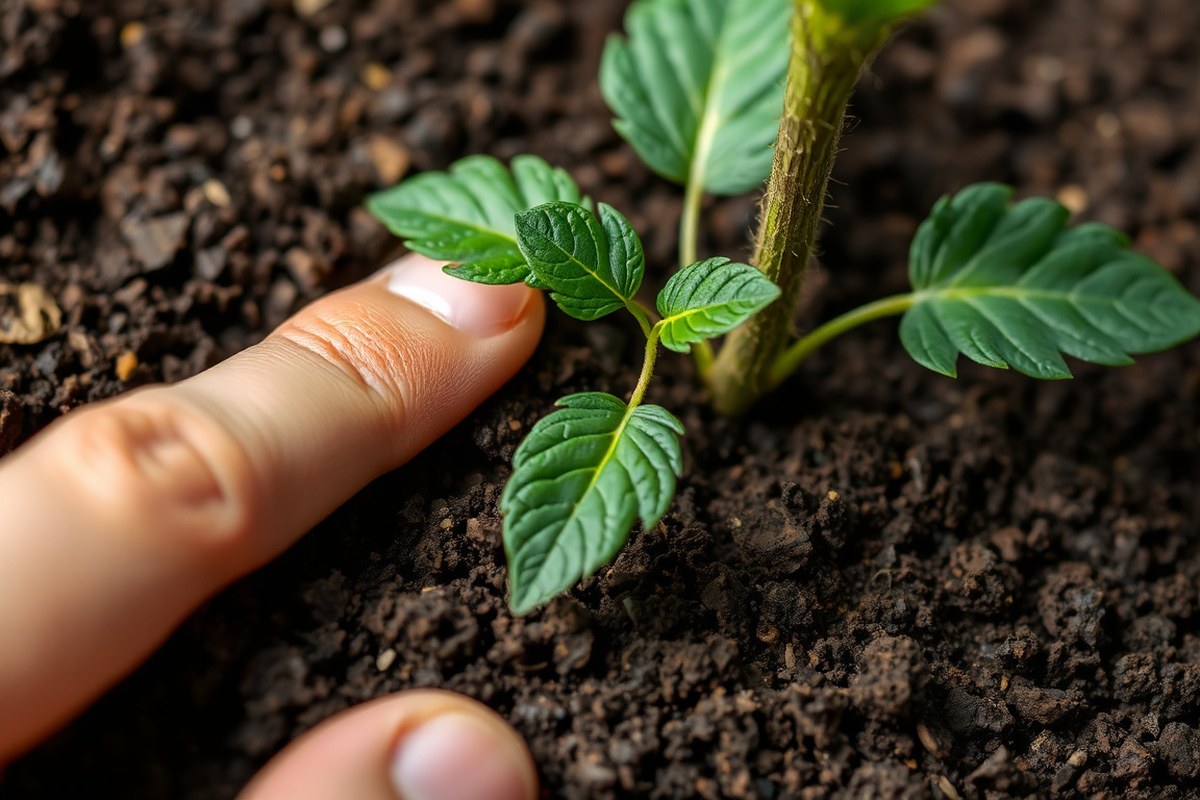
Only water your money tree when the top 2 to 4 inches are dry. Test soil moisture by inserting your finger and feeling beneath the surface. Water deeply until water runs out the pot’s drainage holes to clean the soil.
Overwatering is a big risk for money trees. It often causes yellow leaves and root rot because the soil stays too wet.
Underwatering, on the other hand, leads to dry, drooping leaves and can stress the plant. You want to avoid both by regularly checking soil moisture.
Watering needs can change with the seasons or pot size. Your money tree may need less water in fall and winter since growth slows down.
Smaller pots dry out faster and might need watering more often. Bigger pots hold moisture longer.
- Touch the soil 2 to 4 inches down before watering.
- Water thoroughly, until water drains from the bottom.
- Look for yellow leaves or drooping as warning signs.
- Use well-draining soil to keep roots from sitting in water.
- Adjust watering frequency depending on pot size and season.
- Throw out any excess water that collects in the saucer under the pot.
Soil moisture affects your money tree’s health a lot. Leaving the soil soggy can cause roots to rot and leaves to yellow.
Letting the soil dry out too much causes drooping and leaf loss. Keeping a balance supports healthy roots and leaves.
Always empty excess water from the pot saucer to stop root rot. Water sitting there can kill your money tree’s roots fast.
What Light and Temperature Conditions Help Money Trees Thrive?
Money trees grow best with bright, indirect light for about 6 hours daily. They can handle some morning sun before 10 a.m. But avoid midday or afternoon direct sunlight indoors.
Low light can keep them alive. But they tend to stretch and look leggy without enough brightness.
The best indoor temperature for money trees is 60 to 75 °F. Keep it between 20 and 24 °C for healthy growth. Avoid sudden temperature drops or drafts around your plant. They prefer humidity levels around 50% or higher.
Dry air can stress the plant. So use a humidifier or group plants together to boost humidity when needed.
| Light or Temperature Factor | Ideal Condition | Effect of Poor Condition |
|---|---|---|
| Daily Light Duration | At least 6 hours bright, indirect light | Leggy growth, weaker plant |
| Direct Sunlight | Morning sun until 10 a.m. Only | Leaf burn from intense sunlight |
| Temperature Range | 60, 75 °F (20, 24 °C) | Poor growth if too cold or hot |
| Humidity | 50% or higher preferred | Leaves may dry out or brown |
Placing your money tree near an east-facing window gives just the right morning light. Your space is dim? Add a grow light using LED or fluorescent bulbs.
These bulbs help money trees get enough light indoors. Avoid full sun near south- or west-facing windows to prevent leaf damage.
Humidity rises naturally if you set your tree near other houseplants that release water vapor. A small humidifier set close by works well in dry rooms. Keeping temperature steady within the preferred range helps your tree avoid stress and grow steadily.
How to Choose and Maintain the Right Soil and Pot for Your Money Tree
Money trees need soil that holds moisture but drains well. Use potting mix made for tropical plants. You can also mix regular potting soil with perlite and peat moss.
This helps drainage and keeps roots healthy. This mix keeps roots moist without sitting in water, which helps prevent root rot.
Always pick a pot slightly bigger than the current one. A pot too large holds too much water, raising rot risk. Choose one with drainage holes at the bottom to let excess water escape easily.
Use a plastic grower pot first. Then put the money tree inside a decorative pot without holes. Then set this inside the decorative pot to keep water away from roots.
Fill the pot with soil around the tree’s roots, firm but not tight. Water the plant after potting and let it drain fully.
Check soil moisture before watering again by feeling the top inch or two. Dry soil means your money tree needs water, damp soil means wait a few days.
When and How Should You Repot a Money Tree?
Repot your money tree every 2 to 3 years in spring. Look for roots showing or soil drying fast as signals. This refreshes soil and frees roots for better growth.
Signs You Need to Repot
Roots appear on soil surface or poke out drainage holes. Yellow leaves and quick soil drying also hint at root crowding. These signs mean your money tree is probably root-bound.
A root-bound plant has roots packed tight, limiting water and nutrient use. Repotting opens space, letting roots spread freely again. This encourages healthy new growth and stops decline.
Preparing the New Pot and Soil
Pick a pot 1 to 2 inches wider in diameter than the old one. This gives enough room without overwhelming the plant. Pots with drainage holes prevent water buildup and root rot.
Use soil rich in nitrogen, phosphorus, and potassium. A standard indoor plant potting mix or succulent soil works well. Avoid heavy garden soil that holds too much water.
Repotting Process
Follow these steps to repot carefully and protect your money tree’s roots:
- Water the plant a day before to moisten soil.
- Gently slide the root ball from the old pot, loosening roots if tightly packed.
- Remove some old soil from root edges to expose healthy roots.
- Place fresh soil in the new pot’s bottom, making a small mound.
- Set the plant on that mound to keep the same soil height.
- Add soil around roots, pressing lightly to stabilize but not compact.
- Water well until it drains out the bottom.
Handle the roots with care to avoid breaking them. Pressing soil lightly stops air pockets but avoids suffocation.
Use a pot only a bit larger than before to avoid water retention and root rot.
Post-Repotting Care
Place your money tree in bright, indirect light after repotting. Keep soil moist but not soggy for the first few weeks. This helps roots settle and reduces transplant shock.
Wait about two weeks before fertilizing to avoid burning new roots. Watch the plant for leaf droop or yellowing as stress signs. Adjust watering and light if needed.
How to Prune and Shape Your Money Tree for Healthy Growth
Prune your money tree in spring or early summer when growth speeds up. Use sharp pruning shears and cut above leaf nodes to keep the plant healthy. Pruning helps you control its size and improve appearance without harming it.
Tools Needed for Pruning
Keep a pair of sharp, clean pruning shears for precise cuts. Avoid dull blades; they can damage stems or leave jagged edges. Use rubbing alcohol to disinfect tools before and after pruning to prevent infections.
Step-by-Step Pruning Guide
Follow these steps to prune safely and encourage healthy growth:
- Inspect your money tree and identify stems that are leggy, damaged, or overcrowding.
- Choose stems with healthy leaf nodes to shape the plant and promote bushier growth.
- Cut branches or leaves just above the leaf node at a 45-degree angle.
- Remove only about 10-20% of the plant at a time to avoid stress.
- Collect your cuttings for propagation if you like to grow new plants.
- Dispose of any diseased or dead leaves away from the plant.
- After pruning, water the plant lightly and avoid fertilizing during the first week.
Managing the Braided Trunk
Keep the tie bands on your braided money tree trunk until it matures and thickens. Removing ties too early can cause the trunks to separate or damage the bark. Wait at least 1-2 years, or until the trunks are firm and thicker than a pencil.
When trunks grow too tightly, gently loosen or replace the ties. Avoid letting ties girdle the plant’s trunks.
Cleanly cut any damaged bark. But avoid heavy pruning near the base to maintain stability.
Common Pruning Mistakes to Avoid
Avoid pruning in fall or winter when growth slows, as cut wounds heal slower then. Over-pruning can stunt your money tree, so only remove a small portion at once.
Also, never cut too close to the trunk. Leave some leaf nodes to help regrowth.
Don’t remove too many leaves or braided trunk ties prematurely, or the plant may weaken. Don’t use dirty or dull tools.
They can cause infection or rot. Always clean and sharpen your tools before cutting.
How to Propagate Money Trees Successfully at Home
Propagating money trees at home is simple using stem cuttings taken during spring or summer. Cuttings root best in water or soil. It takes 3 to 4 weeks to grow roots.
After that, they are ready to transplant. Follow these steps for strong new plants.
Selecting the Right Stem Cutting
Choose a healthy stem with several leaves and nodes when taking a cutting. Make sure it is 4 to 6 inches long to include enough growth points. Use a sharp, clean blade to prevent damage or infection.
Remove leaves near the cutting’s bottom to avoid rot in the rooting medium. Nodes are where roots form, so having multiple helps improve success. Take cuttings from branches that look lively and pest-free.
Rooting in Water vs. Soil
Placing your cutting in water usually works well and lets you watch roots grow clearly. Use room temperature water and change it every few days to keep it clean. Skip rooting hormones when using water, as they aren’t necessary.
Alternatively, you can plant the cutting directly in moist, well-draining soil. Use a pot with drainage holes and keep the soil consistently damp but not soggy. Soil can give cuttings a head start on stronger roots compared to water.
Roots form in about 3 to 4 weeks in either method. Wait until roots are 2 to 3 inches long before transplanting. A longer wait might cause root damage or shock during transplant.
Transplanting Rooted Cuttings
Move rooted cuttings into a 4-6 inch pot filled with well-draining potting mix. Water the soil lightly right after transplanting to settle roots. Avoid strong sunlight at first to reduce stress on the plant.
Keep the new plant in bright, indirect light and maintain temperatures above 50°F (10°C). Avoid drafts or sudden temperature changes for a healthy start. Watch for wilting or leaf drop as signs the plant needs care adjustments.
- Select a healthy stem 4-6 inches long with multiple nodes.
- Cut using a clean, sharp blade and remove lower leaves.
- Choose to root the cutting in water or moist potting soil.
- Keep water fresh or soil damp and place in bright, indirect light.
- Wait 3-4 weeks until roots reach 2-3 inches before moving the cutting.
- Plant rooted cutting in a small pot with well-draining soil.
- Water lightly and keep in indirect light with stable temperatures.
- Monitor for signs of stress and adjust care as needed.
Common Problems with Money Trees and How to Fix Them
Yellow or dropping leaves mean your money tree has too much water. Too much light can cause this problem too. Leaves that turn yellow and dry out often get sunburned from direct sunlight.
Overwatering leads to root rot, which also makes leaves drop. Clip damaged leaves at the base of the branch. This helps your money tree focus on healthy growth.
Small pests like spider mites can cause tiny yellow or brown spots on the leaves. You might notice fine webs on the plant if spider mites are present.
These pests stress your plant, so catch infestations early by checking leaves regularly. Using insecticidal soap or neem oil can help control spider mites without harming your money tree.
Fungal or bacterial infections cause leaf spots that are dark or discolored. These spots spread in humid conditions and slow your plant’s growth. Avoid overhead watering and increase air circulation around the plant to reduce infection risk.
Remove leaves with spots. Use a fungicide safe for indoor plants on the tree.
- Avoid placing your money tree in direct, strong sunlight.
- Water only when the top 1, 2 inches of soil feel dry.
- Check leaves weekly for small spots or webbing.
- Remove dead or damaged leaves promptly.
- Use insecticidal soap for pest control.
- Increase air circulation to prevent fungal growth.
- Never let your pot sit in standing water.
Your money tree is safe for pets and children, according to the ASPCA. Your pets can sniff or nibble on leaves safely.
This doesn’t harm your money tree. Still, keep the plant out of reach for very young children to avoid accidental damage.
| Problem | Cause | How to Fix |
|---|---|---|
| Yellow, dry leaves | Too much direct sunlight | Move to brighter, indirect light |
| Leaf drop | Overwatering or root rot | Water less, ensure good drainage |
| Brown or yellow spots | Spider mites or fungal disease | Use insecticidal soap or fungicide |
| Leaf spots | Fungal or bacterial infection | Remove affected leaves, improve air flow |
Keep your money tree’s pot off standing water to prevent root rot and leaf problems.
Step-by-Step Action Plan for Growing a Healthy Money Tree
Follow these simple steps to start caring for your money tree right away. You’ll see signs of healthy growth and happy leaves.
- Day 1: Choose a bright spot but avoid direct sun to prevent leaf burn. Look for leaves that stay vibrant and don’t wilt after placing it.
- Week 1: Water the tree thoroughly once and let the soil dry out between drinks. Confirm you’re watering correctly when the top 1-2 inches of soil feel dry.
- Weeks 2-4: Check humidity around the plant. Mist your money tree leaves every day. Use a water tray nearby. This helps keep moisture levels up.
- After Month 1: Start pruning any dead or brown leaves to encourage healthy growth. Healthy new leaves should appear within a few weeks.
- After Month 3: Feed your money tree once a month. Use a balanced liquid fertilizer. Dilute it before use during growing season. Watch for stronger stems and bigger leaves as a sign.
- Every 1-2 years: Repot your tree into slightly bigger soil-filled pot when roots start showing. Your tree will perk up and new roots may grow.
- Propagation Time: Clip a healthy stem with a few leaves for water or soil propagation. Roots forming after 2-4 weeks mean success.
Frequently Asked Questions
Can Money Trees Survive in Low Humidity?
Yes, money trees tolerate 25-30% humidity but may drop more leaves. You might need to water them a bit more often to keep them healthy.
How Large Can a Money Tree Grow Indoors?
Indoors, money trees typically reach 6 to 8 feet tall over time. Their size depends on pot size and pruning.
Do Money Trees Need Fertilizer?
Yes, money trees benefit from regular feeding during active growth. Use fertilizer as the product directions suggest.
Is It Normal for Money Tree Leaves to Yellow?
Yellow leaves can signal overwatering or too little light. Check your watering habits and light exposure first.
Can Money Trees Handle Direct Sunlight?
No, direct sunlight can scorch their leaves. They prefer bright but indirect light for best growth.
How Fast Do Money Tree Cuttings Root?
They usually sprout roots within 2-3 weeks after propagation. Keep the cuttings warm and moist during this time.
The Bottom Line
Money trees are fairly easy to care for with the right light, water, and attention. Start with placing yours in a bright spot and watering carefully. Watch its leaves, and you’ll know when you’re on track for a happy plant.