How Often to Water Clematis: A Complete Guide for Healthy Growth
How often to water clematis depends on the soil moisture. Water only when the top two inches of soil feel dry to the touch. This helps avoid overwatering and protects the roots from rot.
Container-grown clematis dry out faster and may need watering every five to seven days in summer. These need more consistent moisture because pots heat up quickly. In-ground clematis generally require water about once a week, depending on rainfall.
Test soil moisture by inserting your finger two to three inches deep. If it feels moist, skip watering to prevent soggy conditions. Consistently wet soil can damage roots and cause disease in clematis plants.
Make sure pots have drainage holes and plant beds drain well to avoid standing water. Well-drained soil encourages healthy root growth and reduces the risk of root rot. Adjust watering frequency based on weather and how fast soil dries out.
Key Takeaways
- Water clematis only when the top 2 inches of soil are dry.
- Check container soil moisture every 5 to 7 days during summer.
- In-ground clematis generally need less frequent watering than containers.
- Use your finger to test soil moisture 2 to 3 inches deep.
- Avoid watering if soil remains soggy for more than 48 hours.
- Ensure containers have good drainage and are at least 18 inches deep.
How Often to Water Clematis for Healthy Growth
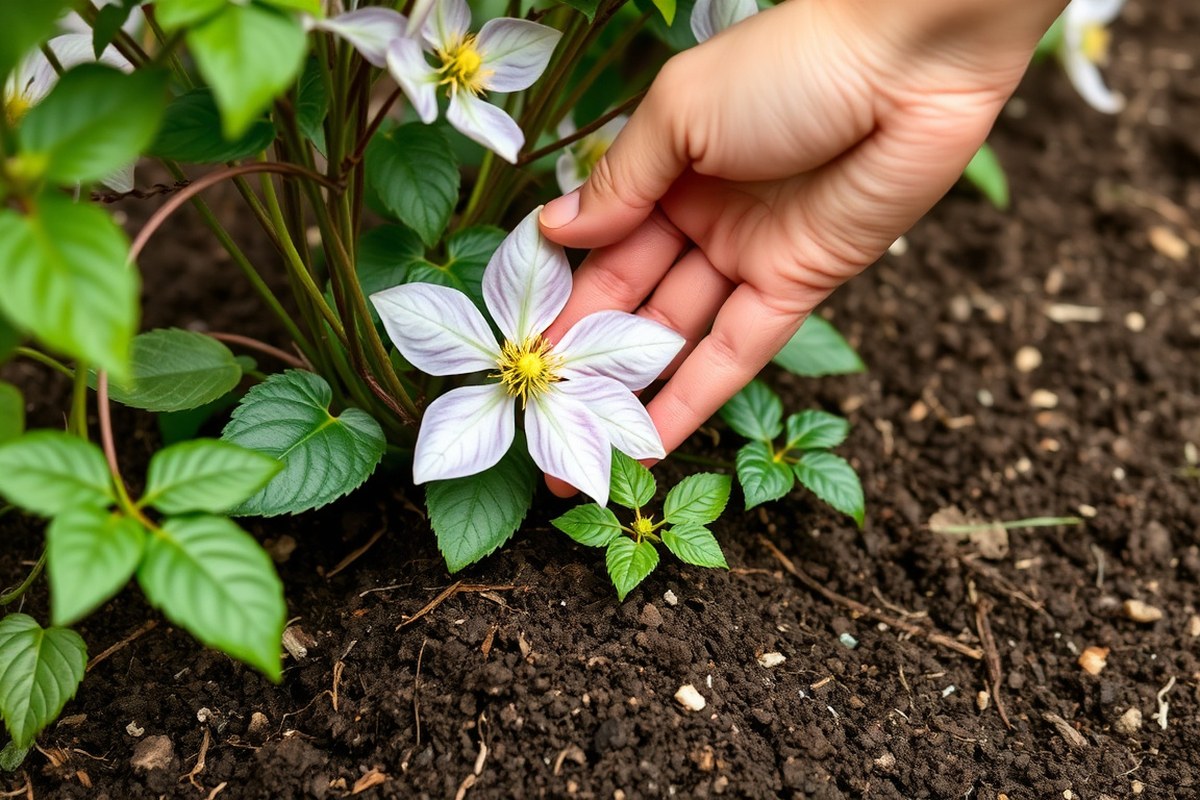
Newly planted clematis need extra water to develop strong roots. Water them two to three times weekly during the first several weeks. Feel the top 1 to 2 inches of soil daily and water if dry.
Established clematis plants usually need watering once a week. Give about one inch of water during that session, enough to soak the soil deeply.
This encourages strong roots without causing waterlogged soil or root rot. Stick a finger in the soil, if the top inch is dry, it’s time to water.
During hot or dry weather, increase watering frequency by about 25 percent. This means watering two times a week during heatwaves, especially for newly planted vines. Winter usually needs little to no extra water if the soil stays moist from rain.
Container-grown clematis require more frequent watering than those planted in the ground. Expect to water pots two to three times a week because soil in containers dries faster. Keep the soil evenly moist but not soggy and adjust based on temperature and sun exposure.
Water new clematis every 2 or 3 days for several weeks. This routine helps young plants get established well. Established plants get one deep watering weekly, giving about one inch of water.
Check soil moisture often to keep clematis healthy. Change watering based on weather and soil type. Adjust as needed to match your clematis’s needs.
How Soil Type Affects Clematis Watering Frequency
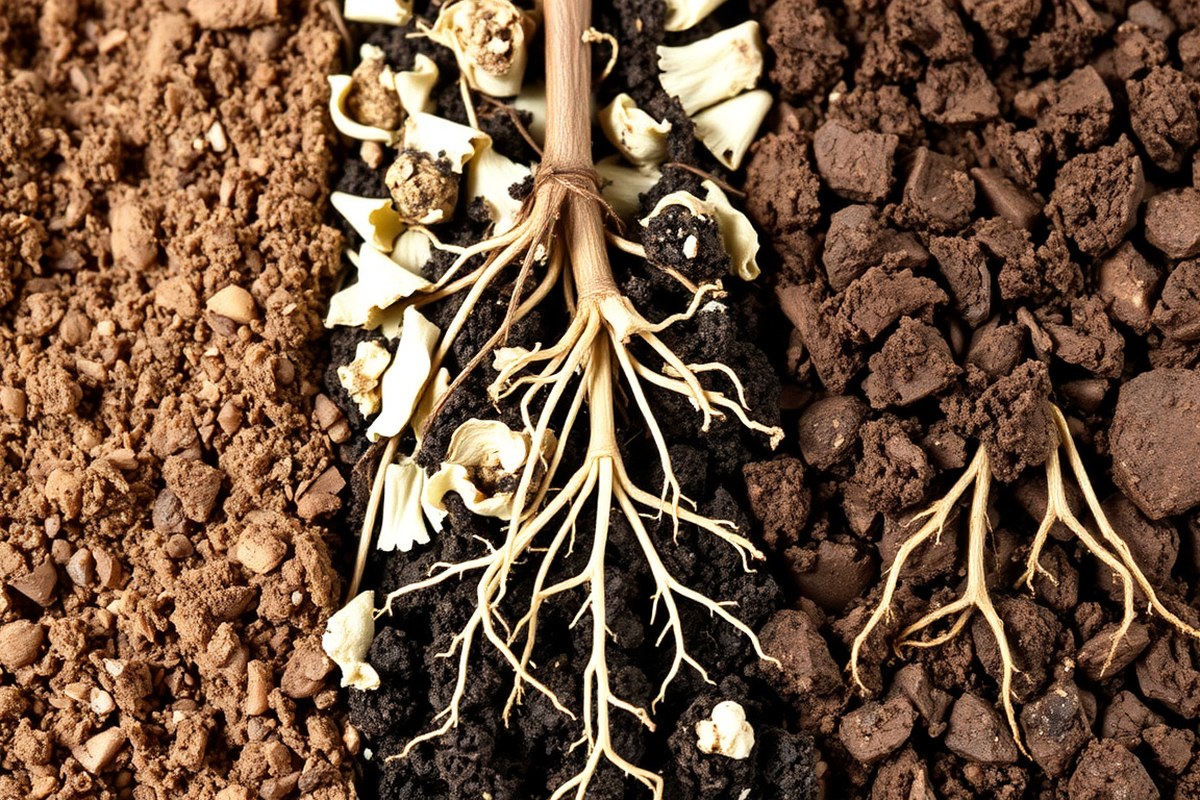
Soil type changes how often you should water your clematis. Sandy soil drains fast, making roots dry quickly. Clay soil holds water longer but can drown roots if kept too wet.
Loamy soil strikes a balance, it holds moisture well but drains excess water. Adjusting watering based on your soil ensures roots get moisture without staying soggy.
Watering too often in clay soil can lead to root rot. Infrequent watering in sandy soil can stress the plant.
| Soil type | Typical watering interval* |
|---|---|
| Sandy | Every 2, 3 days |
| Loamy | Every 5, 7 days |
| Clay | Every 7, 10 days |
| Rocky/gravel | Every 3, 4 days |
| Amended/organic mix | Every 4, 6 days |
Clematis roots need moisture deep in the soil, usually about 12 to 18 inches down. When you water, soak the soil enough to reach this depth. Sandy soil requires water more often because it drains quickly past roots.
Clay soil should dry slightly between waterings so roots don’t suffocate. Check the top couple inches of soil regularly.
When the soil feels dry, you need to water your clematis. This method beats just watering by the calendar, which can miss what your plant really needs.
Always check soil moisture 2 inches deep before watering to avoid overwatering your clematis.
Potted clematis need watering almost every day from April to October. Container soil dries out quickly.
Outdoor plants in clay soil need watering less often to prevent soggy roots. Adjust your schedule by watching soil moisture in your garden and containers to keep clematis happy.
Recognizing When Your Clematis Needs Water
To know when to water your clematis, watch for signs. Check both the plant and the soil closely. They will tell you when water is needed.
Watch for leaf and stem changes that hint at drought or sogginess. Check the soil moisture before deciding to water or hold back.
Leaf and Stem Symptoms
Wilting leaves often mean the clematis needs water right away. New plants with yellowing leaves usually haven’t had enough water yet. Overwatered clematis can show soft, mushy stems, especially in older vines.
During heat waves, wilting might look like overwatering. But soil checks can clear up confusion.
Also watch for browning leaf tips, which may signal hard water or inconsistent watering. Noticing these signs early helps you adjust watering properly before damaging the plant.
Soil Moisture Testing Techniques
The easiest moisture check is to poke your finger into soil. Push 2 to 3 inches down near your clematis. This helps you feel how wet the soil is.
When the soil feels dry that deep, you should water the plant. Dry soil means the clematis needs moisture soon. Soil should feel moist but not soggy, about like a damp sponge.
For container-grown vines, test soil moisture more often. The smaller soil volume dries quickly, especially in warm weather. Water enough to soak at least the top 6 inches of soil.
Use slow watering methods to let water sink in well. This keeps roots healthy and happy.
- Use your finger to check soil 2, 3 inches deep
- Feel for dampness similar to a wrung-out sponge
- Water if soil is dry below the surface
- Check containers daily in hot weather
- Water slowly to soak deeply at least 6 inches
- Look for pooled water as overwatering sign
Testing soil moisture this way is cheap and something you can do anytime. This simple habit saves your clematis from water stress on either end.
Overwatering vs Underwatering Differences
Underwatered clematis usually wilt and have dry soil beneath leaves. They may drop leaves or have yellowing in new growth.
Overwatered plants look limp but the soil stays soggy. Stems get soft or rotten.
Your decision rule is straightforward: water only if soil is dry beyond the surface. Avoid watering when soil feels wet to the touch or has standing water. This keeps roots healthy and prevents root rot.
Adjusting Watering Through the Seasons
Clematis watering needs change a lot through the year. You water often in spring and summer, less in fall, and sparingly in winter. Adjusting water depth and timing helps the plant stay healthy at each stage.
Spring: Supporting New Growth
In spring, clematis comes out of dormancy, so water it regularly. Water every 2 to 3 days, keeping the soil evenly moist.
Check the top 2 to 3 cm of soil. When the soil feels dry, you should water your clematis.
Soaker hoses or drip irrigation work great in spring to moisten roots carefully. Aim for about 0.75 gallons daily for a developing vine. This steady moisture helps new leaves and buds grow strong.
Summer: Managing High Water Demand
Summer means peak water needs for clematis, especially during heat waves. Water your clematis deeply every day or every other day. Make sure the water soaks the soil about 1 foot deep.
This helps roots grow well and stay healthy. Container plants may need watering twice daily in hot spells.
Evapotranspiration rises in heat, so quicker watering won’t help as much as deeper soaking. Watch soil moisture more often; dry top soil means more water is needed. Use slow watering methods to avoid wetting leaves and reduce fungal risk.
Fall and Winter: Preparing for Dormancy
Fall watering frequency drops to every 3 to 5 days as temperatures cool. Water less deeply since growth slows, aiming for about 0.7 times your summer rate. Stop watering once the plant goes fully dormant.
In winter, established in-ground clematis needs minimal water, about once every 1 to 2 weeks. Water just enough to keep the soil from drying completely, especially during dry spells. Container vines might need slightly more frequent watering if indoors or protected.
Follow these steps to adjust watering through the seasons:
- Check soil moisture about 2, 3 cm deep before watering.
- Water every 2, 3 days in spring to keep soil evenly moist.
- Increase watering to daily or every other day in summer heat.
- Use drip or soaker hoses for slow, deep watering.
- Reduce water frequency to every 3, 5 days in fall.
- Water sparingly once a week or less in winter dormancy.
- Adjust watering more often for container plants in heatwaves.
Watering Container-Grown Clematis vs In-Ground Plants
Container-grown clematis need more frequent watering than those planted in the ground. Pots dry out faster because they hold less soil and lose moisture to air quickly. You should check container plants every day during warm weather.
Water them when the top inch of soil feels dry. This helps keep them healthy and hydrated.
In-ground clematis usually get water less often. Their roots spread deeper, reaching moist soil even in dry periods. Watering once or twice a week usually works if soil is good.
Increase watering if it is very hot or windy outside. These conditions dry out soil faster. New plants need extra care in their first few seasons.
Keep their roots moist but avoid making the soil soggy. This helps them grow strong and healthy.
| Factor | Container-Grown Clematis | In-Ground Clematis |
|---|---|---|
| Watering Frequency | Daily to every other day in warm weather | Once or twice a week |
| Watering Volume | Enough to soak soil through pot holes | Deep watering to reach root zone |
| Drainage Importance | Important; use pots with holes and well-draining soil | Important but less critical than containers |
| Soil Dryness Check | Check top inch daily | Check soil moisture before watering |
| Common Risks | Root rot from poor drainage; quick drying out | Waterlogging if soil is compacted or heavy |
Good container pots have drainage holes and use a quality mix with perlite or grit. This helps excess water escape and air reach roots.
Keeping container clematis on a saucer can trap water and cause root rot. So avoid that unless you empty it regularly.
Use a watering can or a gentle hose spray on potted clematis. Water until you see water flow out from the bottom. This ensures the soil is soaked properly.
Let them dry out slightly between watering to prevent mushy stems and yellow leaves. In-ground plants should get deep watering once a week.
This is helpful especially if your soil drains quickly or is sandy. It keeps roots healthy deep down.
Check for leaf yellowing or musty smells, these are signs to reduce watering frequency.
Best Watering Practices and Methods for Clematis
Watering clematis works best when water reaches the roots without soaking the foliage. Avoid letting water pool around the base for long. You can hand water your clematis to keep it healthy.
Drip irrigation and soaker hoses also work well. They help prevent rot or disease caused by too much water.
Hand Watering Techniques
Using a watering can or hose lets you control where water goes. Aim the stream directly at the soil around the clematis base. This keeps leaves dry and reduces fungus risk.
Water slowly to give the soil time to absorb moisture. Avoid splashing water onto the tendrils or stems, which can cause rot. Hand watering works well if you have a few plants or spot dry spots.
Drip and Soaker Hose Benefits
Drip irrigation and soaker hoses deliver water straight to roots with little evaporation loss. They help keep leaves dry and lower fungal disease chances. These systems save time once set up and work well for multiple clematis plants.
Watch for soil that stays soggy over two days. Check if water pools near the plant crown. These signs can harm your clematis.
That means the soil drains poorly and might need fixing. Drip sets usually cost $20 to $50. Soaker hoses are a cheaper option around $10 to $20.
- Deliver water slowly and directly to soil
- Keep foliage dry to prevent fungus
- Prevent standing water to avoid root rot
- Check soil drainage if water lingers over 30 minutes
- Good for multiple plants or larger gardens
Both drip and soaker systems work best lying flat or buried just under mulch. This stops water from hitting leaves and tendrils. Aim to water only the root zone, which helps clematis thrive without disease.
Optimal Watering Times
Water your clematis early in the morning. The soil has time to soak up moisture before heat hits. This reduces evaporation and supplies roots through the day.
Never water clematis in the evening. Wet soil and leaves overnight increase fungus and rot risks. Avoid misting leaves; direct watering at soil keeps plants healthy.
Signs of Overwatering and How to Fix Them
Your clematis can suffer if you water it too much. Overwatering makes the soil soak and stays wet, which leads to root rot. This disease starts when roots sit in wet soil for too long and begin to decay.
You’ll spot overwatering by watching your clematis closely. The lowest leaves may turn yellow and look droopy.
Soon, stems near the soil line become soft and may fall over. The soil will feel soggy all the time instead of just moist.
Fixing overwatering means helping the soil drain better and letting it dry a bit. First, stop watering until the top 2 inches of soil feels dry to the touch. Next, break up the soil carefully around the clematis to help air reach the roots.
You can dig small holes in heavy clay soil. Adding sand or compost helps improve drainage. These changes help your clematis roots get more air and water.
Check drainage holes if your clematis is in a pot. Pour water in until it runs freely out the bottom. Take the plant out if it stays stuck in the pot.
Refresh the potting mix with a fast-draining blend. Use mix with more perlite or bark for drainage.
Plants in clay or poorly draining soil need more attention, especially during warm weather. Water only after the upper soil dries out around the roots.
During bloom, keep soil evenly moist to support flowers but avoid dripping wet soil. When blooming ends and leaves start to die back, cut back your watering. Let soil dry a bit, since too much water then invites root rot.
Your clematis uses less water when it is dormant. It stores energy underground during this time. This stored energy helps it bloom again next year.
Maintaining a good balance takes patience. Water only when the top soil is dry and watch your plant’s leaves closely.
A day or two without water is safer than too much watering. These steps help avoid fungi problems and keep your clematis healthy and strong.
How Weather and Climate Influence Clematis Watering Needs
Temperature and humidity strongly affect clematis watering needs. Clematis needs about an inch of water weekly without rain. This applies when temperatures are between 10 and 24°C (50 to 75°F).
Water less if it’s cooler or more if hotter. Higher heat means faster soil drying. So during heatwaves, check soil moisture twice a week and water deeply if dry.
Humidity slows water loss from the soil and plant. Low humidity, common in dry climates, increases watering frequency. In moist or rainy climates, reduce watering since natural rainfall covers most needs.
Heavy rain means you should skip watering for a few days. Check soil moisture before watering again.
Rain frequency is important. After a one-inch rainfall, clematis rarely needs watering for up to 7 days. However, light rains less than half an inch won’t soak deeply.
So you may still need to water to keep roots moist. During droughts, water once every two to three days. This is important if your soil drains fast or is sandy.
Automatic watering helps in steady weather. Use weekly timers set to give one inch of water. Still, it’s best to check soil moisture directly before watering.
Use a finger test: if the top inch of soil feels dry, water. This prevents overwatering, which causes wilting and root issues.
After heavy rain, always check soil dryness before resuming watering to avoid root rot.
During very hot spells, plants may need watering every three days, especially when young. Established clematis in good soil prefers deep, infrequent watering to encourage strong roots.
Change watering based on weather and soil type. This keeps clematis healthy and saves water.
Step-by-Step Action Plan for Watering Clematis
Follow these steps to water your clematis properly from planting to steady growth.
- Day 1: Water the freshly planted clematis deeply to soak the soil. Check that water reaches about 12 inches down.
- Week 1: Water your clematis every 2-3 days. Check the top 2 inches of soil for dryness. Change watering based on rain or hot weather.
- After 2 weeks: Start watering once per week. Sandy or hot soil might dry faster. Water more often if the soil feels dry.
- Month 2: Begin checking soil moisture twice a week near roots. Water deeply if dry below 2 inches.
- During hot spells: Increase watering to twice a week or more for in-ground plants in sun.
- For container clematis: Check moisture daily. Water when top inch dries, usually every 1-2 days in summer.
- Fall: Cut back watering gradually to once every 10 days before dormancy starts.
- Winter: Water sparingly only if soil is dry and frost-free.
Frequently Asked Questions
How Often Should I Water a Newly Planted Clematis?
Water a new clematis every 2-3 days for the first two weeks. This frequent watering helps roots settle and establish well in their new spot.
Can Deep Watering Harm Clematis Roots?
Deep watering is actually good for clematis roots. It encourages roots to grow deeper and stay healthy by reaching moisture far below the surface.
Should I Water My Clematis in the Morning or Evening?
Water clematis early in the morning for best results. Morning watering reduces leaf moisture overnight, cutting down on fungal diseases.
How Do I Water Clematis Growing Near Other Thirsty Plants?
Check your clematis soil often and adjust watering as needed. Nearby plants may take up extra water. So your clematis might need more frequent watering.
Is Rainwater Better for Watering Clematis Than Tap Water?
Rainwater is often better because it’s softer and free of chemicals. Using rainwater can help your clematis grow healthier without mineral build-up.
What Happens If I Water Clematis Unevenly?
Uneven watering stresses the plant, causing wilting or slow growth. Keep watering consistent so roots get steady moisture and your clematis stays vigorous.
The Bottom Line
Water your clematis enough to keep soil moist but not soggy. Watch your soil type and season to adjust. Check your plants regularly to catch problems early.