How to Use an Edger for Clean Lawn Lines: A Complete Guide for Beginners
How to use an edger starts with choosing the right tool for your lawn. A lawn edger helps you create clean, sharp lines along sidewalks, driveways, and garden beds. Use the edger blade at a 90-degree angle to the ground.
Cut about 2 inches deep to keep edges neat. Avoid cutting too deep to protect the roots.
Clear away rocks or debris before edging. A rock can dent or break your blade, which makes work harder. Also, mow your lawn first to get an even grass height that’s easier to edge.
Use a manual edger for small areas or tight spots. For bigger lawns, a powered edger saves time and effort. Remember to keep your edger blade just touching the sidewalk edge to avoid cutting too deep.
Key Takeaways
- Choose an edger type based on lawn size and your physical effort.
- Keep the edger blade at 90 degrees for clear, straight lines.
- Cut approximately 2 inches deep to avoid harming tree roots.
- Clear stones and debris to protect your edger blade.
- Mow grass before edging for easier and cleaner cuts.
- Rotate the trimmer head 180 degrees for vertical edging using powered tools.
What Is a Lawn Edger and Which Type Should You Use?
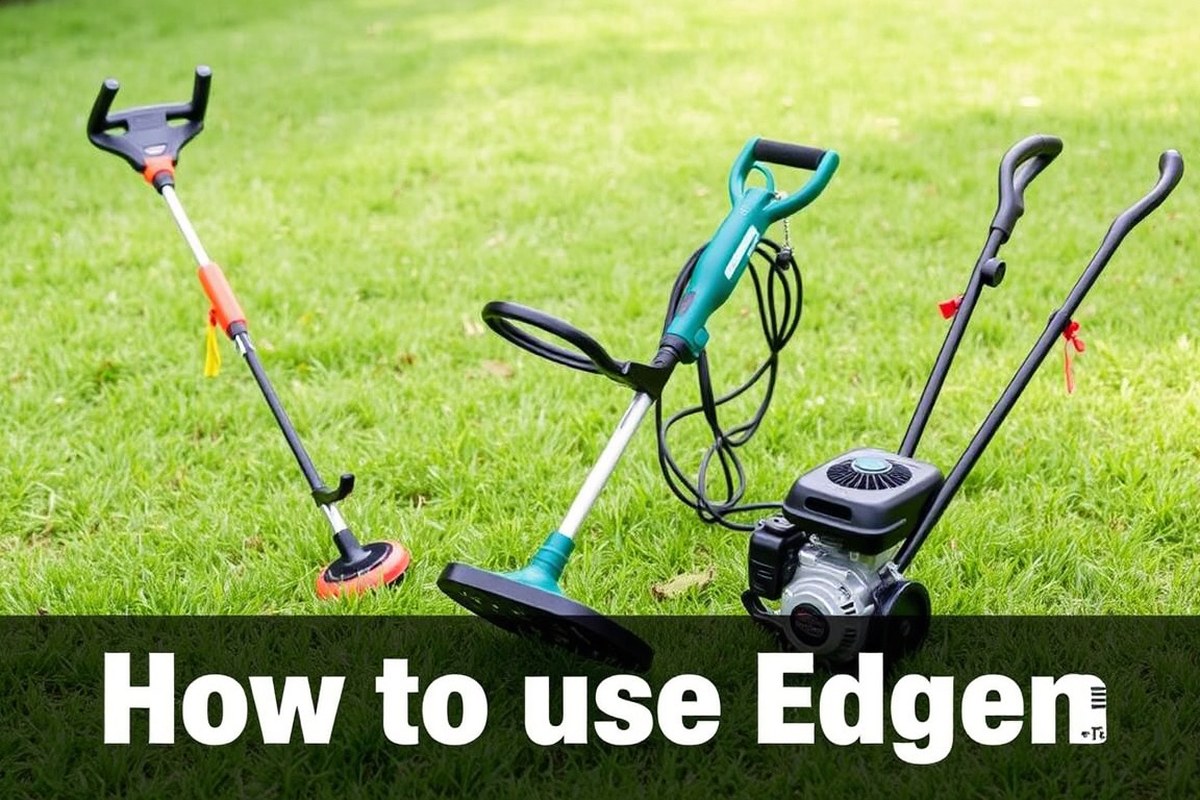
A lawn edger is a tool used to create clean, sharp lines along your lawn’s edges. It cuts the grass and soil where your lawn meets sidewalks. It also trims the border near flower beds.
This keeps edges neat and clean. This tool slices straight down into the ground.
It usually reaches about 2 inches deep. This stops grass from growing over the edge.
There are different types of lawn edgers, each designed for specific tasks and yard sizes. A manual edger has a half-moon blade you push into the soil with your foot.
Power edgers work with a motor, and some use a spinning blade. Others may use a string trimmer attachment to slice the edges.
Pick the right edger based on your lawn’s size. Think about the shape of your edges too. Also consider how much you want to spend.
Small lawns or tight corners are best handled with manual edgers. Larger lawns with straight edges fit better with powered edgers. String trimmers can double as edgers but offer less precision.
| Tool Type | Best For | Effort Required | Key Limitation |
|---|---|---|---|
| Manual Edger (Half-moon) | Small lawns, intricate curves, garden beds | High (foot pressure needed) | Hard work, slow for large areas |
| Dedicated Power Edger | Large lawns, long straight edges, commercial use | Low to moderate | Higher cost, needs storage space |
| String Trimmer (as edger) | Small to medium lawns, DIYers with existing tools | Low (if battery or corded) | Less precise, line wears quickly on hard soil |
Manual edgers cost under $50 and work silently. But you must push hard with your foot. Power edgers usually cost $100 to $300, depending on brand and power.
A string trimmer you already own can save money but may not cut as straight. Match your lawn’s size and edge shape to the tool for best results.
Your edger blade needs positioning just right. It should be at a 90-degree angle to get a straight edge.
The cutting depth sits around 1.5 to 2 inches deep to fully cut roots and prevent grass overgrowth. Walk steadily at a pace where the blade cuts without extra force or stalling.
How to Prepare Your Lawn and Edger for the Best Results

Preparing your lawn and edger properly makes the edging job easier and neater. Start by moistening the soil lightly to soften it.
Clear away debris, then mark your edge line with string or chalk. Finally, set up your edger correctly before starting.
Soil Moistening Tips
Soil that is a bit damp cuts more cleanly and easily with an edger. Moistening the soil thirty minutes before you edge lets water soak in, softening hard ground. Avoid soaking the soil too much to prevent muddy edges that can clog your edger.
Use a garden hose or sprinkler to lightly mist along the edge area. The soil should feel just damp to the touch, not muddy or slippery. Moist soil reduces wear on blades and helps keep lines neat and sharp.
Clearing Stones and Debris
Loose stones, sticks, and debris can damage your edger blade or cause uneven cuts. Walk the area first to pick up rocks or trash. Removing anything larger than one inch ensures safer, smoother edging.
Clearing debris prevents blade dulling and avoids the edger bouncing off obstacles. This lets you apply consistent pressure and cut edges straight without interruptions.
- Pick up stones, sticks, and thick mulch near the edge
- Remove garden tools and hoses from the work zone
- Rake away leaves or grass clippings from the edge line
- Trim long grass beforehand to improve visibility
- Watch for sprinkler heads and avoid damaging them
Always clear at least two feet on either side of your edge line before starting.
Using String or Chalk Lines
Marking your edge line keeps your cuts straight and precise. Use stakes and stretch a string tightly along the planned edge for a clear guide. Chalk can also mark curved or irregular edges accurately.
Set the string about one inch from the edge of the lawn. This helps guide your blade. It keeps your cuts neat and precise.
Keep a small gap between the blade and the string. This stops the blade from cutting too deep. It protects lawn areas you want to keep.
Check the lines frequently while edging to avoid drifting off course. Re-tighten or refresh chalk lines if they fade during the job.
Checking and Setting Up the Edger
Before you begin, inspect your edger’s blade for sharpness and damage. A sharp blade cuts cleaner and puts less strain on the machine. Replace or sharpen dull blades to get smooth edges.
Adjust your edger so the blade is set just beside the string or chalk line. Keep it within about one inch of the edge you want to create. This distance controls the cut’s depth and position.
For gas or powered edgers, make sure fuel or batteries are full. Check safety features and controls to avoid accidents. For manual edgers, ensure handles are secure and the blade moves smoothly.
Essential Safety Gear and Precautions When Edging
Wear the right protective gear and keep others away to stay safe. Check your edger before use to avoid surprises. Clear your work area and know how to handle emergencies.
Personal Protective Equipment
Wear safety glasses or goggles to shield your eyes from flying debris. Use gloves and sturdy boots to protect your hands and feet. Ear protection is important, especially with gas-powered edgers, to block loud noise.
Choose protective clothing that covers your arms and legs to avoid cuts and scratches. A brush shield can add extra safety against chips and clippings. Always put on your gear before starting your edger.
Safe Work Area Setup
Clear away stones, sticks, and other objects that could damage your blade or fly toward you. Avoid edging in poor light; daylight or bright artificial light helps you spot hazards. Mark your boundary so you know exactly where to edge without guesswork.
- Remove loose debris and rocks from the path
- Ensure dogs, kids, and others stay at least 10 feet away
- Work on dry grass and soil for better control
- Check for any hidden irrigation heads or cables
- Use markers or string lines for straight edges
A tidy, well-lit space also helps prevent trips and slips while you edge. Keep pets and neighbors out of the area to avoid distractions and accidents.
Edger Inspection Before Use
Look over your edger for cracks, loose parts, or blade damage before you start. Check fuel or battery levels and test controls with the tool off. Make sure the blade is sharp and free of grass or dirt build-up for smooth cutting.
Confirm the blade guard is secure and the handle and switches work properly. Running your edger at low speed first helps spot odd noises or issues. Fix any problems or call a pro if you feel unsure about your edger’s condition.
Handling Emergencies and Bystanders
Have a first aid kit close by for any cuts or scratches. Stop the edger immediately if it hits an object or acts strangely. Know how to quickly turn off the machine and disconnect power or fuel if needed.
Keep others at least 10 feet away to avoid thrown debris. Talk to anyone nearby before starting so they understand to stay clear. Watch your surroundings constantly and don’t edge near people or pets.
Step-by-Step Instructions to Edge Your Lawn Correctly
Using an edger right means placing the blade at the right angle. Set the proper cutting depth. Then move the tool steadily along the edge.
Walk slowly to keep control and get clean, sharp lines. Follow these steps to edge your lawn with precision.
Positioning the Blade
Keep the blade vertical so it cuts straight down along the edge. For powered edgers, line the blade so it just touches the soil.
This soil is next to the hard edge of your lawn. Manual edgers need a firm push and a rolling motion to slice cleanly.
Place the edger close to the edge where grass meets the sidewalk, driveway, or flower bed. Adjust the handle or angle so the blade doesn’t lean away or into the lawn. A balanced blade position helps avoid uneven cuts or damage to grass roots.
Setting Cutting Depth
Set the cutting depth so the blade barely scrapes the ground. This is usually about 1 to 2 inches deep. Most motorized edgers have a knob or switch to adjust this depth.
Your goal is to cut roots close enough to keep edges neat. Avoid digging too deep into the soil.
Deeper cuts can harm roots and cause uneven edges. Shallower cuts may leave the grass roots intact but won’t fully separate the lawn edge. Adjust the depth based on your lawn type and soil firmness for the best results.
Starting and Moving the Edger
Start edging by positioning the tool next to the edge. Turn on the engine as the manual tells you.
For manual edgers, place the blade on the lawn edge and rock it firmly straight down. Keep your core engaged to control the machine.
Walk slowly as you push the edger forward, letting the blade pull you along. Avoid rushing; a steady pace helps keep the cut line straight.
Stop the engine when turning or moving to a new section. Always wait for the blade to stop spinning before setting the tool down.
Maintaining a Consistent Pace
Keep a consistent, slow pace to make clean, even edges. Move about 1 to 2 feet every few seconds. Moving too fast can leave rough edges or uneven cuts.
Maintain steady pressure so the blade maintains contact with the ground but does not dig in. Pause and adjust your walking speed or blade depth if uneven cutting happens. Practice this rhythm until it feels natural for your lawn size.
Follow these steps to edge your lawn correctly:
- Adjust the blade so it touches the soil vertically along the lawn edge.
- Set the blade depth to about 1 to 2 inches, depending on your lawn.
- Start the edger at the beginning of the edge you want to cut.
- Walk slowly forward, allowing the blade to pull you along the line.
- Keep steady pressure and a consistent pace for a straight cut.
- Stop the engine when turning or stopping, and wait for the blade to halt.
- Repeat along all edges for a sharp, professional look.
How to Achieve Clean, Straight Lawn Edges Consistently
To get straight edges, position yourself so the edger runs alongside the lawn’s border. Hold the handle firmly and rock the blade side to side while pulling up gently. Move steadily; sudden jerks cause uneven cuts and ragged lines.
Edges often look uneven because depth and angle change during use. Keep the blade at a steady angle, close to vertical. Slightly tilt it if needed.
Try to cut at the same depth each time. Don’t press hard on the shaft.
Pressing can bend the blade. This will stop you from getting a clean cut.
For curves and corners, slow down and work carefully. Follow the curve by steering the edger smoothly in small sections, not all at once. Stop the blade just before the corner.
Reposition the edger first. Then carefully cut around the angle for sharp edges.
Notice uneven patches? Fix them right after you finish edging. Use hand shears or an electric trimmer to fix missed spots.
This cleans up edges and smooths out areas. This quick touch-up gives the edge a natural, groomed look without harsh gaps.
Re-edge your lawn every five to seven weeks during the growing season to keep borders sharp. Cutting too often may stress grass roots.
Waiting too long lets edges grow unruly. Regular edging also helps prevent encroaching weeds and keeps your yard looking cared for.
Never kneel or put pressure on the edger’s shaft. This damages the tool and messes the cut line.
Manual vs Powered Edgers: Techniques and Situations When to Use Each
Manual and powered edgers serve similar purposes but differ in how you use them. A manual edger works when you press the blade down with your foot. It cuts through the soil this way.
Powered edgers have blades that spin automatically. They can run on gas, electricity, or battery. You guide them along the edge.
Manual edgers are great for small areas and precise lines. They require leg strength and good technique to push the blade deep into the soil. You hold the handles firmly and stay close to your work to keep control.
Powered edgers suit larger lawns or tougher soil. You just guide the moving blade along your edge without much foot pressure.
This method saves time and requires less physical effort. But you need to be careful to keep the blade straight.
| Feature | Manual Edger | Powered Edger |
|---|---|---|
| Cost | About $20 USD | $150 to $400 USD |
| Effort | Uses leg strength to push blade | Guided along with minimal physical effort |
| Control | Hold handles close for precision | Keep tool steady to maintain straight edge |
| Power source | No power source needed | Gas, electric (corded), or battery-powered |
| Maintenance | Sharpen blade, clean dirt | Sharpen blade, check motor, recharge battery |
| Best for | Small or detailed edging jobs | Lawn edges around large yards or flower beds |
Put the blade of a manual edger right on the edge. Then press down hard using your foot.
Push steadily, then lift and move it along the edge line. Repeat while keeping the handles steady and close to your body to avoid slips.
For powered edgers, grip the handles firmly and switch the blade on. Guide the spinning blade along the edge at a steady pace.
Avoid pushing too hard; let the blade do the work. Some electric models require plugging in, so consider extension cords if needed.
Manual edgers demand blade sharpening and cleaning after use to prevent rust and maintain sharpness. Powered edgers require more checks: blade condition, motor health, and battery charging if cordless. Regular maintenance extends the life of both types and helps avoid costly repairs.
Maintaining and Storing Your Lawn Edger for Longevity
Keep the blade clean by removing dirt and grass clippings after every use. Wipe the edger with a dry cloth. Use a stiff brush if needed.
This helps remove stuck debris. Sharpen the blade a few times each season.
Use a metal file or a sharpening stone. This keeps cuts clean and reduces strain on your edger.
For gas-powered edgers, engine care is key. Check the oil level regularly. Change oil after every 25 hours of use or once each season.
Drain leftover fuel before storing the edger for long times. This prevents carburetor issues from old gasoline.
Storing your edger properly protects it during off-seasons. Place it in a dry, sheltered spot away from moisture and extreme temperatures.
Remove batteries from battery-powered models before storage to prevent damage and extend battery life. Covering the edger with a cloth or plastic sheet keeps dust and grime at bay.
- Clean blade after every use to prevent buildup.
- Sharpen blade regularly to avoid replacement.
- Check and change oil on gas models every 25 hours.
- Drain fuel before long-term storage to protect engine.
- Remove battery from cordless edgers before storing.
- Store edger dry and covered to avoid rust.
Check the spark plug for fouling when the edger struggles to start. Replace the spark plug if needed. For sticky throttles or inconsistent blade speed, clean the carburetor or air filter.
Sometimes a clogged blade housing causes uneven edging. Clear debris carefully with a stick or brush, never your fingers.
Contact customer service if problems continue. Have your troubleshooting information ready to share.
Troubleshooting and Expert Tips for Difficult Edging Situations
Uneven or shallow edges often come from not cutting deep enough. A good edge cuts about 2 inches into the soil.
Less than 1.5 inches won’t slice through roots well, making the edge weak and uneven. Also, clearing out cut grass after each pass keeps the edge visible and straight.
Rocks and roots can stop the blade or make cuts jagged. Before edging, remove large roots or stones in your path. When you hit roots, gently rock the edger side to side.
Then pull the handle back up to clear the blade. Using a steel blade helps cut cleaner around rough ground compared to string trimmers.
Blades that won’t cut right might be dull or clogged. Check the blade for sharpness and clean off dirt or grass buildup. Long grass flopping over edges confuses your cutting line, so trim tall grass first.
Cut the edge in short sections for better control. Lift the blade a few inches between passes. Repeat for each section.
Curves and tight spaces need slower, careful work. For tight spots, tilt the edger slightly and move it slowly. At 90-degree corners, cut past the corner first.
Lift the blade and move it. Then cut the next side. This avoids jagged or overcut edges and keeps lines sharp.
Don’t cut deeper than 2 inches. Going 4-6 inches creates a tough trench and can harm shallow roots.
Step-by-Step Action Plan for Edging Your Lawn
Follow these steps to edge your lawn cleanly and safely. Each step helps you get better results consistently.
- Before you start: Put on safety glasses, gloves, and sturdy shoes to protect yourself. You should feel comfortable moving safely as you work.
- Day 1: Choose the right edger based on your lawn size and edging needs. Your tool should feel manageable and fit the edge style you want.
- Day 1: Clear grass, sticks, and debris from edges you will cut. Confirm the area is clear to avoid damaging your edger or your line.
- Day 1: Set the edge depth around 1.5 to 2 inches deep to avoid cutting too deep. Test a small section; the edge should look neat and tidy.
- Day 1: Hold the edger firmly and walk slowly along the border, keeping a steady pace. Check that your edges look straight and even after each pass.
- After edging: Use a brush or broom to clean clippings off the sidewalk or driveway. Your edges will stand out better when the area is tidy.
- Next week: Water your edged areas lightly to help grass recover. The soil around the edges should feel cool and moist, not dry.
- Monthly: Inspect your edger and sharpen or tighten blades as needed. Sharp blades make cleaner cuts and save your lawn from ragged edges.
Frequently Asked Questions
How Deep Should I Set My Edger Blade for Best Results?
Set the blade to cut about 2 inches deep for clean edges. This depth ensures cutting through grass roots without damaging hard surfaces underneath.
Can I Use a String Trimmer as a Lawn Edger?
Yes, string trimmers work for small to medium lawns’ edges. They don’t cut as precisely as blade edgers.
They’re good for quick touch-ups. Use them around walkways and garden beds.
What Should I Do If My Edger Blade Hits a Rock?
Stop and remove the rock immediately to prevent blade damage. A single rock can dent the blade, affecting cutting performance and blade life.
How Do I Keep My Lawn Edges Straight Without a Guide?
Use a string line or chalk to mark the edge before trimming. This gives you a clear, visible guide for a neat, straight edge every time.
Is It Okay to Edge Wet Grass or After Rain?
Lightly watering soil before edging helps but avoid heavy wet conditions. Too much moisture clumps grass and mud, making clean cuts harder and messier.
Do I Need Different Edgers for Curved Versus Straight Edges?
Manual edgers suit intricate curves, while powered edgers work best on straight lines. Choose based on your lawn shape to get smooth, clean results.
Wrapping Up
Edging your lawn with the right tools and methods gives your yard a neat, finished look. Start today by picking the best edger for your lawn size and safety needs. Keep practicing your technique to enjoy clean, crisp lawn edges every time you mow.