What Is the Chestnut Tree Cafe in 1984? A Complete Guide to Its Symbolism and Role
What is the Chestnut Tree Café in 1984? It is a rundown public café where broken Party victims go after being tortured. These people spend their last days there, drinking cheap gin and accepting the Party’s control.
Winston Smith, the main character, ends up there after the Ministry of Love destroys his spirit. The café stands for betrayal and defeat.
Its visitors look grim. They remember a sad song.
The Chestnut Tree Café shows how the Party crushes resistance. People are forced to surrender there. It is an important place in the story.
Notice the mood when reading about the café. Watch Winston’s actions closely. They show his lost hope.
Key Takeaways
- The Chestnut Tree Café houses victims broken by the Party’s torture and brainwashing.
- It symbolizes betrayal through the song “Under the spreading chestnut tree.”
- Winston spends time there after losing his love and hate, showing complete surrender.
- The café’s bleak environment reflects the emptiness of its visitors’ lives.
- Visitors who gather there signal the end of rebel spirits and resistance.
- The café connects directly to the Ministry of Love’s psychological destruction methods.
What Is the Chestnut Tree Café In 1984?
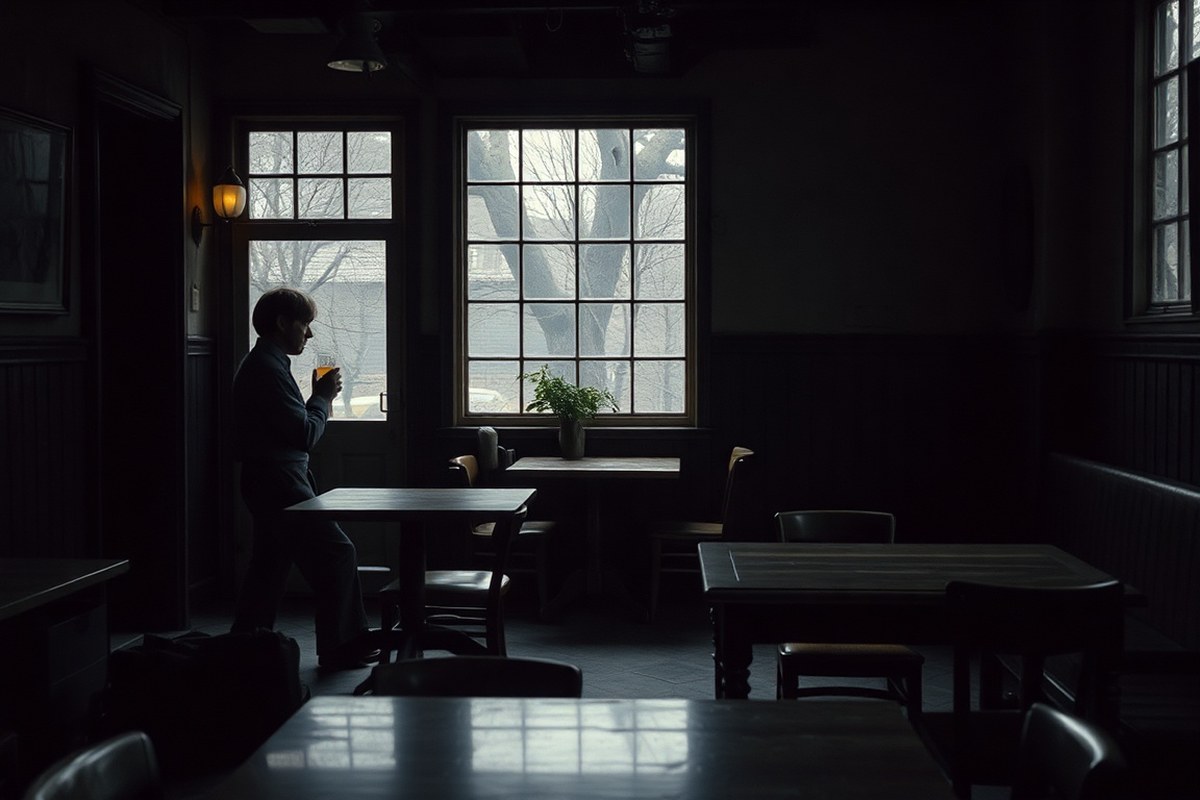
The Chestnut Tree Café is a bleak public place in 1984 where broken Party victims gather. It has a dull, worn-out look with dim lighting and cheap tables. This café stands apart from the busy streets, feeling isolated and heavy with defeat.
At the café, people tortured by the Party spend their last days. They have been brainwashed. Their lives are now empty.
These victims drink cheap gin as they lose hope. Winston Smith is one of them.
This happens late in the book. Their spirits are crushed, and they no longer resist the Party’s control.
Winston first sees the café after he notices former government workers there. They were recently freed from the Ministry of Love.
These men, once loyal and trusted, now seem broken and aimless. The café acts as a resting place for those whose minds and loyalties the Party destroyed.
Why the Chestnut Tree Café Symbolizes Betrayal and Defeat

The Chestnut Tree’s Ironic Symbolism
The chestnut tree once stood for honesty, justice, and strength. In 1984, this traditional symbol becomes deeply ironic. It shows how the Party destroys true values and replaces them with control and fear.
The tree appears as a reminder that the Party can twist even strong, honest symbols. Instead of hope, the chestnut tree in the story marks loss and defeat. It’s a sign that genuine strength no longer survives.
Betrayal Shapes the Café’s Meaning
Winston and Julia betray each other after torture in Room 101. Their love breaks down, and the café sets where that betrayal settles. The betrayal goes beyond torture; it’s the Party’s way to control thoughts and hearts.
At the café, betrayal deepens into loneliness and emptiness. Winston’s private rebellion ends, replaced by a public existence with no resistance. The café symbolizes that the Party wins by shattering human loyalty and trust.
How Betrayal Deepens the Story’s Tone
The café adds a grim, hopeless tone to 1984’s ending. It turns a place that once symbolized strength into a graveyard of lost rebellion. The symbol shows the cost of defeat that the Party enforces on every rebel.
Betrayal here isn’t just personal; it’s political and psychological. This makes the story feel cold and harsh. It shows how complete and final the Party’s control has become over Winston and others.
Winston’s Defeat Embodied in the Café
The café is where former rebels like Jones, Aaronson, and Rutherford now appear. These figures represent ultimate betrayal to the Party. Their presence warns that Winston’s fate is sealed in the café too.
Winston’s total surrender to Big Brother echoes in the café’s atmosphere. His inner rebellion dissolves into empty compliance. The café shows how the Party remakes enemies into loyal followers or broken shadows.
What the Chestnut Tree Café Teaches About Loss
This café and tree tell a story about loss on many levels. They show how big ideas like love and truth can disappear under harsh control. The scene warns that resistance is fragile in a world ruled by lies and fear.
The Party uses this symbol to claim virtues but only achieves power through betrayal. It’s a warning that lasting connections break when fear drives loyalty. The café leaves you with a sense of final, quiet defeat.
Watch how symbols shift meaning within stories. They often reveal deeper truths about characters and society.
How Winston Smith’s Experience at the Café Reflects His Psychological State
Winston Smith sits quietly at the Chestnut Tree Café, a shadow of his former rebellious self. His mind is numb, and he no longer questions the Party’s control. He drinks gin and smokes cigarettes.
He watches the telescreen almost lifelessly. His spirit shows how broken it has become.
The café marks Winston’s complete surrender. At this point, he has lost the will to resist Big Brother. Fear, torture, and brainwashing broke his inner defiance.
It was replaced with numb acceptance. He showed forced loyalty after the Ministry of Love.
While at the café, Winston stares blankly. He listens to trite chatter from other patrons. All of them look defeated too.
He listens to the Chestnut Tree song on the telescreen and feels no hope. This routine reflects his emotional emptiness and the deep psychological impact of his betrayal.
Winston’s actions at the café are passive. He never speaks up or challenges the realities shaped by the Party.
Instead, he indulges in dull conversations and lets his mind fixate on the Party’s propaganda. This passivity demonstrates how thoroughly his identity has dissolved.
The café acts as a public place where broken dissidents like Winston quietly accept their fate. His presence there signals the end of his internal struggle. He has become a loyal Party member outwardly, even if his soul still aches silently.
Winston’s transformation showed the costs of opposing totalitarian control. Once curious and defiant, he now shows only broken resignation. His time in the café marks his final breakdown.
Hope dies during this moment. Full submission sets in afterward.
What the Chestnut Tree Song Reveals About the Café’s Meaning
The Chestnut Tree song is a short, sad tune linked with the café’s meaning. It talks about betrayal and sorrow in a way that makes it ironic in the novel. The song adds depth to the themes of defeat and loss in 1984.
Origins of the Chestnut Tree Song
The song is played in the Chestnut Tree Café, a place where broken Party members gather. It is a well-known tune among the characters who have lost their rebellious spirit. The song seems to come from the Party’s efforts to mock and control defeated rebels.
Its origin reflects the Party’s power to turn resistance into a symbol of failure. The café and the song stand for a last stop. They hold those who once challenged the Party.
It shows where those rebels end up. This background helps the reader understand the bleak mood tied to the song.
Lyrics and Their Symbolic Meaning
The song tells about a man who once played the piano in a lively place. Now, the cheerful setting is gone, leaving only sad memories. The lyrics symbolize betrayal, loss of freedom, and the death of hope.
The irony is sharp because the man’s music once brought joy. Now, it echoes the quiet despair of those who’ve been broken. The tone contrasts with the song’s earlier happiness, showing how rebellion dies under the Party’s control.
Role of the Song in Winston’s Story
The song appears after Winston’s capture and torture in the Ministry of Love. It plays as Winston sits defeated in the café, a shell of his former self. Hearing the song links Winston’s fate to the sad story in the lyrics.
The song makes you see Winston has changed. He was once a rebel but now is broken. It shows his complete defeat.
It also reminds you of his betrayal of Julia and his own beliefs. The sound of the song and the café’s atmosphere create a powerful image of total defeat.
To understand the song’s role and its meaning step-by-step, try this approach:
- Listen carefully to the song’s lyrics and note the mood they set.
- Connect the song’s story to the characters’ experiences in the café.
- Compare the song’s themes to Winston’s personal journey in the novel.
- Observe the ironic contrast between the song’s past happiness and current sadness.
- Notice how the song highlights the theme of betrayal within 1984.
- Think about how the song deepens the café’s meaning as a symbol of defeat.
- Use the song to reflect on how the Party crushes rebellion through control.
Who Visits the Café and What Their Presence Signifies
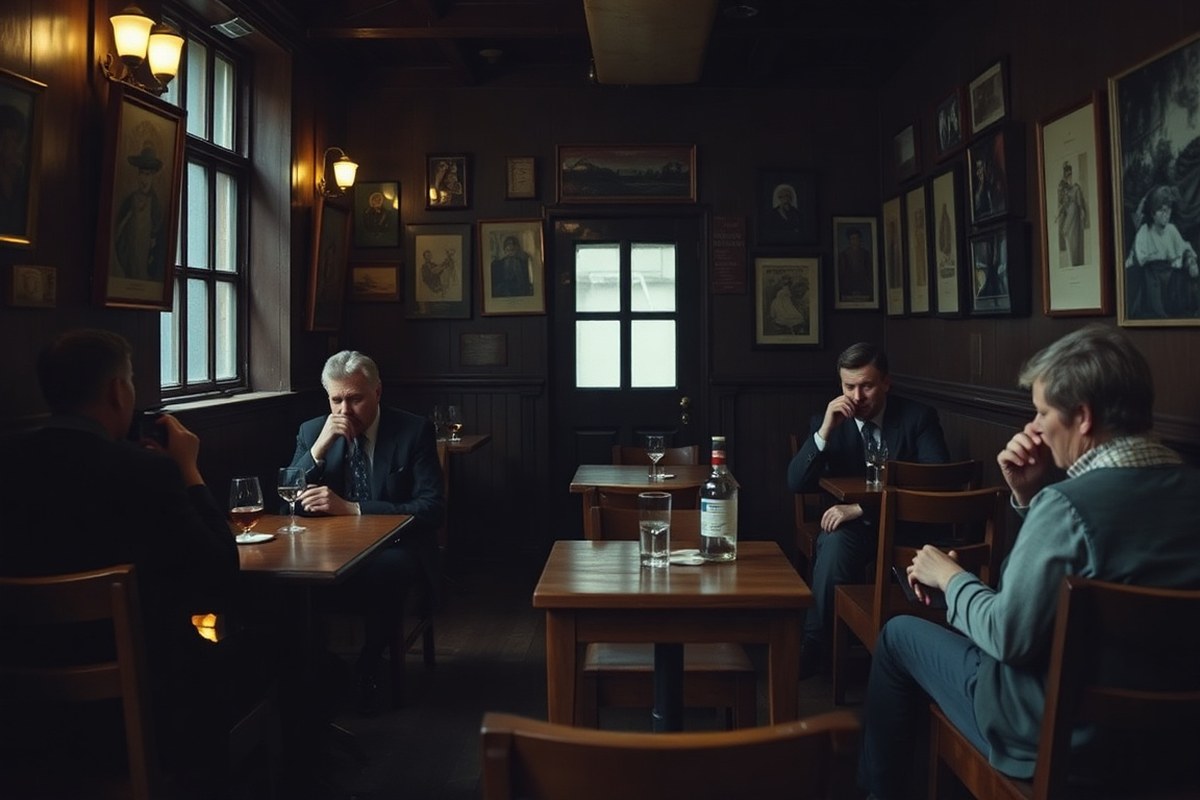
The Chestnut Tree Café is where defeated Party members gather after their spirit breaks. Alongside Winston, other visitors show the heavy cost of rebellion. Their presence signals that the Party has crushed all resistance.
These visitors include former comrades and known rebels whose loyalty to the Party is now hollow. They represent failure and submission. Their backgrounds are often tied to acts of dissent or disloyalty that ended in punishment.
At the café, you find people like:
- Jones, Aaronson, and Rutherford, once prominent figures, now broken and forgotten
- Winston Smith himself, recently re-indoctrinated and resigned
- Others who have survived the Ministry of Love but lost all will to oppose
- Occasionally, anonymous faces that hint at secret past rebellions
Each person’s fate tells you how the Party controls not just bodies but minds. They’ve replaced hope with resignation. The café is a physical spot for the Party to display their triumph over thoughtcrime.
The Party keeps rebels trapped in the café’s dull setting. This shows that rebellion ends without support. They stay isolated and powerless.
Their conversations are empty, and memories hollow. The space underlines the final step of breaking a person’s spirit.
Don’t overlook the café’s role as a kind of surveillance zone disguised as a refuge.
The presence of these visitors matters because it reveals the Party’s method. They never only punish rebels; they erase their resistance. This tactic keeps others in line by showing what happens to dissenters.
Connection Between the Chestnut Tree Café and the Ministry of Love
The Ministry of Love is where Winston and other prisoners face physical and mental torture. This torture breaks their will and forces them to betray their deepest loyalties, including loved ones.
The Chestnut Tree Café is where broken prisoners go. They arrive after finishing their Ministry re-education.
Prisoners survive the Ministry’s harsh process and head to the café. They no longer resist the Party. They have lost independent thought and true emotions.
Their stay there shows they are empty shells. They only show loyalty to Big Brother. They cannot rebel anymore.
The café symbolizes the final stage of the Party’s control cycle. It’s where former opponents live quietly in defeat, acting loyal but hollow inside.
The process costs them their identity, friendships, and love. Instead of freedom, they get a controlled existence marked by resignation and betrayal.
Winston’s time in the Ministry of Love breaks him down piece by piece. At the café, his psychological state fully reflects this destruction.
He accepts the Party’s version of reality and feels affection for Big Brother. This shift shows how re-education destroys opposition not just physically but mentally.
The link between the Ministry and café shows the Party’s control. It swaps real feelings for forced loyalty.
The café marks the end of resistance and the success of the cruelty inside the Ministry. Survivors live there, reminders that breaking someone’s mind costs their spirit.
The Role of Food, Drink, and Environment in the Café Scenes
The Chestnut Tree Café feels empty and dull. Winston drinks gin here, the drink is a cheap, burning liquid that dulls his senses. The café has no real food.
It offers a few meager snacks or none. This adds to the bleak atmosphere.
The setting reflects a mood of defeat and loneliness. The dull lighting and plain furniture create a lifeless space. The telescreen constantly hums with propaganda.
It makes the place feel like a trap. It doesn’t feel like a refuge.
Gin is highlighted because it numbs pain and confusion. It represents escape from harsh reality but also symbolizes weakness and surrender. Winston’s drinking showcases his broken spirit and lost hope.
- Winston drinks gin, a harsh, low-quality liquor
- No real food or substantial meals are present
- The café is dim and sparsely furnished
- Constant telescreen noise fills the air
- The atmosphere feels cold and oppressive
- Winston plays chess and traces “2 + 2 = 5” on the table
- The place reflects loss, defeat, and lost trust
Sounds and smell add to the scene’s impact. The gin’s smell blends with stale air and dust.
Chess pieces click softly, but no friendly chat breaks the silence. Everything feels mechanical.
The café’s harsh use of gin stands out. There is no food and the environment is dull. This shows how broken the people are.
It’s a place for quiet suffering, not renewal. The small details make the mood heavy and hopeless.
How the Chestnut Tree Motif Recurs and Evolves Throughout 1984
The chestnut tree shows up more than once in 1984. It starts as a background image. Later, it becomes a clear symbol of defeat.
It first shows up in a poem and a song. Near the end of the novel, it marks a special place. Broken rebels go there.
This shows the Party’s total control. This change deepens the theme of power and loss.
Early Mentions of the Chestnut Tree
The chestnut tree first appears in a poem Winston recalls early in the book. The poem has a gentle tone contrasting with the harsh world of Oceania. It gives a hint of natural beauty and a time before the Party’s rule took over.
Later, the chestnut tree shows up in the ‘Chestnut Tree Song,’ which Winston overhears. The song alludes to betrayal and suffering under the Party’s surveillance. In these early moments, the tree connects to memory and lost freedom, subtle but clear.
Chestnut Tree at the Novel’s Conclusion
The chestnut tree returns in the last scenes with a strong, clear meaning. The café named after the tree hosts broken Party members like Winston. It’s a place marked by defeat, where they retreat after being crushed by the Party.
Here, the tree’s image is linked with loss and submission. Winston stares at the chestnut tree on the wall while losing his rebellious spirit completely. This moment shows his final emotional imprisonment, despite his physical freedom.
Symbolism Shift and Thematic Impact
The chestnut tree’s meaning shifts from gentle natural imagery to a sign of betrayal and despair. It first reminds us of better times.
By the end, it proves the Party’s crushing power. This change reflects how totalitarian rule erases hope.
This cyclical motif highlights the Party’s ability to transform symbols people trust into tools of control. It shows how personal memories and emotions can be hijacked and destroyed. The chestnut tree’s evolving depiction tells you how deep the Party’s psychological grip is.
Here is a table that tracks the chestnut tree’s appearances. It shows the main themes. This helps explain how its symbolism changes.
| Appearance | Scene or Context | Symbolic Meaning | Thematic Role |
|---|---|---|---|
| Early Poem | Winston’s memory | Gentle nature, past beauty | Hints at lost freedom, humanity |
| Chestnut Tree Song | Public space, overheard | Betrayal, suffering under Party | Warning about dissent, Party’s power |
| Chestnut Tree Café | End of novel, Winston’s visit | Defeat, emotional imprisonment | Party’s total control over minds |
Tracking the chestnut tree like this makes patterns clear. It shows how the Party turns hope into control. This progression warns how oppressive regimes can claim even innocent images.
Note the moments you feel a symbol’s meaning shift. That signals deeper control and loss.
Step-by-Step Action Plan to Understand the Chestnut Tree Café’s Role In 1984
This plan helps you explore the Chestnut Tree Café’s key meanings. It shows its impact on Winston and the story.
- Day 1: Revisit the scenes where Winston visits the café. Note his mood and behavior. This shows his defeat and surrender.
- Day 2: Listen to or read the chestnut tree song carefully. Focus on its words and tone to identify the theme of lost hope.
- Day 3: Compare the café visitors’ stories and backgrounds. Spot patterns of betrayal and failure.
- Day 4: Study the link between the café and the Ministry of Love. Focus on how characters face punishment. Recognize the café’s role as a post-torture place.
- Day 5: Analyze descriptions of the café’s food and atmosphere. Understand how these details reinforce the bleak setting.
- Day 6: Trace the Chestnut Tree motif through the whole book. Look at how its symbolism changes from start to end.
- Day 7: Reflect on how Winston’s experience at the café mirrors his psychological defeat. Write a short paragraph summarizing your insights.
Frequently Asked Questions
What Does the Song About the Chestnut Tree Cafe in 1984 Symbolize?
The song symbolizes betrayal and the loss of loyalty. It ties directly to the cafe’s role in survival.
People there turned on each other to get by. This shows how desperate times change relationships.
What Food Did They Eat In 1984?
The book mentions simple, bleak items like gin and minimal food in party settings. The Chestnut Tree Café serves basic, depressing fare reflecting the characters’ broken lives.
What Was Ill Omened About the Chestnut Tree Cafe?
The cafe is ill-omened because it represents mental defeat and betrayal. It’s where broken prisoners go after torture, showing the Party’s power to crush spirits.
What Is the Cafe In 1984?
The café is a rundown public spot where broken Party victims drink. It marks the characters’ emotional collapse and acceptance of the Party’s control.
Why Do Former Rebels Gather at the Chestnut Tree Café?
They gather there after being tortured and released. It’s the place for those who lost their resistance and now pass empty days.
How Does the Chestnut Tree Café Reflect the Novel’s Themes?
It shows the loss of hope, loyalty, and identity. The café mirrors the Party’s rule by showcasing defeated, controlled individuals.
Wrapping Up
The Chestnut Tree Café marks the place where defeated rebels go after breaking. It shows how the regime crushes both body and mind.
Read the café scenes again with these ideas in mind. This will give you a clearer view of its meaning.