When Do Hyacinths Bloom: A Complete Guide for Perfect Timing
When do hyacinths bloom is a question many gardeners ask each fall. These flowers usually bloom in spring after resting through the cold months. They show off their bright, fragrant colors once the weather starts warming but stays cool.
You should plant hyacinth bulbs in fall, about 4 inches deep. This depth protects them in winter and supports good root growth. Full sun for at least six hours daily helps the blooms develop strong and vibrant.
Hyacinths prefer cooler temperatures between 50 and 60 degrees Fahrenheit while blooming. Warm weather can shorten their flowering period or stop blooms altogether. Planning the right planting time and location will help you catch their peak bloom.
Key Takeaways
- Plant hyacinth bulbs 4 to 5 inches deep in fall for spring blooms.
- Choose a sunny spot that gets at least six hours of sunlight daily.
- Keep outdoor temperatures between 50-60°F for the best blooming conditions.
- Expect each hyacinth to bloom for about 2 to 3 weeks in spring.
- Ensure hyacinths experience at least 8 weeks below 50°F to trigger blooming.
- Different hyacinth varieties can vary blooming times by one to two weeks.
When Do Hyacinths Usually Bloom Outdoors?
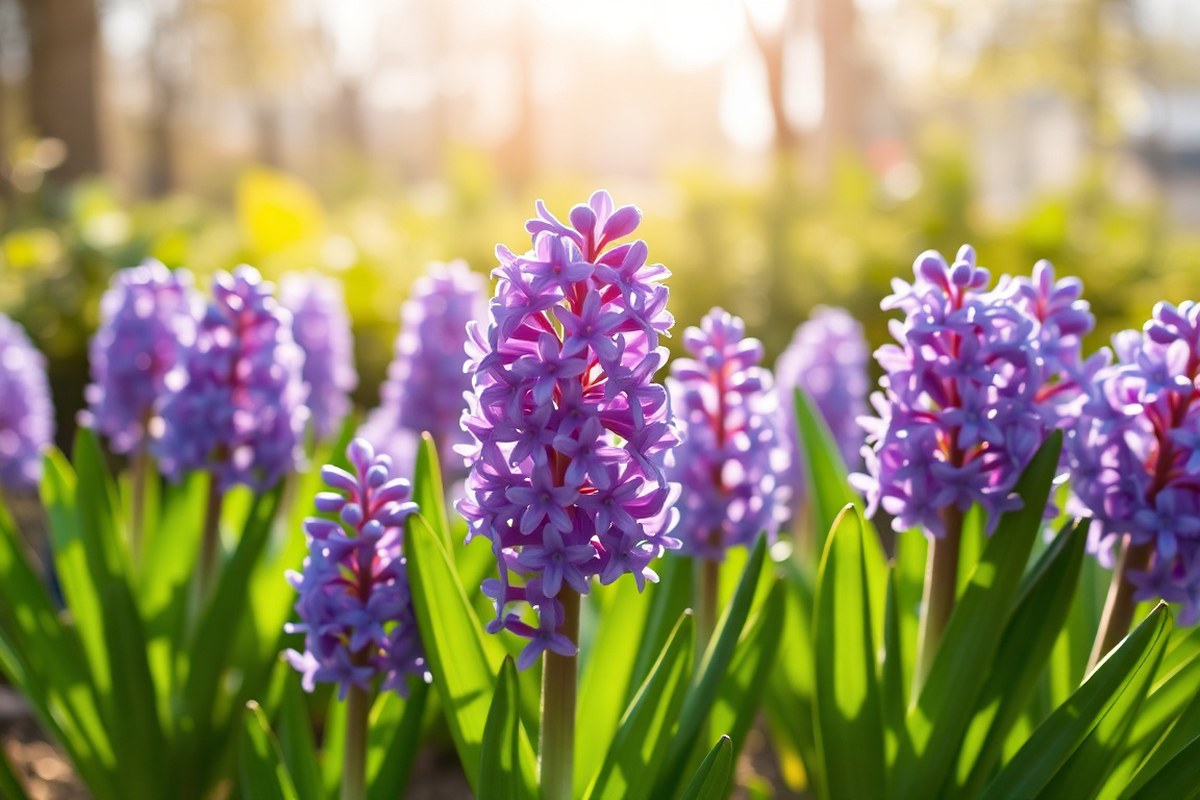
Hyacinths generally bloom outdoors in early to mid-spring. This period usually falls around Easter time in the United States. The blooms appear after the last frosts have passed, following crops like crocuses and alongside daffodils.
The timing depends a lot on your USDA hardiness zone. In zones 4 to 8, hyacinths start blooming when the soil warms after winter. Zones closer to 4 might see blooms show up in early April.
Zones toward 8 often get blooms earlier, in late March. Soil temperature and local climate conditions influence this timing too.
Once blooms appear, hyacinth flowers last about two to three weeks on average. The actual bloom time for each flower spike ranges from seven to fourteen days. Hot afternoon sun can shorten this period.
So planting them where they get some shade later in the day helps. Well-drained soil aids longer-lasting blooms by preventing bulb rot and stress.
How Climate and Growing Conditions Affect Bloom Timing
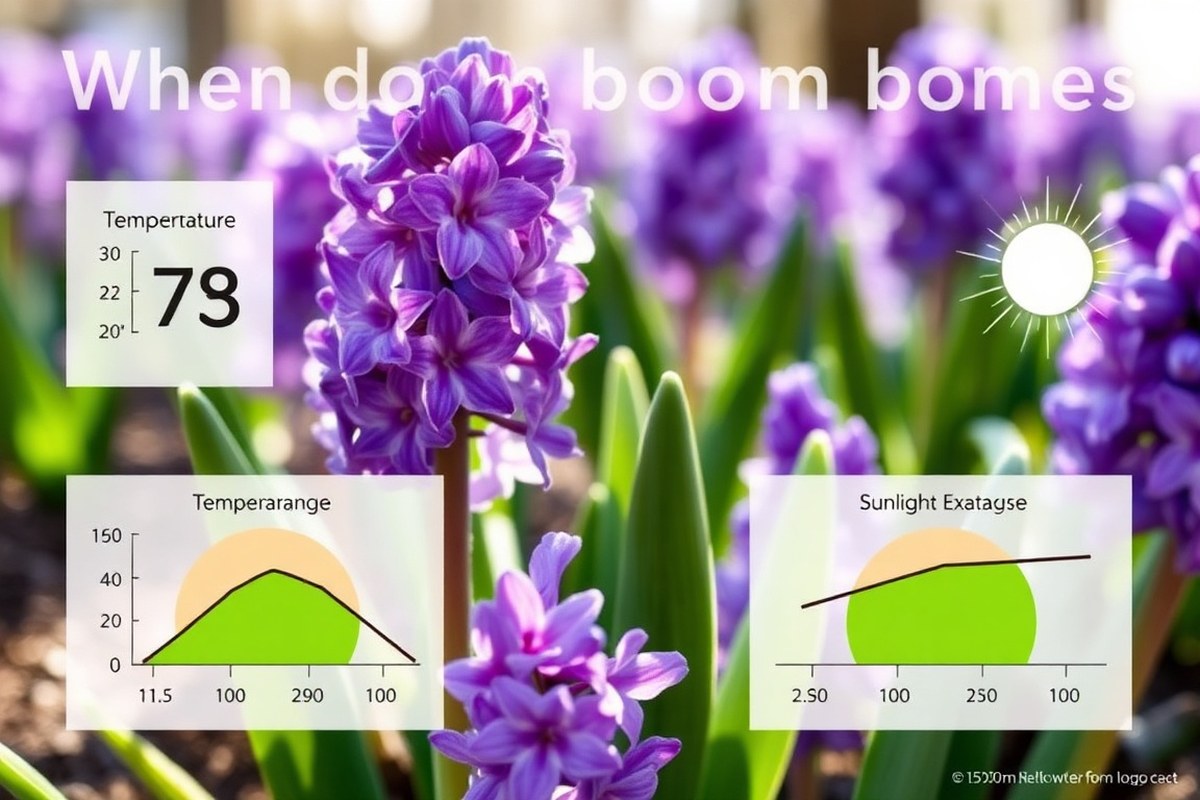
Temperature shapes when hyacinths begin to bloom and how long the flowers last. These bulbs need a chilling period with temperatures below 50°F for about 8 to 12 weeks. This cold phase, known as vernalization, helps the flower buds develop properly and ensures timely blooming.
Once these bulbs warm up after chilling, they start flowering within 3 to 4 weeks. Planting hyacinths in warmer soil makes them bloom sooner. But their flowering period might be shorter.
Cooler soil delays blooming. But it often extends how long the flowers stay fresh and colorful.
Sunlight also affects bloom timing. Hyacinths need six or more hours of full sun each day. Sun warms the soil faster.
This helps bulbs bloom early. However, too much sun can speed up the bloom cycle, causing flowers to fade more quickly.
Good soil conditions matter, too. Hyacinths prefer loose, well-drained soil that stays slightly moist through fall and winter. Proper moisture helps bulbs absorb nutrients, supporting stronger blooms without rotting in soggy ground.
Protect hyacinth bulbs from continuous hot weather, or they might fail to bloom properly.
Bloom Time Differences Between Popular Hyacinth Varieties
Hyacinth bloom times vary by variety, offering early, mid, and late options. Picking different types helps spread out flowers for weeks. Knowing which variety blooms when helps you plan your garden’s colorful display.
Early Blooming Varieties
Early bloomers like ‘Blue Jacket’ start flowering in late February or early March. These varieties bring the first color splash in warm zones. They grow well in USDA zones 7 to 9.
You’ll see blooms thrive in moderate climates too. Their flowers are usually deep blue with a strong scent, standing 8 to 10 inches tall.
‘Delft Blue’ and ‘Pink Pearl’ also bloom early or early-mid spring. They fit well in beds and pots and are great for forcing indoors. These plants grow about 8 to 10 inches tall.
They show soft blue or pink flowers. They add early beauty to your garden.
Mid to Late Blooming Varieties
Mid-season hyacinths like ‘Pink Pearl’ bloom mid-March to early April. They grow well in USDA zones 5 and 6. Expect flowers during this period.
These flowers continue the spring bloom when early ones fade. They maintain garden color and scent during cooler spring weeks.
Late bloomers such as ‘Woodstock’ appear mid to late April. They thrive in colder zones 3 and 4. These flowers bloom later in the season.
These extend your garden’s blooming time by several weeks. Taller types like ‘City of Haarlem’ bloom mid to late spring.
They grow up to 12 inches tall. Their pale yellow flowers stand out in the garden.
| USDA Zone | Bloom Time | Variety Notes |
|---|---|---|
| 3-4 | Late April | Late bloomers like ‘Woodstock’ |
| 5-6 | Mid March to Early April | Mid-season ‘Pink Pearl’ thrives |
| 7-9 | Late February to Early March | Early bloomers like ‘Blue Jacket’ |
Choosing a mix of early, mid, and late bloomers creates color for up to four weeks. This approach works well in staggered plantings or diverse garden beds. It also allows you to enjoy various flower heights and colors over time.
Variety Characteristics Impacting Bloom
Flower color and plant height often relate to bloom times. Early bloomers tend to be around 8 to 10 inches tall, with blues and pinks common. Mid and late bloomers sometimes grow taller and show off colors like yellow and cream.
The best way to stretch hyacinth blooms is mixing varieties with different heights and colors. Early varieties bring deep blue and pink tones while late ones add yellows. This combination adds depth and interest to garden borders.
Mixing varieties isn’t expensive, but it takes planning. Purchase bulbs labeled with bloom times in fall before planting. This way, your garden can have continuous blooms from late winter through late spring.
How to Plant Hyacinths for Optimal Bloom Timing
Plant hyacinth bulbs in the fall. Do this 6 to 8 weeks before the first hard frost. This timing lets bulbs settle before winter.
This timing lets the bulbs develop roots before winter freezes the ground. Cooler soil temperatures, around 50°F (10°C), trigger root growth, which sets the stage for spring blooms.
Soil preparation is key for healthy flowers. Use well-draining soil with some organic compost to keep bulbs from rotting. Avoid heavy clay or soggy soil, which can stunt roots and delay or stop blooming.
- Loosen the soil to a depth of about 8 inches. This helps roots grow deep and spread easily.
- Mix in compost or aged manure to improve soil texture and add nutrients. This feeds the bulbs for stronger blooms.
- Dig holes 4 to 6 inches deep. This depth protects bulbs from cold and supports healthy root development.
- Space bulbs 5 to 6 inches apart on center. Proper spacing stops crowding and helps each bulb get light and air.
- Plant bulbs pointy side up. This orientation helps shoots push through soil smoothly.
- Water bulbs thoroughly after planting. Keeping soil moist (but not wet) encourages root growth before winter.
- Cover with mulch to stabilize soil temperature. Mulch also helps retain moisture and prevents weeds.
- Check location for full sun to partial shade. Hyacinths bloom best with at least 4 to 6 hours of sunlight daily.
Planting bulbs 2 to 3 times their height deep fits most hyacinths well. For example, a 2-inch bulb goes 4 to 6 inches deep.
Too shallow planting risks frost damage. Too deep can slow or prevent flowering.
Group bulbs in clusters of 5 to 9 for a striking look in beds or borders. Bulbs planted too close may compete for nutrients, causing weaker flowers. Good soil drainage and nutrient-rich ground help blooms last longer.
Forcing Hyacinths Indoors: When and How They Bloom
Forcing hyacinths indoors means chilling bulbs before potting to start early blooms. These bulbs need 12 to 14 weeks at 40 to 45°F to bloom well inside. After chilling and potting, hyacinths bloom in 2 to 3 weeks.
Keep them in a bright room temperature spot. They need good light to flower well.
Preparing Bulbs for Forcing
Start with healthy hyacinth bulbs that are firm and free from damage. Pick pots with good drainage so roots don’t sit in water. Use well-draining potting soil or a hydroponic setup to keep roots healthy.
Place bulbs so their pointed tip is just above soil level or slightly covered. This helps shoots emerge easily as they warm up indoors.
Chilling Duration and Conditions
Chill the bulbs for at least 12 weeks at 40 to 45°F to mimic winter dormancy. Keeping them colder than 45°F prevents early growth but warmer than 40°F avoids damage.
You can chill bulbs in a refrigerator or a cool basement with steady temperatures. Avoid storing bulbs near fruits like apples, which release ethylene gas and can weaken blooms.
Indoor Care to Trigger and Maintain Bloom
After chilling, move bulbs to a warmer spot around 60 to 70°F with indirect sunlight. This triggers shoots to grow and flowers to develop well. Bright light also maintains strong, colorful blooms.
Water moderately to keep soil moist but not soggy. Feed with a balanced indoor plant fertilizer once buds appear to support flower health. Avoid overwatering as it can cause rot or weak stems.
Follow these steps for successful indoor forcing of hyacinths:
- Select firm, healthy bulbs free from damage.
- Pot bulbs in well-draining soil or hydroponic setup.
- Place bulbs so tips point slightly above soil.
- Chill bulbs at 40-45°F for 12 to 14 weeks.
- Keep bulbs away from ripening fruit during chilling.
- Bring bulbs indoors to 60-70°F with bright, indirect light.
- Water evenly to keep soil moist but not soaked.
- Feed with indoor plant fertilizer when buds form.
Tip: Don’t rush chilling. Too short a period means no blooms or weak flowers indoors.
Signs Your Hyacinths Are About to Bloom
The first sign your hyacinths are about to bloom is leaf emergence. You’ll see a single green stalk pushing up, growing as tall as 10 inches. This usually happens about three weeks before the flowers open.
Right after the leaves appear, flower buds start developing at the top of the stalk. These buds look like tight clusters, often green or tinged with the flower’s color. The flowers usually open about three weeks after these buds form.
When you spot the buds, it’s time to adjust your care. Begin a light fertilizing routine using a slow-release bulb fertilizer. Apply it as soon as the shoots peek out and then again right after flowering.
This feeding gives the bulb energy to produce strong blooms next season. Avoid heavy feeding too early, as it can harm the bulb. Also, keep watering steady but avoid soggy soil to support healthy growth.
The flower spikes you see first often produce the largest, most fragrant blooms. Early bloomers like ‘Blue Jacket’ show their colors first. This gives you a hint about peak flowering time.
Watch these to plan your garden care. The flowers typically last one to two weeks before fading.
Watch the flower spikes daily to catch the moment buds start opening. That’s a good cue to water your plants more. Also, shield the blooms from strong wind and harsh sun.
This helps keep flowers healthy longer. After the flowers fade, cut back flower stalks but leave leaves for at least six weeks.
Leaving leaves lets the bulb recharge by photosynthesis for the following year. Many gardeners keep bulbs in place for several seasons.
But some prefer replanting each year to enjoy the most intense blooms. Both methods work if you catch these early growth signs and adjust care accordingly.
How to Extend and Stagger Hyacinth Blooming Season
Plant several hyacinth varieties with staggered bloom times to create a long flower show. Choose early, mid, and late-blooming types. Plant bulbs 6-8 weeks before your area’s first hard frost.
The soil temperature should be between 50 and 55 degrees Fahrenheit for the best root start. This timing helps each variety bloom in sequence rather than all at once.
If your winters are mild, pre-chill the bulbs in a refrigerator for 8 to 10 weeks before planting. Keep them away from fruits to avoid gas exposure that can harm bulbs.
This mimics cold soil and triggers blooms on schedule. Mixing pre-chilled bulbs with garden-planted ones can supply flowers from late winter through spring.
You can speed or delay blooming by controlling light and temperature. Shift hyacinths to cooler spots with less sunlight to slow growth. A dark, cool room around 40-50 degrees Fahrenheit slows blooming indoors.
Moving plants to brighter, warmer areas around 60-70 degrees speeds up blooms. These tricks let forced bulbs and garden bulbs flower together.
Plant hyacinths near daffodils to help protect bulbs from animals and pests. Both flower types bloom early, but daffodils’ presence can discourage foraging.
Keep planting groups tight for a bolder look and easier care. Forcing bulbs indoors often uses refrigerated chilling before moving bulbs to warmth and light.
It takes patience and attention to temperature and light to manage blooms well. You’ll see flowers last about two weeks naturally outdoors.
Use these planting and climate tricks to stretch that time. You might give your yard fresh colors over several months instead of just weeks.
Managing Hyacinth Bloom Timing in Warm Climates
Your winters need to be cold enough for hyacinth bulbs to bloom. If not, pre-chill the bulbs in the fridge before planting. Dig up the bulbs after the leaves die back.
Put them in the fridge. Keep them cold for 12 to 14 weeks. Without this chill, the bulbs won’t bloom properly or might drop their buds.
Evaluating Local Climate Conditions
Check your zone to see if winters stay above 50 degrees Fahrenheit. In zones 9 and warmer, natural chill is often too low. This means your bulbs miss the cold needed to develop flower buds fully.
Some years, mild winters won’t give enough cold, even in cooler spots. Keep an eye on your area’s temperature trends in late fall and winter. That helps you decide if you must lift and chill your bulbs indoors.
Bulb Lifting and Pre-Chilling Procedures
Once hyacinth foliage dies naturally, carefully dig bulbs from the ground. Clean off dirt but don’t wash the bulbs. Let them dry a few hours in a cool, shaded spot to avoid rot.
Place the bulbs in breathable mesh bags or paper bags. Store these in the refrigerator at 35 to 48 degrees Fahrenheit for 12 to 14 weeks. Avoid temperatures that are too cold or freezing, which can damage bulbs.
After chilling, plant your bulbs in well-drained soil outdoors. This bed needs good drainage to prevent rot as bulbs wake up and start growing. Water sparingly after planting to encourage roots but not soggy soil.
Consequences of Insufficient Chill Periods
Without enough cold, hyacinths may fail to bloom or produce weak flowers. You might see buds drop off or flowers that look pale and smaller than usual. Lack of chilling stresses the bulbs and limits their growth.
Repeated seasons without pre-chilling cause weaker yearly blooms and smaller clusters. Some bulbs may stop blooming altogether over years if they don’t get proper chill. Spending time on pre-chilling keeps your spring garden bright and healthy.
Don’t store bulbs next to fruits like apples. The gases can damage bulbs and reduce bloom quality.
Step-by-Step Action Plan for Hyacinth Bloom Success
Follow these steps to enjoy hyacinth blooms at the right time. This plan helps you control when your flowers appear.
- Before fall: Choose a sunny spot with well-drained soil. Good soil and light give hyacinths the best start.
- Early fall: Plant bulbs 6 to 8 inches deep, 4 to 6 inches apart. Check soil moisture to confirm bulbs feel firm but not soggy.
- Late fall: Water bulbs after planting to settle soil. The soil should stay moist but not wet over winter.
- Winter chill period: Ensure bulbs get at least 12 to 14 weeks under 50°F. This cold triggers their bloom cycle.
- Early spring: Check for green shoots. These indicate your hyacinths are about to bloom.
- Right before bloom: Fertilize with a balanced, slow-release fertilizer. Healthy leaves show the fertilizer is working.
- During bloom: Water regularly, avoiding soggy soil. Flowers fully open signal good care.
- After bloom: Let leaves yellow and die back naturally before removing. This lets bulbs store energy for next year.
Frequently Asked Questions
Can Hyacinths Bloom More Than Once per Year?
No, hyacinths only bloom once per year in spring. After blooming, their energy goes into storing nutrients for next year’s flower.
Do Hyacinths Bloom Differently Indoors Versus Outdoors?
Indoor hyacinths bloom earlier, from fall to early spring. Outdoors, they wait for outdoor cold and sunlight before blooming in spring.
How Long Does a Typical Hyacinth Bloom Last?
Hyacinth blooms usually last about 2 to 3 weeks. Good soil and proper watering may extend the bloom closer to four weeks.
Should You Deadhead Hyacinth Flowers to Encourage Re-Bloom?
Deadheading hyacinths does not encourage re-bloom. The bulb needs time and care after flowering to store energy for next year’s growth.
Can Hyacinths Bloom in Late Spring or Summer?
Hyacinths do not bloom in late spring or summer naturally. Their bloom season is early to mid-spring before most other flowers show up.
Do All Hyacinth Color Varieties Bloom at the Same Time?
No, bloom times vary slightly by variety and color. For example, pink and white hyacinths often bloom earlier than blue ones.
The Bottom Line
Hyacinths bloom best when planted in the fall with proper chilling. Watching for green shoots helps you time care and enjoy blooms fully. Plant your bulbs this season.
Watch for the first spring shoots. Start your hyacinth display right.