
Why Are Deer so Cute? The Science and Secrets Behind Their Charm
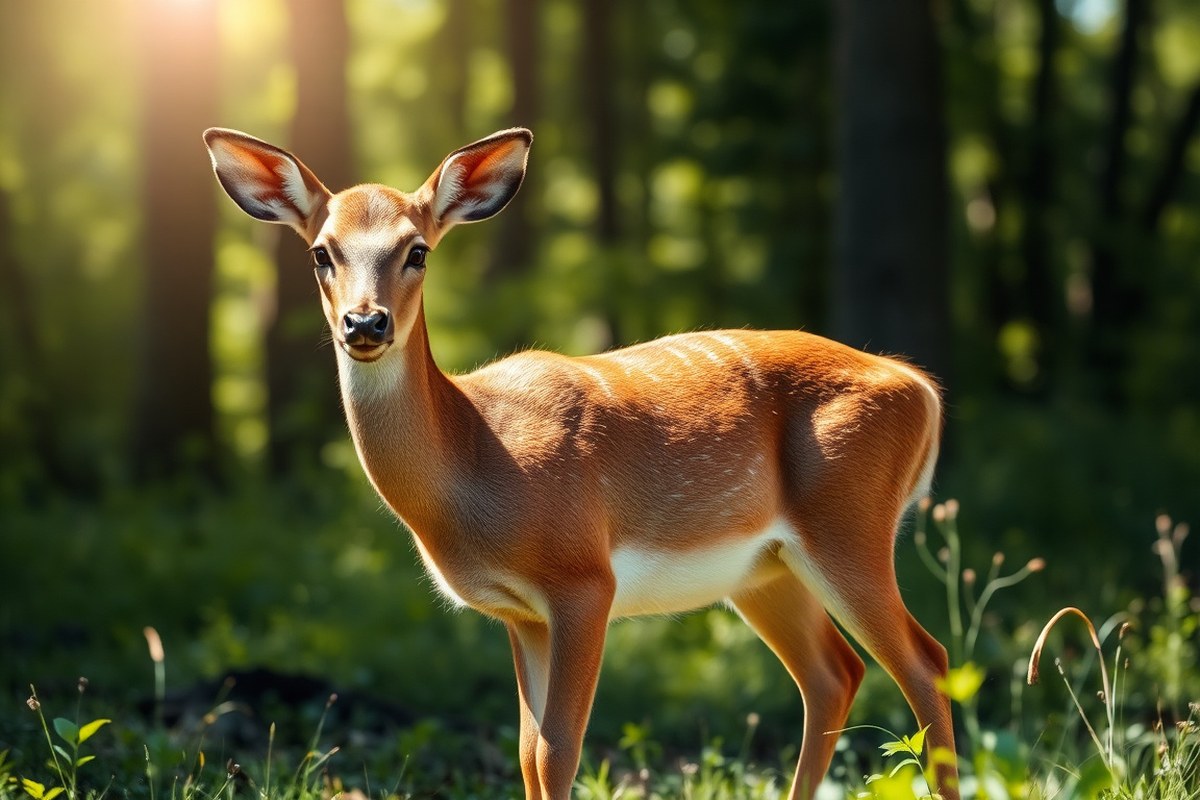
Why are deer so cute? It’s mostly about their physical traits and behavior. Big eyes, soft fur, and gentle movements tap into what humans find adorable.
These features make deer look harmless and approachable, which triggers our protective feelings. Their long legs also add to their delicate appearance and graceful balance.
Deer also act in ways that add to their charm. Their quiet, careful steps and shy nature make them seem both delicate and sweet.
Watching them carefully helps you notice these small, endearing details that photo or video often misses. Their gentle nibbling on plants and alert ears create a sense of peacefulness.
Keep your distance and stay quiet when observing deer to not scare them. Their cuteness comes from their natural state.
So respect helps keep that special moment alive for everyone. Avoid sudden movements or loud noises to let them feel safe and calm.
Key Takeaways
- Big, round eyes make deer look innocent and alert to danger.
- Soft fur appeals to our sense of touch, making deer look cuddly.
- Slender legs and graceful moves add elegance and charm.
- Shy behavior makes deer seem gentle, increasing their appeal.
- Fawns’ spotted coats and small size multiply their cuteness.
- Different deer species have unique traits that improve their charm.
Why Are Deer Universally Seen as Cute?
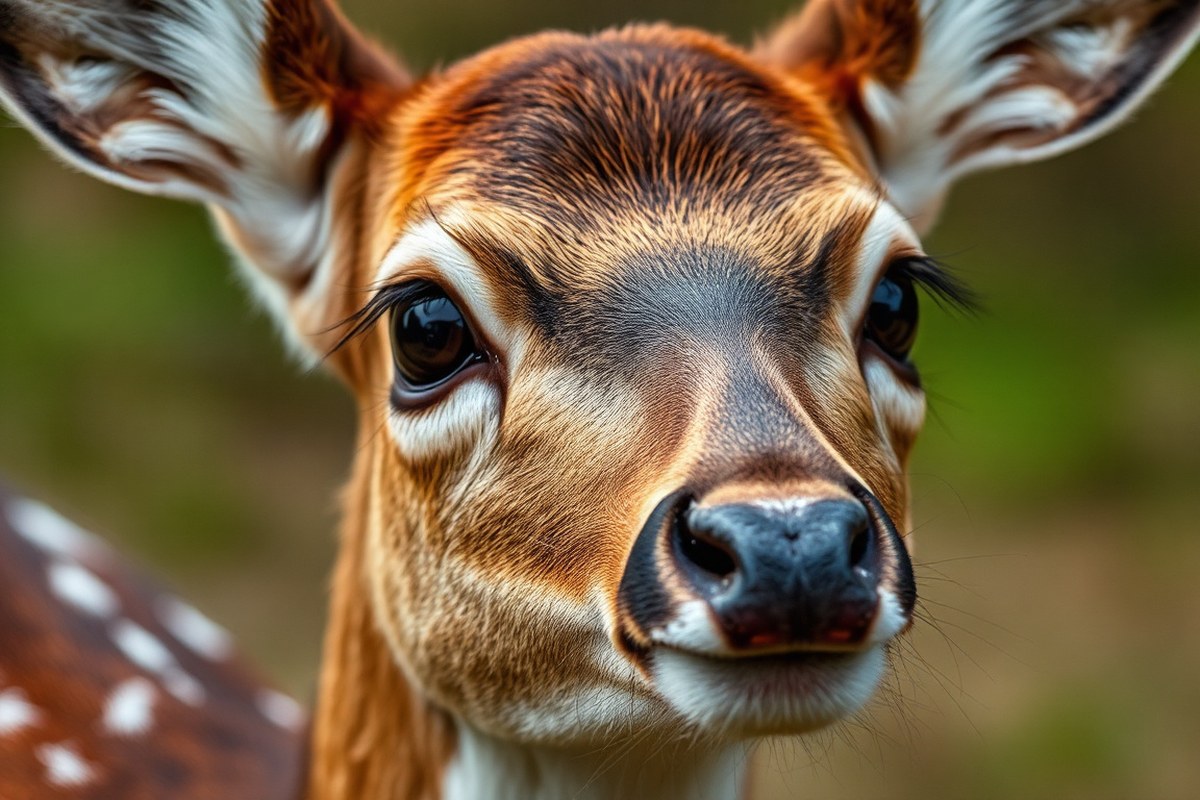
Humans find deer cute because of their soft physical traits and gentle behavior. Their large eyes, rounded faces, and delicate features resemble the appearance of human babies. These traits trigger a caregiving response, making people want to protect and nurture them.
Psychologically, deer look helpless, which appeals to human empathy. Their slow, graceful movements suggest calmness and innocence, which feels safe and comforting. These qualities work together to create an emotional connection between people and deer.
Deer also have soft, smooth body shapes with no sharp angles or threatening features. This softness signals safety and kindness, unlike animals with harsh, pointed features. Combined with their peaceful herbivore nature, deer appear harmless and approachable, adding to their cuteness.
Key Physical Traits That Make Deer Adorable
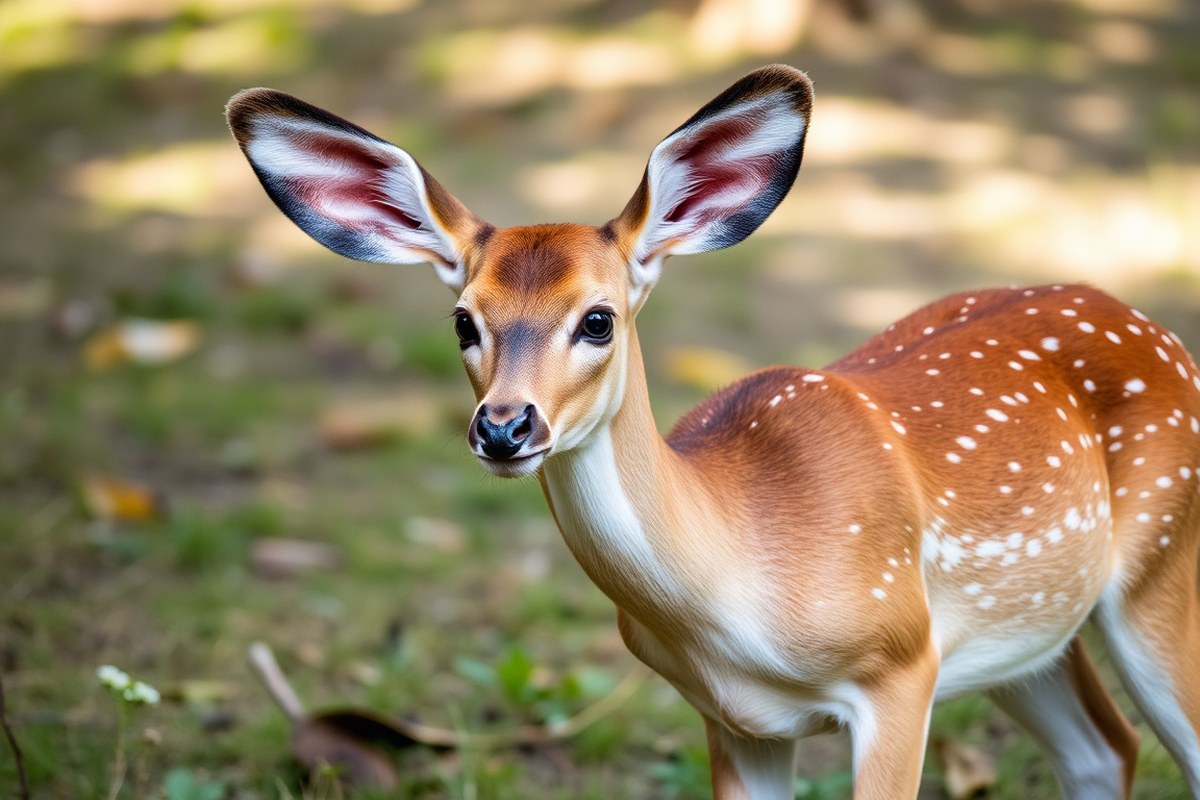
Deer look adorable partly because of their large, round eyes. These eyes take up a big portion of their head and help them spot predators quickly. Their gentle, wide-eyed gaze gives a soft, innocent look that feels safe and calm to people.
They also have soft fur that protects them from cold or hot weather. This fur feels smooth and thick, making deer appear cuddly.
Their faces are round with small noses. This makes them look less scary than many wild animals.
Deer legs are slender but strong. These legs allow them to run fast and jump high. But they also add to their delicate, graceful look.
Male deer often grow antlers. Some species have no antlers or have tusks instead. These features change how different deer look but don’t reduce their charm.
- Large eyes help deer watch for danger and move carefully.
- Soft, insulating fur keeps them warm and adds to their gentle look.
- Rounded faces and small noses give deer a smooth, safe appearance.
- Slender, powerful legs let them run and jump quickly.
- Antlers or tusks vary by species, adding unique touches to their look.
- Large, twitching ears show alertness and make their faces expressive.
The elongated muzzle helps deer smell and eat plants, showing a natural look. Deer use their antlers or tusks mainly to defend themselves or fight during mating. These features don’t change their cute image but make each species special.
Stay quiet when you watch deer. Move slowly and keep still. Always stay a safe distance away.
How Deer Behavior improve Their Cuteness
Deer show a calm and gentle nature that makes them feel safe and sweet. They rarely act aggressively, which sets them apart from many wild animals. Their soft moves and peaceful habits make watching them a relaxing, cute experience.
How deer move adds a lot to their charm. They are light on their feet and often glide or hop gracefully. This smooth motion makes them look delicate and careful, which appeals to our sense of gentleness.
- Slow, careful steps avoid startling nearby animals and people.
- Graceful bounding when they run shows off their agility.
- Big, alert eyes make their expressions easy to read.
- Mild social behavior varies by species, from solitary to herd living.
- Non-aggressive postures, like relaxed ears and soft gaze.
- Quiet movements and stillness during feeding show patience.
This list highlights how deer behavior blends with appearance for cuteness. Their peaceful demeanor makes spending quiet time near them a calming experience. By watching calmly and giving them space, you’ll see these traits best.
To enjoy deer safely, stay quiet and avoid sudden moves. They get nervous if disturbed, so patience helps you observe their true nature. Respecting their space allows you to appreciate their gentle social habits and charming expressions up close.
Understanding Baby Deer: Why Fawns Are Especially Cute
Baby deer, or fawns, look quite different from adult deer. Their features trigger our strong nurturing instincts by appearing especially vulnerable and innocent. Certain juvenile traits make a fawn’s look stand out, inviting care from humans and other animals.
Spot Patterns and Their Appeal
Fawns have white spots all over their reddish-brown coats. These spots help break up their shape in leaves and grass, offering camouflage. Those spots give them a soft, delicate look you notice.
You see this charm when they are young. The spots fade away as they grow up.
The spotted coat usually lasts until the fawn is about three to four months old. After that, the spots start fading until the adult fur grows in. This pattern change shows their early fragility very clearly.
It draws your attention to the baby’s features. You focus more on the young animal than adults.
Proportionally Large Heads and Eyes
Compared to adult deer, fawns have bigger heads and eyes relative to their body size. Their large eyes sit wide on the sides of their heads. This makes their faces look more youthful and innocent.
You see a clear sign of baby animals here. This arrangement also gives deer nearly 310-degree vision. But the big eyes mainly appeal to your brain’s care system.
Big eyes and round faces are classic “baby-like” traits across many species. They signal youth and helplessness to your brain, making you want to protect the fawn. The head of a young deer can be about 25% larger in proportion than an adult’s.
Innate Human Caregiving Triggers
Your response to fawns is partly wired in your brain. Humans naturally react to certain features that indicate vulnerability, especially in young animals and babies. This response has helped our species, encouraging care and protection of the young.
The key traits triggering this response include:
- Large, shiny eyes signaling alertness and need for care
- Small, rounded faces with soft contours
- Spotted fur reminding you of fragility and camouflage needs
- High-pitched calls and quiet, gentle movements
- Clumsy motions as they learn walking and balance
- Soft fur texture that seems touchable and safe
- Proportions not yet fully grown, making them appear delicate
These traits create a natural urge to nurture, making fawns especially compelling to your emotions. This tendency helps fawns survive by encouraging gentle treatment from humans and other species.
Special Deer Species and Their Unique Cute Features
Deer species show different traits that shape their cuteness. Some, like tiny pudus, charm with their small size. Others, like vampire deer, stand out with fangs, affecting their appeal in unusual ways.
Common Species and Traits
Most people picture white-tailed deer when thinking of deer cuteness. These deer have big eyes and soft fur typical for the Cervidae family. Their antlers, shapes, and coat colors vary and add to their charm.
The red deer of Europe also display classic deer features. These species suit their forest or grassland homes. They look gentle and fit well into nature’s peaceful scenes.
Fanged Deer Characteristics
Fanged deer include musk deer and water deer. They are called “vampire deer” for their upper canine teeth.
These fangs serve more for display and defense than feeding. They look unusual compared to regular deer, which some find intriguing but less traditionally cute.
Musk deer live in Asian mountain forests and alpine scrublands. Their canines show despite lacking large antlers, giving them a unique look. Water deer live in Korea and eastern China.
They have fangs but no antlers. Their faces look different from most deer.
Tiny Species Features and Appeal
The pudu the world’s smallest deer, grows only 12 to 15 inches tall. Their tiny size and short legs make them look like gentle forest creatures. This small stature increases their cuteness for many viewers.
Because tiny deer like pudus are rare and hard to spot, they spark extra curiosity. Their proportions differ from larger deer, showing rounder faces and big eyes for their size. They seem more delicate and approachable.
Here is a quick comparison of some deer species and their unique traits:
| Species | Size (Height in inches) | Distinctive Features | Region |
|---|---|---|---|
| White-tailed deer | 30 to 40 | White tail, typical antlers | North America |
| Red deer | 40 to 50 | Large antlers, reddish coat | Europe, Asia |
| Musk deer (vampire deer) | 18 to 26 | Large upper canines, no antlers | Himalayas, Southern Asia |
| Water deer (vampire deer) | 20 to 25 | Fangs, no antlers | Korea, eastern China |
| Pudu | 12 to 15 | Very small size, round face | South America |
| Moose | 60 to 75 | Huge size, broad antlers | North America, Europe |
Species size and unique traits shape your reaction to them. Tiny pudus can seem more approachable.
Vampire deer’s fangs give them a unique, less soft look. This appeals to people who like unusual animals.
Always observe deer from a distance to avoid disturbing their natural behavior and keep them safe.
The Role of Culture in Shaping Deer’s Cute Image
Culture shapes how you see deer as cute through stories, art, and symbols. Deer appear in ancient art and myths as gentle and graceful creatures. Their big eyes and gentle moves match how people imagine innocence and peace.
Folklore often shows deer as pure and kind animals. You find them in fairy tales and poems, where they symbolize beauty and calm. Movies and books keep this image alive, making you feel peaceful when you see a deer.
Meeting a deer in nature feels quiet and calm, linking deer to serenity. Hunting traditions also taught respect for these animals and nature itself. This respect helps keep their image gentle.
It shows deer are part of the natural balance. You want to protect this balance.
How Deer Senses and Survival Adaptations Affect Their Look
Deer have large eyes set on the sides of their heads. This lets them see almost 310 degrees without moving, which helps spot predators early. Their wide field of vision gives them an alert, watchful look that many find appealing.
Their hearing works the same way. Deer have big, swiveling ears that catch sounds from all directions. Their sharp hearing lets them catch faint noises easily.
This keeps them alert and ready to run. It adds to their lively and watchful look.
Male deer, called bucks, usually grow antlers each year. Deer shed and regrow their antlers in cycles. Some antlers can grow up to 3 feet wide.
This is true for species like the white-tailed deer. Antlers serve as weapons during mating contests and signal a buck’s strength and health to others.
Not every deer has antlers. Musk deer and Chinese water deer grow long, sharp fangs instead, especially during breeding season. These fangs help them compete without antlers, showing how different species adapt differently to survive.
The shape and size of antlers vary widely by species. Moose have broad, flat antlers called palmate racks. White-tailed deer feature branching antlers.
Their body traits come from genes and help in fights. These features also aid in mating displays. This gives them a proud and confident stance.
Deer bodies and behavior also reflect their survival needs. Their slim legs help them run fast, and their cautious movements reduce risk. Browsing on shrubs helps control forest growth patterns.
It keeps some areas open for different animals. This shows how their looks tie to their role in nature.
Practical Tips for Respectful Deer Observation and Photography
Watching or photographing deer up close lets you enjoy their charm safely. Deer are wild animals and should never be touched or fed. Use gentle distance and patience to see their cute features without stress.
Approaching Deer Safely and Respectfully
Deer are naturally cautious around people. Approaching them slowly and quietly gives you the best chance to observe their natural behavior. Avoid fast movements and loud noises that can startle them.
Maintain at least 50 yards distance when you spot a deer in the wild. This distance helps keep them calm and avoids making them run. Use binoculars or a zoom lens to get a closer view without getting closer physically.
- Move slowly and wear neutral-colored clothing to blend in
- Do not feed or try to touch deer, no matter how cute
- Stay downwind to avoid alerting deer with your scent
- Observe quietly without sudden noises or gestures
- Respect fenced areas and protected habitats
Never chase or corner deer; it stresses them and can cause injury.
Remember that deer may appear tame but are always wild. Respecting their space keeps you safe and protects deer from harm.
Best Practices for Photographing Deer
Use a telephoto lens to capture sharp photos from a safe distance. Lenses around 200mm or longer let you enjoy detailed close-ups without disturbing deer.
Early morning and late afternoon have soft, natural light. This light makes deer look their best.
It also encourages them to be active. Avoid flash photography, which can frighten deer and disrupt their behaviour.
- Set your camera on a stable surface or tripod for clear shots
- Use continuous shooting mode to catch moving deer or fawns
- Be patient and wait quietly for natural poses
- Avoid bright colors or shiny objects that might scare deer
- Practice silent shutter settings if available
Always check local rules; some parks forbid photography close to wildlife.
Avoid sudden movements or sounds during photo sessions. Keeping calm helps deer act naturally and shows their real personality.
Recognizing Deer Body Language
Deer communicate through tail flicks, ear position, and posture. A raised white tail often signals alarm or warning about nearby threats.
Ears pointed forward usually mean curiosity, while ears back can indicate stress or aggression. Watch for stomping feet or snorting sounds, signs of nervousness.
- Still, relaxed posture means the deer is comfortable
- Walking away is a clear sign to give them more space
- Leaping or “pronking” shows alertness or fitness signals to predators
- Calm fawns often stay close to their mothers and look around silently
Never approach deer showing stress signs; it may lead to harmful encounters.
Understanding body language helps you respond appropriately and avoid causing unnecessary stress.
Seasonal Considerations for Interaction
During the rutting season, males can become aggressive. Keep extra distance in fall months to avoid conflicts with deer protecting mates.
Winter deer may be more cautious because food is scarce. Avoid disturbing them when they are feeding or resting in cold weather.
- In spring, watch for fawns but stay back to avoid separating them from mothers
- Summer is great for observing playful behavior but maintain quiet presence
- Avoid driving through heavy deer areas at dawn and dusk to prevent accidents
Keep pets leashed when around deer year-round to prevent stress or chasing.
Respecting seasonal patterns helps you enjoy deer safely and supports their natural cycles.
Step-by-Step Action Plan for Spotting Deer and Enjoying Their Cuteness
Follow these steps to see deer safely and appreciate their cuteness in nature.
- Before you start: Research local parks or trails where deer are common. This increases your chances to see them.
- Day 1: Visit at dawn or dusk when deer are most active. Look for their tracks or droppings as signs.
- Week 1: Practice quiet walking and avoid sudden movements. Deer will stay calm and allow closer views.
- Week 2: Bring binoculars or a camera with a zoom lens. This helps you watch without disturbing the deer.
- After 3 weeks: Learn to recognize different deer species and their behaviors. It deepens your appreciation of their traits.
- Month 1: Join a local wildlife group or online community to share observations. You’ll gain more tips and stories.
- Ongoing: Always respect distance rules and never feed deer. This keeps both you and the animals safe.
Frequently Asked Questions
Why Are Deer so Cute?
Deer are cute because of their big eyes and gentle faces. These traits make us feel like protecting them, triggering a strong care response in humans.
What Is the No. 1 Cutest Animal?
The answer varies, but many people say the red panda tops the list. Its fluffy tail and round face appeal similarly to deer in cuteness.
Do Deer Like to Be Petted?
Deer do not like being petted and often avoid human touch. They are wild animals and petting can stress them or cause unsafe situations.
Are Deer Friendly Towards Humans?
Deer usually stay cautious and avoid people, but some can seem curious. Respecting their space helps avoid conflict and keeps both you and them safe.
Can Deer Feel Happy?
Deer experience basic emotions like calmness and stress, which affect their behavior. Their “happy” state is often seen when they graze peacefully or play with fawns.
Why Do Deer Freeze and Stare at You?
Deer freeze and stare to assess if you’re a threat. This cautious behavior helps them decide whether to flee or stay calm nearby.
Wrapping Up
Deer charm us with their looks and gentle ways. Watching them quietly reveals more adorable details. Next time you spot a deer, take a moment to notice its behavior closely.



One Comment