Do Citronella Plants Work to Repel Mosquitoes? What Science and Tips Reveal
Citronella plants can help repel mosquitoes, but only slightly. The natural oils in the leaves keep some mosquitoes away. However, the plants alone don’t provide strong protection.
Citronella oil works much better when it’s in a concentrated form. The plants grow 2 to 3 feet tall and do well in pots or garden beds. Plant them 18 to 24 inches apart, in partial shade with good soil.
The plants release a mild scent that needs a breeze and several plants to work. Using citronella plants alone won’t stop mosquitoes effectively. Combine them with other controls like oil burners or repellents for better results.
Key Takeaways
- Citronella plants repel mosquitoes mildly; stronger effects come from citronella oil.
- Place citronella plants 18-24 inches apart in partial shade with fertile soil.
- Citronella plants grow 2 to 3 feet tall and are perfect for pots or borders.
- Use citronella oil burners around seating areas for about 3 square meters coverage.
- Candle or incense forms reduce mosquito bites less effectively than oil-based repellents.
- For longer mosquito protection, apply skin repellents with correct citronella oil concentration.
Do Citronella Plants Effectively Repel Mosquitoes?

The citronella plant, also called the mosquito plant, does not effectively repel mosquitoes on its own. Studies show that just having a citronella plant nearby is not enough. It makes little difference for keeping mosquitoes away.
You need more than just the plant alone. You have to crush the leaves to release oils.
Without crushing, the scent is too weak to stop bugs. The plant’s smell alone won’t keep mosquitoes away.
The mosquito-repellent scent actually comes from Cymbopogon nardus oil. It does not come from the Pelargonium ‘Citrosum’ geranium. That plant’s scent is not effective.’
Repellents made from citronella oil, like sprays or wipes, work better than plants or candles. The citronella oil on skin lasts only 10 to 14 minutes.
Carefully made products might last a bit longer. Protection is always short when using citronella.
Crushing citronella plant leaves releases some of the oils mosquitoes dislike. But this provides far less protection than using DEET or other registered insect repellents. Some less-marketed plants outperform the citronella plant for repelling mosquitoes in scientific tests.
The citronella plant smells nice to people but doesn’t stop mosquitoes. Oils must be released strongly and often to work. Just the mild scent isn’t enough.
Differences Between Citronella Plants, Oils, and Candles

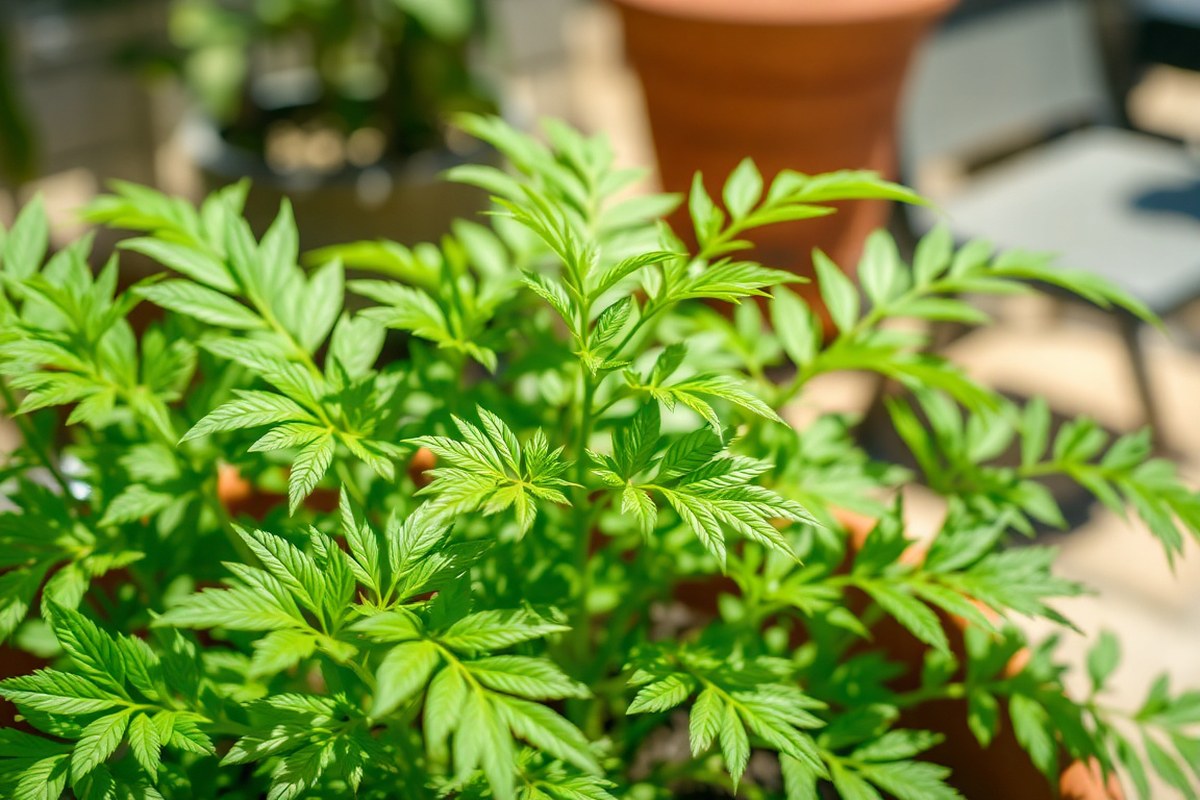
A live citronella plant does not repel mosquitoes as effectively as citronella oil. The plant, often a type of scented geranium (Pelargonium graveolens), has very little true citronella oil. The plant only gives off a mild scent on its own.
Crushing the leaves helps, but the smell stays weak. Oil-based products still protect much better.
Citronella oil comes from special grasses in the Cymbopogon genus. This oil at a 4.2% concentration offers about one hour of mosquito protection when applied properly. Oils are more concentrated and cover a broader area compared to just having the plant nearby.
Citronella candles release this oil as they burn, but their effectiveness is lower. A 2017 study found they cut mosquito landings by 42%.
This is less than half the 83% protection DEET offers. Outdoor factors like wind quickly disperse the scented smoke, reducing coverage and protection time.
| Product | Source of Citronella | Protection Duration | Effectiveness Against Mosquitoes | Coverage Area |
|---|---|---|---|---|
| Citronella Plant (Pelargonium graveolens) | Low amount in leaves | No significant time frame | Minimal unless crushed | Very limited, close proximity only |
| Citronella Oil (from Cymbopogon grasses) | High concentration | About 1 hour at 4.2% concentration | Moderate, used in sprays | Several square feet when applied properly |
| Citronella Candles | Oil-infused wax | Less than 1 hour, decreases with wind | Reduces mosquito landings by ~42% | Small outdoor seating areas, less reliable |
Candles don’t provide consistent protection because outdoor conditions, especially wind, dilute the oil’s scent quickly. Even well-cared-for, the plant can’t release enough oil.
It won’t repel mosquitoes over a large area outside. Oil products, like sprays, give clearer protection times and areas.
Crush citronella plant leaves to release scent. But apply oil-based products for actual mosquito protection outdoors.
How to Properly Grow and Care for Citronella Plants
Caring for citronella plants means planting them in well-drained soil with good sunlight. They grow best in moderately rich, moist soil and need regular watering without sitting in water. Moving them indoors in cold months helps them last longer.
Choosing the Right Location and Soil
Citronella plants like full or part sunlight. Find a spot that gets at least 4 to 6 hours of sun daily.
The soil should be well drained but moist and moderately rich. Avoid heavy clay or soggy soil that holds water.
Use looser soil mixes with good organic matter. This helps roots get air and nutrients, boosting growth.
Watering and Light Requirements
Water citronella whenever the top inch of soil feels dry. Keep the soil moist but never waterlogged.
Too much water causes root rot, a common mistake people make. Check drainage holes if growing in pots.
Sunlight helps develop the plant’s scent oils. Place plants outdoors in full sun or bright shade.
Propagating and Overwintering Tips
Growing new plants from cuttings works well and is fairly easy. Take healthy stems about 4 to 6 inches long.
During cold months, citronella plants don’t tolerate frost. Move potted plants indoors below 50°F or plant them each spring.
Keep overwintering plants in a sunny window with moderate water. Avoid overwatering, as indoor air is drier.
Indoor Growing Considerations
Citronella plants grow well in containers indoors. Choose a pot with good drainage and use lighter, fluffier soil mixes.
Place your plant near a south-facing window to get enough light. You may need to supplement with grow lights in darker rooms.
Water sparingly indoors and keep humidity moderate. Overwatering can quickly harm roots when air circulation is low.
- Choose a site that gets 4 to 6 hours of sun each day.
- Prepare well-drained, moderately rich soil with organic matter.
- Plant citronella 1 to 2 feet apart or use pots about 12 inches wide.
- Water when the top soil feels dry, avoiding soggy roots.
- Feed monthly with balanced fertilizer during the growing season.
- Trim back dead stems and leaves regularly for bushier growth.
- Move potted plants indoors before first frost to keep them alive.
How Environmental Factors and Mosquito Species Affect Effectiveness
Temperature’s Role in Citronella’s Scent Release
Citronella plants release their scent best in warm weather above 70°F. Cooler temperatures slow scent evaporation, making the plant less effective. In hot weather, the plant’s oils evaporate faster, helping to repel mosquitoes more strongly.
When nights are chilly below 60°F, the scent weakens as oil production slows. This means you may notice fewer repellent effects early in the morning or late evening. Keeping plants in full sun and well-watered helps maintain healthy leaf oils during warm days.
How Mosquito Species Respond Differently
Not all mosquitoes react the same to citronella’s scent. Some species like Aedes aegypti, which spread dengue and Zika, are less deterred.
Culex pipiens, common house mosquitoes, are more easily kept away. This affects how well citronella plants protect you depending on your area’s mosquito types.
Research shows citronella’s essential oils may only partially confuse or mask scents for some species. You can expect better repellency from mosquitoes attracted to sweat and breath.
Others rely more on different signals and are harder to repel. This means citronella plants help but won’t offer total protection.
Plant Maturity and Scent Strength
Young, vigorous citronella plants produce stronger scents than older, tired ones. Starting with healthy Bonnie Plants® or similar can make a noticeable difference. A mature plant with lush leaves has more oils to release, boosting your chances against mosquitoes.
Pruning dead leaves gently encourages new growth with fresh oil. Rubbing the leaves can heighten scent release during outdoor gatherings. Avoid letting your plant get too dry, as stressed leaves produce less citronella oil.
Time of Day Impacts Effectiveness
Citronella plants typically repel mosquitoes best during the hotter parts of the day. Mosquitoes are usually less active in direct sunlight but get more active near dawn and dusk. At these cooler times, the plant’s scent weakens, so repellency drops.
Rubbing leaves or crushing plants releases more oils. This helps when mosquitoes swarm at early evening.
For longer outdoor events, refreshing the scent by disturbing leaves helps maintain some protection. Plant placement where air moves gently can spread scent better during calm hours.
Tips for Using Citronella Plants to Maximize Mosquito Repellency
Crushing citronella plant leaves releases natural oils that repel mosquitoes. Rubbing crushed leaves on your skin can give about 30 minutes of protection.
Placing several plants close to where you spend time outside improves their effect. But adding other repellents is best for longer protection.
Crushing Leaves and Skin Application
Use your hands to crush a handful of Pelargonium citronellum leaves to release the oils. Rub the crushed leaves directly on exposed skin, like arms and legs. This gives a mild mosquito deterrent that lasts roughly 30 minutes.
Clean skin helps the oils stick better, so apply after washing. Do not apply crushed leaves to broken or irritated skin to avoid discomfort. Reapply every half hour for continued protection during outdoor activities.
Plant Placement and Quantity
Place citronella plants in groups near seating or entry points like patios and decks. For noticeable effect, use at least six plants spaced within 3 feet of each other. Closer plants create a stronger scent zone for mosquitoes.
Plants grow 2 to 3 feet tall. So keep them near where you spend time but not crowded.
Avoid placing them in windy spots because the scent disperses quickly. Container planting allows moving plants to where mosquitoes gather most.
Combining with Other Repellents
Citronella plants alone provide limited protection time and area. For longer outdoor stays, pair the plants with EPA-registered insect repellents on skin or clothing. Products containing DEET or picaridin offer longer-lasting defense.
Candles with citronella oil help a small, still-air space but don’t cover large areas. Combining plants, candles, and sprays increases your chance of avoiding bites. Mosquito traps or fans also improve effectiveness in active spaces.
Practical Tips Checklist for Best Results
- Crush fresh leaves just before rubbing on skin.
- Use groups of at least six plants within 3 feet of activity zones.
- Apply crushed leaves only to clean, unbroken skin.
- Reapply leaf oil every 30 minutes for ongoing protection.
- Place plants away from windy areas to keep scent strong.
- Combine with sprays or lotions for longer outdoor time.
- Use citronella candles cautiously in calm, small spaces.
Following these steps helps you get the most out of citronella plants. Small changes like crushing leaves properly and clustering plants can improve protection noticeably.
Remember, crushed leaves give short-term protection, plan for reapplication or add stronger repellents on longer outings.
Common Misconceptions and Mistakes with Citronella Plants
Many people expect citronella plants to repel mosquitoes just by sitting in their yard. The problem is that common citronella plants barely have the compounds. Pelargonium citrosum holds few mosquito-repelling chemicals.
True citronella oil has much more of them. This means just having a potted citronella plant outside won’t keep the bugs away.
Not all plants sold as “citronella” are the real deal. True citronella comes from the grass Cymbopogon nardus. This grass grows well in warm zones 10 to 12.
It needs a warm climate to thrive. Most garden centers offer scented geraniums instead, which lack enough repellent oils. Checking the plant’s scientific name helps you avoid this mix-up.
Another mistake is not releasing enough of those oils. Citronella plants only repel mosquitoes when the oils are fresh and spread in the air. Leaving a pot nearby doesn’t work very well.
Rubbing crushed leaves on skin works better. Cutting sprigs and waving them helps too. Pruning the plant regularly and crushing its leaves can boost its scent to annoy mosquitoes.
People think citronella candles help more than they do. Candles near citronella plants only protect a small area. Their effect doesn’t reach very far outside.
Their scent spreads less than 10 feet and fades quickly outdoors. This limited range means you’ll still get bit if you’re not close. Relying on plants alone risks more mosquito bites.
Proven repellents like DEET protect much better. Oil of lemon eucalyptus also works well.
Lastly, placing citronella plants indoors or far from your seating area reduces their impact. Mosquitoes sense chemicals only within a few feet.
Keeping plants close to where you sit and crushing some leaves often helps. You can use cuttings in summer bouquets to add scent near your outdoor dining space.
Safety Considerations for Humans and Pets Around Citronella Plants
Citronella plants and oils can hurt your skin if used alone. Always mix citronella oil with a carrier oil like coconut or jojoba. Adding 10 to 20 drops per ounce keeps it gentle and mildly repels bugs.
Applying citronella oil diluted to about 1 to 2.5% concentration works well for normal skin. That means around 6 to 15 drops per ounce of carrier oil, based on aromatherapy guidelines. Always test a small skin patch first to see if you react before applying it widely.
Citronella plants can cause skin irritation if you rub their leaves on yourself or pets. Keep dogs and cats away from licking or chewing citronella plants. Eating it can make them sick, causing vomiting or tiredness.
Store citronella plants where kids and pets can’t reach them. This stops them from eating or chewing the leaves.
For safe use around pets, avoid applying citronella oil directly on your animals. The Mosquito Plant is related to citronella and has oils that might irritate pets. These oils can bother their skin or upset their stomachs.
Wash your hands after touching citronella plants or oil. This lowers the chance kids or pets get exposed accidentally.
Always dilute citronella oil before putting it on your skin to stay safe. Never rub plant leaves on pets.
Keep plants away from kids and pets; and test your skin first. Taking these steps will lower the chance of skin irritation or poisoning from ingestion.
How Citronella Plants Fit into a Broader Mosquito Control Plan
Cultivating citronella plants won’t stop mosquitoes from breeding. They do not reduce standing water where mosquitoes lay eggs. Removing or regularly emptying containers that hold water near your garden will help cut mosquito numbers.
Citronella plants add a mild repellent smell. But they work best alongside other natural plants like lavender or marigolds.
These plants each give off scents that mosquitoes don’t like. Plant them together around your patio or garden edges to build a barrier.
For stronger protection, use topical repellents with DEET or oil of lemon eucalyptus. These are proven to keep mosquitoes off your skin for hours. Apply them before going outside, especially at dawn or dusk when mosquitoes are most active.
Professional mosquito control services can treat breeding sites with larvicides or sprays. Consider them if mosquito numbers are very high or disease risk rises. These services usually cost a few hundred dollars annually and require scheduling in warm months.
Try this decision approach: Plant citronella and other repellent herbs as a first step. Remove water sources to limit breeding.
Use personal repellents when spending long time outdoors. Call in pros if mosquitoes overwhelm your yard despite these steps.
Keep citronella pots and other herbs trimmed to release their scent more effectively.
Step-by-Step Action Plan
Follow these steps to get the best mosquito protection from your citronella plants.
- Before planting: Choose a sunny spot with well-drained soil. Healthy plants need plenty of sun.
- Day 1: Plant citronella in pots or garden beds spaced 18-24 inches apart. Check that plants look green and fresh after planting.
- Week 1: Water the plants daily to keep soil moist but not soggy. Watch for new leaf growth as a good sign.
- Week 3: Pinch back the tips of stems to encourage bushiness. A fuller plant means more oil to repel mosquitoes.
- Month 2: Lightly trim dead or yellow leaves weekly. Healthy plants stay strong and work better.
- When using outdoors: Position plants near seating areas to increase mosquito repellency. Notice fewer mosquitoes hanging around.
- During mosquito season: Rub crushed leaves on skin or clothes for extra protection. Test in a small area first to avoid irritation.
- End of season: Move potted citronella plants indoors or protect from frost. Keep plants alive for next year’s use.
Frequently Asked Questions
Can Citronella Plants Survive a Winter Outdoors in Colder Climates?
Citronella plants are perennials in warm zones 9 to 11. In colder areas, treat them as annuals.
Bring pots inside before frost. This protects plants during winter.
Do Citronella Plants Need Full Sun to Grow Well?
They grow best in full sun but tolerate partial shade. Bright light helps produce stronger scent and healthier plants.
Can Crushing Citronella Plant Leaves Improve Mosquito Repellent Effect?
Yes, crushing leaves releases more oils. Rub leaves on your skin or nearby surfaces to boost the scent and help repel mosquitoes.
Are There Other Scented Plants Similar to Citronella That Repel Mosquitoes?
Some scented geraniums and herbs like lemon balm also have mosquito-repelling scents. Their effectiveness varies and often isn’t strong enough alone.
How Often Should You Water Citronella Plants for Best Growth?
Water regularly to keep soil moist but not soggy. Too much water can cause root problems and weaken the plant.
Can Citronella Plants Survive Indoors Year-Round?
Yes, with enough light and humidity. Place near a sunny window and avoid dry air to keep them healthy inside.
Key Points to Remember
Citronella plants can help reduce mosquitoes but work best with proper care and placement. Try planting them close to your outdoor space to see a difference. Start with one pot today and watch how your yard changes.