
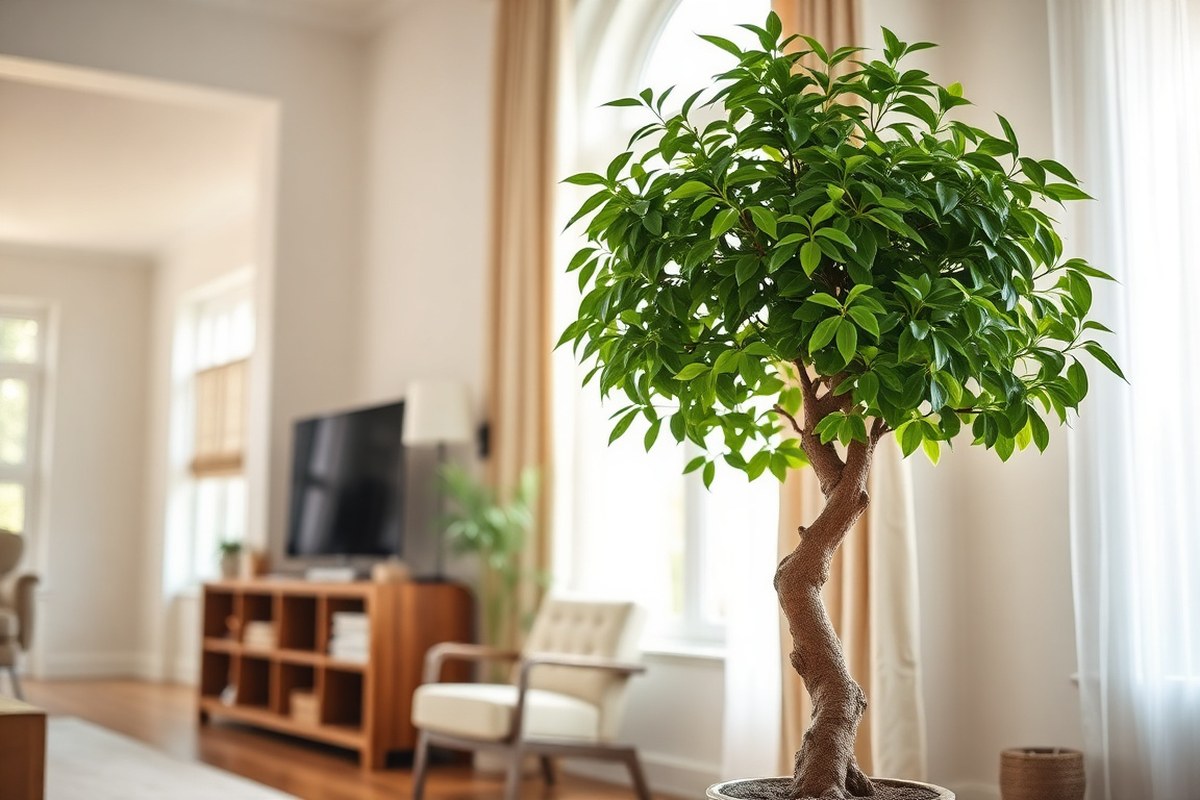
How Tall Does a Money Tree Grow: A Complete Guide to Growth and Size
How tall a money tree grows depends on its environment. Indoors, expect 6 to 8 feet over several years. Outdoors, warm climates and space can boost height to 60 feet.
Money trees grow slower indoors because of limited light and root space. Give your money tree good light and regular water. Feed it occasionally from spring to summer.
This helps encourage height growth. Choose a pot large enough for root growth.
A small pot might limit your tree’s size. Healthy roots support better tree height.
Trim your money tree regularly to keep it shorter. This helps control its size effectively. Regular pruning shapes the tree well.
Watch for yellow leaves or weak stems as warning signs. These show your tree needs more light or better care. Act quickly to help growth.
Key Takeaways
- Money trees grow 6 to 8 feet tall indoors with proper care.
- Outdoor money trees can reach up to 60 feet in warm zones.
- Use a large enough pot to encourage healthy root and plant growth.
- Feed your tree every 2 to 4 weeks during the growing season.
- Prune regularly to keep your money tree smaller and shapely.
- Provide bright, indirect light to support steady growth.
How Tall Can a Money Tree Grow Indoors and Outdoors?
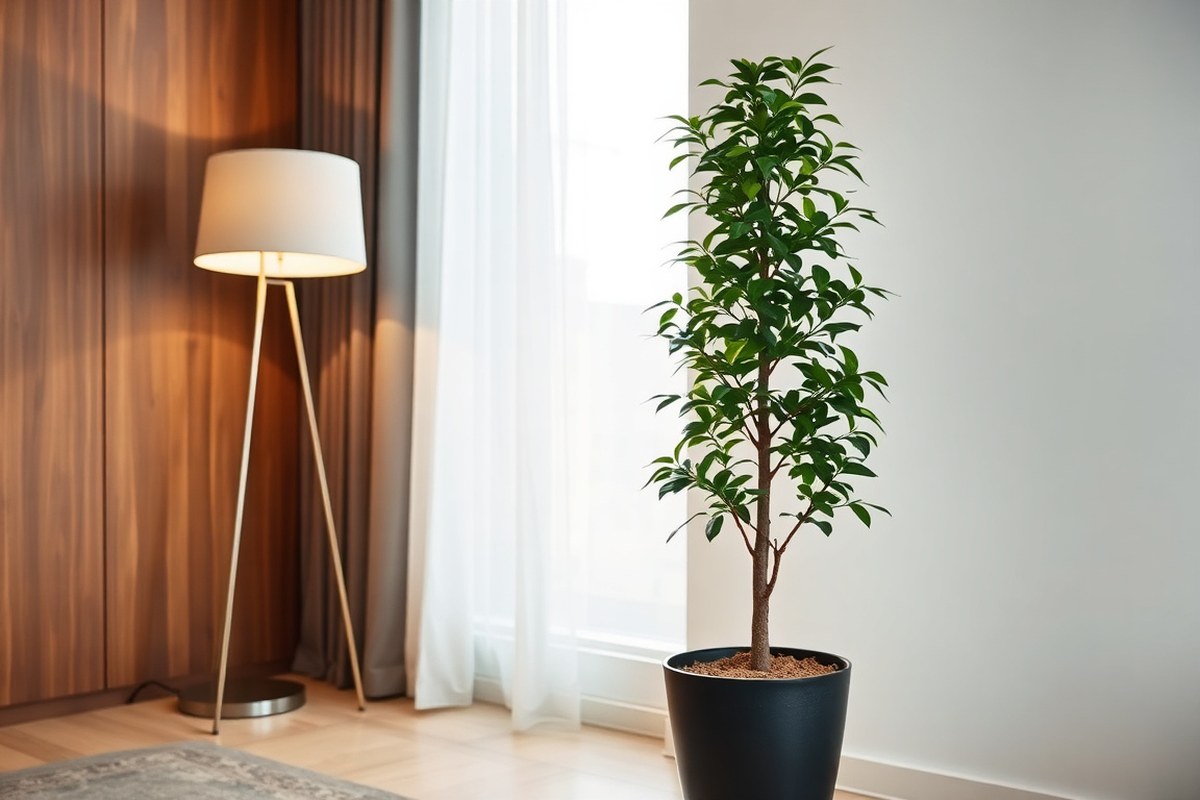
Money trees usually reach between 6 to 8 feet tall when grown indoors. They can get this tall in about 5 to 7 years with proper light and care. Most indoor spaces limit their height because of ceiling size and pot restrictions.
Outdoors, money trees grow much taller than inside homes. In tropical areas or USDA zones 10 to 12, these trees grow tall. They can reach heights between 30 and 60 feet.
This size is common in those warm regions. This happens because they have plenty of room for roots and unrestricted light.
You might see money trees indoors that top out around 6 feet tall. But some can grow a little taller. Reaching above 6 to 8 feet is possible with good care.
But it’s rare because indoor conditions and space often limit their growth. Outdoor money trees, however, develop into large shade trees with wide canopies.
What Factors Affect Money Tree Growth and Height?
Light greatly affects how tall your money tree can grow. It needs bright, indirect light for best growth.
Too little light slows height gain. Direct sunlight can scorch leaves and stunt growth.
Humidity between 50% and 60% helps your money tree thrive and grow faster. Dry air makes leaves curl and slow growth rates. You can increase humidity by misting or using a humidifier if your home is dry.
Water your money tree when the top inch of soil feels dry. Overwatering causes root rot, which limits height and health. Good drainage in the pot ensures roots stay healthy and supports steady growth.
Pot size influences growth since roots need room to expand. A 12- to 18-inch wide pot suits most indoor money trees. Moving to a larger pot every couple of years helps your money tree.
It gives roots more room to grow. More root space encourages more top growth.
Temperature affects growth speed. Keep your money tree where it stays between 65°F and 75°F. Temperatures below 60°F slow growth. Prolonged heat above 85°F stresses the plant and can reduce height over time.
Soil should hold moisture but drain well. A peat-based mix with perlite or sand works best. Nutrient-rich soil feeds your money tree well.
It helps the plant grow taller indoors. Your money tree can reach 6 to 8 feet tall.
Keep an eye on your money tree’s roots. Tight pots can stop height growth fast.
Typical Growth Rate and Timeline for Money Trees
Money trees grow at a moderate pace indoors. They add about 1 to 2 feet each year.
This rate means your plant can reach its mature indoor height in roughly two years. At maturity, expect your money tree to stand between 3 and 6 feet tall.
Growth slows down as the plant settles into its mature stage and if conditions aren’t ideal. Factors like less light or inconsistent watering can reduce growth speed over time. Keeping your money tree in stable conditions helps it reach full height faster and stay healthy.
Outdoors in warm zones 10 to 12, money trees grow much taller. They often reach 30 to 45 feet. Some can even hit 60 feet.
Outdoor growth takes several years and happens faster in optimal climates. Your money tree grows steadily indoors if its needs are met. It needs enough light, water, and the right temperature.
How to Prune and Shape a Money Tree for Desired Height
Pruning your money tree lets you control its height and shape indoors. It also encourages fuller growth by removing long stems. Regular trimming keeps the plant compact and healthy.
Best Timing for Pruning Money Trees
Trim your money tree once a year to control its size. Early spring is the best time, just before new growth starts. Avoid heavy pruning in winter when the plant grows slowly.
Light touch-ups throughout the growing season help keep the shape tidy. Watch for branches that extend beyond your space or look leggy. Cut back those to the nearest leaf node to stimulate new shoots.
Pruning Tools and Techniques
Use sharp, clean pruning shears to avoid damaging the plant. Sterilize your tools with rubbing alcohol to prevent infections. Make cuts at a 45-degree angle, just above a leaf node or branch junction.
- Remove dead or yellowing leaves to improve appearance and health
- Trim long stems to maintain desired height
- Cut back any branches growing inward or crossing
- Pinch new growth tips to encourage bushier shape
- Discard all cuttings to avoid pest attraction
Don’t remove more than 25% of the plant at once. It stresses your money tree. Check the cuts regularly and prune again if new growth becomes leggy.
Shaping for Indoor Space and Style
Prune to keep your money tree within your room’s size limits. Cut taller branches evenly to maintain a balanced shape. Use wire ties gently to train branches sideways if space is tight.
Fuller, well-shaped plants respond better to pruning than those left untrimmed. Stop cutting when the tree looks evenly dense with healthy green leaves. That balanced look fits small apartment spaces or shelves.
Pruning to Maintain Small Bonsai Forms
With careful pruning, you can train your money tree as a tabletop bonsai. Regularly clip new growth to keep the shape miniature. Use wire wrapping on branches to guide form gently without damage.
Bonsai pruning often involves removing side shoots and thinning leaves to improve appearance. It takes time and patience but allows a stylish, small money tree. Make small cuts monthly for steady progress instead of heavy chopping.
Choosing the Right Pot Size to Influence Growth
Smaller pots limit root space, which keeps money trees compact but restricts height. To grow 6 to 8 feet tall, pick a big pot. The pot must have enough room for roots to spread.
This room helps your money tree grow tall and strong. Repot every 2 to 3 years to avoid root crowding and support healthy growth.
Pot Sizes and Their Effects on Growth
Small pots keep money trees smaller by limiting root growth. When roots crowd inside, the tree slows its height increase.
Pick a pot 12 to 16 inches wide for a tall tree. This size fits trees aiming to be 6 to 8 feet.
It gives roots space to grow well. This size allows roots to expand and supports steady vertical growth.
Too large a pot risks water retention around roots, causing rot and stunting growth. Balance size to match tree stage and room availability.
| Pot Diameter | Effect on Growth | Ideal Tree Height Supported |
|---|---|---|
| 6 to 8 inches | Restricts root space, slows height | Up to 3 feet |
| 10 to 12 inches | Moderate root growth, balanced size | 4 to 6 feet |
| 12 to 16 inches | Roomy for roots, encourages growth | 6 to 8 feet |
Picking the right pot size keeps your money tree healthy. It also helps the tree grow to your wanted height.
This avoids problems from being too small or big. Too small means stunted growth; too large risks water damage.
Repotting Schedule Based on Tree Size
Repotting refreshes soil and gives roots more space to grow. Young money trees in smaller pots typically need repotting every 2 years.
As the tree grows, shift to larger pots every 2 to 3 years. This timing helps avoid root crowding that slows height gains.
Watch for roots growing out of drainage holes. This signals it’s time to repot to a bigger container.
Don’t skip repotting. Crowded roots stunt growth and harm overall health.
Choosing Pot Material and Drainage
Clay or terracotta pots are best for money trees. They wick away excess moisture, preventing root rot.
Pots need drainage holes to avoid soggy soil. Well-draining soil helps roots breathe and grow stronger.
Plastic pots hold moisture longer, so water less often. Clay pots dry out faster, needing more frequent watering.
Differences Between Indoor and Outdoor Money Tree Growth
Money trees generally grow taller outdoors than indoors because of space and natural light. Outdoors, they can reach heights over 6 feet. Inside, they often stay between 3 to 6 feet.
Outdoor conditions give the tree more sunlight and space. This lets it grow taller and fuller than indoors.
Outdoor planting works only in USDA zones 10 to 12, where temperatures stay warm year-round. These zones cover parts of southern Florida, southern California, and Hawaii.
Outside these zones, money trees face cold damage risk. So most growers keep them inside or in containers.
Indoor money trees need bright, indirect light to grow well. They grow slower and stay smaller when sunlight is low.
Moving them near a window with filtered sunlight boosts growth. Outdoors, the plant enjoys natural air movement and longer bright periods, supporting faster growth.
Seasonal care differs too. Outdoor money trees need watering adjusted for rain and heat. During hot months, they soak up more water.
Indoors, watering stays consistent year-round, but overheating or dry air can cause leaf problems. It’s helpful to mist indoor plants occasionally to keep humidity up.
Allowing enough space indoors is key to keep your money tree healthy and tall. Use a larger pot over time and rotate the plant to keep it growing evenly.
Outdoors, you plant it in the ground. It can spread without limits on its roots.
Both indoor and outdoor money trees need regular checks for pests and proper pruning. A tall, bushy plant indoors shows it’s healthy and happy with its care. Outdoors, a full canopy and height over 6 feet show it thrives.
Common Problems That Limit Money Tree Height and How to Fix Them
Money trees stop growing tall if their roots suffer from rot. This happens when the soil stays too wet, choking the roots. To avoid this, water your tree only when the top inch of soil feels dry.
Make sure your pot has drainage holes to let excess water escape. When you see yellow leaves or wilting, check the roots.
Feel for softness or look for black spots on roots. Repot in fresh soil and trim away rotten roots to help the tree recover.
Pests like spider mites and mealybugs also stunt growth by damaging leaves and stems. Look for tiny webs, white fuzzy spots, or sticky residue on your tree. Wipe leaves with a damp cloth and treat pests early with insecticidal soap.
Repeat the treatment weekly until all bugs disappear. Keeping your plant clean and away from dusty areas helps prevent infestations.
Low light slows money tree growth because it reduces photosynthesis. Your tree needs bright, indirect sunlight to grow taller. Put your plant near an east or west window.
Use a grow light for 12 hours daily if needed. Without enough light, leaves will turn pale or drop. Moving your tree to a brighter spot usually boosts its activity within weeks.
Money trees also need room to grow their roots and nutrients to support bigger size. Check if roots peek from drainage holes or circle the pot tightly. It’s time to repot if roots crowd the pot.
Choose a container 2 to 4 inches bigger than before. Repotting every 2 to 3 years encourages taller growth. Feed your tree every two weeks during spring and summer.
Use a balanced liquid fertilizer at half strength. Stop feeding by fall to let it rest.
Too much water slows root growth. But underwatering causes dry, crispy leaves and stunted growth. Using a moisture meter can help you water just right.
In dry homes, mist leaves after watering for humidity. Or keep the plant in a bathroom with a shower. This supports healthy leaf development and helps your tree grow taller.
Keeping Your Money Tree Small: Practical Tips and Tricks
You can keep your money tree under 3 feet by pruning often. Use a small pot to limit growth. Manage light properly to control its size.
Braided trunks don’t limit size much but help manage shape. Regular trimming and root restriction help maintain a compact plant for small indoor spaces.
Pruning Regularly to Control Height
Trim your money tree every few months to keep it bushy and short. Cut just above a leaf node on each branch tip to encourage side shoots.
Don’t cut too much at once. Removing one-third of growth per session keeps the plant healthy.
Pruning not only controls height but also promotes fuller growth. Remove any tall, leggy stems to prevent your money tree from getting too tall. Keep tools clean to avoid infections.
Selecting Small Pots and Root Space
A pot between 4 and 6 inches works well for small money trees. The plant’s root system stays confined, naturally limiting growth. This size suits smaller plants, 8 to 16 inches tall, perfect for desks or side tables.
Swap to a slightly bigger pot only when roots start circling inside. Small pots also mean watering more often because they dry out faster. Use well-draining soil to avoid root rot in tight spaces.
- Start with a 4-6 inch pot for money trees under 2 feet tall.
- Repot only when roots are visibly crowded or soil drains poorly.
- Use pots with drainage holes to prevent water buildup.
- Choose terra cotta or unglazed ceramic to help soil dry faster.
- Avoid very large pots, as they encourage bigger plants.
Pruning at the right time helps prevent stress and keeps the money tree healthy.
Light and Water Adjustments for Miniature Size
Give your compact money tree bright, indirect light to slow growth. Avoid intense direct sunlight, which can stress leaves and speed up growth spurts. A pendant or track-mounted LED grow light works well in low natural light rooms.
Water sparingly to avoid overwatering in smaller pots. The soil should almost dry out between waterings. Overwatering in restricted root space often causes yellow leaves and slower growth.
Your Money Tree Growth: A Quick-Start Action Plan
Follow these steps to help your money tree reach the size you want. Track its growth and adjust care as needed.
- Before Planting: Choose a pot about 2 inches larger than the root ball. This encourages steady growth without overwhelming roots.
- Week 1: Place the tree in bright, indirect light. Look for vibrant, healthy leaves as a sign it’s thriving.
- Weeks 2-4: Water when the top 1 inch of soil feels dry. Proper watering keeps roots healthy and supports growth.
- Month 2: Start pruning to shape your tree and control height. Trim off any wayward or leggy branches.
- Month 3: Feed with balanced, water-soluble fertilizer every 4 weeks. This boosts growth without causing overgrowth.
- Month 4 and beyond: Check your pot size. Repot only if roots circle the pot tightly, about every 1-2 years.
- Every 6 months: Rotate your tree to keep it growing evenly. Uneven light can cause leaning or one-sided growth.
- When you notice yellowing leaves: Adjust light, water, or humidity. These signs often mean stress that slows growth.
Frequently Asked Questions
Can a Money Tree Grow Taller Than 6 Feet Indoors?
Yes, a money tree can grow up to 6 to 8 feet indoors over several years. Proper lighting and space help it reach this height comfortably in your home.
How Fast Do Money Trees Grow Each Year?
Money trees can grow 1 to 2 feet per year in ideal conditions. They need good light, water, and the right soil to support this growth speed.
Does Repotting Affect How Tall a Money Tree Grows?
Repotting can affect height by giving roots more space to grow. Fresh soil and a bigger pot encourage taller, healthier growth for your money tree.
Can Pruning Stop a Money Tree from Growing Taller?
Yes, pruning helps keep your money tree’s height under control. Regular trims shape the tree and prevent it from getting too tall indoors.
Why Do Some Money Trees Stay Small for Years?
Some money trees stay small due to root restriction or limited light. Bonsai forms often stay under 12 inches, especially if trimmed often.
How Tall Can Outdoor Money Trees Grow in Warm Climates?
Outdoors, money trees can reach 30 to 60 feet tall in USDA zones 10 to 12. Warm conditions and room to spread help them grow into large landscape trees.
Wrapping Up
Your money tree can grow several feet tall indoors if cared for well. Keep pruning and watering on schedule to control its size. Check your pot size and light condition today.
These help your plant grow well. Setting them right supports healthy growth.


