Are Caterpillars Harmful? Complete Guide to Identification and Safety
Are caterpillars harmful? Most of them are harmless and don’t cause problems.
Only about 2 percent of caterpillar species carry venom that can hurt you. It’s rare but important to know how to spot and handle these few dangerous types.
Venomous caterpillars can cause skin reactions, pain, or swelling if you touch their spines. The pain usually goes away in an hour.
But rashes may last a few days. Using cold compresses and creams can quickly ease most symptoms.
Always check caterpillars carefully before touching or letting kids play near them. Knowing the common venomous species can help you avoid serious stings. It’s better to admire colorful or fuzzy caterpillars from a distance just to stay safe.
Key Takeaways
- Just 2 percent of all caterpillars have venom that can harm you.
- Venomous caterpillars cause pain and rashes with their stinging spines.
- Use cold compresses for 10, 15 minutes to reduce pain and swelling.
- Apply 1 percent hydrocortisone cream or an oral antihistamine if itchy.
- Learn to identify common venomous caterpillars before outdoor activities.
- Avoid touching brightly colored or hairy caterpillars to stay safe.
Are Caterpillars Harmful to Humans?
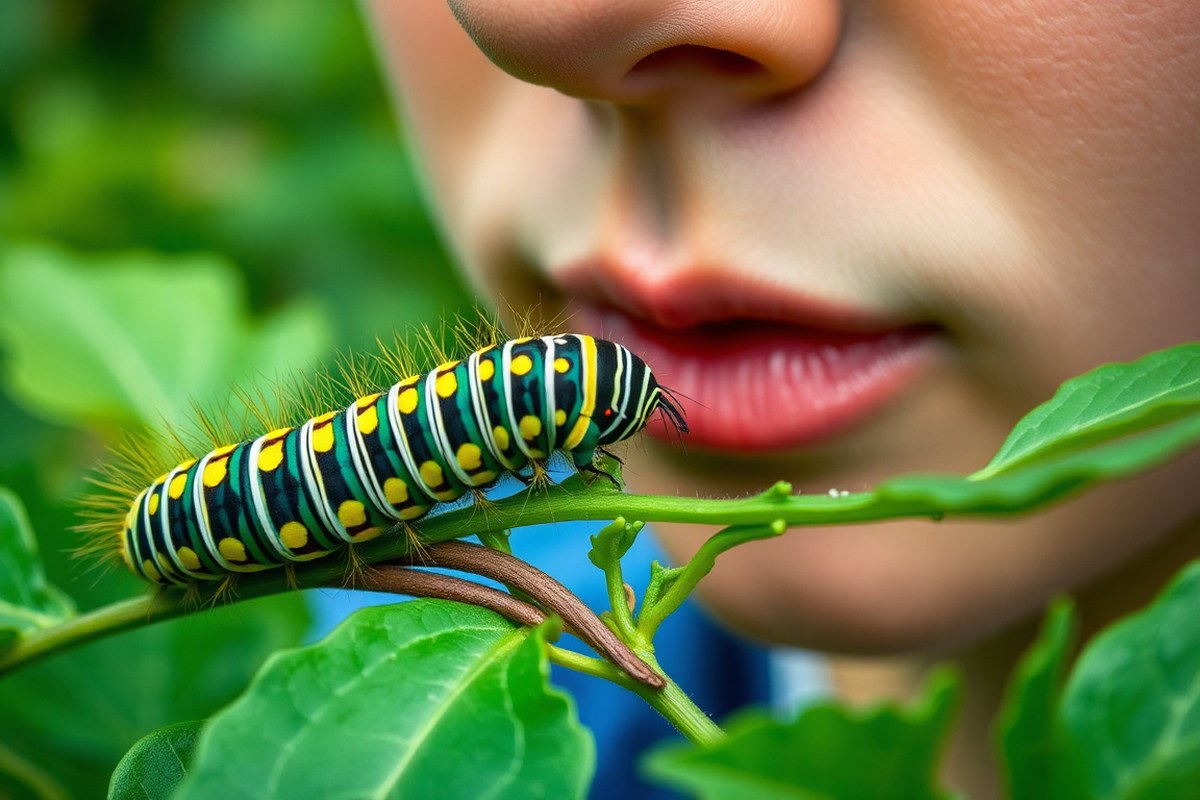
Most caterpillars are harmless to humans and don’t cause injury. Only a few species have toxins or spines that can sting or irritate skin.
It’s important to know that caterpillars don’t bite people. Their defense is usually through stinging hairs or spines.
Some caterpillars, especially those with spiky or fuzzy bodies, can cause pain or allergic reactions. Black and white hairy caterpillars need caution. Color alone can’t tell if their hairs are safe.
Always watch closely before touching any caterpillar. Spiny caterpillars are the most dangerous since their spines can inject venom when touched.
Not all fuzzy caterpillars are harmful; many are safe to handle. However, it’s best to avoid touching any caterpillar covered with hair or spikes.
These hairs may carry toxins, and contact can cause rashes, stings, or swelling. So the safest choice is to admire them without touching.
How Do Venomous Caterpillars Cause Harm?
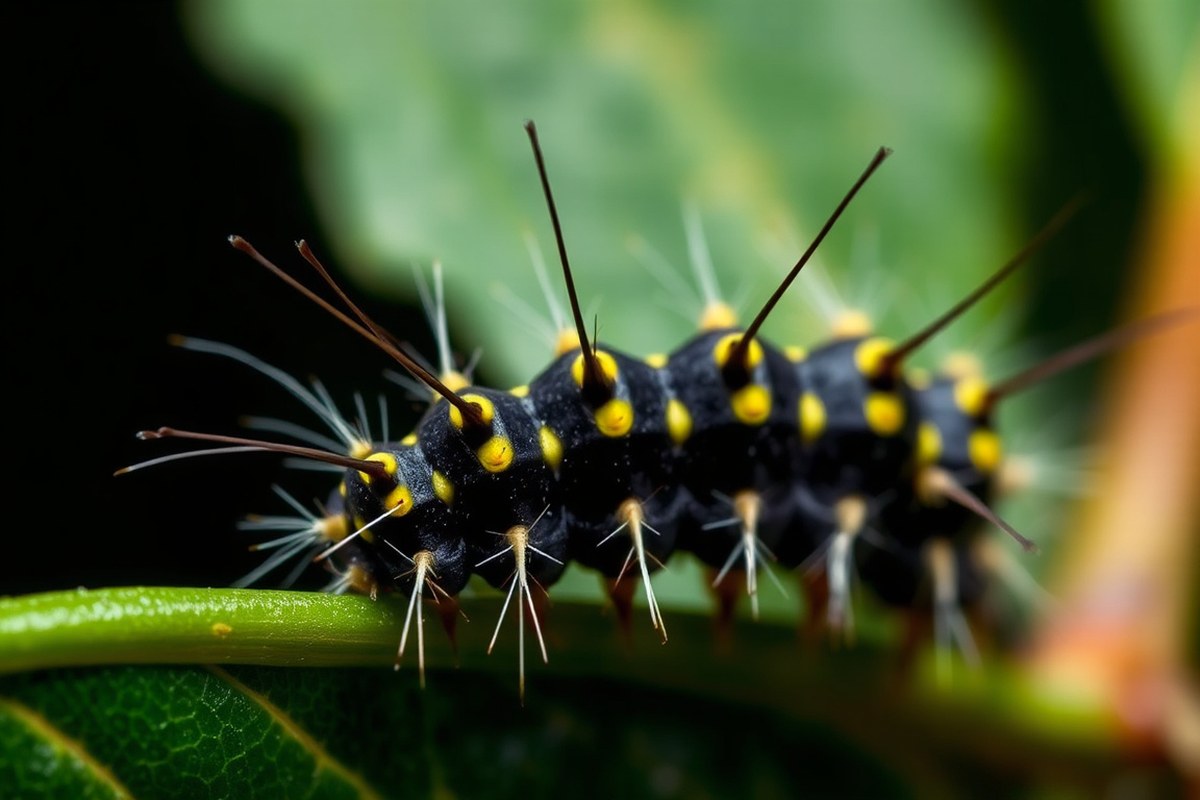
Venomous caterpillars deliver their toxins through sharp spines or bristles on their bodies. These spines break the skin and inject venom when you touch them. The venom helps defend by causing pain and irritation.
This scares off predators and humans. Its main purpose is protection.
Biologically, the venom contains proteins that trigger various reactions. Some caterpillar venoms, like South America’s green fire taturana, stop blood clotting. This can cause serious health problems.
Avoid touching this caterpillar. Others cause lasting pain, severe itch, or respiratory problems by affecting your nerves or immune system. The venom may include histamines and enzymes that start inflammation quickly.
Venomous caterpillars often release their toxins through hollow hairs or barbed spines. When these spines puncture your skin, venom flows into the wound. In some species, venom can spread as tiny airborne hairs.
Breathing these hairs may cause breathing issues. It’s best to stay clear of them. This is why even brushing up against certain caterpillars can be harmful.
Long-term effects from a sting usually depend on the caterpillar species and your body’s reaction. Most stings cause only temporary pain, redness, and itching. Some venom causes allergic reactions that last for days.
It can also trigger serious problems like breathing issues or blood disorders. Watch for symptoms and get help.
Pets may face severe tissue damage from contact. So keep your animals away from these caterpillars.
Never touch a caterpillar with fuzzy or spiny bodies without gloves. Even dead ones may still sting.
Common Venomous Caterpillars and Their Identification
Some caterpillars can sting or cause irritation with their spines or hairs. The most venomous ones include the puss, saddleback, and Io moth caterpillars.
They differ in appearance and where they live. So spotting them helps you stay safe.
Saddleback Caterpillar Characteristics
This caterpillar stands out with its bright green saddle shape on its back. The center has a brown patch surrounded by white rings, making it easy to identify. It lives mostly in the eastern United States, often found on trees and shrubs.
Its spines along the edges release venom when touched, causing sharp pain and itching. The saddleback is about 1.5 inches long and feeds on a wide variety of plants. Avoid touching it if you see this unique green and brown pattern.
Io Moth Caterpillar Features
The Io moth caterpillar starts as an orange larva. It later turns bright green. Red and white stripes appear on its body.
It grows up to 2.4 inches long and has poison-tipped spines along its body. It lives in southern Canada, the eastern U.S., and eastern Mexico.
Its stings are painful and can cause swelling or allergic reactions in sensitive people. The Io caterpillar eats many trees and plants, making encounters quite common in those regions. Look for its bright colors and spikes to spot this species.
Puss (Southern Flannel) Caterpillar Overview
The puss caterpillar is the larva of the southern flannel moth. It has long, wavy hairs. These hairs range from brown to gray.
Those soft-looking hairs hide venomous spines underneath. It mainly lives in Florida and southern Texas but also appears throughout the southern U.S.
Its sting causes intense burning pain, redness, and can bring fever or even nausea. The hairs are dense and soft, which can trick people into touching it. Always watch for its furry look and avoid contact.
Other Dangerous Species to Know
Besides the three main species, a few other caterpillars can sting or irritate skin. The buck moth caterpillar is dark and covered in branched spines. The stinging rose caterpillar is also common in the eastern United States.
These caterpillars usually live where their host plants grow, like roses or oak trees. Awareness helps gardeners and outdoor enthusiasts avoid painful encounters. Check for hairy or spiny bodies when you spot a strange caterpillar.
Take a look at this table listing common venomous caterpillars and their locations:
| Caterpillar | Location |
|---|---|
| Assassin Caterpillar | South America |
| Saddleback Caterpillar | Eastern United States |
| Puss Caterpillar | Florida and South Texas |
| Io Moth Caterpillar | Southern Canada, Eastern U.S., Eastern Mexico |
| Stinging Rose Caterpillar | Eastern United States |
| Hackberry Leafslug | Northeastern Mexico north to parts of Southwestern U.S. |
| Pine Processionary Caterpillar | Southern Europe, North Africa, Middle East |
Location helps narrow down which caterpillars might pose risks to you. Note that these species prefer specific regions and plants. Watch out for brightly colored caterpillars in these areas.
Hairy caterpillars can have venomous spines. Avoid touching them to stay safe.
Symptoms and Reactions from Caterpillar Contact
Contact with venomous caterpillar spines usually causes pain, swelling, and redness. You might feel intense burning or itching where the caterpillar touched your skin. The rash can look raised, red, and blotchy, often with small bumps or blisters.
Some caterpillars, like the saddleback or giant silkworm moth caterpillars, have venomous spines. These spines release toxins causing skin irritation and allergic reactions. You may also experience symptoms beyond the skin, including headache, nausea, or a slight fever.
Allergic reactions vary widely. Mild cases cause localized swelling and itching.
More sensitive people may develop severe reactions, such as trouble breathing, dizziness, or even anaphylaxis. This life-threatening allergy needs emergency medical care right away.
A species called the pine processionary moth caterpillar has tiny barbed hairs. These hairs can get stuck in skin or be carried by the wind. This means you might get a rash without touching the caterpillar directly.
Symptoms like burning, itching, and red patches show your body’s inflammation response to the toxins. The rash might spread or worsen if the spines stay embedded or if you scratch. Some reactions include painful blisters or swelling that lasts several days.
Systemic effects such as headaches or an upset stomach happen when enough toxin enters the bloodstream. While rare, these symptoms signal more serious complications. Immediate medical evaluation is necessary if you feel dizzy, short of breath, or have chest tightness.
Looking closely at your rash helps identify if a caterpillar caused it. Common signs include a line or cluster of red bumps matching the hairs’ contact.
The skin may feel hot or tender. You might notice sharp pain or burning within minutes to hours.
These symptoms can last a few hours to several days. It depends on your sensitivity and the caterpillar species. Some cases can last up to one week.
Washing the area with soap and cool water soon after contact helps remove spines or hairs. Avoid rubbing or scratching, which can worsen irritation or spread toxins.
Step-by-Step First Aid for Caterpillar Stings
Start by removing any caterpillar spines embedded in your skin. Then clean the area well with soap and water.
Apply a cold compress to ease pain and swelling while using soothing treatments for itching. Use over-the-counter pain relievers if needed and watch for worsening symptoms.
Removing Spines Safely
Carefully remove any tiny spines or hairs stuck in your skin. Avoid rubbing or scratching, which can push the spines deeper. Use adhesive tape gently pressed on the area, then lift it off to pull out spines.
This step prevents more venom from entering your skin and reduces irritation. Repeat the tape method as needed until most spines are gone. But don’t force it if they resist.
Cleaning and Disinfecting the Skin
Wash the affected area with soap and cool water thoroughly. Rinse well to remove any remaining venom or skin debris. Pat the skin dry with a clean towel without rubbing to avoid irritation.
Clean skin helps stop further infection and soothes the initial reaction at the sting site. Avoid hot water, which may worsen itching or swelling.
Applying Soothing Treatments
Place a cold pack or ice wrapped in a thin cloth on the sting for 10 to 15 minutes. This helps ease pain and swelling. Repeat every hour as required, but never put ice directly on your skin.
Try mixing baking soda with water to create a paste and apply it on the rash. Hydrocortisone cream at 1 percent strength may help ease itching and inflammation if the package allows.
Managing Pain and Itching
Take over-the-counter pain relievers such as ibuprofen or acetaminophen to reduce discomfort. Apply oral antihistamines if itching is severe and the label permits. Follow dosing instructions carefully to avoid side effects.
These medicines work best when started soon after the sting. Avoid scratching, which may cause infection or worsen the rash.
When to Seek Medical Attention
Get urgent medical help if you experience difficulty breathing, facial swelling, or throat tightness. Also seek care for intense pain that does not improve after treatment. Severe allergic reactions require prompt professional treatment.
Seek medical help when the sting area gets more red, swollen, or pus appears. Also get checked if you have a fever. These signs could mean infection or a serious reaction needing prescription medicine.
- Press adhesive tape gently over the sting site and peel off to remove spines.
- Wash the area with soap and cool water, then rinse thoroughly.
- Pat the skin dry without rubbing to avoid irritation.
- Apply a cold compress wrapped in cloth for 10 to 15 minutes.
- Use baking soda paste or 1% hydrocortisone cream to relieve itching.
- Take OTC pain relievers or antihistamines as directed to ease symptoms.
- Monitor symptoms and seek medical help if severe or worsening.
Never rub the sting area; it can drive caterpillar spines deeper into your skin.
When to Seek Medical Help After a Caterpillar Sting
Seek medical help right away if you have trouble breathing or swallowing. These are signs of a severe allergic reaction that can become life-threatening. Call emergency services right away if your lips or throat swell.
Swelling after touching a caterpillar can be serious. Don’t wait, get help fast.
A caterpillar sting in your eye means you need urgent care. Go to a doctor or emergency room immediately. This injury can harm your eye.
Eye exposure can cause serious damage and needs prompt treatment. Don’t try to rub it out or use home remedies. A doctor should examine the eye quickly.
Severe swelling that spreads beyond the sting site also means you need a doctor. This could signal a strong allergic response or infection. Watch for increasing redness, warmth, or pus forming around the area.
Children require special attention because their reactions can worsen rapidly. Even if symptoms seem mild at first, get medical advice to be safe.
Kids might not tell you exactly how bad the sting feels. So check carefully for breathing issues or swelling.
Most caterpillar stings hurt but only for about one hour. Rashes usually go away within a few days. The pain and rash are often mild.
See a healthcare provider if pain lasts over 24 hours. Also get help if your rash spreads or gets worse.
Don’t ignore these signs. Persistent or unusual symptoms can mean a secondary infection or a more serious allergic reaction.
Do not wait for symptoms to become severe before seeking help. Early treatment can prevent complications and reduce recovery time. When unsure about a sting, call a nurse hotline first.
Poison control is also a good option for advice. They help without hospital charges.
How to Prevent and Avoid Harmful Caterpillar Encounters
To avoid stings from harmful caterpillars, you need to watch where you reach or step. Some venomous caterpillars blend into leaves with dull brown or green colours.
Wearing long sleeves and gloves during gardening helps keep your skin safe. Avoid touching caterpillars you don’t recognize, especially those on low plants or shrubs.
Knowing which plants host venomous caterpillars helps you skip risky spots. For example, processionary caterpillars gather on pine trees and other host plants in groups. Tell children and pets to steer clear of any strange caterpillars outside.
Dogs can get stung too. So keep them away from bushes or ground-level vegetation where caterpillars hide.
- Wear gloves and long clothing when pruning or handling garden plants
- Inspect plants carefully before working in the garden
- Remove venomous caterpillars using a stick or tool, not bare hands
- Keep children and pets away from unknown caterpillars
- Learn to identify common local venomous caterpillars
- Avoid letting pets roam in dense underbrush or near known host plants
- Check plants for caterpillar nests or groups regularly during spring and summer
Removing venomous caterpillars is safer with tools like tongs or a stick. This stops direct contact with their venomous hairs. Spot a large group of processionary caterpillars?
Don’t handle them yourself. You might need a professional pest control service, especially in big infestations.
Preventing stings means being careful, informed, and prepared. Quick action after a sting reduces pain and complications according to experts. Keep a first aid kit nearby.
Wash the area quickly if you touch a caterpillar. Don’t wait to clean it.
Effective Control Methods for Venomous Caterpillar Infestations
Managing venomous caterpillar infestations involves careful choices between manual, biological, and chemical methods. Each method has different safety concerns and effectiveness depending on the situation. Selecting the right approach means balancing safety, effort, and control success.
Manual Removal Strategies
Manual removal works best for small caterpillar infestations in home gardens. Wear thick gloves and long sleeves to avoid contact with venomous spines. Use tweezers or a small brush to pick caterpillars gently.
Place them carefully in a sealed container. Handle the plants with care as you do this.
This method causes no chemical exposure and offers immediate results. It requires patience and regular checks since caterpillars hatch quickly. Manual removal suits areas where children and pets play, reducing chemical risks.
Biological Control Options
Biological control uses natural enemies like birds, parasitic wasps, and predatory insects to reduce caterpillar numbers. Plant small shrubs or flowers near your garden to help. This gives predators places to live and hunt nearby.
It helps keep your garden safe naturally. This method avoids chemicals and helps maintain ecological balance.
Biological control takes time to develop and works best in larger or less disturbed gardens. It’s not a quick fix but offers long-term pest suppression. It is ideal when you want to protect beneficial insects and avoid chemical impacts on pollinators.
Chemical Treatments and Safety
Chemical sprays can be effective for serious caterpillar outbreaks but require careful handling. Use products labeled for caterpillars and follow instructions for application and safety. These treatments kill pests on contact and may deter them for up to 21 days.
Chemicals work quickly but risk harming beneficial insects and the environment. Apply them in the early morning or late evening when pollinators are least active. Avoid overuse to prevent caterpillar resistance or environmental damage.
| Control Method | Effectiveness | Safety Considerations | Ideal Use Case |
|---|---|---|---|
| Manual Removal | Good for small infestations | Requires protective clothing | Home gardens with few caterpillars |
| Biological Control | Best for long-term control | Safe for people and environment | Larger gardens and natural areas |
| Chemical Treatments | Fast and effective | Possible harm to pollinators and pets | Severe infestations needing rapid control |
Choosing the right method depends on infestation size, safety needs, and environmental impact. Combining methods can provide balanced control without excessive risks or effort.
Encouraging Natural Predators
Attracting predators like birds and parasitic wasps helps keep caterpillars in check naturally. Plant native flowering plants and shrubs to provide food and shelter for these helpful creatures. Avoid pesticides that could harm them.
Bird feeders or nesting boxes near gardens increase bird activity and their pest control effect. Small mammals and insects also prey on caterpillars naturally. Encouraging predators requires patience but limits chemical use.
Always wear gloves and protective clothing when handling or removing venomous caterpillars to avoid painful stings.
Step-by-Step Action Plan for Safe Caterpillar Encounters
Follow these steps to reduce risks from caterpillars and handle stings safely.
- Before you spend time outdoors: Learn to spot venomous caterpillars. Common types include the puss moth and saddleback. Knowing these helps keep you safe. Knowing what to watch for helps you avoid harmful contact.
- Day 1: Inspect your yard or garden for caterpillar nests. Remove any you find using gloves or tools to prevent stings. Confirm you found nests by spotting clusters of caterpillars or egg cases.
- Day 2: Wear long sleeves and pants when gardening or walking in wooded areas. This creates a barrier to caterpillar hairs and decreases your chance of skin irritation.
- Whenever you feel a sting: Wash the area with soap and water quickly. This removes hairs or toxins before they spread. Successful washing will reduce immediate itching and pain.
- Within the first hour after a sting: Put cold packs on the sting site. Apply them for 10 minutes, then remove for 10 minutes. Repeat as needed. This helps reduce swelling and dulls pain. Relief means the treatment is working.
- Over the next 24 hours: Take antihistamines to reduce itching or rash. You can also use hydrocortisone cream on the skin. Follow the package directions carefully. Monitor your reaction; these treatments ease symptoms unless they worsen.
- Watch for severe symptoms immediately: Trouble breathing needs urgent medical attention. Swelling of face or dizziness also requires quick help. Call emergency services right away. These signs may mean a serious allergic reaction.
- After any caterpillar encounter: Clean clothes and shoes to remove any lingering hairs. This helps prevent further irritation in your home or on your skin.
Frequently Asked Questions
Can Touching All Caterpillars Cause Skin Irritation?
No, most caterpillars are harmless to the skin. Only a few species have stinging hairs or spines that can irritate or sting.
Are Caterpillars Harmful to Pets Like Dogs or Cats?
Generally, caterpillars do not harm pets unless touched directly. Some venomous types can cause reactions if pets lick or bite them.
Do Caterpillars Damage Garden Plants Significantly?
Yes, some caterpillars eat garden leaves, causing damage. Monitoring and removal help protect plants from heavy feeding.
Can Caterpillar Stings Cause Allergic Reactions?
Yes, stings can cause allergic reactions in sensitive people. Symptoms may include swelling, redness, or difficulty breathing.
Are There Caterpillars That Cause More Severe Reactions Than Rashes?
Yes, some venomous caterpillars can cause intense pain and systemic symptoms. Medical care is needed for strong reactions.
Is It Safe to Handle Caterpillars If They Look Harmless?
No, appearances can be deceptive. It’s safer to avoid handling unfamiliar caterpillars to prevent stings or irritation.
Key Points to Remember
Caterpillars can be harmful, but most cause only mild irritation. Knowing how to identify and treat stings keeps you safe. Keep this plan handy and act quickly after any contact to protect yourself and your family.