Does Manure Help Grass Grow? A Complete Guide for Healthy Lawns
Does manure help grass grow? Yes, properly aged manure can boost grass health and soil quality. It adds essential nutrients like nitrogen and improves soil structure, making the grass greener and stronger.
Using fresh manure can harm your lawn. So always age or compost it well before applying.
The best manure for grass comes from horses or cows. It should be composted for at least six months. This helps make it safe and effective for your lawn.
This process breaks down harmful pathogens and weed seeds, preventing damage to your lawn. Apply the manure in early fall, giving it time to enrich the soil before spring growth.
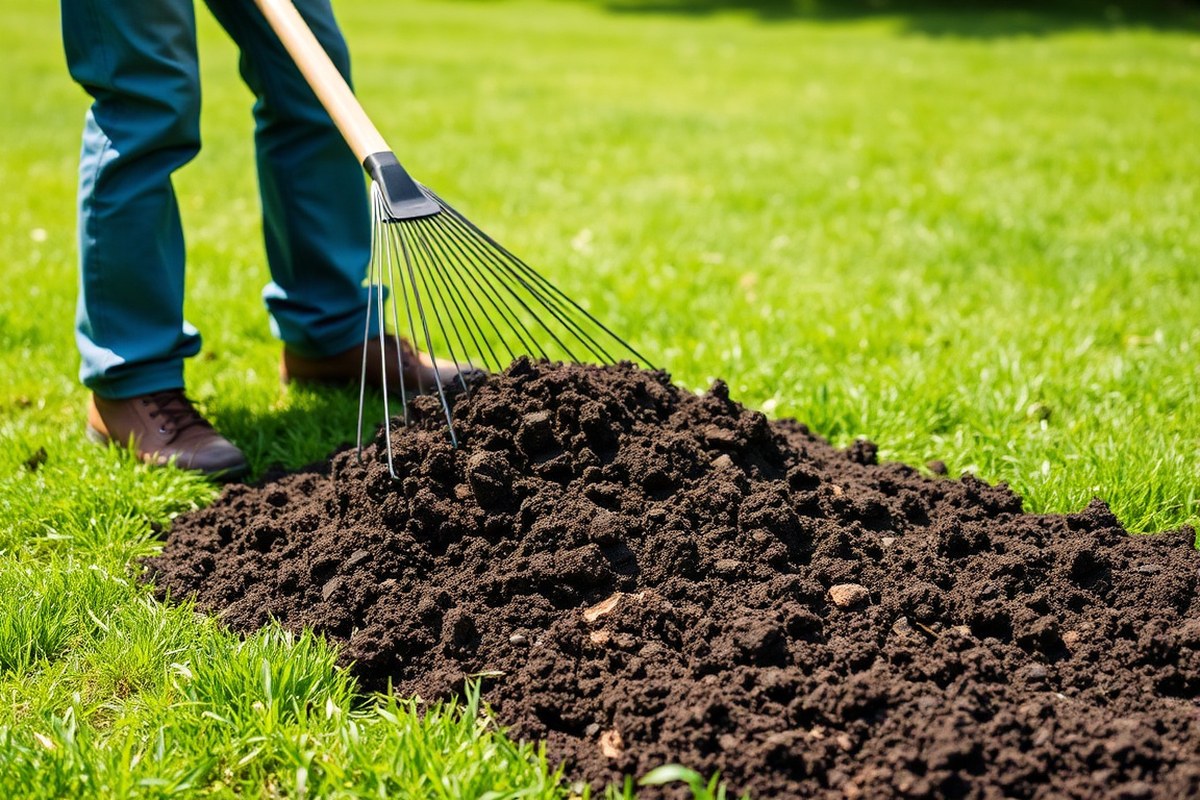
Spread a thin layer of manure over your lawn surface. Incorporate it into the top 4 to 6 inches of soil. Thick layers may harm grass and overload nutrients.
Key Takeaways
- Use horse or cow manure aged at least six months before applying to your lawn.
- Apply manure in early fall, two to three months before grass starts growing.
- Spread manure evenly and work it into the soil 4 to 6 inches deep.
- Limit manure applications to once every 2 to 3 years to avoid nutrient buildup.
- Keep manure layers thin, no more than 1/2 inch per application to protect grass.
- Hot compost manure at above 130°F for 60 days to kill weed seeds and pathogens.
Does Manure Help Grass Grow and Why?
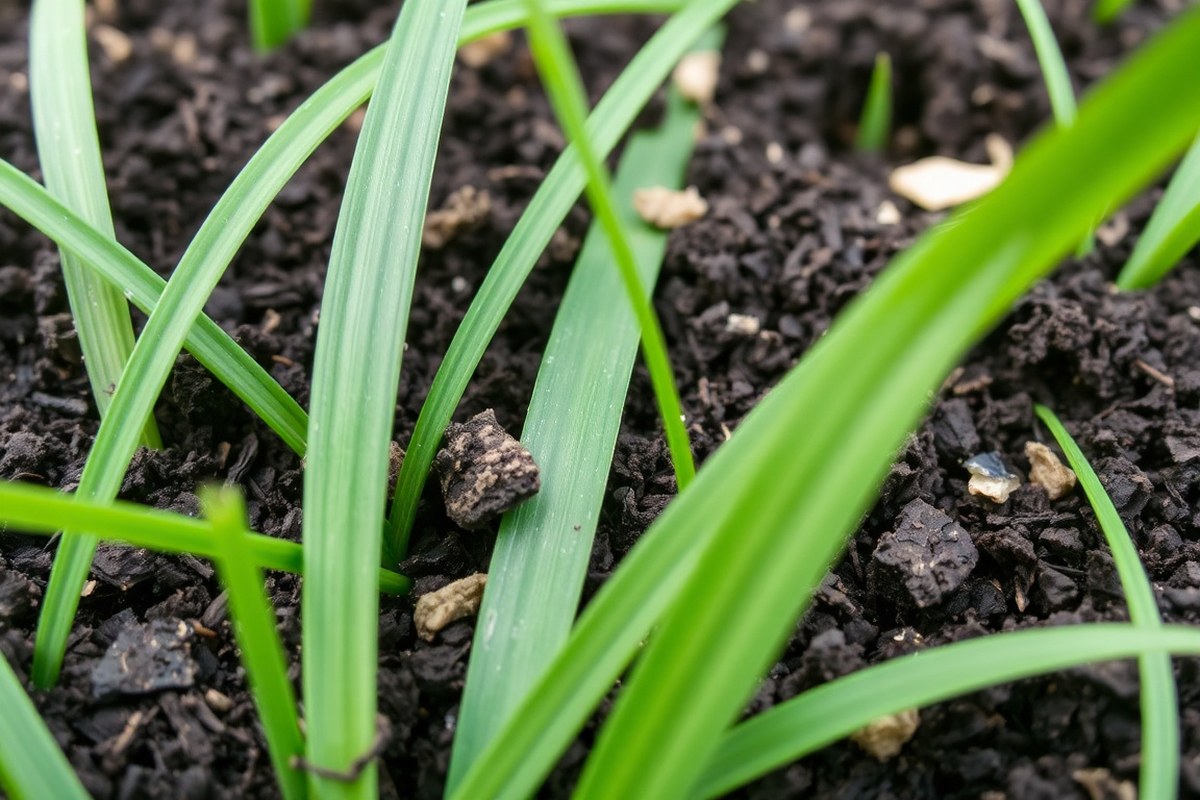
Manure definitely helps grass grow by supplying essential nutrients. It delivers nitrogen, phosphorus, and potassium, the key elements grass needs to thrive. These nutrients support strong root growth and healthy green blades.
Besides nutrients, manure improves soil quality by adding organic matter. This organic matter loosens compacted soil and boosts moisture retention. It also nourishes beneficial microorganisms that keep soil healthy over time.
Grass usually doesn’t grow well directly in raw manure because fresh manure can burn plants. Composted manure is better as it’s safer and releases nutrients slowly. Spread a thin quarter- to half-inch layer of well-composted manure evenly, then water it in gently.
Which Types of Manure Work Best for Grass?
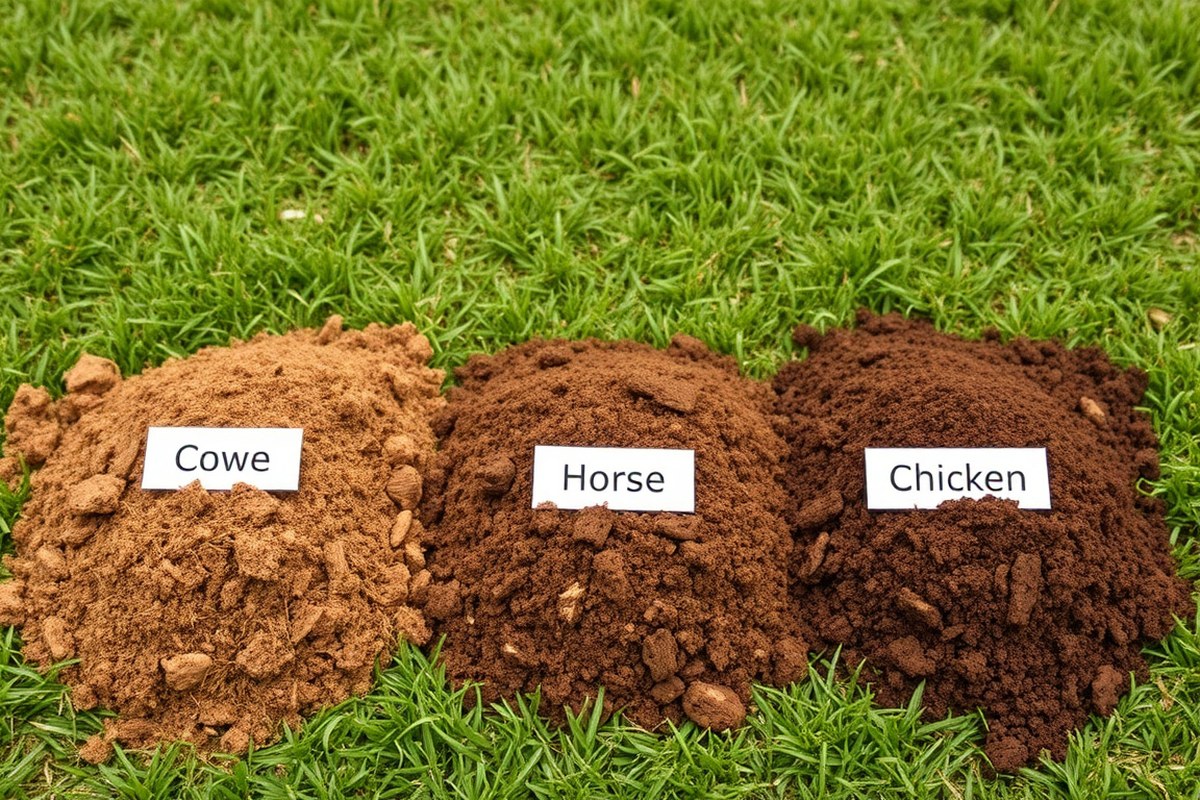
The best manure for grass depends on nutrient content, safety, and suitability. Composted cow and horse manure are safer and effective for lawns. Chicken manure has more nitrogen but requires careful use to avoid burning grass.
Cow Manure Nutrient Profile and Benefits
Cow manure has a balanced nutrient profile with nitrogen, phosphorus, and potassium (NPK). It’s mild enough to avoid burning grass when composted properly. This makes it ideal for most lawns, providing nutrients without harsh effects.
Besides nutrients, cow manure adds organic matter that improves soil structure. It’s forgiving if you apply too much, reducing risk of damage. Fresh cow manure is too strong and can harm young grass or seeds.
Horse Manure: Strengths and Considerations
Horse manure contains high nitrogen and also phosphorus and potassium. Properly composted horse manure becomes nutrient-dense and safe for use on all grass types. It supports healthier, thicker, and more durable turf.
Let horse manure age or compost for 6 months to 2 years before use. Use it every 2 to 3 years to stop salt and nitrogen buildup. Fresh horse manure can burn grass and is too strong to apply directly.
Chicken Manure and Its High Nitrogen Risks
Chicken manure is rich in nitrogen and phosphorus, which promotes fast grass growth. However, it is very strong and can easily burn grass seed or new lawns. It usually requires composting and dilution with other compost materials.
Using composted chicken manure mixed with food scrap compost weakens its potency and increases safety. It’s better for established lawns than fresh seeds. Applying too much can cause grass damage.
Here’s a comparison of nutrient content and safety for these manure types:
| Manure Type | Nitrogen Content | Phosphorus Content | Safe Use | Risk |
|---|---|---|---|---|
| Cow manure | Moderate | Moderate | Use composted; safe for all grasses | Fresh manure can burn grass |
| Horse manure | High | Moderate | Use well-composted (6 months to 2 years) | Fresh manure causes burning |
| Chicken manure | Very high | High | Use composted and mixed with other composts | Can burn young grass and seeds |
Choosing the right manure matters because fresh manure typically contains salts and ammonia. These quickly available nutrients can damage your grass. Spreading composted manure allows gradual nutrient release and safer application.
Never apply fresh manure directly on grass or seeds. It can cause severe burns and kill plants.
How to Prepare and Compost Manure Safely for Lawn Use
Manure must be fully composted before using it on grass. Composting kills weed seeds and pathogens that could harm your lawn.
Hot composting needs to reach over 130°F. Keep it that hot for about 60 days. This process makes manure safe for your lawn.
Step 1: Build and Layer the Compost Pile
Start by choosing a dry, shaded spot to make the compost pile. Start with a 6- to 12-inch layer of coarse material. Use straw or wood chips.
This layer helps air flow in the pile. Add fresh manure and mix with carbon-rich materials like dried leaves or straw to balance nitrogen.
Layer the materials inside a 3- to 5-foot tall pile, alternating manure and dry matter. Build the pile about 3 feet wide and 3 feet tall. This size helps it get hot while breaking down.
Heat is needed for decomposition. Keeping the correct moisture level (like a damp sponge) helps the compost break down efficiently.
Step 2: Maintain Temperature and Turn Regularly
Check the pile’s temperature daily using a compost thermometer. Keep the temperature between 130°F and 150°F for at least 60 days. This heat kills most weed seeds and harmful pathogens in the manure.
Turn the pile every 5 to 7 days to bring fresh oxygen to the microbes. Turning redistributes moisture and heat, speeding composting and preventing odors.
When the pile cools below 100°F, add moisture. Turn the pile more often to raise the heat.
Maintain moisture by adding water if the compost feels dry. Avoid overwatering; excess water reduces oxygen and slows the process. Proper temperature and turning prevent untreated manure risks like lawn burning and pathogen spread.
Step 3: Recognize Finished Compost for Lawn Use
Fully composted manure looks dark brown and crumbly with a pleasant earthy smell. It no longer smells strongly like ammonia or manure. The pile will have shrunk by about half in volume.
Test if it’s ready by checking if temperatures stay below 100°F for about two weeks. This means the active composting is done. Seeds should not sprout, and no identifiable manure pieces remain.
Apply composted manure in a 1- to 2-inch layer on your lawn. Avoid fresh manure which can burn grass and spread weeds and pathogens. Properly composted manure feeds grass without risk of damage.
- Choose a dry, shaded site for the compost pile.
- Lay a 6-12 inch base of coarse material to aid airflow.
- Alternate layers of fresh manure and carbon-rich dry material.
- Keep pile size about 3 feet tall and wide for heat generation.
- Check temperature daily and maintain 130-150°F for 60 days.
- Turn the pile every 5-7 days to aerate and mix moisture.
- Keep compost moist, like a damp sponge, adding water or dry material as needed.
- Wait until pile cools below 100°F for two weeks and looks dark and crumbly before use.
When and How to Apply Manure to Grass for the Best Results
Apply manure in the fall or spring, spreading no more than 1/4 inch thick. Use aged or composted manure to avoid burning grass. Water the lawn after application, especially if you apply manure over grass seed.
Optimal Seasonal Timing for Manure Application
Fall is the best season to apply aged manure. Do it 2 to 3 months before spring starts. This timing helps prepare the lawn for new growth.
This gives the nutrients time to break down and become available to grass. Spring works well too, when soil warms up enough.
Grass can then absorb nutrients better. This supports healthy lawn growth.
Avoid applying fresh manure in hot summer months to prevent burning the grass. Cool soil temperatures in fall and early spring promote nutrient uptake without stressing the grass. Timing your application helps the grass use nutrients steadily and reduces runoff risk.
Recommended Application Amounts and Layering
Limit manure thickness to about 1/4 inch or 3 to 5 millimeters. Thicker layers can smother grass or cause nitrogen burn. A quarter-inch layer spreads manure lightly across the lawn.
You can still see the grass tips through it. This thickness nourishes without hiding the grass.
Apply aged horse manure at a rate of 1/2 cubic yard per 1,000 square feet. Using thin layers lets nutrients absorb evenly into the soil. Lightly work the manure into the top 4 to 6 inches to prevent buildup.
Applying Manure with or Without Grass Seed
You can apply manure over grass seed. But use only thin layers to avoid smothering young seedlings.
Compost or aged manure is preferred for seed applications to reduce burn risk. After spreading, water gently and regularly to keep soil moist.
After spreading manure without adding seed, water it well. Enough water helps nutrients reach the roots. This supports better lawn absorption.
This helps manure nutrients move into the soil. Avoid overwatering, which can wash nutrients away or lead to runoff.
Follow these steps to apply manure safely and effectively:
- Choose aged or well-composted manure to reduce burn risk.
- Measure and spread a thin 1/4-inch layer evenly over the lawn.
- For new grass seed, apply manure gently over seeded areas without burying seeds.
- Mix manure gently into the top 4 to 6 inches of soil whenever possible. This helps the nutrients blend and feed the soil more effectively. It also prevents manure from staying on the surface.
- Water the lawn gently but thoroughly after application to settle manure and soil.
- Maintain consistent moisture for seeded areas to support germination and nutrient uptake.
- Repeat application every 6 to 12 months depending on soil tests and lawn health.
Common Mistakes to Avoid When Using Manure on Lawns
Common Mistakes to Avoid When Using Manure on Lawns
Fresh manure, especially from horses or cows, can harm your grass. It contains ammonia and pathogens that damage grass blades and upset soil pH. Applying it without aging or composting often leads to grass burn and poor growth.
Over-applying manure is another common error. Too much manure overloads the soil with nutrients and salts, which stress the grass roots. A thin, even layer lets nutrients soak in without overwhelming the lawn.
- Never use fresh manure directly. Always compost or age it for at least 3 to 6 months.
- Apply manure only once or twice a year, depending on lawn size and condition.
- Spread manure at about 20 to 40 pounds per 1,000 square feet to avoid nutrient overload.
- Keep manure away from edible plants to reduce health risks from pathogens.
- Wear gloves and wash hands after handling manure to prevent contamination.
- Check weather forecasts; apply manure when no rain is expected for 24 hours.
- Wait 2 to 4 weeks after applying before heavy watering or mowing to let manure settle.
Ignoring health hazards is risky. Fresh manure can carry bacteria like E. Coli or Salmonella, harmful to you and your pets.
Proper composting kills most pathogens. Handling manure with care keeps you and your family safe.
Always compost manure before application to protect your grass and health.
Applying manure once or twice a year fits most lawns’ needs. Frequent reapplication risks burning your grass and wasting nutrients. Regular soil testing helps decide the right amount and timing for your lawn’s health.
How Manure Affects Soil and Grass Growth in Different Conditions
Manure works differently depending on the soil type. In sandy soils, manure adds organic matter that acts like a sponge. This helps the soil hold moisture and nutrients closer to grass roots.
Clay soil holds too much water. Manure helps by improving texture. It also aids drainage.
Loam soils are already well balanced. They support strong root growth. Nutrient release stays steady too.
Climate plays a big role in how manure affects your lawn. In dry or hot areas, manure’s organic matter helps keep moisture in the soil. This reduces the need for watering and prevents grass from drying out.
Apply manure best in early spring or fall. This prepares grass for heat stress.
It also gets ready for dormancy. You can adjust timing and amounts based on your local weather and grass type.
Watering will need some changes after applying manure. Right after applying, water lightly to help nutrients soak into the soil. Too much water can wash nutrients away, especially with sandy soil, so find a balance.
In dry climates, watering frequency may drop because manure helps hold moisture longer. Watch your lawn’s reaction over time.
Change watering to keep roots healthy. Don’t water too much or too little.
Safe Storage, Handling, and Health Precautions with Manure
Store manure in a dry, covered spot to keep it from getting wet. Moist manure attracts flies and creates strong odors that linger. A shed or tarp-covered bin works well to keep pests away and limit smell.
Wear gloves when you handle manure to protect your skin from bacteria. Wash your hands with soap and water right after you finish. Avoid touching your face during work to reduce any health risks for you and your family.
Keep pets and children off lawns where fresh manure was recently spread. Fresh manure can carry pathogens that cause illness. Waiting at least two weeks after spreading helps reduce these risks before playtime.
- Store manure off the ground on pallets or plastic to stay dry
- Use thick gloves plus long sleeves and pants during handling
- Cover manure piles with a tarp or keep inside a bin
- Wash hands thoroughly after every contact with manure
- Keep pets and kids away from treated areas for two weeks
- Apply only composted manure on established grass to avoid root damage
Composted manure is safer and produces less odor than fresh manure. Applying it in thin layers helps sunlight reach the grass roots and prevents suffocation. Too thick a layer can cause lawn damage and invite pests.
Regularly turning manure piles while composting speeds up breakdown and reduces smells. This also lowers the chance of spreading weed seeds or pathogens.
Compost manure for at least 6 months. Keep the pile over 130°F. This process makes the manure safe to use.
Signs Your Grass Is Thriving with Manure and When to Reapply
Healthy grass shows clear signs when manure improves its growth. You’ll see richer green color and a thicker, lush lawn.
Grass blades become more resilient to foot traffic and drought stress. Roots grow deeper, making the grass stronger and less patchy.
Expect to notice these improvements within 2 to 4 weeks after applying manure. That’s when the nutrients have broken down enough for grass to absorb them well. Apply manure in spring and fall for best grass nutrient use.
This matches the region’s main growing seasons. Grass uses nutrients better this way.
Reapplying manure too often can harm your lawn. But waiting too long may limit benefits. Generally, reapply manure every 3 to 4 months during active growth.
This schedule fits with spring and fall in most areas. Avoid manure application during summer dormancy or winter freezes because nutrients won’t absorb properly.
- Look for deeper green color spreading across the lawn
- Check for thicker grass density within a few weeks
- Feel firmer, more resilient turf underfoot
- Watch for fewer dry patches and wilting in hot weather
- Plan your next application about 3 months after the last one
- Apply manure only when grass is actively growing, not dormant
Manure enriches soil microbes that support grass health. Watch how your lawn reacts season by season. Growth slows or color dulls after three months.
Apply fresh manure to help. Use care not to overload your lawn with manure. Excess nutrients can burn grass or pollute runoff.
Apply manure in cool weather and water lightly afterward to prevent burning your grass.
Step-by-Step Action Plan for Using Manure on Your Lawn
Follow these steps to safely add manure to your grass and watch it improve. Each step helps you avoid common mistakes and encourage healthy growth.
- Before you start: Choose well-aged or composted manure like cow or horse manure. This avoids burning your grass and reduces pathogens.
- One week before application: Test your soil pH and nutrient levels. This helps you know how much manure your lawn needs.
- Day of application: Spread a thin, even layer of manure no thicker than ½ inch. This prevents smothering your grass and uneven feeding.
- After spreading: Lightly water your lawn. This helps nutrients soak into the soil without washing them away.
- Two weeks later: Watch your grass for greener color and thicker blades. This shows the manure is working well.
- One month after: Mow your lawn normally but avoid scalp cutting. Healthy grass grows stronger with regular mowing.
- Three months later: Consider reapplying manure if your soil test shows nutrients are low. Avoid overapplying to keep your lawn healthy.
- Ongoing: Store extra manure in a covered, dry place away from your home. Use gloves and wash hands after handling manure.
Frequently Asked Questions
Can You Use Fresh Manure Directly on Your Grass?
No, fresh manure can burn your grass due to high ammonia. Always compost or age manure before applying it to any lawn.
How Much Manure Should I Apply per 1,000 Square Feet?
Apply about 40 to 50 pounds of aged manure per 1,000 square feet. This amount feeds the grass without causing nutrient overload or burning.
Can Manure Help Grass Recover After Drought?
Yes, manure improves soil moisture retention and nutrient supply after drought. It helps grass roots grow deeper to handle dry spells better.
Is Manure Better Than Synthetic Fertilizer for Grass?
Manure is a natural option with slow nutrient release compared to synthetic fertilizer. It builds soil health but may not work as fast on grass.
What Type of Manure Smells the Least When Applied?
Composted poultry or horse manure smells less than fresh cow manure. Proper composting reduces odor and makes it lawn-friendly.
Can Manure Attract Pests to My Lawn?
Untreated manure can attract flies and other pests. Composting manure first minimizes this problem and keeps your lawn pest-free.
Wrapping Up
Manure does help grass grow when used right and safely. Start with good composted manure and spread it carefully. Your next step is testing your soil to plan the perfect feeding.