When to Cut Back Clematis: Complete Guide with Timing and Pruning Tips
When to cut back clematis depends on the type you have. Group 3 clematis need a hard cut each late winter or early spring. This helps them grow strong new stems that bloom later in the season.
You cut Group 3 stems back to about 12 to 18 inches above the ground. Always cut just above a healthy bud at a 45-degree angle. This encourages healthy growth and prevents damage to the plant.
Other clematis groups need less pruning or pruning at different times. Knowing your clematis type is key. It helps you cut at the right time for the best blooms and health.
Key Takeaways
- Prune Group 3 clematis hard every late winter or early spring.
- Cut stems back to 12-18 inches above the ground for Group 3.
- Make cuts at a 45-degree angle just above healthy buds.
- Group 1 clematis require minimal pruning, only after spring blooming.
- Group 2 clematis may need light pruning late winter or early spring.
- Newly planted clematis can be pruned to 30 cm above ground in spring.
When to Cut Back Clematis Based on Blooming Groups
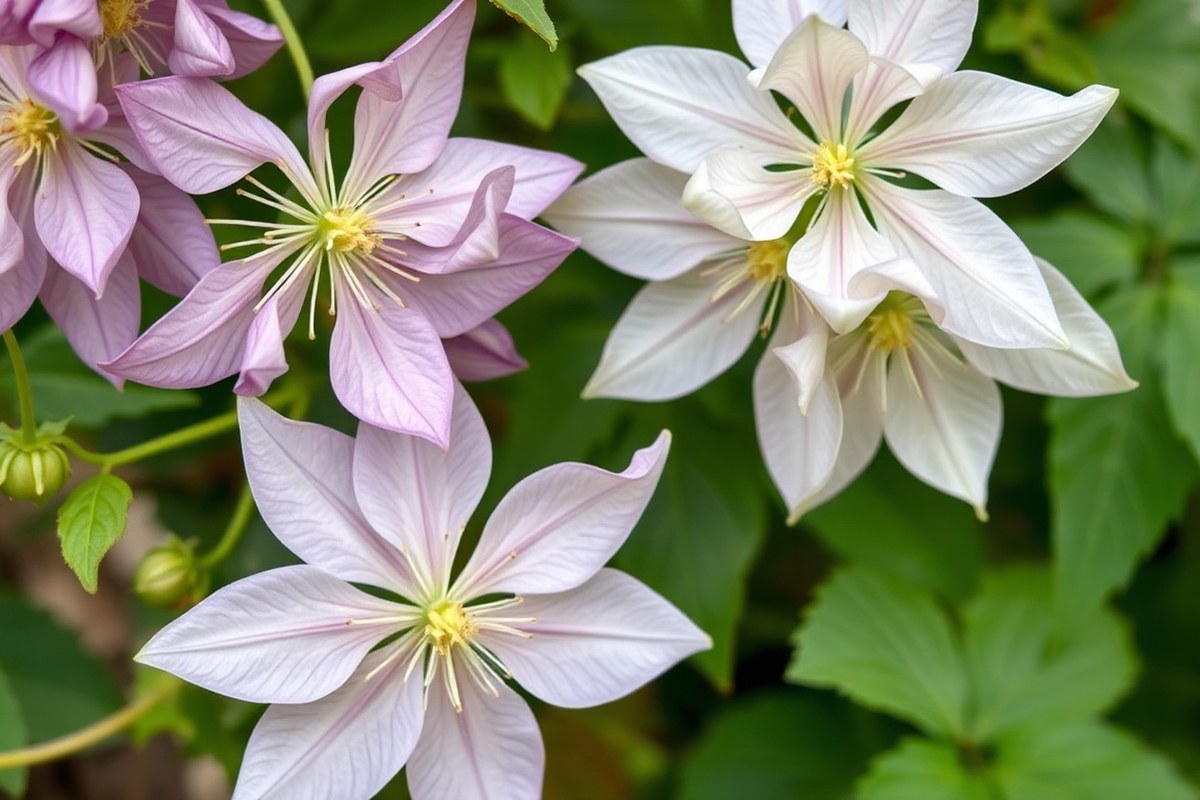
Pruning clematis depends on which of the three groups your plant belongs to. Each group has its own timing and pruning needs for the best blooms. Cutting at the wrong time can cost you a whole season of flowers.
| Group | Bloom Time | Pruning Window | Action |
|---|---|---|---|
| Group 1 | Early spring | After flowering | Remove dead wood only |
| Group 2 | Spring + summer | Late winter | Light prune, remove weak stems |
| Group 3 | Late summer | Early spring | Cut back to 12-18 inches |
Group 1 clematis bloom on old wood. So they only need dead stems removed after flowering.
Avoid major cutting so the buds for next year stay intact. This means you don’t cut them back before winter.
Group 2 plants bloom on both old and new stems. Light pruning happens in late winter, usually in February.
Cut out weak or dead stems, trimming about one-third of the old growth. This keeps the plant tidy without risking fewer flowers.
Group 3 clematis grow and flower on new wood. They need a hard prune every late winter or early spring.
Cut all stems back to about 12 to 18 inches above the ground. Do the pruning as new growth shows, but before spring really starts.
Not every clematis needs a full cut back. Knowing your plant’s group saves you time and keeps it healthy. For Group 3, don’t wait too late.
Cutting early stops a tangled mess of stems forming. It prevents old and new stems from choking the plant. This helps the plant grow better.
How to Identify Your Clematis Pruning Group
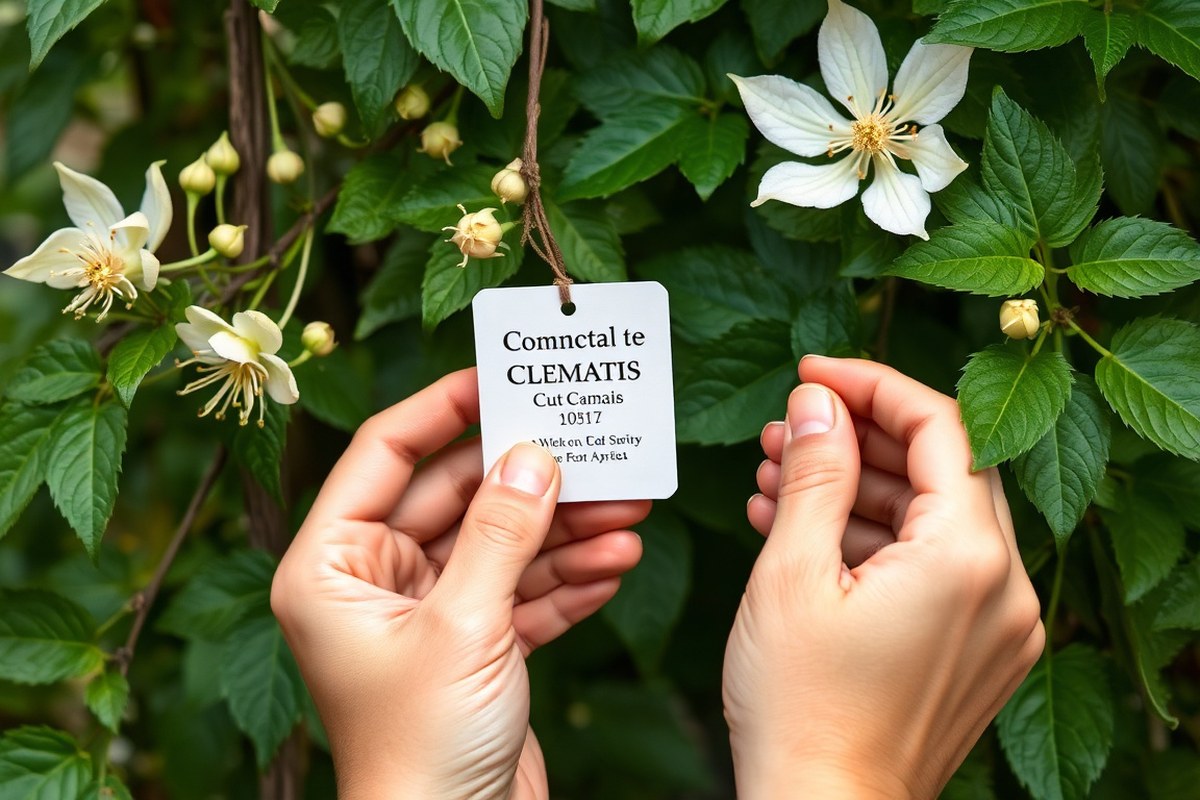
Identifying your clematis pruning group depends mainly on when it blooms and its stem features. Knowing this helps you pick the right pruning time and method. You can check by watching bloom times, examining stems, and using tags or guides.
Observing Bloom Timing
Start by noting when your clematis blooms in spring or summer. Group 1 blooms early in spring on old wood.
Group 2 flowers in late spring or early summer on old and new wood. Group 3 blooms in mid-to-late summer on new wood only.
Wait for your clematis’s first flowers to open, then note the month. Look up blooming months to see whether it fits Group 1, 2, or 3. Bloom time is the simplest clue to know your clematis group.
Newly planted clematis will usually bloom the next season. So mark your calendar the first year. Later you can prune confidently based on this data.
Examining Stem and Bud Characteristics
Look closely at the stems for healthy buds before pruning. Group 3 grows primarily new stems each year and needs hard pruning to 15-30 inches tall. Group 1 and 2 keep some old wood, so prune less aggressively.
Trim stems diagonally at a 45° angle above a healthy bud. For young clematis plants with one or two stems, cut them back hard to 12 inches in spring. This pruning helps the plant grow new shoots and build strong roots.
The bud location often shows what type of wood the blooms will grow on. Group 3 buds grow on new stems. Groups 1 and 2 have buds on last year’s wood.
Checking Plant Tags and References
Plant tags often name the clematis variety and sometimes note the pruning group. Use this info when available to avoid mistakes. You can also look up your vine’s name online for pruning details.
Reliable gardening books or local extension offices provide lists identifying common clematis groups by cultivar. This is especially helpful for less obvious types. Some cultivars may have exceptions, so check multiple sources.
Using several methods together, bloom time, stem check, and tags, gives the clearest picture. This lowers the risk of pruning wrong and losing blooms.
- Watch your clematis closely when it blooms, and note the month.
- Check stems for healthy buds before any pruning.
- Cut stems at a 45° angle just above a bud to encourage growth.
- For newly planted clematis, prune hard to 12 inches in spring.
- Read plant tags carefully for group or variety info.
- Look up your clematis variety online or in trusted books for pruning guidelines.
- Match bloom time and stem habits to the right pruning group.
- Adjust pruning based on your plant’s size and health.
Don’t prune before the first flowers appear unless you’re sure of the group. Premature cuts can reduce blooms.
Pruning Techniques: How to Cut Clematis Stems Correctly
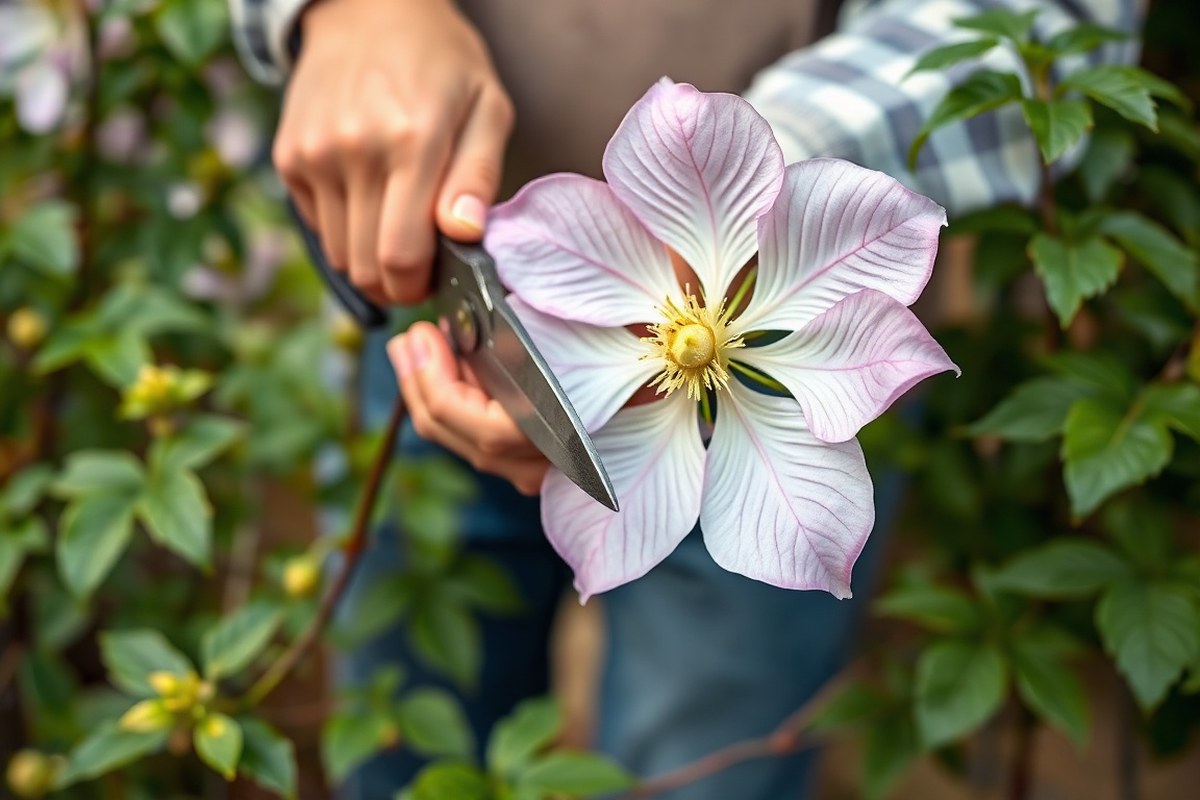
Cutting clematis stems the right way helps the plant stay healthy and bloom well. Use sharp pruning shears to make smooth cuts just above healthy buds. Cut stems back to avoid dead or weak growth and encourage strong new shoots.
Selecting the Right Tools
A pair of clean, sharp pruning shears is essential for cutting clematis. Dull blades crush stems and cause damage, which slows healing and invites disease. Sharpen your shears before each use.
Use a tool like the Felco Sharpening Tool. This keeps your cuts clean and easy.
Sterilize your tools to prevent spreading plant diseases. Use rubbing alcohol or a bleach solution for best results. Clean blades help maintain plant health and speed recovery after pruning.
Cutting at a 45-Degree Angle
Always make your cuts at a 45-degree angle. This slope helps water run off the cut surface, reducing rot risk. A clean, angled cut also encourages quicker healing and new growth development.
A flat end cut can trap moisture and invite infection. Position your shears so the cut slants away from the bud or stem. This technique works well for all clematis pruning needs.
Pruning Just Above Healthy Buds
Look carefully down the stem to find healthy buds before cutting. Healthy buds are plump, usually pink or green, and show no brown or shriveling. Cut about ¼ inch above the bud to avoid damaging it or leaving too much stem.
Pruning above healthy buds encourages new shoots to grow easily. Avoid cutting near brown or dried buds. Those buds will not sprout.
Cutting them wastes stem length and weakens the plant. Use plenty of light to spot buds clearly during pruning.
Follow these steps to prune clematis stems properly:
- Clean and sharpen your pruning shears before starting.
- Locate healthy buds by examining the stems closely.
- Position your shears about ¼ inch above the chosen bud.
- Cut the stem at a 45-degree angle, slanting away from the bud.
- Remove any dead, damaged, or weak stems completely.
- Trim other stems back to two strong buds if needed.
- Dispose of pruned material to prevent disease spread.
- Repeat pruning in late winter or after flowering, depending on your clematis type.
Why Group 3 Clematis Need Hard Pruning Every Late Winter
Why Hard Pruning Boosts Group 3 Clematis Growth
Group 3 clematis bloom on new wood. Hard pruning cuts back old stems to ground level. This prompts fresh, strong shoots to grow that will bloom later.
Cutting the plant hard stops energy loss in weak old growth. It also directs the plant’s resources to new stems.
These new stems carry the best flowers. So pruning makes blooms bigger and more abundant.
When to Perform Hard Pruning
Pick a dry, cloudy day during late winter or early spring instead. This timing helps prevent frost damage and slow weak new growth. Avoid early pruning as the plant might grow soft shoots that will freeze.
Prune before buds swell but after the coldest weather passes. This timing ensures vigorous new stem growth when spring arrives. Pruning too late may reduce blooming and plant strength.
How Much of the Clematis to Cut Back
Cut all stems down to about 6 to 12 inches above the ground. Make clean cuts just above a pair of healthy buds or stems. This signals the plant to grow new branches from low nodes.
Removing all old stems encourages the plant to focus on fresh growth. Skipping any taller stems can lead to weak flowers or sparse blooms. Use sharp bypass pruners to avoid crushing stems.
Tools and Technique for Effective Hard Pruning
Always use sharp bypass pruners designed for clean cuts. Clean cuts heal faster and reduce disease risk. Avoid using dull or anvil-style pruners that crush stems.
Wear gloves to protect from rough stems. Cut with one smooth snip, avoiding jagged edges. Dispose of cuttings to reduce pests and disease.
What Happens Without Proper Hard Pruning
Pruning too early can cause late weak growth that freezes back. Late pruning reduces bloom quantity because the plant has less time to form flowers. Leaving old stems can choke new growth and decrease flowering.
Failing to prune hard enough often results in tall, leggy growth with few flowers. Group 3 clematis need this strong trimming each winter to stay healthy and bloom well.
Light and Two-Phase Pruning for Group 2 Clematis
Group 2 clematis bloom on both old and new wood, so pruning needs balance. You trim lightly in early spring to encourage new growth. Keep the old stems for early flowers.
This helps your clematis bloom well. Wait until late winter or early March when buds just start to swell.
For light pruning, remove only weak, dead, or damaged stems near the base. Cut these stems back to healthy buds or to the ground. Leave the strong old stems intact to support the first bloom cycle.
After the first flowers fade in early summer, prune again to about 12 inches tall. Cut just above strong lateral buds on new shoots. This encourages a second wave of blooms on fresh wood during late summer and fall.
Keep pruning gentle to avoid removing too much old wood too soon. Over-pruning will reduce the spring bloom and weaken the plant’s structure. This two-phase trimming helps the clematis bloom twice and stay healthy.
Remember to use sharp, clean tools to make tidy cuts that heal fast. Watch how your plant grows each year. Some types need harder pruning when they get leggy.
Adjust cutting based on your clematis habits. For heavier pruning, only remove one-third of old stems annually to keep bloom balance.
Avoid hard pruning Group 2 clematis in early spring. It can remove the first bloom cycle. Trim gently to keep those early flowers.
Group 1 Clematis: Minimal Pruning After Flowering
Group 1 clematis don’t need much pruning. You only cut back after flowering, and that means light trimming. It helps keep the plant tidy without hurting next year’s blooms.
Prune these clematis right after they finish blooming in late spring or early summer. Wait until the flowers fade and start to wilt. Cutting now helps the plant get ready for new growth.
Don’t cut off buds for next year’s flowers. This timing protects the flower buds.
Use sharp garden scissors or pruners to snip away dead or weak stems. Cut stems back just enough to shape the plant or remove faded flowers. Avoid cutting hard, as this can reduce flowering the next year.
Focus on removing old, woody growth and thin out crowded areas for better air circulation. Don’t cut stems down to the ground. For example, cut about one-third of a stem.
This keeps the plant healthy. It helps with good blooming.
In cold climates, leave some older stems to protect new buds during winter. Cutting too much too soon can expose the plant to frost damage. Group 1 clematis bloom on last year’s wood, so preserving older stems is key.
Light pruning usually takes just 10 to 15 minutes for a mature plant. Regularly trimming keeps your clematis neat without heavy work later. Overcutting can stunt flowering and slow the plant’s overall growth.
You might see no flowers after pruning. You could have cut too much or at the wrong time.
Wait until after the blooms fade, and prune only what you need to. Staying gentle keeps your Group 1 clematis thriving year after year.
Common Pruning Mistakes and How to Fix Them
Cutting clematis back at the wrong time can lead to weak growth or no flowers. Pruning too early may damage new buds that haven’t formed yet. Pruning too late often removes flower buds, reducing the summer bloom.
Another common mistake is cutting clematis too low, near the ground. This can stress or kill the plant.
Many clematis types don’t regrow well from just a few inches above soil. Aim to leave some stem and healthy buds above ground to support new shoots.
You might also trim without knowing your clematis group. This can lead to pruning that is too hard or too light.
This causes poor flowering and weaker vines. Knowing your group helps avoid stress by matching cuts to its growth and bloom habits.
Sometimes, you could accidentally cut off healthy buds or stems. Don’t panic if this happens.
The plant usually recovers by producing new shoots later in the season. Give it proper sun, water, and nutrients to bounce back.
- Check the weather and local frost dates before pruning.
- Leave a few leaves or buds on the stem to guide new growth.
- Use clean, sharp tools to make precise cuts and reduce damage.
- Prune only the parts you know belong to your clematis group’s regimen.
- Wait until late winter or early spring for group 3 and many group 2 clematis.
- Avoid cutting stems down to the soil. Leave 12 to 18 inches if hard pruning.
- After pruning mistakes, keep the clematis well-watered and feed with balanced fertilizer.
Timing pruning by your local climate also helps. Wait until after the coldest frost to prune. So cold snaps don’t kill new shoots.
In southern states, this may be late January. Northern areas might need to wait until March or April.
Watch the buds closely in early spring. Puffy, healthy buds show where new flowers will form.
Trim above these buds to keep the plant’s energy focused on flower production. Cutting just below can remove your clematis’s chances to bloom.
Special Tips for Pruning Container and Newly Planted Clematis
Pruning container-grown clematis needs special care because their roots face more cold risk. When you prune, avoid cutting too close to the root ball. Leave 2 to 4 inches of stem above the base.
This protects young shoots and roots. It helps the plant stay healthy.
In the first spring after planting, hold back on heavy pruning. Cut only dead or damaged stems to help the plant build strong roots. Giving the clematis time to settle lets it grow fuller and flower better in later years.
For clematis in containers, add mulch or straw on soil. This covers roots from freezing cold. It keeps roots safe all winter.
Containers hold less soil, so they lose heat faster than garden beds. Wrap the pot with bubble wrap in cold weather.
Or move it to a sheltered spot. Both help stop the pot from freezing.
Young plants grow slower, so pruning should be light. Pick away faded flowers but keep the green growth. This method sends energy to roots and stems instead of flowers.
The plant avoids blooming too early this way. It grows stronger for the next season.
Prune strong clematis in pots after the flowers fade. Cutting back helps tidy the plant shape. It keeps the pot neat and healthy.
Use sharp pruning shears to make clean cuts just above a leaf node. This trimming keeps the plant healthy and encourages new shoots without stressing young roots.
Avoid harsh pruning on new or potted clematis. These plants get stressed and roots grow slowly. Flowering also drops when roots are stressed.
Step-by-Step Action Plan for Cutting Back Clematis
Follow these steps to prune your clematis properly and boost healthy growth. Each step tells you when and how to cut back for best results.
- Late Winter (February to early March): Cut all Group 3 clematis stems down. Leave about 12 inches above the ground. Look for fresh buds near the base to confirm healthy growth.
- Early Spring (before growth starts): For Group 2, prune lightly. Trim old stems by half. You’ll see new shoots appear from the remaining stems soon after.
- Right After Flowering (late spring to early summer): For Group 1 types, remove dead stems only. Also cut weak stems. The presence of fresh green growth means you pruned lightly enough.
- During Growing Season: Regularly check container-grown clematis for tangled stems. Cut back any crowded or leggy stems to keep airflow and sunlight.
- Newly Planted Clematis (first season): Wait until the first bloom fades before lightly pruning. New shoots should be strong and healthy when you trim.
- Mid to Late Summer: Remove spent flowers from all groups to encourage more blooms. Watch for fresh buds forming to know this worked well.
- Fall Clean-up: Clear away any dead or diseased cuttings and dispose of them. This prevents pests and disease over winter.
Frequently Asked Questions
Can I Prune Clematis in the Fall?
It’s best to avoid pruning clematis in fall. Pruning too soon can expose new growth to winter damage.
What Happens If I Cut Back Group 1 Clematis Too Hard?
Cutting Group 1 hard removes flower buds. You might lose blooms for that year.
Should I Prune Clematis After Blooming If I Have Group 2?
Yes, light pruning after blooming helps Group 2 plants stay healthy. Remove weak stems carefully.
How Do I Know If a Clematis Stem Is Dead Before Pruning?
Dead stems look dry and brittle, often gray or brown. Snap the stem to check.
Can I Prune Clematis More Than Once per Year?
Usually, one main pruning is enough. Light cleanup might be needed after blooming on some types.
Does Pruning Clematis Help Prevent Pests and Diseases?
Pruning improves air flow and tidies the plant. This reduces fungal problems and pests.
Key Points to Remember
Cutting back clematis at the right time helps keep them healthy and blooming well. Choose your pruning method based on the group your clematis belongs to. Start pruning this season to enjoy fuller, better flowers next year.