Is Parsley a Vegetable? A Complete Guide with Nutritional Facts and Uses
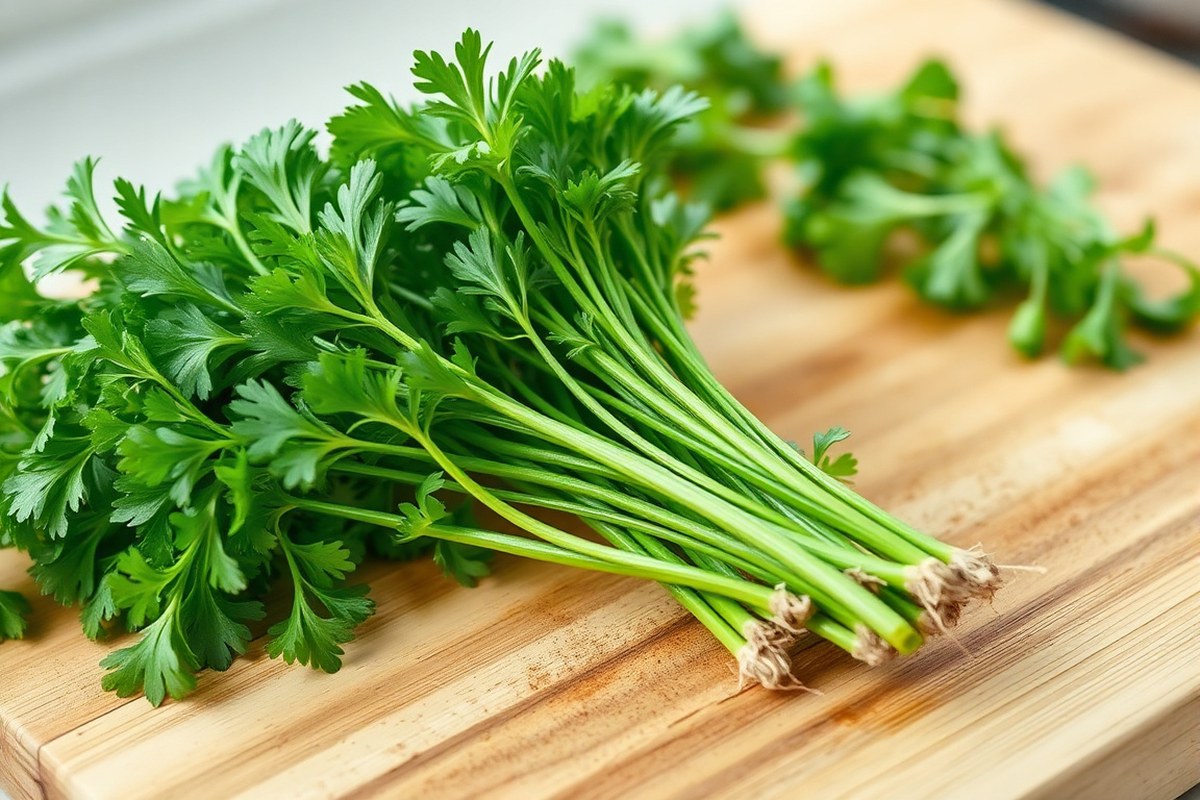
Is parsley a vegetable? The answer depends on how you look at it. Botanically, parsley is a biennial herb.
But in the kitchen, many treat it like a vegetable. You can eat its leafy parts fresh or cooked, making it useful beyond simple seasoning.
Parsley leaves and stems grow well in warm, fertile soil. They produce a sizeable bulk like leafy greens. Growing parsley right gives you more than just garnish.
It acts as a nutritious vegetable substitute. High temperatures above 30 degrees Celsius cause parsley to bolt. This lowers the quality of its leaves.
Use parsley leaves as a vegetable to boost your meals’ nutrition and flavor. They pack plenty of vitamins and minerals, helping you add green nutrients to everyday dishes. Growing parsley with care means you’ll have a fresh, healthy green ready to eat or drink.
Key Takeaways
- Parsley is botanically an herb but often used as a vegetable in cooking.
- Leaves and stems grown in fertile soil provide vegetable-like bulk and nutrition.
- Avoid planting parsley if daytime temperatures often exceed 30 °C to prevent bolting.
- Fresh parsley leaves offer high levels of vitamins C and K per serving.
- Plant seeds about 1/4 inch deep and 6 to 12 inches apart in well-drained soil.
- Parsley thrives best at soil pH between 6.0 and 7.0 with moderate temperatures.
Is Parsley Botanically and Culinarily a Vegetable?
Parsley is classified as an herb, not a vegetable, both botanically and in the kitchen. Parsley belongs to the Apiaceae family. It grows with leafy, soft stems.
These are common traits of herbs. Vegetables include edible roots, stems, or leaves.
They come from plants that don’t fit herbs. Vegetables have a different plant profile.
In cooking, herbs like parsley add flavor or garnish. They are not the main food source. Herbs improve taste more than fill plates.
Vegetables form the main part of a meal. They provide bulk and structure.
They fill you up more than herbs do. That’s why parsley, despite its leafy green appearance, is treated as an herb in recipes.
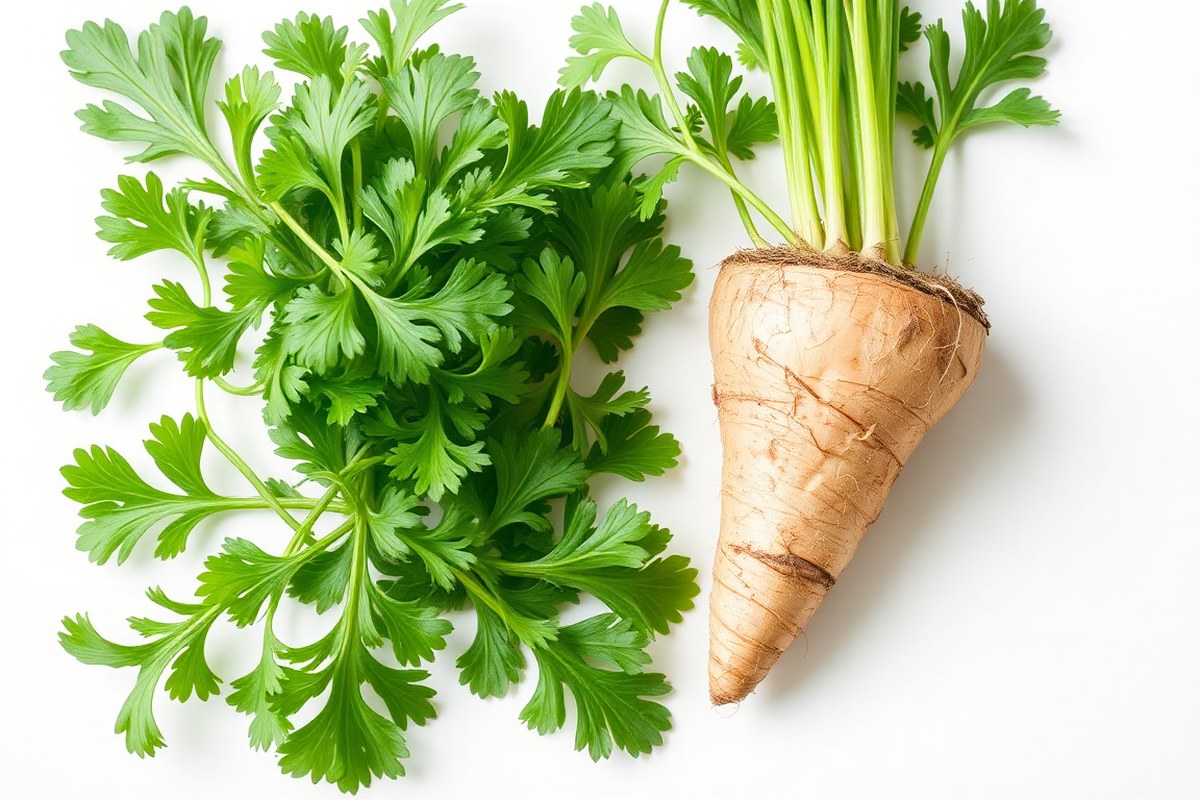
Confusion comes because parsley looks like a leafy vegetable. Plus, some varieties like Hamburg parsley produce roots eaten like vegetables, blurring lines. Check if a plant is used mainly for flavor or food.
Herbs provide taste and smell. Vegetables serve as staple food parts. Parsley checks the first box clearly.
Parsley Parts That Qualify as Vegetables
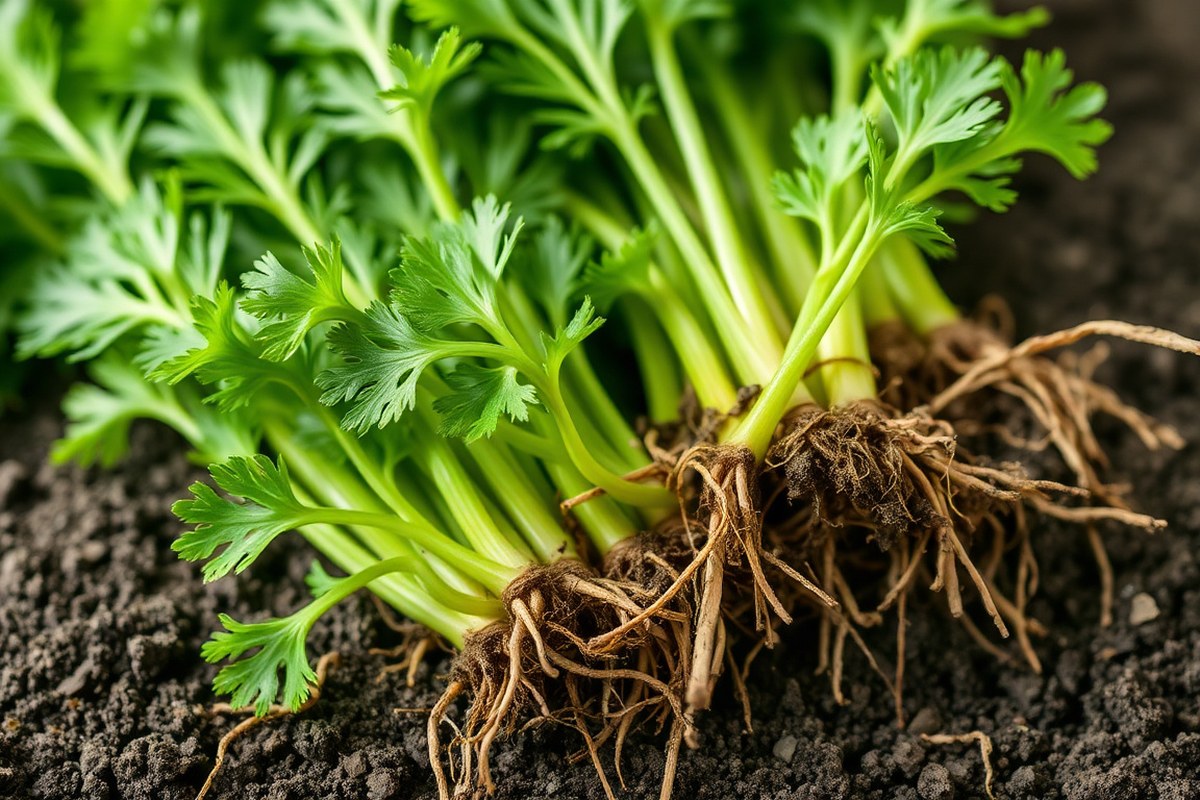
Parsley is unique because both its leaves and roots are edible and classified as vegetables. Most home cooks use the leaves.
But Hamburg parsley’s root also counts as a real vegetable. Each part has different textures and flavors, making parsley versatile in your kitchen.
Edible Leaves: Herb or Vegetable?
The leaves of parsley, especially flat-leaf (Italian) and curly varieties, are widely eaten. They offer a fresh, slightly peppery taste.
Though often used as a seasoning herb, you eat a lot of these leaves. That makes them vegetables, not just herbs.
These leaves come from the same family as carrots and celery. These vegetables have edible parts like leaves, roots, or stems. You can chop and add parsley leaves like any leafy vegetable, not just as a garnish.
Parsley Root: A True Vegetable
Parsley root comes mainly from the Hamburg or turnip-rooted variety, which has a thick, white root. This root resembles a small parsnip or carrot and grows underground like other root vegetables. Its flavor is milder and sweeter than the leaves.
Parsley leaves are common in markets, but the root is rare. The root is used in European and traditional dishes.
You can find parsley root at farmers markets or specialty grocery stores. It requires peeling and longer cooking periods, similar to carrots or parsnips.
Culinary Uses by Parsley Part
Parsley leaves go fresh in cooking or raw in salads and sauces. They’re usually added at the end for best flavor. Sprinkle chopped parsley leaves over pasta, soups, or grilled dishes.
They add fresh flavor and a bright green color. They also improve the color and nutrition of many meals.
Parsley root works well in soups, stews, roasts, and even mashed like potatoes or gratins. Cooking it softens the root and brings out its sweet, earthy taste. You can substitute it for carrots or parsnips when you want a subtle change in flavor.
| Parsley Part | Common Form | Culinary Uses | Cooking Time |
|---|---|---|---|
| Leaves (Flat & Curly) | Fresh, chopped | Salads, garnishes, sauces | Added raw or finish cooking |
| Root (Hamburg Parsley) | Whole, peeled | Soups, stews, roasts, mashes | Simmer 20-40 minutes |
| Seeds | Dried, ground | Spice mixes, traditional remedies | Used in cooking or teas |
Including both parts of parsley in your cooking adds texture and flavor variety. Leaves give bright color and fresh taste, while roots offer a hearty, sweet addition. Using both can make your meals more interesting and nutritious.
Peel parsley root like a carrot before cooking. Cook it until tender for the best taste and texture.
Nutritional Value of Parsley Compared to Common Vegetables
Parsley packs an impressive amount of vitamins and minerals, often outperforming many common leafy vegetables. It’s rich in vitamins A, C, and K. This makes it a healthy meal addition.
Adding parsley boosts your dish’s nutrition. Despite its small size, parsley delivers nutrients that are important for overall health.
Vitamins a, C, and K Content
Parsley contains a very high level of vitamin K, much more than typical leafy greens. Vitamin K supports bone strength and helps in blood clotting. It also offers plenty of vitamin C, which boosts immunity and helps maintain healthy skin.
Vitamin A is present too, supporting vision and immune function. Parsley has much more vitamins per 100 grams than some veggies.
This makes it nutrient-dense. It stands out despite usual small servings.
Minerals and Antioxidants Present
Along with its vitamins, parsley contains minerals like iron, calcium, and potassium. These minerals support various body functions such as oxygen transport and muscle health. Parsley is also rich in antioxidants such as flavonoids and carotenoids.
These antioxidants help neutralize harmful free radicals that damage cells. Eating parsley adds compounds that typical vegetables have in smaller amounts. This makes it valuable alongside other greens in your diet.
Health Benefits Derived from Nutrients
High vitamin K in parsley promotes strong, healthy bones and may reduce fracture risk. Vitamin C supports the immune system, helping your body fight off infections more efficiently. The antioxidants may provide protection against chronic diseases.
Parsley’s combination of vitamins and antioxidants also supports skin health and may slow aging signs. These multiple benefits show why parsley deserves a place with other leafy vegetables on your plate. You get a powerful mix of nutrients that feed your body well.
Here’s a look at key nutrients in 100 grams of parsley. The list also shows some common leafy greens. This helps you compare nutrition.
| Nutrient (per 100g) | Parsley | Spinach | Kale | Celery |
|---|---|---|---|---|
| Vitamin K (μg) | 1640 | 483 | 817 | 29 |
| Vitamin C (mg) | 133 | 28 | 120 | 3 |
| Vitamin A (IU) | 4211 | 469 | 13302 | 494 |
| Calcium (mg) | 138 | 99 | 150 | 40 |
| Iron (mg) | 6.2 | 2.7 | 1.5 | 0.2 |
This table shows parsley has much more vitamin K than celery and spinach. It also leads in vitamin C compared to spinach and celery. Still, kale has more vitamin A. Parsley contains more calcium and iron than some other greens.
These minerals add to its nutritional value. Parsley stands out among leafy vegetables.
How to Grow Parsley for Best Vegetable Yield
To grow parsley as a vegetable, focus on soil fertility, moisture, and spacing. These factors help the plant develop lush leaves and healthy roots. Follow proper timing and pest control to get the best edible parts.
Ideal Soil and Temperature for Parsley
Parsley grows best in rich, well-draining soil that holds moisture. Aim for soil richer than what you use for thyme or rosemary. The ideal temperature range is 50 to 70 degrees Fahrenheit, which supports steady growth.
Parsley prefers full sun but tolerates partial shade. Avoid waterlogged soil since excess moisture harms roots. Consistent moisture encourages thick stems and leafy growth favored for vegetable use.
Planting and Spacing Guidelines
Plant parsley seeds or seedlings about 6 to 12 inches apart to allow air circulation. Crowding reduces leaf size and increases disease risk. While flat-leaf parsley tends to grow stronger and larger, curly leaf varieties need more space.
Pair parsley with carrots or onions to improve soil health. This companion planting limits pests and boosts vegetable yield. The root parsley variety requires slightly deeper planting for healthy root development.
Watering and Pest Management
Keep parsley soil consistently moist by watering deeply once or twice a week. Avoid wetting the foliage, which can invite fungal diseases. Mulching helps retain moisture and suppress weeds around the base.
Watch for aphids, caterpillars, and parsley worms that eat leaves and stems. Use insecticidal soap or handpick pests early. Removing nearby weeds minimizes some pest problems and helps parsley thrive as a vegetable.
Timing for Harvesting Leaves vs Roots
Leaf parsley is ready to harvest when the plant reaches 6 to 8 inches tall. Pick outer leaves first, letting the inner leaves grow. Frequent leaf trimming encourages more tender new growth for eating.
For root parsley, wait until the first frost or grow for about 120 days. The roots thicken and store nutrients with cooler weather. Gently dig roots after leaves die back for maximum harvest size.
Harvesting leaves and roots requires different timing, reflecting their unique growth cycles. Managing water and nutrients helps balance leaf and root development for best vegetable use.
- Choose fertile, well-drained soil with a neutral pH around 6 to 7.
- Plant seeds or seedlings 6 to 12 inches apart in full sun or partial shade.
- Companion plant parsley with carrots or onions to reduce pests and enrich soil.
- Water deeply, keeping soil consistently moist but not waterlogged.
- Mulch around plants to conserve moisture and control weeds.
- Monitor and remove pests like aphids and parsley worms regularly.
- Harvest leaves when 6, 8 inches tall, picking outer stems first.
- For root harvest, grow until 120 days or after first frost, then carefully dig roots.
Common Culinary Uses of Parsley as a Vegetable and Herb
Parsley often plays two roles in cooking: a bright garnish or a key vegetable. As an herb, it tops dishes with fresh flavor and color.
Parsley shows up in salads, soups, or grain bowls. It adds bulk and nutrients to these dishes.
Two common types suit different uses. Flat-leaf (Italian) parsley works well in cooking for its strong flavor. Curly parsley is common in British cooking.
People use it as a garnish because it looks nice. It also has a softer taste.
Different cultures highlight parsley’s vegetable side more. Mediterranean recipes often mix flat-leaf parsley into sauces and salads, making it a main fresh ingredient. British dishes prefer curly parsley sprinkled atop as a final touch, rarely cooking it in.
- Chop flat-leaf parsley into tomato salads for a fresh bite.
- Add curly parsley last to mashed potatoes for color and mild taste.
- Include parsley stems in broths or stocks to impart subtle flavor.
- Mix parsley into grain bowls or tabbouleh for a vegetable boost.
- Use flat-leaf parsley in pestos or chimichurri to replace basil.
- Sift chopped parsley over grilled fish or chicken before serving.
Parsley loses flavor if overcooked, so add it near the end of cooking.
Considering parsley’s texture helps too. Curly parsley holds shape well and adds crunch. So use it raw or minimally cooked.
Flat-leaf softens quickly, making it better for light sautéing or stewing. This tells you when to pick each type for veggie dishes.
Most stores put parsley in the produce section, reflecting its fresh vegetable use. Think about parsley’s role before picking it as herb or veggie. Decide based on what your dish needs.
Parsley’s bright green leaves and stems add a mild peppery flavor. This works no matter how you use it.
How to Store Parsley to Retain Freshness and Nutrients
Parsley leaves lose freshness quickly if not stored well. Keeping them moist and cool preserves both taste and nutrients like vitamin C and vitamin K. Parsley roots last longer and need different care to stay crisp and flavorful.
Follow these steps to store fresh parsley leaves and roots properly. Leaves should stay moist but not soggy.
Roots require a cool, humid but ventilated spot. Storing parsley this way helps maintain its bright color and sharp flavor.
- Trim the stems of parsley leaves slightly before storage. This helps them absorb moisture better.
- Wrap the leaves in damp paper towels, not soaking wet, just lightly moist. This keeps leaves hydrated without rot.
- Place wrapped parsley inside a plastic bag or airtight container. Seal loosely for some air flow.
- Store the bag in the refrigerator crisper drawer, ideally at 32, 40°F (0, 4°C). Cold temps slow wilting.
- Check the paper towels every two days and dampen again if dry. Change towels if slimy or brown.
- For parsley roots, wrap them in a damp cloth and place in a perforated plastic bag. Keep refrigerated.
- Avoid washing parsley before storing. Wash it only right before use to prevent faster spoilage.
- Use fresh parsley leaves within 5, 7 days for best flavor and nutrients. Roots can last up to two weeks.
Fresh parsley leaves tend to wilt if left dry or stay too wet. This damages the leafy texture and lowers vitamin content. Roots can shrivel or mold if stored too dry or airtight, so ventilation helps.
For longer storage, parsley can be dried or frozen. Dried parsley loses some vitamin C but keeps flavor for months in airtight, dark containers. Freezing fresh leaves in small portions retains nutrients but changes texture.
Health Benefits from Eating Parsley as a Vegetable
Parsley offers notable health benefits when eaten regularly as a vegetable. It provides vitamins A, C, and K, which support various body functions. Vitamin C strengthens your immune system by helping white blood cell production and fights infections effectively.
Vitamin K in parsley is especially important for blood clotting and bone health. A small serving of parsley gives you more than the daily vitamin K. It covers over 100% of what you need each day. Just a little goes a long way.
People on blood thinners should talk to their doctor first. Eating large amounts of parsley might affect their medicine. It’s safer to check with a doctor.
Parsley also contains bioactive compounds like flavonoids and antioxidants. These may help reduce inflammation and protect cells from damage over time. Adding parsley to dishes like salads or pesto helps you get these benefits without extra calories.
Beyond its culinary uses, parsley has a history in traditional medicine. Parsley is used to help digestion and kidney health. However, more research is needed to prove these benefits.
It hasn’t been fully confirmed by science. Fresh parsley is a simple way to add nutrients daily.
Using it regularly fits well in a balanced diet. It supports overall wellness easily.
To increase your intake, chop fresh parsley into salads, soups, or grain bowls like tabbouleh. Since parsley is mild but flavorful, it blends well without overpowering other ingredients.
Keep parsley fresh in the fridge wrapped in damp paper towel. So you can enjoy its nutrients daily without quickly losing its benefits.
Safety Guidelines and Possible Side Effects of Parsley
Eating parsley in usual food amounts is safe for most people. It provides nutrients without a big calorie boost.
So add about one tablespoon chopped parsley daily. This keeps your intake beneficial without risk of side effects from overconsumption.
People scheduled for surgery should avoid parsley for at least one to two weeks beforehand. Parsley can affect blood clotting and raise bleeding risks during or after surgery.
Talk to your doctor before eating a lot of parsley. This is important for people on blood thinners or with bleeding issues.
Parsley might cause allergic reactions or digestive upset in sensitive individuals. Start with a small amount to see how your body reacts. Stop eating it if you notice symptoms like itching, swelling, or stomach pain.
Pregnant women can eat small amounts of parsley safely. Avoid high doses or supplements with parsley. It may cause the uterus to contract.
Parsley contains substances like lutein and beta carotene that support eye health. These compounds help lower the risk of age-related eye problems. Eating parsley with meals gives you health benefits naturally.
You don’t need extra pills or powders for good results. Parsley fits well in a balanced diet.
Don’t stop your blood-thinning medicine just because you eat parsley. Always talk with your doctor before making any changes. This keeps your treatment safe.
Step-by-Step Action Plan for Growing and Using Parsley as a Vegetable
Start growing parsley to enjoy its vegetable benefits at home. Follow these steps to get good results with your parsley plants.
- Before you start: Choose a sunny spot with well-drained soil for your parsley. Healthy soil means better growth and yield.
- Day 1: Plant parsley seeds 1/4 inch deep. Space them 6 to 8 inches apart. Sprouts usually appear after 2 to 3 weeks.
- Week 2: Keep soil moist by watering regularly but avoid overwatering. Check soil every day to stay slightly damp.
- Week 4: Thin seedlings if crowded to allow each plant room to grow. You want strong, healthy plants with plenty of leaves.
- Week 6: Start harvesting outer leaves by cutting stems near the base. This encourages new growth and a steady supply.
- After harvest: Put fresh parsley in a jar with water. Keep it in the fridge. This helps the leaves stay crisp. Change water every two days for freshness.
- Ongoing: Use parsley in meals as a vegetable or herb for flavor and nutrition. Watch how your plants regrow after each harvest.
Frequently Asked Questions
Why Do Some People Think Parsley Is a Vegetable?
Many see parsley’s green leaves and assume it’s a vegetable. Its leafy appearance causes confusion, but botanically, parsley is an herb, not a vegetable.
Can You Eat Parsley Roots as a Vegetable?
Yes, the root of Hamburg parsley is eaten like a vegetable. It’s common in European soups and stews and has a parsnip-like flavor.
Does Parsley Count as a Vegetable Serving in Nutrition Guides?
Parsley usually doesn’t count as a vegetable serving when used as a garnish. This might cause underestimation of its nutrient contribution in diets.
Is Parsley More Like Spinach or Basil in Classification?
Parsley is like basil, classified as an herb. Spinach is a leafy vegetable, but parsley belongs to the Apiaceae herb family.
Are Parsley Leaves or Stems Considered Vegetables?
No, both parsley leaves and stems are considered herb parts. Vegetables usually mean edible roots, stems, or leaves from other plant categories.
What Makes Parsley Different from Leafy Vegetables Like Lettuce?
Parsley is an herb with aromatic leaves, not a vegetable. Lettuce is harvested mainly for its crisp leaves and classified as a vegetable.
Before You Go
Parsley works as a vegetable or an herb. It depends on how you use it. Both uses are common in cooking.
Growing your own lets you enjoy its fresh taste and health perks. Start by planting some seeds today and see how versatile parsley can be in your kitchen.