When Should You Plant Tomatoes: A Complete Guide with Timing & Tips
When should you plant tomatoes is a big question for gardeners. The best time is after the soil warms to at least 60°F. Nighttime temperatures should stay above 50°F to keep plants safe. Early planting can stunt growth and reduce fruit quality.
Planting too early risks frost damage and slow growth. Tomatoes need warm soil and air to thrive, so wait until conditions are right.
Check soil temperature at 4 inches deep with a thermometer before planting. This helps ensure the roots develop well.
Choose a sunny spot that gets at least 6 hours of direct sunlight daily. Warm soil and full sun help tomato plants grow strong and produce lots of fruit.
Avoid shady areas or cold, damp spots in your garden. These conditions can cause diseases and poor yields.
Key Takeaways
- Plant tomatoes outdoors only after soil reaches 60°F at 4 inches deep.
- Wait until nighttime temperatures stay consistently above 50°F to avoid frost.
- Choose a planting site with at least 6 to 8 hours of direct sun daily.
- Check local last frost dates and plant tomatoes after that date passes.
- Use a soil thermometer to confirm soil temperature before planting seedlings.
- Don’t plant tomatoes too early; cold soil can stunt growth or kill plants.
When Is the Best Time to Plant Tomatoes Outdoors?
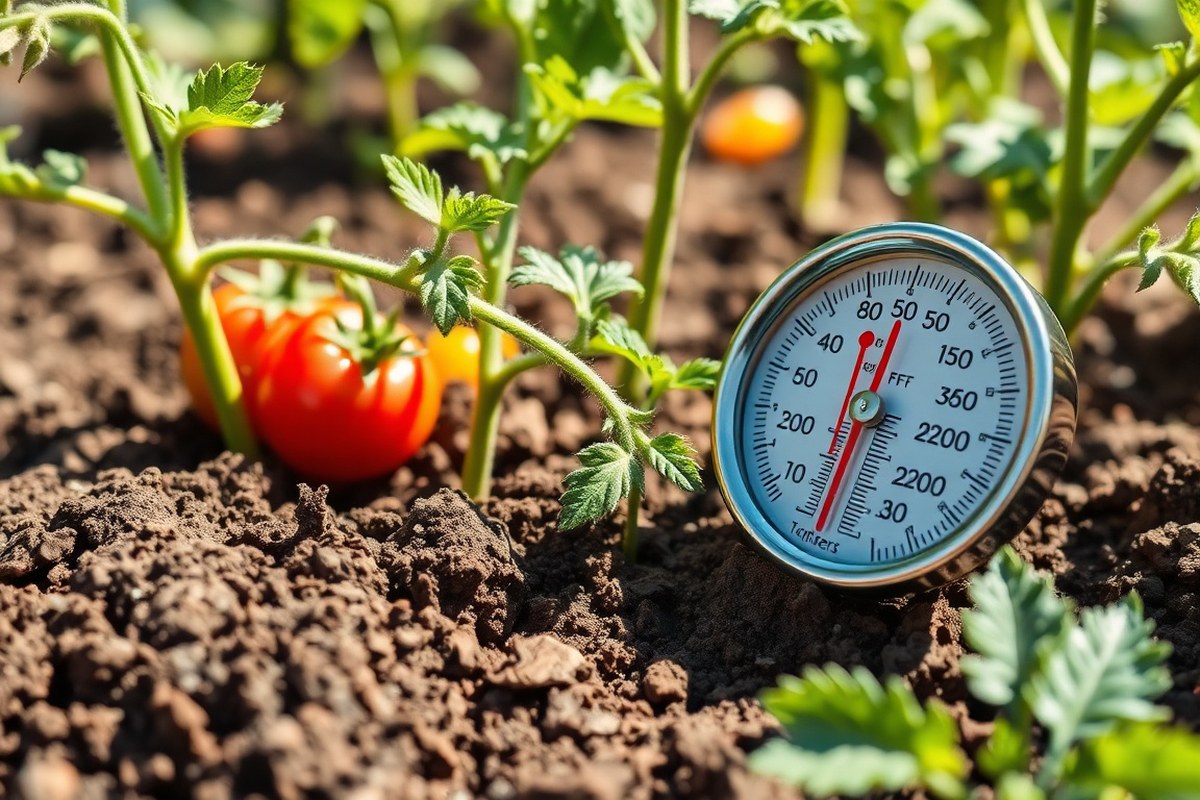
Plant tomatoes outdoors only after the soil temperature reaches at least 60°F at 4 inches deep. Ideally, soil should be between 65°F and 70°F for the best start.
Use a soil thermometer to check soil temperature yourself. Dig down 4 inches and leave the probe there for a few minutes.
Nighttime air temperatures must stay above 50°F for several nights before planting. Tomatoes can struggle or stop growing in colder temperatures.
Check your local weather for night temperatures above this mark. Watch for at least a week of steady warmth.
Avoid planting before the last frost date in your area. Frost will kill tomato plants even if it seems light.
Find your region’s last frost date from extension services or gardening calendars. Wait at least two weeks after this date, then confirm soil and night temps have warmed.
Wait if the soil is still cool after the last frost. This helps avoid tomato plants with stunted growth. In Seattle, for example, last frost can be in early April.
But soil may only warm enough by early May. Planting too early often causes weak plants that don’t produce well.
You might plant tomatoes from late spring to early summer. This depends on your local climate and following these rules. In warm zones like 10, plant tomatoes in fall or winter.
The soil stays warm, helping tomatoes grow better. Adjust your timing based on local temperature patterns, not just calendar dates.
Before planting, check soil is 60°F or warmer. Wait until night temps stay above 50°F and frost risk is gone. When these three conditions are met, tomatoes grow strong and healthy.
They have the best shot at a good harvest. Planting too soon raises the risk of frost damage and slow growth.
How to Start Tomato Seeds Indoors Before Planting
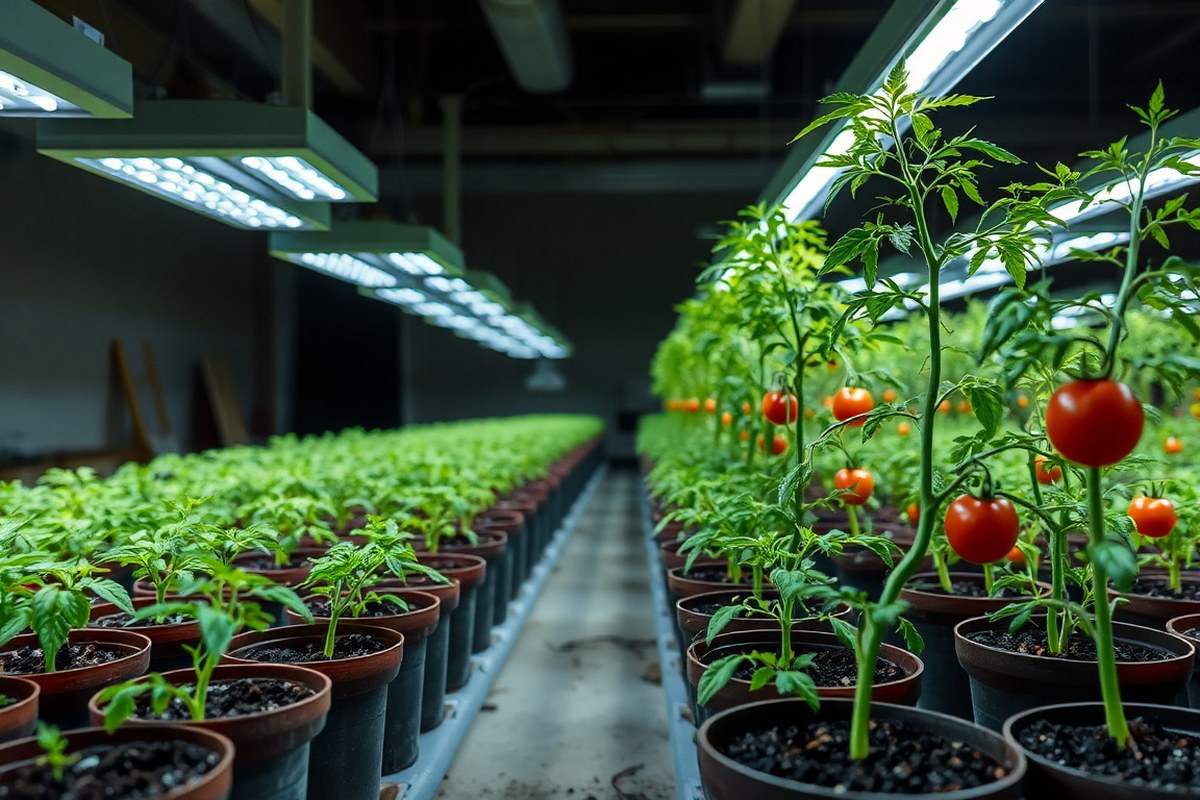
Start tomato seeds indoors about 6 to 8 weeks before your area’s last frost date. Provide steady warmth near 70°F and plenty of light daily. Transplant seedlings outdoors once they have two sets of true leaves.
Wait until the outdoor conditions are warm. This helps seedlings adjust better.
Timing Seed Starting Before Last Frost
Count back 6 to 8 weeks from your average last frost date. Use this to pick the right day to start seeds indoors. This timing gives seedlings a good head start.
If your last frost date is April 15, start seeds indoors between late February and early March. This timing depends on your exact frost date.
Adjust it if your date changes. Starting this early helps seedlings grow strong before moving outside.
Some gardeners start seeds as early as 12 weeks before transplanting. This gives plants more time to grow indoors. Use this for plants that need extra growth.
This works well if you have grow lights and room for pots. Avoid starting too early without proper lighting; tall, weak seedlings often follow.
- Find your area’s average last frost date online or from local sources.
- Mark a seed-starting date 6 to 8 weeks before that frost date.
- Gather seed-starting mix and small pots or seed trays.
- Plant seeds about 1/4 inch deep in moist soil.
- Keep the soil warm, ideally 70°F, using heat mats if needed.
- Place containers in a bright window or under grow lights for 12 to 16 hours daily.
- Water gently to keep soil moist but not soaked.
- Thin seedlings once they sprout to keep the strongest plant per pot.
Cold soil and too little light make seedlings weak and vulnerable to disease.
Creating Ideal Light and Temperature Conditions
Tomato seedlings need 12 to 16 hours of bright light daily to grow compact and strong. A south-facing window may work if it gets enough sunlight. Otherwise, set up fluorescent or LED grow lights 2 to 4 inches above seedlings.
Soil temperature around 70°F encourages fast germination and root growth. Use a seedling heat mat to keep indoor seed trays warm. This works well if your indoor air is too cool.
Warmth helps seeds sprout faster. Avoid temperatures below 60°F as they slow growth. Above 80°F may stress young plants.
Signs Seedlings Are Ready to Move Outside
Choose seedlings with at least two to three true leaves. These leaves are bigger than the first seed leaves. They show strong, healthy growth.
They should stand firm and measure 3 to 6 inches tall. This size shows they are healthy and strong enough for transplanting.
Begin hardening off seedlings 7 to 10 days before planting outside. Gradually expose them to outdoor sunlight and air each day. This prepares them for garden conditions.
Start with a couple of hours in the shade, protecting them from wind and direct sun. Without this step, seedlings can get shocked and suffer stunted growth.
Understanding Soil and Site Conditions for Planting Tomatoes
Tomatoes do best in soil above 60°F at 4 inches deep. Check the soil temperature before planting. Cooler soil can slow tomato growth.
Use a soil thermometer to check this, not just the air temperature. Soil that is too cold delays growth and can stress young plants.
Soil pH should range between 6.2 and 6.8 for best nutrient uptake by tomato roots. This slightly acidic level allows tomatoes to absorb nutrients such as calcium and magnesium effectively. Test soil pH with a kit you can use at home.
Add lime to raise the pH level. Use sulfur to make the soil more acidic.
Tomatoes need full sun to grow well and taste good. They require 6 to 8 hours of direct sunlight every day. Pick a place without shade from trees or buildings.
Drainage matters a lot. Tomatoes don’t like soggy roots.
Plant in well-draining soil or raised beds to avoid waterlogging after rain or watering. Good drainage helps keep roots healthy and prevents diseases like root rot.
Space tomato plants 18 to 24 inches apart to allow air flow and room for growth. Some varieties need up to 36 inches, especially larger or indeterminate types. Closer spacing can increase disease risk and reduce yield.
Bury seedlings deep underground, up to two-thirds of the plant. The buried stem sprouts roots, making the plant stronger. Try trench planting for tall tomato seedlings.
Lay them sideways in a shallow trench. Leave the top 4 inches of the plant above the soil.
| Factor | Ideal Range | How to Check or Achieve |
|---|---|---|
| Soil Temperature | Above 60°F (16°C) at 4 inches deep | Use a soil thermometer before planting |
| Soil pH | 6.2 to 6.8 | Test with pH kit; add lime or sulfur as needed |
| Sunlight | 6 to 8 hours direct sunlight daily | Choose a sunny spot, avoid shade |
| Drainage | Well-drained soil | Use raised beds or amend soil with compost |
| Spacing | 18 to 24 inches apart | Follow seed packet or plant label instructions |
How to Harden Off Tomato Seedlings Safely
Hardening off means slowly getting tomato seedlings used to outdoor life. It takes about 7 to 10 days. This helps seedlings survive sun, wind, and cooler night temperatures once planted out.
Gradually Increasing Outdoor Exposure
Start by placing seedlings outside for a few hours in a shaded spot. Add one extra hour outside each day and increase sunlight exposure.
During the week, let seedlings experience morning sun first. Avoid harsh afternoon sun until they toughen up. Also, bring them indoors overnight to avoid cold damage.
- Put seedlings outside in shade for 2 hours on day 1.
- Increase outdoor time by 1 to 2 hours daily.
- Introduce direct morning sun on day 3 or 4.
- Let seedlings stay out all day by day 7 or 8.
- Bring seedlings indoors at night until fully hardened.
- Keep watering seedlings as usual during the process.
- Handle seedlings gently when moving to avoid stress.
Protecting Seedlings from Harsh Weather
Wind can dry out or damage tomato seedlings. Use a light cloth or mesh to shield them if winds get strong.
Don’t let temperatures drop below 50°F at night during hardening off. Move seedlings inside if a cold snap happens. Sudden cold or sunburn can kill young plants.
Signs Seedlings Are Ready for Garden Transplant
Seedlings grow 6 to 10 inches tall and have 2 or 3 pairs of true leaves. True leaves look like mature tomato leaves, not seed leaves.
They can handle 6 to 8 hours of sun with sturdy stems. Nighttime temperatures should stay above 60°F before planting outdoors. After 7 to 10 days of hardening off, they’re ready for the garden.
When and How to Transplant Tomato Seedlings Outdoors
Wait to transplant tomato seedlings until nighttime temperatures reach about 50°F (10°C). Tomatoes need this warmth to start growing well and to prepare for fruiting at 55°F (13°C). Planting too early risks stunt growth or damage from cold soil or air.
Space your tomato seedlings based on the variety. For determinate, or bush types, plant them 18 to 24 inches apart if supported by cages.
Unsupported determinate plants need 24 to 30 inches between them to avoid crowding. Indeterminate tomatoes, which vine and spread, require even more room, about 3 to 4 feet apart.
Plant tomato seedlings deeper than they were in their pots. Bury them up to the first true leaves. This helps them grow stronger roots.
The buried stem grows roots, creating a stronger root system within two weeks. Dig a hole deep enough to cover the stem well.
Place the tomato plant inside carefully. Then gently firm soil around the plant.
Pick a calm, cloudy day or late afternoon to transplant. This reduces shock by avoiding harsh sun and heat.
After planting, water the seedlings well to settle the soil firmly around the roots. Keep an eye on moisture levels for the next few days to help the plants adjust.
Use stakes or cages right at planting time for support, especially for indeterminate varieties. This keeps plants upright and helps air circulation. Good spacing combined with support reduces disease risks and helps fruit develop evenly.
Harden tomato plants off outside for at least one week. This helps avoid transplant shock. It also promotes stronger growth in your garden.
Using Season Extenders to Plant Tomatoes Earlier or Later
Season extenders help you plant tomatoes 3 to 6 weeks before the last frost date. They also let you grow tomatoes later into fall. Tools like Wall-O-Waters, frost cloth, and cloches protect tomato plants.
They keep plants safe from cold temperatures. This helps you grow fruit for a longer time.
Types of Season Extenders and Their Benefits
Wall-O-Waters are plastic tubes filled with water. They absorb heat during the day and release it at night, keeping plants warmer. Frost cloth is a light fabric that covers your plants.
It blocks frost but lets sunlight and air through. This helps plants stay healthy in cold weather.
Cloches are clear plastic or glass covers that trap heat around young plants. Season extenders fit different needs for your tomato plants. They differ in cost and how easy they are to use.
Each type protects plants for different lengths of time. Wall-O-Waters usually cost about $15 to $20 for a set of four.
Early Planting Timelines Using Season Extenders
You can plant tomatoes up to 3 to 6 weeks earlier than usual with these tools. Say last frost is May 1. Use Wall-O-Water or a cloche to plant between mid and late March.
This helps tomatoes grow earlier safely. This early start helps you harvest tomatoes earlier and possibly have two crops in one season.
Late-season planting benefits too. Some gardeners plant a second tomato crop in July or August. They cover plants with frost cloth to fight early cold snaps.
This can boost your harvest season. Adjust your timing 2 to 3 weeks earlier or later depending on your climate zone.
| Season Extender Type | Protection Time Before Last Frost | Cost Range | Best Use |
|---|---|---|---|
| Wall-O-Waters | Up to 6 weeks earlier | $15-$20 for 4 tubes | Deep cold protection, slow heat release |
| Frost Cloth | 3 to 6 weeks earlier | $10 to $30 per 10×10 ft | Light frost, air and moisture exchange |
| Cloches | Up to 4 weeks earlier | $5 to $10 each | Easily movable, good for small plants |
Using season extenders can shift your planting date by several weeks. They work well in cooler areas where the growing season is short. In warmer zones, they mainly help with early starts and late harvests.
Safety Tips and Limitations
Don’t plant tomatoes outdoors too early just because you have season extenders. Cold nights below 50°F can still harm young plants. Use thermometers to check soil and air temperature when using any cover.
Avoid overheating plants in clear covers like cloches on sunny days. Ventilate them daily to prevent humidity build-up and plant damage. Watch for leggy seedlings if you start them indoors too early.
Stress can happen before you move plants outside. Use protection when transplanting to keep plants strong.
How Climate Zones Affect Tomato Planting Dates
You can find your USDA zone by using your zip code. Visit the USDA Plant Hardiness Zone Map website. There, just enter your zip code to see your zone.
Then check your area’s average last frost date online or from a local extension office. These steps help decide when to start planting tomatoes safely.
Plants started too early face cold soil that slows growth and stunts roots. Tomato plants grow best once nighttime temperatures stay above 50°F and soil warms over 60°F. This varies widely by zone.
| USDA Zone | Last Frost Date | Typical Tomato Planting Date | Planting Notes |
|---|---|---|---|
| 10 and warmer | Late February to March | Fall to winter season | Plant tomatoes in cooler months; avoid hot summers |
| 9 | Mid to late March | Late April | May need afternoon shade for hottest sun |
| 7-8 | Early to mid May | Mid May | Transplant after last frost; soil should be warm |
| 5-6 | Mid to late April | Late May or early June | Wait until soil warms; direct sowing uncommon |
Warmer zones like 9 and above let you plant tomatoes earlier. You can start two to four weeks before cooler zones. This helps tomatoes grow longer each season.
Soil temperature and stable warm nights are the key triggers. Cooler zones (5-6) require more patience for soil and air to warm properly.
Direct sowing tomatoes outdoors works best in zones 9 and above. Wait until soil temperature is above 65°F to plant seeds. This ensures better seed growth and survival.
In cooler zones, transplants are better because they start indoors and avoid cold soil delay. Starting indoors cuts weeks of slow outdoor growth.
Transplanting tomatoes two weeks later in warm soil is okay. They usually catch up within 10 days after planting. So, small delays don’t harm growth much.
Planting tomatoes too early means waiting for soil to warm. This wastes weeks before plants start growing well. It’s better to wait for warm soil conditions.
For hot zones (10+), growing tomatoes in fall and winter avoids harsh summer heat. Giving partial shade to tomatoes in zones 7 to 9 helps.
It protects them from damage during hottest afternoon sun. This keeps plants healthy and reduces stress.
Common Tomato Planting Mistakes and How to Avoid Them
Planting tomatoes in cold soil can stunt their growth and cause nutrient problems. The roots stop taking in water and nutrients effectively. A tomato planted in warm soil grows faster and healthier.
Planting three weeks early slows growth and weakens health. Warm soil helps tomatoes thrive better from the start.
Cold soil slows tomato roots, so wait until it reaches about 60°F (15°C). One way to avoid cold soil is to use raised beds or black plastic mulch. These warm the soil faster, helping roots start well and grow strong.
Transplant shock often happens if seedlings go straight from indoors to hot sun. The sudden change stresses leaves and can cause wilting or sunscald.
To avoid this, move seedlings outside gradually over a week. Start in shade, then add more sunlight each day for about 2 hours more.
Leaves turning pale or fruit dropping may mean heat stress. It can also mean your tomato plants lack nutrition. Check soil and weather conditions to help plants.
Tomatoes lose flowers when temperatures climb over 86°F (30°C). You can shade tomatoes during the hottest time each day. Water plants deeply to cool their roots effectively.
These steps protect tomatoes in warm weather. Adding compost or fertilizer helps if plants look weak or stunted.
Poor fruit and stunted plants happen with too little sunlight. Heavy or soggy soil also slows growth and development. Good sun and well-drained soil help tomatoes grow strong.
Tomatoes need at least six hours of full sun. They want soil that drains well to keep roots healthy.
Avoid planting too deep. Bury only stems up to the first leaves to prevent rot.
Some tomato varieties resist common diseases better than others. Choosing disease-resistant types lowers worry about leaf spots or wilt that slow growth. For example, ‘Early Cascade’ resists many common tomato diseases and is productive in shorter seasons.
Always check the soil temperature before setting tomatoes outside to avoid cold stress and poor growth.
Step-by-Step Action Plan for Planting Tomatoes
Follow these steps to plant tomatoes at the right time for your garden. This plan helps you avoid frost and poor soil conditions.
- 6-8 weeks before last frost: Start tomato seeds indoors in seed trays or pots. Check for sprouting within 7-10 days.
- 2 weeks before last frost: Start hardening off seedlings. Put them outside for a few hours daily. Increase time outside each day. Look for sturdy, healthy growth.
- After last frost date: Transplant hardened-off seedlings to your garden. Make sure soil temperature is at least 60°F for best root growth.
- Planting day: Space plants about 18-24 inches apart in a sunny, well-drained spot. Water thoroughly after planting.
- First 2 weeks after transplant: Keep soil moist but not soggy. Watch seedlings for signs of stress like wilting or yellow leaves.
- 3-4 weeks after transplant: Apply a balanced fertilizer to support growing plants. Notice more vigorous growth and flower buds forming.
- Season extenders ready: Use row covers or cloches around plants. They protect from late frost or cold nights. Remove covers once temperatures stabilize above 50°F overnight.
Frequently Asked Questions
How Long After the Last Frost Should I Wait to Plant Tomatoes?
Wait until all frost risk has passed and nighttime temps are above 50°F. This usually means planting 1-2 weeks after your last frost date for best growth.
Can I Plant Tomato Seedlings If Rain Is Forecast Soon After Transplanting?
Yes, but avoid planting in heavy rain which can stress seedlings and increase disease risk. Light rain after transplanting can help keep soil moist and reduce transplant shock.
Should I Prune Tomato Plants at Planting to Improve Growth?
No, wait until plants have rooted well before pruning. Pruning too early slows down early growth.
It also stops plants from healing well after being moved. Let the plant get stronger before pruning it.
Can I Plant Tomatoes Near Herbs or Flowers to Improve Growth?
Yes, planting tomatoes near basil or marigold helps repel pests and boost yields. Companion planting also improves garden biodiversity and reduces disease risk.
How Deep Should I Plant Tomato Seedlings Outside?
Plant seedlings deep enough to cover the stems up to the lowest leaves. Tomatoes can develop roots along buried stems, which helps establish stronger plants.
Will Planting Tomatoes Too Early Make Them Grow Slower?
Yes, planting in cold soil slows root growth and delays establishment. Wait until soil reaches at least 60°F to promote quick early growth and healthy plants.
Before You Go
Knowing exactly when to plant tomatoes will boost your harvest. Start seeds indoors at the right time and watch frost dates closely. Check your local frost schedule today to plan your next step.