What Do Perennial Mean: A Complete Guide to Perennial Plants and Care
What do perennial mean in gardening? A perennial plant lives for more than two years.
It keeps growing each season without needing to be replanted every year. This is different from annuals, which complete their life cycle in one year or less.
Perennials can be herbaceous or woody, and some even stay green year-round. They survive winter by dying back or protecting their roots underground. This lets them regrow when conditions get better in spring.
Choosing perennials means less replanting and often more reliable garden blooms. Check your local climate before planting perennials. Some might behave like annuals in colder areas.
This means they don’t survive winter there. Start by picking hardy perennials suited for your zone to get the best results.
Key Takeaways
- Perennials live more than two years, regrowing each season automatically.
- Herbaceous perennials die back in winter; woody types keep their stems.
- Check your local USDA zone to choose suitable perennial plants.
- Perennials need less yearly maintenance compared to annuals.
- Some perennials behave like annuals in colder northern regions.
- Plant perennials in well-drained soil to promote healthy root growth.
What Does Perennial Mean in Gardening?
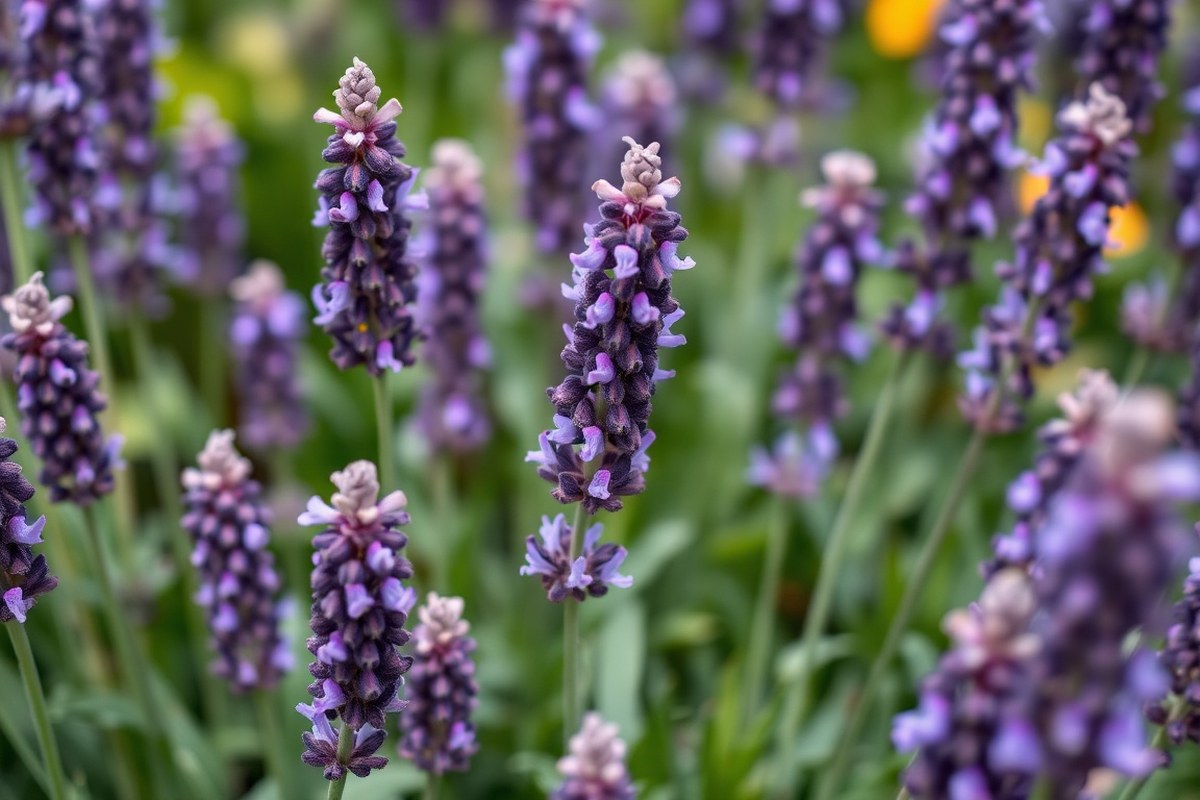
The word perennial in gardening means a plant that lives more than two years. It comes back year after year, growing from the same roots and usually blooming every season. For example, lavender is a perennial because it regrows each spring without replanting.
Perennial comes from the Latin word “perennis,” which means lasting through the years. The root words are “per-” meaning through and “annus” meaning year. This contrasts with annual plants, which live only one year or season before dying.
Perennials differ from annuals and biennials by how long they live. Annual plants complete their life cycle in one year and need planting every spring. Biennials take two years to finish their life cycle.
They usually bloom in the second year. After blooming, they die.
A perennial plant stays in your garden for many years. This saves you time and money. You don’t need to replant each year.
You can plant a perennial garden and enjoy blooms each year. Sometimes dividing mature perennials helps fill the garden without extra plant costs.
Knowing the term perennial helps you plan your garden better. You understand that these plants survive winter by dying back or keeping woody stems alive. You won’t replace perennials every year like annual flowers.
Annuals live for only one season. Perennials last longer in your garden.
How Perennial Plants Differ from Annuals and Biennials
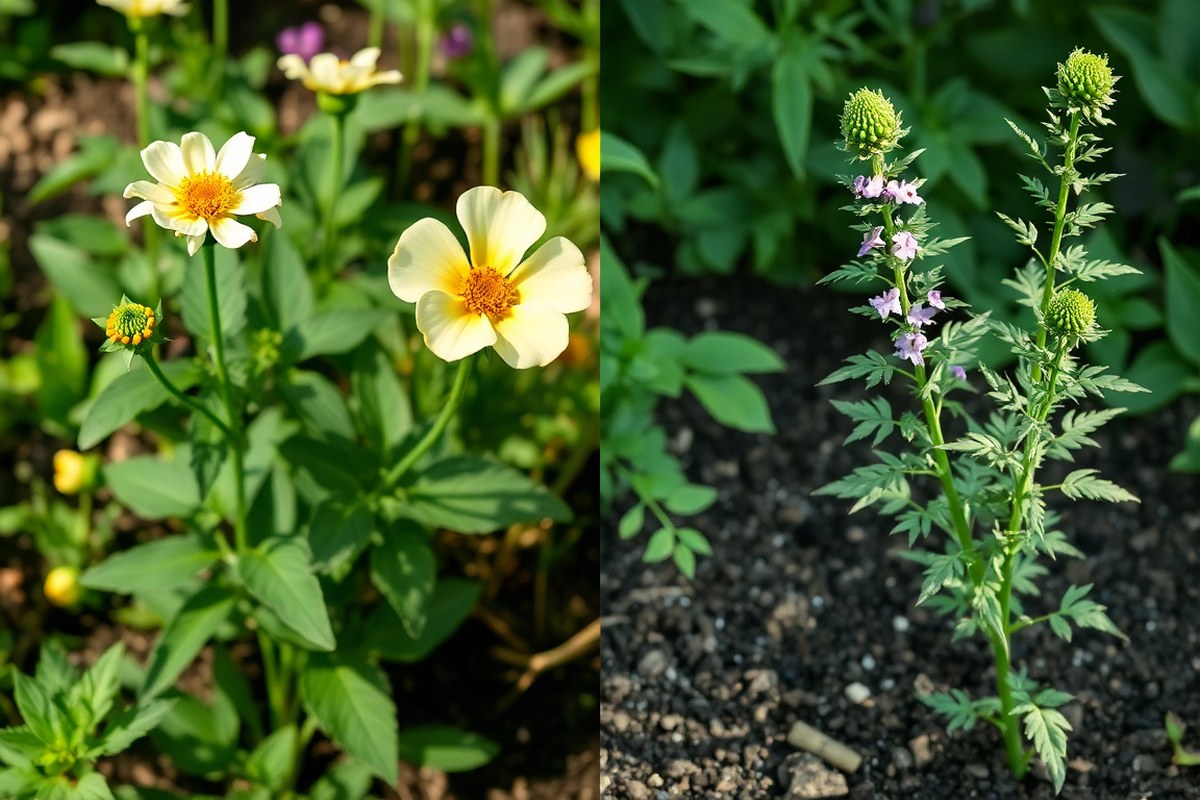
Perennial plants live for several years, unlike annuals and biennials. They grow back each year from their root system even if the aboveground part dies. Annual plants live only one season, blooming continuously before they die.
Biennials take two years to complete their lifecycle. They grow leaves the first year and bloom during the second.
Perennials need ongoing care, like pruning and fertilizing every season. Annuals are simpler since you plant new ones yearly. They bloom heavily all summer.
Biennials offer a mix; they bloom only once, then die. But some reseed themselves naturally.
Climate affects how these plants behave. So a perennial in one region might act as an annual in colder zones.
The differences between these plant types affect how you plan your garden. For example, shade-loving annual impatiens won’t last near sun-loving perennial coneflowers. Knowing bloom times helps you create a garden with staggered flowers through the growing season.
Annual plants tend to be cheaper but need yearly replacement. Perennials are an investment with recurring growth.
| Plant Type | Lifecycle Duration | Bloom Frequency | Care Requirements | Cost |
|---|---|---|---|---|
| Annual | One growing season (less than 1 year) | Blooms continuously | Plant every year, little seasonal care | Lower initial cost |
| Biennial | Two years | Blooms only in second year | May need winter protection, some reseeding | Medium |
| Perennial | More than two years | Blooms each year, less continuous | Seasonal pruning and fertilizing | Higher initial cost |
Annuals bloom nonstop, giving a lush look each summer. Perennials flower yearly but not as heavily as annuals.
Biennials flower only once, so you won’t see constant blooms from them. Perennials sometimes hybridize, creating long-lasting colors but possibly less hardiness in cold climates.
Read plant tags carefully to time your perennials’ bloom and plan your garden’s color schedule.
Some biennials self-sow, making them seem like perennials by coming back yearly. That happens because their seeds drop and sprout the next season.
True perennials survive winters by regrowing from roots. Annuals and biennials usually die off and rely on next year’s seeds.
Types of Perennials: Woody, Herbaceous, and Evergreen
Perennials are plants that live for more than two years, coming back each season. They fall into three main groups: woody, herbaceous, and evergreen. Each type has specific traits that affect how they grow and survive in your garden.
Woody Perennials: Trees and Shrubs
Woody perennials include trees, shrubs, and some vines. These plants have hard stems made of wood. They usually stop growing during winter.
Sometimes they pause growth in dry seasons. Their thick stems store energy, helping them last for many years.
They may lose leaves during colder months or keep them if they are evergreen. Common examples include apple trees, blackberries, and well-known shrubs. These perennials need space to grow deep roots and often require pruning to stay healthy.
- Trees and shrubs have woody stems with bark.
- Growth often stops during winter or drought.
- Can live for many years, sometimes decades.
- Roots dig deep, needing enough soil space.
- Prune to encourage healthy growth and shape.
- Examples: apple trees, blackberry bushes, many shrubs.
Woody perennials provide structure and height in gardens. They also serve as habitat and food for wildlife, making them valuable beyond just their looks.
Herbaceous Perennials: Non-Woody Plants
Herbaceous perennials have soft, green stems without wood. They grow leaves and flowers in spring. Summer sees more growth before fall.
In fall or winter, they die back to the ground. Their root system survives underground, coming back each year.
Popular herbaceous perennials include daylilies, phlox, and coneflowers. Their roots can be bulbs, corms, rhizomes, or tubers. These roots store energy for regrowth.
The energy helps them grow each spring. These types work well in flower beds and borders.
- Soft, flexible stems that die back after frost.
- Regrow from underground roots or storage organs.
- Common types: daylilies, poppies, Shasta daisies.
- Often bloom for multiple weeks during warm months.
- Require yearly division to prevent overcrowding.
Herbaceous perennials need less pruning but benefit from removing old growth. They can adapt well to garden zones with cold winters.
Evergreen vs Deciduous Perennials
Evergreen perennials keep their leaves all year long. They often have thick, waxy, or tough leaves to reduce water loss. Bergenia is a common evergreen perennial found in shaded gardens.
Deciduous perennials lose their leaves in fall, saving energy for winter. Most herbaceous perennials are deciduous, dying back to rootstock by the first freeze. Woody plants may be deciduous or evergreen depending on species and climate.
- Evergreens keep foliage all year and resist drought.
- Deciduous types shed leaves to protect roots in winter.
- Local climate affects which perennials can stay evergreen.
- Examples of evergreen: Bergenia, some woody shrubs.
- Deciduous examples: many flowering perennials and trees.
Knowing whether your perennials are evergreen or deciduous helps you plan for winter protection. It also guides how you prune and care for plants during off-seasons.
How Perennials Survive Winter and Regrow Each Year
How Perennials Use Dormancy to Stay Alive
Perennials survive the cold months by going dormant. Their leaves, stems, and flowers die back to the soil during winter. This lets the plant rest until warm weather returns.
Only the roots, bulbs, or underground parts stay alive. These structures store energy and protect the plant from freezing temperatures.
Role of Roots and Bulbs in Survival
The roots of hardy perennials survive freezing conditions underground. They stay insulated by soil and sometimes mulch, which helps keep soil temperatures stable.
Many perennials have bulbs, tubers, or rhizomes that act like tiny survival packs. These store nutrients and water to support the plant’s regrowth in spring.
Why Some Perennials Lose Their Top Growth
Not all parts of a perennial die back during winter. Hardy types lose their aboveground growth but maintain their root system below ground.
Tender perennials lose lots of their parts in cold weather. They may need extra protection to survive winter.
Some even require bringing indoors to stay alive. These plants won’t survive harsh winters without care.
How Perennials Regrow After Dormancy
Stored energy in roots and bulbs helps perennials sprout leaves and shoots when warm weather returns. This regrowth happens through vegetative reproduction, not just seeds.
New growth relies on healthy roots and enough stored energy. Mulching in fall and watering before frost helps maintain root strength during winter.
When and How Perennial Plants Bloom Throughout Their Life Cycle
Perennial plants bloom repeatedly each year after their first mature cycle. Their life cycle lasts more than two years, unlike annuals that finish in one season.
You can usually expect flowers each year once the plant is mature. Blooming starts after the plant is well established.
Some perennials bloom the first year you plant them, especially if bought from a garden center. Nurseries often start plants in controlled conditions to help them flower faster.
Some perennials don’t bloom until their second or third year. They need time to build strong roots and store energy.
Once perennial flowers open, they typically last four to six weeks. This period depends on the species and weather; cooler weather may extend bloom time. After blooming, many perennials focus on growing and storing nutrients to fuel next year’s flowers.
Flowering timing varies widely among perennials. Some bloom early spring, others mid-summer, and some even into fall.
Watch the plant’s natural cycle to know when flowers will appear. Provide water and light at the right stages to help.
Waiting for a perennial to bloom can feel slow. Space and care during non-blooming years make plants stronger. These plants flower better year after year with good care.
Practical Care Tips for Growing Perennial Plants Successfully
Planting perennials properly helps them settle in and grow well over years. Soil preparation and watering need to fit the plant’s needs to avoid common problems. Regular maintenance keeps perennials healthy and ensures they bloom season after season.
Follow these steps for successful perennial planting and care. These tips help you avoid overwatering and poor soil conditions. Doing this right saves time and supports strong plant roots.
- Choose the right location. Pick a spot with suitable sunlight, usually at least 6 hours daily. Check the plant label for shade needs to avoid stress.
- Prepare the soil well. Loosen soil to about 12 inches deep and mix in compost or organic matter. Fertile, well-draining soil keeps roots healthy and prevents rot.
- Plant at the right depth. Set perennials so their crowns sit just above ground. Planting too deep can cause crown rot; too shallow leaves roots exposed.
- Water carefully. Water newly planted perennials deeply but less often after they establish. Avoid daily watering late in summer; it can harm natives that go dormant.
- Mulch around plants. Add a 2, 3 inch layer of mulch to keep moisture uniform and reduce weeds. Keep mulch an inch away from crowns to prevent rot.
- Stop planting perennials one month before frost. This gives roots time to establish before winter. Planting later risks poor survival in cold weather.
- Maintain regularly. Remove dead leaves and spent flowers to encourage new growth. Divide crowded plants every 3, 5 years to refresh and expand your garden.
Healthy soil with good drainage and organic matter helps plants thrive with less fuss. Mulching saves you watering time and keeps roots cooler in summer. Avoid watering daily in late summer, especially with native types, because many go dormant then.
Dividing and Propagating Perennials to Expand Your Garden
Dividing perennials helps you grow more plants and keeps your garden healthy. You can split most herbaceous perennials every few years to refresh their growth. Propagation by division usually grows plants faster than seeds.
It works well for mature hostas and peonies. You get new plants quickly this way.
Best Time to Divide Perennial Plants
Dividing perennials is best during their dormant periods, usually early spring or late fall. This timing reduces stress and helps roots settle quickly. For spring-blooming types like irises, divide after flowering in late spring or early summer.
Some woody perennials may need division just before new growth starts in spring. Avoid dividing during hot summer months as plants struggle to recover.
Check each plant’s specific needs. But early spring is a safe general rule for most perennials.
Tools and Materials for Division
A sharp garden spade or spading fork works well for digging around the plant base. Use clean, sturdy garden shears or a knife to cut thick roots or crowns. Gloves protect your hands from dirt and thorny stems during the process.
Prepare containers or garden beds with fresh soil or compost before planting the new divisions. Watering cans or hoses will be handy for moistening the soil after planting. Some gardeners also use root hormone powder to encourage new root growth.
Propagation Methods: Division vs Seeds
Division splits existing plants into smaller groups, producing mature plants faster than seeds. Seeds can take several years to bloom and need more care early on. Many perennials, like hostas and asters, rarely come true from seed or grow slowly that way.
Dividing avoids the unpredictability of seed germination and often produces identical copies of parent plants. Seeds help with plants that are hard to divide. They also allow you to make new plant hybrids.
Seeds give you more variety options. Choose division when you want quick results and preserve your favorite plant’s traits.
Follow these steps to divide perennials safely and effectively:
- Water the plant thoroughly one day before dividing to reduce shock.
- Dig around the base about 6 to 12 inches away to loosen the root ball.
- Lift the plant gently with a garden fork or spade out of the ground.
- Shake off excess soil to see the root structure clearly.
- Cut the root ball with sharp shears or a knife. Make sections that have 3 to 5 shoots each. This helps each new plant grow well.
- Trim any damaged or dead roots to help new growth.
- Replant divisions promptly at the same soil depth as the original plant.
- Water deeply after planting to settle the soil around roots.
Common Misconceptions and Challenges with Perennials
Perennials don’t always survive winter, especially in colder zones. Some perennials die back to their roots but regrow each spring.
Others may die if temperatures drop below their hardiness level. Tropical plants can be perennials in warm climates but won’t survive typical cold winters.
Gardeners often expect every perennial to come back year after year without extra care. That’s not always true if the plant isn’t suited to the local climate.
Choosing the right perennial for your zone is key. Otherwise, your plant might fail to return because of winter cold or too much moisture.
Another mistake is overwatering or underwatering perennials. Many perish from root rot if soil stays soggy.
Others need consistent watering through dry spells. Mulching helps keep moisture steady to support good growth and survival.
- Check your USDA hardiness zone before planting.
- Divide crowded perennials every few years to boost vigor.
- Remove dead foliage in fall to prevent disease.
- Use mulch to protect roots from freeze-thaw cycles.
- Don’t overwater during dormancy periods.
- Fertilize lightly in early spring when growth starts.
- Watch for pests that weaken plants before winter.
Sometimes perennials seem gone but are still alive underground. Patience helps, as some take longer to sprout after frost.
Other perennials may fail because pests or disease weakened them. Inspect roots and stems at planting time and in fall to catch problems early.
Pick perennials rated for your climate zone to avoid winter loss.
Step-by-Step Action Plan for Growing Perennials
Follow these steps to start growing healthy perennial plants in your garden. Each step helps you check your progress and adjust care as needed.
- Before Planting: Choose perennials suited to your climate and soil. Check seed packets or plant tags for advice.
- Planting Day: Prepare the soil by loosening it and mixing in compost. Plant perennials at the right depth as instructed.
- Week 1: Water newly planted perennials gently but thoroughly. Soil should feel moist but not soggy.
- Weeks 2-4: Watch for new leaf growth. This shows your plants are settling and beginning to grow roots.
- Month 2: Apply slow-release fertilizer to support steady growth. Avoid over-fertilizing, which can harm plants.
- After First Bloom: Deadhead spent flowers to encourage more blooms. Check plants for pests or diseases regularly.
- End of Season: Cut back herbaceous perennials once leaves yellow or die back. Prepare woody perennials for winter by mulching around the base.
- Next Spring: Confirm plants emerge from dormancy. Divide crowded perennials to keep them healthy and vigorous.
Frequently Asked Questions
What Does Perennial Mean Outside of Gardening?
Perennial means something lasting a long time or recurring often. People use it to describe things that happen again and again.
Can a Perennial Plant Live Indoors?
Yes, some perennials can live indoors if they get enough light and care. Choose plants suited for your home environment.
Are All Trees Considered Perennials?
Technically, yes. Trees grow for more than two years, so they are perennial plants. This makes them different from annual plants.
Do Perennial Fruits Regrow Every Year?
Yes, perennial fruits like apples and figs regrow each year without needing replanting. They save you time in the garden.
Are Perennial Plants Expensive to Maintain?
Generally, perennials cost less over time because they don’t need yearly replanting. Their care depends on the type of plant.
How Long Can a Perennial Plant Live?
Some perennials live for many years if they get the right care. Their lifespan varies by species and conditions.
Final Thoughts
Perennial plants live for many years and regrow each season. Start by picking the right plants for your garden zone.
Watch your plants closely during the first few weeks. So you can help them thrive.