
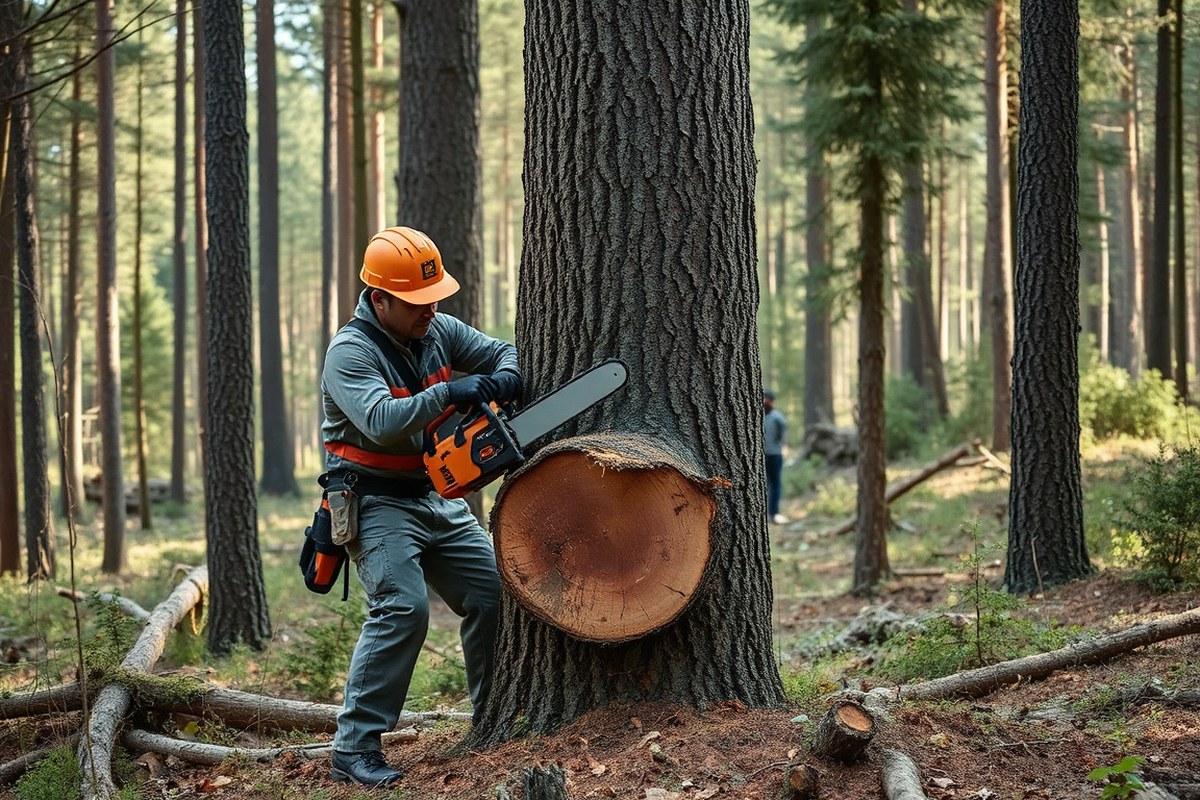
Why Do We Cut Trees Down? 8 Key Reasons and How It Impacts Us
We cut trees down to meet human needs like building homes and making paper. Clearing space for farming is also a major reason. Trees offer many resources, but cutting them changes the environment and affects local communities.
Tree cutting supports industries and jobs worldwide. Timber is essential for furniture and construction. It also supports local economies, especially in rural areas.
Clearing land for farming and urban growth drives tree removal. Growing populations need more space for crops, animals, and homes. This often means cutting many trees, especially in tropical forests.
Sometimes trees are cut for safety and forest health. Removing dead or risky trees lowers fire chances and pest problems. Controlled cutting helps forests stay healthy and diverse over time.
Key Takeaways
- Removing over 95% of disturbed trees can help control bark beetle outbreaks.
- Timber production generates essential jobs and supports local economies.
- Clearing trees for farming is common where agriculture needs more land.
- Urban development often drives tree removal to make space for buildings.
- Cutting dead trees reduces fire risk in vulnerable forest areas.
- Selective tree removal contributes to maintaining healthy forest ecosystems.
1. Why Do We Cut Trees Down in the First Place?
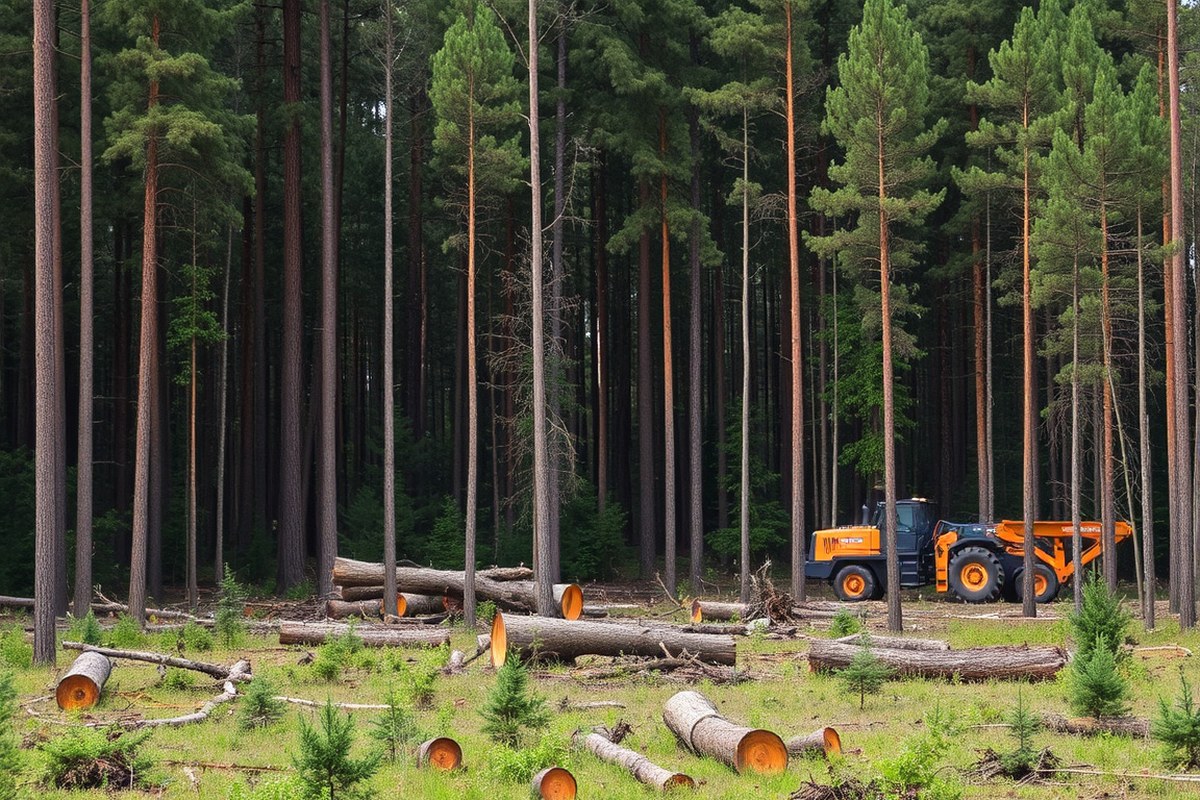
People cut down trees mainly because wood is a valuable raw material. Wood supports many industries like construction, paper, and furniture. As the world’s population grows, the demand for wood products rises, pushing more tree cutting.
Trees are also removed to control invasive species. Some trees grow too quickly and crowd out native plants. Removing these trees helps keep local ecosystems healthy.
It lets native plants, like oaks in savannas, grow better. This supports balanced natural habitats.
Safety is another key reason for cutting trees. Trees that are old, diseased, or positioned too close to homes can fall and cause damage. Removing risky trees helps protect people and property from falling limbs or whole trees.
Farmers and city planners cut trees to clear land for agriculture and new buildings. This allows them to use the space more effectively and support food production or community growth. The rate of clearing varies depending on local needs and laws.
Foresters also cut trees to keep forests healthy. Selective tree removal can reduce overcrowding and prevent diseases from spreading across forests. It also lowers wildfire risk by thinning dense areas.
2. How Timber Production Sustains Economies and Communities
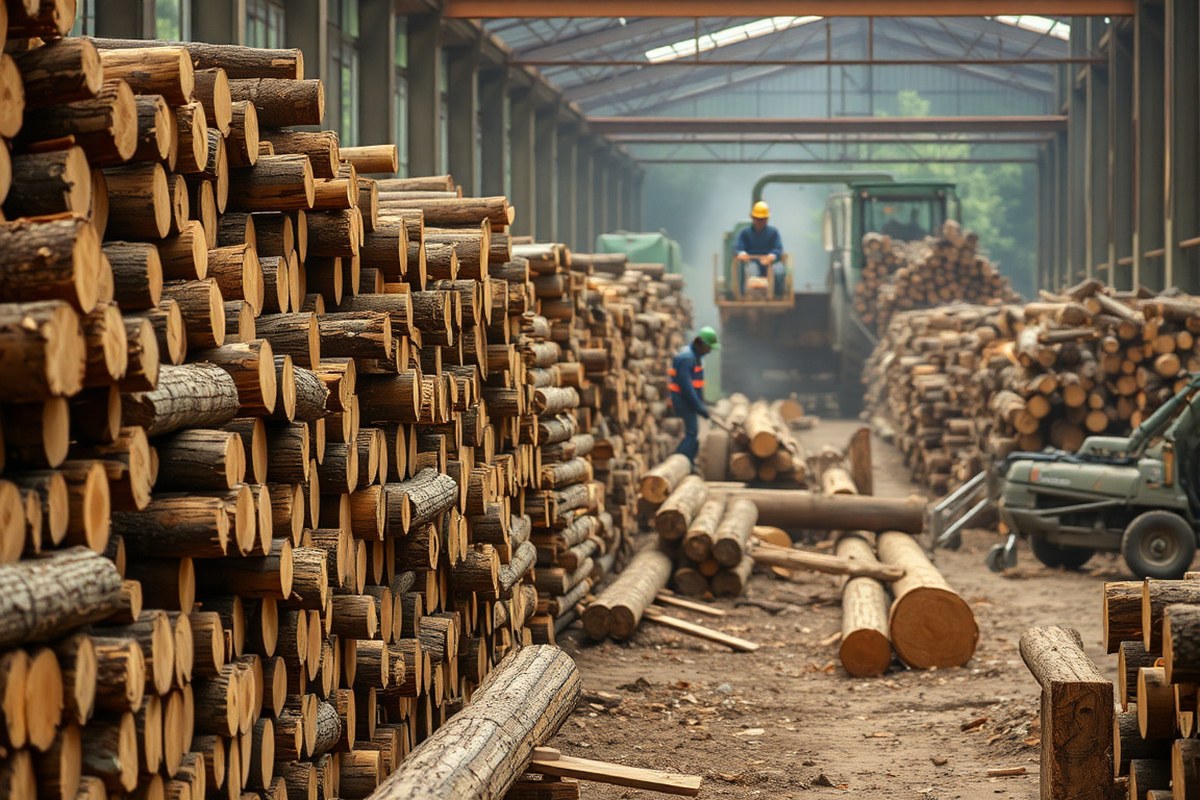
Cut trees provide wood for many everyday products, like houses, furniture, and paper. Wood pulp from trees makes books, cardboard, and disposable paper items. Paper and packaging rely heavily on trees from plantations or natural forests.
These products support industries that supply jobs to millions worldwide. Timber remains essential because it is renewable and can replace fossil fuel-intensive materials, such as plastic.
Wood fuels are another key reason for cutting trees in some parts of the world. In places like sub-Saharan Africa and South Asia, many families use wood. They rely on it for cooking meals and heating their homes.
Wood is a basic fuel source in these areas. Charcoal, made from wood, is widely used as fuel in these areas.
For example, Ghana’s Afram Plains lose nearly 400,000 trees each year just for charcoal production. This shows how important wood fuel is for energy, often more than for global markets.
Smaller trees removed during forest thinning have uses too. They become fence posts, pallets, wood chips, and fuel. Thinning helps forests grow better by reducing overcrowding.
Sometimes harvested areas are left unplanted to meet specific land management goals. Choosing certified wood with FSC® or PEFC logos helps ensure sustainability and protects forest health.
Always check for sustainable certification on wood and paper products to support responsible forestry.
3. Why Clearing Trees for Agriculture and Urban Growth Is so Widespread
Clearing trees to make land suitable for farming is a leading cause of deforestation worldwide. Farmers clear forests to grow crops or raise livestock. This happens because farmland is very needed.
Farmers cut down big forest areas. Then, they remove stumps and roots. This gets soil ready to plant.
Farms grow bigger in many places. Trees get cut down to make more food. This meets local and world needs.
Commercial agriculture especially drives tree removal, since it often requires vast, cleared tracts of land. Smallholder farmers also clear trees. But on a smaller scale, usually to provide for their families.
Urban growth demands space for housing, factories, roads, and other infrastructure. As cities spread, trees are cut to build homes and commercial areas.
New building projects cut down forest patches and green spaces. These areas once blocked the way.
Road construction plays a major role. Roads open up forests to logging and settlement, speeding up tree loss.
Building transport links can reshape landscapes quickly, making it easier for people to move in. These changes increase pressure on forested land, especially around growing towns.
Economic growth and rising populations create social pressure to convert forests to other uses. More people mean more demand for food, houses, and jobs.
Without rules, forest land often turns into farms and cities. This causes deforestation problems.
Some communities rely on clearing trees to support their livelihoods or expand local businesses. But this often comes with trade-offs between short-term gains and long-term forest health.
Land clearing without planning can cause soil erosion. It also hurts biodiversity and water cycles.
Development on forested land usually means permanent change. Trees get cut and roads or buildings appear.
The forest usually won’t grow back on its own. This permanence makes the decision to clear trees especially important for balancing growth with environmental care.
4. When Is Cutting Trees Necessary for Safety and Hazard Prevention?
Cutting trees is needed when they become safety hazards. Falling limbs or blocked power lines show danger. They also raise fire risk around your home or forest.
Removing these trees helps protect people, homes, and infrastructure from damage and danger. This often involves careful assessments and specific cutting methods to reduce risks effectively.
Identifying Hazardous Trees
Trees that lean heavily or have large dead branches are a common safety concern. You should also watch for cracks in the trunk or signs of disease or insect infestations. Trees near homes, roads, or power lines require special attention to prevent accidents.
Dead or weakened trees are more likely to fall or drop limbs during storms. Roots that have started to lift sidewalks or driveways also indicate instability. Trees that block visibility at intersections can contribute to traffic hazards as well.
Common Hazard Tree Removal Techniques
Cutting down hazardous trees often involves methods like selective pruning or complete removal. For trees near power lines, utility crews use directional pruning to keep branches clear. In fire-prone areas, removing dead wood and thinning dense patches lowers fuel for wildfires.
Salvage logging removes damaged or diseased trees to prevent insect outbreaks and support forest health. It can mean cutting over 95% of disturbed trees, which slows pests like bark beetles. Clearing fire catalysts like dry leaves and branches is a key part of fire prevention.
Steps to Ensure Safety During Tree Cutting
Following safety steps reduces risks for workers and nearby people. It also ensures tree removal doesn’t cause unexpected damage to property or environment. Use this checklist before cutting hazardous trees.
- Inspect the tree carefully for stability and health issues.
- Check the surroundings for power lines, buildings, and roads.
- Wear protective gear including helmet, gloves, and eye protection.
- Plan the cut direction to avoid damage or injury.
- Clear the area of bystanders and set up warning signs.
- Use proper tools like chainsaws or handsaws suited to the tree size.
- Cut limbs starting from the top, moving downward carefully.
- Remove debris promptly to reduce fire hazards and maintain site safety.
Following these steps helps keep everyone safe and prevents damage to nearby infrastructure. Without proper planning, falling trees can hit power lines or cause fires, increasing cleanup costs. Removing hazardous trees carefully also protects forest health and local wildlife habitat by limiting unnecessary cutting.
5. How Managing Forest Health Requires Selective Tree Removal
Sanitation felling means cutting down trees that are sick or infested. Removing these trees stops diseases and pests from spreading to healthy ones nearby. You cut the affected trees quickly and carefully to avoid spreading pests during the process.
Clean your cutting tools after you use them to lower spread risk. Avoid moving infected wood far away from the site. This limits how pests and diseases travel.
Pests and diseases can weaken a forest and make trees die off faster. When there’s an outbreak, cutting specific trees helps control pests like beetles or fungi.
This targeted removal prevents larger scale damage, keeping the forest stronger overall. For example, during bark beetle infestations, foresters cut infested pine trees fast to save the rest.
Thinning means removing some trees to reduce overcrowding. It gives room for sunlight, water, and nutrients to support the remaining trees. This helps young trees grow better and raises the whole forest’s health and resilience.
Thinning removes 10 to 30 percent of trees in one area. The exact amount depends on the tree species and age. This helps manage forest health and growth.
Thinning is effective in forests like Corsican pine. It encourages new growth and lowers wildfire risk. This method keeps the forest healthier overall.
It also helps forests recover after drought or storms by reducing competition for limited resources. Thinning costs can range from $200 to $500 per acre, depending on access and tree size.
Always follow local rules during sanitation felling and thinning to avoid spreading pests and damaging soil.
6. How Tree Cutting Can Promote Biodiversity and Habitat Restoration
Cutting trees in targeted ways can help create new habitats and boost ecosystem diversity. Removing select trees opens the forest floor and lets light reach plants that support different wildlife. This practice benefits species that rely on varied habitats or early growth stages.
Types of Habitat Created by Tree Removal
Open spaces form where some trees are removed, allowing grasses and bushes to grow. These plants offer food and shelter for many birds, insects, and small mammals. Such areas support species not found in dense forests, increasing overall biodiversity.
Clearing some trees also creates edge habitats, zones between forest and open areas. These edges often have higher species diversity because they combine elements of both environments. Animals like deer, rabbits, and certain birds thrive in these mixed zones.
Tree Species and Biodiversity Impacts
Removing non-native trees helps native plants and animals rebound. Exotic species like commercial pine plantations grow fast in South America. Cutting these invasive trees restores natural habitats and promotes native biodiversity.
Some animal species need large, connected forests to survive. Careful tree removal can reduce the size and isolation of forest patches, maintaining habitat corridors. This helps species move freely and find food, mates, or shelter.
Restoration Methods Using Tree Cutting
Selective thinning removes crowded or weak trees to let stronger ones grow healthier. It improves light and air flow, which helps undergrowth develop. This method costs vary but typically require professional help to avoid damage.
Clear-cutting small patches can mimic natural disturbances like fires. This triggers new growth and provides fresh habitats for species that depend on young forests. Small patch clear-cuts should be done carefully, with plans for replanting or natural regeneration.
| Approach | Description | Benefits | Risks |
|---|---|---|---|
| Selective Thinning | Remove weak/crowded trees | Improves light, air flow, habitat diversity | Needs expert planning to avoid harm |
| Edge Creation | Clear trees to form forest edges | Supports species needing mixed habitats | Can fragment forests if overdone |
| Invasive Tree Removal | Cut non-native species invading native areas | Restores native plant and animal life | Risk of soil erosion without careful follow-up |
| Patch Clear-Cutting | Cut small areas to mimic natural disturbance | Encourages young forest habitats | Needs replanting to avoid erosion or weeds |
Restoration plans should include follow-up planting or protection to avoid erosion and invasive plants. Results work best when local native species are supported. Quick action after cutting helps animals use new habitats right away.
7. What Regulations and Best Practices Guide Responsible Tree Cutting?
Tree cutting is controlled by laws that vary by state and country. These laws aim to stop illegal logging and protect forest areas.
Enforcement matters. Without it, rules do little to save trees or wildlife.
Sustainable forestry practices help manage forests responsibly. They balance tree cutting with regrowth. These practices keep ecosystems healthy and support long-term timber supply.
One way to check if logging is responsible is through certification schemes like FSC or PEFC. These rules set limits on how many trees to cut.
They also require protecting wildlife habitats carefully. These standards help keep forests healthy.
To follow these standards, loggers plan which trees to remove carefully. They keep a mix of young and old trees so the forest can regenerate. It’s important to leave buffer zones near rivers to prevent soil erosion and protect water.
They also work with foresters to monitor tree health and spot damage early. This approach can take several years and adds costs. But it keeps forests productive and diverse.
Illegal logging usually breaks these rules. It might happen in protected areas or involves cutting more trees than allowed. You can tell legal from illegal logging by checking for sustainable forestry labels on wood products.
Governments may also post maps showing approved cutting zones. Illegal logging means cutting trees where rules aren’t followed.
This causes serious forest loss in some areas. It also hurts local people who rely on the forest.
Following proper laws and sustainable practices matters to keep forests standing and healthy. Trees not only provide products but also clean air and homes for wildlife. Good forest care means planning before cutting trees.
Watch how trees grow and stay healthy. Only cut trees that can regrow naturally over years.
8. How Is Forest Recovery Managed After Trees Are Cut Down?
Replanting and Natural Regeneration Methods
After trees are cut down, forests can regrow naturally. Sometimes, people plant seedlings to help. Both ways can bring trees back.
Choosing the right approach depends on the site’s condition, available resources, and recovery goals. Sometimes, a mix of both works best for the local environment.
When planting trees, they are spaced close together. This helps them grow tall and straight. It also reduces their branches.
Replacing a natural forest with one type of tree is not enough. It does not bring back the full ecosystem. Many forest functions are missing.
Forest managers must decide which species to plant, considering drought resistance and biodiversity. Leaving some dead wood and seed trees helps natural regeneration by providing habitat and seed sources.
Monitoring Forest Recovery Progress
Tracking how a forest recovers involves regular checks on tree growth, species diversity, and soil health. Monitoring starts shortly after cutting the trees. It continues for years to check forest health.
This helps make sure regrowth goes well. Watching natural growth versus planted trees shows how well they grow.
Managers use this to change plans if trees struggle. This keeps the forest on track.
Watch for signs like slow tree growth, invasive plants, or soil erosion. Recovery can take decades. Pressure from nearby people can shorten forest recovery time.
Limited resources can also speed this up. That risks incomplete forest regrowth. The goal is a healthy, diverse forest.
It should support wildlife well. The forest also needs to resist future threats.
Long-Term Maintenance and Protection
After initial recovery, forest care includes protecting young trees from pests, fire, and overcrowding. Pruning old trees and clearing underbrush reduces fire risks near homes. Forest owners remove trees that stop growing well.
They also take out unhealthy trees. This lets younger trees grow better.
Long-term protection also means following local rules and using best practices to avoid harm. Managing dead wood and leftover materials is important for supporting wildlife and preventing disease. Sometimes, forests get a second planting if natural growth isn’t strong enough.
Here are steps to manage forest recovery effectively:
- Assess the site to choose between replanting or natural regeneration.
- Select tree species suitable for local climate and soil conditions.
- Prepare the soil by removing debris and controlling weeds.
- Plant seedlings at correct spacing for optimal growth.
- Leave dead wood and seed trees to support ecosystem functions.
- Monitor tree health and growth regularly for at least 10 years.
- Prune and thin young trees to reduce fire risk and improve growth.
- Manage pests, invasive plants, and erosion throughout recovery.
Don’t rush replanting in stressful conditions; poor timing can harm seedlings.
Step-by-Step Action Plan for Responsible Tree Cutting and Forest Recovery
Follow these steps to support healthy forest management and recovery after tree cutting. Each step helps maintain balance between use and nature.
- Before you start: Research local tree-cutting laws and guidelines. Knowing rules prevents harm and legal trouble.
- Day 1: Assess the area to identify which trees to cut selectively. Look for weak or invasive species first.
- Week 1: Use proper tools and techniques to cut trees carefully. Proper cuts help trees heal and prevent damage.
- After cutting: Remove debris to reduce fire risk and allow new growth. Check that the site is clear and safe.
- Week 2: Plant native seedlings where needed to restore forest cover. Healthy young trees improve biodiversity and resilience.
- Month 1: Monitor the area for pest outbreaks or disease signs. Early detection helps keep the forest healthy.
- Quarterly: Review forest health and adjust future cutting plans based on growth and recovery. Adapt your approach as the forest changes.
- Yearly: Engage with local conservation groups and update your knowledge of best forestry practices. Community support strengthens responsible management.
Frequently Asked Questions
Why Do People Cut Down Native Trees Sometimes?
People cut native trees like cedars when they overtake prairies. This helps oaks and other species to thrive and keeps ecosystems balanced.
Why Is Cutting Invasive Trees Important?
Cutting invasive trees prevents them from harming native plants and habitats. This protects local biodiversity and supports healthier ecosystems.
How Does Cutting Trees Reduce Forest Pests Like Bark Beetles?
Removing over 95% of disturbed trees can limit bark beetle outbreaks. This helps protect forest carbon stocks and overall forest health.
Can Cutting Trees Help Restore Prairies or Savannas?
Yes, cutting certain trees allows prairies or savannas to recover. This promotes native species that need open land and sunlight.
Why Are Some Trees Cut Down Outside Their Natural Area?
Trees growing beyond their usual area can disrupt native habitats. Cutting these trees helps maintain natural ecosystems and balance.
How Many Trees Are Cut Annually for Charcoal Production in Some Areas?
Nearly 400,000 trees a year are felled for charcoal in parts of Ghana. Charcoal demand drives this high rate of tree cutting.
The Bottom Line
Cutting trees is a balancing act between human needs and nature’s health. Using responsible methods helps forests recover and thrive. Start by learning your local rules.
Plan your actions carefully. Protect the forest for the future.




One Comment