What Is the Average Humidity in a House? A Complete Guide with Expert Tips
What is the average humidity in a house? Most homes keep indoor humidity between 30% and 50%. This range helps air feel comfortable without causing problems like mold or dryness.
Indoor humidity at 40% means the air holds 40% of its maximum moisture capacity. Levels above 50% can feel muggy, encouraging mold growth and dust mites. Levels below 30% often cause dry skin, itchy eyes, and irritated noses.
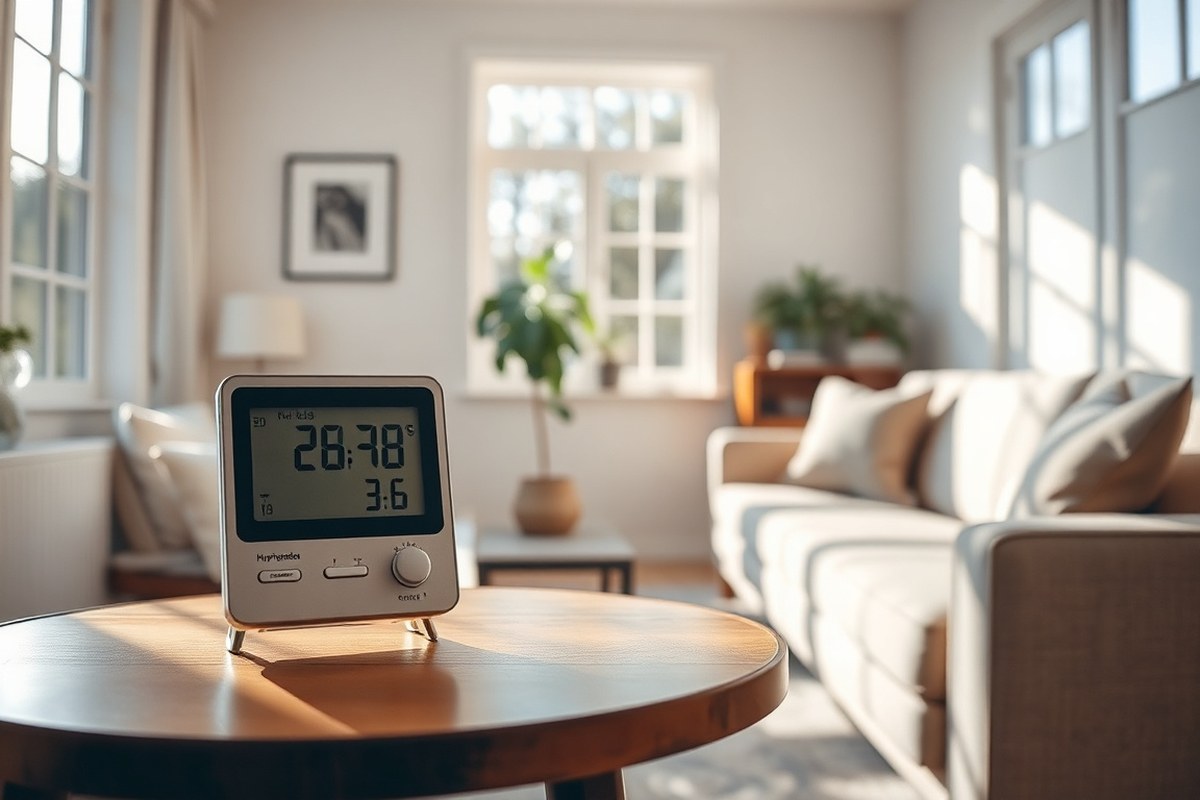
Use a reliable hygrometer to measure your home’s humidity accurately. Check for condensation on windows or walls, this shows excess moisture inside. Feeling dry or noticing static electricity may mean the air is too dry indoors.
Maintaining proper humidity helps protect wood furniture and houseplants too. Use a humidifier in winter or a dehumidifier in summer to balance levels. Regularly ventilate rooms to keep air fresh and avoid buildup of moisture.
Key Takeaways
- Keep your home humidity between 30% and 50% for comfort and health.
- Use a hygrometer to measure indoor humidity accurately.
- Humidity above 50% can lead to mold and musty smells.
- Humidity below 30% may cause dry skin and static electricity.
- Check humidity levels in different rooms, as they often vary.
- Watch for window condensation as a sign of high humidity.
What Is the Average Indoor Humidity in Most Houses?

Most homes in the US have indoor relative humidity between 30% and 50%. This range is considered normal for daily living and comfort. The Environmental Protection Agency recommends keeping humidity below 60% to control mold and moisture problems.
Studies of real homes show a wide variety in indoor humidity levels. Factors like outdoor temperature, ventilation, and heating or cooling systems cause differences. When it is colder outside, indoor humidity should stay below 35%.
At freezing temperatures, it should be even lower, around 30%. This helps keep your home comfortable and safe.
This range is broad because every house is different. Location, construction, and occupant habits affect indoor moisture.
Plus, humidity changes throughout the day. You might see 40% in the living room but 50% in a bathroom after a shower.
Devices like smart thermostats often show real-time humidity. These tools track humidity levels in your home. They also send alerts if the levels get too high or too low.
This helps you maintain good indoor air quality. Combining these readings with what you feel helps manage your home’s comfort and air quality.
Indoor plants also reflect humidity differences. Tropical plants prefer levels near 60%, while succulents do fine closer to 30%. This variety shows why a single average humidity number won’t fit all homes or every room.
Why Does Indoor Humidity Differ Room to Room?
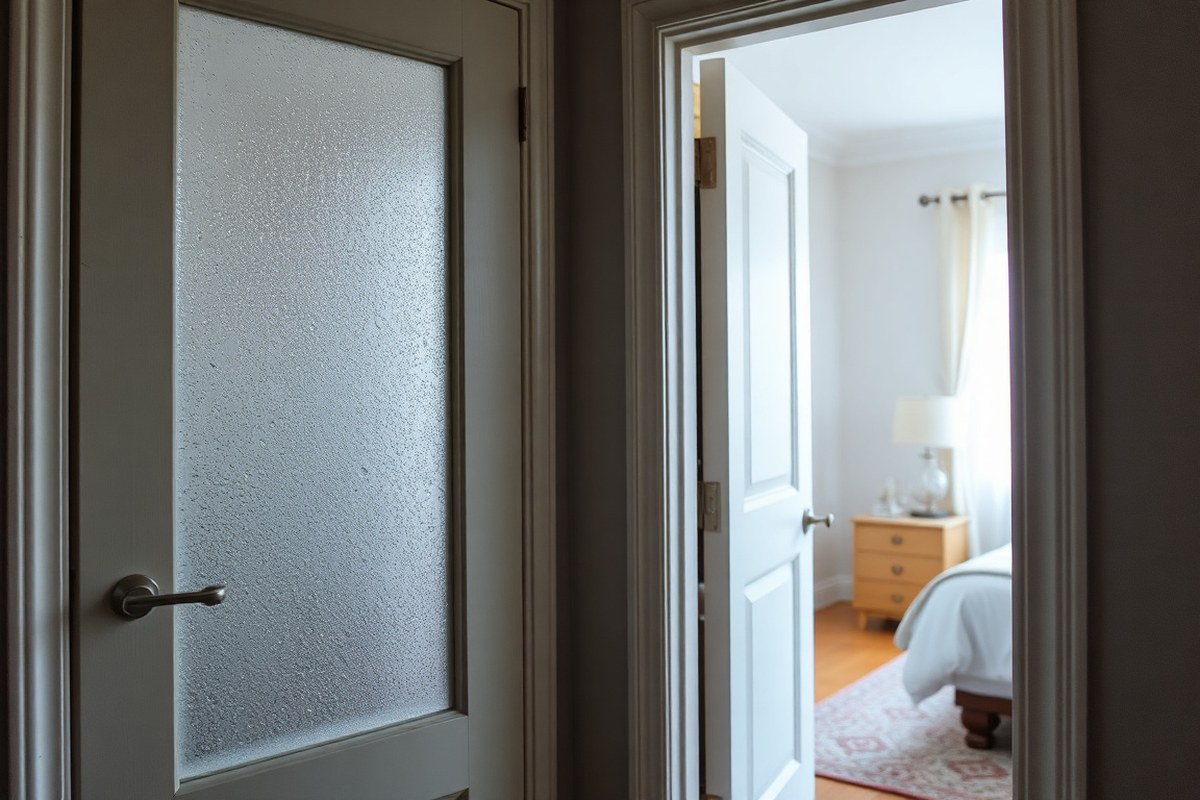
Bathrooms often have higher humidity because showers release lots of warm steam. This moisture quickly raises the room’s humidity level. As a result, readings there can jump to 60% or higher shortly after you shower.
Kitchens and basements are also different. Kitchens add moisture from cooking, boiling water, and dishwashers. Basements tend to be cooler, darker, and poorly ventilated, which traps humidity and can cause dampness.
Living rooms often stay closer to the home’s average humidity. They get better airflow inside. They also get less direct moisture.
Knowing these differences helps you check humidity where it matters most. Put a digital hygrometer in the bathroom 30 minutes after a shower. This shows how high the humidity spikes.
It helps track moisture changes. In kitchens, check near the stove or sink. In basements, put a device at floor level since cold, damp air sinks there.
Living rooms should have a meter in the main seating area. This approach captures variations so you avoid missing problem spots.
- Use a digital hygrometer with 1, 2% accuracy for precise readings.
- Check bathroom humidity right after showers and again after airing out.
- Measure kitchen humidity during and after cooking to spot spikes.
- Place a hygrometer low in the basement for true moisture levels.
- Keep meters in living rooms and bedrooms for daily comfort checks.
- Record readings multiple times a day to catch changes.
Higher humidity in one room can affect your whole home’s comfort. For example, persistent basement dampness might cause mold, even if living room levels look fine. Balanced ventilation can help spread moisture more evenly.
Use exhaust fans in kitchens and bathrooms to clear extra humidity fast. Running a whole-house fan sometimes helps mix the air inside.
It doesn’t bring in much outside moisture. This balances indoor humidity levels.
Make sure bathroom fans vent outside, not just into attic spaces where moisture can cause damage.
Regularly measuring and managing room-to-room humidity prevents hidden issues. It keeps you comfortable and protects your home from mold or dryness. Paying attention to the spots that tend to hold more moisture saves time and costly repairs.
How Outdoor Climate and Season Affect Indoor Humidity
Outdoor temperatures largely dictate indoor humidity limits each season. Cold air holds less moisture.
So homes in winter must stay drier to avoid condensation. Warm air holds more moisture, permitting higher indoor humidity during summer without risks.
Regions with different climates need tailored humidity targets. Dry or arid zones require lower indoor humidity, especially in winter. Hot, humid climates demand higher humidity control year-round to prevent mold and dust mite problems.
| Climate Zone / Region | Typical Winter Indoor RH | Typical Summer Indoor RH | Primary Risk |
|---|---|---|---|
| Dry / Arid (AZ, NV, NM) | 15, 25% RH | 30, 45% RH | Low humidity, respiratory irritation, wood cracking |
| Cold / Continental (MN, WI, ND) | 20, 35% RH | 45, 60% RH | Very low in winter, condensation risk on windows |
| Mixed / Temperate (PA, OH, OR) | 30, 45% RH | 50, 65% RH | Seasonal swings, summer mold risk |
| Hot / Humid (FL, TX Gulf, LA) | 50, 65% RH | 65, 80% RH | Chronic high humidity, dust mites, mold |
Here’s a simple rule to pick your indoor humidity target:
- Find your climate zone in the table above.
- Match your current season to winter or summer ranges.
- Set your humidifier, dehumidifier, or ventilation system accordingly.
During winter, stay near the low end to prevent wet windows and mold. In summer, raising humidity targets controls dryness without inviting mildew. Always watch for window condensation or musty smells as signs to adjust.
Seasonal humidity shifts also depend on your home’s build and ventilation. Well-insulated homes can hold moisture better, so you may run higher humidity safely. Older or drafty homes may need drier air in winter to avoid damage.
You can measure your humidity with a simple digital hygrometer costing under $20. Adjust settings gradually, checking weekly during seasonal shifts. A well-maintained balance protects surfaces and keeps your home comfortable year-round.
What Is the Ideal Humidity Range for Comfort and Health?
The best indoor humidity level to aim for is between 30% and 50%. Staying near 40% to 45% gives extra benefits for sensitive groups like babies and pets. This range helps keep your sinuses comfortable and reduces irritation in the lungs.
Dry air below 30% humidity pulls moisture from your skin and lungs. This causes itchy throats and dry skin. It can also make your sleep worse and raise colds risk, especially in kids.
Humidity that climbs over 50% invites problems too, such as mold and dust mites. It also makes your home feel stuffy and may disrupt sleep.
Too much moisture damages wooden floors, furniture, and cabinets. It makes them warp or crack faster than usual.
Keeping relative humidity within this ideal range protects your home’s structure and furnishings. It prevents costly replacements from water damage or dryness. This balance also stops static electricity from building up, which can harm electronics.
To maintain this range, use a reliable hygrometer to measure humidity in several rooms. Adjust with a humidifier if air feels too dry, or a dehumidifier if it’s too damp. Both units typically cost between $30 to $200, depending on model and features.
Monitor your home’s humidity regularly, especially during extreme weather or seasonal changes. Running your HVAC system properly can help regulate moisture. Avoid over-humidifying for plants alone, as this might push room humidity above the safe limit.
Signs Your Home’s Humidity Is Too High or Too Low
Too much or too little humidity inside your home shows clear signs. You notice physical changes, and you might feel discomfort or health symptoms. Watching for these signs helps you act before problems grow.
Symptoms of Low Indoor Humidity
Dry air often causes itchy skin, chapped lips, and dry noses. You may get nosebleeds or a sore throat more often in winter months.
Wood furniture or floors might crack or shrink when humidity falls too low. Static electricity shocks become common in dry rooms, which is annoying and signals low moisture.
- Itchy, dry skin or chapped lips
- Dry or scratchy throat and nosebleeds
- Cracked wooden furniture or floors
- Increased static electricity shocks
- More frequent colds or flu symptoms
Indicators of High Humidity Problems
High moisture makes the air feel sticky and warm, even if the temperature is cool. Condensation on windows or damp, musty smells in rooms signal excess humidity.
You might spot mold or mildew on walls, ceilings, or around window frames. Dust mites grow fast when humidity stays above 60%, often worsening allergies and asthma symptoms.
- Sticky or clammy feeling in the air
- Damp spots or water condensation on windows
- Musty or moldy odors inside the house
- Mold or mildew growth on surfaces
- Increased allergy or asthma flare-ups
Health and Home Damage Warnings
Too much or too little humidity makes breathing harder, especially for asthma sufferers. Mold spores and dust mites thrive in moist air, worsening allergies.
Low humidity dries your mucous membranes, increasing your chance of catching colds and flu. Wood can warp or crack with wrong humidity, damaging floors and furniture.
Use a hygrometer to track moisture levels room by room. Adjust with a humidifier or dehumidifier as needed.
How to Accurately Measure Indoor Humidity Levels
Use a reliable hygrometer to measure indoor humidity for accurate results. Pick a device that fits your budget and offers clear, consistent readings. Place sensors carefully to get true room-by-room data.
Choosing the Right Hygrometer for Your Home
Digital hygrometers give quick, easy-to-read results. They usually cost between $10 and $40. Some models connect to your phone and track humidity trends over time.
Smart hygrometers logging data for 24 to 72 hours help spot humidity spikes and drops. These show patterns a single reading misses, like post-shower humidity peaks or overnight changes.
Analog hygrometers are cheaper but less accurate. Avoid cheap dial models that can drift without calibration. Look for devices with good reviews or calibration options.
Best Locations to Measure Indoor Humidity
Place sensors about 3 to 6 feet off the floor. Avoid spots near windows, vents, or direct sunlight to prevent false readings. Bathrooms, kitchens, and bedrooms need separate sensors for room-by-room data.
- In living areas away from doors and windows
- Near sleeping areas to monitor nighttime humidity
- Kitchen and bathroom for humidity spikes
- Away from heating and cooling vents
- On interior walls, not exterior ones
- Clear of furniture or curtains that block airflow
Keep sensors steady during measurement periods. Moving them frequently or placing near humidifiers or dehumidifiers distorts data.
Interpreting Readings over Time
Spot checks give a quick idea but miss daily humidity swings. Use a smart hygrometer to monitor humidity for days, especially in damp or dry seasons. This helps decide if you need a humidifier or dehumidifier.
Look for humidity staying mostly between 30% and 50% to avoid mold or dryness. Nighttime levels should stay below 60% to prevent mold growth and discomfort. When humidity spikes after showers, boost ventilation rather than quick fixes.
Record readings a few times a day for a week to understand your home’s patterns. This helps set your humidifier or ventilation right.
It keeps humidity steady. It also avoids health or comfort problems.
Effective Methods to Maintain Ideal Home Humidity
Keeping your home’s humidity in the ideal range takes the right tools. Use them at the right time. That helps maintain good air quality.
Humidifiers add moisture if air feels dry, while dehumidifiers remove excess dampness. Proper ventilation and your HVAC system also play key parts in steady humidity control.
Humidifiers: When and How to Use Them
Use a humidifier when indoor humidity falls below 30%, especially in winter. Dry air can cause dry skin, irritated sinuses, and static electricity. Small electric humidifiers cost $30 to $100 and can easily handle a single room.
Whole-home humidifiers attach to your HVAC system and provide consistent moisture throughout. They must be set correctly, usually to about 40% to 50% relative humidity, to avoid over-humidifying. Overuse can create condensation, which leads to mold growth and damage.
Dehumidifiers and Their Role in Moisture Control
Dehumidifiers become necessary when humidity rises above 60%. They reduce dampness that causes musty smells, mold, and dust mites. Portable units cost between $200 and $400, good for single rooms or basements.
Whole-home dehumidifiers integrate with your HVAC system for balanced moisture control throughout the house. They work best when combined with air conditioning and proper insulation. Running a dehumidifier during humid months helps avoid problems with condensation and sticky air.
Ventilation and HVAC Strategies for Consistent Humidity
Ventilation fans remove moist air from kitchens and bathrooms where humidity spikes most. Fans with humidity sensors turn on as needed to prevent moisture buildup. Installing these is a smart step, and units like Panasonic’s WhisperChoice® cost roughly $100.
Your HVAC system removes moisture naturally when cooling air. Make sure it is properly maintained and sized for your home size. Investing in whole-home humidity control devices tied to your HVAC system helps keep levels steady year-round.
- Use exhaust fans during and after showers or cooking
- Run your air conditioner regularly in summer to dehumidify
- Install whole-home humidifiers or dehumidifiers linked to HVAC
- Seal and insulate your home to minimize outside moisture intrusion
- Schedule routine HVAC service for optimal performance
- Use a portable humidifier or dehumidifier when needed for specific rooms
- Choose products with automatic sensors to reduce guesswork
Combining these approaches helps you avoid humidity swings and protect your home’s air quality. Proper management costs vary but offer peace of mind and greater comfort in living spaces.
Daily Maintenance Tips to Keep Home Humidity Balanced
Keeping your home’s humidity balanced takes daily attention. In warmer months, keep humidity between 40 and 50 percent. This stops mold and dust mites from growing.
When it’s cold, lower humidity to about 30 to 40 percent. This prevents window sweat and damage to wood and paint.
Simple daily habits can keep humidity in check. For example, open windows for a few minutes when weather permits. Use bathroom fans when showering and kitchen vents while cooking to cut down moisture buildup.
Use a dehumidifier in damp areas. Use a humidifier in dry winter air. These keep humidity levels steady.
- Ventilate rooms by opening windows or using exhaust fans regularly
- Use a dehumidifier to keep RH below 60% during humid months
- Run a humidifier in winter to maintain RH around 30-40%
- Check windows and doors for leaks that allow moisture in
- Fix plumbing or roof leaks immediately to prevent moisture rise
- Keep indoor plants that absorb moisture, like Boston ferns or peace lilies
- Dry wet clothes outside or in a well-ventilated area
In cold months, turn down humidifiers to avoid condensation on windows. In summer, increase ventilation and use dehumidifiers as needed to stop RH over 60 percent. Use a hygrometer to track your indoor humidity daily or weekly, adjusting your care accordingly.
Don’t ignore high humidity if mold or musty smells persist. Call a pro to find hidden leaks or ventilation problems.
Persistent humidity issues may require a professional inspection. Experts can find hidden leaks, poor insulation, or ventilation problems. These issues won’t fix with daily habits.
They also suggest upgrades like whole-house ventilation systems. These help keep your home comfortable all year.
Taking these steady steps avoids common problems like mold, wood warping, and stuffy air. Keeping humidity in range protects your home and health. Small, steady efforts make a big difference.
Step-by-Step Action Plan
Follow this plan to check and balance your home’s humidity for better comfort and health.
- Day 1: Buy a reliable hygrometer to measure your indoor humidity accurately. Check readings in different rooms.
- Day 2: Note any rooms above 60% or below 30% humidity. These need adjustment.
- Week 1: Use a dehumidifier or humidifier in problem areas. Monitor daily changes on your hygrometer.
- After 2 weeks: Check for signs of mold, dry skin, or condensation as humidity adjusts.
- Week 3: Test ventilation improvements like exhaust fans or opening windows to reduce moisture buildup.
- Week 4: Adjust your humidifier or dehumidifier settings to keep humidity steady between 30% and 50%.
- Monthly: Clean your humidifiers and dehumidifiers to prevent mold and bacteria growth.
Frequently Asked Questions
What Is the Average Indoor Humidity in a Typical Home?
The average indoor humidity usually sits between 30% and 50%. This range is considered normal and best for health and comfort.
Can Indoor Humidity Vary in Different Rooms of the Same House?
Yes, humidity can differ by room due to factors like ventilation and activities. Bathrooms and kitchens often have higher moisture levels than bedrooms.
How Does Outdoor Weather Affect Indoor Humidity Levels?
Outdoor humidity and temperature changes influence indoor moisture. Cold winters often lower indoor humidity unless humidifiers are used.
What Is the Healthiest Humidity Range Inside a Home?
Experts recommend keeping indoor humidity between 30% and 50%. This range reduces risks of mold and dry air issues.
What Signs Show That My Home’s Humidity Is Too High or Too Low?
High humidity causes musty smells and condensation. Low humidity leads to dry skin and static. These signs mean you need to adjust levels.
How Can I Measure the Humidity Inside My House Accurately?
Use a digital hygrometer placed away from windows and vents. Check it regularly to track changes and make adjustments.
Wrapping Up
The average indoor humidity usually stays between 30% and 50%, which keeps most homes comfortable. You can control your home’s moisture by measuring it and using tools like humidifiers carefully.
Start by checking your humidity with a meter today. Take simple steps to improve it if needed.