

How Long Does It Take for Tomato Seeds to Germinate? Complete Guide with Timing & Tips
Tomato seeds usually sprout within 5 to 10 days after planting. The speed depends mostly on soil warmth and moisture levels.
Keeping soil warm, around 70 to 80°F, speeds up sprouting. Cooler soil makes seeds take longer or may stop them from sprouting at all. Keeping soil evenly moist without soaking is also key.
Providing good air circulation near the seedlings helps prevent mold and damping-off diseases. Using a light seed-starting mix rather than garden soil can improve drainage and warmth.
Watching your soil temperature and moisture will help you know when to expect sprouts. Seeds often need about a week.
But sometimes it can take a bit longer before you see growth. Patience and good conditions give the best chance for quick germination.
Key Takeaways
- Under good conditions, tomato seeds start growing roots in 5 to 10 days.
- To help seeds sprout fast, maintain soil temperature from 70°F to 80°F.
- Maintaining even soil moisture helps prevent seeds from drying out.
- Colder soil below 70°F can delay germination or cause failure.
- Fresh seeds usually sprout sooner than older seeds.
- Don’t overwater; soggy soil can prevent seeds from sprouting.
How Long Do Tomato Seeds Usually Take to Germinate?

Tomato seeds usually take between 5 and 10 days to germinate. This happens when the soil stays warm, around 70 to 80°F, and moist but not soggy. At 80°F, seeds can sprout faster, sometimes in as few as 3 to 5 days.
When temperatures drop below 70°F, germination slows down. At 65°F, expect seeds to take 10 to 14 days, with less uniform sprouting. If it gets near 60°F, germination might stretch to 14 to 21 days, and some seeds could rot before sprouting.
It’s normal for some seeds to sprout earlier or later within the typical time range. Older seed lots, cooler soil, or less-than-ideal moisture can cause seeds to take longer. Patience is key, as some variation is common even with fresh seeds in good conditions.
What Temperature Is Best for Tomato Seed Germination?
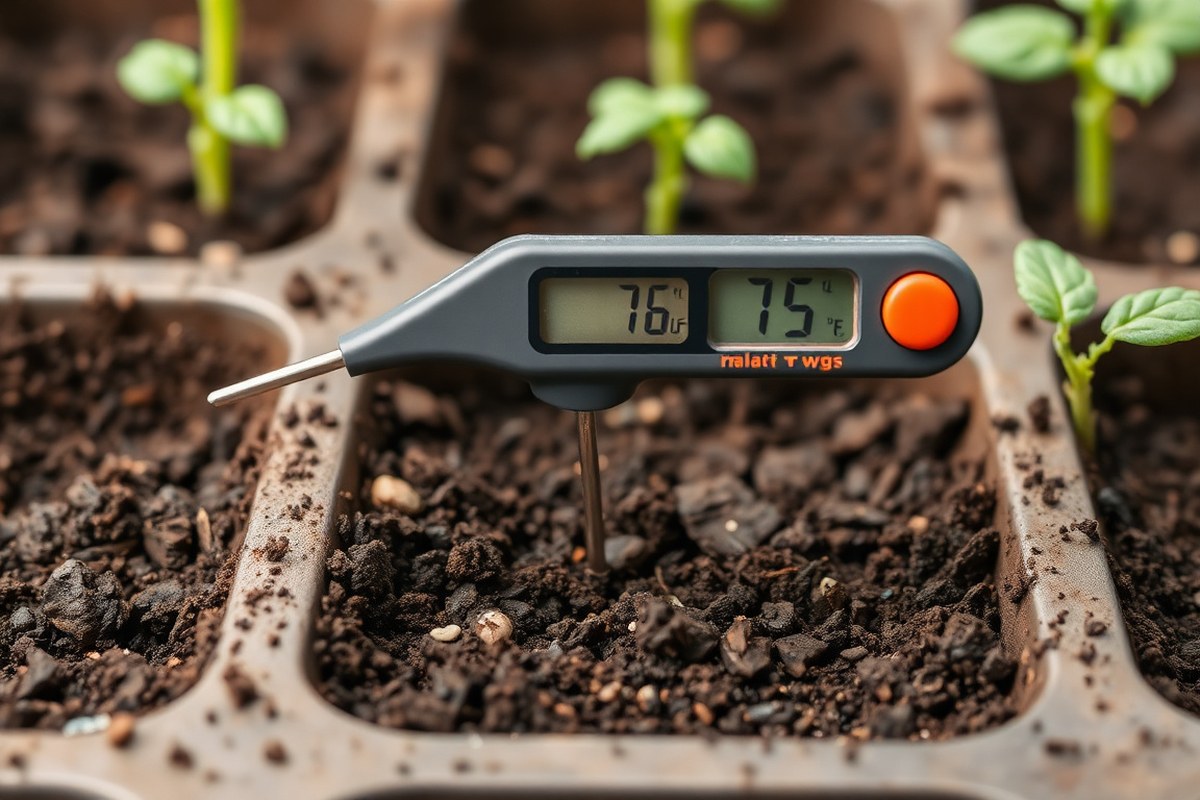
Tomato seeds sprout fastest when soil temperatures stay near 80°F (27°C). This warmth signals the seed that conditions are right for growth.
Cooler soil slows the process and can double germination time. Hotter soil risks drying out the seeds before they sprout.
Keep the soil between 65°F and 85°F (18°C to 29°C). This helps your seeds pop up quickly. It also encourages even sprouting across all seeds.
Soil below 65°F slows germination to two weeks or more. Seeds might not sprout near 50°F at all. Temperatures above 85°F dry the soil too fast and kill the tender seedlings before they begin.
| Condition | Average Germination Time | Notes |
|---|---|---|
| Ideal – Heat Mat at ~80°F (27°C) | 4-6 days | Fast sprouting with consistent warmth |
| Warm Room (around 70°F / 21°C) | 7-10 days | Typical indoor temperature works well |
| Cool Room (Below 65°F / 18°C) | 10-14+ days | Slower and less consistent germination |
| Cold Soil (~50°F / 10°C) | Over 40 days | Very slow or no germination |
Try using a heating mat under your seed trays to keep soil warm. They cost around $15 to $30 and work well indoors.
Another option is a warm spot near a radiator or on top of a fridge. Avoid direct sun that can overheat soil quickly.
When temperatures drop, covering seed trays with plastic wrap keeps moisture and warmth inside. Remove the cover once seedlings appear to let air circulate. Add mulch or place trays in a clear plastic box to trap heat when soil feels cold.
Tip: Keep soil moist but not soggy to prevent drying out or rotting seed embryos.
Step-by-Step Process for Germinating Tomato Seeds Successfully
Start by soaking tomato seeds for 4 to 6 hours in room-temperature water. Plant seeds about ¼ inch deep in warm, moist soil.
Keep the soil temperature around 75°F for best results. Once seeds sprout, provide light to help them grow strong.
Pre-Soaking Seeds Before Planting
Soaking helps soften the seed coat for quicker germination. Use room-temperature water and soak seeds for 4 to 6 hours. Avoid soaking longer than 24 hours to prevent seed damage.
You can soak seeds in a cup or bowl. Make sure the water fully covers the seeds during soaking. This step can reduce germination time by a day or two.
Planting Depth and Soil Preparation
Plant seeds ¼ inch deep to give them enough soil coverage. Going deeper than ½ inch can delay sprouting or cause seeds to rot. Use a lightweight, well-draining seed-starting mix for best results.
Space the seeds about 1 to 2 inches apart when sowing in flats or trays. This spacing allows seedlings to develop without crowded roots. Avoid compacting the soil to keep it loose and aerated.
Maintaining Moisture and Temperature
Keep the soil evenly moist but not soaked to avoid mold and damping-off. Check moisture about 2 inches deep with your finger or a moisture meter. Use a spray bottle to mist water gently and prevent disturbing seeds.
Ideal soil temperature for tomato seed germination is 75°F (24°C). Use a heat mat or place trays in a warm spot to maintain this temperature range. Temperatures below 70°F slow germination; above 85°F can harm seeds.
Introducing Light After Sprouting
Tomato seeds don’t need light to germinate, but seedlings do once they emerge. Move sprouts to a bright window once the first true leaves appear. Use grow lights if natural light isn’t enough.
Make sure the leaves get plenty of brightness daily. Provide 12 to 16 hours of light daily to keep stems short and strong.
Avoid placing seedlings in direct harsh sunlight, which can dry out soil quickly. Use a gentle, steady light source to encourage healthy leaf growth. Dim or no light causes seedlings to grow leggy and weak.
- Soak seeds for 4 to 6 hours in room-temperature water.
- Fill seed trays with loose, well-draining seed-starting mix.
- Plant each seed ¼ inch deep and 1 to 2 inches apart.
- Lightly mist soil to keep it evenly moist but not soggy.
- Place trays where soil stays about 75°F using a heat mat if needed.
- Check soil moisture daily and mist to maintain dampness.
- Once sprouts appear, place them under grow lights or bright windows.
- Provide 12 to 16 hours of light daily for healthy seedling growth.
How Old Tomato Seeds Can Be for Reliable Germination?
Tomato seeds usually stay viable for up to five years if stored well. Seeds older than this often sprout slower and less reliably. Proper storage can extend their lifespan and improve germination chances.
Typical Viability Timeframe for Tomato Seeds
Most tomato seeds remain viable for about five years. Seeds under two years old tend to germinate the fastest, usually within 5 to 8 days. Beyond five years, germination rates drop, and it may take over 14 days to see sprouts.
Seeds older than five years may still grow, but expect slower and weaker seedlings. If seeds are over seven years old, many won’t sprout at all. This timing varies with seed quality and storage conditions.
What Happens to Old Tomato Seeds?
Older tomato seeds often lose stored nutrients from their endosperm. Without enough food, seedlings can emerge weak or stunted. That means even if you get sprouts, the plants might grow poorly.
Some aged seeds shrink and dry out, reducing germination percentages. Using multiple seeds per cell when planting older seeds helps improve your chances. You might sow two or three seeds together to compensate.
How to Store Tomato Seeds Properly
Keep seeds cool, dry, and dark to maximize lifespan. Ideal storage places include sealed containers kept in the refrigerator between 40°F and 50°F. Avoid places with humidity or temperature fluctuations.
Seal seeds in an airtight bag with silica gel packets to reduce moisture. At room temperature or in open containers, seeds lose viability faster. Good storage can keep most seeds healthy for several years.
Recognizing Seed Quality Before Planting
Check seed packets for harvest or expiration dates to estimate age. Seeds should look plump and not shriveled. Avoid seeds that appear cracked or powdery, signaling poor quality and low viability.
When unsure about seed age, test germination by sowing a few seeds separately. This test shows how many sprouts you can expect before planting the full batch.
Common Problems That Delay or Prevent Germination
Tomato seeds might not germinate if the soil is too cold or too wet. They need warmth around 70°F (21°C) and moist, not soggy, conditions to sprout well.
Overwatering often leads to seed rot or mold growth. Underwatering dries the seeds out, stopping germination.
Uneven germination can result from inconsistent temperatures or uneven moisture. If some seeds swell but others don’t, it usually means some spots are too dry or chilly. Seeds planted too deep may also struggle to break through the soil surface.
Fungal problems like damping-off kill young seedlings quickly. This usually shows as thin, black stems or fuzzy gray mold on the soil.
Using sterile seed-starting mix and avoiding excess water helps prevent this. Air circulation around seedlings also lowers fungus risk.
- Keep seed-starting mix moist but not soaked; check daily.
- Maintain a steady temperature near 70°F using a heat mat if needed.
- Plant seeds about ¼ inch deep to help them break through easily.
- Use clean containers and fresh seed mix to avoid fungus and disease.
- Water gently with a spray bottle or bottom watering to avoid disturbing seeds.
- Provide good airflow and thin seedlings early to reduce fungal risks.
Check your seed packet dates to avoid expired seeds that don’t sprout well. Older seeds can take longer or fail completely.
Seed freshness, temperature, moisture, and cleanliness all influence success. Poor soil drainage or heavy, compacted soil can also stunt germination.
Water from the bottom or mist gently; overwatering smothers seeds and invites mold.
Early damping-off signs call for removing affected seedlings and letting soil dry out. Avoid using garden soil indoors because it may contain pathogens. Sterile seed-starting mixes cost around $5 to $10 per gallon but protect your seeds better.
Does Light Affect Tomato Seed Germination?
Tomato seeds do not need light to sprout. They can germinate happily in darkness under 70 to 80 degrees Fahrenheit. Cover the seeds lightly with soil, about a quarter inch deep, and keep the mix moist.
Once the seedlings pop up, they must have light to grow strong and healthy. Tomato seedlings get thin when they don’t get enough light. They stretch out, using energy to find light.
This makes them weak and leggy. Place them near a bright window or under fluorescent grow lights.
Seedlings need about 12 to 16 hours of light daily. A timer helps keep this consistent, turning lights on and off automatically. Set bulbs six to 12 inches above the seedlings for balanced brightness.
Natural sunlight through a south-facing window works well but can be uneven. Notice seedlings leaning toward the window?
Turn their containers every day. Grow lights cost between $20 and $50, a small investment for sturdy seedlings.
Tomato seedlings grow two or three true leaf sets. Then they need stronger light or transplant outside. At this stage, strong light boosts their growth, preparing them for garden or larger pots.
Keep watching for signs of light stress like yellow leaves or scorching. Adjust the light accordingly.
Tips to Speed Up Tomato Seed Germination
Soaking tomato seeds speeds up germination by softening their seed coats. Try soaking seeds in room-temperature black tea for 4 to 6 hours. The tea’s acids and fermentation help break down the seed coat.
This allows water to enter faster. The process makes soaking easier for seeds. Avoid soaking longer than 12 hours or seeds may drown or start rotting.
Using a heat mat can cut germination time to just 3 or 4 days. Place your seed tray on the mat set to 75°F to 80°F. This temperature range encourages quicker sprouting without stressing the seeds. Heat mats cost between $20 and $30 at garden stores or online.
They use household electricity to run. These mats provide gentle warmth for seed starting.
Humidity control is another key for faster germination. Cover the seed tray with clear plastic wrap or a dome. This keeps the seeds moist without making them too wet.
Moist seeds germinate better indoors. This traps moisture and boosts humidity near seeds, preventing drying out.
Check daily to avoid mold or fungal growth. Remove the cover if condensation is heavy.
- Use fresh seeds from ripe tomatoes for faster sprouting, often 3, 5 days.
- Try seed priming by soaking seeds in warm water for a few hours before planting.
- Place seed trays in a bright, warm spot but avoid direct sunlight to prevent drying.
- Keep growing medium evenly moist using a spray bottle for gentle watering.
- Label your trays to track which seeds have soaked or used heat mats.
- Use a fan nearby on low after sprouting to reduce mold risk by improving airflow.
Seed priming involves soaking seeds briefly, then drying them before planting. This jumpstarts the germination process without drowning seeds. You can use warm water around 80°F and soak seeds for 4 hours.
Dry seeds on paper towels before planting them normally. Primed seeds often sprout a day or two earlier than untreated ones.
Customizing these steps fits different situations. Soaking fresh seeds from ripe tomatoes can give a quick germination head start. Heat mats provide steady warmth especially in cooler homes.
High humidity covers help in dry climates or near heating vents. Knowing when and how to use these tools gives you better control over seed sprouting speed.
Understanding the Tomato Seed Germination Timeline Day by Day
Tomato seeds usually start showing signs of germination between 3 and 10 days after planting. Early stages include seed absorption, root sprouting, and seedling shoots breaking through the soil. Watching these changes daily helps you know if your seeds are healthy or need more care.
Days 1-3: Seed Absorption and Activation
During the first three days, seeds absorb water and swell. This activates enzymes that start the germination process.
You won’t see much change above soil. But inside the seed, important chemistry is at work.
Keep soil moist but not soaking to support absorption. Check moisture daily by touching the soil; it should feel damp but not wet. Avoid disturbing seeds during this phase because they may shift or dry out.
Days 4-6: Root Emergence
Roots typically begin breaking from tomato seeds around day 4 to 6. You might notice a tiny white tip if you look carefully at the soil surface. This root, called a radicle, anchors the seedling and draws moisture and nutrients.
Keep soil temperature around 70 to 80°F to encourage quick root growth. Avoid overwatering since soggy soil can cause roots to rot. You’ll see seeds firm in place as roots develop below ground.
Days 7-10: Seedlings Pushing Through Soil
By days 7 to 10, shoots often break free from the soil. A small green loop should appear first, then it unfolds into tiny leaves. These cotyledons provide energy before true leaves develop.
At this stage, healthy seedlings look upright and vibrant green. Seeds that stall here may show no green or dried, cracked soil around them. Sometimes slow starters need more warmth or moisture.
After Day 10: Managing Slow or Non-Germinating Seeds
If seeds haven’t sprouted after 10 days, check for issues like dry soil, cold temperature, or old seed packets. Keep soil warm and moist for another week before assuming failure. Some seeds can take up to 3 weeks under cooler or inconsistent conditions.
Remove any seeds that show mold or smell rotten to prevent spread. You can try soaking seeds overnight before planting next time to boost germination rates.
Don’t overwater; waterlogged soil stops root growth and causes seed decay.
- Plant seeds in moist, well-draining soil in small containers.
- Keep soil temperature steady between 70 and 80°F.
- Check soil moisture daily, sprinkling water lightly if dry.
- Look closely for white root tips around day 4 to 6.
- Watch for green cotyledons breaking soil between days 7 and 10.
- Remove any seeds or soil that show mold or dryness.
- Wait up to 3 weeks in cooler conditions before discarding seeds.
Step-by-Step Action Plan for Tomato Seed Germination
Follow these steps to get your tomato seeds sprouting quickly and healthily. Check for signs of success at each stage.
- Before You Plant: Choose fresh seeds less than 3 years old. Fresh seeds have a higher chance to sprout.
- Day 1: Soak seeds in lukewarm water for 4 hours to soften the coat. The seeds should swell slightly.
- Day 1-2: Plant seeds in moist seed-starting mix about ¼ inch deep. The soil should stay damp but not soggy.
- Day 1-7: Keep the soil temperature steady between 70°F and 80°F. Use a heat mat if needed. Seeds usually sprout in this range.
- Day 3-10: Check daily for germination signs. Tiny green shoots poking through the soil mean success.
- After Sprouting: Move seedlings to a bright spot with indirect sunlight. Avoid strong direct sun to prevent shock.
- Week 2-3: Once seedlings have true leaves, start feeding with a diluted liquid fertilizer every week. This helps healthy growth.
Frequently Asked Questions
How Does Soil Moisture Affect Tomato Seed Germination?
Tomato seeds need moist, but not soggy, soil to germinate well. Overwatering can cause rot and delay sprouting.
Can You Germinate Tomato Seeds Directly Outdoors?
Yes, but outdoor germination depends on warm soil and no frost risk. It often takes longer and can be less reliable.
What Should I Do If Tomato Seeds Don’t Germinate After Two Weeks?
Check temperature, moisture, and seed age if no sprouts appear in two weeks. You may need to sow fresh seeds.
Do Different Tomato Varieties Germinate at Different Speeds?
Yes, some varieties germinate faster than others. But most fall within 5 to 10 days. Check seed packet details.
Is It Better to Soak Tomato Seeds Before Planting?
Soaking seeds overnight can speed germination by softening the seed coat. Don’t soak longer than 24 hours to avoid rot.
How Long After Germination Should I Transplant Tomato Seedlings?
Transplant seedlings after they grow two or three true leaves. This usually happens 2 to 3 weeks after germination. Transplanting at this time helps the plants grow strong.
The Bottom Line
Tomato seeds usually sprout within 5 to 10 days when conditions are right. Keep the temperature steady and soil moist for the best results. Start planting your seeds today and watch them come to life in about a week.


