One Who Studies Trees: Who They Are, What They Do & How to Choose
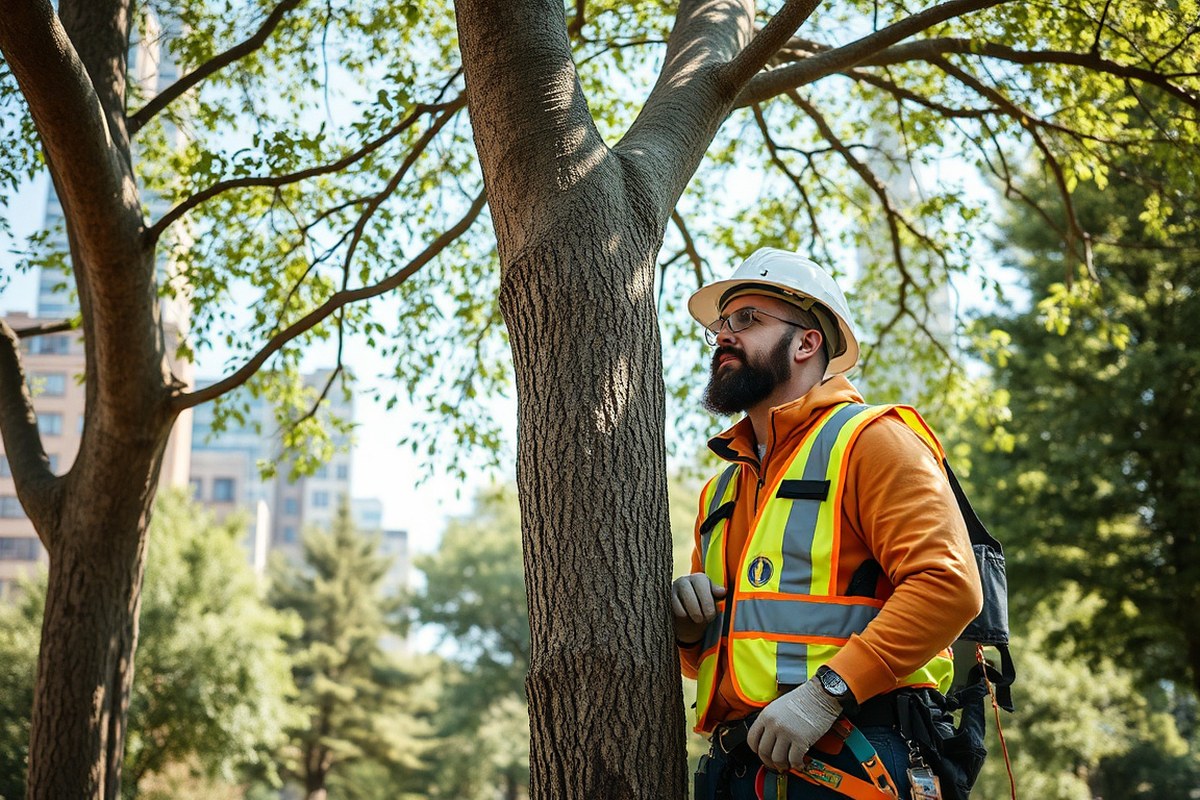
One who studies trees is usually called an arborist or dendrologist. An arborist cares for trees, focusing on health and safety. A dendrologist studies trees scientifically, learning about growth and environment.
The name depends on their work with trees. Arborists work hands-on, pruning or treating problems to keep trees healthy. Dendrologists examine species and ecosystems, often researching tree biology.
Choose the expert based on your needs. For tree care or emergencies, contact a certified arborist. They have at least three years of field experience and special training.
Dendrologists usually study trees in labs or outdoors over time. Their research helps improve forestry, conservation, and urban planning. Both add valuable knowledge about trees in different ways.
Key Takeaways
- Arborists manage tree health and perform physical tree care tasks.
- Dendrologists research tree biology, species, and their natural habitats.
- Certified Arborists have a minimum of three years’ professional experience.
- Contact a Certified Arborist immediately if you suspect a tree emergency.
- Tree experts’ titles vary based on their focus and training.
- Check certifications like those from the International Society of Arboriculture.
Who Is One That Studies Trees and What Are They Called?
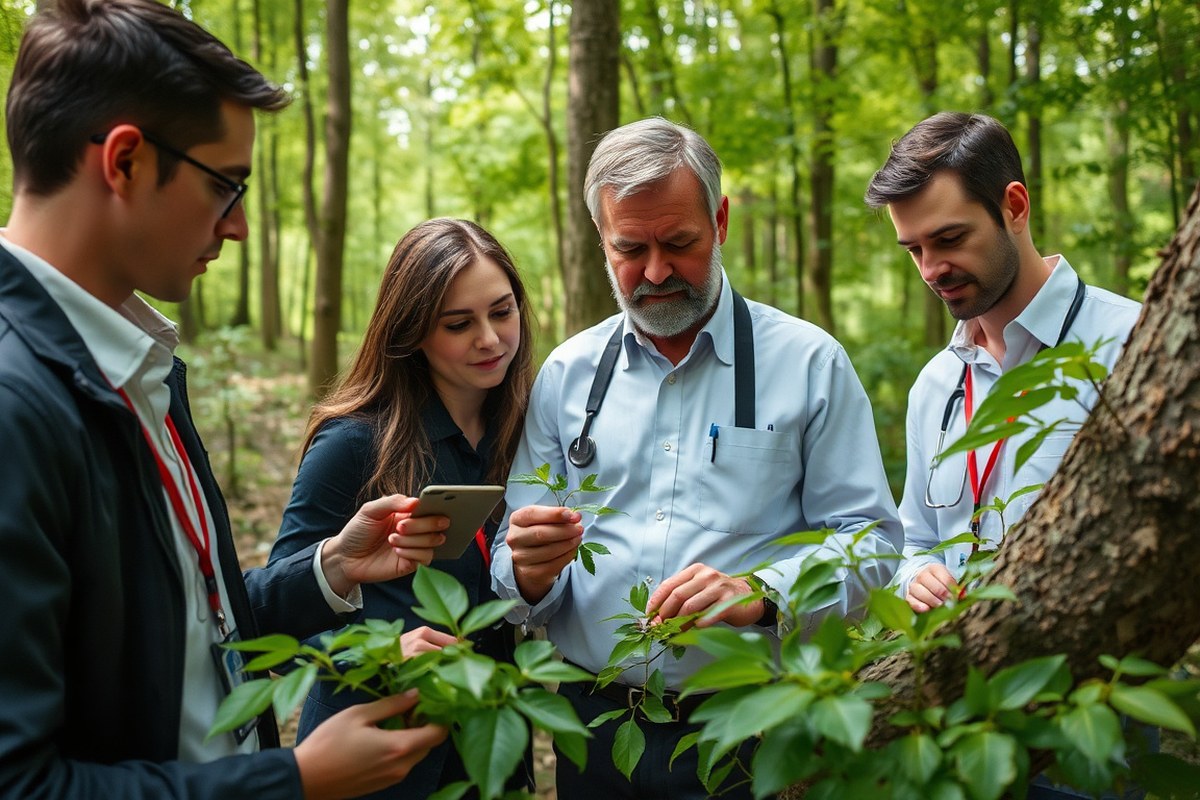
One who studies trees can have different titles depending on their focus. Arborists care for trees through planting, pruning, and removal. Dendrologists study trees scientifically, looking at their biology and classification.
Foresters manage forests and woodland areas, balancing tree health with land use. Silviculturists specialize in growing and cultivating trees in forests for timber or conservation.
The roles differ mainly in what they study or manage. Arborists usually work with individual trees in urban or residential settings. They help keep trees safe and healthy around homes and streets.
Dendrologists focus on tree species identification, growth, and how trees fit into ecosystems. They often work in labs, universities, or conservation groups.
Foresters oversee large areas of forest land, managing tree growth, logging, and habitat preservation. Silviculturists use scientific methods to improve forest regeneration and timber quality over time.
| Title | Main Focus | Work Setting | Example Task |
|---|---|---|---|
| Arborist | Tree care, health, safety | Urban yards, parks | Pruning, removing hazards |
| Dendrologist | Tree biology, classification | Research labs, conservation | Studying tree species |
| Forester | Forest management | Forests, government agencies | Managing timber harvests |
| Silviculturist | Tree cultivation, growth | Forests, research institutions | Planning tree planting |
Knowing the difference matters because you want the right expert for your needs. Arborists are the go-to for tree health problems or pruning advice. Dendrologists help when you want to identify tree species or research their biology.
Foresters and silviculturists get involved when managing large forests or commercial timber growth. Costs vary widely. An arborist’s basic service may run about $100 to $300 depending on tree size and work.
Dendrologists, foresters, and silviculturists usually work on longer projects or research that costs more. Good results mean healthy, safe trees or well-managed forests. Mistakes by untrained people can damage trees, spread disease, or harm the environment.
What Does an Arborist Do to Care for Trees?
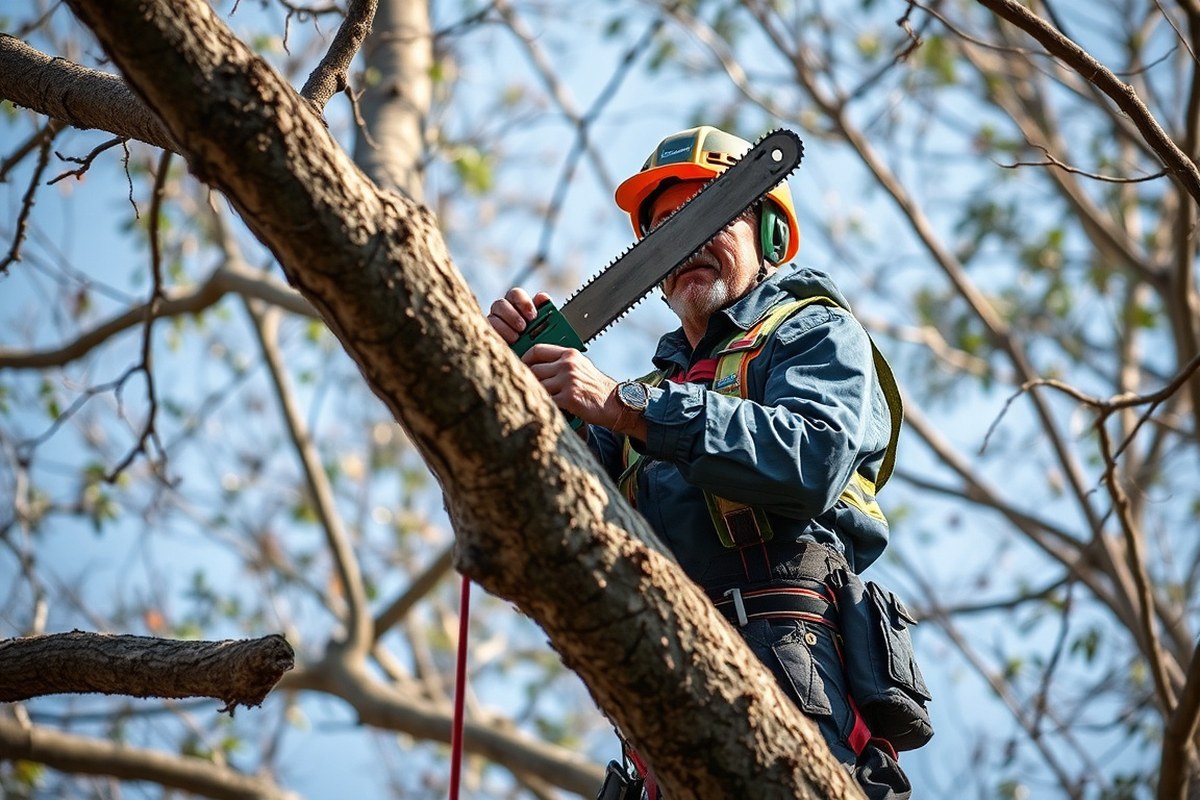
An arborist looks after trees by planting, pruning, and diagnosing their health. They handle the care that trees need to thrive in your yard or neighborhood. Doing this helps prevent costly damage and keeps trees safe and strong.
Arborists begin by inspecting the site and checking the soil and nearby trees. They pick the best spots for new trees to avoid crowding roots or blocking sunlight. This attention gives young trees a solid start and reduces future problems.
- Inspect trees for signs of disease or insect damage
- Prune branches to improve structure and remove dead wood
- Plant new trees using proper spacing and soil preparation
- Apply mulch and water to support growth and prevent disease
- Use tools like hand pruners, saws, and sometimes cranes for big jobs
- Monitor tree health regularly and recommend treatments if needed
- Remove dangerous or dead trees safely to protect people and property
Proper pruning helps trees grow with strong limbs and stops disease from spreading. Arborists cut branches at the right angle. They usually prune in late winter or early spring.
This timing helps the tree heal better. This careful work keeps the tree’s shape and lets light reach the ground below.
When diagnosing problems, arborists look for spots, holes, or fungus on the bark and leaves. They might take samples to a lab for testing. Treatments can include targeted watering, fertilizer, pest control, or removing infected parts.
Don’t trim trees yourself if you lack experience. Improper cuts can invite disease or cause hazards.
Tools can range from simple pruners to chainsaws and even bucket trucks for tall trees. Arborists know how to use them safely to avoid harming trees or themselves. Regular checkups every one or two years catch issues early and keep trees healthy long-term.
How Do Dendrologists Study Trees and Their Environment?
Dendrology is the scientific study of trees and shrubs. Dendrologists study many parts of trees. They look at classification and growth.
They also explore how trees interact with their environment. They use various methods to observe, measure, and analyze trees in labs and in the field.
Tree Identification and Classification
Dendrologists classify trees by studying their physical features, such as leaves, bark, and seeds. They use taxonomy to classify trees by species. They also group trees by genus and family.
This helps organize many different tree types. This classification guides researchers and helps in managing tree resources accurately.
They collect samples and compare them with herbarium specimens or botanical databases. Accurate tree ID needs careful observation in different seasons. Some traits show only in certain times.
For example, flowers or fruit appear at specific moments. This process often involves detailed fieldwork combined with lab analysis.
Studying Tree Physiology and Growth
Tree physiologists examine how trees function at the cellular and organ levels. They study how water moves through roots. They also learn how leaves make food by photosynthesis.
Growth rings inside trunks show tree age and health. These growth rings count time and reveal environmental conditions year by year.
Measuring ring width and chemical makeup requires specialized tools, like microscopes and spectrometers. Researchers track tree responses to temperature, drought, and pests by monitoring these internal processes. This knowledge helps predict how trees might respond to climate change or diseases.
Ecological Interactions and Distribution
Dendrologists researching ecology study how trees interact with their surroundings and other living things. They observe species competition, pollination, and how forests recover after disturbances. Understanding these relationships supports forest conservation and sustainable land use.
Some dendrologists focus on phenology, timing events such as leaf budding or flowering. They monitor how seasonal changes or climate shifts affect these cycles. This work often takes place in forests, parks, or research plots that represent natural tree environments.
Workplaces for Dendrologists
Dendrologists typically work in herbaria, botanical gardens, or university labs. They study collected specimens and conduct experiments in controlled environments. Fieldwork at research stations or forests helps gather real-world data on tree growth and health.
Many also collaborate with forest ecologists, pathologists, or silviculturists to manage and protect woodlands. Their work supports conservation efforts, tree breeding programs, and public education about tree importance. This combination of settings offers a balance of lab research and outdoor study.
What Qualifications and Certifications Do Tree Specialists Need?
Becoming a certified arborist usually takes about three to five years. You need both hands-on tree work and classroom study. These prepare you to take the ISA exam.
The ISA is the International Society of Arboriculture. This mix helps you gain the practical skills and knowledge to care for trees properly.
The ISA certification proves that an arborist knows how to maintain trees safely and responsibly. Over 30,000 professionals worldwide hold this certification.
To qualify for the exam, you must have a combination of education and experience. But no specific degree is required.
Many arborists start with a high school diploma. Then, they work or study subjects like horticulture, forestry, or plant science. These fields help build their tree knowledge.
Experience in tree climbing, pruning, or pest management is essential for passing the exam. The certification must be renewed every three years by earning continuing education credits.
Dendrologists usually need more formal education than arborists. They often hold college degrees in biology, forestry, or botany, focusing on tree identification and ecology. While dendrologists study trees mostly for research, arborists work more directly with tree care and management.
Besides the ISA, other groups offer tree care credentials. These include the Tree Care Industry Association and European Tree Technician. They provide different certifications for arborists.
The right certification depends on your location and career goals. Training costs vary widely, ranging from free workshops to college programs charging thousands of dollars.
Good training teaches how to spot tree diseases, use equipment, and apply laws about tree removal. Without proper certification, you risk making mistakes that harm trees or pose safety hazards. Certified arborists often prepare reports for permits, ensuring work follows rules and protects local trees.
When Should You Call a Tree Professional for Tree Care or Emergencies?
You should call a tree professional when you see clear signs of disease, damage, or danger. Some problems can wait for a check-up. But others need quick action to keep you and your property safe.
Knowing what signs to watch for helps you spot tree problems. This lets you call the right expert early. That way you avoid bigger repairs or accidents later.
Signs of Tree Disease or Pest Infestation
You might spot disease or pests if leaves turn yellow, brown, or have holes. Dead branches and unusual growths like mushrooms on the trunk often mean trouble. Sometimes you’ll see sticky sap or boring holes where insects entered the tree.
Here are some signs that mean you should call an arborist for a tree check-up:
- Discolored or wilting leaves that don’t improve
- Fungus or mushrooms growing on the bark or roots
- Insect infestations like clusters of ants or beetles
- Branches dying or falling off without warning
- Bark splitting or peeling away from the trunk
- Sticky or unusual sap oozing from the wood
Ignoring these signs may let disease spread, weakening or killing the tree. Early treatment by a professional reduces damage and protects nearby plants.
Structural Damage and Safety Risks
Structural damage can make a tree unsafe during strong winds or storms. Cracks in the trunk, large broken limbs, or leaning trees need a professional’s eye. Branches rubbing together or weak branch unions also risk falling.
Damaged trees may hide risks you don’t see but a certified arborist can spot. They assess tree health, existing damage, and how it could affect your home or yard. This helps you plan repairs or removals before accidents happen.
Don’t try to fix structural damage alone; fallen or broken limbs can be dangerous.
Emergency Situations Requiring Immediate Attention
Storms often create emergency tree problems like snapped trunks or fallen limbs blocking paths. Call an emergency-certified tree surgeon right away. Do this when a tree blocks power lines.
Also call if the tree leans toward your house. They handle hazardous situations with the right tools and safety gear.
Delay in emergency care increases risk of injury and property damage. Certified professionals work quickly to remove danger and prevent further harm after storms or accidents. Typical emergencies include:
- Tree broken by storm winds or lightning
- Branches blocking driveways or sidewalks
- Fallen trees on structures or power lines
- Large limbs hanging by a few strands
- Root damage causing leaning or falling
Non-Emergency Situations When Professionals Help
Trees also need regular check-ups to stay healthy and safe long-term. Scheduling annual inspections helps catch hidden problems early. Professionals can recommend pruning, fertilizing, or planting better trees for your yard.
Choose the right specialist based on your tree’s issue. Arborists focus on care and safety. Dendrologists study tree types and environments but don’t handle hands-on tree work.
For urgent damage, contact a certified tree surgeon. For tree health questions or planting advice, an arborist is your best call.
How Do Arboriculture and Dendrology Differ in Approach and Goals?
Arboriculture centers on practical tree care. It involves planting, pruning, pest control, and maintaining tree health. The goal is to keep trees safe, healthy, and attractive, especially in urban or residential areas.
Dendrology focuses on the scientific study of trees. It explores tree species, their biology, and ecological roles in natural forests. Dendrologists research growth patterns, genetics, and environmental impacts on trees over time.
Arboriculture usually handles individual trees or small groups in cities, parks, or yards. Dendrology often deals with forests and tree populations in natural or unmanaged settings. They use different tools and methods suited to these aims.
| Aspect | Arboriculture | Dendrology |
|---|---|---|
| Focus | Tree care and maintenance | Scientific study of tree species |
| Methods | Pruning tools, pest control, soil management | Field identification, anatomy, growth analysis |
| Typical Environments | Urban areas, parks, gardens | Natural forests, research plots |
| Goals | Healthy trees, safety, aesthetics | Understanding species traits, ecology, evolution |
| Time Frame | Ongoing care, seasonal treatments | Long-term studies, experiments over years |
Knowing these differences guides how to get expert tree help. You’d call an arborist for tree trimming or disease treatment in your yard. A dendrologist’s work helps shape forest management policies and conservation.
Arboriculture must balance tree health with human environments. Urban foresters plan tree species to survive concrete and asphalt. This contrasts with dendrologists studying tree adaptation to climate changes in forests.
Arboriculture costs depend on treatments, ranging from $200 to over $1,000 for major services. Routine pruning might take a few hours, while complex removals need specialized equipment. Dendrology projects may involve lengthy fieldwork and lab analysis but less direct cost for the public.
Good arboricultural care means trees grow safely with fewer diseases and hazards. Problems happen if pruning is done wrong or if pest control misfires. Scientific dendrology improves our knowledge, but it doesn’t directly fix individual tree problems.
What Other Tree-Related Professions Study Trees and Manage Forests?
Several professions study trees beyond individual care. These experts focus on forests as whole ecosystems or resources. They include foresters, silviculturists, forest ecologists, and pathologists.
Foresters and Forest Management
Foresters manage forests for diverse goals like timber, wildlife, and recreation. They assess tree populations across large areas, plan harvesting schedules, and promote reforestation. Their work balances economic benefits with environmental health by monitoring forest growth and recovery.
They use tools like GIS mapping to track tree stands and growth rates. Foresters may work for government agencies or private landowners to oversee sustainable forest use. Managing risks like wildfire and pests also falls under their duties.
Silviculturists and Tree Cultivation
Silviculturists specialize in growing and renewing forests through cultivation techniques. They decide when to plant, thin, or harvest trees. This practice shapes forest composition and productivity.
Besides timber, silviculture now includes climate goals like carbon storage. Adjustments in planting densities or species mixes help forests adapt to changing conditions. Practical work requires monitoring growth over decades for best results.
Forest Ecologists and Environmental Study
Forest ecologists study interactions between trees, plants, animals, and their environment at an ecosystem level. They examine processes like nutrient cycling and energy flow to understand forest health. Recent studies highlight how underground fungal networks connect tree roots.
These networks enable “communication” and resource sharing among trees, influencing growth and resilience. Forest ecologists use field observations and laboratory analysis to track these complex relationships. Their findings inform conservation and restoration planning.
Forest Pathologists and Disease Research
Forest pathologists focus on diseases and pests that harm trees. They study fungi, bacteria, viruses, and insects that cause tree sickness or death. Identifying these threats helps in developing treatment and prevention strategies.
Environmental stresses like drought and pollution are also factors they investigate. Their research guides forest managers on how to protect trees from outbreaks. Early detection in large forests can prevent widespread damage.
Common Misconceptions About Tree Study and Tree Care Professionals
Many people think any gardener can care for trees. Tree care requires special skills and knowledge about trees’ biology. Arborists and tree surgeons often get confused for doing the same job.
Both care for trees, but arborists focus more on health and maintenance. Tree surgeons usually handle the physical work like pruning and tree removal.
Some believe tree care means only pruning. Pruning is just one part. Proper tree care includes diagnosing health, checking soil, and pest control.
Homeowners can spot obvious problems but often miss hidden diseases or root issues. Misdiagnosing tree health can lead to harmful treatments or even tree death.
Neglecting expert tree care risks damage to your trees and property. Dead or unhealthy trees attract pests and disease.
These can spread to other plants and cause costly damage. Many tree diseases today come from non-native organisms, making expert knowledge important.
Here are common misconceptions and how to avoid mistakes:
- Any gardener can care for trees, hire a certified arborist instead.
- Tree care is just pruning, it also involves diagnosing and pest prevention.
- Arborists and tree surgeons are the same, their training and roles differ.
- Homeowners can safely diagnose tree health, experts detect hidden problems.
- Dead trees aren’t a big deal, they attract pests and risk other trees.
Tree care professionals have extensive training to handle the risks. They combine biology, soil science, and pest management to protect trees.
Costs vary but expect at least $100 to $300 for inspection plus extra for treatments. This investment helps you avoid bigger losses from dead or dangerous trees.
Don’t prune or trim trees without guidance, wrong cuts can weaken branches or invite disease.
Good tree care means safer, longer-living trees. It also keeps your home and landscape healthy.
Call a tree expert before trying treatments on your own. They can recommend the right best steps for your tree’s needs and local risks.
Quick-Start Action Plan for Getting the Right Tree Care Help
Use this plan to decide when and who to call for your tree needs. It helps avoid common mistakes and protects your trees.
- Day 1: Check your trees for signs of distress like dead branches or discoloration. Spot these signs and note where and how bad they are.
- Within a Week: Research local arborists and dendrologists. Look for proper certifications like ISA for arborists and relevant degrees for dendrologists.
- Week 2: Contact at least two professionals to discuss your tree issues. Ask about their experience and methods to see if they fit your needs.
- After the First Visit: Follow the professional’s advice carefully. Make sure you understand what treatments or maintenance are planned.
- Monthly Check: Monitor your tree’s health based on the professional’s recommendations. Look for improvement signs like new growth or leaf color returning.
- Emergency Spot Check: Check trees right after storms or strong winds. Look for danger signs like leaning trunks or broken branches. Call your arborist if there’s danger to people or property.
Frequently Asked Questions
What Tools Do Arborists Commonly Use During Tree Care?
Arborists use pruning shears, chainsaws, and climbing gear to care for trees. They also use soil testers and tree health scanners to check tree conditions before treatment.
Can a Dendrologist Help Identify an Unknown Tree Species?
Yes, dendrologists specialize in identifying and classifying tree species. They use leaf, bark, and seed patterns to determine species accurately.
How Long Does It Take to Become a Certified Arborist?
Becoming a certified arborist takes at least three years of full-time experience. Most also study arboriculture formally, then pass a certification exam.
Do Arborists Handle Tree Planting or Just Maintenance?
Arborists manage tree planting, caring, pruning, and removal tasks. They ensure new trees grow healthy in chosen locations.
What Risks Come with Attempting Tree Care Without a Professional?
Tree care without experts can lead to injury or damage to property. Professionals know safe methods and how to avoid harming the tree.
Can an Arborist Assist with Tree Pest and Disease Problems?
Yes, arborists diagnose tree pests and diseases, then suggest treatments. They help protect tree health with proper care techniques.
Before You Go
Tree specialists play different roles, but all help keep trees healthy and safe. Knowing who to contact and when makes a big difference. Start by observing your trees carefully to spot issues early.