
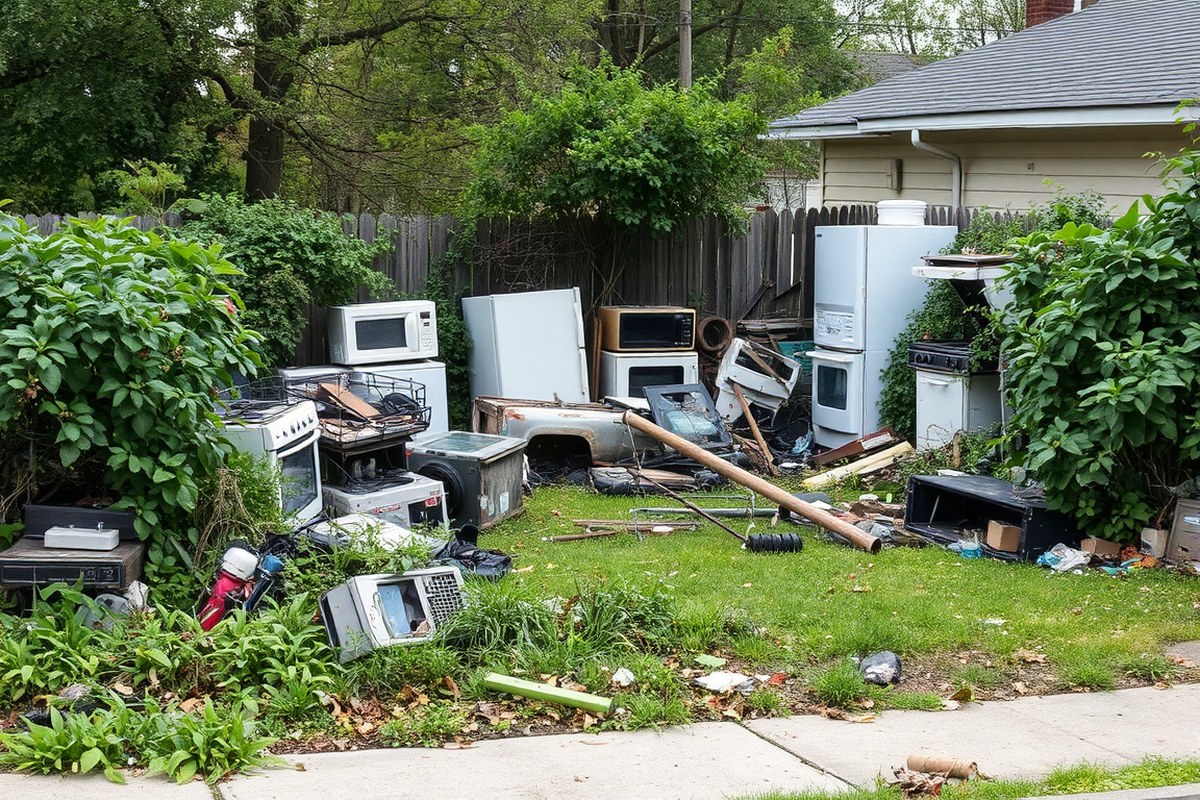
Is It Illegal to Have Junk in Your Yard? Clear Rules and Penalties Explained
Keeping junk visible in your yard is illegal in many areas. Local rules aim to keep neighborhoods clean, attractive, and safe. Not following these rules can cause fines or legal issues.
Check your city’s rules about what counts as junk. Learn how long you have to fix problems. Knowing these helps you avoid penalties.
Usually, cities give 7 to 30 days to clean up once they send a notice. Acting quickly avoids fines and helps keep your property in good shape.
Watch out for items like old vehicles, trash piles, and discarded appliances. These often trigger complaints from neighbors or homeowners associations. Removing junk often is the easiest way to obey the law.
It also helps keep your home’s value high. Regular cleanups prevent trouble and protect your property.
Key Takeaways
- Local laws often ban keeping junk visible in your yard or driveway.
- City officials typically allow 7 to 30 days to remove junk after a notice.
- Fines can be $50 to $1,000 per day depending on location and severity.
- Old cars left for more than a few days commonly qualify as junk.
- Keep junk piles small and at least 30 feet from your house.
- Neighbors and HOAs can report violations, speeding up enforcement.
Is It Illegal to Have Junk in Your Yard?
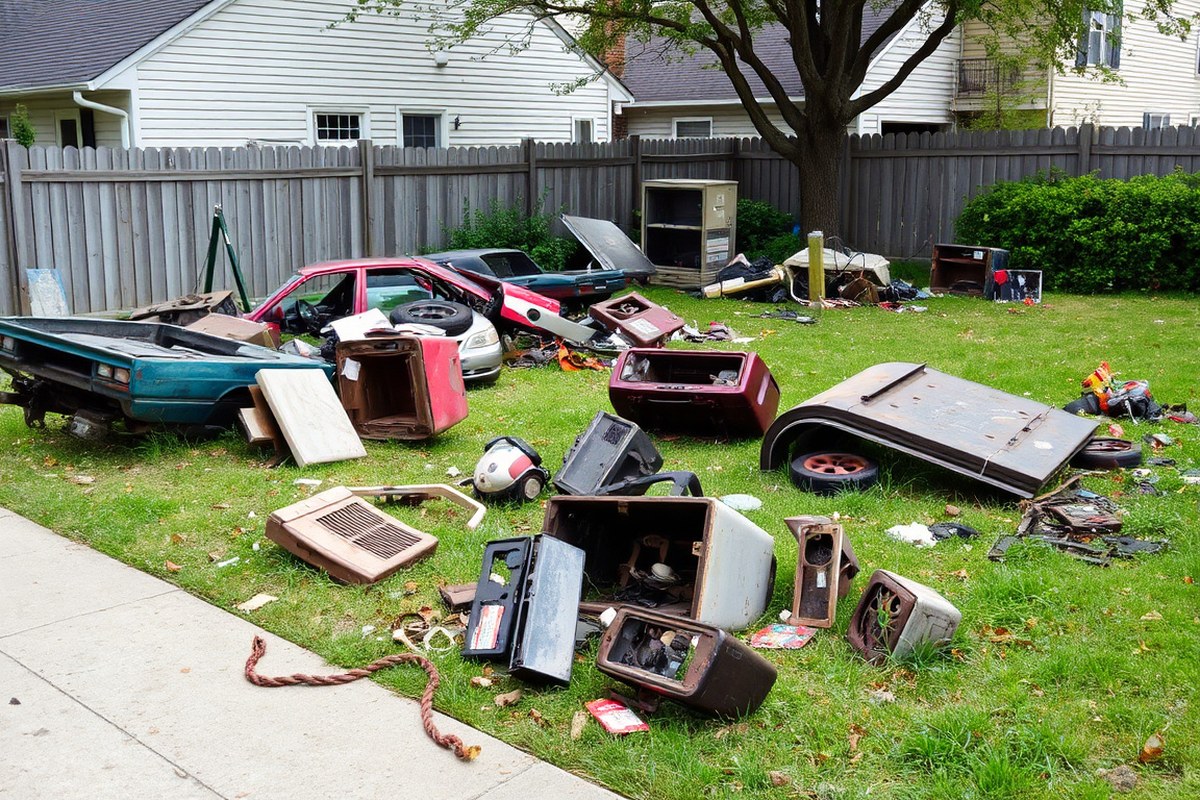
Having junk in your yard is not always illegal. But local rules usually control it. Laws vary a lot by city and county.
So what is allowed in one place may be banned in another. Most local codes say junk must not create hazards or reduce neighborhood quality.
The law kicks in mainly when junk causes safety or health risks. Broken appliances and junk cars often break property rules. They attract pests to your yard.
This can violate local maintenance laws. Local laws come from city or county leaders.
The federal government does not make these rules. Each area sets its own standards.
Local codes also address nuisance issues. Leaving junk out in plain view can violate zoning or nuisance laws if it annoys neighbors. You can get fined if your yard looks messy.
Junk can attract rodents or cause fire risks. Keeping your yard clean helps avoid penalties. You can also get complaints from neighbors, prompting inspections by city officials.
Legal rules focus on preventing harm or public nuisance. The exact rules depend on your location. But most require yards to be clean and safe.
Junk vehicles may need removal to follow rules. Construction debris can also be illegal if left outside. Proper storage matters to stay compliant.
To stay legal, check your town or county property maintenance codes. They might say how much junk is allowed or the proper way to store certain items. You could also contact your city’s code enforcement office for guidance before problems begin.
Failing to follow local junk rules can trigger fines or orders to clean up. Cleanup for illegal dumping can cost hundreds per ton. Hazardous materials increase these costs even more.
Handling junk properly saves money. Taking early action and knowing your area’s rules stops these issues before they grow.
What Items Are Considered Junk Under Local Laws?
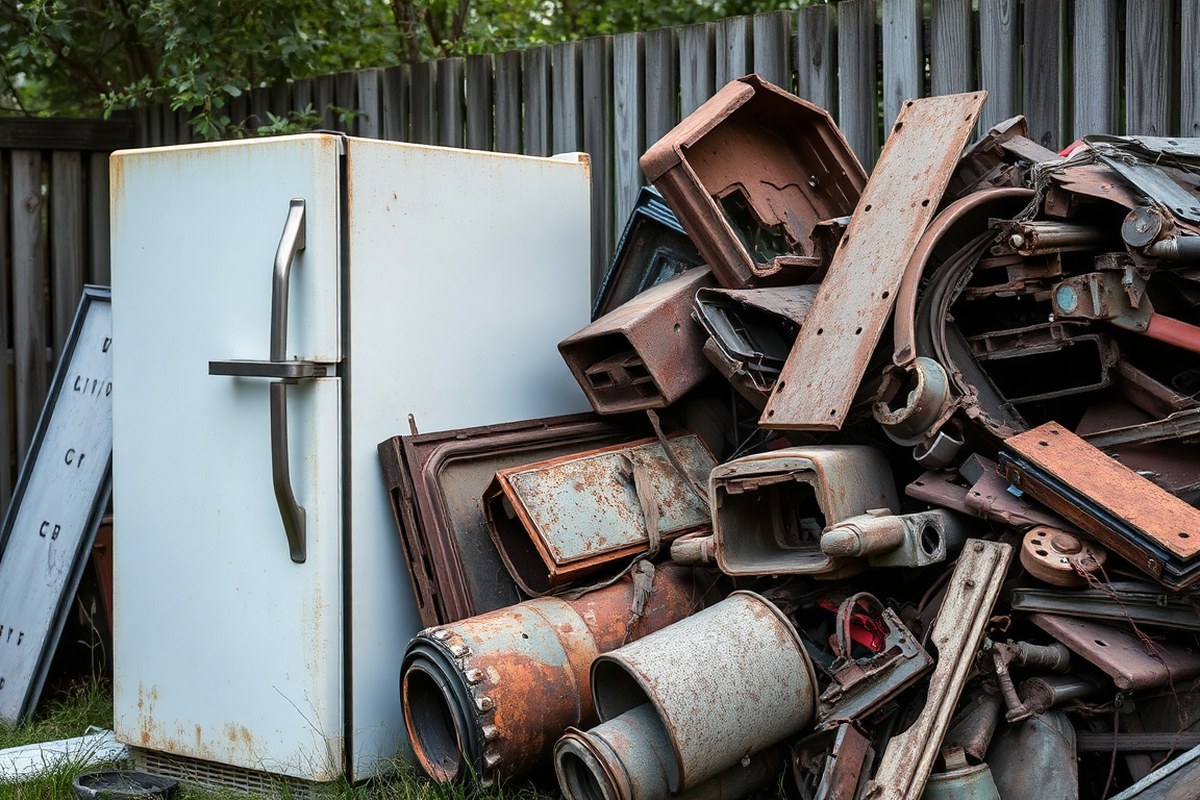
Local laws usually call junk any broken or discarded items stored outside. This often includes old cars, appliances, scrap metal, and trash. Understanding these categories helps you avoid violations and fines.
Junk Cars and Vehicles
Inoperable or unregistered cars commonly trigger yard junk complaints. Many local codes label them as abandoned vehicles if they lack valid plates or seem unusable. Some places limit how many vehicles can park outside, even if they work.
Car parts left outside also fall under junk laws. People sometimes keep junk cars to sell parts or scrapping metal. Still, you risk fines if those vehicles break local rules on condition or number.
Keep your vehicles licensed and in working order or move them off your property.
Old Appliances and Household Items
Discarded appliances like refrigerators, washers, and old furniture count as junk in most ordinances. Even bulky electronics can violate yard clutter rules if left outdoors too long. Some codes specify how long you may store these items outside before they become a problem.
These items attract pests and lower your property’s curb appeal. Clear your yard of broken furniture and unused appliances promptly to stay compliant.
Scrap Metal and Construction Waste
Scrap metal piles can lead to yard junk violations. This includes rusted pipes, metal sheets, or leftover building materials. Construction debris like wood pallets or discarded bricks often also require proper disposal under local laws.
Accumulated trash and rotting wood fit the junk definition too. You need to clear these materials regularly to avoid code enforcement actions.
- Rusty metal pieces
- Old pipes and sheet metal
- Wood pallets and broken lumber
- Bricks and concrete debris
- Discarded nails or screws
Yard Waste vs Junk
Yard waste includes things like leaves, grass clippings, and small branches. These are usually allowed in your yard or yard waste bins if managed well. However, rotting wood or piles attracting pests can be classified as junk under some rules.
Keep yard debris contained and don’t sweep it into streets or drains. Overflowing waste bins risk fines and pest problems. So empty them regularly or hire pickup services.
Temporary Stored Items vs Junk
Stored items that you intend to use soon might not be junk. Tools in a box aren’t junk if left outside briefly. They’re just waiting for a project.
This short time outside doesn’t count as junk. Long-term storage of unwanted items outside turns them into junk under local codes.
Permits may be needed for extended storage of big items like boats or RVs. Always check your local rules on temporary outside storage to avoid surprises.
Yard Junk Laws and Enforcement by State and City
Junk laws vary a lot depending on where you live. Some states have broad nuisance laws that local cities enforce. Others let cities set up their own detailed rules.
Enforcement usually falls to local code officers. Many actions start when a neighbor complains about the yard.
Knowing who enforces these rules helps you know what might happen if your yard isn’t clean. For example, vehicle issues may be handled by the highway patrol in some states. Code officers often inspect your yard to check for violations.
They can cite you and impose fines when rules are broken. You should keep your property up to code to avoid penalties.
| State | Statewide Law | Primary Enforcement | Key Statute/Code |
|---|---|---|---|
| California | State nuisance and vehicle abandonment laws | Local code enforcement; CHP for vehicles | California law limits how local agencies handle abandoned vehicles. These rules come from Vehicle Code Section 22669 and Civil Code Section 34. Agencies must follow these codes to remove vehicles properly. |
| Texas | State health and safety standards; cities set details | Local code enforcement | Texas Health and Safety Code Chapter 342 |
| Florida | State nuisance law; local ordinances control specifics | County and city code enforcement | Florida Statute 823.01 |
| Arizona | State abandoned vehicle laws | Local code enforcement | ARS 28-4804 |
Some places are stricter than others. California requires abandoned vehicles to be registered and operable. Texas cities might limit junk yard time to only 24 hours.
Florida lets local codes decide if a vehicle must be enclosed or operable. These differences show why you must check your local rules.
In most states, local ordinances trump statewide laws when it comes to yard junk. Local rules define what is junk and how long you must fix problems. Your city or county will have clear guidelines on these details.
Check your local laws to know the deadlines for compliance. You can usually find this info online or by calling code enforcement.
Costs vary a lot, but fines often rise if you ignore warnings. It is smart to handle complaints early to avoid daily penalties.
Remember, neighbors often trigger inspections by making reports. So keeping your yard tidy helps avoid trouble.
Fines and Penalties for Yard Junk Violations
Cities usually fine junk in your yard as a civil penalty. The fines start low but grow quickly if you ignore warnings.
Most property owners get a notice first. Not fixing the problem can cost you hundreds to a thousand dollars daily.
| Offense Level | Typical Fine Range | Common Escalation |
|---|---|---|
| First violation | $50 to $200 | Warning, then fine if not corrected |
| Second violation (within 12 months) | $200 to $500 | Fine issued immediately |
| Repeat or chronic violator | $500 to $1,000 per day | Lien on property, possible court hearing |
Besides fines, you might face cleanup orders and legal costs. Continued violations may let the city place a lien on your home.
Some places charge $50 to $100 in legal costs for each junk car. This charge applies to every vehicle on your property. These fees add up quickly if you have several junk cars. This adds up fast if you don’t act quickly.
Ignoring junk rules starts with a notice. Then you get a fine. Later, penalties grow bigger if still ignored. Fixing the problem early saves money and stress.
How Neighbors and HOAs Can Affect Yard Junk Enforcement
Neighbors can legally report junk violations if they believe yard conditions break local rules. HOAs often have their own guidelines and enforcement for yard junk. Both neighbors and HOAs influence how yard junk rules are enforced in your community.
Reporting Junk Violations to Authorities
Neighbors usually file complaints about junk directly with local code enforcement offices. You can report through the city’s 311 hotline, website, or a mobile app. The reported property owner typically has 7 to 30 days to fix the problem.
Most complaints come from people living nearby, delivery drivers, or mail carriers. Officials inspect the reported property to see if it violates property maintenance codes. When they find junk, they send an official notice with a cleanup deadline.
- Gather basic details like the address and junk type before reporting.
- Call 311 or use the local government’s website complaint form.
- Keep your contact information confidential if you fear retaliation.
- Follow up if no action happens within two weeks after your report.
- Understand local definitions of junk to avoid false complaints.
Code enforcement can issue fines or orders to remove junk if owners don’t comply. Ignoring these notices may lead to increased penalties or liens against the property.
HOA Rules and Their Enforcement Process
HOAs usually have strict rules about yard appearance, including junk limits or bans. These rules appear in their covenants, conditions, and restrictions (CC&Rs). Violating these can result in fines or mandatory cleanup orders.
HOA enforcement typically begins with a written notice to the homeowner. When ignored, the HOA can charge fines weekly or monthly. They may also hire contractors to remove junk and bill the homeowner.
HOA enforcement can be faster than city code officers because they are private organizations. Homeowners should review their HOA rules when buying property to avoid surprises about junk restrictions.
Handling Disputes Between Neighbors
Neighbors have the right to complain if yard junk lowers their property value or safety. However, some complaints might be personal disputes rather than serious code violations. It helps to try a polite conversation before reporting.
When disputes escalate, document incidents with photos and dates. You can suggest a neighborhood meeting or mediation for resolution. Calling code enforcement as a last resort ensures authorities handle the complaint officially.
Keep calm and collect clear evidence before reporting to avoid conflicts or misunderstandings.
Ignoring minor messes may prevent strained relations. Focus on persistent yard junk that truly affects the neighborhood’s look and safety.
Privacy and Property Rights Considerations
Neighbors cannot enter your property without permission to inspect yard junk. They must rely on what is visible from public areas or their own property lines. Also, verify exact property boundaries to avoid false claims.
Code enforcement officers have the authority to inspect after you get a notice or complaint. Your right to privacy ends at reasonable inspections under local law. Knowing your rights can protect you if disputes get heated.
Before making complaints, confirm the junk definitions in local and HOA rules. This avoids unnecessary violations and respects everyone’s property rights while keeping yards clean.
Health, Safety, and Property Value Impacts of Yard Junk
Junk in your yard can attract pests like rodents and mosquitoes. Old appliances or tires might hold standing water, creating breeding spots for mosquitoes that spread diseases. Rusty metal can cause injuries, especially to children playing nearby.
Leaking fluids from junk cars or scattered car parts can contaminate soil and nearby water sources. This risk grows if hazardous chemicals soak into the ground. Improperly stored junk can also block safe walkways, raising the chance of trips or falls.
Homes near cluttered yards often lose value. Studies show that visible junk can reduce nearby home prices by 5% to 15%. How much junk is in your yard affects the impact.
Location in your neighborhood also changes the effect. Both matter when considering yard cleanup.
Collecting junk cars can hurt your property’s price too. Neighbors might see this as a sign of poor upkeep, making their homes less appealing. A junk car can leak oil or gasoline, worsening environmental and health concerns in residential areas.
Local rules usually give 5 to 10 days to act. You must remove hazards like standing water quickly. Sharp metal must also be cleaned up soon.
Acting quickly prevents fines and lowers risks. Many cities also offer special pickups or recycling drop-offs for yard waste and junk materials.
Clean up by removing items that don’t work or are dangerous. This includes broken furniture or old tires in your yard. Clear junk helps make your yard safer.
You might need a junk removal service or a dumpster rental. Costs range from $200 to $500 depending on junk amount.
This is needed for large or heavy junk piles. Removing it promptly improves safety and protects your property’s value.
Failing to clear dangerous junk increases risks and can hurt your neighborhood’s look. Neighbors or officials may report your yard if junk causes problems. Safety or health issues are common reasons for complaints.
Keep your yard safe to avoid reports. A clear yard reduces pests that can harm your home.
It also helps keep property values steady in your area. You help yourself and neighbors by cleaning up.
How to Comply and Remove Junk to Avoid Legal Issues
Removing junk from your yard fast helps you dodge fines and legal trouble. Start by checking your yard carefully to find all unwanted items. Then sort these items for proper disposal, donation, or storage based on local rules.
Conducting a Yard Junk Audit
Walk through your yard and mark anything old, damaged, or unused. Take notes about junk cars, appliances, or large piles that might violate local laws. This clear picture helps you plan removal efficiently and follow any official orders.
Focus on hard-to-see spots too. Junk hidden behind sheds or fences counts as well and could cause problems later. The goal is to know exactly what must be cleaned up or fixed.
Sorting Junk for Disposal, Donation, or Storage
Group your items to decide their next step. Broken tools or trash should go to the dump.
Good furniture or appliances can be donated to charity. Some items might need temporary storage if you plan to keep them.
- Separate recyclables like metal and plastic for special drop-offs
- Check if a charity accepts your usable items before donating
- Store important or valuable items in a clean, dry place
- Contact your city for guidelines on hazardous waste disposal
- Prepare junk cars for removal by clearing paperwork and ownership proof
Sorting cuts down clutter quickly and meets local disposal laws. It also saves money.
You avoid extra hauling fees. You can donate or sell unwanted items.
Scheduling and Using Junk Removal Services
Look into professional junk removal services for fast, legal clearing. Many companies can haul away large items on short notice. Check prices and reviews before choosing, as costs vary with size and distance.
Most cities let you fix your yard within 7 to 30 days after a notice. Schedule pickup quickly to avoid government-imposed removals that charge you extra. You may also need special hauling permits depending on your city rules.
Obtaining Permits for Structures or Equipment
Check if any big structures need permits. Sheds over 120 square feet often require one for safety and zoning. This ensures your shed doesn’t violate height or placement rules.
Larger rainwater tanks, usually over 500 gallons, might also need permits. Approval prevents drainage or neighborhood issues. Contact your local building department early to avoid fines or forced removal.
Common Legal Exceptions and Special Situations for Yard Junk
Rural properties often have fewer restrictions on yard junk. Many rural counties only enforce state environmental laws unless a local ordinance exists. This means you can usually keep items longer and in larger amounts than city residents.
Temporary junk storage for repairs is generally allowed but for short periods. You should keep repair items in one spot, away from public view if possible. Locking these items in a shed or a fenced area lowers complaints and legal risks.
Private and gated properties may have more freedom but still face limits under local laws. Typically, keeping junk out of public sight and securing it prevents violations. You must follow state rules to store vehicles meant for junking.
Notify agencies such as the Bureau of Motor Vehicles. This step keeps the process legal and clear.
Keep junk confined and covered to avoid fines and neighbor complaints, especially in suburban areas.
Rural areas near metro centers may have new county rules limiting junk, so check local codes. Remote rural properties usually only face state-level environmental checks. Always verify which rules apply before storing junk long-term.
For short-term repairs, mark calendar reminders to remove stored junk within days or weeks. Different counties may limit temporary storage to 30 days or less. This helps prevent code enforcement visits and fines.
Step-by-Step Action Plan to Clear Junk from Your Yard
Use this plan to make your yard legal and neat. Follow each step until your yard meets local rules.
- Day 1: Check your city or county ordinance online. Make sure you understand what counts as junk and any deadlines.
- Day 2: Walk around your yard and list junk items you see. Take photos for your records.
- Day 3, 4: Contact your local code enforcement office if you have doubts. Confirm if your list matches their rules.
- Week 1: Sort out junk into trash, recyclables, and items to donate or sell. This keeps things organized.
- Week 2: Arrange junk removal services or haul it to a dump. Track when items leave your property.
- Week 3: Clean the yard area and inspect it again. No junk should be visible or in violation of rules.
- After 1 month: Keep your yard tidy and monitor neighbors’ feedback. You want no complaints or fines.
- Continuous: Check local rules yearly. Laws may change and you want to stay on the safe side.
Frequently Asked Questions
Can I Be Fined for Storing Old Appliances in My Yard?
Yes, many local ordinances include old appliances as junk. You may face fines unless you remove them promptly and follow local waste disposal rules.
Are Abandoned Vehicles in Your Yard Treated Differently by Law?
Yes, abandoned vehicles usually have stricter rules and more severe penalties. Towns often require immediate removal to avoid health and safety risks.
Does Leaving Yard Junk Impact My Homeowner’s Insurance Coverage?
It can, especially if junk creates fire or safety hazards. Insurance companies might deny claims if unsafe conditions caused damage.
Can I Appeal a Junk-In-Yard Violation from My City?
Yes, many cities let you appeal with proof of cleanup plans. Check your local code for deadlines and required documentation.
Are There Time Limits for Keeping Junk Items Legally on My Property?
Often yes, many cities give a limited time for junk removal after a violation notice. This usually ranges from a week to a month.
Is It Legal to Sell Junk Items Directly from Your Yard?
That depends on local zoning and permitting rules. Some areas require a vendor permit to sell goods from home.
The Bottom Line
Having junk in your yard can be illegal depending on local laws. Start by learning your area’s specific rules. Act now to remove any junk and avoid fines or complaints.


