How to Protect Plants from a Freeze: 8 Essential Strategies That Work
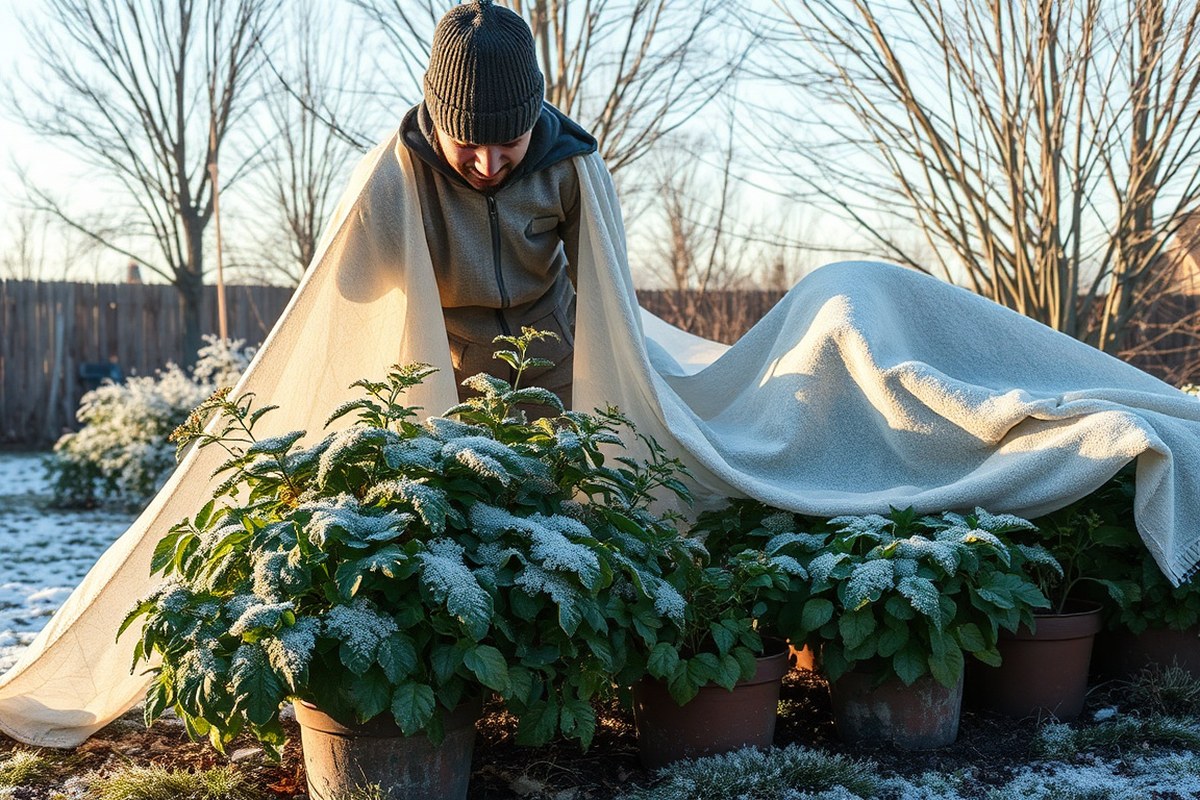
Knowing how to protect plants from a freeze means acting before temperatures fall. Start covering tender plants when forecasts predict lows around 32°F, using lightweight frost cloths. Covering early prevents ice crystals that damage plant cells and leaves.
Watch the weather closely on clear, calm nights when frost forms. Frost is most likely when air temperatures are near 38°F. Stay alert even if temperatures seem safe. Protect plants before the first freeze to help avoid costly damage or plant loss.
Apply a layer of mulch around the base of plants to trap soil heat. Use straw, leaves, or wood chips for good insulation. Mulching helps protect roots from freezing temperatures during cold spells.
Water plants thoroughly before a freeze since moist soil holds heat better. Avoid watering when temperatures dip below freezing to prevent ice damage. Combining watering, mulching, and covering gives plants the best freeze protection.
Key Takeaways
- Cover plants before temperatures drop to 32°F to prevent freeze damage.
- Check forecasts regularly on clear nights for frost or freeze warnings.
- Use breathable frost cloths to trap heat without suffocating plants.
- Water plants well before a freeze to keep soil warm and moist.
- Apply 2 to 4 inches of mulch around plants for root insulation.
- Hardier vegetables like kale survive mild freezes better than tender types.
1. When and How to Start Protecting Plants from Freeze
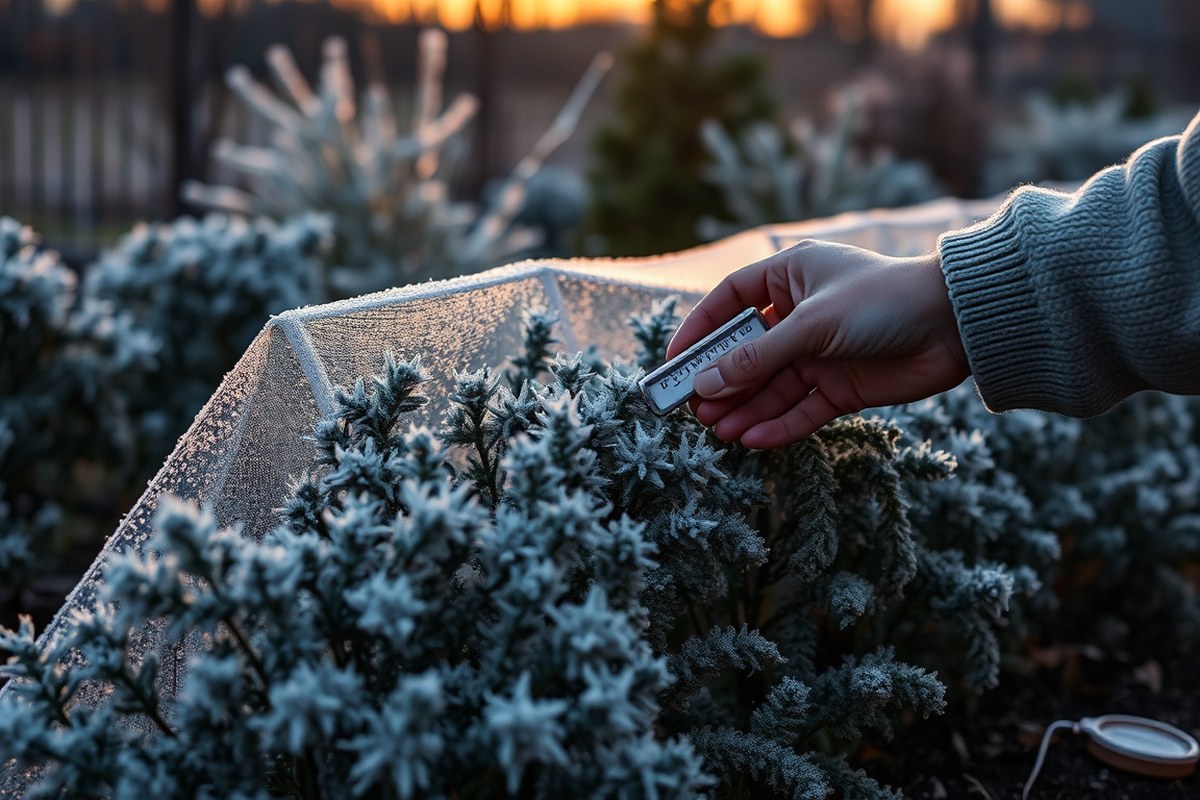
Start protecting your plants when temperatures approach 50°F (10°C). This is the point when many tender plants begin to feel stress from the cold. Cooler-hardy plants like spinach or kale can handle temperatures closer to 28°F. But protection helps them survive longer.
Freeze happens at 32°F and below. Ice forms inside plant cells, causing damage by bursting their walls.
When the temperature drops below 28°F for several hours, most plants can die even with covers. Plan to cover or bring plants indoors before such an event.
Check local frost and freeze dates to know your risk periods. These dates vary by region and zone. Use a weather app to watch for cold nights.
Check your local extension for forecasts. This helps you act before frost harms plants.
Keep protective covers on through the cold night. Take them off after temperatures rise above 40°F (4°C). Doing this protects plants properly.
Leaving covers on during the day may cause overheating on sunny days. Cover plants before sunset to keep them safe.
Uncover them after sunrise when the frost threat ends. This is the safest way.
After the first frost, adding mulch like straw around plants further insulates their roots. This step protects perennials but won’t help leaves shielded by covers.
Water soil well before the freeze to keep it warm slightly longer. Dry soil cools faster and harms roots sooner.
Remember, different plants tolerate cold differently. For example, tropical plants need protection sooner, often when the temperature nears 50°F. Hardier vegetables last longer. Plan according to the most sensitive plants you have to avoid last-minute freezes.
2. Differences Between Frost and Freeze and Why It Matters
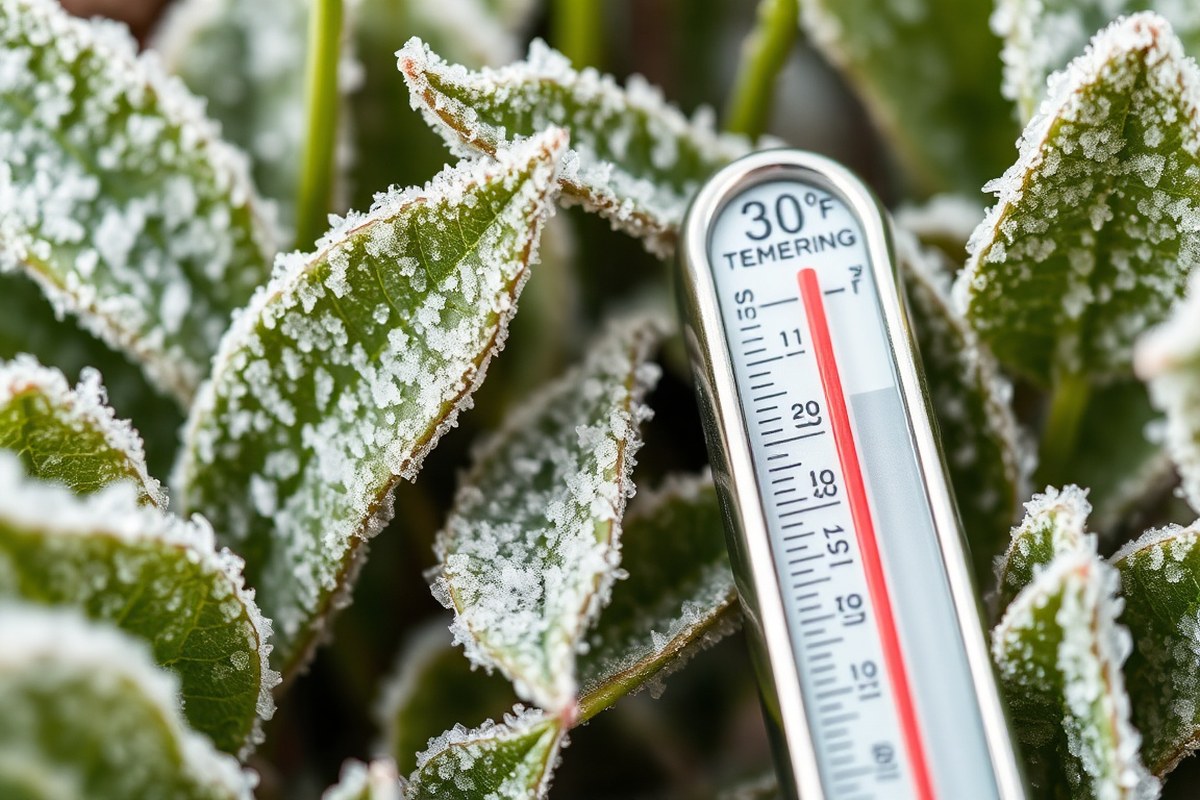
Frost forms when plant surfaces cool below 32°F, even if the air stays just above freezing. Plant leaves lose heat faster than the air around them. This causes moisture to freeze on the leaves.
That’s why frost forms on plants first. Freeze, however, means the air temperature itself drops below 32°F, freezing water inside plant cells. That ice inside the cells expands, damaging the plant’s tissues more deeply than frost does.
Frost mainly harms leaf surfaces by creating ice crystals that rupture outer cells. Freeze can harm stems, roots, and buds because internal water freezes and expands. A light frost might make leaves look droopy or patchy.
A freeze below 25°F often causes serious plant damage. You might see blackened stems or even dead plants. This temperature is dangerous for most plants.
The frost’s effect is mostly cosmetic at first. But freezing temperatures cause lasting harm inside the plant.
Here’s a quick comparison: frost forms between 32°F and about 36°F due to surface cooling. Freeze means the air temperature is 32°F or lower. Frost damages surfaces; freeze damages internal cells.
Frost can happen even when the thermometer shows slightly above freezing. Freezes last longer and do more harm when very cold.
The lower the temperature, the worse the damage. The length of the freeze also matters.
Knowing this helps you decide when and how to protect your plants. Covering plants before temperatures reach the mid-30s helps shield them from frost. Use strong protection like heavy covers for freezes below 32°F. Move pots indoors if possible, especially near or below 25°F. This helps keep plants safe from frost.
Water plants deeply the day before a freeze hits. Moist soil holds heat and protects plant roots. This simple step helps plants survive the cold.
Frost doesn’t always come with freezing air. So don’t wait for a freeze warning to cover plants. Pay attention to clear, calm nights when frost is most likely.
Freeze damage is much harder to recover from because ice punctures cell walls. Protect plants early when frost risk is in the forecast.
Early protection lowers the chance of costly freeze damage. Don’t wait until the cold hits to act.
3. Best Materials and Techniques for Covering Plants
Covering plants with the right material can stop freeze damage fast. Use breathable frost blankets to let moisture pass but trap heat.
Plastic covers block wind and cold but need careful setup to avoid moisture buildup. Burlap and blankets add insulation but need extra care to not weigh down plants.
Fabric Covers: Frost Blankets and Row Covers
Frost blankets and row covers are lightweight fabrics that protect plants from frost. They trap warmth while letting light and moisture through. These covers cost around $0.10 to $0.30 per square foot, depending on thickness and quality.
Use the covers before sunset to trap the day’s heat near plants. For ground plants, place the fabric loosely over the foliage without crushing the leaves. Secure edges with soil, bricks, or stakes to stop cold air from sneaking in.
Plastic Covers and Alternatives
Thick plastic sheets, like greenhouse plastic or tarps, stop cold air and snow effectively. They block wind and warm air inside but don’t breathe. This can cause condensation that damages plants if left on too long.
Remove plastic covers during the day if frost stays multiple nights. Use lightweight burlap or frost cloth underneath plastic to reduce plant burn from direct contact. Plastic covers can be found for around $10 to $30 for a 10×10-foot sheet.
| Cover Type | Insulation Level | Light & Moisture Access | Cost Estimate | Best Use |
|---|---|---|---|---|
| Frost Blankets / Row Covers | Moderate | Breathable (light & moisture pass) | $0.10-$0.30 per sq ft | Frost-sensitive plants, garden beds |
| Thick Plastic Sheets / Tarps | High | Non-breathable (traps moisture) | $10-$30 per 10×10 ft | Heavy freeze, wind protection |
| Burlap and Blankets | Medium-High | Breathable but heavier material | Varies; often repurposed | Insulating roots/container pots |
Choosing the right cover depends on how cold it gets and plant type. Fabric covers shine in light freezes with easy setup. Plastic is better for strong freezes but needs careful handling.
Best Practices for Securing Covers Overnight
Secure covers fully around the plant base to trap warmer air close. Use soil, rocks, bricks, or garden staples to hold the fabric or plastic edges down. Loose covers let cold air rush in, reducing protection.
Leave enough space so the cover doesn’t press on tender leaves. For small plants, use hoops or stakes to create a tent structure. Remove covers as soon as temperatures rise above freezing to avoid overheating or mold.
Using Burlap, Blankets, and Other Materials
Old sheets, bath towels, or throw blankets work well for quick frost protection. They trap heat naturally but are best for short freezes or extra layering under plastic. Household items cost nothing if you already have them.
Wrap container pots with bubble wrap or burlap before covering foliage. Add a 2-inch mulch layer on soil to keep roots warm. These steps especially help container plants, which cool faster than ground plants.
4. Watering and Mulching to Insulate Against Freeze
Watering your garden before a freeze can actually help protect plant roots. Wet soil holds heat better than dry soil. This warmth can keep roots safer during cold nights.
Mulching is another effective way to insulate roots. Spread 2 to 4 inches of organic mulch like straw or shredded bark. Use leaves if you don’t have straw or bark.
Cover your plants with the mulch evenly. This layer keeps soil temperature steady and cuts down on harmful freeze, thaw cycles.
Keep mulch a few inches away from plant stems or trunks. Direct contact can cause rot or invite rodents. Mulching protects roots but doesn’t mean you should smother the plant base.
To get the best protection, follow these watering and mulching steps before cold weather hits.
- Water your plants thoroughly about 12 hours before the expected freeze. This gives soil time to absorb moisture and hold heat.
- Choose organic mulch like straw, shredded bark, leaves, or composted wood chips. These materials trap heat and allow air circulation.
- Spread 2 to 4 inches of mulch around the base of your plants for good insulation. Avoid piling mulch against stems or trunks by leaving a 2-3 inch gap.
- Extend mulch out beyond the plant drip line if possible to cover more soil area. This extra coverage slows heat loss.
- Use straw or shredded leaves for tender perennials and young shrubs. These are lightweight and easy to spread.
- In windy areas, weigh mulch down with bricks or rocks to stop it from blowing away.
- When spring brings warmer weather, start to remove the mulch. Do it slowly to avoid trapping moisture. This also helps keep pests away.
This simple routine can lower root damage during freezes and reduce stress on your plants. Avoid using plastic directly on soil, as that can trap moisture and cause rot. Good mulch lets soil breathe but keeps it warm.
5. Using Cold Frames, Windbreaks, and Heat Sources
Cold frames, windbreaks, and heat sources help protect plants from freezing temperatures. Each method traps heat or blocks cold winds to reduce freeze damage. You can build, place, and use these tools easily with simple materials and safety in mind.
Building and Using Cold Frames
Cold frames are small boxes placed over seedlings or garden beds. They keep heat inside during the day and release it at night. Using old pallets or bricks makes good walls for these frames.
Follow these steps to build a simple cold frame:
- Choose a sunny spot that receives light all day long.
- Build a wooden frame about 2 feet deep and 3 feet wide.
- Attach a transparent lid using plexiglass or old window glass.
- Place the frame over plants or seedlings before the first expected freeze.
- Open the lid on warm days for ventilation and close it at night.
- Add mulch inside the frame to keep soil warmth stable.
- Check plants daily, removing dead leaves and watering as needed.
Don’t forget to open the cold frame during sunny days to avoid overheating plants inside.
Creating Effective Windbreaks
Windbreaks shield plants by blocking cold wind, which strips heat. Trees or shrubs on the garden’s north and west sides work well as natural barriers. You can also place fences or burlap screens to serve as windbreaks.
A windbreak needs to be 6 to 10 feet tall. Place it about 10 to 15 feet from your plants. This helps protect plants from strong winds.
This setup slows the wind and stops it from hitting plants directly. Windbreaks help soil keep its heat, reducing freeze risk.
Safe Use of Heat Lamps and Christmas Lights
Heat lamps and old-fashioned incandescent Christmas lights give extra warmth for sensitive plants. Use outdoor-rated bulbs and keep them at least 12 inches away from foliage to avoid burning. Never leave heat lamps on unattended; use a timer for safety.
String incandescent lights under frost covers for gentle heat during freeze nights. LED lights don’t emit enough heat to protect plants.
So avoid them for this purpose. Always check cords and plugs for damage before use, and keep electrical equipment dry.
Only use heat lamps outdoors with proper safety gear and never near flammable materials.
6. Protecting Potted and Container Plants During Freezes
Start by moving your potted plants indoors or to a sheltered spot before the freeze hits. A garage, covered porch, or spot against the house works well. These areas protect plants from cold winds and hold warmth better than open spaces.
You can’t bring plants indoors? Put them near a south-facing wall. Or place them under a large tree for some protection.
These locations soak up sunlight during the day and radiate heat at night. Adding stones around pots helps keep plants warm.
Stones soak up heat during the day. They release it slowly to give extra warmth.
Water your container plants well before the freeze. Moist soil holds heat better than dry soil, reducing the risk of root freeze. Avoid overwatering, it needs to be damp, not soaking wet.
To insulate pots, wrap them in bubble wrap or burlap. Thick layers help stop cold air from chilling the roots inside. Don’t have stones or pots?
Use a towel or old blanket instead. They protect plants from cold at night. Place the insulating material around pots, not just on top.
To protect plants more, make a small tent using plastic. Use stakes or wire hoops to hold the plastic up. This keeps cold air away from plants.
Make sure the plastic doesn’t touch the leaves. Remove this cover when the temperature rises above freezing to prevent overheating and mold.
Smaller, lightweight pots are easier to relocate indoors. Larger containers may need extra insulation and careful placement outside. In milder freezes, just moving pots closer together can raise humidity and heat around roots.
Keep in mind the costs and effort. Bubble wrap and burlap run $10 to $20 per roll, reusable for years.
Temporary plastic covers cost less but can cause moisture issues if left too long. Moving plants indoors takes time but offers the best freeze protection.
7. Hardening Off and Selecting Freeze-Tolerant Plants
Slowly get your plants used to colder temps. Pick cold-hardy plant types. This helps reduce freeze damage chances.
Hardening off toughens young plants so they survive outdoors better. Picking freeze-tolerant vegetables keeps more of your garden productive during cold snaps.
Steps to Harden Off Plants Gradually
Put your plants outside for a few hours daily. Do this for 7 to 10 days. Start before the cold weather hits.
Start in a shady spot to avoid shock from direct sun and wind. Increase outdoor time daily, exposing them to longer sunlight and cooler night air.
Bring plants indoors if temperatures drop below 40°F during this process. Water them well before taking them outside each day. Well-hydrated roots deal better with cold stress and help prevent freeze damage.
Cold-Hardy vs. Tender Plants Explained
Freeze-tolerant plants survive brief freezing better than tender ones that suffer damage or die. Tender annuals and tropical plants need extra care or protection in fall and early winter. Growing cold-hardy crops extends your garden’s growing season across frosty days.
Here is a quick guide showing freeze tolerance and planting tips for common vegetables:
| Plant Type | Freeze Tolerance | Best Planting Time |
|---|---|---|
| Kale | Freeze-hardy (withstands 20°F) | Early spring or fall |
| Spinach | Freeze-hardy (can handle light freezes) | Early spring or late summer |
| Tomato | Tender (damaged below 32°F) | After last frost date |
| Basil | Tender (kills in frost) | After last frost date |
| Carrots | Moderately hardy (survive light freezes) | Plant early spring or late summer |
Choosing plants that fit your climate reduces your need for emergency protection. Tender plants still grow well if you shield or bring them indoors during freeze warnings.
Designing a Garden Resistant to Freezes
Place cold-sensitive plants near south-facing walls or protected corners. These spots warm up faster during the day and stay warmer at night. Avoid low spots where cold air pools and increases frost risk.
Use cold frames or cloches over tender plants for extra protection. Windbreaks like hedges reduce chilling winds that worsen freeze damage. Combine these with good watering and mulching for best results.
8. After Freeze Care: Recovery and Damage Prevention
Right after a freeze, you need to check plants carefully before removing any covers. Wait until mid-morning when temperatures climb above freezing. This step stops heat loss and helps plants avoid sudden cold shock.
Look for signs of freeze damage like blackened leaves, mushy stems, or wilted branches. Avoid pruning right away.
The plant needs time to show true damage as some parts may still recover. Remove covers gently to prevent bruising or breaking tender stems.
Watering is important for recovery but do not overdo it. Give them a slow, deep soak to help roots absorb moisture without causing soggy soil. Keep watering regularly throughout the next week to aid healing and new growth.
Follow this step-by-step guide to remove protections safely and support recovery:
- Wait until mid-morning or when temperatures are above 32°F (0°C).
- Untie or loosen ties, clips, or rocks holding covers down.
- Lift covers slowly, supporting plants to avoid damaging weak stems.
- Set covers aside in a dry place for reuse during the next freeze.
- Inspect plants for damaged parts, but hold off on pruning for about a week.
- Water plants slowly and deeply, avoiding puddles or runoff.
- Watch plants daily and prune brown or mushy parts after one week.
- Keep fertilizing gently to encourage recovery, but avoid strong feeds immediately.
Don’t leave covers on too long; they can trap moisture and cause fungal problems.
Step-by-Step Action Plan to Protect Plants from Freeze
Follow these steps to protect your plants before, during, and after a freeze. Each step helps you spot if your efforts are working.
- Before frost season: Choose freeze-tolerant plants or harden off tender plants. You’ll see tougher leaves or slower growth as signs.
- 24 hours before freeze: Water plants well to insulate roots. Soil should feel moist but not soggy.
- Evening before freeze: Cover plants with frost cloths or old sheets. Check if covers stay dry and secure overnight.
- During freeze: Use windbreaks or small heaters near plants if possible. Plants should look less wilted compared to uncovered ones.
- Next morning: Remove covers once temperatures rise above freezing. Watch plants for any new damage or shivering leaf tips.
- Within 24 hours post-freeze: Mulch exposed soil and prune only dead parts. Look for greener growth in a few days.
- After one week: Monitor plants closely and adjust watering. Recovery signs include new shoots or leaves undoing curl.
Frequently Asked Questions
What Plants Are Most at Risk During a Freeze?
Vegetables, annuals, and tropical plants outdoors suffer most freeze damage. Hardy plants like spinach and kale tolerate light freezes down to 28°F better. Protect tender plants first to reduce loss.
Can I Use Plastic to Cover Plants During a Freeze?
You can use plastic, but avoid plastic touching leaves directly. It traps more heat but may cause frost damage if wet leaves freeze under it. Use breathable frost cloths or place stakes to keep plastic off plants.
How Deep Should Mulch Be to Protect Plant Roots from Freeze?
Mulch should be 2 to 4 inches deep around plant roots for good insulation. It slows soil temperature changes and keeps roots warm during freezes. Avoid piling mulch against plant stems to prevent rot.
Is It Better to Water Plants Before or After a Freeze?
Water plants before a freeze for better freeze protection since moist soil holds heat. Avoid watering after frost to prevent freezing damage to roots. Give ample water during fall to boost plant resilience.
Can I Leave Outdoor Potted Plants During a Freeze If Covered?
Covering potted plants helps, but indoor placement is safer for freezes. Containers chill faster than ground soil and can freeze roots more easily. Move pots to sheltered spots or indoors if possible.
Does Windbreak Protection Really Reduce Freeze Damage?
Yes, windbreaks slow cold winds and reduce stress on plants during freezes. Even a fence or hedge can lower wind speed and improve microclimate warmth around plants. Combine with covers for best results.
Wrapping Up
Protecting plants from freeze takes careful timing and simple tools. Start shielding your most vulnerable plants tonight. Keep watching for slow improvements as your garden bounces back.