

What Is a Snake Plant? A Complete Guide to Types, Care, and Benefits
Snake plants are hardy, easy-care houseplants with tall, stiff leaves. Known as mother-in-law’s tongue, they are succulents that store water in their leaves. This lets them survive dry conditions well.
They vary in size from about 6 inches to several feet tall indoors. Snake plants need little water and tolerate low light levels. This makes them great for busy or new gardeners wanting low-maintenance plants.
Many varieties show unique leaf patterns and colors. Their care stays simple: use well-draining soil and moderate light. These basics keep snake plants healthy and thriving.
Snake plants also help purify indoor air by filtering toxins. They release oxygen at night, which can improve bedroom air quality. They offer beauty and function with minimal care.
Key Takeaways
- Snake plants are succulents known for their upright, sword-shaped leaves.
- They can grow between 6 inches to 4 feet tall indoors or outdoors.
- Choose bright, indirect light or 6-8 hours of direct sunlight for growth.
- Water only when soil is completely dry, roughly every 2-3 weeks.
- Use well-draining soil and avoid overwatering to prevent root rot.
- Keep the temperature above 55°F to avoid damage from cold drafts.
What Is a Snake Plant and Is It a Succulent?
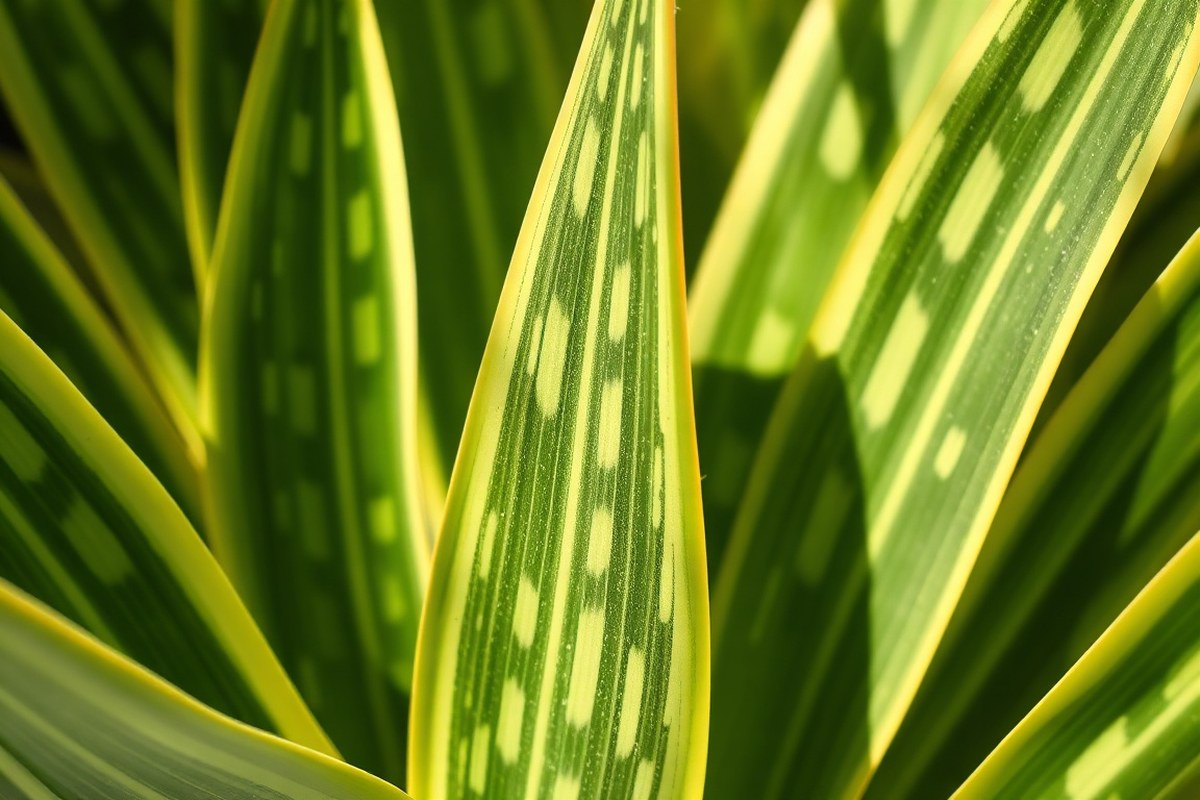
The snake plant is a hardy houseplant known for its long, upright leaves. Its scientific name is Dracaena trifasciata, though it was once called Sansevieria. This plant grows between 6 inches and several feet tall.
It adapts well to different spaces. That makes it easy to fit your room.
Despite its thick leaves, the snake plant is not a true succulent. It stores some water in its leaves but does not meet the strict criteria for succulents. This means it needs watering less often but still requires some moisture to thrive.
The name “snake plant” comes from its leaf shapes. The leaves look like snakeskin or long twisting snakes. This look gave the plant its common name.
People also call it mother-in-law’s tongue. This comes from its pointed leaves. They seem sharp and stiff, like a biting tongue.
Another old name is viper’s bowstring hemp. It refers to the plant’s fibers. These fibers were once used to make bowstrings.
Where Does the Snake Plant Originate and What Is Its Natural Habitat?

The snake plant, or Dracaena trifasciata, originates from West and Central Africa. It grows naturally in dry, warm climates where temperatures stay above 60°F (15°C). This environment shapes how it handles sunlight, water, and temperature indoors.
Native snake plants grow up to 4 feet tall outside and can bloom. Inside, they usually stay below 2 feet and rarely flower. They like bright light and soil that drains well because they come from sunny, dry places.
Recognizing these natural conditions helps you care for your snake plant properly. It prefers bright light, ideally 6 to 8 hours of sunlight or equivalent artificial light. Keep temperatures between 60°F and 85°F (16°C to 29°C).
Don’t water too much. This plant keeps water in its leaves and roots. It can handle dry periods outside.
Overwatering is the biggest risk. Letting snake plants sit in soggy soil leads to root rot and death.
Snake plants grow slowly and don’t need constant feeding or frequent repotting. Their tough nature means they tolerate low humidity and survive some neglect. Give your snake plant care like its warm, dry home in Africa.
This helps it stay healthy. It will look strong and upright.
Common and Popular Snake Plant Varieties Compared
Snake plants vary widely in size, shape, and coloration. Some stay small, perfect for desks or shelves. Others grow tall enough to fill a corner or entryway with striking leaves.
Most common are varieties of Sansevieria trifasciata, which share similar care needs but differ in looks. Their leaf shapes range from stiff and upright to shorter and curved. Variegation patterns also vary, with some showing yellow edges and others deep green stripes.
| Variety | Height (Indoor) | Leaf Shape | Colors & Variegation | Growth Habit |
|---|---|---|---|---|
| Sansevieria trifasciata ‘Laurentii’ | 2 to 4 feet | Upright, swordlike | Green center with yellow margins | Tall clumps, slow spread |
| Sansevieria trifasciata ‘Hahnii’ | 8 inches to 20 cm | Short, rosette | Dark green with lighter horizontal bands | Compact, bushy |
| Bird’s Nest Snake Plant | 12 to 18 inches | Wavy, curved blades | Medium green, slight variegation | Bushy, dense clumps |
| Giant Snake Plant (wild types) | Up to 12 feet | Long, upright blades | Varies; often green or grey-green | Clump-forming, large scale |
Smaller types like ‘Hahnii’ fit well in tight spaces and need less light. The tall ‘Laurentii’ is a classic choice, standing out with yellow-edged leaves.
Large wild varieties rarely live indoors because of their size. They show how much snake plants can vary.
Although care is similar, size affects how often you water and repot. Compact types dry out quickly and may need repotting every two to three years. Bigger ones hold moisture longer and might go longer between repots.
How to Care for Snake Plants: Light, Water, Soil, and Temperature
Snake plants grow best with bright, indirect light but can tolerate low light. Water them sparingly, allowing soil to dry between waterings. Use a well-draining succulent or cactus soil mix and keep temperatures between 60-75°F (16-24°C).
Light Requirements and Adjustments
Snake plants prefer bright, indirect light for healthy growth. Too much direct sunlight can scorch their leaves. Too little light slows their growth.
They tolerate low light very well but might grow slower or lean toward the light source. Move your plant closer to a window in darker rooms.
- Place near an east or north-facing window for bright, indirect light
- Avoid prolonged direct sunlight to prevent leaf burn
- Can survive in low light rooms such as bathrooms or hallways
- Rotate plant occasionally for even growth
- When leaves lean or stretch, increase light little by little.
Adjust the plant’s position based on its growth and leaf color. Healthy leaves look firm and upright, not stretched out or droopy.
Watering Frequency and Technique
Water snake plants about once every 1 to 2 weeks in spring and summer. Let the soil dry completely before watering again. In cooler months, water less often.
Use a small amount of water, enough to moisten soil but never soak it. Overwatering leads to mushy roots and leaf rot.
- Check soil moisture by sticking a finger 1-2 inches deep
- Water only if soil feels dry at that depth
- Water thoroughly until it drains from the pot’s bottom
- Empty excess water from the saucer after 30 minutes
- Reduce watering frequency in winter to once every 3-4 weeks
Leaves wrinkle when the plant isn’t getting enough water. Brown tips often mean inconsistent watering or hard tap water buildup. Use filtered water if possible.
Choosing the Right Soil Mix
Snake plants need well-draining soil to prevent root rot. Succulent or cactus potting mix works best because it dries out faster.
You can mix indoor potting soil with cactus soil to get a suitable blend. Avoid heavy garden soil that holds too much moisture.
- Use commercially available succulent/cactus mix like Miracle-Gro
- Mix potting soil and cactus soil at a 2:1 ratio for good drainage
- Add perlite or coarse sand to improve aeration
- Choose a pot with drainage holes to let excess water escape
- Repot every 2-3 years to refresh soil and check roots
Good soil feels loose and drains quickly after watering. Poor soil stays soggy, which can damage the plant’s roots.
Ideal Temperature and Humidity
Keep your snake plant in temperatures from 60 to 75°F (16 to 24°C). It can tolerate brief cooler or warmer spells but prefers stable warmth.
Avoid placing it near cold drafts or heating vents, which cause stress. Normal household humidity is fine; extra humidity is rarely needed.
- Maintain room temperature within 60-75°F range
- Protect from temperatures below 50°F to prevent damage
- Keep away from drafts, radiators, and air conditioners
- Normal indoor humidity (30-50%) is adequate for growth
- Wipe leaves occasionally to remove dust and improve air flow
Good temperature and humidity help your snake plant grow steadily. Cold or dry air can cause leaf tips to brown or edges to curl.
Repotting and Pruning Your Snake Plant for Best Growth
Repot your snake plant every two to three years or when it outgrows its pot. Prune only when you see damaged or dead leaves to keep the plant healthy and tidy. Use sharp, clean tools and work carefully to avoid harming it.
Signs You Need to Repot
Notice when your snake plant looks crowded. Check if roots come out the drainage holes. This means it’s time to repot.
Leaves may become shorter or the plant may grow slowly if it’s root-bound. Soil that dries out very quickly also signals a repot might be needed.
Bulging or cracked pots usually mean the roots have filled the space too much. You may need to repot every two to three years.
It depends on how fast your plant grows. A larger pot at first can delay repotting.
Step-by-Step Repotting Process
Choose a pot one or two sizes bigger than the current one. Make sure it has drainage holes for healthy roots. Use a well-draining soil mix suitable for snake plants.
- Water the plant a day before repotting to ease root removal.
- Turn the pot sideways and gently slide the snake plant out, loosening roots if needed.
- Trim any rotten or dead roots using clean scissors or pruning shears.
- Fill the new pot with 1 to 2 inches of fresh soil at the bottom.
- Put the snake plant in the new pot. Fill the pot with soil around the plant roots. Leave some space at the top for watering.
- Press the soil lightly to secure the plant, but don’t compact it too much.
- Water the soil lightly to settle it, then place the pot in indirect light.
- Avoid fertilizing immediately; wait four to six weeks for the plant to adjust.
Repotting is best done during spring or summer when the plant is actively growing.
When and Why to Prune Leaves
Prune snake plants to remove dead, yellow, or brown leaves as soon as you spot them. It improves the plant’s look and prevents disease from spreading. Also prune if leaves flop or lean too much, especially in tall varieties.
Snakes plants don’t need heavy pruning. Trim only the affected leaves to keep the strong, upright shape typical for these plants.
Tips for Safe Pruning
Use sharp, clean pruning shears or scissors to avoid crushing or injuring the leaves. Cut leaves at the base close to the soil but avoid damaging nearby healthy leaves. Disinfect tools between cuts if several leaves are brown or diseased.
Dispose of removed leaves properly to prevent pests or diseases from spreading. Wear gloves if you have sensitive skin because the sap can irritate it. Pruning won’t harm your snake plant if done carefully and only when needed.
Propagation Techniques That Work for Snake Plants
Propagating snake plants works well through leaf cuttings or dividing their rhizomes. Both methods keep your plant healthy while you grow new ones. Expect roots and new shoots to show within a few weeks to a couple of months.
Propagating by Leaf Cuttings
Leaf cuttings are a simple way to grow new snake plants from a healthy leaf. Cutting a leaf into sections lets you plant more than one new plant at once.
Take a sharp, clean knife and cut a mature leaf into 3 to 4 inch pieces. Plant each piece right side up in moist, well-drained soil, about 1 inch deep.
- Choose a healthy leaf and cut it near the base.
- Slice the leaf into 3 to 4 inch sections.
- Let the cuttings dry for a day to form calluses on the ends.
- Place cuttings in a pot with well-drained soil.
- Keep the soil slightly moist but not wet.
- Put the pot in indirect light, avoiding direct sun.
- Wait 4 to 8 weeks for roots to start forming.
- Watch for new shoots, which may take up to 3 months.
Division of Rhizomes
Dividing a mature snake plant is faster and more reliable than leaf cuttings. It also creates larger, quicker-growing plants.
Gently take the plant out of its pot. Separate thick rhizomes with roots.
Divide them into two or more sections. Each should have leaves and roots.
- Water the plant a day before dividing to ease root removal.
- Remove the whole plant from its pot.
- Brush off excess soil to see the rhizomes clearly.
- Use your hands or a clean knife to split the rhizomes.
- Plant each section into a pot with well-draining soil.
- Water lightly and place in indirect bright light.
- Expect new growth within weeks.
Water vs. Soil Propagation Timeline
You can root leaf cuttings in water, but soil usually delivers better results. Water propagation is neat and lets you watch roots grow.
Leaf cuttings take about 4 to 6 weeks in water for roots to develop. Once roots are 1 to 2 inches long, transfer them to soil carefully.
Soil propagation can take 6 to 8 weeks before you see new leaves. Keep soil moist but avoid overwatering and poor drainage to prevent rot.
Common Propagation Mistakes to Avoid
Overwatering is the top mistake that leads to root rot. Snake plants need soil that dries out between waterings.
Planting leaf cuttings upside down prevents root growth. Always plant with the original bottom end down.
Failing to let cuttings callus before planting can cause rot. Let leaf pieces dry 24 hours before putting them in soil or water.
Identifying and Fixing Common Snake Plant Problems
Yellow leaves often signal overwatering or poor drainage. Roots that stay soggy begin to rot and may kill your plant. Feel your pot’s soil; it should dry out between waterings.
Root rot is the deadliest issue for snake plants. It happens when water sits around the roots too long. A mushy, soft leaf base means you should act fast to save it.
| Symptom Observation | Pathological Cause | Emergency Action |
|---|---|---|
| Mushy, yellowing base | Advanced root rot from poor drainage | Un-pot; discard rotted roots; sanitize pot |
| Dry, crispy brown tips | Under-watering and salt buildup from fertilizer | Stop fertilizer; flush root zone with water |
| Wrinkled, accordion-like leaves | Severe dehydration draining succulent reserves | Soak pot in water to rehydrate plant |
Brown, crispy leaf tips happen when your plant gets too little water or too much fertilizer. Stop fertilizing and flush the soil with plenty of water to remove salt buildup.
Wrinkled leaves mean your snake plant is severely dry. To fix this, place the entire pot in a basin of water. Let it soak until the leaves plump back up, which may take several hours.
Common pests include mealybugs and spider mites. Check your plant regularly for white cottony spots or webbing. For pests, wipe leaves with a damp cloth or use mild insecticidal soap.
Snake plants dislike cold drafts and sudden temperature drops. Keep them away from cold windows or drafty rooms in winter. These conditions increase the risk of rot and sudden death.
Benefits and Safety of Snake Plants in Homes
Snake plants are well known for their ability to improve indoor air quality. They filter out toxins like formaldehyde and benzene, common in household air. Having one in your living room or bedroom adds cleaner air without much work.
These plants release oxygen at night, unlike most others. This makes them great for bedrooms, helping you breathe better while you sleep. Place your snake plant on a nightstand or next to a window.
This spot gives it plenty of fresh air. It helps the plant stay healthy and clean.
Growing a snake plant also brings mental health benefits. Research supports that having plants at home can reduce stress and boost mood. The green color and simple shape of snake plants add calmness to busy or cluttered rooms.
Snake plants usually don’t bloom indoors. But if yours is very happy, it might surprise you with small, cream-colored flowers. These blooms appear on tall stalks and smell sweet, though flowering is rare and unpredictable.
Keep snake plants out of reach of pets and small children. Ingestion can cause mild nausea or irritation.
Even though snake plants bring many benefits, they’re toxic if eaten by pets or kids. The plant contains saponins, which can cause upset stomachs. Place yours on a high shelf or in rooms pets rarely visit to stay safe.
Tall varieties like ‘Laurentii’ or ‘Zeylanica’ create a strong visual impact, doubling as natural decor. Their upright leaves add height without demanding much space, making them good indoor companions. Just keep the room warm and avoid overwatering to keep your plant happy.
Step-by-Step Action Plan for Your Snake Plant
Follow this simple plan to get your snake plant healthy and thriving quickly.
- Day 1: Choose a bright spot with indirect light. When leaves turn pale next week, move plant to a brighter place.
- Week 1: Water the plant lightly when soil is dry to the touch. Check soil moisture weekly and reduce watering if soil stays wet.
- Week 2: Use well-draining potting mix designed for succulents. Water sitting on the surface means repotting with a grittier mix works.
- Month 1: Check for pests like spider mites or mealybugs. Look for webbing or white fuzzy spots on leaves.
- Month 2: Trim any damaged or yellowing leaves at the base with clean scissors. Healthy leaves grow thicker and greener.
- Month 3: Propagate by cutting healthy leaves or dividing roots during repotting. New plants show roots within a few weeks.
- Ongoing: Keep room temperature steady between 65 and 80°F. Avoid cold drafts that can cause leaf damage.
Frequently Asked Questions
What Does a Snake Plant Symbolize in Home Decor?
Snake plants often symbolize strength and resilience in homes. They add a fresh, natural touch with easy care.
Can Snake Plants Survive in Low Light Conditions?
Yes, snake plants can survive low light, but they grow slower. Bright indirect light helps them thrive best.
How Fast Do Typical Indoor Snake Plants Grow?
Most snake plants grow about a few inches per year indoors. Growth speed depends on light, water, and temperature.
Are Snake Plants Toxic to Pets Like Cats and Dogs?
Yes, snake plants are mildly toxic if eaten by pets. Keep them out of reach to prevent chewing risks.
Can You Keep a Snake Plant Outdoors Year-Round?
Only in warm climates without frost can snake plants stay outdoors. They dislike freezing and need protection in cold.
Do Snake Plants Produce Flowers Indoors Often?
Snake plants rarely flower indoors but can under ideal conditions. Flowers are small, white, and fragrant during bloom.
Key Points to Remember
Snake plants are easy, forgiving, and add a fresh touch to your home. Start with the right light and watering to boost their growth. Check them often, and you’ll enjoy a healthy, thriving plant in no time.


