What Flowers Represent Rebirth: 8 Key Blooms with Meaning & Uses
What flowers represent rebirth? Many blooms show renewal through their life cycles and meanings.
Common examples include daffodils, lotuses, crocuses, and even the hardy Lewisia flower. These flowers symbolize fresh starts because they return each year or grow through tough conditions.
You can see rebirth clearly in flowers that bloom after winter or emerge from mud. For example, lotuses grow unstained from muddy water, showing purity and new life. Choosing flowers with seasonal or cultural significance helps convey rebirth in gifts or gardens.
Start by picking flowers that bloom in early spring or survive harsh winters. Notice symbolism linked to rebirth in cultural stories or traditions. Crocuses often stand for hope after long winters.
Keep an eye on such meanings in plants. These practical clues point you toward flowers that truly represent rebirth.
Key Takeaways
- Daffodils signal rebirth by blooming bright after winter ends.
- The lotus symbolizes purity and growth from muddy waters.
- Crocus flowers mark hope and renewal during early seasons.
- Use cultural stories to pick flowers meaningful in rebirth.
- Consider plants that naturally survive and grow back yearly.
- Spring bloomers generally represent fresh starts and new life.
Which Flowers Are Widely Recognized for Rebirth?
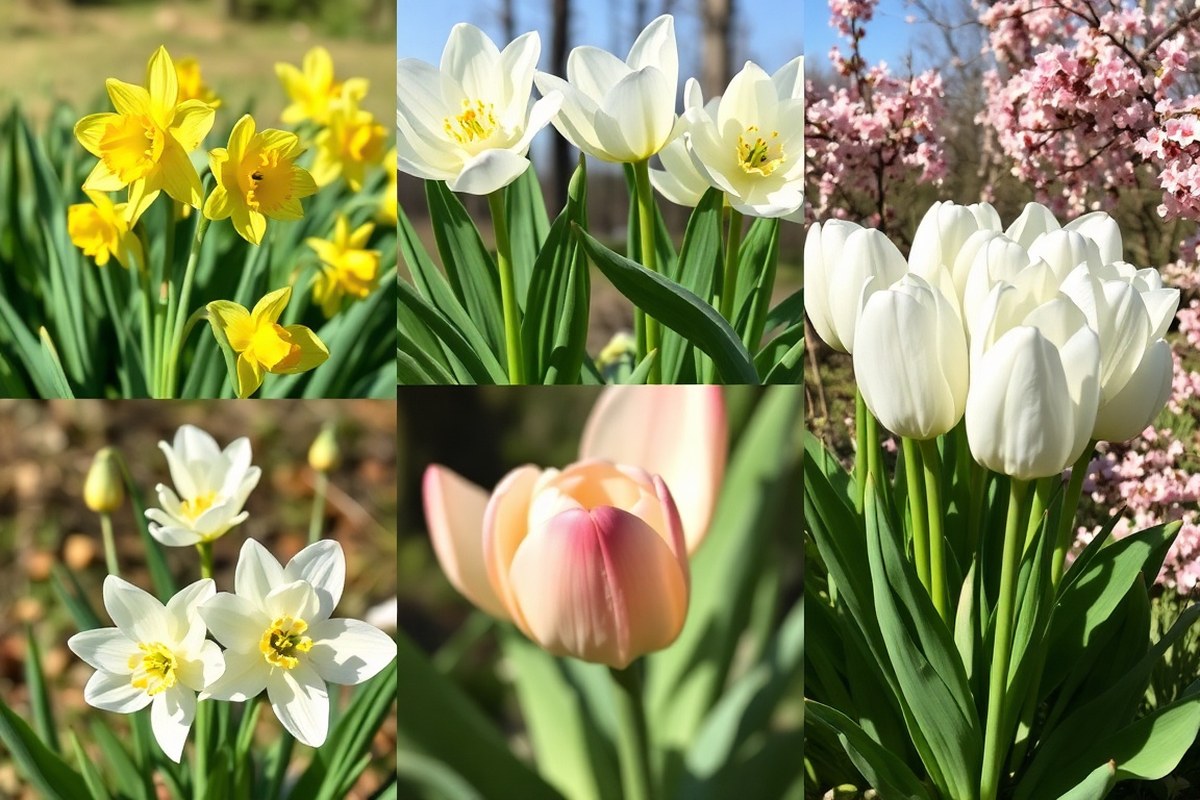
Flowers that represent rebirth often show cycles of growth or fresh starts. They bloom after dormancy or carry meanings tied to renewal. These flowers make meaningful gifts or garden choices to symbolize new beginnings.
These blooms remind us of resilience and hope. Their popularity spans many cultures and occasions. You’ll see them used in ceremonies or given during life changes to express revival.
- Daffodil, Known for hope and fresh starts, blooming in early spring.
- Lotus, Symbolizes rebirth from adversity, due to growing in muddy water.
- Tulip, Represents new beginnings, widely loved in springtime gardens.
- Hyacinth, Associated with renewal and has a rich cultural significance.
- Calla Lily, Elegant and tied to transformation and rebirth.
- Marigold, Bright and cheerful, symbolizing both transformation and renewal.
- Iris, Linked to themes of rebirth and adds symbolic elegance.
These flowers share the theme of starting fresh, each in its unique way. Some bloom after winter’s rest, showing nature’s comeback. Others grow through challenging conditions, symbolizing strength through hardship.
Giving or planting these flowers offers a visible sign of new chapters. Their meanings go beyond looks, carrying deep, layered messages. You can pick them to mark personal growth or simply brighten a space with hopeful reminders.
How Do Seasonal Cycles Connect Flowers to Rebirth?
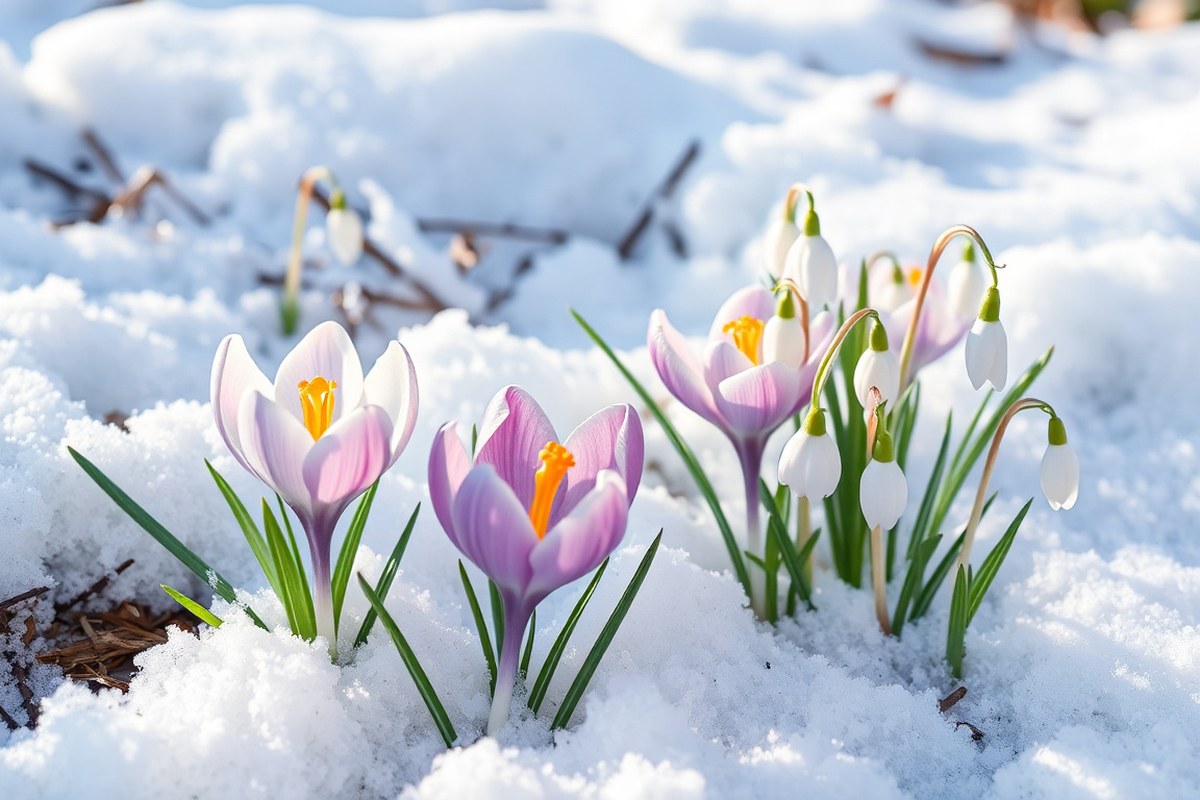
Flowers that bloom in spring often stand for rebirth because they appear just as winter ends. Their timing signals a fresh start in nature’s cycle. These blooms show life returning after months of cold and dormancy.
Spring Bloomers Mark the Year’s Restart
Flowers like daffodils and crocuses bloom early in spring. They push through cold soil and melting snow, showing new life conquering winter’s chill. Their bright colors and fresh scents herald a season full of growth and warmth.
Daffodils are some of the very first to flower after winter’s long freeze. Their appearance marks an end to gloom and invites hope. Crocuses bloom early and nod towards the earth.
They seem to acknowledge winter’s end. These flowers celebrate spring’s arrival.
How Dormancy Connects to Rebirth
These flowers spend winter in a resting phase underground, using little energy. Bulbs and roots lie dormant until temperatures rise around 40°F to 50°F. Then, they awaken and send shoots above the soil to bloom fresh.
This cycle of rest and growth shows rebirth. The plants “die back” in winter. They come back fresh in spring.
There are no leaves or flowers visible during winter. Yet the hidden bulbs remain alive and ready to grow.
Flowers Signaling Winter’s End
Snowdrops stand out as the earliest signs that winter is about to end. They bloom as temperatures climb toward 32°F to 45°F. Their delicate white bells break through frozen ground, symbolizing the return of warmer days.
Magnolias also bloom early in spring, often before leaves appear. Their large flowers open in late March or early April in many places. These blooms represent the rebirth of the natural world after winter’s long rest.
Seasonal Cycles and Cultural Meaning
Many cultures connect these early flowers to hope and healing. In Celtic tradition, snowdrops mark spring festivals focused on renewal and warmth. Their cyclical growth links directly to human hope for new beginnings after hardship.
People often give daffodils at new homes or fresh starts because they symbolize bright, hopeful futures. Flowers that follow the break of winter give concrete reminders that endings bring fresh chances.
Check local frost dates before planting bulbs. Flowers that bloom too late risk frost damage. Timing affects how well plants grow.
What Cultural Traditions Link Flowers with Rebirth?
Many cultures link flowers to rebirth through long traditions and symbolic stories. The lotus and cherry blossom stand out for their rich meanings tied to new beginnings. Yet, these flowers mean different things depending on where you live and what traditions you follow.
Cherry Blossom in Japanese Tradition
Cherry blossoms, or sakura, are deeply tied to rebirth in Japan. They bloom in spring, signaling the end of winter and promising new life. People celebrate hanami to enjoy cherry blossoms.
It reminds them that life is short. It also shows the beauty of new beginnings.
These flowers appear for just about two weeks each year. That short bloom ties into the idea of ephemerality, meaning everything is temporary. They teach acceptance of change, encouraging hope and renewal every spring.
Lotus Flower in Hinduism and Buddhism
The lotus flower is a powerful symbol of spiritual rebirth. In Hinduism, it represents purity, creation, and the unfolding of the soul. The flower’s rise from muddy water to full bloom shows how people can grow through hardships.
Buddhism shares similar views. It sees the lotus as a symbol of awakening and detachment from the material world. The flower appears in religious art and meditation.
This shows its role in renewal. It also links to spiritual growth.
Ancient Egypt’s View on Rebirth Flowers
In ancient Egypt, the lotus symbolized creation, fertility, and rebirth. It was believed to emerge from the chaotic waters of Nun, bringing light and life. Temples and tombs often featured lotus motifs to show the hope for rebirth in the afterlife.
This meaning tied rebirth to cycles of nature and the spiritual area. The flower opens and closes daily like life cycles.
This reflects life, death, and renewal. It shows why the flower is important.
Different Meanings Across Cultures
The same flower can mean different things worldwide. Cherry blossoms mean rebirth in Japan. In other places, they are just pretty trees.
The meaning changes by culture. The lotus means rebirth in Asian and Egyptian cultures.
Others see it as just a water plant. Its meaning varies widely.
Culture largely shapes how people understand a flower’s message. Knowing a flower’s cultural symbolism helps when gifting or decorating.
This ensures your meaning comes across right. It avoids confusion.
How to Use Rebirth Flowers Respectfully
When you want to share rebirth symbolism, learn the cultural background. For instance, giving cherry blossoms in Japan during spring tells a story of hope. Picking flowers that fit the local or recipient’s culture avoids misunderstandings.
Use fresh blooms for the best effect. Cherry blossoms usually cost more in spring, so plan purchases accordingly. Fresh lotus flowers can be hard to find.
Dried or art versions work well for spiritual uses. They still carry meaning.
What Are the Symbolic Meanings of Key Rebirth Flowers?
The daffodil is a bright yellow flower that clearly signals rebirth. It blooms early in spring, which makes it a symbol of renewal and new beginnings. The color yellow also adds to its meaning of hope and happiness.
The calla lily has a unique shape. It has white petals. In the middle, it has a yellow spike.
It dates back to early Christian times when it symbolized the rebirth of Christ during Easter. Its name comes from Greek and means beauty.
This links to holiness and faith. That shows in weddings and other religious events.
The lotus is a spiritual symbol known worldwide for its connection to rebirth. It grows out of murky waters, yet it blooms clean and bright. This shows purity and enlightenment, making it a powerful emblem of spiritual awakening and renewal.
| Flower | Symbolism | Key Features | Historical/Cultural Use |
|---|---|---|---|
| Daffodil | Rebirth, new beginnings, renewal | Bright yellow, early spring bloom | Widely used as a sign of hope and happiness |
| Calla Lily | Rebirth, holiness, faith, beauty | White petals with yellow spike, unique shape | Symbolic in early Christian Easter celebrations |
| Lotus | Rebirth, purity, spiritual awakening | Emerges clean from muddy water, often yellow or white | Recognized globally, rooted in multiple cultures |
The three flowers have different ways of showing rebirth. Daffodils come up with the first warm spring days, helping you feel fresh starts. Calla lilies bring in religious meaning tied to faith and beauty at events like weddings.
The lotus adds a deep spiritual layer, especially with its rise from mud to bloom pure. Its cultural reach spans from Egypt’s sun god myths to Asian religions. The lotus is more than just a pretty flower.
It has strong symbolic meaning all over. People see it as a symbol with deep importance.
When Should You Give Flowers That Represent Rebirth?
Giving flowers that symbolize rebirth works well for both joyful and reflective moments. They suit occasions marking new starts like weddings, new jobs, or moving into a new home. Displaying them at home can brighten your space during tough times.
They also add cheer during a fresh season. These flowers bring a positive change indoors.
Match the flower type to the event to add deeper meaning. Daffodils and sunflowers are lively choices for celebrations.
Lilies and peonies add elegance and hope to solemn or personal milestones. Tulips offer a beautiful, versatile option at any time of year.
- Choose daffodils or sunflowers for cheerful milestones and parties.
- Pick lilies or peonies for weddings or personal renewals.
- Use tulips for flexible gifts and seasonal decorations.
- Avoid dark or wilted flowers that could confuse your message.
- Include a note explaining the rebirth symbolism if unsure.
- Buy fresh flowers to keep the symbolism strong and clear.
- Consider potted plants for longer-lasting gifts expressing growth.
Gifting or displaying fresh, vibrant flowers shows thoughtfulness and positive wishes. Limp or old flowers may send mixed signals or look unkind. Unsure about the recipient’s tastes or the event’s tone?
Add a card explaining what these flowers mean. It helps share the message clearly.
Always check whether the recipient has allergies or dislikes to flowers before gifting.
For fresh flower gifts, buy them from a reputable florist to ensure quality. Prices vary but expect to pay $15 to $30 for a medium bouquet.
For a long-lasting reminder of renewal, pick potted plants like a blooming hyacinth. They bring fresh energy to a home and last weeks with basic care.
How Do Flower Colors and Shapes Reflect Rebirth Meaning?
Yellow flowers often signal hope and happiness. They shine brightly, reminding you that good health and fresh starts are possible. Yellow lilies and tulips, for example, show joy and a new beginning with their warm colors.
White flowers add a sense of purity and calm to rebirth meanings. They symbolize innocence and the soul’s renewal, making them perfect for fresh starts. White lilies and tulips carry this clean, gentle message, often linked to forgiveness and peace.
Flower shapes also play a big part in how you read their rebirth symbolism. Shapes can hint at inner strength or delicate hope, depending on their form.
Trumpet-shaped flowers like lilies stand out as bold signs of renewal. Meanwhile, small, bowed flowers like rain lilies suggest hope after hard times.
- Trumpet-shaped blooms (like lilies) symbolize bold renewal.
- Bowed or delicate flowers (like rain lilies) represent hope through struggle.
- Clustered blooms suggest community and growing bonds, such as hyacinths.
- Single large petals can signal strength and endurance, like magnolias.
- Small carpet-like flowers (wood anemones) show brief, precious moments of renewal.
Colors mix with flower shapes to deepen the message. For instance, white flowers pushing through snow show purity and determined hope.
Yellow flowers bring brightness to shadier, tougher times, suggesting resilience. These details help you pick the right flower for the renewal message you want to share.
What Lesser-Known Flowers Also Symbolize Renewal and Rebirth?
You can find several lesser-known flowers that also symbolize rebirth and renewal. These flowers often have unique cultural stories or natural traits tied to growth and new beginnings. Adding them to your bouquet or garden brings fresh meaning beyond the usual choices.
Each of these flowers has its own way of representing a fresh start or resilience. They often bloom in challenging conditions or have ties to seasonal cycles.
They are great for anyone wanting to celebrate change. They symbolize new life in a thoughtful way.
- Columbine: Symbolizes endurance and the transition through life phases. Its delicate petals show resilience through spring blooms.
- Bleeding Heart: Its heart-shaped flowers show eternal renewal. They bloom again every year.
- Hellebore: Often called the “Christmas Rose,” it blooms in winter, symbolizing rebirth during dark times.
- Daisy: Linked to Norse goddess Freya, it symbolizes purity and new beginnings with its sunny appearance.
- Chrysanthemum: In Asian cultures, it stands for rejuvenation and optimism, especially when flowering in fall.
To use these flowers in a bouquet, choose blooms that are just starting to open. This shows the unfolding of new life more clearly. In gardens, plant them in well-draining soil with moderate sunlight, matching their natural growth needs.
These flowers usually cost between $5 and $15 per stem at florists or garden centers. Growing them yourself from seeds or bulbs may take one season.
But you get ongoing blooms each year. Watch out for overwatering, which can hurt roots and stop blooming.
How to Choose and Care for Rebirth Flowers in Different Settings?
Choosing the right rebirth flower depends on where you plan to grow it. Indoor plants need different care than outdoor gardens. Selecting flowers suited for your space helps their blooms thrive and keeps their symbolism strong.
Choosing Flowers for Indoor or Outdoor Spaces
Lilies and magnolias can grow indoors or outdoors, but conditions vary. Lilies adapt well to pots on sunny windowsills.
Magnolias usually need more space outside. Dogwood trees are best outdoors, as they grow large and need full sun.
Pick plants based on your space, light, and climate. Lilies like temperatures between 65°F and 75°F indoors.
Magnolias prefer partial to full sunlight and well-drained soil outdoors. Dogwoods need moist soil but don’t tolerate soggy conditions.
Basic Care Tips for Popular Rebirth Flowers
Keep soil moist but not soaked. Water lilies regularly, especially when buds form.
Magnolias need deep watering twice a week during dry spells. Dogwoods require consistent watering during their first few years.
Fertilize weekly during the growing season using a balanced 10-10-10 fertilizer. Prune dead or weak branches on magnolias and dogwoods after flowering. After lilies bloom, cut back dead stems to promote healthy regrowth.
- Place lilies where they get bright, indirect light.
- Water plants deeply and regularly, adjusting for indoor or outdoor conditions.
- Use balanced fertilizer every week during spring and summer.
- Remove dead flowers and leaves to encourage new growth.
- Prune according to each plant’s flowering cycle.
- Monitor indoor humidity for lilies; keep around 50% for best results.
- Protect outdoor plants from frost in early spring and late fall.
Watch for overwatering. Too much water can cause root rot and kill the plant.
Maintaining Symbolism Through Proper Flower Care
Healthy plants show the rebirth meaning clearly. Wilting or neglected flowers lose their symbolic power. Caring right lets their fresh blooms reflect new starts.
Replace any dying plants promptly to keep the message strong. Flower health signals the energy and hope rebirth flowers represent. Maintaining vibrant blooms supports the meaning you want to share.
Step-by-Step Action Plan to Use Rebirth Flowers
Start bringing rebirth flowers into your life with this simple plan. You’ll learn when and how to pick, care for, and share these flowers.
- Day 1: Choose a popular rebirth flower like the lotus or daffodil. Check they look fresh and healthy.
- Day 2: Find the right color that matches the rebirth meaning you want. For example, white or yellow fits well.
- Week 1: Plant your flowers if possible, or put them in clean water daily. Watch for signs of wilting or dull leaves.
- Week 2: Use these flowers in a gift or at home to symbolize new beginnings. Notice the positive reactions from others.
- Month 1: Experiment with lesser-known rebirth flowers like the bleeding heart. Note how they change the feel of your space.
- After 6 weeks: Check how long your flowers lasted. Think about how they changed your mood or space. Adjust care or choices as needed.
Frequently Asked Questions
What Flowers Symbolize Rebirth in Different Cultures?
Many cultures see the lotus and daffodil as rebirth symbols. The lotus often means spiritual renewal in Asia. Daffodils mark spring and new growth in Western traditions.
Can Flower Symbolism of Rebirth Vary by Flower Color?
Yes, color can change rebirth meanings. White flowers often mean purity and fresh starts, while yellow shows hope and energy.
Are There Specific Flowers Tied to Rebirth in Religious Ceremonies?
Yes, lilies and lotuses are common in religious rebirth themes. Lilies often symbolize resurrection in Christianity; lotuses signify enlightenment in Eastern faiths.
Why Do Spring-Blooming Flowers Often Represent Rebirth?
These flowers bloom after winter, which signals nature’s restart. Their growth naturally connects to new beginnings and fresh chances.
Can Indoor Plants Represent Rebirth the Same Way Flowers Do?
Some indoor plants like orchids show rebirth by blooming repeatedly. They remind you that growth and renewal happen anywhere, indoors or out.
How Can Gardeners Use Rebirth Symbolism in Planting Designs?
Gardeners plant flowers like tulips or daisies to mark fresh starts. This choice adds meaning and inspiration to your garden space.
Before You Go
Rebirth flowers bring a fresh start and hope with every bloom. Pick your favorites and care for them with simple steps. Start today by choosing one flower that speaks to new beginnings for you.