How to Take Care of Marigolds: A Complete Guide for Vibrant Blooms
Knowing how to take care of marigolds starts with watering regularly and fertilizing every 2-3 weeks. Healthy marigolds need sunlight, good soil, and some pruning to stay vibrant. Taking these steps helps marigolds grow strong and keep blooming all season long.
Plant marigolds in spring after temperatures stay above 60 degrees Fahrenheit. Use well-drained soil and pick a spot that gets six or more hours of sunlight daily. Watch for dead leaves and faded flowers and prune them off to encourage new growth.
Marigolds don’t do well in cold weather below 40 degrees Fahrenheit. They can handle some chill but thrive in warm conditions. Regular care with water, fertilizer, and pruning ensures your marigolds stay colorful and full.
Key Takeaways
- Water marigolds weekly if rainfall is less than one inch.
- Fertilize marigolds every 2-3 weeks for steady growth and blooms.
- Plant French marigolds 8-10 inches apart for best air circulation.
- Provide at least 6 hours of direct sun daily for healthy growth.
- Prune dead flowers and leaves to encourage continuous blooming.
- Keep marigolds away from temperatures below 40°F to avoid damage.
Essential Marigold Care for Healthy Growth and Blooms
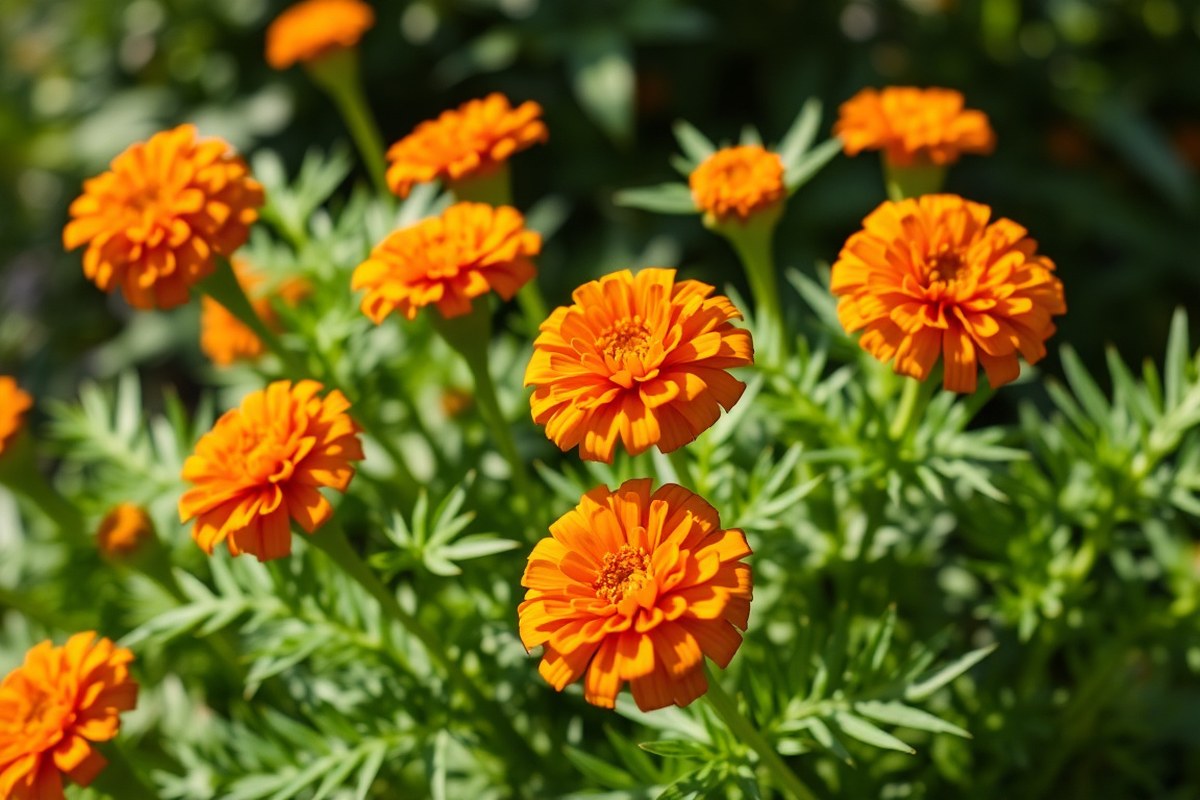
Marigolds need simple routine care for healthy growth and bright blooms. Water marigolds once a week if rain is less than 1 inch. Soak the soil about 6 inches deep each time you water.
This keeps the roots moist enough to grow well. Potted marigolds dry out faster. Water when the top inch of soil feels dry to touch.
Let the water drain out from the pot’s bottom holes. This prevents the soil from staying too wet.
Feed marigolds with a balanced fertilizer every 2 to 3 weeks during the growing season. Use a general-purpose mix with equal ratios like 10-10-10 for steady growth and good blooms.
Too much fertilizer may cause lush leaves but fewer flowers. So follow the package instructions carefully.
Pruning is easy but helpful. Remove dead or fading flowers by pinching them off to encourage new buds to grow.
Cutting back leggy stems helps keep marigolds bushy and full. This deadheading extends blooming by several weeks and improves the plant’s overall look.
Watch out for wilting or yellow leaves, which mean overwatering or poor drainage. In containers, check that pots have enough holes to prevent soggy roots. Loosen soil around marigold plants in garden beds for better watering.
This lets water reach roots evenly and stops puddles. It helps roots get water without drowning.
Marigolds do well in many places but thrive with some attention. Their bright flowers last longer with weekly watering and regular feeding.
Deadheading takes only a minute but can double the flowering period. These small efforts keep your marigolds healthy and full of color all season long.
Choosing and Planting the Right Marigold Varieties
To pick the best marigold for your garden, know the common species and their traits. Choose the variety based on your climate, space, and growing goals. Plant at the right time, with proper spacing, whether starting indoors or sowing outside.
French vs. African Marigolds
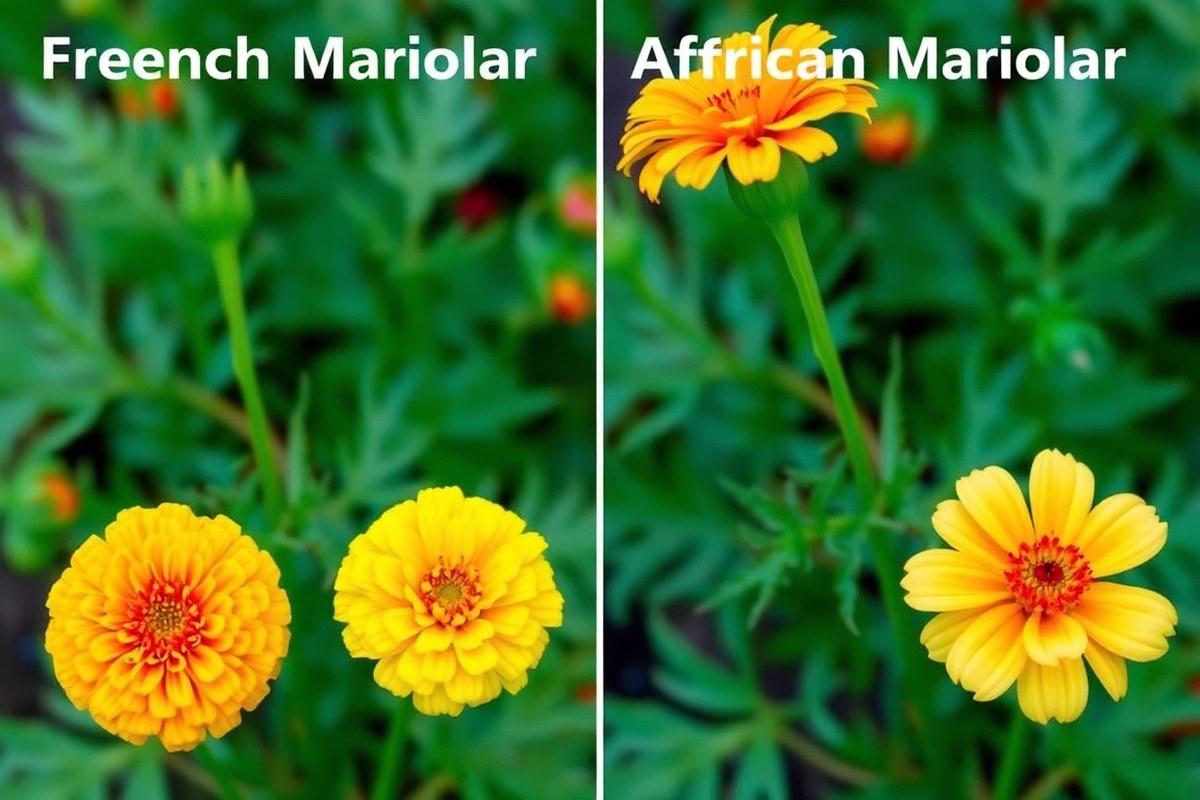
French and African marigolds are the main options, plus American marigolds. French marigolds grow shorter, about 6 to 12 inches tall, with bright, compact blooms. African marigolds are taller, up to 3 feet, with large pompom flowers around five inches wide.
French marigolds fit small gardens and containers well. African types suit larger spaces but need staking as they grow tall. French types tolerate humid conditions better, while African marigolds handle drought well.
| Marigold Type | Height | Bloom Size | Spacing | Drought Tolerance | Humidity Tolerance | Maturity Time |
|---|---|---|---|---|---|---|
| French Marigold | 6, 12 inches | 1, 3 inches | 8, 10 inches | Low | High | About 60 days |
| African Marigold | Up to 3 feet | ~5 inches | 12 inches | High | Low | 70 to 90 days |
Choose French marigolds for compact beds and tight spaces. Pick African marigolds for big, sunny areas with room to grow tall blooms.
Planting Timing and Temperature Needs
Marigolds need soil temperatures over 65 degrees Fahrenheit to thrive. Plant outdoors after your last frost date and once the soil warms up. This timing works for most USDA zones 2 through 11.
African marigolds take longer to mature, between 70 and 90 days. French varieties are faster, maturing around 60 days. Starting African marigolds indoors is usually better in zones with short summers.
Seed Starting Indoors vs. Direct Sowing
Start marigold seeds indoors 4 to 6 weeks before frost. Use seed starting mix for best results. Keep the soil moist and warm during germination.
This helps African types and any variety when your growing season is short. You can sow French marigold seeds directly outdoor after the frost risk passes.
Space French marigolds 8 to 10 inches apart and African marigolds about 1 foot apart. Use containers only if large enough, especially for African marigolds. Staking taller types in late summer keeps plants upright and healthy.
Don’t plant marigold seeds outdoors before soil reaches 65°F. The seeds may not sprout well.
Light, Soil, and Water Requirements for Marigolds
Marigolds need full sun to grow well. They should get at least 6 hours of direct sunlight each day.
You can plant marigolds in sunny garden beds. They also grow well on a bright window indoors.
These flowers do best in soil that drains well. Use light soil with a sandy or loamy texture. Avoid heavy clay soil that holds water because marigolds don’t like soggy roots.
Soil pH plays a role in marigold growth. Aim for a pH between 6.0 and 7.0, which is slightly acidic to neutral.
Test your soil pH using a kit from a garden store. Add lime to raise pH or sulfur to lower it.
Water marigolds when the top inch of soil is dry. Stick your finger in the soil to check moisture. Watering deeply but less often helps roots grow strong and prevents disease from too much wetness.
During dry spells, water your marigolds more often to avoid wilting. However, avoid watering every day if the soil stays moist, or the roots might rot. A good routine is every 2 to 3 days, depending on weather and soil type.
Marigolds in pots need watering more often. Containers dry out faster than ground soil.
Check soil moisture daily in hot weather. Water until it drains from the bottom of the pot to fully soak the root zone.
After planting, mix compost or balanced fertilizer into the soil for nutrients. Marigolds usually don’t need extra fertilizer if your soil is healthy.
Overwatering or poor drainage can cause yellow leaves and weak plants. So watch for soggy soil signs regularly.
Fertilizing Marigolds: Frequency, Types, and Ratios
Most marigolds don’t need much fertilizer to grow well. In-ground marigolds usually only need fertilizing once, before planting. Work a balanced 10-10-10 fertilizer into the soil at this time to provide steady nutrients.
Feed your marigolds in pots once a month for best results. Use a soluble, balanced fertilizer and follow the label directions carefully. Too much fertilizer can harm your plants, so always measure the right amount.
Taller marigold species do best with balanced fertilizers like 10-10-10. Smaller, bushier marigolds like fertilizer higher in phosphorus. A good example is a 1-2-1 or 1-3-2 fertilizer.
These numbers show the ratio of nitrogen, phosphorus, and potassium. This helps support blooms and compact growth.
For bedded marigolds, add a slow-release fertilizer rich in phosphorus around midsummer. Apply the amount the package suggests. This helps boost flowering during peak season.
Choose between liquid or granular fertilizer based on your routine. Liquid fertilizers work fast and can be applied weekly but must be diluted well. Granular types release nutrients slowly and only need applying a few times each season.
Apply liquid fertilizer no more than once a week during the growing season. Overfeeding can cause leggy plants or fewer flowers. Always dilute liquid fertilizer according to instructions.
Spread granular fertilizer evenly at the base of the plant. Keep it away from the stems to prevent damage. This helps the plant absorb nutrients safely.
Water the soil after applying to help nutrients soak in. This reduces the risk of burning your plants.
Before choosing fertilizer, consider your marigold variety and growing method. Pots need more regular feeding than garden beds.
Taller marigolds handle balanced fertilizer well. Smaller types benefit from formulas higher in phosphorus and potassium.
Practical checklist: Fertilize in-ground marigolds once during planting with a 10-10-10 mix. Feed potted marigolds monthly with diluted liquid fertilizer. Use slow-release phosphorus-rich fertilizer on garden beds in midsummer as instructed.
Pruning, Deadheading, and Maintenance Techniques
Deadheading, pruning, thinning, and staking keep marigolds healthy and blooming longer. Deadhead once a week during active blooming to stop seed growth.
Pruning shapes the plant and removes dead parts. Thinning improves airflow, and staking supports taller varieties.
Step-by-Step Deadheading Guide
Deadheading means removing spent flowers to encourage new blooms. Do this at least once a week when marigolds are flowering heavily. It stops the plant from wasting energy on seed production and keeps your garden tidy.
- Find wilted or faded flowers on the plant.
- Use your fingers or clean scissors to pinch the stem. Cut just above the first set of healthy leaves.
- Remove the entire flower head, including the short stem behind it.
- Dispose of dead flowers properly to avoid pests.
- Repeat weekly to maintain continuous blooming.
Don’t deadhead late in the season if you want marigold seeds for next year.
When and How to Prune Marigolds
Pruning helps marigolds grow fuller and prevents legginess. You can gently trim back overgrown stems once plants reach about 6 to 8 inches tall. Removing damaged or yellowing leaves improves plant health.
Pinching new growth tips encourages branching, which creates more flowers. Remove 1 to 2 inches from the top using clean scissors or fingers. Avoid cutting too much; a light trim stimulates growth without stressing the plant.
Supporting Taller Marigold Varieties
Tall marigolds sometimes need staking to stay upright, especially in windy areas. Place stakes early while plants are young to avoid damaging roots. Tie the stems loosely to stakes with soft garden ties or strips of cloth.
Thinning crowded marigolds helps prevent diseases and gives remaining plants room to grow. Pull out weak or crowded seedlings when they’re 2 to 3 inches tall.
Leave about 8 to 12 inches between plants. Good airflow reduces spider mites and other pests.
Loose ties around stems prevent damage and allow growth during staking.
Identifying and Managing Common Marigold Pests and Diseases
Spider mites and aphids commonly attack marigolds, especially during hot, dry weather. Spider mites cause tiny yellow or white speckles on leaves, which may turn brown and dry. Aphids appear as small green or black insects clustered on new growth or flower buds.
Diseases like powdery mildew show up as a white, powdery coating on leaves and stems. Wilting, yellowing, or stunted growth can also hint at pest or disease problems. Check your plants often.
Look under leaves and near the base. Watch for pests and spots.
Spray plants with a strong water jet. This washes pests like spider mites off. It’s an organic treatment.
Use insecticidal soap or neem oil. Apply every 5 to 7 days. Continue for two to three weeks.
These treatments cost about $10 to $20 for a small bottle. They are safe around edible plants.
For powdery mildew, prune and dispose of affected leaves to reduce spread. Apply fungicides based on potassium bicarbonate or sulfur, following label instructions carefully. These products may cost between $15 and $25 and require reapplication after rain.
Preventing pests and diseases starts with keeping soil healthy by adding compost or organic fertilizer yearly. Remove dead leaves and plant debris regularly to cut hiding spots for pests. Avoid overhead watering to lower humidity, which encourages powdery mildew growth.
Healthy marigolds withstand pests better. Space plants to allow air circulation and reduce moisture buildup. Consider natural predators when damage is bad.
Ladybugs cost about $10 for 100 bugs. Find them online or at garden centers.
Chemical pesticides can be used, but remember they may harm beneficial insects. Always read and follow label directions when using any pesticides. Rotate between organic and chemical treatments to prevent pest resistance in long-term gardening.
Growing Marigolds in Containers vs Garden Beds
Marigolds can grow well in containers if you choose the right size and soil. Pick containers at least 8 to 12 inches deep for shorter marigold types. Taller varieties need wider and deeper pots to support their height without falling over.
Use well-draining potting soil with moderate fertility. Avoid ordinary garden soil because it can hold too much water or drain poorly in pots.
A good potting mix will dry out faster. So expect to water your marigolds more often than those planted in garden beds.
Watering marigolds in containers takes more attention. The soil dries faster and the plants might need watering once a day during hot spells. Keep the soil moist.
Don’t let it get soaked. Too much water can cause root rot or fungal problems.
Plant your marigold seeds shallow. Let the base rest on soil. Don’t bury them too deep.
Planting too deep can stunt growth or cause the stems to rot. Place containers in full sun.
Marigolds need six or more hours of light. Make sure they get enough daily.
Check containers every day for dryness. Summer heat dries pots faster. Check often if on patios or balconies.
You may also need to add slow-release fertilizer once a month to supply nutrients. Garden beds hold more soil and moisture.
Small pots are fine when space is tight. Choose based on your space.
Marigolds in containers can brighten patios and windowsills with bold color. Watch water needs closely and always drain excess from container saucers. Overwatering is a common mistake that harms container plants more than garden beds.
From Seed to Bloom: Timing and Propagation Methods
Start marigold seeds indoors about 6 to 8 weeks before the last frost. Keep seeds warm and moist until they sprout. Transplant seedlings outside once the danger of frost has passed and harden them off first.
Seed Starting Timeline and Conditions
Begin sowing marigold seeds indoors at least 6 weeks before the last frost date. Use a seed-starting mix and cover seeds with ¼ inch of soil. Keep the soil temperature between 70 and 75 degrees for best germination.
Seeds usually sprout within 4 to 7 days under these conditions. Maintain consistent moisture but avoid soggy soil to prevent seed rot. After sprouting, give seedlings plenty of light to avoid legginess.
Alternatively, sow seeds outdoors after the last frost. Outdoor seeds take about 1 to 3 weeks to germinate depending on soil temperature. Wait for stable, warm weather before sowing outdoors to avoid failure.
Transplanting Seedlings Outdoors
Water seedlings well before transplanting to reduce transplant shock. Space your young plants about 8 to 12 inches apart in well-prepared soil. Choose a cloudy day or late afternoon to transplant to avoid heat stress.
Gradually expose seedlings to outdoor conditions over several days to harden them off. Start with a few hours in the shade, then increase sun and time outside. After about a week, plants will be ready for full sun and garden soil.
- Sow seeds indoors in seed-starting mix 6 to 8 weeks before frost.
- Keep soil at 70-75°F and moist until seeds sprout in 4 to 7 days.
- Provide bright light to seedlings to keep stems strong.
- Water seedlings well a few hours before transplanting outside.
- Harden off by moving seedlings outdoors for a few hours daily over a week.
- Transplant seedlings to garden 8-12 inches apart after last frost.
- Water transplants thoroughly after setting them in the garden.
Move seedlings outdoors gradually to prevent sunburn and shock.
Propagation by Cuttings
Marigolds usually grow well from seeds, but you can also propagate from cuttings. This method copies the exact parent plant, avoiding surprises from seed propagation. Use a healthy stem about 3 to 4 inches long.
Remove the lower leaves and place the cutting in moist soil or water. Keep the cutting in a warm, bright spot but avoid direct sunlight. Roots should form in 1 to 2 weeks, then transplant the new plant outdoors.
Step-by-Step Action Plan for Growing Marigolds
Follow these steps to start your marigold garden and keep the plants healthy. Each step helps you check that your marigolds are thriving.
- Before planting: Choose a sunny spot with well-draining soil. Check soil drains fast by watering a small patch; no puddles should form.
- Day 1: Plant marigold seeds or seedlings about 6 to 12 inches apart. Look for firm soil contact around roots.
- Week 1: Water your marigolds gently every day to keep soil moist but not soaked. Check soil with your finger; it should feel damp.
- Week 3: Start feeding with a balanced fertilizer every two weeks. Watch leaves for healthy deep green color.
- Week 4: Remove faded flowers and trim back long stems. New buds should form within days.
- After 6 weeks: Inspect plants for pests like aphids or spider mites. Use insecticidal soap if needed and watch for fewer insects.
- Ongoing: Keep marigolds in the sun and water when top 1 inch of soil feels dry. Healthy plants will keep blooming.
Frequently Asked Questions
Can Marigolds Survive in Partial Shade?
Marigolds can grow in partial shade but bloom less. They flower best with at least 6 hours of direct sunlight daily.
How Often Should I Water Newly Planted Marigold Seeds?
Water newly planted marigold seeds gently every day. Keep the soil moist but not soggy until seedlings appear in 5-7 days.
Should I Use Mulch Around Marigolds?
Mulching around marigolds helps keep soil moist longer. It also reduces weeds, but avoid piling mulch against stems to prevent rot.
Is It Safe to Grow Marigolds Near Edible Plants?
Yes, marigolds can be planted near edibles as companion plants. They help repel some garden pests and improve crop health naturally.
Can Marigolds Tolerate Drought?
Marigolds tolerate short droughts but prefer regular watering. Consistent moisture encourages fuller blooms and healthier plants over dry stress.
What Is the Best Way to Store Marigold Seeds?
Store marigold seeds in a cool, dry place inside a sealed container. Doing this keeps them viable for planting the next season or year.
The Bottom Line
Marigolds are tough plants that bloom best with steady care. Start by choosing the right spot and watering carefully. Check your plants regularly and enjoy their bright, cheerful flowers all season long.