How Tall Do Snake Plants Get: A Complete Guide to Sizes and Growth
How tall do snake plants get depends on the type and conditions. Indoors, they usually grow between 1 and 4 feet tall. Outdoor plants can sometimes reach 6 feet or more in warm climates.
Some varieties stay short, around 1 foot. Others like Sansevieria cylindrica grow up to 5 feet tall.
Growing space, light, and pot size also shape their height. Snake plants hate frost and won’t do well below 50 degrees.
Snake plants grow slowly, so it takes several years to reach full height. Bright, indirect light helps maximize their growth indoors. Avoid overwatering since excess moisture can stunt their progress.
Start with picking the right variety for your space and indoor conditions. Watch their light and room to grow, so they don’t get too cramped. This helps them reach their best height without stress.
Key Takeaways
- Indoors, expect snake plants to grow 1 to 4 feet tall on average.
- Outdoor snake plants in warm climates can reach heights over 6 feet.
- Choose varieties like Sansevieria cylindrica for taller, tube-shaped leaves.
- Small varieties like Golden Hahnii only grow up to 12 inches tall.
- Snake plants stop growing well below 50 degrees Fahrenheit.
- Provide enough light and space to encourage taller growth indoors.
How Tall Do Snake Plants Typically Grow Indoors and Outdoors
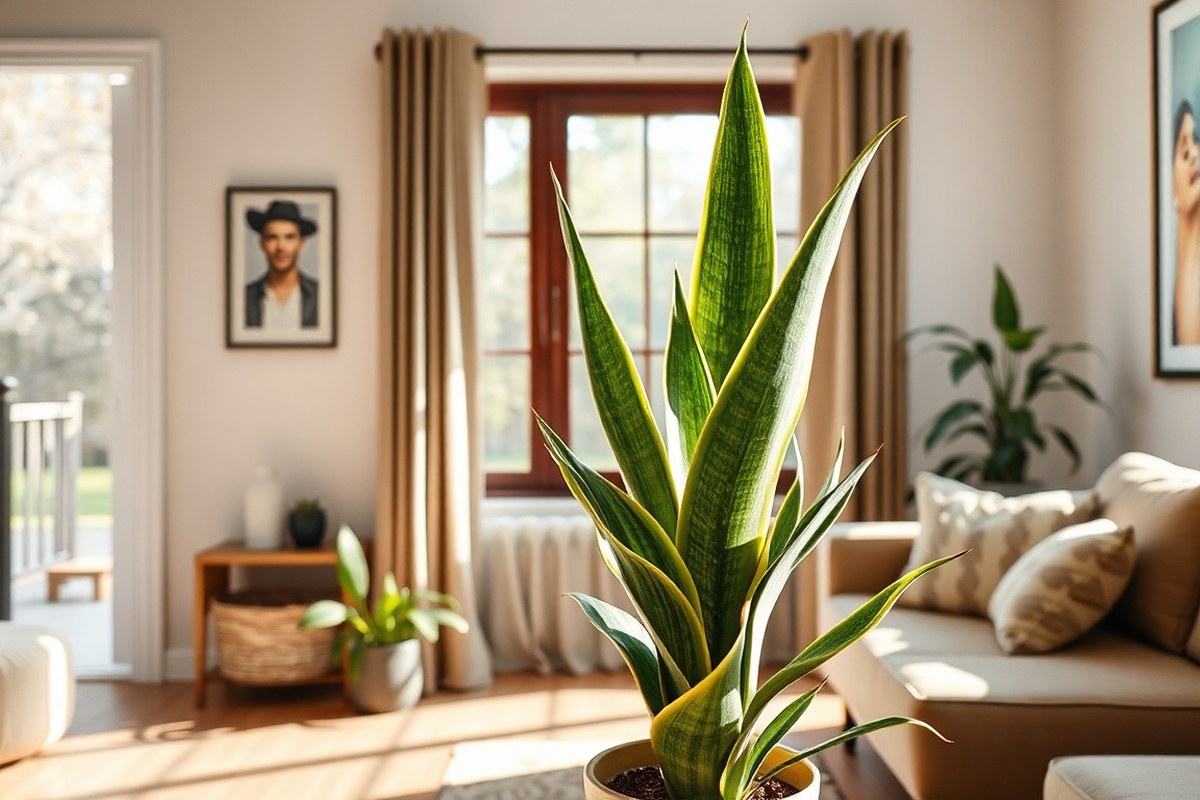
Snake plants indoors usually grow between 1 and 4 feet tall. Light levels, pot size, and snake plant variety affect their height. Outdoor snake plants can get much taller, especially in warm climates.
The tallest varieties, like the Sansevieria trifasciata ‘Laurentii,’ reach around 3 to 4 feet indoors. Some snake plants grow slower, only reaching 1 to 2 feet indoors. Outdoors, the same types can stretch over 6 feet, with rare specimens hitting 12 feet.
Here’s a table showing average and maximum heights for common snake plant varieties inside and outside:
| Variety | Average Indoor Height | Maximum Outdoor Height |
|---|---|---|
| Sansevieria trifasciata ‘Laurentii’ | 3 to 4 feet | 6 feet+ |
| Sansevieria trifasciata ‘Hahnii’ (Bird’s Nest) | 12 inches | 12 to 18 inches |
| Dracaena angolensis (Cylindrical Snake Plant) | 1.5 to 2 feet | 4 to 6 feet |
| Sansevieria ballyi (Dwarf Sansevieria) | 6 to 10 inches | Up to 1 foot |
| Sansevieria trifasciata (Tall Outdoor Variety) | 3 to 4 feet | Up to 12 feet |
Growth speed usually averages about 2 inches per year under home conditions. Limited light indoors keeps plants shorter and slows growth. A bigger pot helps snake plants grow taller indoors.
They also need bright, indirect sunlight. This combo lets them reach close to full size.
Outdoor snake plants benefit from sun, space, and warmer temperatures. These conditions let leaves grow taller and thicker than in pots. Snake plants grow tallest in southern US or tropical zones.
There, they reach their full height. These areas boost their best growth.
Key Snake Plant Varieties and Their Height Differences
Snake plants come in many shapes and sizes. Their height varies widely by variety. Picking the right plant depends on your space.
Think about how tall you want it to grow. Choose a size that fits your room well. Some varieties grow several feet tall, while others stay small and neat.
Tallest Snake Plant Varieties Explained
The tallest snake plants can reach from 3 to 6 feet, making them striking floor plants. Varieties like Sansevieria Laurentii and Sansevieria Cylindrica stand out here. Laurentii usually hits 2 to 3 feet indoors and can top 4 feet in great conditions.
Sansevieria Cylindrica is called the cylinder snake plant. It can reach 3 feet indoors and up to 6 feet outside. This plant works in many home spaces.
Its round tube-like leaves create a unique look. These tall types suit open spaces and bare corners well.
Medium Height and Compact Cultivars
Medium height snake plants usually range from around 1.5 to 3 feet tall. Sansevieria Trifasciata ‘Zeylanica’ is a popular choice here, with dark green leaves striped with silver bands. Its size fits many table or floor locations without overwhelming the space.
These plants are often easier to place in smaller rooms or apartments. They balance bold leaf patterns and manageable size. You’ll find they require similar care to taller types, just with less space needed.
Miniature and Dwarf Snake Plants
Dwarf snake plants stay very compact, growing no more than 10 to 12 inches tall. A good dwarf example is Sansevieria Hahnii, also called the Bird’s Nest. It has short, stiff leaves that cluster low to the ground.
These tiny plants fit perfectly on desks, shelves, or windowsills. They’re great if you want the look of a snake plant without the height. Just remember, size limits their impact in large rooms or open areas.
| Variety | Size | Appearance |
|---|---|---|
| Sansevieria Trifasciata ‘Laurentii’ | 2, 3 feet indoors; up to 4 feet ideal | Sword-like leaves with yellow edges |
| Sansevieria Cylindrica | 1.5, 3 feet indoors; up to 6 feet outdoors | Round, tube-shaped leaves in a fan |
| Sansevieria Trifasciata ‘Zeylanica’ | 2, 3 feet tall | Dark green with silver horizontal bands |
| Sansevieria Hahnii (Bird’s Nest) | 10, 12 inches | Short, stiff leaves in a tight rosette |
Choosing the right snake plant relates to your available space and how tall you want it. Tall varieties create a statement in large rooms.
Dwarfs fit snug on tables or shelves. Medium sizes work as a middle ground.
Choose a snake plant size that matches your space to avoid overcrowding or underwhelming your room.
Factors That Influence How Tall Snake Plants Grow
Light plays a big role in how tall your snake plant grows. It prefers bright, indirect light to reach its full height, around 3 to 4 feet.
Low light won’t kill your plant. But growth slows down and leaf colors might fade.
Temperature affects growth too. Snake plants thrive between 65 and 75°F. Temperatures below 50°F slow growth and can harm the plant. They tolerate different humidity levels but prefer moderate indoor humidity, typical of most homes.
Pot size affects how tall the plant gets. Snake plants like snug pots that slightly restrict their roots.
Bigger pots don’t always mean faster growth. Huge pots can keep the soil too wet, causing root rot and stunting height.
- Use well-draining cactus or succulent soil to avoid root rot.
- Water only when the top inch of soil is dry to the touch.
- Repot in spring every 1 to 2 years, using a pot just one size larger.
- Keep the plant in bright, indirect light for several hours daily.
- Maintain indoor temperatures around 65 to 75°F for steady growth.
- Avoid sudden shifts from low-light to direct sun to prevent leaf burn.
Watering also influences height. Overwatering causes root rot and stops growth, so let soil dry between waterings. Fertilize in spring and summer every 2 to 4 weeks.
Use a diluted succulent fertilizer. This can help but is not required.
Understanding Snake Plant Growth Rate and Timeline
Snake plants grow very slowly, usually 1 to 2 inches each year. Snake plants grow slowly. A young plant may take years to reach full height.
Expect a steady pace over time. A snake plant growing about 1 inch yearly might need 3 to 4 years.
It takes this long to reach 3 feet tall. Growth is slow but steady.
Growth speed depends largely on the variety and conditions. Some varieties, like the Sansevieria ‘Golden Hahnii,’ stay under 12 inches tall and grow slowly.
Others, such as Sansevieria cylindrica, can reach about 3 feet over time. Placing your snake plant in bright, indirect light helps it grow closer to its maximum height.
Tall snake plants don’t always mean they’re the healthiest. Sometimes, rapid growth from poor conditions can make leaves weak or leggy. Focus on steady growth instead of speed.
Provide good light, well-drained soil, and water occasionally. This helps the plant grow healthy over time. A slow, steady growth rate usually shows a healthier snake plant than a suddenly tall one.
Steps to Encourage Taller Growth in Snake Plants
Helping your snake plant grow taller means giving it the right light, soil, watering, and care. These steps encourage vertical growth naturally by mimicking conditions where snake plants thrive. Follow simple care routines, and your plant can reach its full height.
Optimizing Light Exposure
Snake plants grow taller with more bright, indirect sunlight. Place yours near a window where it gets plenty of filtered light all day.
A spot with morning sun or bright shade works best. Avoid harsh direct afternoon sun, which can burn the leaves.
Repotting for Root Space
Roots need space to support taller growth. So repot your snake plant every two to three years. Use a pot only 1-2 inches wider than the current one to avoid soggy soil.
Choose a pot with drainage holes and fill it with sandy, well-draining soil. This helps prevent root rot, which stunts growth.
- Check the roots for crowding or circling every 1-2 years.
- Select a pot 1-2 inches larger than the current pot’s diameter.
- Use sandy, well-draining potting mix designed for succulents or cacti.
- Remove the plant gently and loosen any circling roots.
- Place the plant in the new pot and fill around roots with soil.
- Water lightly once and wait until soil dries completely before watering again.
Repotting too often or into a much bigger pot causes soggy soil and root rot.
Watering and Fertilizing Tips
Keep the soil dry between waterings to avoid root rot, which blocks growth. Water every 2-3 weeks and reduce frequency in winter.
Feed your snake plant once a month in spring or summer. Use a balanced, diluted houseplant fertilizer for best results.
This helps your plant grow healthy and strong. This encourages upward growth and healthy leaves.
Pruning Methods for Growth
Pruning doesn’t make snake plants grow taller but keeps the plant healthy and tidy. Remove damaged or yellowing leaves at their base.
Stopping overcrowding inside the pot helps focus energy on fewer stalks, which can grow taller. Avoid cutting healthy leaves unless needed for shape or space.
Managing Overgrown or Too Tall Indoor Snake Plants
Snake plants can grow too tall for indoor spaces. This may cause tipping. They might also fit awkwardly in small spots.
Pruning helps keep the plant manageable and encourages healthy growth. Trim leaves that look too long or damaged.
Cut them at the base. Use clean scissors or pruning shears.
Repotting is key when your snake plant outgrows its pot. Choose one that is about one size larger than the current root ball. Use a heavy pot with a wide base to prevent the plant from tipping over.
Terracotta or ceramic pots are good choices. They stay stable and help soil dry faster. This lowers the risk of root rot.
- Cut yellow or damaged leaves close to soil for neat growth
- Pick a pot at least 1-2 inches wider in diameter than the old one
- Choose a heavy pot to support top-heavy taller plants
- Water only when the soil dries completely, avoiding sogginess
- Repot every 2 to 3 years or if roots crowd the pot
- Fertilize during the growing season with a balanced succulent fertilizer
Check light and water when your snake plant stops growing taller. They need bright, indirect light and infrequent watering. Overwatering and low light slow growth or cause yellow leaves.
Also, make sure your pot drains well to avoid soggy roots. Healthy soil and occasional feeding boost growth slowly but steadily.
Safety and Placement Tips for Tall Snake Plants Around Pets
Snake plants are mildly toxic to pets like cats and dogs. Their leaves contain saponins, which can cause nausea, vomiting, or diarrhea if chewed on. Large or tall snake plants pose a bigger risk to pets.
Their size makes them more tempting to nibble on. Curious pets often go for bigger plants like these.
Placing a tall snake plant where your pet can’t reach helps avoid accidental bites. Keep the plant off the floor or inside a room that pets don’t enter. This prevents pawing or chewing on the leaves, which might upset their stomachs.
- Improve your snake plant on a sturdy table or shelf.
- Use a heavy planter to keep the tall plant stable and prevent tipping.
- Place the plant away from pet feeding or play areas.
- Consider barriers like baby gates or decorative screens to block access.
- Train pets to avoid the plant using gentle deterrents or sprays.
- Check soil moisture carefully; overwatering can lead to mold harmful for pets.
While snake plants tolerate dry air, keep them away from air vents or open windows. Drafts can stress the plant, making it weaker and less vibrant. A healthy plant stands strong and looks less inviting for pets to chew.
Temperature matters, too. Snake plants prefer 60 to 85 degrees Fahrenheit. A tall plant in a drafty or cold spot can get damaged.
Keep your tall snake plant in a warm, stable place. Avoid areas where cold air blows directly on the plant. Damaged leaves might fall and tempt pets to play with or eat debris.
Choosing the Best Snake Plant Variety to Match Your Space and Growth Goals
Choosing a snake plant variety depends on your space and height needs. Think about where you want to put it. Then pick a plant height that fits your room.
Small varieties suit tight spaces like desks. Tall types fit better in corner spots. Knowing these details upfront helps avoid plants that outgrow their space or look too small.
Matching Plant Size to Room Dimensions
Think about the space you have before choosing a snake plant. Choose a dwarf variety that grows about a quarter inch yearly for narrow or low spots. Pick a tall variety that can reach 3 to 4 feet or taller indoors for a bold look.
Measure your space first. Choose a plant that will fill it in 1 to 3 years. Make sure it won’t crowd the area.
This avoids constant repotting and trimming. For desks or small shelves, smaller snake plants keep a neat look.
Light Requirements by Variety
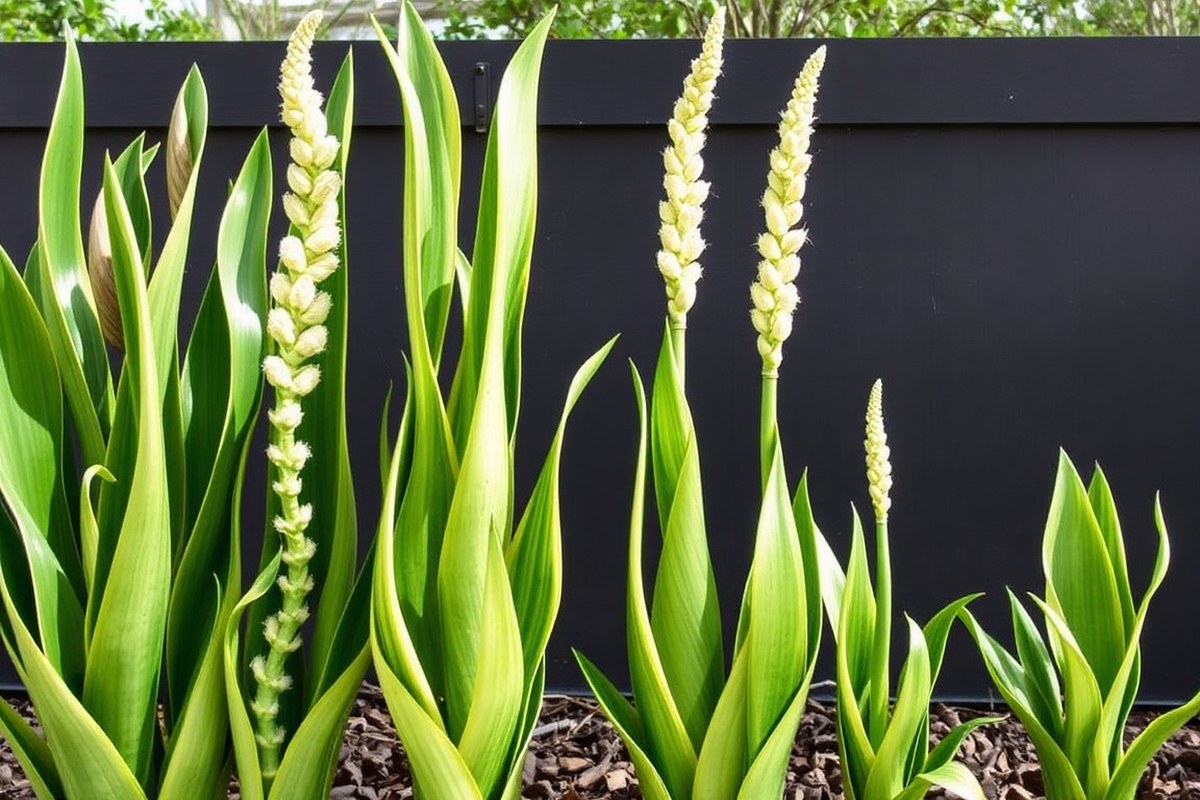
Light can affect how tall your snake plant gets. Most varieties tolerate low to bright indirect light but grow best with bright, indirect light. Good light boosts faster, taller growth and even encourages blooms on some types.
Varieties that bloom, like the one with white flowers, need steady bright indirect light. Low light slows growth and keeps plants smaller. This can suit small spaces.
But expect limited height. Choose your spot based on the plant’s light need.
Maintenance Levels Compared
Snake plants are low maintenance, but some varieties need even less care than others. Dwarf types grow slowly and often tolerate neglect.
Taller varieties need regular watering. You may have to trim them when they outgrow their space.
Match the care needs to your time and patience. Dwarfs suit busy people or low-maintenance rooms. Taller types work well if you don’t mind occasional pruning and repotting every few years.
Here’s a quick comparison table of snake plant varieties by size, growth rate, and maintenance:
| Variety | Typical Height (indoors) | Growth Rate | Light Preference | Maintenance |
|---|---|---|---|---|
| Dwarf | 6, 12 inches | ~0.25 inch per year | Low to bright indirect | Very low |
| Standard (e.g., Sansevieria trifasciata) | 2, 3 feet | Slow to moderate | Bright indirect | Low |
| Tall varieties (e.g., Laurentii) | 3, 4 feet+ | Moderate | Bright indirect, some bloom | Low to moderate |
Picking the right size and light for your snake plant saves frustration. Small plants left in bright rooms won’t grow too fast.
Large plants in low-light spots won’t reach their full height. Both extremes limit growth or cause uneven leaves.
Too little light keeps snake plants small; too much direct sun can scorch leaves.
Your Step-by-Step Plan to Grow Taller Snake Plants
Follow these steps to help your snake plant reach its best height indoors or outdoors. Check each step’s sign of success as you go.
- Before you start: Choose a snake plant variety that naturally grows taller, like Sansevieria trifasciata ‘Laurentii’. You’ll see taller leaves than shorter varieties.
- Week 1: Plant in well-draining soil with pot holes or drainage. It helps roots stay healthy and promotes growth.
- Week 2: Place your plant in bright, indirect light indoors or a partially shaded outdoor spot. Look for new leaves growing taller over a few weeks.
- Month 1: Water lightly only when the top inch of soil feels dry. Overwatering can stunt growth or cause rot.
- Month 2: Feed with a balanced, diluted houseplant fertilizer monthly during spring and summer. Check for sturdier, longer leaves.
- Every 3-6 months: Repot if roots fill the pot. A bigger pot encourages leaf growth and height.
- After 6 months: Trim off crowded or dying leaves to give room for new, taller growth. New shoots should start to rise visibly.
Frequently Asked Questions
Can Snake Plants Grow Taller Than 4 Feet Indoors?
Yes, some snake plant varieties can reach up to 5 feet indoors with right care. Taller growth depends on the variety, pot size, and how much light they get.
How Big Should the Pot Be for Tall Snake Plants?
Use a sturdy, larger pot to support tall snake plants. This helps prevent them from tipping over as they grow taller.
Do Snake Plants Grow Taller Faster in Bright Light?
Snake plants grow faster and taller in bright, indirect light. Low light slows growth and keeps plants shorter but healthier.
Can Snake Plants Grow Taller If I Prune Their Leaves?
Pruning won’t make snake plants grow taller but keeps them bushier. Remove damaged leaves to encourage new healthy growth.
Are Outdoor Snake Plants Usually Taller Than Indoor Ones?
Yes, outdoor snake plants can grow much taller, up to 12 feet. This happens in optimal outdoor conditions with plenty of space.
Will Moving My Snake Plant to a Bigger Pot Make It Taller?
Giving your snake plant a bigger pot can encourage taller growth. It gives roots more room to expand and absorb nutrients.
Before You Go
Snake plants vary in height, from just a few inches to multiple feet. Their growth depends on the type and how you care for them. Choose the right kind and place it where it can thrive, indoors or outside.