How to Lower Humidity in House: 8 Practical Ways for Lasting Comfort
Knowing how to lower humidity in house is a must for comfort. Excess moisture makes rooms feel hotter and can cause mold spots.
Start by running exhaust fans while cooking or showering and keep them on 20 minutes longer. Use a dehumidifier in damp areas like basements to reduce moisture effectively.
Dryers need to vent outside to prevent moisture buildup inside. Check your foundation drainage to stop water seeping indoors.
Fixing these simple issues works well and costs little. Seal windows and doors to keep humid outdoor air from entering your home.
Lower indoor humidity protects your home and health. Humidity above 50% can worsen asthma and allergies while raising energy bills. Using indoor plants that absorb moisture can also help balance humidity levels naturally.
Key Takeaways
- Run bathroom and kitchen fans during and 20 minutes after use.
- Vent your clothes dryer to the outdoors, never indoors.
- Fix water drainage issues around your foundation quickly.
- Keep indoor humidity between 30% and 50% to avoid mold.
- Lower humidity to 15%-30% in cold months to stop window condensation.
- Humidity above 50% makes your home feel hotter than it is.
1. Best Methods to Lower Humidity in Your House Today
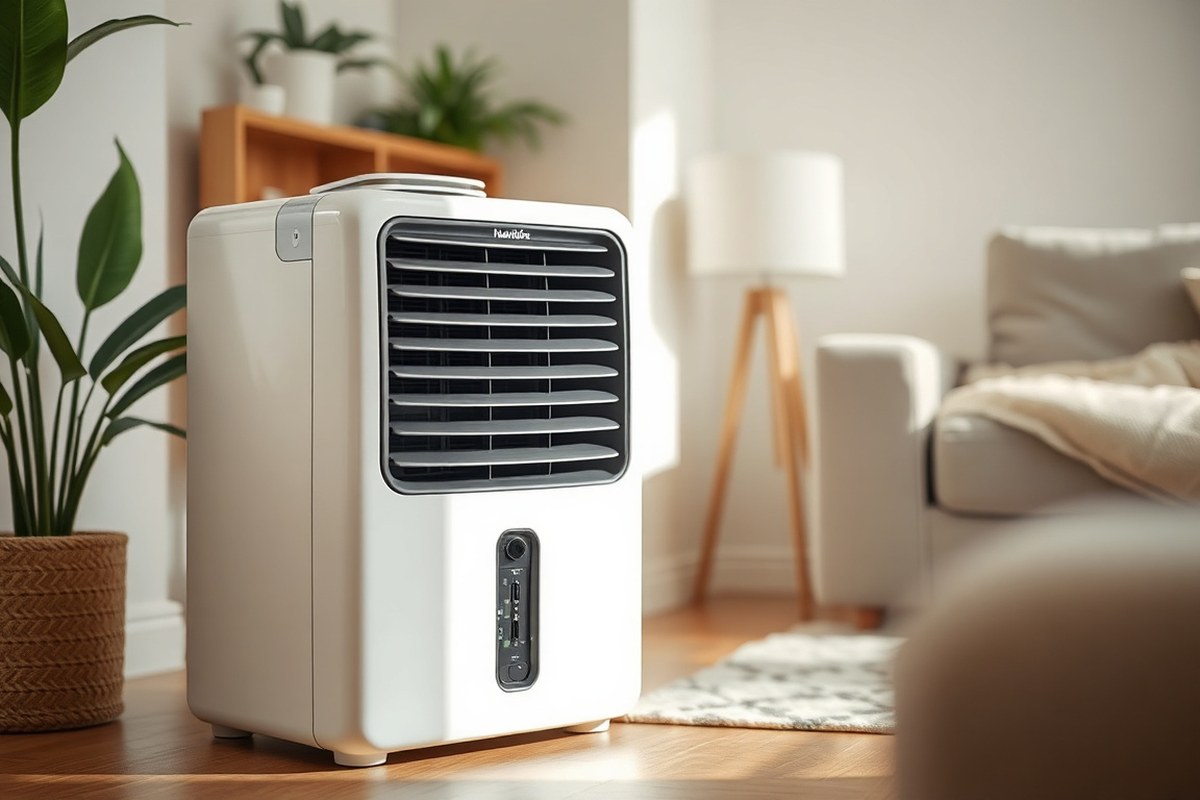
Lowering humidity inside your house starts with simple actions you can do right now. You don’t need fancy tools to control indoor humidity. A dehumidifier helps but isn’t required.
You can take simpler steps to reach 30%, 50% moisture levels. Simple changes like proper ventilation and managing moisture sources make a big difference quickly.
Here are practical steps to start reducing humidity using what you have at home. These methods work best if you don’t have active leaks or water damage. But they help most households control moisture every day.
- Run exhaust fans during showers and cooking. Turn on your bathroom and kitchen fans while in use. Keep fans running for about 20 minutes after to clear out moist air.
- Dry clothes outside or in a well-ventilated area. Hanging laundry outside prevents extra moisture from entering your house. Try opening a nearby window or door. This helps when outside drying isn’t possible.
- Open windows for cross-ventilation. A few open windows across rooms help exchange humid indoor air with drier outside air. Do this when outdoor humidity is lower than indoors.
- Fix any drainage issues around your home’s foundation. Make sure gutters are clean and direct water away from your house. Standing water near the foundation adds moisture inside.
- Avoid indoor plants or move them to well-ventilated spots. Lots of plants increase humidity by releasing moisture through leaves. Reduce or spread them out to lower moisture buildup.
- Use moisture-absorbing items like charcoal or silica gel.Baskets of charcoal or silica gel packets absorb moisture in damp areas. They work without any electricity. Keep them where moisture tends to build up.
- Keep lids on pots when cooking. This cuts down on steam released inside your kitchen during boiling or simmering.
These steps usually reduce humidity 5-15 percentage points within hours or days, depending on conditions. You should notice less condensation on windows and absence of damp smells.
Problems arise if moisture sources continue unchecked, like hidden leaks or poor home sealing. At that point, more advanced solutions might be needed.
2. How Indoor Humidity Affects Your Home and Health
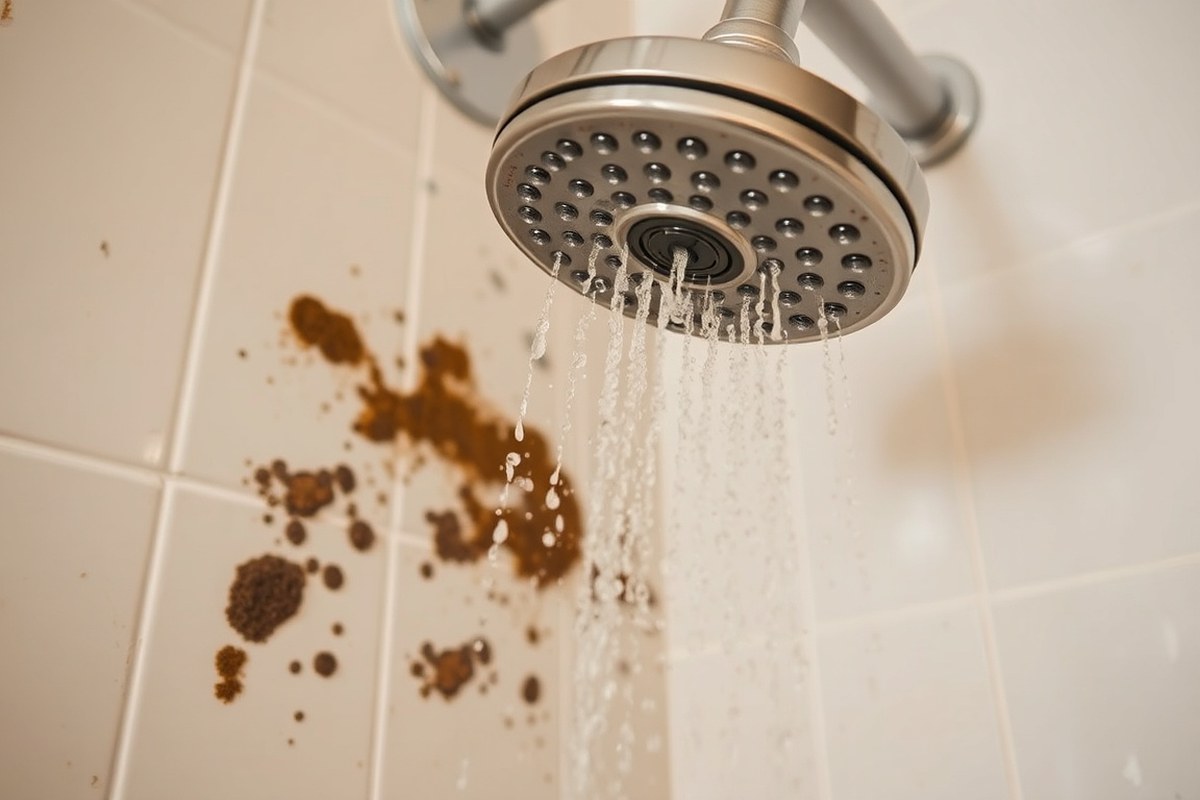
Why Indoor Humidity Levels Matter
Indoor humidity affects your comfort and health every day. The ideal range is 30% to 50% relative humidity (RH), according to the EPA and ASHRAE. Staying in this range helps prevent mold growth and allergens from getting out of control.
Humidity outside this range can cause problems quickly. Too much moisture lets mold thrive on walls and furniture, which can trigger asthma and allergies. Too little moisture dries out your skin and respiratory system, making breathing uncomfortable.
Risks of High Indoor Humidity
High humidity above 60% RH creates a perfect place for mold, dust mites, and bacteria. These can worsen asthma, allergies, and other respiratory illnesses. Moist air also encourages peeling paint and wood damage, weakening your home’s structure over time.
Sticky or muggy air is often a sign your humidity is too high. Condensation on windows or damp spots in basements show moisture buildup. Fixing leaks and improving ventilation helps remove excess moisture and lowers health risks.
Problems Caused by Low Indoor Humidity
Humidity below 30% can cause dry skin, itchy eyes, and irritated airways. Overusing heaters during winter often causes low humidity inside your home. Dry air also increases static electricity and can crack wood furniture or floors.
You might not notice low humidity right away. But it can make cold symptoms and respiratory infections worse. Using a humidifier adds moisture to dry air in your home.
How Humidity Promotes Mold and Respiratory Issues
Mold grows in damp, humid places inside your home. Surfaces that feel wet or have condensation spots often hide mold spores. Breathing in mold spores irritates your lungs and worsens asthma or allergies.
High humidity also supports dust mites and bacteria that trigger respiratory problems. These allergens settle in carpets, bedding, and old furniture. Regular cleaning and controlling humidity below 50% lowers dust mite numbers significantly.
Checking and Managing Your Indoor Humidity
A hygrometer costs about $10 and shows real-time humidity levels. Use it to check if your indoor air is in the healthy range.
Track changes by season to get the right balance. Aim for 30% to 40% during cold months.
Tackling sources of moisture like cooking steam, showers, and laundry helps keep humidity steady. Fix leaks and seal gaps to stop outside humidity from coming in. Each step lowers health risks and protects your home’s structure.
Keep your home’s humidity between 30% and 50% to avoid mold and breathing issues.
3. Common Causes of High Humidity Inside Your Home
Indoor humidity rises from many sources inside and outside your home. Cooking, showering, and drying clothes indoors add moisture to the air. Plumbing leaks or damp basements also push humidity higher, especially if you don’t catch them early.
Outdoor weather impacts indoor humidity too. Humid, muggy days make indoor air feel sticky and damp.
Outdoor air leaks through drafty windows and doors can bring moisture inside. Cold spots on windows may form condensation as humid air hits them.
- Exhaust fans running during showers and cooking
- Drying clothes indoors without venting
- Leaks under sinks or around plumbing fixtures
- Clogged gutters or downspouts directing water near foundations
- Drafty, worn windows and doors letting moist air in
- Lots of indoor plants adding moisture
- Poor basement drainage or grading around foundation
You might notice paint peeling or wallpaper bubbling on walls. That usually means extra moisture is trapped inside walls. Damp basements feel cool and musty after rainstorms.
This shows drainage problems. Fixes include extending downspouts away from your home.
Leaky plumbing hidden behind cabinets adds humidity slowly but steadily. This not only raises moisture but can cause mold over time.
Sealing these air leaks can cut indoor humidity by about 10% a day, according to NAFA. Target drafty windows with weatherstripping or replace them if worn out.
Outdoor air with high humidity means your home will stay moist unless sealed well. Opening windows can help only if outdoor air is drier than inside. Use air conditioning to cool and dry the air when it’s hot and humid outside.
4. When and How to Use Dehumidifiers Effectively
Dehumidifiers come in two main types: portable and whole-house. Choose the one that matches your home’s size and humidity level. Run your dehumidifier with windows and doors closed for best results.
Portable vs Whole-House Dehumidifiers
Portable units are perfect for single rooms or small areas like basements or bathrooms. They are easy to move and cost less upfront, ranging from about $150 to $400. Whole-house dehumidifiers connect to your HVAC system and handle several rooms at once.
Whole-house models suit homes with persistent humidity problems that spread across multiple rooms. They run quietly and maintain even humidity throughout the house. They can cost $1,000 or more installed but can save energy by working alongside your AC.
| Dehumidifier Type | Best For | Cost Range | Coverage |
|---|---|---|---|
| Portable | Single rooms, basements, small areas | $150, $400 | Up to 1,500 sq ft |
| Whole-House | Whole building, multi-room humidity | $1,000+ including installation | Entire home |
Choose portable if you want quick, targeted relief. Pick whole-house for widespread moisture problems.
Sizing Your Dehumidifier Correctly
Look at the pint-per-day capacity before buying. This shows how many pints of water the unit removes in 24 hours. Larger or damper spaces need higher capacity units.
For example, a 500 sq ft damp basement needs a 20-30 pint unit. Bigger rooms around 1,000 sq ft may require 50-70 pints capacity. Use a dehumidifier size chart or ask experts for advice.
A correctly sized dehumidifier can lower moisture in a closed room. Run it in a room at 70% humidity.
It usually reduces moisture within a few hours. Don’t buy too small a unit; it will work overtime and cost more energy.
Maintenance Checklist for Dehumidifiers
- Empty or drain the water reservoir regularly to prevent overflow or mold.
- Clean or replace the air filter every 2-4 weeks, depending on use.
- Keep the coils and fan blades dust-free to maintain airflow and efficiency.
- Check the humidistat setting; aim for 40% to 60% relative humidity indoors.
- Inspect hoses and drainage connections for leaks or blockages if using continuous drain.
Regular cleaning saves energy and prolongs your dehumidifier’s life. Replace units older than 15 years to avoid higher energy bills and poor performance.
5. Smart Ventilation Strategies to Reduce Indoor Moisture
Ventilation controls indoor humidity by moving moist air outside your home. Using exhaust fans, opening or closing windows, and improving air circulation all help reduce dampness inside. You need to match these methods to your home’s needs.
Match them to the outdoor weather too. This gives you the best results.
Using Exhaust Fans Properly
Exhaust fans remove humid air directly from rooms where moisture builds fast. Kitchens and bathrooms are the main spots to use them. Run exhaust fans during cooking or showering.
Keep them on for 20 minutes after. This removes steam and lowers humidity.
Check that your exhaust fans vent outside, not just into the attic or crawlspace. Properly vented fans cut humidity spikes by 10 to 15 percent. This happens over a few hours.
Fans help keep air drier. This improves comfort and prevents mold growth around moisture-prone areas.
- Turn on the exhaust fan just before you start cooking or showering.
- Keep the fan running during the activity to capture humid air.
- Continue running the fan for 15 to 20 minutes after finishing.
- Clean the fan regularly to maintain airflow.
- Make sure vent ducts go outdoors to avoid trapping moisture inside.
- Upgrade old fans if they move little air. Aim for at least 50 CFM in bathrooms. This keeps humidity under control.
Don’t run exhaust fans too long if your home’s heating or cooling losses are high. It can waste energy.
Deciding When to Open Windows
Opening windows helps lower humidity only if the outdoor air is drier than inside. Check local humidity or feel the air outside. If it’s muggy, keep windows shut.
Run air conditioning or dehumidifiers instead. Cooler, drier days in spring and fall are best for airing out your home this way.
Cross-ventilation improves airflow by opening windows on opposite sides of your house. This works well on mild days when the air feels fresh, not sticky. On hot, humid days, closed windows prevent moist outdoor air from raising indoor humidity.
- Monitor the outdoor humidity with a weather app or a hygrometer.
- Open windows only when outdoor humidity is below indoor levels, ideally under 50%.
- Open windows on opposite sides to create cross-ventilation for faster moisture removal.
- Close windows during rainy or humid weather to keep moist air out.
- Limit window opening to 30 minutes to an hour to avoid heat gain or cold drafts.
Leaving windows open too long in humid weather can raise indoor moisture and damage your home.
Optimizing Air Circulation Indoors
Fans inside your home help move air and stop humidity from settling in one place. Running ceiling or floor fans spreads drier air, which helps sweat or damp smells fade quicker. Good air circulation also stops moisture from condensing on walls and windows.
Use fans along with exhaust fans and open windows when conditions allow. Keep them on low to medium speed to maintain airflow without making rooms uncomfortable. Position fans to blow air across damp areas like basements or laundry rooms for better drying.
- Turn on ceiling or floor fans regularly to keep air moving.
- Direct fans toward areas with visible dampness or musty smells.
- Use portable fans in basements or crawl spaces to boost airflow.
- Run fans during and after activities that increase humidity, like showering or laundry.
- Avoid placing fans against windows, which can push moisture-dependent air back inside.
Don’t rely on fans alone to fix high humidity. They work best combined with ventilating and dehumidifying.
6. Maintaining Your Home to Prevent Humidity Problems
Leaks in your roof, walls, or plumbing add water inside your home. This water boosts indoor humidity and can cause mold. Poor drainage around your foundation lets rain seep into basements or crawl spaces, raising moisture levels.
You can stop most moisture problems with regular upkeep. Check your home for leaks and fix them quickly. Clear gutters and downspouts to keep water flowing away from your foundation.
Make sure the land slopes away from your house. The slope should drop at least 6 inches over 10 feet.
This helps keep water from pooling near your foundation. These steps keep water from pooling near your walls or basement.
- Look under sinks, behind appliances, and around windows for leaks or damp spots.
- Inspect your roof for damaged or missing shingles every spring and fall.
- Test basement and crawl spaces for musty smells and wet spots monthly.
- Clean gutters twice a year to prevent water overflow near your house.
- Keep HVAC drip pans clean and drains clear to avoid water buildup.
- Seal cracks in foundation walls and around windows with caulk or foam.
Hidden moisture can build up behind walls and under floors. Use a moisture meter if you suspect dampness you can’t see. Mold spots or musty odors often signal a hidden water problem.
Address drainage issues and leaks promptly. Ignoring these often leads to higher bills and damage from mold or wood rot.
7. Natural and DIY Ways to Lower Humidity Without Machines
Baking soda works well in small spaces to reduce humidity. Place an open box in closets or pantries to absorb moisture and cut damp odours. It costs just a few dollars.
You need to replace it every 30 to 60 days. This keeps it working its best.
Charcoal and rock salt absorb more moisture and suit larger rooms better. Put them in shallow bowls on shelves or tables.
Each batch handles only a few ounces of water before you must replace it. They won’t fix a whole-home humidity problem but can make small areas feel less damp.
Drying clothes outside is one of the best natural ways to reduce indoor moisture. Inside drying adds steam to air, raising humidity quickly.
When weather allows, hang clothes outside on a line or rack. This simple change helps keep your home’s air drier without machines or chemicals.
- Move houseplants outdoors in very humid weather to lower indoor moisture
- Leave baking soda open in drawers, closets, or near moisture spots
- Use bowls of charcoal or rock salt in bigger rooms or basements
- Hang clothes outside to dry when the air is warm and dry
- Avoid drying lots of laundry indoors in small spaces
- Reduce steam sources by covering pots when cooking and using exhaust fans
Houseplants release moisture through leaves, so moving some outside helps during humid spells. Only do this if plants can tolerate outdoor conditions safely. Removing a few pots for a week or two can lower indoor moisture a bit.
Using moisture absorbers is a moderate fix. They take hours or days to pull water from the air.
These methods work best combined with drying habits and good ventilation. They don’t replace fans or dehumidifiers but offer cheap, quieter options for low to moderate humidity.
8. When to Call a Professional for High Humidity Issues
Check your home’s humidity with a hygrometer. Levels above 60% or often hitting 70% mean you need a pro. Visible mold, constant condensation on windows, or musty smells also call for expert help.
These signs show your efforts aren’t working. Moisture may hurt your home or health.
Look for professionals with backgrounds in indoor air quality (IAQ), HVAC systems, or home energy audits. They understand how moisture moves through a house and how to fix ventilation, insulation, or leaks.
Some specialists may offer mold remediation or drainage solutions if water damage is involved. You can search for certified IAQ inspectors or licensed HVAC contractors in your area.
Costs vary depending on the problem. Having a professional inspect your home usually runs from $200 to $500. Repairs can cost more.
Weatherstripping runs $100 to $300. Bigger jobs like fans or AC upgrades cost thousands.
Mold removal can range from $500 to over $6,000 based on damage severity. Your decision should weigh how long high humidity has lasted and the visible damage you see.
After hiring a pro, keep a close eye on results. Good results mean humidity consistently below 50%, no visible mold, dry surfaces, and no musty smells. Problems still there?
You might need another opinion or more repairs. Acting fast saves money and stops bigger issues like rotten wood or health problems.
Don’t wait to call a pro if moisture or mold stays. It protects your home and health.
Step-by-Step Action Plan to Lower Indoor Humidity
Follow these steps to reduce humidity steadily and see real results. Track changes by checking your home’s moisture levels regularly.
- Day 1: Open windows or run exhaust fans while cooking and showering. Check if steam clears quickly.
- Week 1: Place a dehumidifier in the most humid room. Note if moisture on windows lessens.
- Week 2: Fix leaks and seal gaps around doors and windows. Watch for fewer damp spots or smells.
- Week 3: Clean and maintain HVAC filters and vents. See if air feels fresher and less sticky.
- Week 4: Use moisture absorbers like silica gel packets in closets. Check clothes for dampness.
- After 1 Month: Monitor indoor humidity with a hygrometer. Aim for 30%-50% humidity.
- Ongoing: Ventilate naturally and keep basement areas dry. Look for sustained low humidity readings.
Frequently Asked Questions
What Is the Best Way to Measure Indoor Humidity?
Use a hygrometer to measure relative humidity inside your house. It tells you if humidity in your home is too high.
The ideal range to aim for is 30 to 50 percent. This helps keep your indoor air comfortable and healthy.
Can Houseplants Help Reduce Indoor Humidity?
Most houseplants release moisture and can increase humidity levels indoors. Some plants absorb water but generally don’t reduce whole-house humidity. It’s better to focus on ventilation and moisture control methods.
How Does Basement Waterproofing Affect Humidity?
Proper basement waterproofing can reduce moisture seeping into your home. Fixing leaks and improving drainage prevents dampness that raises indoor humidity. It helps maintain a dry basement and healthier air quality.
Why Does Cooking Increase Indoor Humidity so Much?
Cooking releases steam and moisture into the air, raising humidity fast. Running exhaust fans during and after cooking helps remove this moisture. Open windows for better airflow if fans aren’t available.
Can Using an Air Conditioner Alone Lower Humidity Effectively?
Air conditioners can reduce humidity by cooling and removing moisture from the air. However, they’re less effective in very humid climates or without good ventilation. A dehumidifier may be necessary in high humidity areas.
Will Sealing Windows and Doors Lower Indoor Humidity?
Sealing windows and doors reduces outside humid air from entering your home. This can help keep indoor humidity lower, especially in humid climates. Still, you need ventilation to avoid trapping moisture inside.
Key Points to Remember
Lowering your home’s humidity improves comfort and health. Start with simple steps like better ventilation. Check your progress often, and take action if humidity creeps up again.