
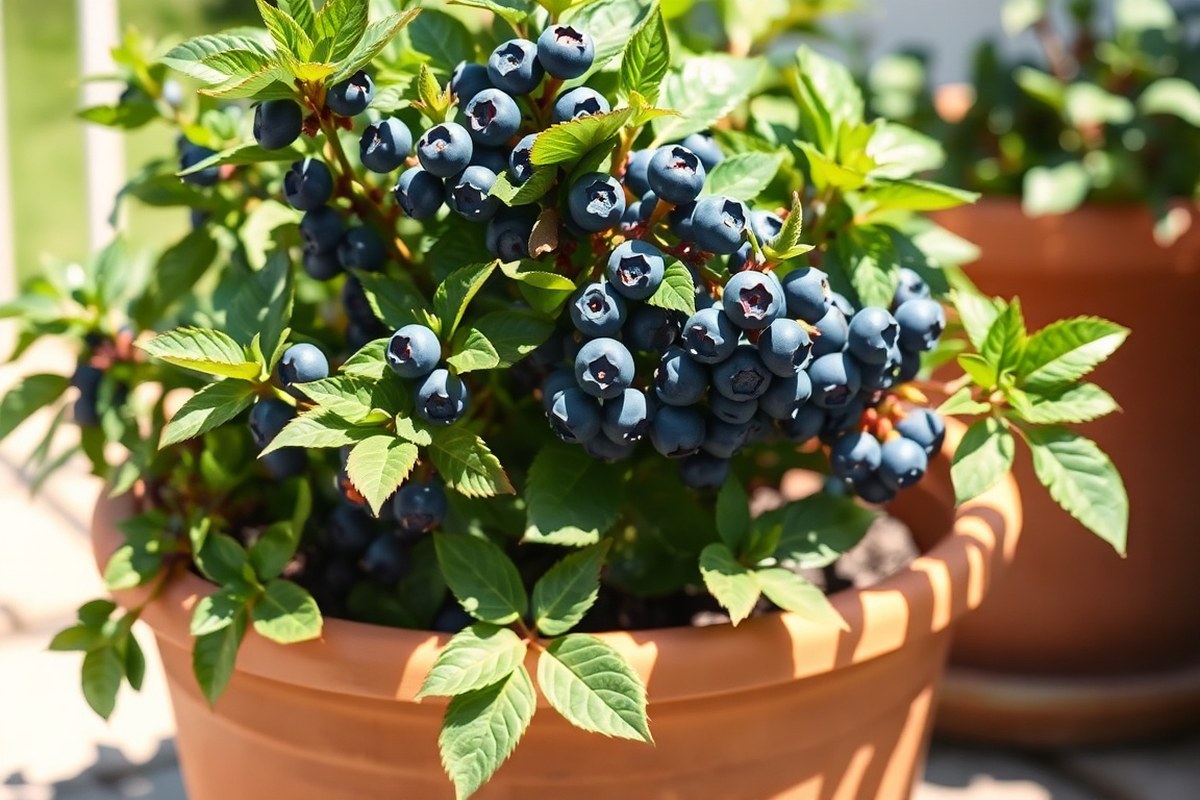
Can You Plant Blueberries in Pots? A Complete Guide That Works
Can you plant blueberries in pots? Yes, you can grow blueberries successfully in pots. They need large containers, acidic soil, and plenty of sunlight to thrive.
Use a container that’s at least 24 inches wide. It should also be 24 inches deep. This size gives blueberry roots room to grow well.
Pick smaller blueberry types like dwarf or half-high. They need less space and are easier to care for.
The soil should be acidic, with pH between 4.5 and 5.5. Your plant needs 6 to 8 hours of full sun daily to produce fruit well.
Watch out for containers that don’t drain well or soil that’s too alkaline. Refresh the potting mix every 1 to 2 years after fruiting to keep your blueberry happy. With the right pot, soil, and sun, your blueberry bush can flourish in any small space.
Key Takeaways
- Use a container at least 24 inches wide and deep for mature blueberry plants.
- Pick half-high or dwarf blueberry varieties for easier pot growing.
- Keep potting soil pH between 4.5 and 5.5 for healthy blueberry roots.
- Expose your plant to 6 to 8 hours of full sun daily for fruit.
- Ensure the pot has multiple drainage holes to avoid waterlogging.
- Replace potting soil every 1-2 years after fruiting to keep nutrients fresh.
Can You Successfully Grow Blueberries in Pots?
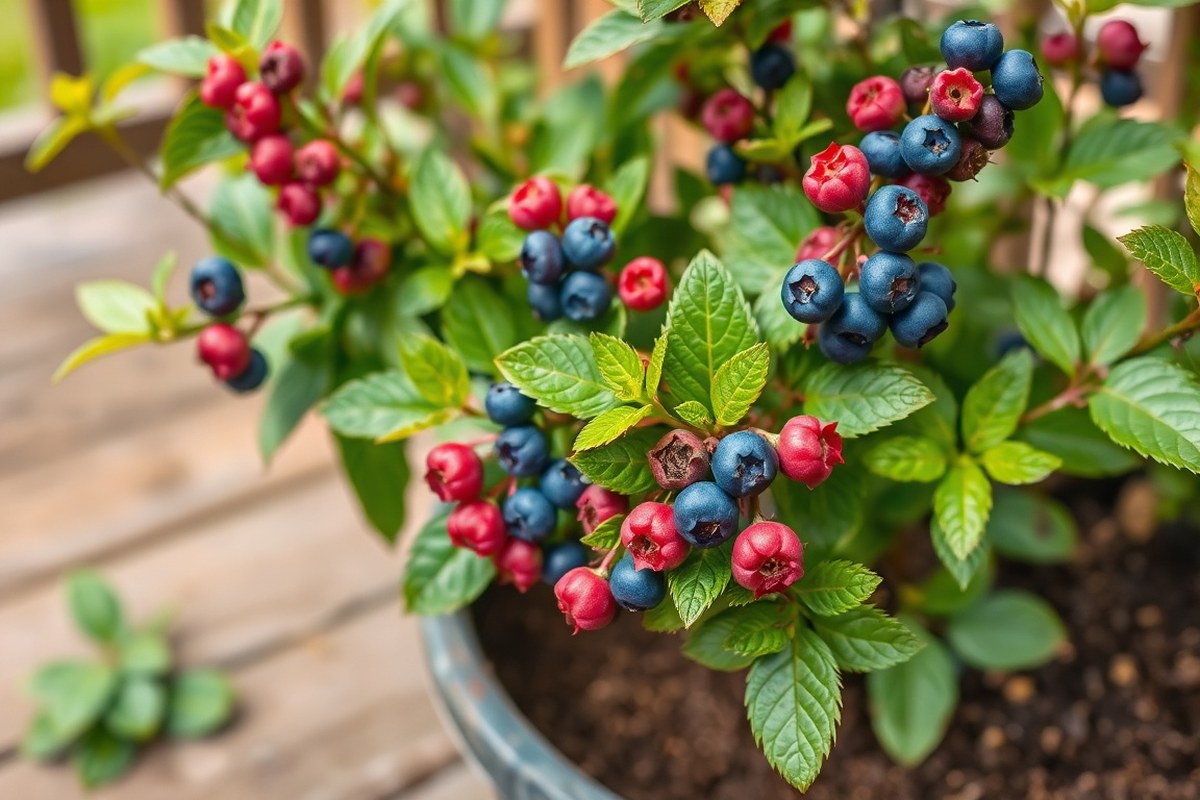
You can successfully grow blueberries in pots if you provide the right conditions. Use a container at least 24 inches deep and wide to hold enough soil and roots. This size helps the plant grow strong and produce fruit like it would in the ground.
Blueberries in pots tend to need more frequent watering and feeding compared to ground plants. Containers dry out faster, so you must check moisture often.
Still, pots offer control over soil acidity, which blueberries need between pH 4.5 and 5.5. This control can lead to good fruit production if managed well.
Compared to planting in the ground, container blueberries usually produce less fruit overall. Ground plants can use more nutrients and have room to spread roots wider. However, potted plants avoid some soil diseases and pests.
You can move pots around to protect your blueberries. This helps them avoid harsh weather or too much sun. Moving pots keeps your plants safer and healthier.
A major plus of container blueberries is space flexibility. You can place pots on patios or balconies, perfect for small gardens or rented spaces.
Keep pots on plant caddies or bricks to ensure good drainage. Good drainage prevents root rot, which can ruin the plant quickly.
Container-grown blueberries may take 2 to 3 years to start fruiting. Selecting dwarf or half-high varieties helps if you want smaller plants that fit containers well.
Taller highbush types grow 7 to 8 feet tall, which gets tricky in a pot. Choose your variety based on the space and pot size.
Watch out for common pests and diseases that also affect potted blueberries. The risk isn’t less in containers. But good care and monitoring can keep your plants healthy.
Growing blueberries in pots works well with care. You need to water, feed, and check soil often. Commitment to these steps helps blueberries thrive.
Choosing the Right Blueberry Varieties for Containers
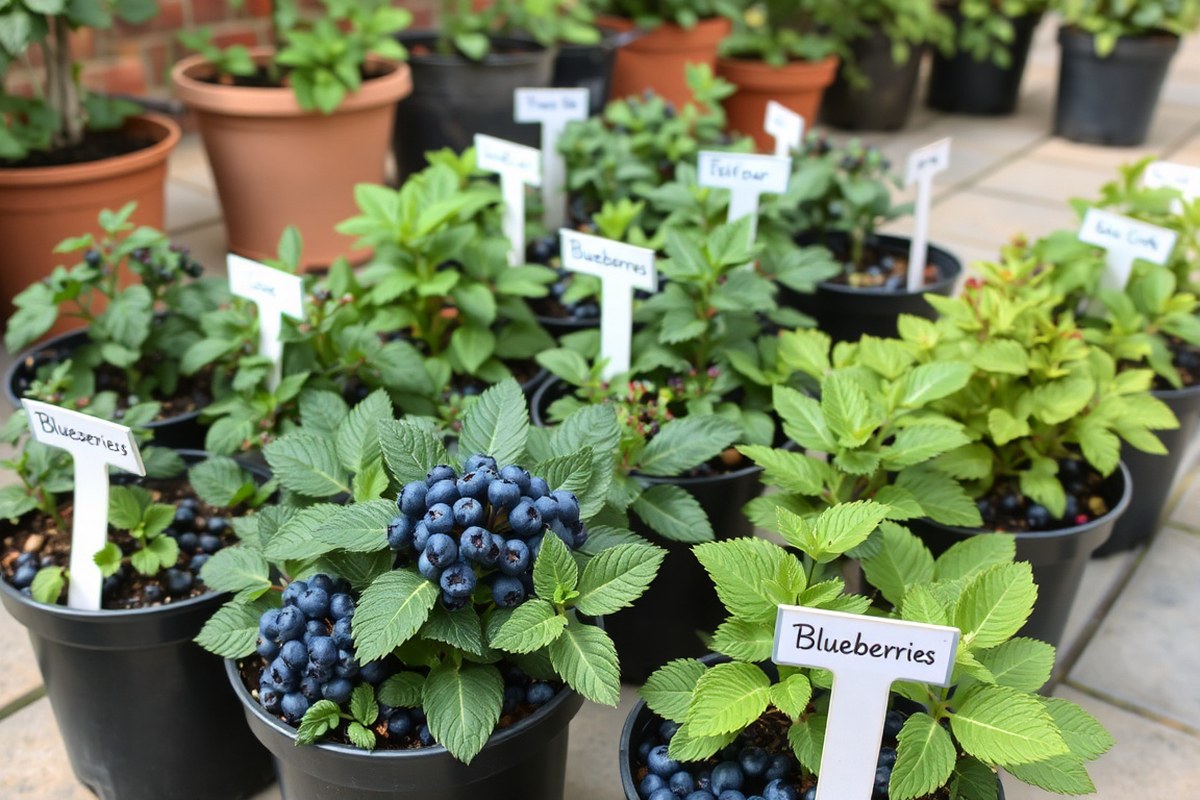
Not all blueberry varieties do well in pots. It is easiest to grow dwarf or half-high types in containers.
They stay small, usually 2 to 3 feet tall. That size fits well in most pots and makes harvesting easier.
Choosing varieties that suit your climate is important. Blueberries have specific chill hour needs.
Low-chill varieties work better in warm climates. Higher chill hour types need colder winters and suit cooler regions.
Planting two or more varieties can boost fruit set. They cross-pollinate, leading to bigger yields. Even self-pollinating varieties perform better with a partner nearby.
| Variety | Height (ft) | Chill Hours | Yield (1st 2 yrs) |
|---|---|---|---|
| Top Hat | 2-3 | 300-500 | Few handfuls in year 2 |
| Sunshine Blue | 2-3 | 150-300 | Several handfuls in year 2 |
| Hello Darlin’ | 2.5-3 | Low chill (100-200) | Few handfuls in year 2 |
| Half-High Blend | 3-4 | 800-1000 | Growing steadily to year 5 |
Two-year-old container plants usually start with small yields. Your plant will produce more berries each year until about age five. You might need to move pots to sunnier spots as bushes grow.
Keep pots on wheeled caddies for easy moving during the growing season.
Dwarf types like Top Hat and Sunshine Blue do well in small to medium pots. Hello Darlin’ suits warmer zones needing very low chill hours. Choose varieties that match your local cold hours and space for best results.
How to Choose the Best Containers for Blueberries
Choose a pot at least 18 inches wide and 20 inches deep for most blueberries. Bigger varieties and mature bushes need pots about 24 inches wide and deep. Light-colored pots with good drainage help keep roots healthy and growth strong.
Minimum Size Requirements by Plant Type
Smaller blueberry types, like dwarf cultivars, do well in 18-inch pots. Standard or larger varieties grow best in containers about 24 inches wide and deep. You can plant two small bushes in one large pot if it’s 30 inches or wider.
Roots need room to spread without circling the pot’s edges. Roots showing through drainage holes or slowed growth mean repot now. Check your plant yearly for root crowding to keep it healthy.
Ideal Pot Materials and Color
Pick pots that hold moisture but drain well. Plastic, resin, or glazed ceramic are good choices.
Terracotta dries out quickly and may not be ideal unless you water often. Light-colored pots prevent soil overheating in summer.
Weight matters if you plan to move the pot. Plastic and resin pots weigh less than ceramic or concrete. Avoid materials that easily crack outside during winter, especially if you live in cold zones.
Drainage Solutions and Pot Placement
Drainage holes are essential to avoid waterlogged roots that cause rot. Use pots with several holes, about ⅛ inch in diameter or larger. Add a layer of gravel or broken pottery at the bottom for extra drainage support.
Raise pots slightly off the ground using pot feet or bricks. This helps drainage holes work better and prevents water buildup underneath. Place pots where they get at least six hours of sun daily for best fruiting.
- Choose pots at least 18 inches wide and 20 inches deep for blueberries
- Use light-colored plastic, resin, or glazed ceramic for temperature control
- Ensure pots have multiple drainage holes to prevent root rot
- Check roots yearly and repot into bigger pots when needed
- Plant two small bushes in 30+ inch-wide pots if space allows
- Raise pots off the ground to improve drainage
- Place pots in spots with full sun for good growth
Creating the Ideal Soil Mix and pH for Potted Blueberries
Blueberries grow best in pots with soil that stays acidic, between pH 4.5 and 5.5. This acidic mix lets the berries absorb nutrients easily and keeps them healthy. You’ll prepare a special soil blend and check pH often to keep your container blueberries thriving.
Ingredients for the Perfect Acidic Mix
Blueberries need acidic soil, which typical potting soil lacks. Use a mix with half peat moss and half potting soil.
Choose potting soil made for acid-loving plants like azaleas. This mix works well for blueberries in containers.
Adding organic matter helps keep soil loose and moist. Pine bark mulch or shredded pine needles work well as natural acidifiers and improve drainage.
Testing and Adjusting Soil pH Easily
Use a soil test kit or a digital pH meter to check the soil’s acidity. Aim for a pH between 4.5 and 5.5. Soil can drift higher in containers, so test every few months.
To lower pH, add elemental sulfur or organic options like coffee grounds. Mix these into the top layers carefully so your plants don’t get shocked.
If the soil is too acidic, add garden lime. Sprinkle only a small amount on the soil surface.
Mix the lime lightly into the soil to raise pH. Adjust gradually over weeks to avoid sudden changes.
Refreshing Potting Mix and When to Repot
Over time, soil nutrients fade and pH may shift. Refresh the soil every 1 to 2 years, ideally after the blueberry harvest ends.
Remove the plant, prune roots a bit, then replace old soil with fresh acidic mix. This refresh helps keep acidity stable and feeds the plant well.
Use a wide container that lets roots spread. Too small pots cause faster pH changes and stress your plant.
- Gather peat moss, azalea or hydrangea potting mix, and pine bark mulch.
- Mix equal parts peat moss and potting soil in a clean container.
- Incorporate pine bark or pine needles for acidity and drainage.
- Fill your pot about 3 inches below the rim with the mix.
- Plant your blueberry, spreading out roots gently in the soil.
- Test soil pH with a kit every 3 months and note results.
- Adjust pH by mixing in sulfur to lower or lime to raise acidity.
- After 1 to 2 years, repot with fresh soil mix to maintain health.
Sunlight, Watering, and Fertilizing Potted Blueberries
Blueberries in containers require 6 to 8 hours of direct sun daily. Keep their soil moist by watering regularly but avoid making it soggy. Apply slow-release acidic fertilizer once 4 weeks after planting, then again in the fall.
Minimum Sunlight Requirements for Fruit Production
Blueberries need at least 6 hours of direct sun daily to produce good fruit. Eight hours is better for a bigger harvest. Too little sun makes the plant survive but produce few berries.
Place your blueberry pot where it gets full sun, like a south-facing balcony or patio. You can grow blueberries indoors with at least 6 hours of bright light. Using grow lights works well when natural sunlight isn’t enough.
This helps blueberries produce healthy fruit inside. Avoid shady spots since they reduce fruit yield significantly.
Establishing a Consistent Watering Routine
Potted blueberries dry out faster than those in the ground. Water your plant when the top inch of soil feels dry to the touch. During flowering and fruiting, increase watering to keep soil evenly moist.
- Check soil moisture every day in hot weather
- Water deeply until you see drainage from the container holes
- Avoid waterlogging to prevent root rot
- Use room temperature water to avoid shocking roots
- Mulch the soil surface to retain moisture
Keep your blueberry container’s soil consistently damp but not soaked. Pots can dry quickly especially under full sun and wind.
Keep a watering schedule handy to avoid drying out or overwatering your blueberry plant.
Fertilizing Strategies for Acid-Loving Plants
Apply a slow-release fertilizer made for acid-loving plants about 4 weeks after planting. This boosts growth and fruiting. Sprinkle fertilizer around the plant base and water it in well to activate nutrients.
Feed your blueberry again in early spring just before bud break. Fertilizing in fall helps roots grow strong for the next season. Avoid fertilizers with lime or high pH since blueberries prefer acidic conditions.
- Choose organic fertilizers designed for acid soil, like Holly-tone
- Follow package directions for amounts and frequency
- Apply fertilizer in April and again in October
- Mix slow-release fertilizer into the top two inches of soil
- Do not over-fertilize; too much can damage roots
Planting and Repotting Blueberries in Containers
Planting blueberries in pots starts best in early spring after the last frost. You want a healthy, well-rooted plant, about 6 to 12 inches tall. The container should have fresh, acidic soil to keep roots happy.
Keep the root crown just below soil surface. Planting too deep can cause stem rot and suffocate roots. Avoid soggy soil because blueberries hate being too wet and can develop root rot.
Repotting every 2 to 3 years refreshes the soil and gives roots room to grow. Do this before your plant flowers to prevent transplant shock. Use a slightly bigger pot with fresh acidic soil for the best results.
Repot young plants in late autumn or early spring when they’re dormant. This timing lets roots settle before growing season. Avoid overcrowding by checking if roots circle inside the pot, which means it’s time to repot.
Here’s a step-by-step on how to plant and repot blueberries in containers:
- Choose a pot with good drainage, at least 12 inches wide for mature plants.
- Fill the pot with fresh acidic soil, pH around 4.5 to 5.5, leaving room for the plant.
- Set the blueberry plant in the pot so the soil surface matches the root crown depth.
- Fill soil around roots gently, firm it lightly but don’t pack it tight.
- Water thoroughly and place the pot where it gets full sun most of the day.
- For repotting, select a pot 2 to 4 inches larger in diameter than the current one.
- Remove the plant carefully, loosen the root ball, and prune any circling or dead roots.
- Plant it at the same depth in the new pot with fresh soil, then water well.
Keep an eye on signs like slow growth or roots pushing through drainage holes. These mean your plant needs repotting. Do not wait longer than 3 years to avoid soil depletion and crowding.
It takes some effort. This helps keep your blueberries healthy. They stay productive for many seasons.
Protecting and Caring for Blueberries in Pots During Winter
Protect your potted blueberries from winter cold by moving them to a sheltered spot. An unheated garage or a corner next to your house works well. These places stay cool but shield the plants from drying, cold winds that can harm roots.
Mulching and insulating the pots helps the roots stay warm. Add 4 to 8 inches of straw or shredded leaves around the base. Then, cover the plant with a burlap sack for extra protection against frost and wind.
- Move pots off direct winter winds into a sheltered location
- Use 4, 8 inches of straw or shredded leaves as mulch
- Wrap pots with burlap or foam for insulation
- Place small to medium pots in an unheated garage
- Bury large or immovable pots partially in the ground
- Keep plants where they still get 6 to 8 hours of sunlight
Burying pots in the garden is another strong option if you can handle the work. It keeps roots closer to earth temperatures and reduces freeze damage.
Large pots are harder to move. So wrapping them with burlap or foam is a good alternative.
Wind can dry out dormant blueberries faster than cold alone. Insulating the pot walls and placing pots out of the wind helps keep moisture in. Regularly check soil moisture during winter and water lightly if it feels dry to the touch.
Identifying and Managing Common Issues in Container Blueberries
Watch out for pests like aphids, spider mites, and blueberry maggots. Aphids cluster on new growth, making leaves curl or yellow. Spider mites cause tiny yellow spots and stubborn webbing under leaves.
Blueberry maggots lay eggs in fruit, causing soft spots and early rot. Check leaves and fruit every week to catch problems early.
Powdery mildew and root rot are common diseases in pots. Powdery mildew looks like white powder on leaves and slows growth. Root rot makes roots brown and mushy, killing the plant if not fixed.
Good drainage and not overwatering helps prevent root rot. When powdery mildew shows up, cut off the bad leaves and apply a fungicide safe for blueberries.
Blueberries in pots can show nutrient problems fast. Yellow leaves with green veins often mean iron deficiency. Pale leaves with brown edges may signal potassium shortage.
Add a fertilizer made for acid-loving plants when you see these signs. Avoid regular garden fertilizers, as they can raise soil pH and harm blueberries.
Keep watering steady but don’t drown the plants. Wilting leaves may mean underwatering; soggy soil means overwatering. Soil in pots dries fast.
So check moisture every two or three days in warm weather. Adjust watering to keep soil damp but not soaked.
Use a magnifying glass to spot tiny pests early and prevent damage.
When pests or disease keep spreading, ask a local nursery or extension service for help. Some problems may need specific treatments or advice on pH adjustments. Professional help is wise if leaves yellow suddenly or roots look unhealthy after watering changes.
In very hot spots, give blueberries some afternoon shade to ease stress. Heat stress can cause leaf scorch and drop, making pests and diseases worse. A lightweight cloth or placing pots near taller plants can provide relief without blocking morning sun.
Step-by-Step Action Plan for Growing Blueberries in Containers
Follow these simple steps to start growing blueberries successfully in pots. Watch your plants carefully to know when to adjust care.
- Before You Start: Pick a dwarf blueberry like ‘Top Hat’ or ‘Jelly Bean’. These types grow well in containers. They stay small and fit perfectly in your pot. This ensures the plant stays manageable and produces well in small spaces.
- Week 1: Select a container at least 18 inches wide with good drainage holes. Fill it with acidic, well-draining soil mixed with peat moss and pine bark.
- Week 2: Plant the blueberry bush with roots fully covered by soil. Keep the crown above the soil line. This helps the plant breathe and grow. Water it thoroughly and place it where it gets 6-8 hours of sun daily.
- Month 1: Begin watering when the top inch of soil feels dry. Keep soil moist but not soaked to avoid root rot.
- Month 2: Use a fertilizer made for acid-loving plants every 4-6 weeks. Watch for healthy leaf color and new growth as a sign it’s working.
- After 6 Months: Look for roots growing around the pot’s edges. This shows the plant might need more space. Checking now helps avoid root crowding. Move the blueberry to a slightly bigger pot if roots circle the edges. Use fresh soil to give the roots nutrients. This keeps the plant healthy and growing.
- Monthly During Growing Season: Monitor for pests or diseases like powdery mildew. Treat problems early with safe, recommended methods for blueberries.
- Before Winter: Move the pot to a spot sheltered from wind and cold. Wrap the pot or use insulation for extra protection. This stops the roots from freezing. This keeps roots safe through cold months.
Frequently Asked Questions
Can You Plant Blueberries in Pots Successfully?
Yes, you can grow blueberries in pots with the right care. Use a large container and acidic soil to help them thrive.
Do Blueberries Do Better in Pots or the Ground?
Blueberries generally live longer and produce more fruit in the ground. In pots, their lifespan and harvest size can be shorter but still rewarding.
How Many Years Does a Blueberry Bush Take to Fruit in a Pot?
It usually takes 2 to 3 years for potted blueberries to produce fruit. Early harvests are small but grow larger by year 5.
Will One or Two Blueberry Bushes Be Enough to Produce Fruit?
Two bushes improve pollination and fruit yield compared to just one. Cross-pollination boosts berry production for better harvests.
What Is the Best Month to Plant Blueberry Bushes in Pots?
Early spring is the best time to plant blueberries in pots. This timing helps plants settle before hot summer weather begins.
How Large Should the Pot Be for Growing Blueberries?
Use a pot at least 24 inches deep and wide for a blueberry plant. This size gives roots room to grow and supports good fruiting.
Wrapping Up
Blueberries grow well in pots when you choose the right variety and soil. Pay close attention to watering and sunlight to keep them healthy. Start today by picking your blueberry plant and a suitable pot.




One Comment